Sample text



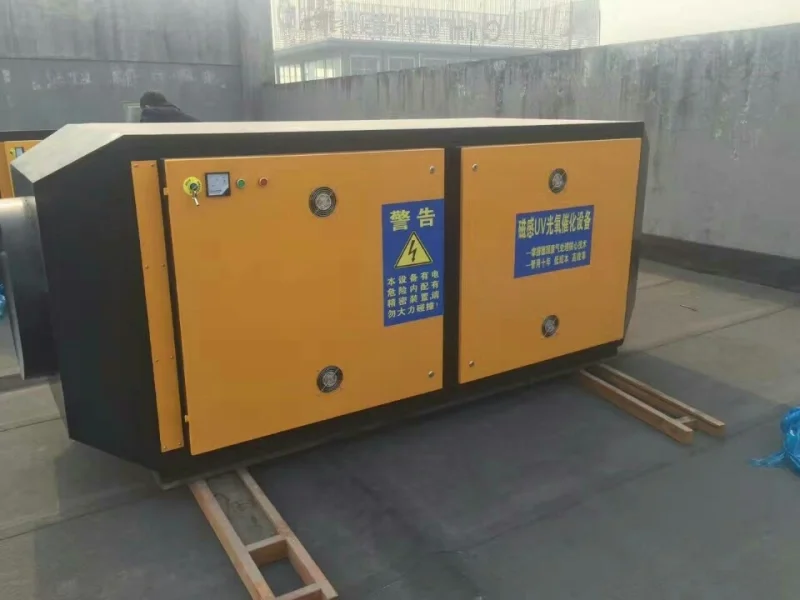
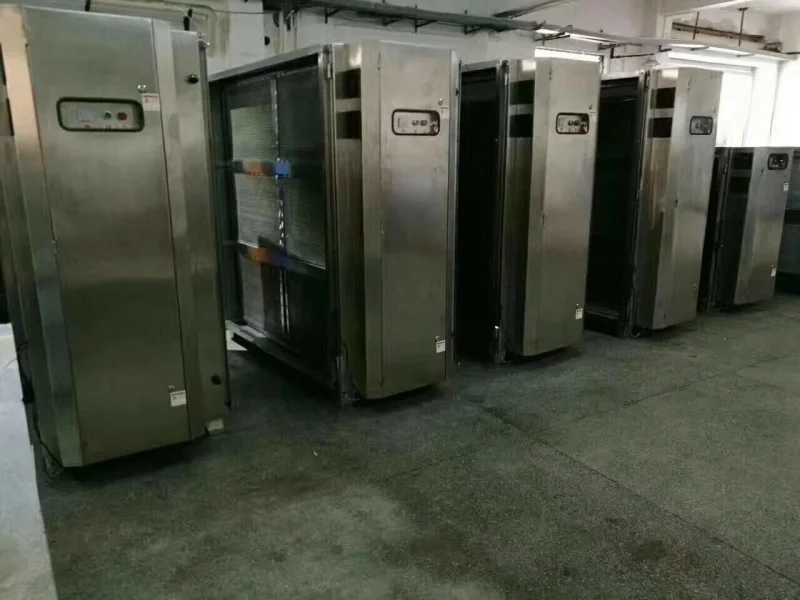
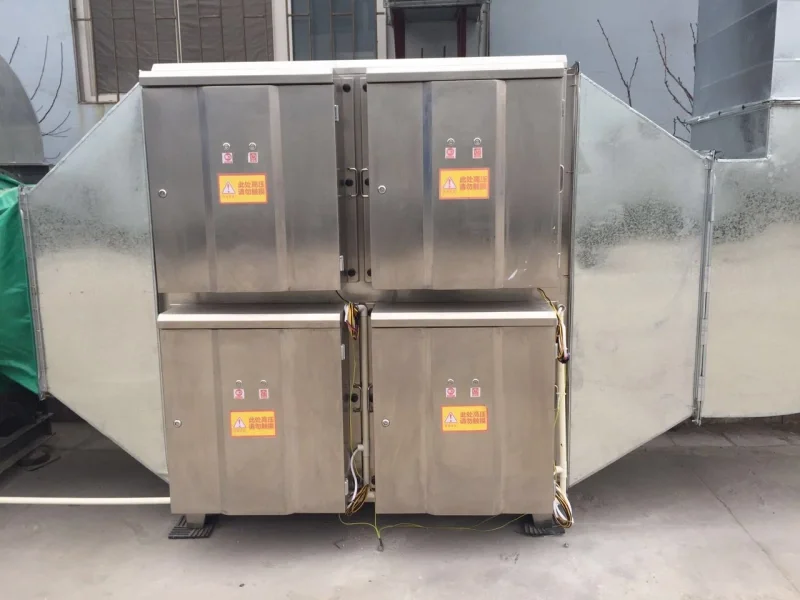
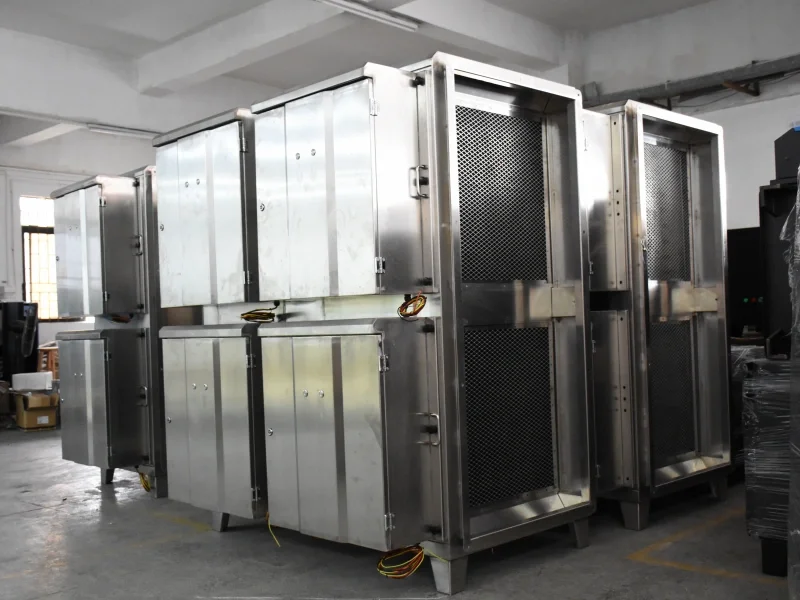
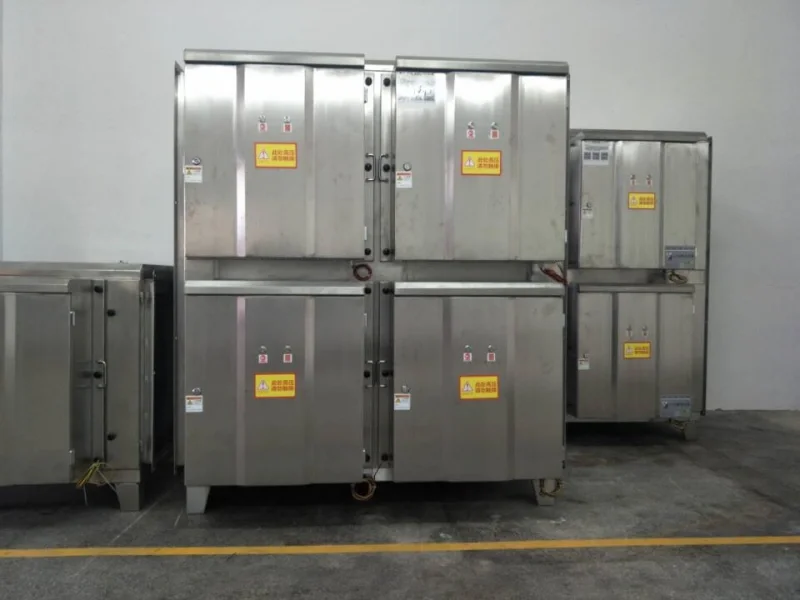
UV photolysis exhaust gas treatment equipment
PRODUCT PARAMETERS
Description
What is UV Photolysis Exhaust Gas Purification?
UV photolysis exhaust gas purification is an advanced oxidation technology engineered to eliminate volatile organic compounds (VOCs), hazardous air pollutants, and foul industrial odors. By utilizing high-intensity ultraviolet (UV) light, our UV photolysis exhaust gas treatment equipment breaks down complex organic molecules into non-toxic, eco-friendly substances without generating secondary pollution.
Key Components of UV Photolysis Systems
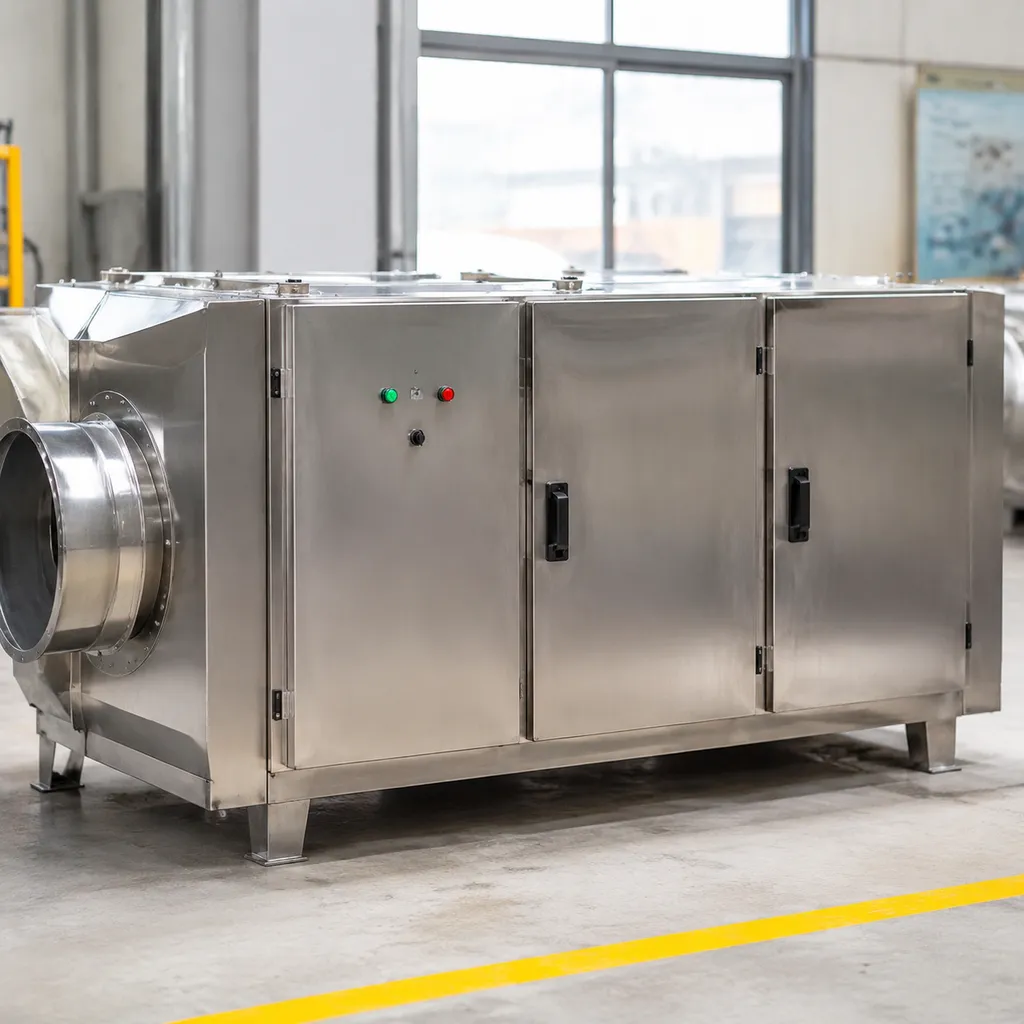
Our industrial-grade systems are built using heavy-duty, corrosion-resistant components designed for long-term continuous operation:
- High-Intensity UV Lamps: Specialized quartz C-band UV tubes designed for maximum photon output and prolonged operational life.
- Nano-TiO2 Catalyst Matrix: Premium photocatalytic honeycomb filters designed to maximize target contact area and reaction speed.
- Corrosion-Resistant Housing: Heavy-duty 304 or 316L stainless steel enclosure ensuring structural integrity in harsh industrial environments.
- Smart Electrical Control System: High-frequency electronic ballasts and automated control modules that guarantee stable power delivery, real-time safety monitoring, and optimal energy efficiency.
Performance Features and Key Advantages
High-Efficiency Deodorization and VOC Removal
We engineered our UV photolysis exhaust gas treatment equipment to eliminate foul odors and volatile organic compounds (VOCs) right at the source. Our system uses strong UV radiation and catalytic oxidation. It quickly breaks chemical bonds in industrial waste. This process turns harmful pollutants into clean CO2 and H2O.
- Deodorization Efficiency: Up to 95% breakdown rate for stubborn industrial odors.
- Broad VOC Target: Effectively neutralizes benzene, toluene, xylene, ethyl acetate, and sulfur compounds.
- Instant Breakdown: High-energy UV tubes ensure fast, continuous air purification without dangerous chemical residues.
Scope of application for UV photolysis waste gas treatment equipment
Deodorization and purification of smelly gases come from various sources. These include:
Food processing plants
Meat processing plants
Slaughterhouses
Poultry feed mills
Paper mills
Sewage treatment plants
Garbage transfer stations
Manure treatment facilities
Food processing plants
Meat processing plants
Slaughterhouses
Poultry feed mills
Paper mills
Sewage treatment plants
Garbage transfer stations
Manure treatment facilities
Deodorization and purification treat odorous gases from various sources, including:
Oil refineries
Rubber factories
Leather factories
Printing plants
Chemical plants
Pharmaceutical factories (both Chinese and Western)
Metal foundries
Plastic recycling plants
Spraying solvents
Oil refineries
Rubber factories
Leather factories
Printing plants
Chemical plants
Pharmaceutical factories (both Chinese and Western)
Metal foundries
Plastic recycling plants
Spraying solvents
UV photolysis has the following significant advantages
High Adaptability: Adaptable to the purification of most high-concentration, high-volume, and diverse organic gases. It has a flexible design, making it useful for deodorization, sterilization, and gas purification. You can find it in oil refineries, rubber factories, chemical plants, pharmaceutical factories, sewage treatment plants, garbage transfer stations, sewage pumping stations, and central air conditioning systems. It can operate continuously 24 hours a day with stable and reliable operation.
Highly Efficient Odor Removal: Highly efficient at removing volatile organic compounds (VOCs) and inorganic pollutants such as hydrogen sulfide and ammonia, eliminating various malodors. Deodorization efficiency exceeds 99%. This is well above the national odor pollutant emission standard (GB14554-93).
Low Operating Costs: This equipment has no mechanical parts, generates no noise, requires no dedicated personnel for management and daily maintenance, only periodic inspections and maintenance. Maintenance and energy use are low. Wind resistance is also very low, which saves a lot of exhaust power energy.
Safe and Reliable: Utilizing the photolysis principle, the modules are explosion-proof, eliminating safety hazards. They provide strong fire resistance, explosion-proof features, and corrosion resistance. This ensures safe and stable equipment performance. Thus, they are ideal for high-concentration flammable and explosive waste gas applications.
No Pretreatment Required: Organic gases require no special pretreatment, such as heating or humidification. The equipment works well in temperatures from -30℃ to 95℃. It can handle humidity levels between 30% and 98% too. pH values can range from 2 to 13. No extra substances or reagents are needed.
Flexible Configuration and Installation: The number of photolysis oxidation modules can be flexibly configured according to airflow and gas concentration. A drawer-type plug-in installation method ensures standardized parts, convenient installation, and maintenance. Spare parts can be maintained and replaced online, offering convenience and flexibility.
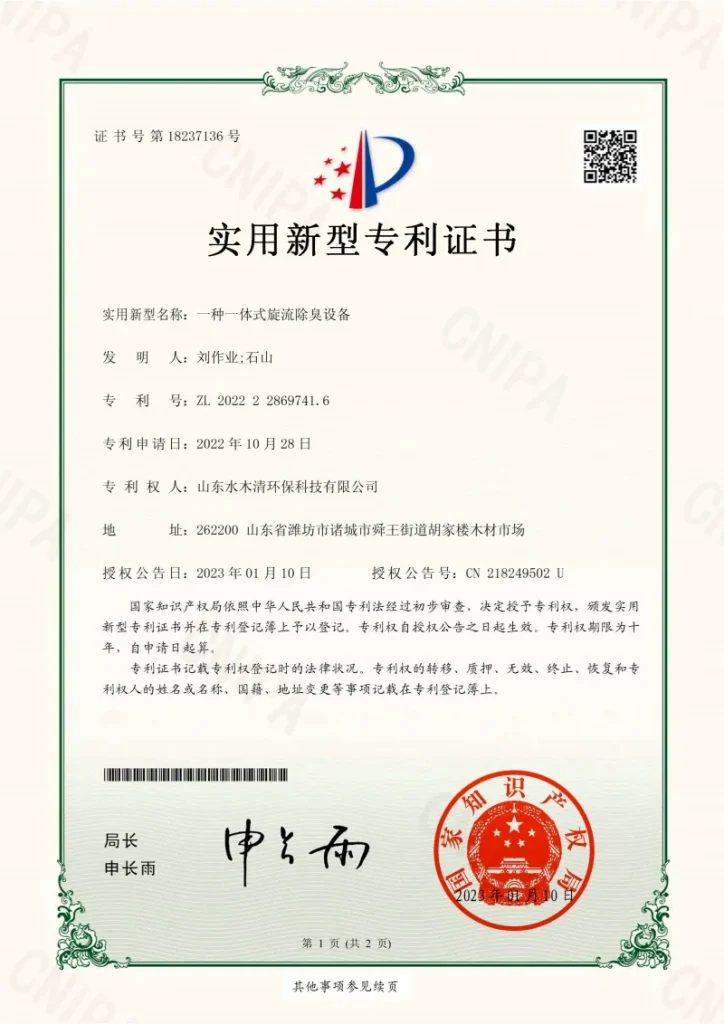
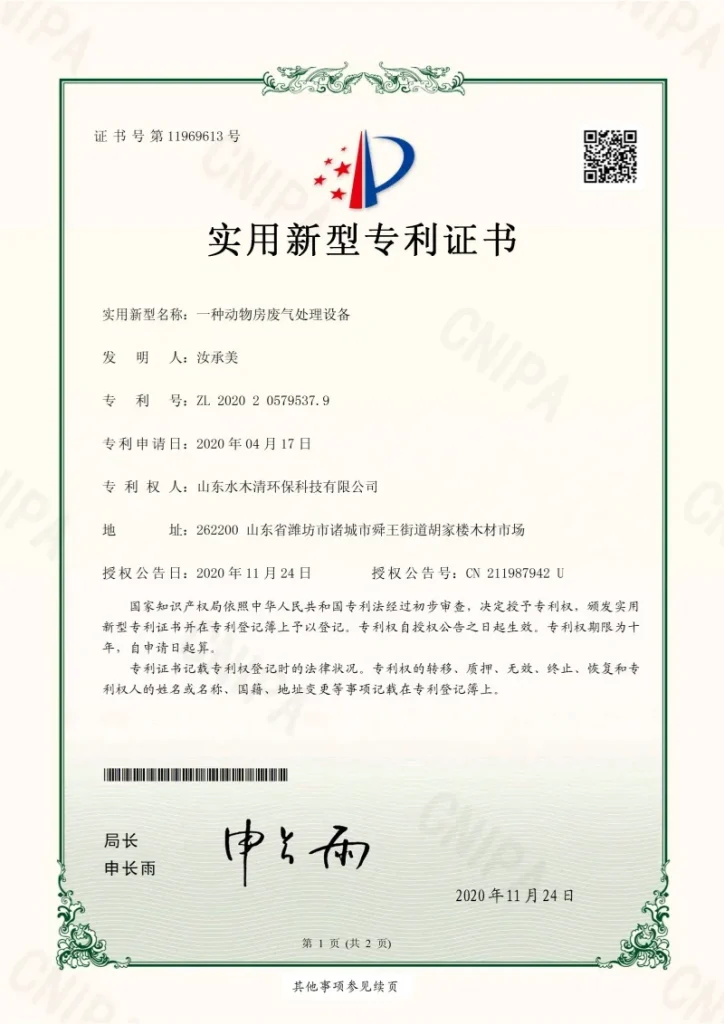
Patents related to UV photolysis
FAQs
How Long Does Delivery and Installation Take?
Standard waste gas treatment equipment models ship within 7–15 working days after payment. Custom or large-scale projects typically require 25–45 working days, depending on complexity. We provide English installation manuals, foundation drawings, electrical schematics, and remote video guidance. For overseas projects, we can dispatch engineers on-site for installation supervision and commissioning, or arrange local installation through our certified partner network in over 30 countries.
Do You Ship Worldwide? What About Customs and Taxes?
Yes — we export waste gas treatment equipment to more than 50 countries. We ship via sea (FCL/LCL), air, or land freight from major Chinese ports (Shenzhen, Shanghai, Ningbo). Standard export packaging uses reinforced wooden crates with moisture-proof film to ensure safe arrival. We provide commercial invoices, packing lists, certificates of origin (Form A, E, F), and any other customs documents required by your country. Our team can also assist with DDP shipping so you pay no extra fees on arrival.
How Can I Get a Quote Quickly?
To receive a fast and accurate quote for waste gas treatment equipment, simply send us:
- (1) pollutant gas type and concentration,
- (2) exhaust airflow volume (m³/h),
- (3) preferred treatment technology or budget range,
- (4) installation site photos or drawings (if available).
Our engineering team will reply within 12 hours with a tailored technical proposal, 3D layout drawing, and FOB/CIF quotation. Contact our sales team today — fast response, factory-direct price, no middlemen.
What Is Environmental Protection Equipment?
Environmental protection equipment refers to machinery, systems, and devices that prevent, control, or remediate pollution in air, water, soil, and noise. The broad category includes waste gas treatment equipment, industrial wastewater treatment plants, solid waste disposal systems, dust collectors, noise reduction enclosures, and air purification units. Modern environmental protection equipment is engineered to help industrial facilities comply with national emission standards while reducing energy consumption and operating cost — usually achieving 90–99% pollution removal efficiency depending on the technology applied.