Environmental protection equipment supplier

Company News
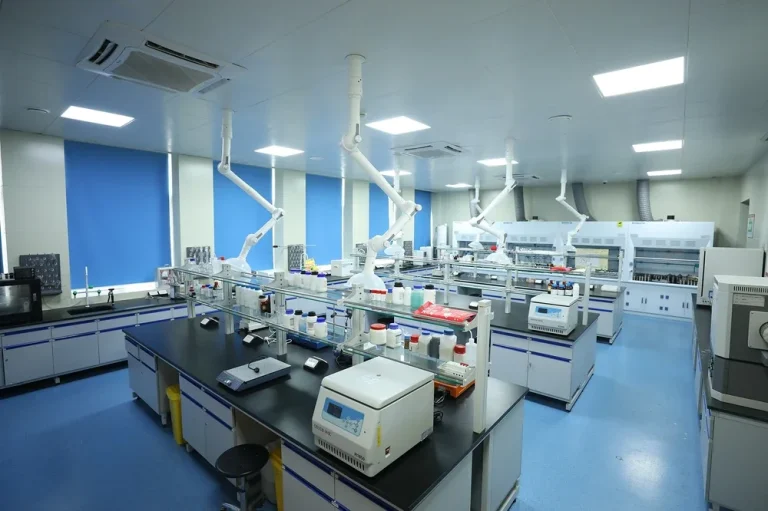
Animal Room Air Purification When There Is No Plant Room Left
Animal room air purification usually fails for a boring reason: there is nowhere to put the equipment. The lab was built first. The animals moved in second. The only leftover space is…
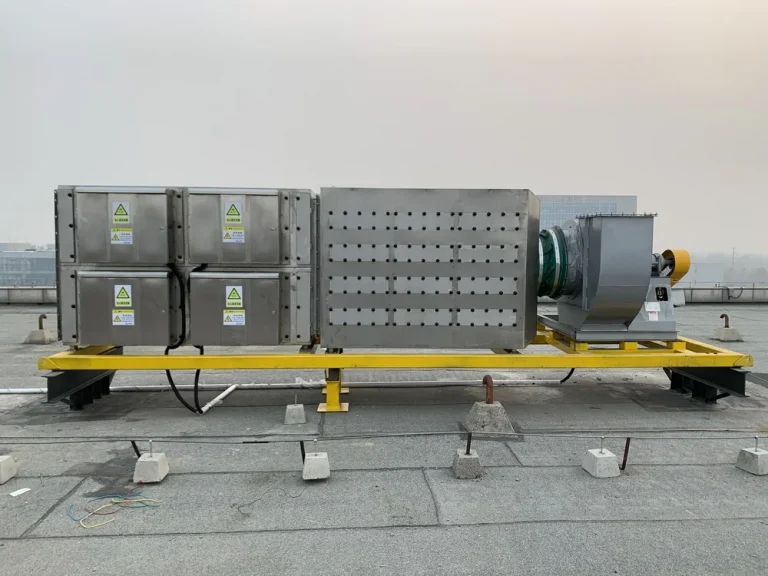
Chemical Scrubbing Odor Control: pH, ORP and Dosing Explained
Chemical scrubbing odor control runs on two control loops, and most failures are loop failures rather than chemistry failures. One loop holds pH, because pH decides whether the odorant stays dissolved. The…
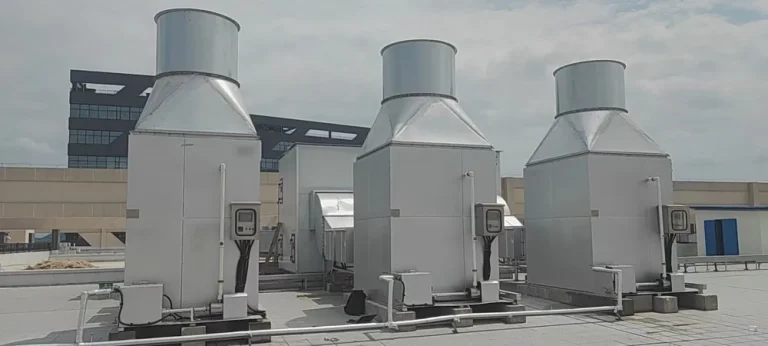
Air Change Rate for Animal Rooms: 15 vs 20 ACH Trade-offs
Choosing an air change rate for animal rooms comes down to a simple trade. More air changes dilute ammonia and heat, while the same air changes cost energy every hour of the…
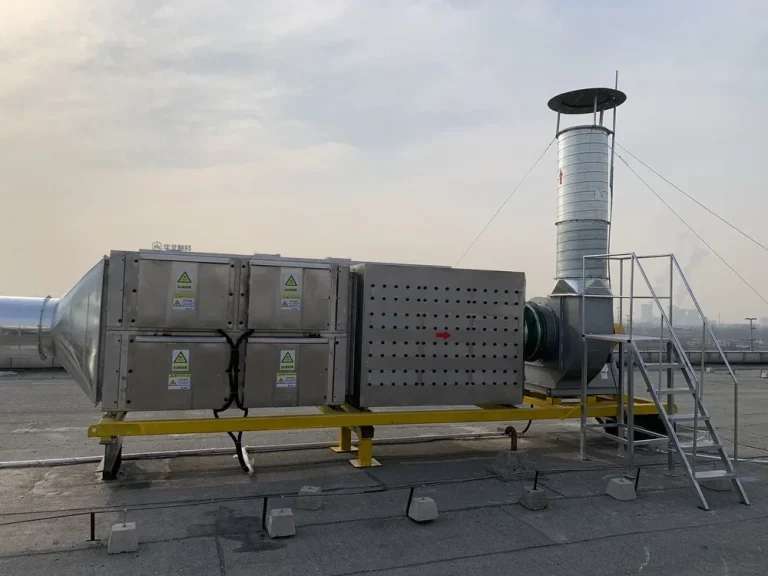
Animal Room Odor Control Equipment: The Three Core Systems Explained
Animal room odor control equipment removes ammonia, hydrogen sulfide and other odorous gases from exhaust air. The treated air then leaves the building clean. Most facilities choose between three core systems: biological,…
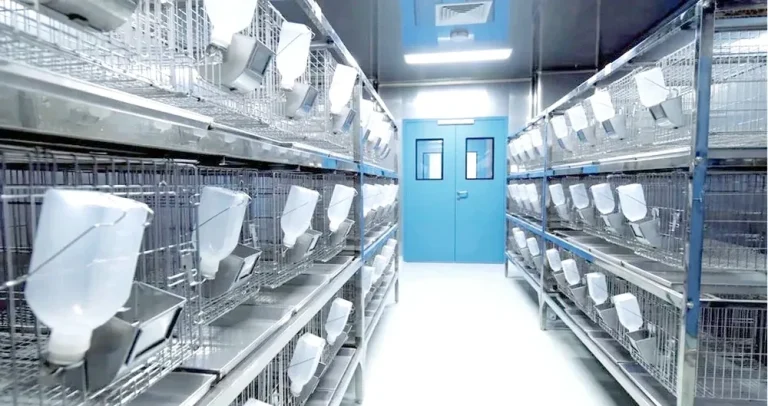
IVC Rack Exhaust Odor Treatment: Negative Pressure and Filtration
IVC rack exhaust treatment pulls air out of the rack plenum under a steady negative pressure, then cleans that air before it leaves the building. Because the plenum sits 20 to 40…
Laboratory Animal Facility Odor Control: Engineering Design Guide
Laboratory animal facility odor control is an exhaust engineering problem, not a deodorizer purchase. You keep a room acceptably fresh by capturing air where the smell is produced, moving enough of it,…
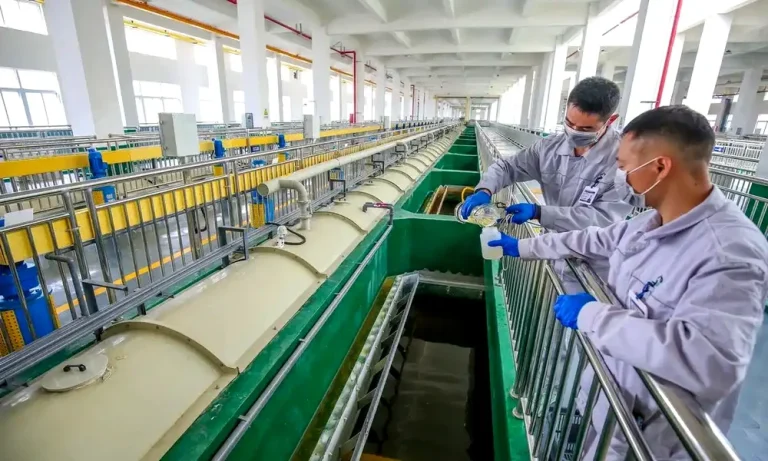
Common treatment processes for pickling and phosphating wastewater
Pickling and phosphating sits at a critical stage of metal surface treatment. Manufacturers across automotive, mechanical machining, and hardware sectors widely adopt this process. Yet the wastewater it creates has a complex…
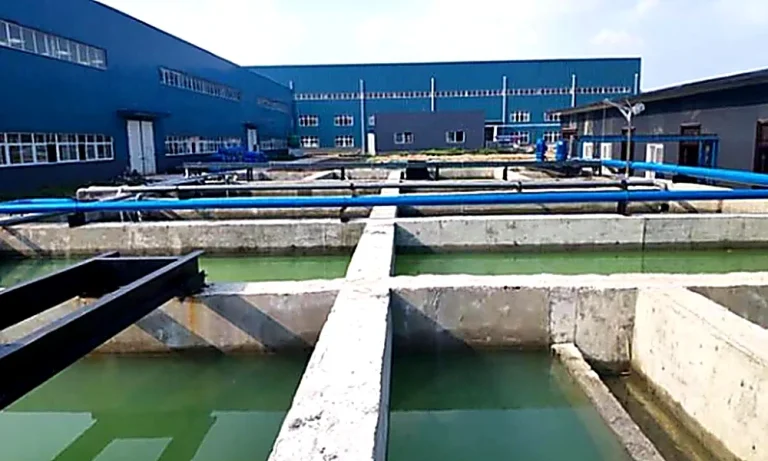
How should wastewater from medical institutions be treated?
Wastewater treatment for hospitals and medical institutions involves purifying wastewater—which contains pathogens, chemical pollutants, and radioactive substances—through processes such as pre-treatment, biochemical treatment, and disinfection. These operations must adhere to the principle…
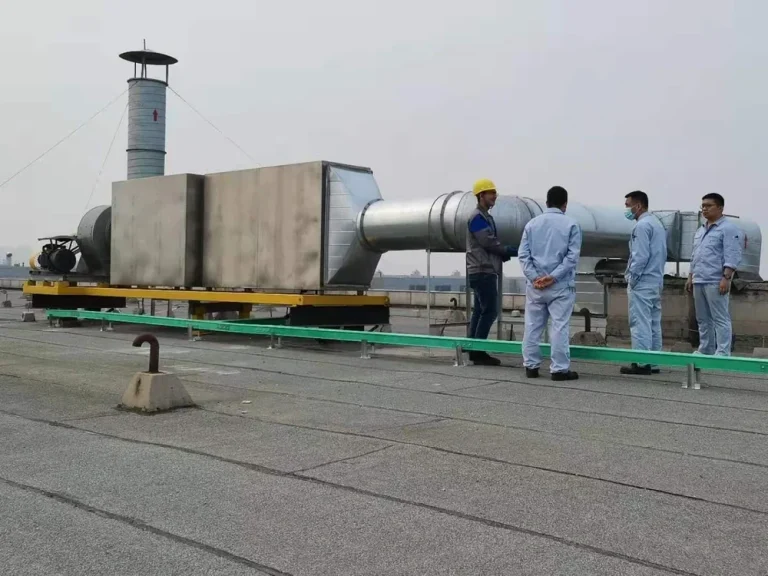
Analysis of Challenges in Odor Control for Laboratory Animal Facilities in Biotechnology Companies
I. Industry Landscape: Pressures on Biotech Companies to Upgrade Environmental Protection Measures With the rapid development of my country’s biopharmaceutical industry, the scale of laboratory animal facility construction has continuously expanded; in…
Process Flow for Livestock and Poultry Wastewater Treatment
This refers to purification processes designed to treat the high-concentration wastewater (containing significant levels of bacteria, ammonia nitrogen, and organic phosphorus) and sludge generated during livestock and poultry farming—such as cattle and…
Process for Treatment and Reuse of Heavy Metal-Laden Wastewater from Non-ferrous Metal Mine Beneficiation (e.g., Gold Mines)
Wastewater generated during mining operations poses a serious threat to the environment and ecosystems due to the presence of various pollutants, such as heavy metals, suspended solids, and acidic or alkaline substances.…
How does the integrated spoiler-spray deodorization system achieve efficient odor removal?
Combining physical and chemical processes, the integrated turbulent-flow spray deodorization system delivers 24/7 odor and waste-gas purification—98% purification rate and ≥99% desulfurization—for laboratory animal facilities, pharmaceutical plants, and livestock farms.Additionally, the system…