Sample text


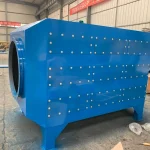
Activated Carbon Adsorption Systems
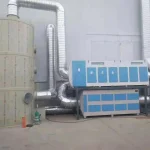
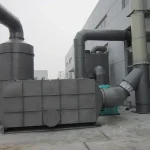
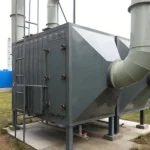
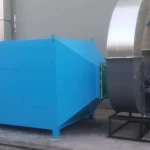
PRODUCT PARAMETERS
Description
What is an Activated Carbon Waste Gas Treatment Device?
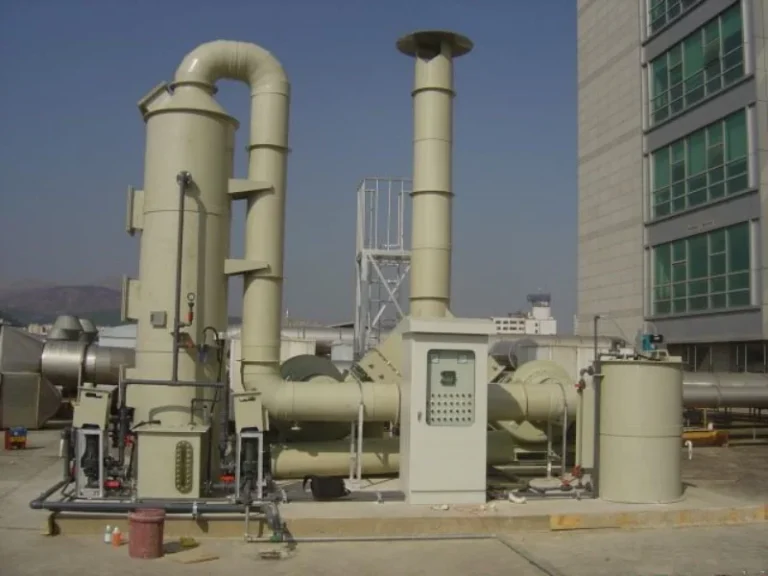
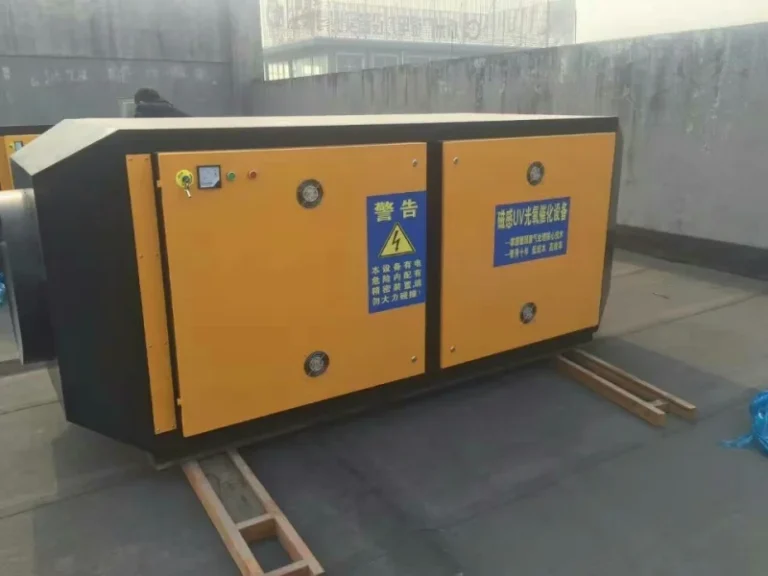
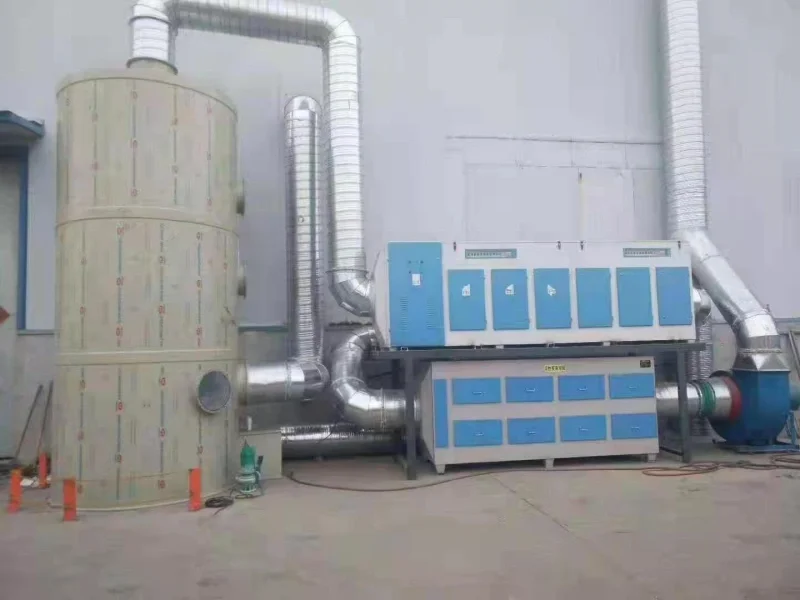
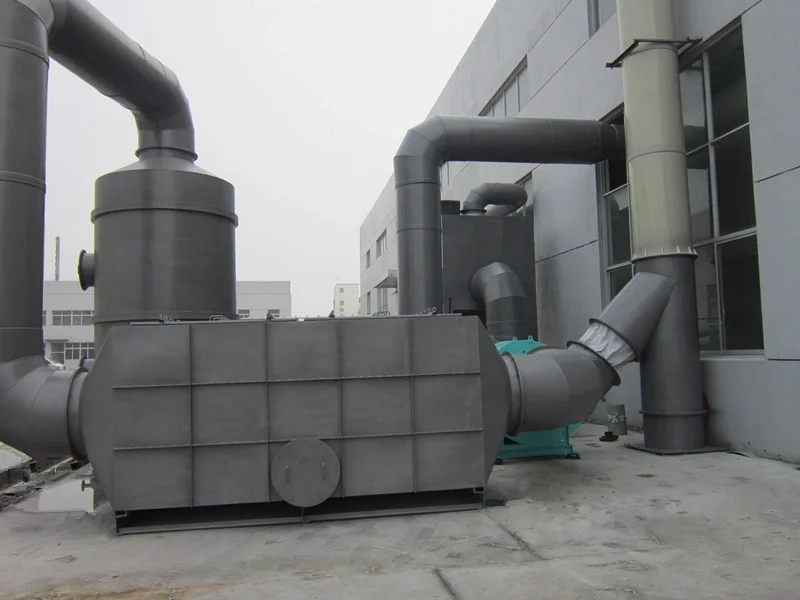
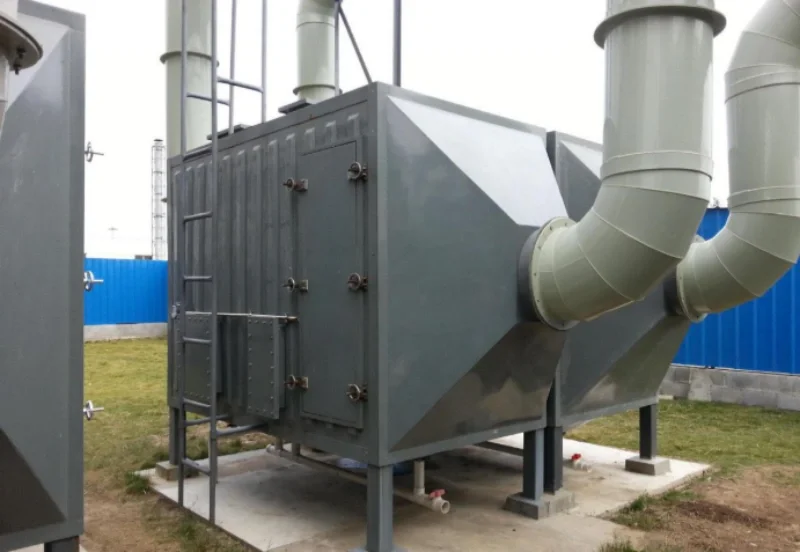
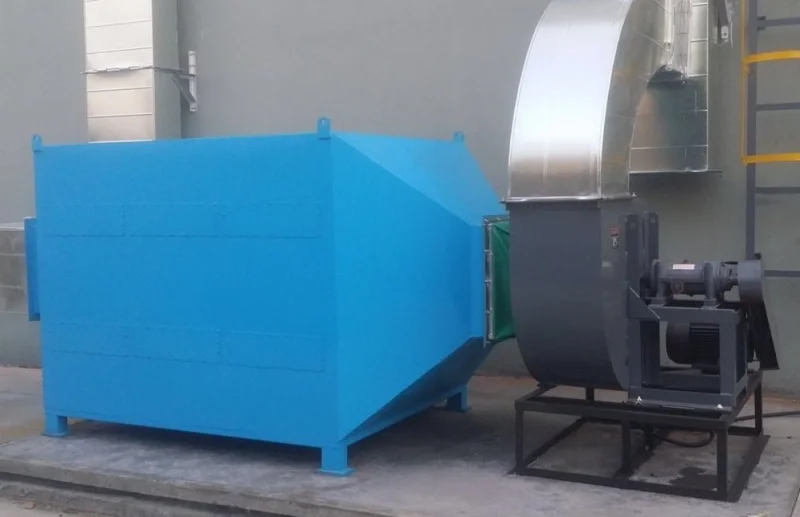
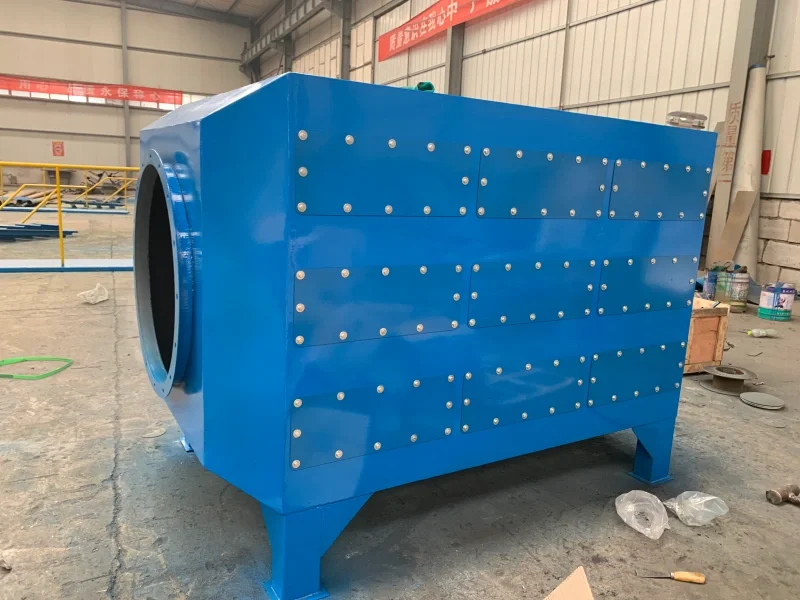
An activated carbon adsorption waste gas treatment device is an essential air pollution control system engineered to capture and remove volatile organic compounds (VOCs), toxic contaminants, and industrial odors from process exhaust streams. By directing dirty air through a high-porosity carbon bed, gas-phase pollutants are trapped within the carbon’s vast micro-pore network. This physical adsorption mechanism delivers high-efficiency purification, enabling industrial facilities worldwide to meet strict environmental compliance standards.
Key Components of the Adsorption System
A high-performance waste gas treatment device integrates heavy-duty construction with precise airflow engineering to maximize capture efficiency and operational lifespan.
- Pre-Filtration Unit: Removes airborne dust, oil mist, and particulates to prevent media clogging and extend carbon life.
- Adsorption Vessel: A corrosion-resistant chamber engineered for optimal air distribution, contact time, and minimal pressure drop.
- Activated Carbon Media: High-surface-area carbon (granular, extruded, or honeycomb) selected specifically for target gas molecules.
- Industrial Exhaust Fan: Maintains consistent airflow and stable static pressure across the purification system.
- Smart Control System: Monitors differential pressure, bed temperature, and gas concentration in real time to ensure safe, automated operation.
Working Principle of Activated Carbon Gas Purification
Our activated carbon adsorption waste gas treatment device relies on high-surface-area porous media to capture airborne pollutants before they reach the atmosphere. We engineer these systems for optimal flow dynamics, ensuring maximum contact between contaminated air and the carbon bed for peak industrial emission control.
The Adsorption Process for Waste Gas
When industrial exhaust gas treatment starts, contaminated air routes through the vapor phase equipment chamber containing premium granular activated carbon.
- Physical Capture: Van der Waals forces draw volatile organic compounds (VOCs) into the micro-pore network.
- Mass Transfer: Gas diffuses evenly across the carbon bed, preventing channeling and ensuring consistent VOC removal.
- Clean Discharge: Purified air vents safely into the atmosphere, maintaining full compliance with environmental regulations.
Process PhaseMechanismTarget PollutantsAir DistributionUniform inlet flow optimizationDust-free vapor streamsPore TrappingHigh surface area adsorptionVolatile organic compounds, odor compoundsPurificationContinuous exhaust gas cleaningHydrocarbons, solvents, hazardous toxins
Desorption and Carbon Regeneration
Saturated carbon media does not require immediate disposal. We equip our systems with automated desorption and regeneration mechanisms to restore adsorption capacity on-site.
- Thermal Stripping: Low-pressure steam or hot air heats the saturated carbon, breaking the bond holding trapped molecules.
- Vapor Concentration: Desorbed pollutants release into a high-concentration, low-volume air stream.
- Destruction or Recovery: The concentrated stream routes to a catalytic oxidizer or condenser, fully renewing the carbon media for continuous operation.
Key Advantages and Benefits
Our activated carbon adsorption waste gas treatment device delivers high-performance air pollution control tailored for global industrial compliance. By leveraging advanced vapor phase equipment design, we ensure reliable, cost-effective exhaust gas treatment across demanding working conditions.
High VOC and Odor Removal Efficiency
We engineer our systems to capture volatile organic compounds (VOCs) and foul industrial emissions with precision. The microporous matrix provides an exceptional surface area, yielding consistently high capture rates.
- Up to 98% VOC Removal: Rapidly captures benzene, toluene, xylene, and solvent vapors.
- Instant Odor Control System: Neutralizes harsh industrial smells at the source before discharge.
- Stable Emission Compliance: Meets international environmental standards without performance dips.
Low Energy Consumption and Eco-Friendliness
Unlike thermal incinerators, our physical adsorption approach operates efficiently at ambient temperatures, drastically reducing utility overhead.
Performance IndicatorActivated Carbon AdsorptionThermal Incineration (RTO)Operating TemperatureAmbient (20°C – 40°C)High (750°C – 850°C)Power UsageLow (Blower power only)High (Continuous fuel consumption)SustainabilityRenewable via desorption and regenerationGenerates direct combustion emissionsSecondary WasteZero liquid wastePotential NOx byproducts
Flexible Operation and Scalability
We design every unit with modular scalability, making it simple to upgrade capacity as your facility grows.
- Seamless Integration: Easily retrofits into your existing ductwork and exhaust streams.
- Media Versatility: Accommodates high-grade granular activated carbon or low-resistance honeycomb carbon blocks.
- Flow Adaptability: Effectively handles high-volume, low-concentration gas fluctuations without system failure.
Types of Activated Carbon Adsorption Equipment
We build tailored activated carbon adsorption waste gas treatment devices to suit different industrial air volumes, pollutant concentrations, and operational goals. Choosing the right media configuration ensures maximum capture efficiency and longer equipment lifespans.
Granular Activated Carbon (GAC) Systems
Granular activated carbon systems use porous, durable carbon granules that deliver low airflow resistance during continuous exhaust gas treatment.
- Low Pressure Drop: Minimizes fan energy consumption.
- High Mechanical Strength: Resists crushing and dust creation under heavy air flows.
- Easy Regeneration: Excellent for setups requiring regular thermal or steam desorption.
Extruded and Powdered Carbon Adsorbers
For specific gas profiles, pelletized or fine-grade media provide targeted VOC removal and effective air pollution control.
- Extruded (Pellet) Carbon: Formed into consistent cylindrical shapes for uniform air distribution and minimal dusting in vapor-phase systems.
- Powdered Activated Carbon: Features a massive surface area for rapid, short-contact capture of intense organic vapors and odors.
Fixed-Bed vs. Moving-Bed Systems
The choice between fixed-bed and moving-bed architectures depends on your operational continuity requirements:
System TypeCore FeaturesBest Suited ForFixed-BedCarbon remains stationary in a sealed vessel until saturated. Simple design with low maintenance.Intermittent or moderate continuous volatile organic compounds abatement.Moving-BedCarbon slowly moves through the bed for continuous adsorption and external regeneration.Heavy-duty, uninterrupted industrial runs with high pollutant loads.
Applicable operating conditions of activated carbon adsorption device
The temperature of the exhaust gas should not exceed 80℃; when the humidity of the odorous gas is too high, dehumidification measures should be added; granular activated carbon should be used as the activated carbon material, with a particle size of 3~4mm, a porosity of 0.5-0.65, and a specific surface area of not less than 900 m2/g; the packing density of the activated carbon layer should be 350-550 kg/m3. This method is convenient to operate, easy to manage, and has good results. Organic gases can be directly passed through activated carbon, achieving a purification rate of 95%. The equipment is simple, requires low investment, and can adapt to intermittent emissions.
Industry Case Studies:
It is widely used in furniture and wood industry, chemical coatings, metal surface treatment and other spraying, painting and drying processes that generate organic waste gas, as well as in sewage treatment plant deodorization projects.
FAQs
How Long Does Delivery and Installation Take?
Standard waste gas treatment equipment models ship within 7–15 working days after payment. Custom or large-scale projects typically require 25–45 working days, depending on complexity. We provide English installation manuals, foundation drawings, electrical schematics, and remote video guidance. For overseas projects, we can dispatch engineers on-site for installation supervision and commissioning, or arrange local installation through our certified partner network in over 30 countries.
Do You Ship Worldwide? What About Customs and Taxes?
Yes — we export waste gas treatment equipment to more than 50 countries. We ship via sea (FCL/LCL), air, or land freight from major Chinese ports (Shenzhen, Shanghai, Ningbo). Standard export packaging uses reinforced wooden crates with moisture-proof film to ensure safe arrival. We provide commercial invoices, packing lists, certificates of origin (Form A, E, F), and any other customs documents required by your country. Our team can also assist with DDP shipping so you pay no extra fees on arrival.
How Can I Get a Quote Quickly?
To receive a fast and accurate quote for waste gas treatment equipment, simply send us:
- (1) pollutant gas type and concentration,
- (2) exhaust airflow volume (m³/h),
- (3) preferred treatment technology or budget range,
- (4) installation site photos or drawings (if available).
Our engineering team will reply within 12 hours with a tailored technical proposal, 3D layout drawing, and FOB/CIF quotation. Contact our sales team today — fast response, factory-direct price, no middlemen.
What Is Environmental Protection Equipment?
Environmental protection equipment refers to machinery, systems, and devices that prevent, control, or remediate pollution in air, water, soil, and noise. The broad category includes waste gas treatment equipment, industrial wastewater treatment plants, solid waste disposal systems, dust collectors, noise reduction enclosures, and air purification units. Modern environmental protection equipment is engineered to help industrial facilities comply with national emission standards while reducing energy consumption and operating cost — usually achieving 90–99% pollution removal efficiency depending on the technology applied.