Sample text



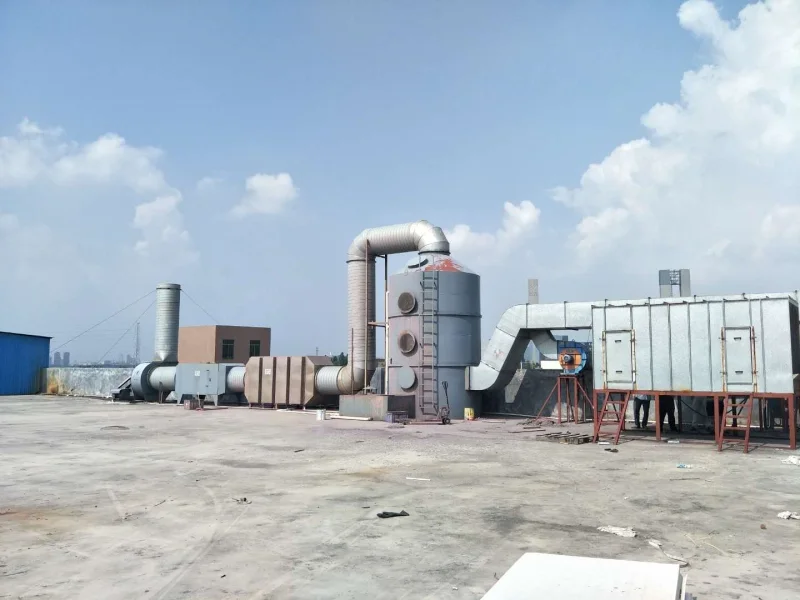
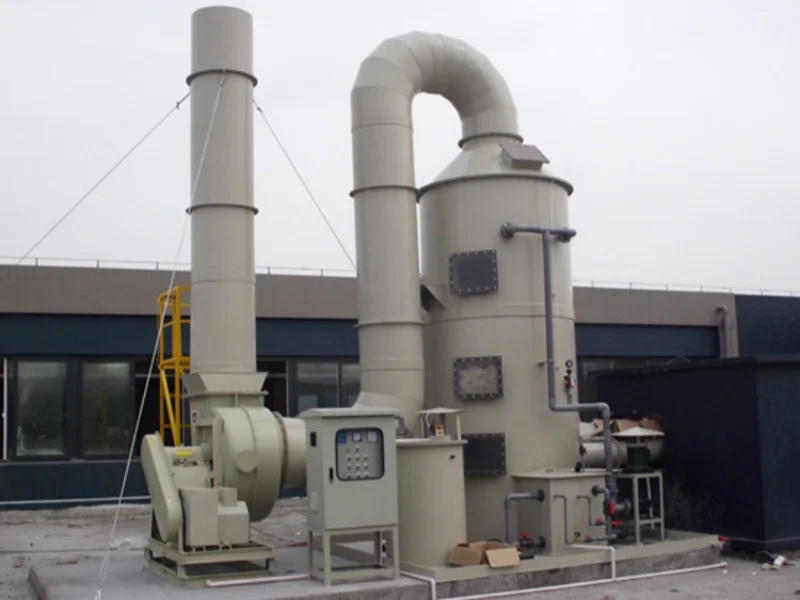
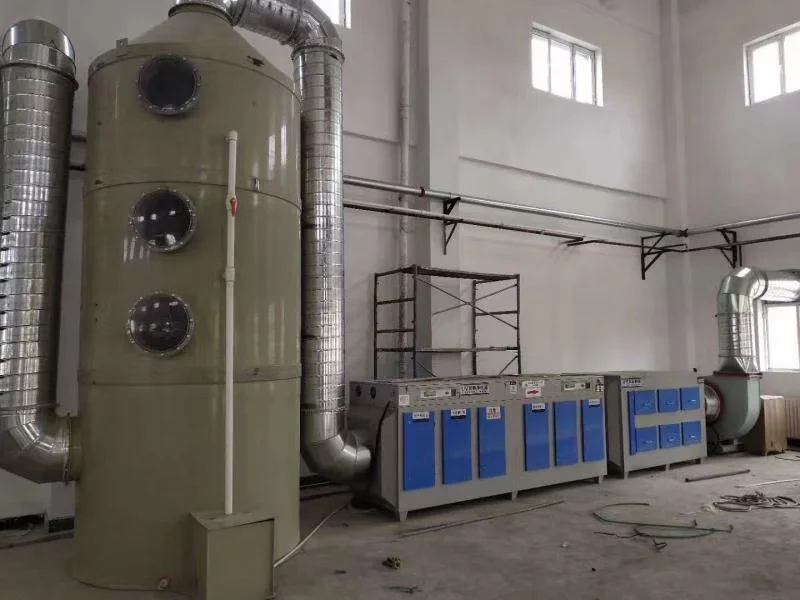
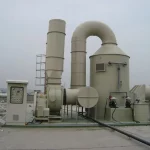
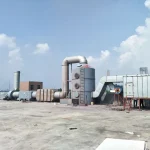
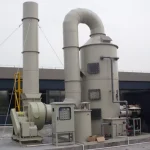
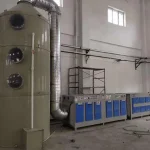
Scrubber Tower
PRODUCT PARAMETERS
Description
What is a Scrubber Tower?
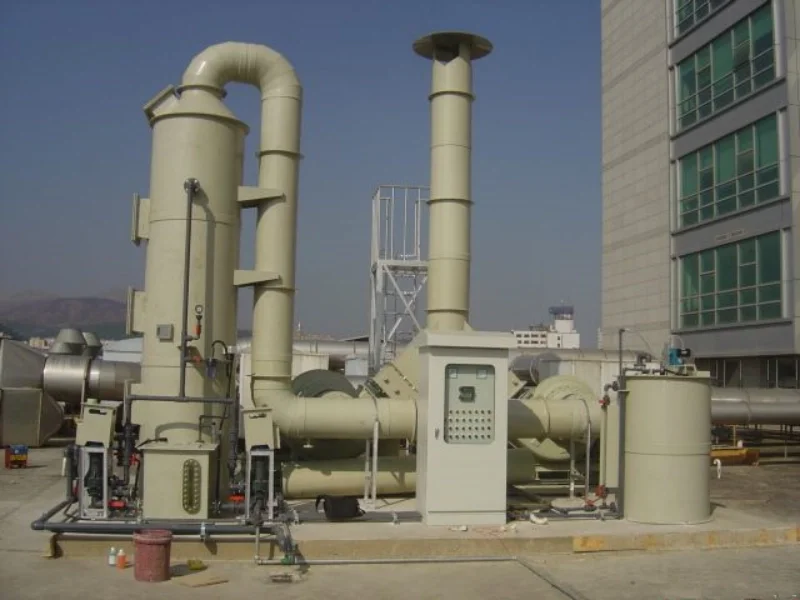
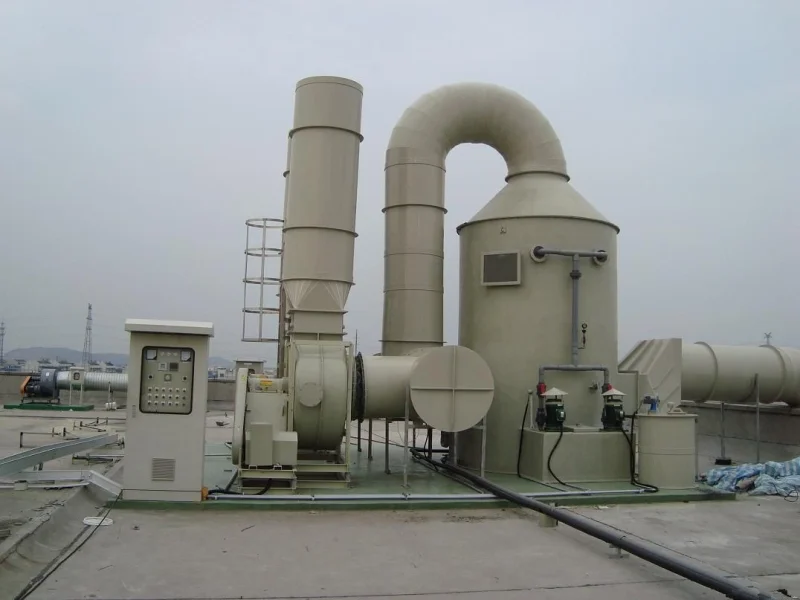
A scrubber tower is a vital industrial air pollution control system designed to eliminate hazardous contaminants, toxic gases, and particulate matter from industrial exhaust streams. By establishing direct contact between dirty gas streams and a target scrubbing liquid or dry reagent, the vessel neutralizes hazardous compounds before discharging clean air into the atmosphere.
- Gas Absorption: Dissolves soluble gaseous pollutants into targeted liquid solvents.
- Particulate Trapping: Captures airborne dust, mist, and solid ash via physical impaction.
- Chemical Neutralization: Utilizes alkaline or acidic scrubbing liquids to transform toxic fumes into stable, inert compounds.
Role in Industrial Air Pollution Control
Scrubber towers act as the primary environmental defense mechanism across chemical, metallurgical, and energy production sectors. As global emissions standards tighten, these systems play an indispensable role in maintaining sustainable operational facilities.
- Sulphur Dioxide Removal: Eliminates acid-rain-causing SO2 compounds during flue gas cleaning.
- Toxic Vapor Mitigation: Removes acidic gases (HCl, HF), chlorine, and volatile organic compounds (VOCs).
- Regulatory Compliance: Enables heavy industry to meet strict air quality standards and avoid costly environmental penalties.
How Does a Scrubber Tower Work?
A scrubber tower cleans contaminated industrial exhaust streams by bringing dirty gas into direct contact with a liquid scrubbing solution. As gas moves through the vessel, the liquid traps particulates and reacts with airborne contaminants, allowing purified air to safely exit the top.
Gas Absorption and Neutralization Process
The core operation relies on mass transfer and chemical reactions to capture and neutralize harmful gaseous pollutants:
- Gas Absorption: Contaminated gas enters the scrubber tower, where target pollutants dissolve into fine spray droplets or a liquid-coated packed bed.
- Chemical Neutralization: Reagents added to the scrubbing liquid (such as caustic soda or acid solutions) chemically react with toxic gases, converting them into neutral salts and water.
- Liquid-Gas Separation: The treated airflow passes through an integrated mist eliminator to strip away fine liquid droplets before clean air discharges into the atmosphere.
Counter-Current vs. Cross-Flow Mechanics
Scrubber towers generally rely on two primary airflow configurations to match specific facility layouts and operational requirements:
Design FeatureCounter-Current MechanicsCross-Flow MechanicsFlow PathGas travels vertically upward while liquid sprays downward.Gas travels horizontally while liquid sprays vertically downward.PerformanceDelivers maximum contact time and highest mass transfer efficiency.Provides a lower pressure drop and handles variable liquid loads easily.Ideal ApplicationHigh-efficiency gas absorption in packed bed wet scrubbers.Compact, height-restricted spaces or streams prone to clogging.
Key Components of a Scrubber Tower
Every industrial scrubber tower relies on high-grade components working in harmony to strip acidic fumes and toxic gases from your exhaust streams. We engineer each section to deliver maximum surface contact, reliable fluid handling, and long system life.
Tower Body and Vessel Materials
The outer shell protects your investment against aggressive chemicals and extreme operating temperatures. We fabricate the vessel body using heavy-duty materials tailored to your specific airstream chemistry:
- FRP (Fiberglass Reinforced Plastic): Exceptional corrosion resistance against strong acids and harsh industrial gases.
- PP (Polypropylene) & PVC: Cost-effective, lightweight options ideal for highly corrosive, lower-temperature environments.
- Stainless Steel (304 / 316L): Outstanding structural strength and heat resistance for high-temperature flue gas cleaning.
Spray Nozzles and Liquid Distribution
Uniform liquid distribution prevents untreated air from slipping through the system. We use wide-angle, non-clogging spray nozzles arranged in multi-stage headers to spray the scrubbing liquid evenly across the entire cross-section of the tower, ensuring full coverage over the incoming airflow.
Packing Media and Mist Eliminator
These internal elements handle the actual separation of gaseous pollutants and liquid droplets:
- Packed Bed Media: High-surface-area plastic or ceramic shapes that maximize contact time between the scrubbing solution and dirty air.
- Mist Eliminator: High-efficiency chevron or mesh pads located at the top outlet that capture entrained liquid droplets, returning them to the system so only clean, dry air leaves the stack.
Sump Reservoir and Recirculation System
Located at the bottom of the tower, the sump reservoir collects the scrubbing liquid as it drains from the packing zone. An automated recirculation system continuously pumps the neutralized liquid back to the top spray nozzles, minimizing water consumption and maintaining steady chemical dosing for uninterrupted air pollution control.
Types of Scrubber Towers
Selecting the right scrubber tower depends on your specific emission profile, operating temperature, and regulatory targets. We engineer several core configurations to handle diverse industrial exhaust streams safely and efficiently.
Wet Scrubber Towers
Wet scrubbers use liquid solutions—typically water or customized chemical agents—to contact and neutralize pollutants directly within the gas stream.
- Core Function: Captures both fine particulate matter and soluble gaseous pollutants simultaneously.
- Best Applications: High-humidity streams, acid gas neutralization, and sticky or combustible dusts.
- Key Advantage: Eliminates secondary dust explosion hazards by keeping particles thoroughly wetted during flue gas cleaning.
Dry Scrubber Towers
Dry scrubbers inject dry reagents or sorbents into the gas path to neutralize acidic compounds without creating liquid wastewater.
- Core Function: Specialized for acid gas control, particularly efficient for sulphur dioxide removal and hydrogen chloride abatement.
- Best Applications: High-temperature processes where water usage is restricted or liquid disposal costs are high.
- Key Advantage: Produces a dry solid byproduct that is straightforward to collect, handle, and landfill.
Spray Tower Scrubbers
A spray tower utilizes an open vessel packed with strategically arranged spray nozzles that atomize liquid into fine droplets across the rising gas stream.
- Core Function: Direct liquid-gas contact without internal packing obstructions.
- Best Applications: Exhaust flows carrying heavy particulate matter, sticky residues, or compounds that cause rapid scaling.
- Key Advantage: Extremely low pressure drop and minimal maintenance downtime due to its open internal layout.
Packed Tower Scrubbers
A packed tower scrubber fills the vessel interior with high-surface-area packed bed media, distributing liquid evenly over the packing to maximize contact time with passing gas.
- Core Function: Continuous surface-area contact for deep gas absorption and chemical reaction.
- Best Applications: High-efficiency removal of hazardous gaseous pollutants, chemical vapors, and corrosive fumes.
- Key Advantage: Delivers the highest mass-transfer performance in modern air pollution control systems.
Industrial Applications
We build every scrubber tower to handle the toughest industrial exhaust streams across global manufacturing sectors. Different industries face unique air pollution control challenges, which is why we tailor our systems to deliver maximum removal efficiency and regulatory compliance.
Chemical and Pharmaceutical Processing
Chemical synthesis and drug manufacturing generate volatile, toxic, and highly corrosive gaseous pollutants. A customized scrubber tower neutralizes these hazards at the source.
- Acid Gas Neutralization: Captures hydrochloric acid (HCl), sulfuric acid vapors, and chlorine gas safely.
- VOC and Odor Control: Eliminates volatile organic compounds and harsh reaction vapors to maintain workplace safety.
- Corrosion Resistance: Utilizes high-grade FRP, PP, or stainless steel vessel materials to withstand continuous chemical exposure.
Power Generation and Flue Gas Treatment
Power plants burning coal, heavy oil, or biomass produce massive volumes of contaminated flue gas. Our scrubber tower systems play a vital role in large-scale flue gas cleaning.
- Sulphur Dioxide Removal: Achieves high-efficiency SO2 absorption to meet strict environmental standards.
- Particulate Matter Trapping: Captures fine fly ash and particulate matter using advanced packed bed and spray tower designs.
- Temperature Quenching: Cools hot exhaust gas streams rapidly before chemical absorption takes place.
Oil and Gas Petrochemical Refineries
Petrochemical refining releases sulfur-heavy vent gases and volatile hydrocarbons. We engineer heavy-duty wet scrubbers to stabilize these demanding refinery processes.
- Hydrogen Sulfide (H2S) Removal: Strips toxic H2S gas from sour gas vents and amine unit tail gas.
- Particulate Trapping: Traps abrasive catalyst fines and carbon particles from catalytic cracking units.
- Tail Gas Scrubbing: Polishes residual gas streams before atmospheric discharge to ensure complete compliance.
How to Choose the Right Scrubber Tower
Selecting the right scrubber tower comes down to matching your system setup with your exact operational demands and local environmental regulations. We work with global industrial facilities to design systems that tackle harsh exhaust gases efficiently without driving up operating costs.
Gas Stream Composition and Temperature
Your specific exhaust gas profile determines the primary core design of the system:
- Chemical Profile: Acidic gases like sulfur dioxide, hydrochloric acid, or caustic vapors require precise neutralizing chemical solutions.
- Gas Temperature: High-temperature flue gas streams require integrated pre-cooling quench sections or heat-resistant materials to prevent structural thermal shock.
- Particulate Load: Exhaust streams loaded with heavy particulate matter require open spray configurations to prevent clogging.
Airflow Capacity and Removal Efficiency Requirements
System sizing balances volumetric airflow with required emission control targets:
Sizing FactorKey Operational FocusImpact on Scrubber DesignAirflow CapacityPeak CFM or m³/h volumeDetermines vessel tower diameter and fan sizingRemoval EfficiencyUp to 99%+ target efficiency for gaseous pollutantsDictates packing bed depth and liquid recirculation ratePressure DropSystem energy consumption balanceInfluences blower fan horsepower and long-term utility costs.
Custom Fabrication and Material Options
We custom manufacture each scrubber tower using durable, corrosion-resistant materials engineered for your exact chemical exposure:
- FRP (Fiberglass Reinforced Plastic): Superior long-term corrosion resistance for severe acidic and caustic environments.
- Polypropylene (PP) & PVC: Cost-effective, lightweight plastic fabrication suitable for standard industrial air pollution control setups.
- Stainless Steel (304 / 316L) & High Alloys: High structural integrity and thermal resistance ideal for high-temperature flue gas cleaning applications.
FAQs
How Long Does Delivery and Installation Take?
Standard waste gas treatment equipment models ship within 7–15 working days after payment. Custom or large-scale projects typically require 25–45 working days, depending on complexity. We provide English installation manuals, foundation drawings, electrical schematics, and remote video guidance. For overseas projects, we can dispatch engineers on-site for installation supervision and commissioning, or arrange local installation through our certified partner network in over 30 countries.
Do You Ship Worldwide? What About Customs and Taxes?
Yes — we export waste gas treatment equipment to more than 50 countries. We ship via sea (FCL/LCL), air, or land freight from major Chinese ports (Shenzhen, Shanghai, Ningbo). Standard export packaging uses reinforced wooden crates with moisture-proof film to ensure safe arrival. We provide commercial invoices, packing lists, certificates of origin (Form A, E, F), and any other customs documents required by your country. Our team can also assist with DDP shipping so you pay no extra fees on arrival.
How Can I Get a Quote Quickly?
To receive a fast and accurate quote for waste gas treatment equipment, simply send us:
- (1) pollutant gas type and concentration,
- (2) exhaust airflow volume (m³/h),
- (3) preferred treatment technology or budget range,
- (4) installation site photos or drawings (if available).
Our engineering team will reply within 12 hours with a tailored technical proposal, 3D layout drawing, and FOB/CIF quotation. Contact our sales team today — fast response, factory-direct price, no middlemen.
What Is Environmental Protection Equipment?
Environmental protection equipment refers to machinery, systems, and devices that prevent, control, or remediate pollution in air, water, soil, and noise. The broad category includes waste gas treatment equipment, industrial wastewater treatment plants, solid waste disposal systems, dust collectors, noise reduction enclosures, and air purification units. Modern environmental protection equipment is engineered to help industrial facilities comply with national emission standards while reducing energy consumption and operating cost — usually achieving 90–99% pollution removal efficiency depending on the technology applied.