Environmental protection equipment supplier

Food & Beverage Industry Wastewater Treatment
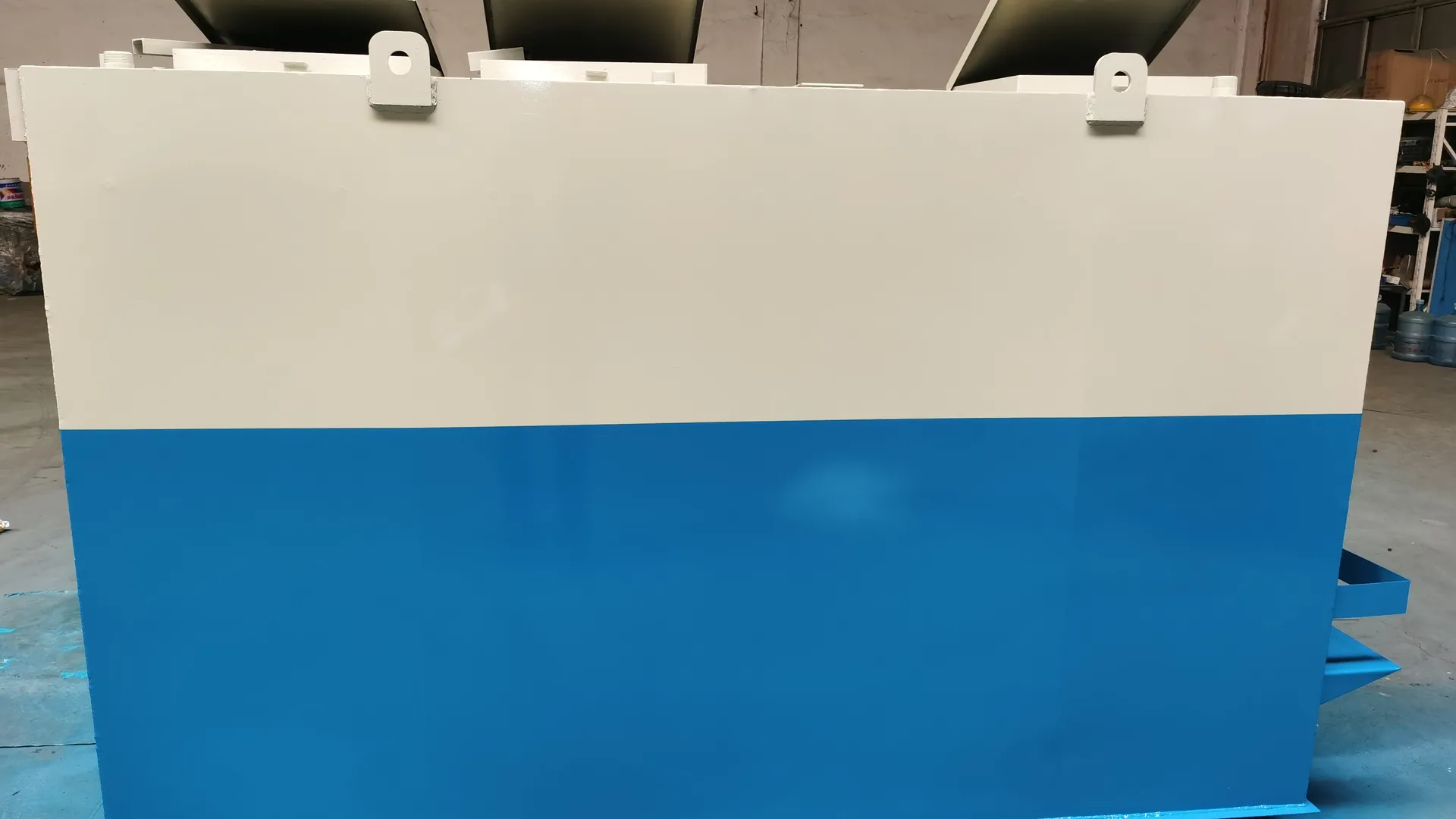
Food & Beverage Wastewater Treatment
Food & Beverage Industry Wastewater Treatment
Engineered systems that remove fats, oils and grease, cut high COD and BOD, and hold their performance through CIP washes, seasonal peaks and round-the-clock production.
2,000–10,000mg/L typical COD
7machines in one train
90%+FOG removal with DAF
Typical influent envelope
- COD2,000–10,000 mg/L
- BOD800–6,000 mg/L
- FOG30–800 mg/L
- pH4.0–11.0
Factory directCustom engineeringLoad-based designExport worldwide
The problem
Why food & beverage wastewater needs a different approach
Food and beverage effluent is highly biodegradable, which sounds easy to treat — until fats, oils, grease and cleaning chemicals enter the stream.
Most food and beverage effluent carries a COD between 2,000 and 10,000 mg/L, far above the limits most discharge permits allow. Because the organic matter is largely starch, sugars, proteins and fats, it responds well to biological treatment. However, two factors make a food plant harder to design for than a typical municipal or general industrial site. First, fats, oils and grease tend to float and blind media, clog membranes and upset the biological balance unless they are removed up front. Second, the load is rarely steady: a CIP wash, a change of product or a peak production week can swing the influent several-fold within hours.
For this reason we size a food and beverage system against a load envelope, not an average. In other words, the plant must keep discharging within permit even on the worst day, so the design starts from the peak COD, peak flow and peak FOG rather than the monthly mean. The reward is a system that does not need to be re-engineered the first time production ramps up.
Regulation is the other driver. Many plants now face tighter discharge limits as authorities push for water reuse and lower nutrient loads, so a system that only meets today’s permit can become obsolete within a few years. A modular design that leaves room for a polishing stage costs a little more up front, yet it protects the investment when the rules tighten.
Three recurring issues
The three problems almost every food plant hits
01
High organic load
Starch, sugar, protein and whey push COD and BOD well past permit limits. Biological treatment is the workhorse, yet it needs the right oxygen transfer and sludge age to cope with the concentration.
02
Fats, oils and grease
FOG floats, coats surfaces and suffocates biological flocs. A dissolved air flotation stage up front is usually the most cost-effective way to drop FOG before it reaches downstream equipment.
03
Load swings from cleaning
CIP chemicals, caustic rinses and batch dumps swing pH and flow in minutes. Equalisation and pH correction keep the biological stage stable instead of letting it stall.
Design data
Typical influent values by application
Ranges below are typical of custom-built industrial systems and are confirmed against your own analysis in the selection note.
| Application | COD mg/L | BOD mg/L | TSS mg/L | FOG mg/L | pH |
|---|---|---|---|---|---|
| Dairy & whey | 1,500–6,000 | 800–3,000 | 300–1,200 | 100–500 | 4.0–11.0 |
| Brewery & distillery | 2,000–8,000 | 1,200–4,000 | 400–1,500 | 50–250 | 4.5–9.0 |
| Beverage & bottling | 800–3,000 | 400–1,500 | 200–800 | 30–150 | 5.0–9.0 |
| Meat & poultry | 2,500–9,000 | 1,200–4,500 | 600–2,000 | 200–800 | 6.0–8.0 |
| Starch & sugar | 3,000–12,000 | 1,500–6,000 | 500–2,000 | 50–200 | 4.0–9.0 |
| Fruit & vegetable | 1,200–5,000 | 600–2,500 | 400–1,500 | 50–200 | 4.0–8.0 |
Values are indicative envelopes for raw effluent before pre-treatment. We confirm them from your discharge data, so the design targets the loads you actually measure.
How it works
How a food & beverage treatment train works
A single machine rarely solves the problem. A food plant needs a sequence of stages, each removing one fraction of the load before handing the rest downstream.
1. Screening and equalisation
Screens catch solids such as peel, grain husks and packaging offcuts before they can clog pumps. An equalisation tank then blends the fluctuating flow so the downstream stages see a steady feed, because a biological stage fed in surges will underperform.
2. Primary FOG and solids removal
Dissolved air flotation lifts fats, oils and grease to the surface, where a scraper removes them. Taking FOG out here protects the membranes and the biology, so this stage usually pays for itself in lower maintenance downstream.
3. Biological treatment
Aerobic bacteria consume the dissolved COD and BOD, converting them into carbon dioxide, water and new biomass. An MBR uses a membrane instead of a settling tank, which keeps the biomass dense and the effluent clear even when the load swings.
4. Polishing and reuse
Where the permit is tight or the plant wants to reuse water, a membrane stage polishes the effluent. Ultrafiltration removes fine solids, while reverse osmosis removes dissolved salts for washdown or cooling reuse.
5. Sludge handling
Every biological stage produces surplus sludge. We size a thickener or dewatering step so the sludge is easy to handle and its disposal cost is predictable, rather than leaving it as an afterthought.
Six sub-industries
The scenarios we engineer for most often
Each stream has a signature pollutant, so the front end of the plant changes while the biological and polishing stages stay similar.
The six applications below span the food and beverage sector we see most in export projects. Each one names the stream that drives the design, which is the first thing we ask about in an enquiry.
Dairy
Milk, cheese and whey
Whey is the hardest part: a small spill can double the BOD in minutes. FOG removal and a high-rate biological stage carry the load.
Brewery & distillery
Beer, wine and spirits
High-strength spent grain and stillage favour anaerobic pre-treatment, which cuts COD cheaply and can recover biogas.
Beverage & bottling
Soft drinks and juice
Sugar-rich rinse water with moderate solids responds well to equalisation plus aerobic polishing, with pH correction on the caustic wash line.
Meat & poultry
Slaughter and processing
Blood, fat and solids demand screening plus DAF first, because the FOG and TSS load would otherwise overwhelm any biological stage.
Starch & sugar
Starch, syrup and sugar
The highest COD of the group. Anaerobic digestion handles the bulk of the load and the effluent is then polished aerobically.
Fruit & vegetable
Washing and processing
Seasonal campaigns mean the flow peaks hard for weeks. A buffered, modular design lets capacity match the harvest without overbuilding.
Treatment routes
The machines we combine into one train
A food plant rarely needs one machine. It needs a sequence: screening, primary FOG removal, biological treatment, polishing, and sludge handling — each stage below ships as its own unit and is linked on site.
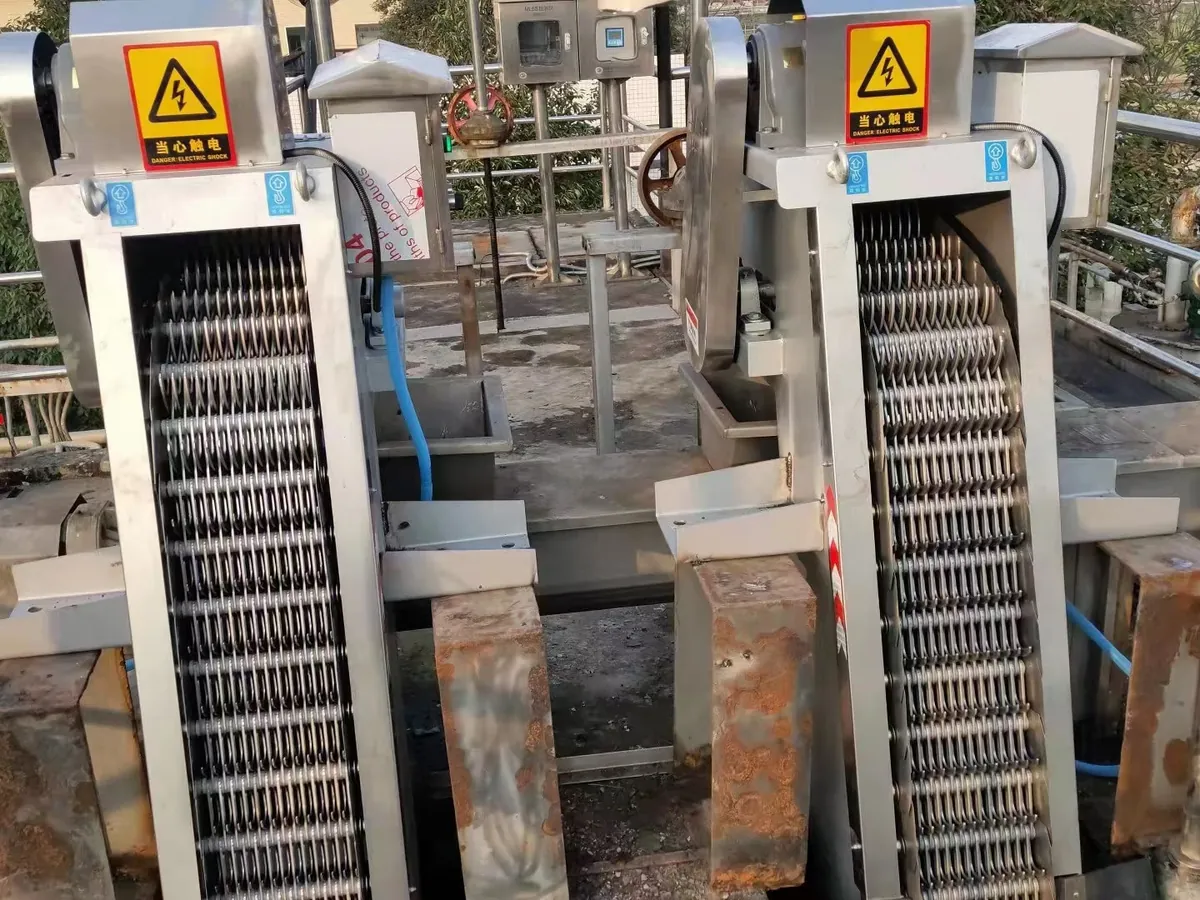
Mechanical bar screen
Catches peel, husks, packaging offcuts and other coarse solids before they reach the pumps or blind downstream media.
Stage 1Solids removal
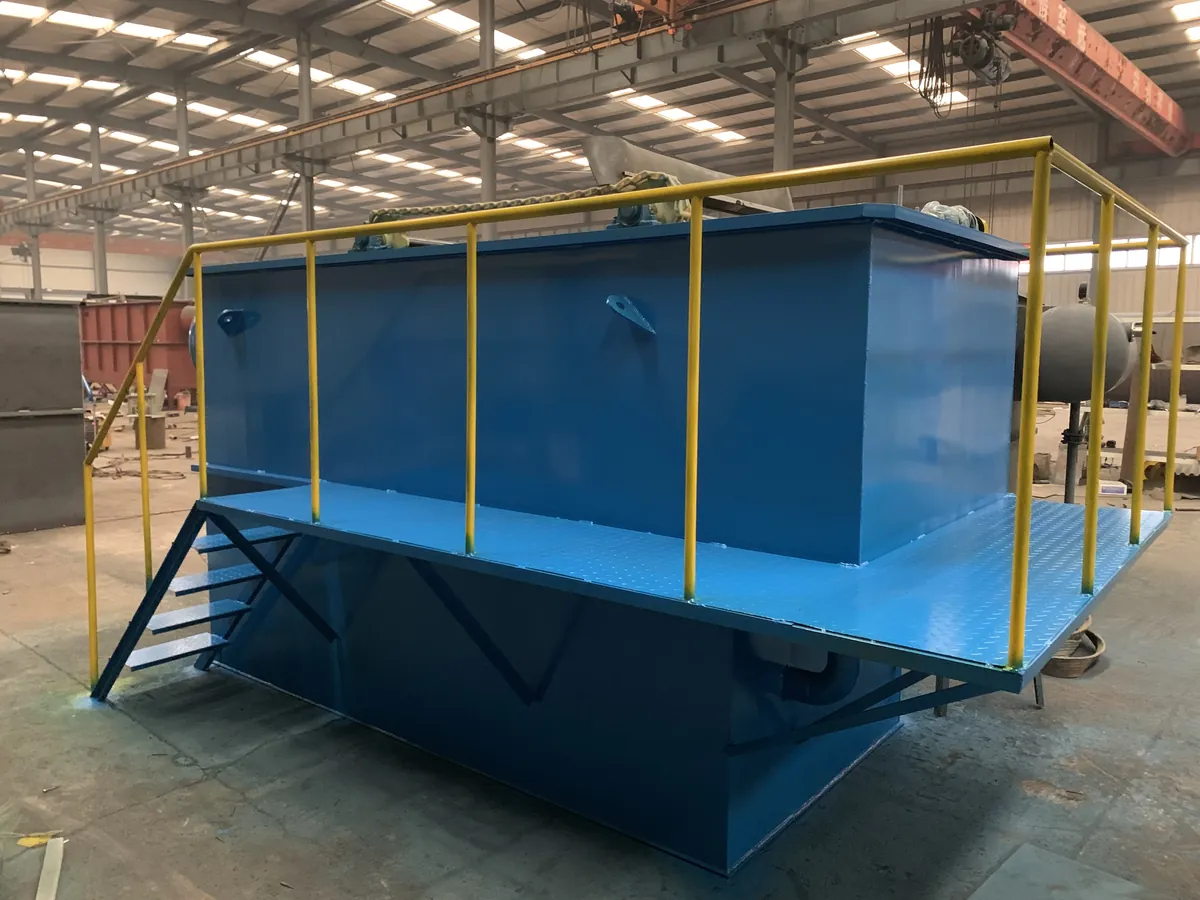
Dissolved air flotation
The first line of defence. Microscopic air bubbles lift fats, oils and light solids to the surface, protecting every stage downstream.
FOG removalUp to 90%+
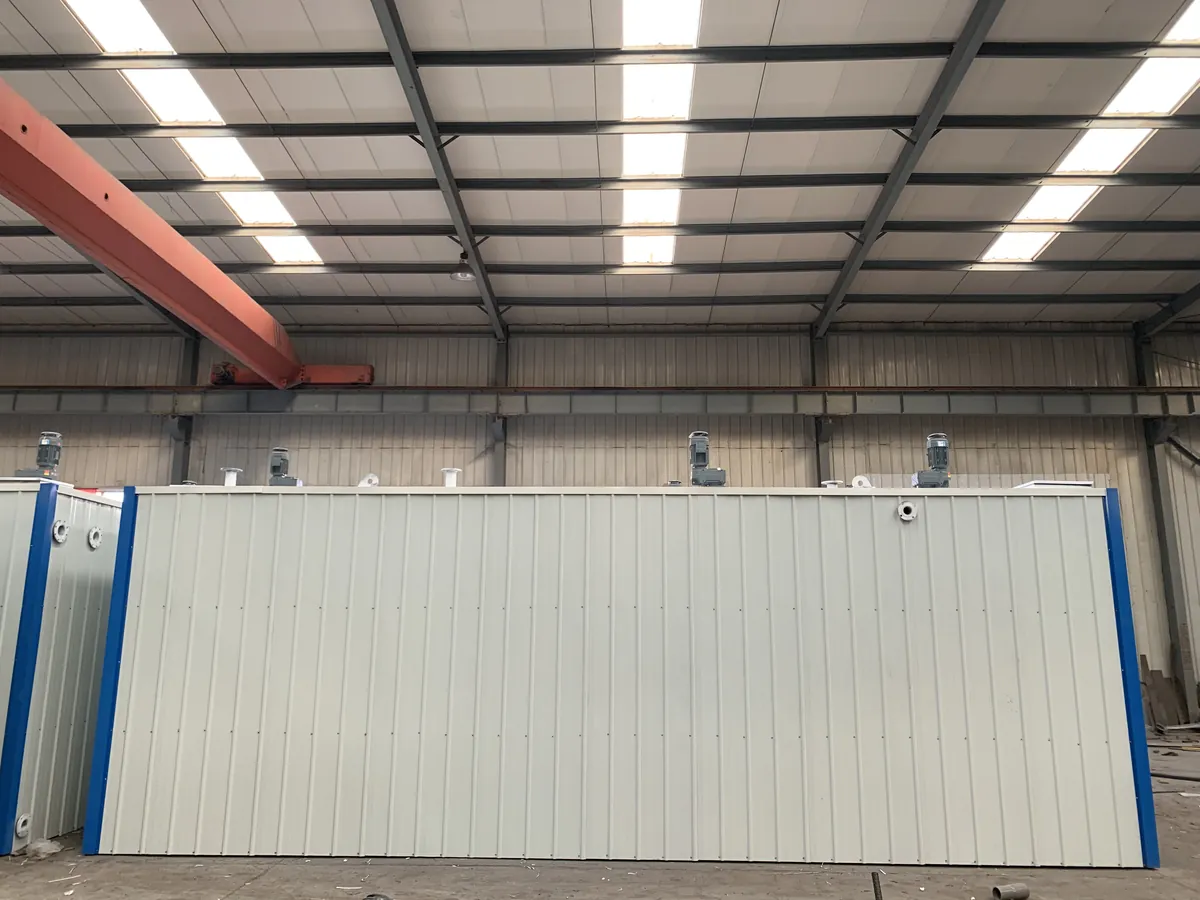
MBR membrane bioreactor
A biological stage with membrane separation instead of a settling tank. It produces a clear, low-TSS effluent in a compact footprint.
COD/BOD removalClear effluent
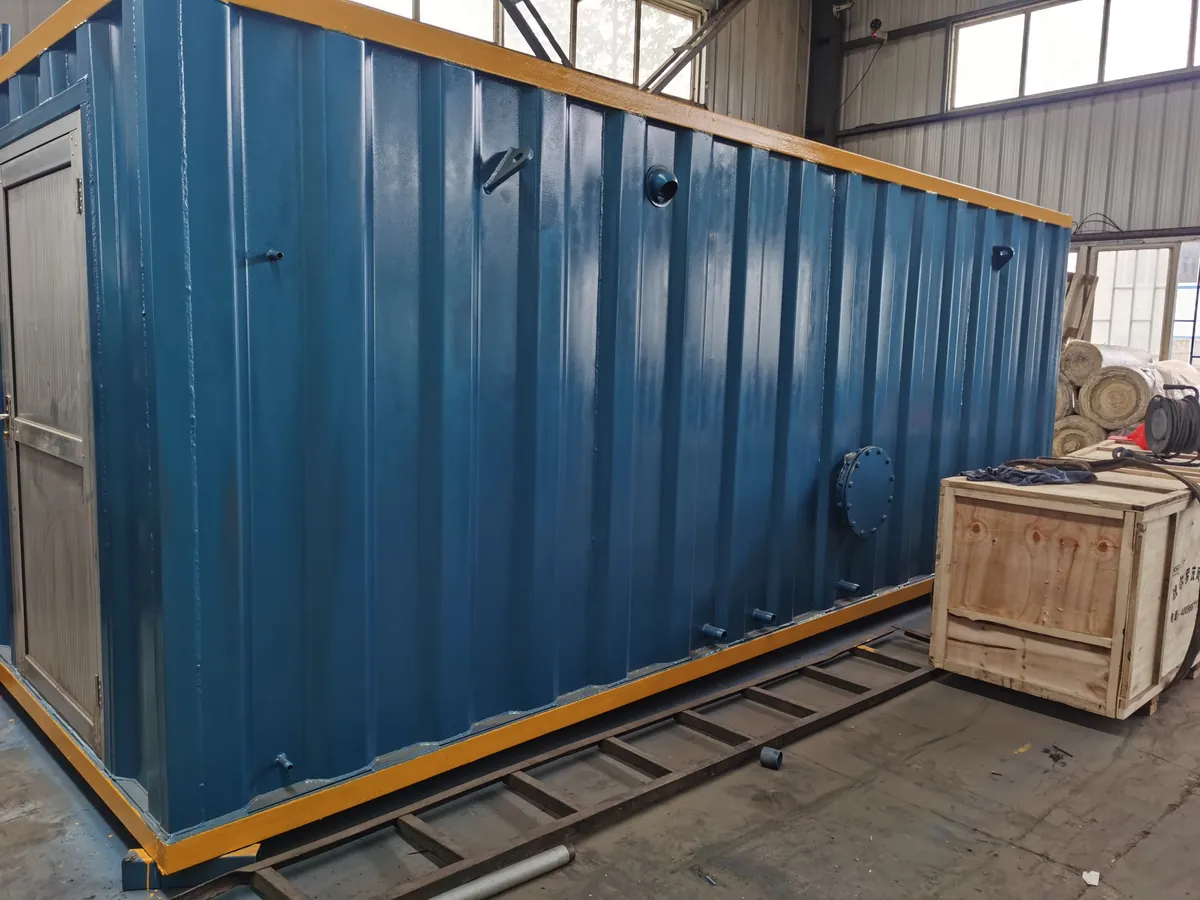
Integrated packaged plant
A pre-assembled biological unit for sites with limited space or a smaller flow. It ships as one module and starts up quickly.
CompactFast install
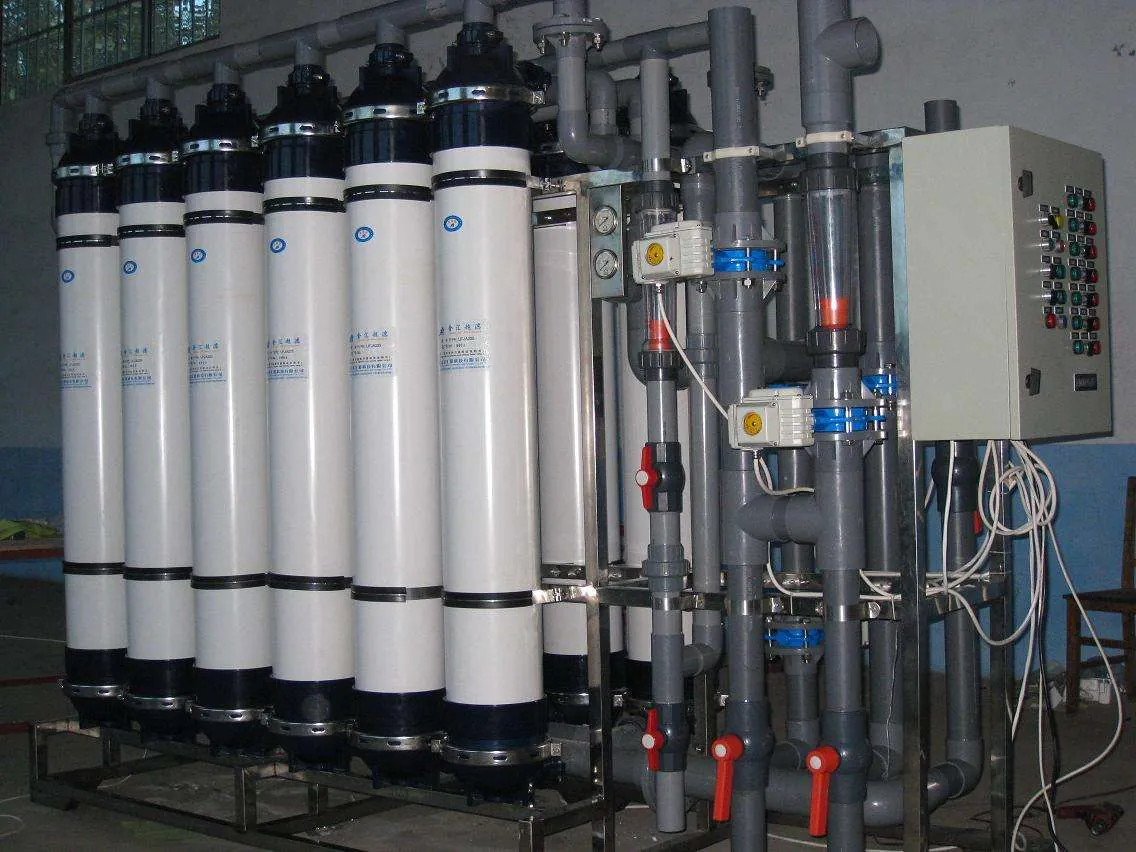
Membrane polishing & reuse
Ultrafiltration or reverse osmosis as a final stage, for sites that want to reuse water for washdown or meet a tight discharge limit.
ReusePolishing
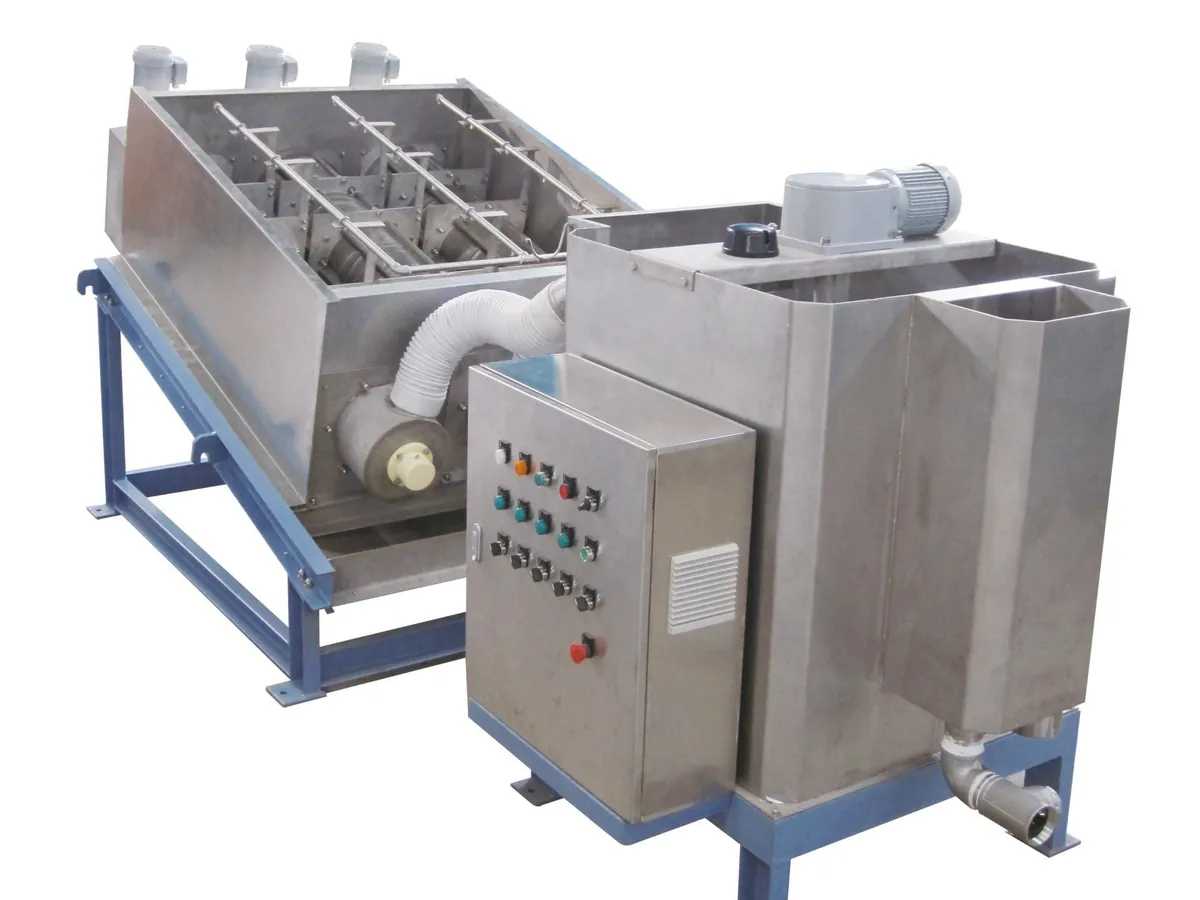
Sludge dewatering
Thickens and dewaters the surplus biomass so it is cheap to handle and transport, with a predictable disposal cost.
Dry solidsLower disposal cost
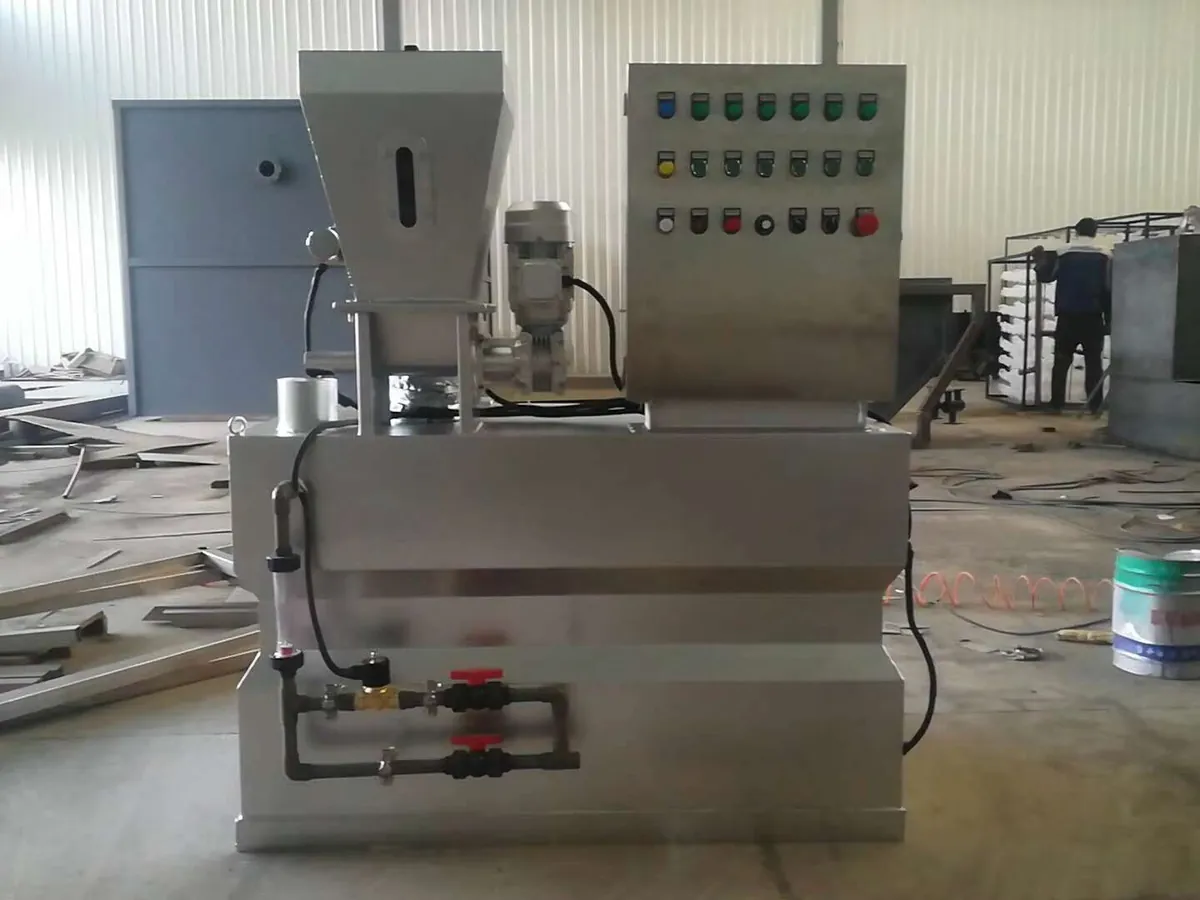
Chemical dosing
Meters coagulant, alkali or acid automatically to keep pH and chemistry steady through CIP swings and batch dumps.
Auto controlpH correction
Anaerobic pre-treatment (UASB or similar) is added when COD is consistently high — for example in brewing or starch — because it reduces load cheaply before the aerobic stage.
How to choose your route
Three rules cover most decisions. If FOG is high, always put dissolved air flotation first, because it protects everything downstream. If COD sits consistently above about 4,000 mg/L, add anaerobic pre-treatment to cut the load cheaply. And if the site is tight on space or the permit is strict, an MBR with membrane polishing delivers the cleanest effluent in the smallest footprint. Send your analysis and we will map the cheapest route that meets your limit, rather than over-building for a number you do not need.
Design targets
Discharge standards and how they shape the design
Most food and beverage plants must meet a discharge limit set by the local regulator — a municipal sewer consent, for instance, or a direct-discharge permit. The limit, not a generic rule of thumb, determines the process. Two plants with the same flow can therefore need very different treatment if one faces a COD limit of 500 mg/L and the other a limit of 120 mg/L.
Design also depends on the BOD-to-COD ratio, which tells us how biodegradable the stream is. Food effluent usually has a high ratio, and that is good news: it means biological treatment can remove most of the load. A stream with a low ratio, by contrast, may need pre-treatment to make the organic matter more available. We measure this ratio early because it decides whether anaerobic or aerobic treatment is the better first step.
Build quality
Materials, controls and footprint
Food effluent is often warm, mildly acidic after a caustic wash and rich in chloride from brine or cleaning agents. Consequently we select stainless or coated-carbon construction where the stream is aggressive, and we size tanks, pipework and pumps for the temperature they will actually see. The same reasoning applies to controls: a food plant runs continuously, so the system favours instrumentation that reports loading in real time rather than one that reacts only after a limit is already breached.
Footprint matters too. Many food sites are land-constrained, so an MBR or a packaged plant can deliver the same treatment in a fraction of the space of a conventional activated-sludge works. We quote the footprint and the access requirements in the selection note, which settles the layout question before manufacture instead of discovering it on site.
Process
How a project comes together
1
Water analysis
You share the flow, COD, BOD, FOG, TSS and pH, plus the permit you must meet.
2
Process selection
We map the cheapest route that reaches your limit, with room for peak weeks.
3
Design & quote
A selection note states the equipment, materials, footprint and operating cost.
4
Manufacture
We build and factory-test each skid before it leaves the workshop.
5
Ship & install
We support the local contractor or send engineers, as your scope requires.
6
Commission & handover
Start-up against agreed criteria, operator notes and a clear maintenance record.
Project references
Where we have already delivered
Representative references across the three highest-load segments. Full figures are available on request under NDA.
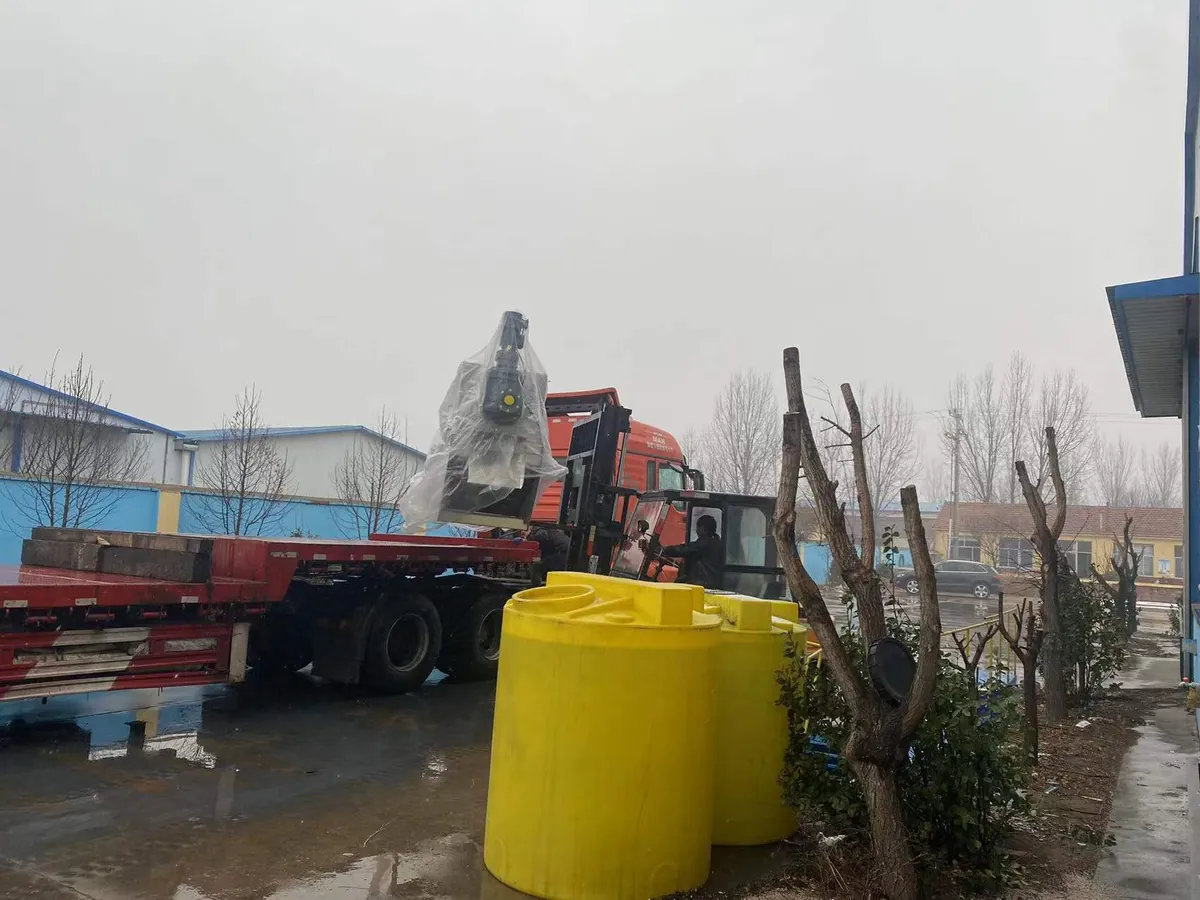
Equipment built, tested and shipped to real food plants
Each reference below names the stream and the route, without inventing flow figures we have not measured. For the measured influent and outlet values, test method and date, we share the full reference pack under NDA so you can verify it before you buy.
Dairy
Milk processing
DAF plus MBR for a dairy plant, targeting COD and FOG compliance on a continuous discharge permit.
Meat & poultry
Slaughterhouse effluent
Screening, DAF and biological treatment sized for blood and fat loads on a batch slaughter line.
Starch & sugar
Food additive plant
Anaerobic pre-treatment followed by aerobic polishing for a high-COD starch effluent stream.
For measured influent and outlet values, test method and date, see our food processing wastewater case study or ask for the reference pack under NDA.
FAQ
Frequently asked questions
Process, cost and design
What COD and BOD levels does food wastewater have?
Most streams sit between 2,000 and 10,000 mg/L COD, with dairy and meat at the upper end and bottling rinse water at the lower end. Because the value depends on the product, we design from your own measured load rather than a textbook figure.
How much does food & beverage wastewater treatment cost?
Capital cost follows flow, COD, FOG, materials and the discharge limit; operating cost follows energy, chemicals and sludge handling. Two plants with the same flow can differ a lot because one needs stainless steel or a second stage. Tell us your budget ceiling and we will describe the envelope it realistically covers.
Anaerobic or aerobic — which is right for food wastewater?
It depends on strength. For COD consistently above roughly 4,000 mg/L, anaerobic pre-treatment usually pays for itself by cutting load cheaply and, in some cases, recovering biogas. Below that, a well-designed aerobic stage is simpler and more forgiving of swings.
What does the BOD-to-COD ratio tell me?
The ratio shows how biodegradable the stream is. Food effluent usually has a high ratio, so biological treatment removes most of the load. A low ratio, by contrast, means part of the COD resists biology, and pre-treatment may be needed first. We measure it early because it decides the process.
Operation, reuse and odour
Can one system handle dairy and beverage together?
Yes, if the plant shares a drain. Equalisation upstream smooths the combined load, and a single biological stage can then treat the blended stream. The front end may still need FOG removal because dairy contributes fats and oils.
Can the treated water be reused?
Often yes. After biological treatment, membrane polishing can produce water suitable for washdown, cooling or non-potable reuse, depending on the final quality you need and the local rules on reuse.
Do you also handle the odour from these plants?
Yes. Effluent and sludge areas generate odour that often falls under the same permit, and our range covers both wastewater treatment and waste gas treatment. Treating the interfaces together avoids a second retrofit.
Footprint and sludge
How much space does the plant need?
It depends on the route. An MBR or a packaged plant treats the same flow in a fraction of the space of a conventional activated-sludge works, which matters when the site is land-constrained. We quote the footprint and access requirements in the selection note so the layout is settled before manufacture.
What happens to the sludge?
Every biological stage produces surplus sludge. We size a thickener or dewatering step so the sludge is easy to handle and its disposal cost is predictable, rather than leaving it as an afterthought that surprises you later.
Start now
Get a selection note for your plant
Send your flow, COD, BOD, FOG and permit target. We reply with a route recommendation and a like-for-like price envelope.