Environmental protection equipment supplier

Industrial Spray Deodorization System
Multi-stage odor removal system combining spray absorption, UV photolysis, and activated carbon for industrial odor control. Custom-engineered for H2S, NH3, and VOC odorous gas treatment in food processing, feed manufacturing, and chemical plants.
95%
Max Odor Removal
4
Treatment Stages
50k
m3/h Air Volume
24/7
Continuous Operation
2-3
Spray Layers
PLC
Auto Control
3+
Treatment Stages
85-95%
Odor Removal Rate
8
Industries Served
24h
Quote Response
Odor Sources
Common Industrial Odor Compounds
Different industries produce different odorous compounds. Understanding your odor source is the first step to effective treatment.
| Odor Compound | Chemical Formula | Typical Source | Odor Threshold | Treatment Method |
|---|---|---|---|---|
| Hydrogen Sulfide | H2S | Waste treatment, food processing | 0.0005 ppm | Alkaline spray + carbon |
| Ammonia | NH3 | Feed mills, composting | 0.03 ppm | Acidic spray + carbon |
| Methyl Mercaptan | CH3SH | Pulp, rendering | 0.0001 ppm | UV + alkaline spray |
| Trimethylamine | (CH3)3N | Fish processing, chemical | 0.0004 ppm | Acidic spray + UV |
| Volatile Organic Sulfides | VOSCs | Slaughterhouse, rendering | varies | UV + carbon |
| VOCs (general) | Various | Chemical, coating, printing | varies | UV + activated carbon |
How It Works
Multi-Stage Odor Treatment Process
Each stage targets different odor compounds. The combination delivers complete odor elimination that no single technology can achieve alone.
1
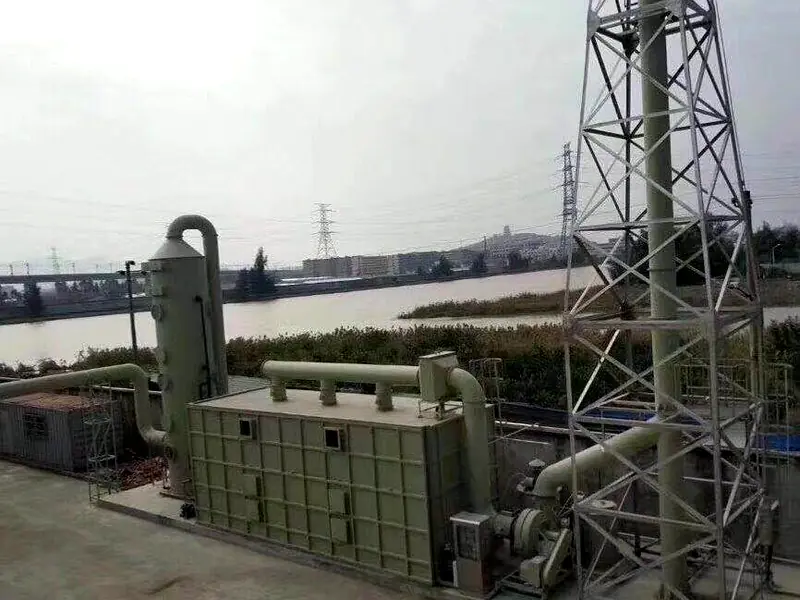
Spray Absorption Tower
Water or chemical solution absorbs water-soluble odor compounds. Acid/alkaline spray neutralizes H2S and NH3.
2-3 spray layers
PP/SS304
➞
2
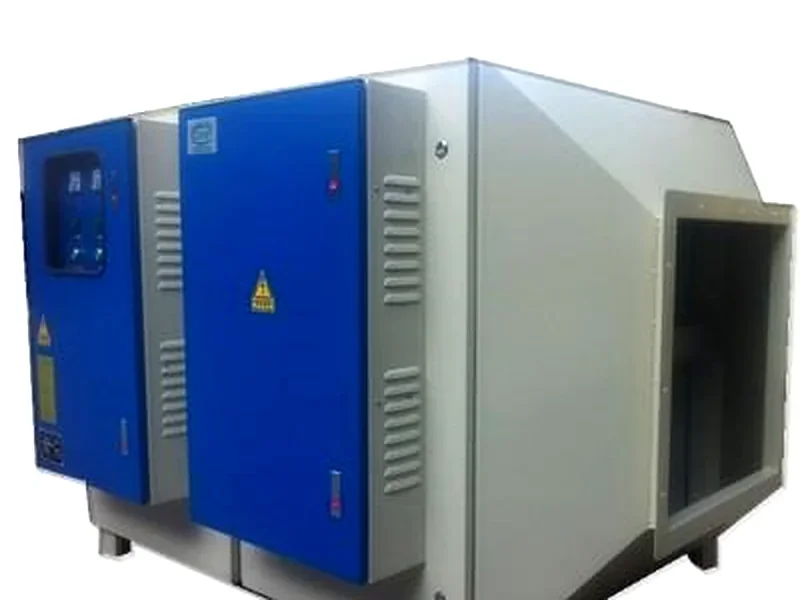
UV Photolysis Reactor
High-energy UV light breaks down organic odor molecules. UV-C wavelength destroys molecular bonds in VOSCs and VOCs.
8-40 UV lamps
185nm + 254nm
➞
3
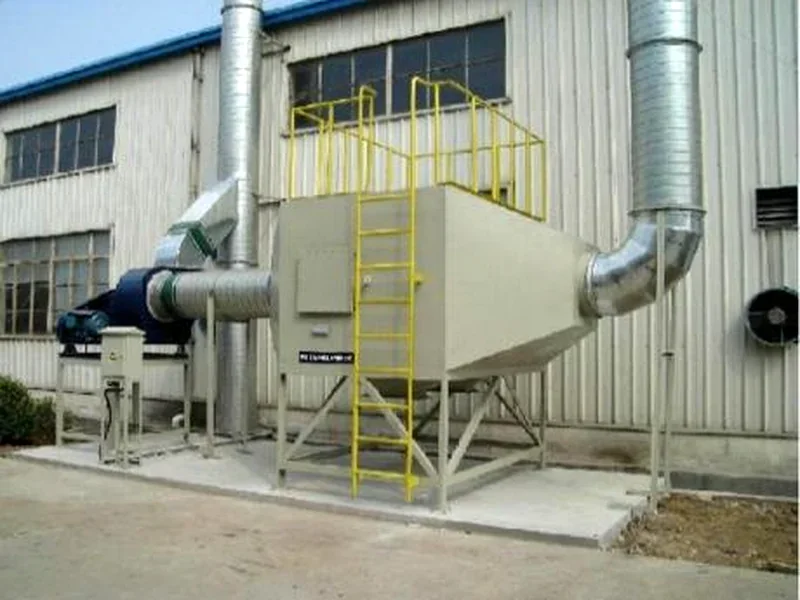
Activated Carbon Polisher
Final-stage carbon bed captures residual odor compounds. Ensures outlet air is clean and free from any trace odor.
0.5-3 m3 carbon
Honeycomb/GAC
Spray Liquid Guide
Deodorant Liquid Selection
The spray liquid is selected based on your specific odor compounds. Different solutions target different pollutants.
Water (Plain)
Simple and cost-effective. Removes water-soluble odor compounds and dust. Used as pre-treatment before chemical spray stages.
Dust removal
Pre-treatment
Low cost
Chemical Solutions
NaOH (alkaline) neutralizes acidic odors like H2S. H2SO4 (acidic) captures alkaline odors like NH3. Selected based on your gas composition.
H2S removal
NH3 removal
Fast reaction
Plant-Based Deodorant
Eco-friendly biological solutions extracted from plants. Neutralizes a wide range of odors without harsh chemicals. Safe for food-grade facilities.
Eco-friendly
Food-grade safe
Broad-spectrum
Case Study
Real Project: Food Additive Factory Odor Treatment
See how our multi-stage deodorization system solved a persistent odor complaint problem.
Case Study
Food Additive Production Facility
Challenge
A food additive production facility emitted strong odorous gas containing hydrogen sulfide (H2S), ammonia (NH3), and volatile organic sulfides. Nearby residential areas filed multiple odor complaints. The odor concentration exceeded 2,000 on the dilution factor scale.
Solution
We designed a three-stage deodorization system: (1) alkaline spray tower to remove H2S and acid gases, (2) UV photolysis reactor to break down organic sulfides, and (3) activated carbon bed for final polishing. Total air volume: 15,000 m3/h.
Before Treatment
2,000+
Odor concentration (dilution factor)
➞
After Treatment
<200
95% removal · 2+ years stable
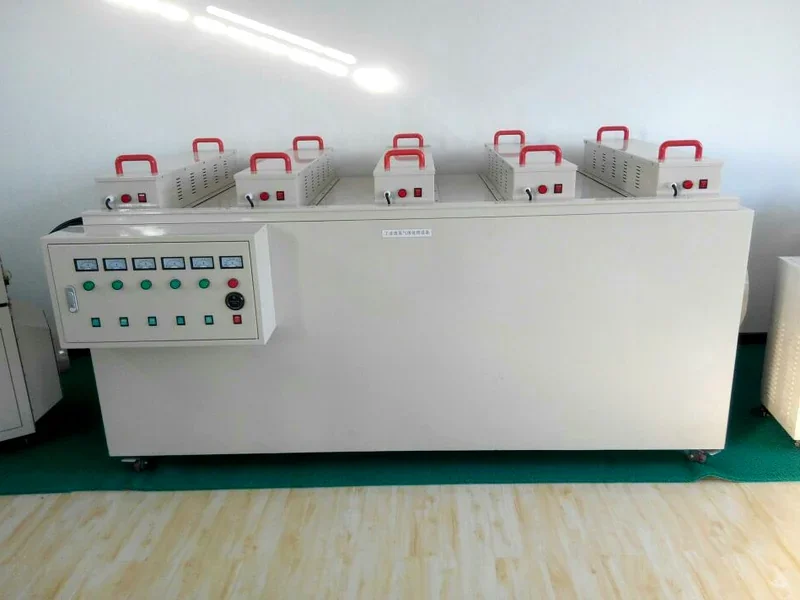
Gallery
Project Gallery
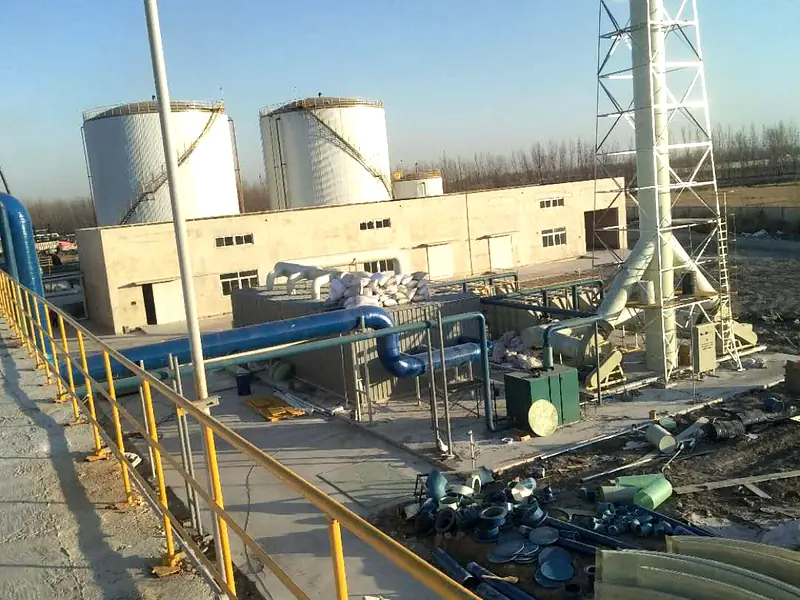
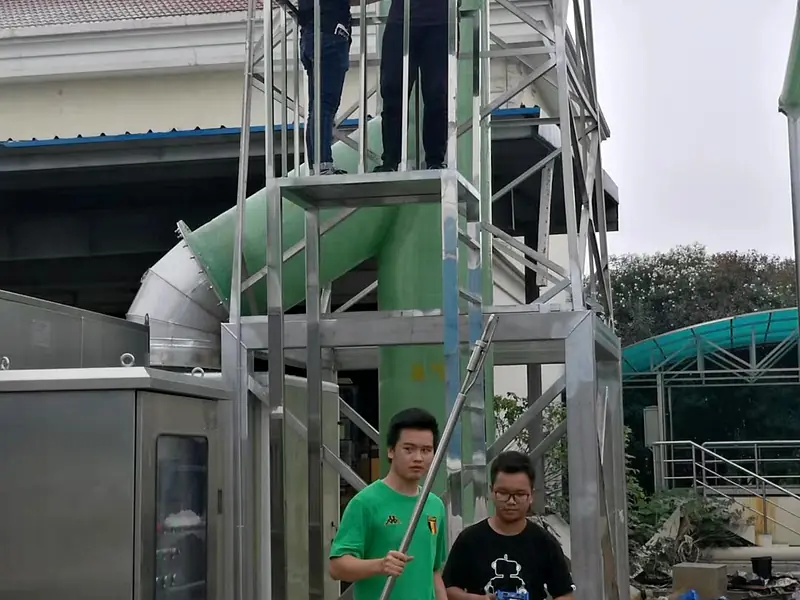
Real spray deodorization system installation photos from our projects.
What Is
What Is a Spray Deodorization System?
A spray deodorization system is a multi-stage industrial air treatment solution designed to remove odorous compounds from industrial exhaust gas. Unlike single-technology systems, it combines spray absorption, UV photolysis, and activated carbon adsorption in a tailored sequence to tackle complex odor problems that no single technology can solve alone.
The system works by first passing odorous gas through a spray tower, where water or a chemical solution absorbs water-soluble odor compounds such as H2S and NH3. Then UV photolysis breaks down organic odor molecules that resist spray treatment, and finally activated carbon captures any remaining trace compounds. The result is clean, odor-free air that meets emission standards and eliminates neighbor complaints.
These systems are custom-designed for each application — every odor source is unique, and the treatment configuration must match the specific compounds, concentrations, and air volumes involved. We analyze your gas composition and design the optimal combination of stages.
Key Benefits
Why Choose Multi-Stage Deodorization
Four advantages that make multi-stage systems the most reliable odor control solution.
01
85-95% Odor Removal
Multi-stage treatment achieves 85-95% odor reduction — far exceeding what any single technology can deliver. Effectively eliminates nuisance complaints from surrounding communities and meets regulatory odor emission standards.
02
Handles Complex Mixed Odors
Industrial odors often contain sulfides, ammonia, VOCs, and organic compounds simultaneously. Multi-stage systems tackle each compound type with the appropriate technology — no single method can do this alone.
03
Custom-Tailored Configuration
Every system is designed for your specific odor source. We select the right combination of spray liquid, UV lamp configuration, and carbon type based on your gas analysis. No one-size-fits-all approach.
04
Proven in Real Projects
Backed by successful installations at food factories, feed mills, waste treatment plants, and chemical processing facilities — all with verified, long-term odor reduction results and zero neighbor complaints.
System Types
Three Deodorization System Configurations
From basic 2-stage to advanced 4-stage bio-deodorization — choose the right system for your odor severity.
2-Stage
Spray + Carbon System
Basic two-stage system combining spray absorption with activated carbon polishing. Suitable for moderate odor levels and simple odor sources.
- Spray tower + carbon bed
- 80-90% odor removal
- Low to medium investment
- For simple, single-source odors
- Easy operation and maintenance
3-Stage
Spray + UV + Carbon System
The most popular configuration — spray tower, UV photolysis, and activated carbon. Handles most industrial odor applications with mixed compounds.
- Spray + UV + carbon
- 85-95% odor removal
- Medium investment
- For complex mixed odors
- Widely deployed across industries
4-Stage
Full Bio-Deodorization System
Advanced four-stage system with biofilter for maximum odor reduction. For high-concentration or difficult-to-treat odors.
- Spray + UV + biofilter + carbon
- 90-98% odor removal
- Higher investment
- For severe odor problems
- Biological degradation stage
Applications
Industries We Serve
Spray deodorization systems are deployed across a wide range of odor-producing industries.
Food Processing
Cooking & additive odors
Feed Manufacturing
Animal feed odor control
Chemical Plant
Process gas deodorization
Pharmaceutical
Solvent & process odors
Slaughterhouse
Rendering & processing odors
Composting
Organic waste odors
Waste Station
Transfer station odor control
Sewage Plant
Wastewater odor treatment
Specifications
Technical Specifications
Detailed technical parameters for our spray deodorization systems.
| Parameter | 2-Stage (SD-2) | 3-Stage (SD-3) | 4-Stage (SD-4) |
|---|---|---|---|
| Model | SD-2-1000 to SD-2-50000 | SD-3-1000 to SD-3-50000 | SD-4-1000 to SD-4-50000 |
| Air Volume | 1,000-50,000 m3/h | 1,000-50,000 m3/h | 1,000-50,000 m3/h |
| Stages | Spray + Carbon | Spray + UV + Carbon | Spray + UV + Bio + Carbon |
| Spray Layers | 2 | 2-3 | 3 |
| UV Lamps | None | 8-40 | 8-40 |
| Carbon Bed Volume | 0.5-3 m3 | 0.5-3 m3 | 0.5-3 m3 |
| Biofilter Volume | None | None | 1-5 m3 |
| Odor Removal | 80-90% | 85-95% | 90-98% |
| Material | PP / SS304 | PP / SS304 | PP / SS304 / FRP |
| Control System | Manual | PLC | PLC + HMI + Remote |
Custom Solutions
Custom Design & OEM Services
Every odor problem is unique. We design each deodorization system to match your specific odor source, concentration, and site conditions — from system configuration to control automation.
Custom air volume sizing (1,000-50,000 m3/h)
PP / SS304 / FRP tower materials
Water, chemical, or plant-based deodorant
2 to 4 stage configurations
Biofilter add-on module
PLC + HMI control with remote monitoring
Knowledge Base
Latest Insights from Our Blog
Learn more about industrial odor control and waste gas treatment from our technical articles.
Sep 24, 2026
Waste Gas Treatment Industrial Air Pollution Control Guide
Explore what is waste gas treatment including technologies equipment applications compliance and future trends in industrial air pollution control
Read More ›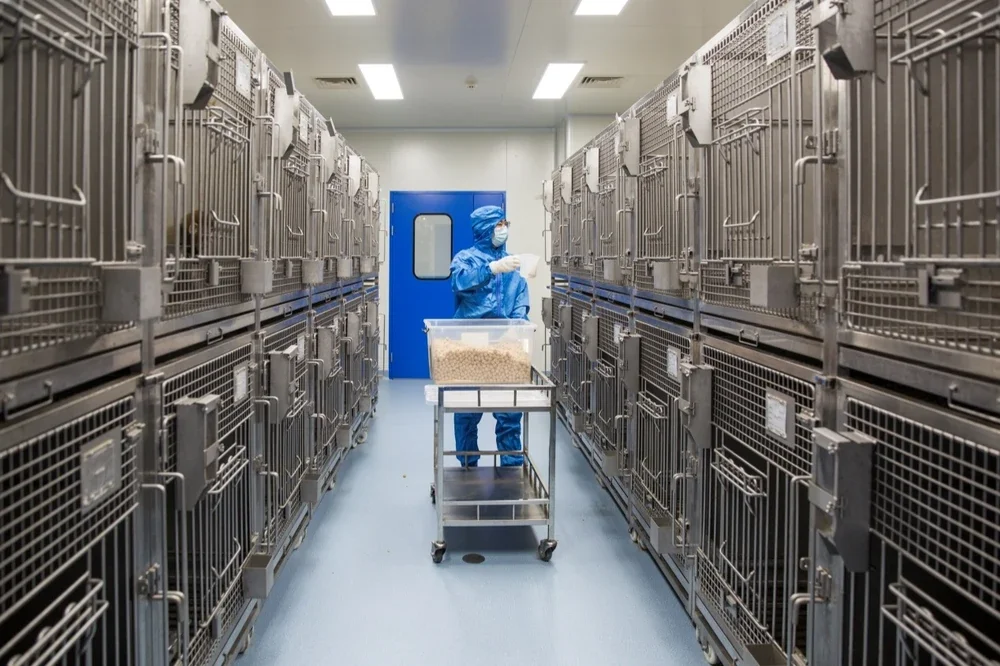
Sep 22, 2026
How does the integrated spoiler-spray deodorization system achieve efficient odor removal?
Combining physical and chemical processes, the integrated turbulent-flow spray deodorization system delivers 24/7 odor and waste-gas purification—98% purification rate and ≥99% desulfurization—for laboratory animal facilities, pharmaceutical plants, and livestock farms.Additionally, the system features low airflow resistance and controllable energy consumption, making it suitable for treating high-concentration waste gases. Technical Principles and Core Structure: This equipment […]
Read More ›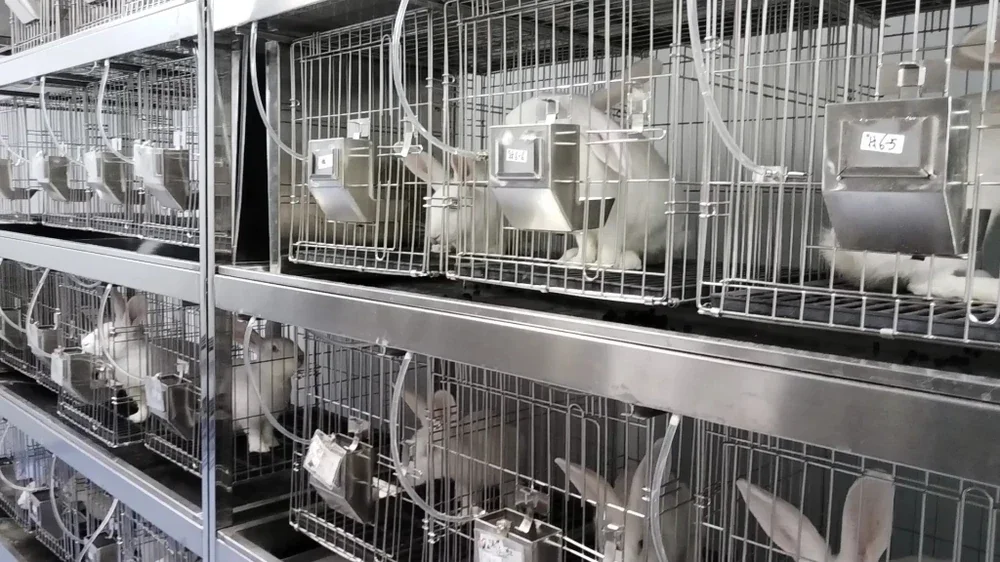
Sep 21, 2026
Factory for Animal Facility Odor Control Equipment: An Inside Look at the Equipment and Its Advantages
In the field of animal husbandry, the issue of odors in animal housing has long been a major challenge for breeders. Facilities that manufacture odor-control equipment for these spaces act much like mysterious, magical factories, dedicated to producing systems that effectively solve this problem. Today, let us step inside one of these factories and unveil […]
Read More ›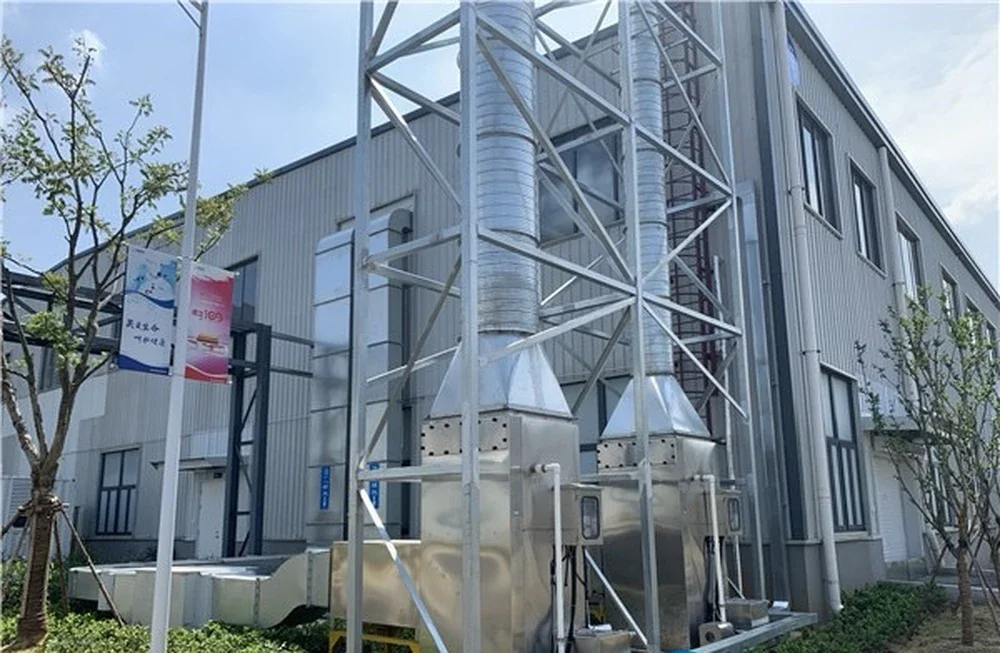
Sep 16, 2026
Shuotu Machinery Opens a New Chapter in Odor Control for Laboratory Animal Facilities
In the critical spaces of biomedical research, the quality of every cubic centimeter of air impacts the credibility of scientific discoveries. The complex odors characteristic of laboratory animal facilities—a mixture of ammonia, hydrogen sulfide, and volatile organic compounds—pose a dual challenge: not only do they cause sensory discomfort, but they also compromise experimental standardization and […]
Read More ›
FAQ
Frequently Asked Questions
Common questions about spray deodorization systems for industrial odor control.
How do you determine which deodorization system I need?
We start by understanding your odor source — what industry, what production process, and what the main odor compounds are. If you have a gas analysis report, that is ideal. Otherwise, we can recommend based on similar projects we have completed. We will design a system with the right number of stages and technologies for your specific odor problem.
How much does a spray deodorization system cost?
Cost depends on air volume, number of treatment stages, and materials. A basic 2-stage system for 5,000 m3/h starts around a few thousand dollars. A large 3-4 stage system for 50,000 m3/h is a more significant investment. Contact us with your details and we will provide a detailed quote within 24 hours.
What is the difference between spray deodorization and biofiltration?
Spray deodorization uses chemical or plant-based solutions to absorb and neutralize odors — it is compact and fast-acting. Biofiltration uses microorganisms to break down odor compounds — it is more effective on certain compounds but requires more space and time to establish. Many systems combine both for maximum effectiveness.
How long does it take to see results after installation?
Spray and UV stages work immediately — you will notice odor reduction as soon as the system is turned on. If a biofilter is included, it takes 2-4 weeks for the microorganisms to fully establish and reach peak efficiency. We provide commissioning support to ensure everything works correctly from day one.
Get a Quote
WhatsApp
+86 18653221918
Request Your Deodorization System Quote
Tell us about your odor source, air volume, and main odor compounds. We will design a custom multi-stage system that solves your specific odor problem.
Get Your Free Quote
Fill in the form and we’ll respond within 24 hours.
Need a Custom Deodorization Solution?
Tell us about your odor source and air volume. We will design a multi-stage system tailored to your specific needs.