Environmental protection equipment supplier

Animal Room Waste Gas Treatment
Multi-stage air purification system for laboratory vivariums, breeding centers, and livestock farms. Specialized treatment for ammonia (NH3), hydrogen sulfide (H2S), odor, dust, and airborne pathogens — protecting animal welfare and research integrity.
90%+
Ammonia Removal
95%+
H2S Removal
20k
m3/h Max Air Volume
4
Treatment Stages
25
ppm NH3 Target
PLC
Auto Control
4
Treatment Stages
90%+
Ammonia Removal
8
Facility Types
24h
Quote Response
Pollutant Guide
Animal Room Pollutant Concentration Reference
Typical pollutant levels in different animal facility types. Understanding your pollutant profile is the first step to effective treatment.
| Pollutant | Source | Typical Concentration | Health Threshold | Treatment Stage |
|---|---|---|---|---|
| Ammonia (NH3) | Urine decomposition | 5-50 ppm | 25 ppm (animal comfort) | Acidic spray tower |
| Hydrogen Sulfide (H2S) | Fecal matter | 0.5-10 ppm | 1 ppm (odor threshold) | Alkaline spray + UV |
| Volatile Organic Compounds | Feed, bedding, feces | 2-20 mg/m3 | Varies by compound | UV photolysis + carbon |
| Particulate Matter (PM) | Bedding, dander, feed | 0.1-5 mg/m3 | 0.1 mg/m3 (lab grade) | Pre-filter (G4/F8/HEPA) |
| Airborne Pathogens | Animals, waste | Varies | Zero tolerance | UV-C sterilization |
| Odor (composite) | Mixed sources | 500-3000 dilution | 200 (nuisance level) | Multi-stage combined |
The Challenge
What Makes Animal Room Air Different
Animal facilities generate unique pollutants that standard ventilation systems cannot handle alone.
Ammonia (NH3)
Released from urine decomposition by urease-producing bacteria. Causes respiratory stress, eye irritation, and reduced research quality at concentrations above 25 ppm.
Critical: Above 25 ppmHydrogen Sulfide (H2S)
Produced from fecal matter by sulfate-reducing bacteria. Toxic even at low concentrations — detectable by human nose at 0.0005 ppm, causing immediate odor complaints.
Toxic: Above 1 ppmAllergens & Pathogens
Animal dander, fur, and fecal particles carry allergens and potentially dangerous pathogens. Airborne transmission is a significant biosafety risk in research facilities.
Biosafety risk
Our Solution
Four-Stage Treatment Process
Each stage targets specific pollutants. The combination delivers complete air purification that no single technology can achieve alone.
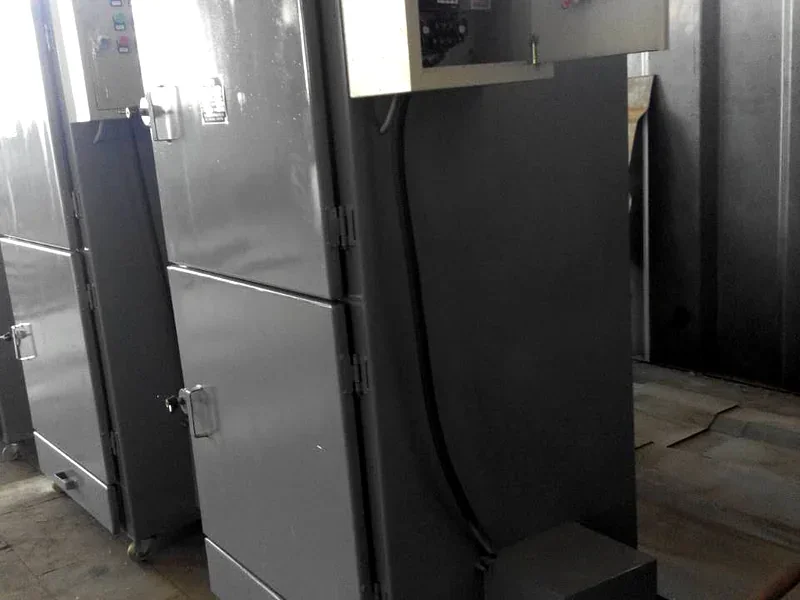
1
Pre-Filter Stage
G4 or F8 pocket filter captures dust, dander, bedding particles, and large particulate matter. Protects downstream stages from clogging. Optional HEPA for lab-grade filtration.
2
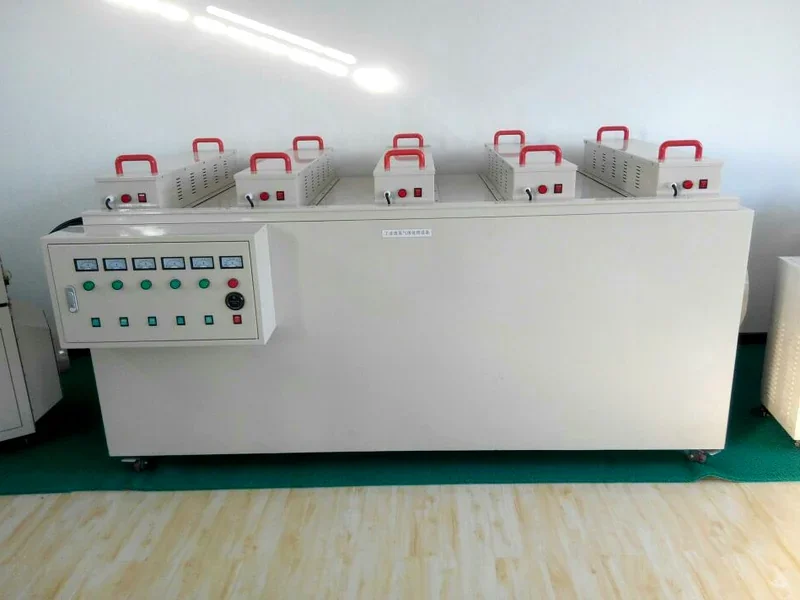
Acidic Spray Tower
Dilute sulfuric acid or citric acid solution absorbs ammonia (NH3) through chemical reaction: 2NH3 + H2SO4 → (NH4)2SO4. Achieves 90%+ ammonia removal. Also captures water-soluble odor compounds.
3
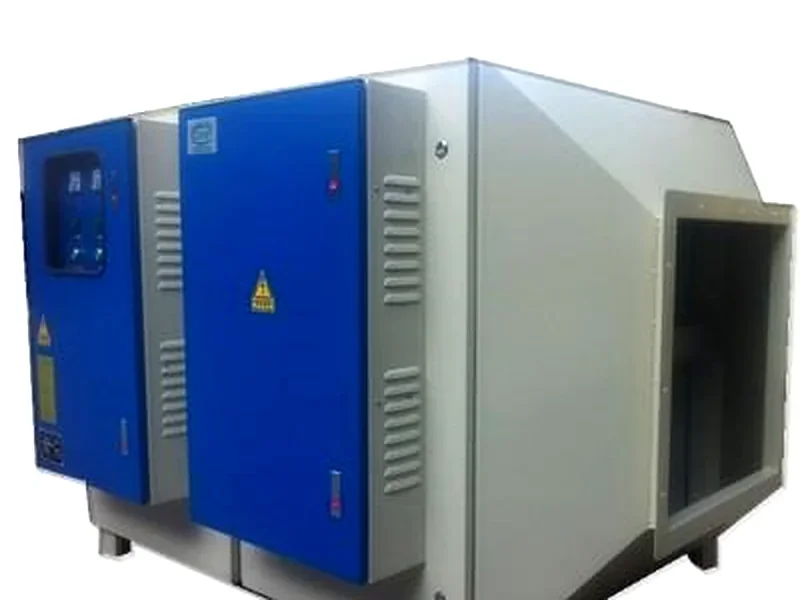
UV Photolysis Reactor
UV-C light at 185nm and 254nm destroys molecular bonds in odor compounds and damages pathogen DNA/RNA. Breaks down H2S, volatile organic sulfides, and airborne microorganisms.
4
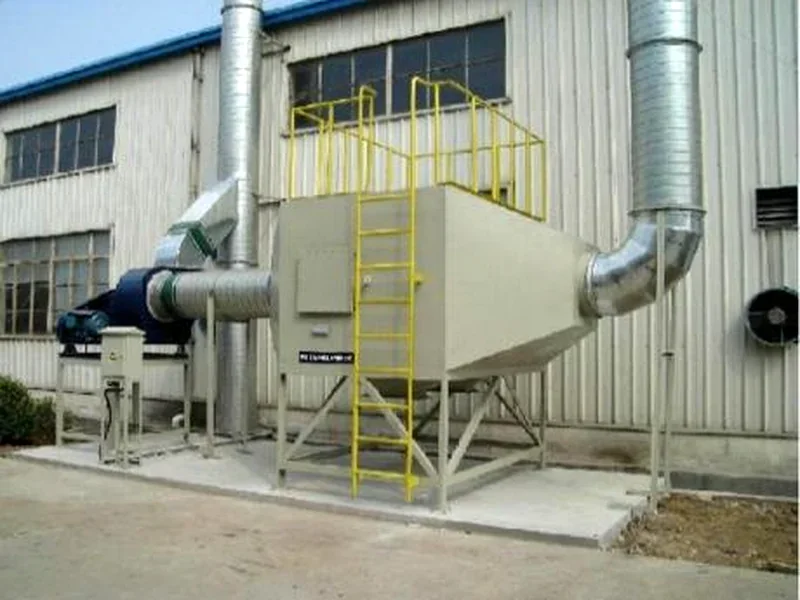
Activated Carbon Polisher
Final-stage carbon bed adsorbs residual odor compounds and trace VOCs. Ensures exhaust air is clean, odor-free, and safe for surrounding environments and neighboring communities.
Ventilation Guide
Animal Room Air Change Rate Reference
Recommended ventilation rates for different animal facility types. The treatment system must be sized to match your facility’s air change requirements.
| Facility Type | Air Changes/Hour (ACH) | Typical Air Volume | Key Pollutant | System Recommendation |
|---|---|---|---|---|
| Research Vivarium (rodents) | 10-15 ACH | 500-3,000 m3/h | NH3, allergens | 4-stage with HEPA |
| Dog / Cat Housing | 8-12 ACH | 1,000-5,000 m3/h | NH3, odor, dander | 4-stage standard |
| Rabbit Facility | 10-15 ACH | 500-3,000 m3/h | NH3, allergens | 4-stage with HEPA |
| Poultry Farm | 4-8 ACH | 5,000-20,000 m3/h | NH3, dust, H2S | 3-stage heavy-duty |
| Swine Farm | 5-10 ACH | 5,000-20,000 m3/h | NH3, H2S, odor | 3-stage heavy-duty |
| Veterinary Clinic | 8-12 ACH | 500-2,000 m3/h | Odor, pathogens | 4-stage compact |
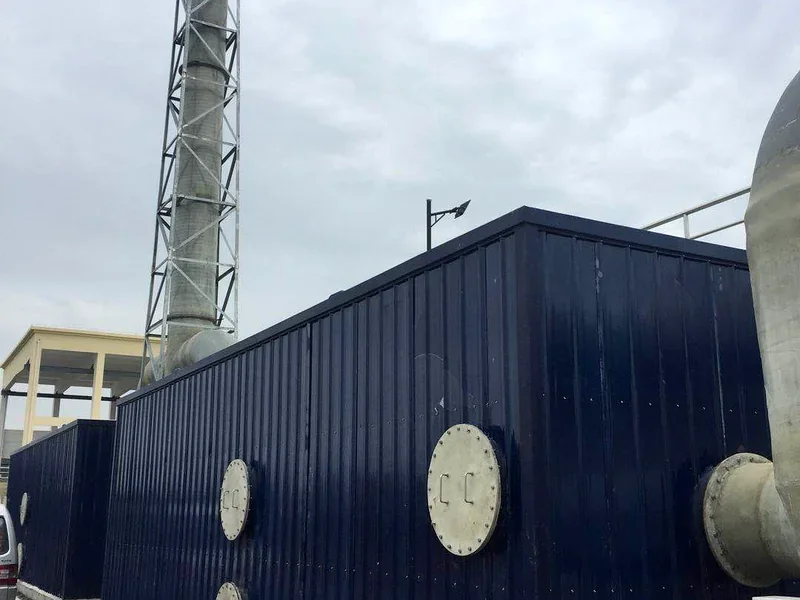
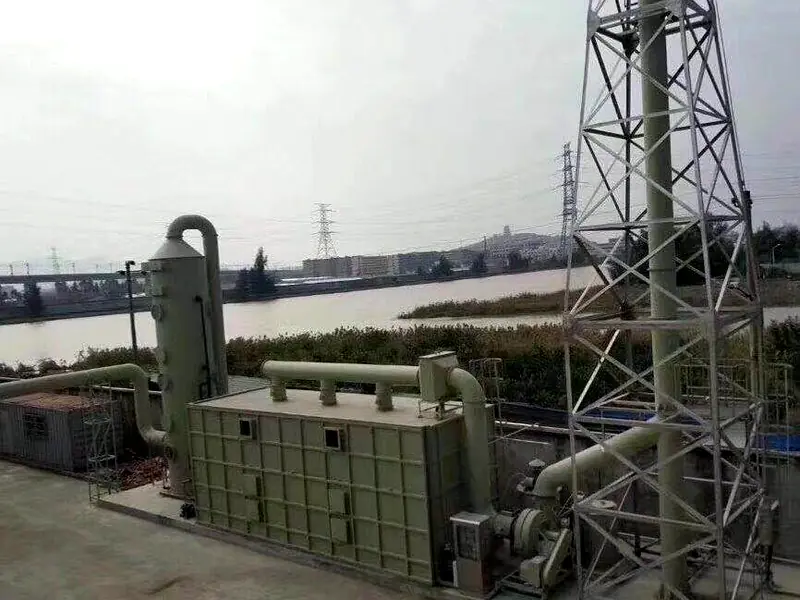
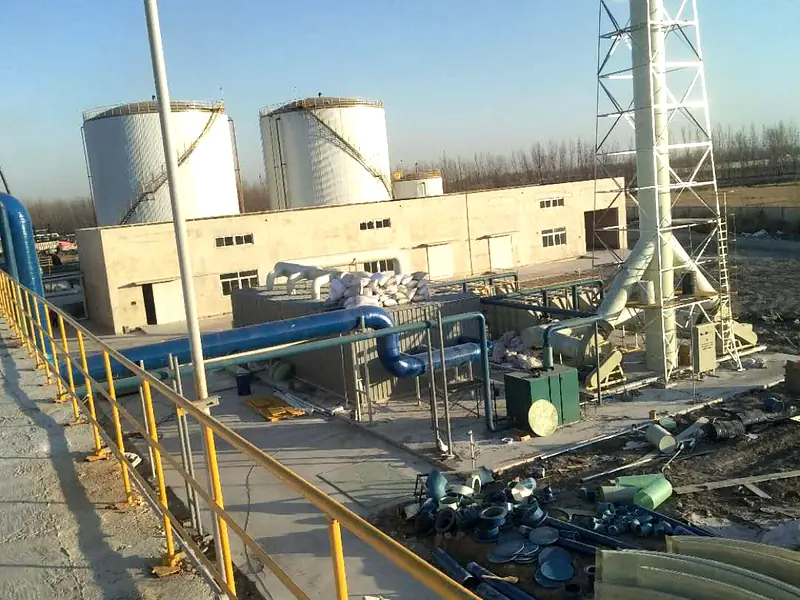
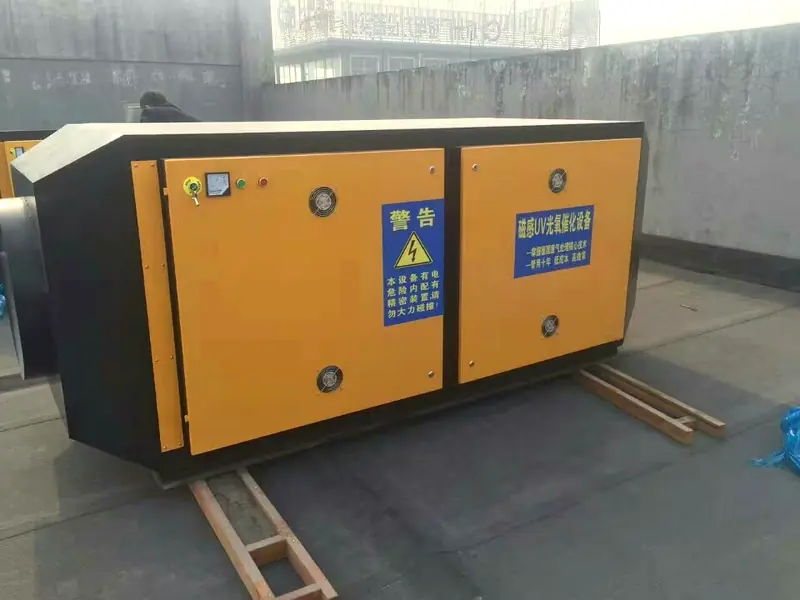
Gallery
Project Gallery
Real animal room waste gas treatment installation photos from our projects.
What Is
What Is Animal Room Waste Gas Treatment?
Animal room waste gas treatment is a specialized air purification system designed to treat exhaust air from laboratory animal facilities (vivariums), breeding centers, and farm animal housing. These facilities generate unique pollutants — ammonia from urine decomposition, hydrogen sulfide from fecal matter, allergens from dander, and potentially airborne pathogens — that standard ventilation alone cannot address.
The system uses a multi-stage approach: pre-filtration for dust and dander, an acidic spray tower to absorb ammonia through chemical reaction, UV photolysis to destroy odor molecules and damage pathogen DNA, and activated carbon for final odor polishing. The result is clean exhaust air that protects both animal welfare and the surrounding environment.
Unlike general industrial air treatment, animal room systems must meet specific standards for pathogen control, animal environment quality, and research integrity. The system must be carefully sized to match the facility’s air change rate requirements while maintaining consistent treatment performance across varying pollutant loads.
Key Benefits
Why Choose Our Animal Room Treatment System
Four advantages that make our system the right choice for animal facility exhaust treatment.
01
90%+ Ammonia Removal
High-efficiency ammonia removal using acidic spray absorption — reduces NH3 levels to well below 25 ppm, meeting international lab animal environment standards for animal comfort and health.
02
Pathogen & Odor Control
UV-C photolysis stage damages airborne pathogen DNA/RNA and breaks down complex odor molecules. Provides an additional biosafety layer and eliminates neighbor complaints.
03
Meets Lab Animal Standards
Designed to meet international laboratory animal environment standards including GB 14925 and NIH guidelines. Ensures research integrity, animal welfare compliance, and facility accreditation.
04
Automated 24/7 Operation
PLC-controlled system with automatic pH dosing, differential pressure monitoring, UV lamp status, and alarm functions. Integrates with building HVAC and BMS systems for seamless operation.
System Types
Three System Configurations
Different system designs for various animal facility types — from research labs to livestock farms.
Lab Standard
Research Vivarium System
Highest-standard system for research animal facilities. Meets strict lab animal environment requirements including pathogen control and HEPA-grade filtration.
- Pre-filter (G4/F8) + spray + UV + carbon
- Optional HEPA stage (H13/H14)
- 90%+ NH3 removal efficiency
- Pathogen reduction by UV-C
- For: rodent, rabbit, primate labs
Breeding
Breeding Center System
Medium-to-large capacity systems for commercial breeding facilities. Balances high treatment performance with operational cost efficiency for continuous-duty applications.
- Pre-filter + spray + UV + carbon
- 85-90% NH3 removal
- Higher air volume capacity (5,000-10,000 m3/h)
- Energy-efficient design
- For: dog, cat, rabbit breeding
Farm
Livestock Farm System
Heavy-duty systems for poultry, swine, and livestock farms. Handles high dust loads, concentrated ammonia, and complex odor from large-scale animal housing operations.
- Pre-filter + spray + UV (+ carbon)
- 80-90% NH3 removal
- High dust tolerance, heavy-duty build
- Low maintenance design
- For: poultry, swine, cattle farms
Applications
Facilities We Serve
Animal room waste gas treatment systems are deployed across a wide range of animal facility types.
Research Labs
Rodent & primate vivariums
Breeding Centers
Dog, cat & rabbit facilities
Poultry Farms
Chicken & egg production
Swine Farms
Pig housing & breeding
Vet Clinics
Animal hospitals & clinics
Pharmaceutical
Safety pharmacology labs
Zoos
Animal enclosure odor control
Pet Boarding
Kennels & catteries
Specifications
Technical Specifications
Detailed technical parameters for our animal room waste gas treatment systems.
| Parameter | Lab System (AR-L) | Breeding System (AR-B) | Farm System (AR-F) |
|---|---|---|---|
| Model | AR-L-500 to AR-L-3000 | AR-B-1000 to AR-B-10000 | AR-F-5000 to AR-F-20000 |
| Air Volume | 500-3,000 m3/h | 1,000-10,000 m3/h | 5,000-20,000 m3/h |
| Pre-Filter | G4 + F8 (optional HEPA) | G4 + F8 | G4 (heavy-duty) |
| Spray Tower | PP / SS304 | PP / SS304 | SS304 / FRP |
| UV Lamps | 4-12 units | 8-20 units | 12-40 units |
| Carbon Bed | 0.3-1 m3 | 0.5-2 m3 | 1-3 m3 |
| NH3 Removal | 90%+ | 85-90% | 80-90% |
| H2S Removal | 95%+ | 90%+ | 85%+ |
| Odor Removal | 90-95% | 85-90% | 80-85% |
| Control System | PLC + HMI + BMS | PLC + HMI | PLC + HMI |
Custom Solutions
Custom Design for Your Facility
Every animal facility is different — different species, different populations, different space constraints, different biosafety levels. We design custom systems that fit your exact requirements, facility layout, and regulatory standards.
Custom air volume sizing (500-20,000 m3/h)
PP / SS304 / FRP construction
G4 / F8 / HEPA pre-filtration
pH-controlled automatic acid dosing
PLC + HMI + BMS integration
HVAC ductwork coordination
Knowledge Base
Latest Insights from Our Blog
Learn more about animal facility air treatment and waste gas purification from our technical articles.
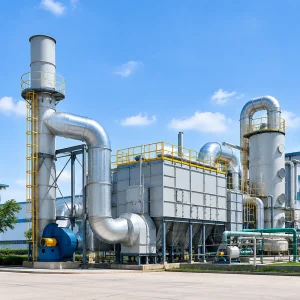
Sep 24, 2026
Waste Gas Treatment Industrial Air Pollution Control Guide
Explore what is waste gas treatment including technologies equipment applications compliance and future trends in industrial air pollution control
Read More ›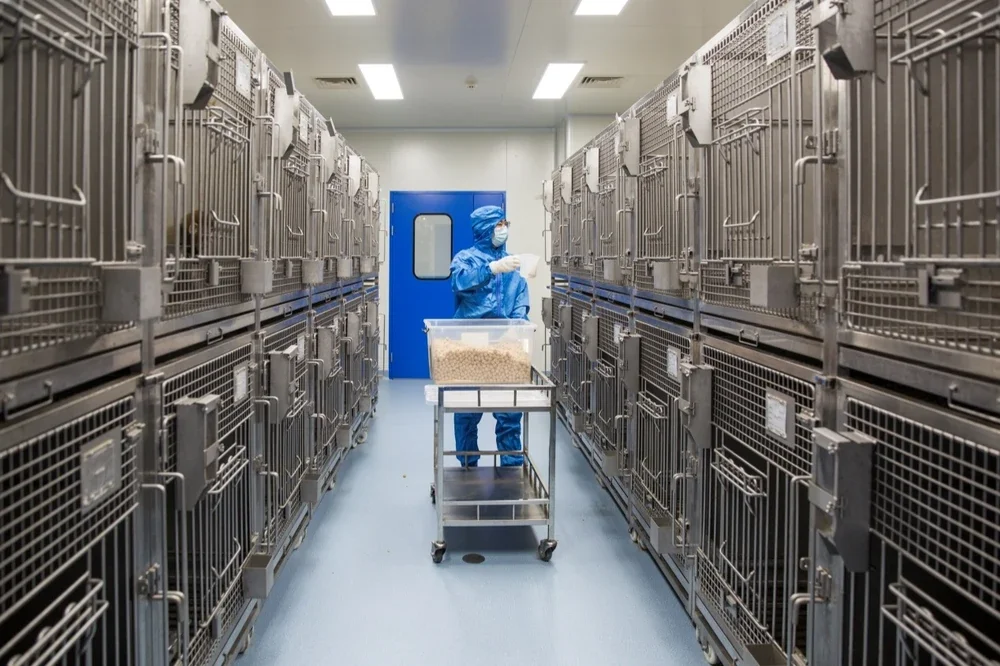
Sep 22, 2026
How does the integrated spoiler-spray deodorization system achieve efficient odor removal?
Combining physical and chemical processes, the integrated turbulent-flow spray deodorization system delivers 24/7 odor and waste-gas purification—98% purification rate and ≥99% desulfurization—for laboratory animal facilities, pharmaceutical plants, and livestock farms.Additionally, the system features low airflow resistance and controllable energy consumption, making it suitable for treating high-concentration waste gases. Technical Principles and Core Structure: This equipment […]
Read More ›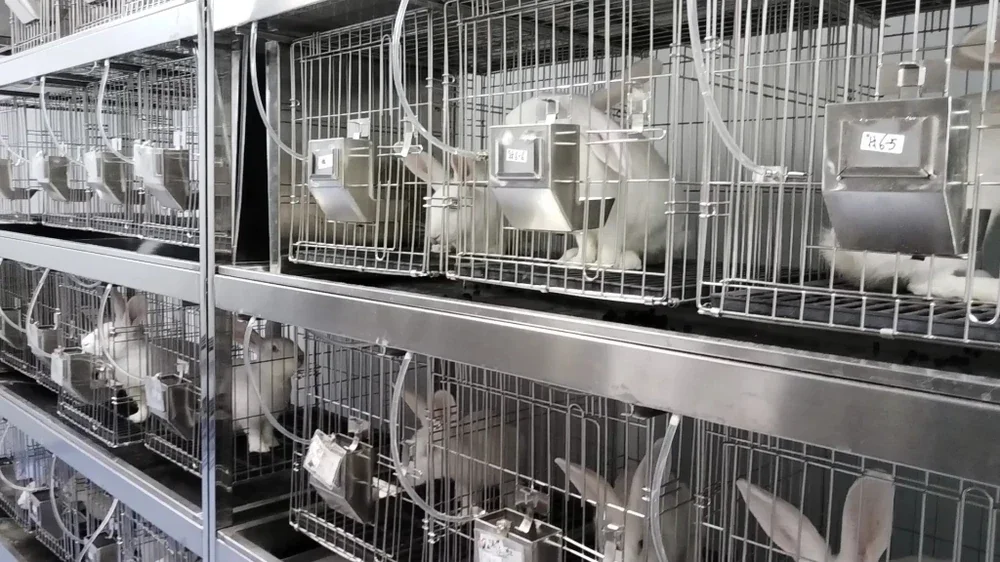
Sep 21, 2026
Factory for Animal Facility Odor Control Equipment: An Inside Look at the Equipment and Its Advantages
In the field of animal husbandry, the issue of odors in animal housing has long been a major challenge for breeders. Facilities that manufacture odor-control equipment for these spaces act much like mysterious, magical factories, dedicated to producing systems that effectively solve this problem. Today, let us step inside one of these factories and unveil […]
Read More ›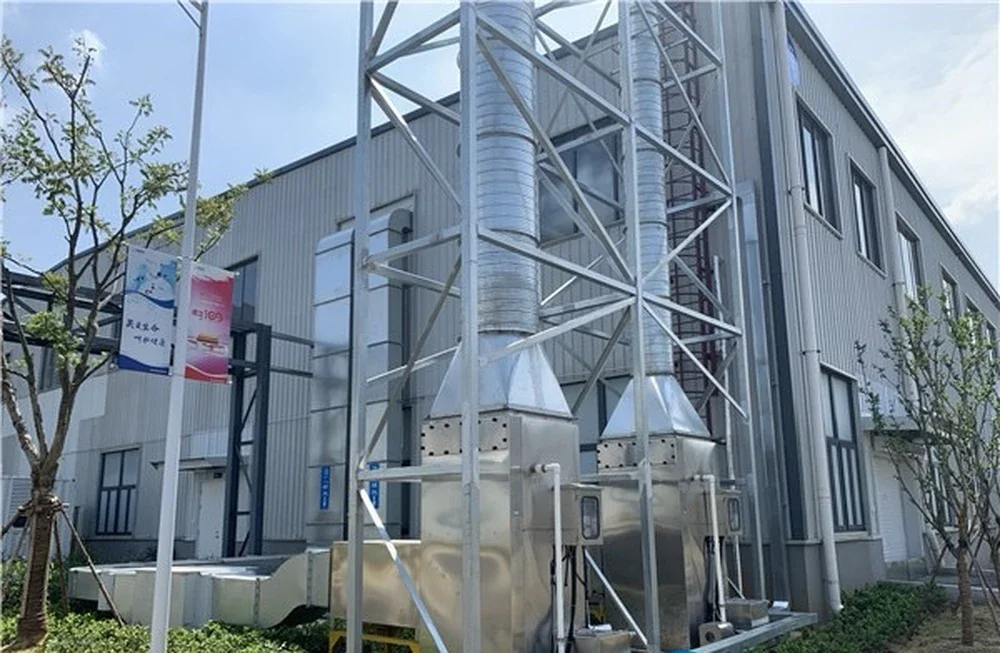
Sep 16, 2026
Shuotu Machinery Opens a New Chapter in Odor Control for Laboratory Animal Facilities
In the critical spaces of biomedical research, the quality of every cubic centimeter of air impacts the credibility of scientific discoveries. The complex odors characteristic of laboratory animal facilities—a mixture of ammonia, hydrogen sulfide, and volatile organic compounds—pose a dual challenge: not only do they cause sensory discomfort, but they also compromise experimental standardization and […]
Read More ›
FAQ
Frequently Asked Questions
Common questions about animal room waste gas treatment systems for vivarium and breeding facility exhaust treatment.
What ammonia removal efficiency can I expect?
Our systems typically achieve 90%+ ammonia removal with the acidic spray stage. The exact efficiency depends on inlet concentration and contact time. For laboratory vivariums with moderate ammonia levels, we can typically reduce outlet NH3 to well below 25 ppm — the threshold for animal comfort and health.
Does the system kill airborne pathogens?
The UV photolysis stage significantly reduces airborne pathogens by damaging their DNA/RNA with high-energy UV-C light at 254nm. While not a sterile solution, it provides an important additional layer of biosafety. For specific pathogen concerns, we can design enhanced UV configurations or add HEPA (H13/H14) filtration stages.
How much maintenance does the system require?
Routine maintenance includes: pre-filter replacement every 1-3 months, spray solution pH check and adjustment weekly, UV lamp replacement every 8,000-10,000 hours, and activated carbon replacement every 6-12 months. Our systems include automated monitoring with alerts when maintenance is needed — so you never have to guess.
Can the system be integrated with our building HVAC?
Yes, our systems are designed to integrate with existing HVAC exhaust systems. We provide detailed ductwork specifications and can work with your mechanical engineer to ensure proper airflow balance. The system can also include pressure monitoring and interlock with the building management system (BMS).
Get a Quote
WhatsApp
+86 18653221918
Request Your Animal Room Treatment Quote
Tell us about your facility — animal type, population, air change rate, and current pollutant levels. We will design the right system for your specific needs.
Get Your Free Quote
Fill in the form and we’ll respond within 24 hours.
Protect Your Animals and Environment
Tell us about your facility — animal type, population, and air volume. We will design a system that meets your standards.