Environmental protection equipment supplier

Low-Temperature Plasma Waste Gas System
Advanced oxidation technology using dielectric barrier discharge (DBD) to destroy complex VOCs at near-ambient temperature. Breaks down benzene, toluene, xylene, and hard-to-treat organic compounds that resist conventional methods.
92%
Max VOC Removal
50k
m3/h Air Volume
20
kV Discharge
50k
Hours Electrode Life
300
Pa Pressure Drop
PLC
Auto Control
80-92%
VOC Removal Rate
8
Industries Served
50k
Hours Electrode Life
24h
Quote Response
How It Works
Dielectric Barrier Discharge Reactor
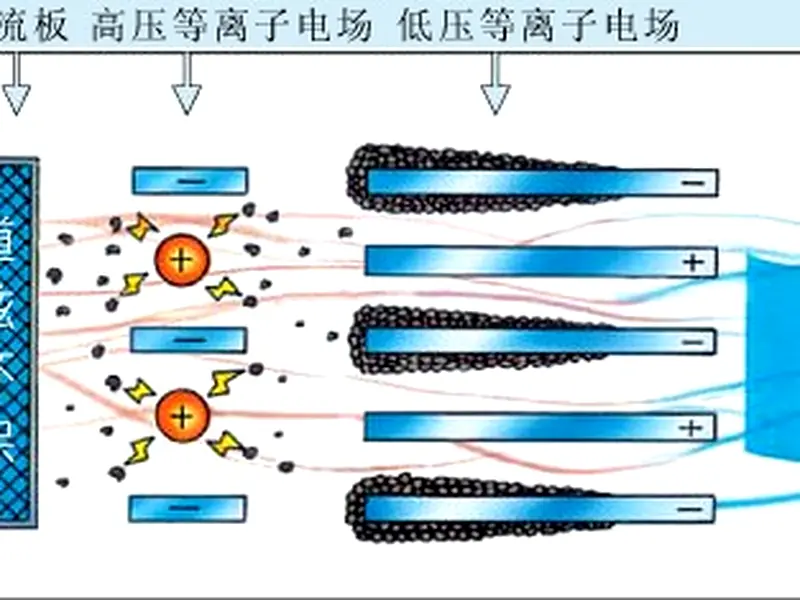
The DBD reactor creates non-thermal plasma that generates highly reactive species to destroy VOC molecules at near-ambient temperature.
High-Voltage Electrode
10-20 kV applied to stainless steel electrode
▼
Dielectric Barrier (Quartz/Ceramic)
Prevents arc, distributes discharge evenly
▼
Plasma Discharge Zone
Non-thermal plasma generates reactive species
▼
Grounded Electrode
Completes the circuit, collects treated gas
The Science of Non-Thermal Plasma
In a dielectric barrier discharge (DBD) reactor, high voltage (10-20 kV) is applied across two electrodes separated by a dielectric barrier (quartz or ceramic). This creates a non-thermal plasma — a gas where electrons reach energies equivalent to 10,000+ K while the bulk gas stays near room temperature.
These high-energy electrons collide with gas molecules (O2, N2, H2O), producing a cocktail of reactive species:
- Hydroxyl radicals (OH·) — the strongest natural oxidant in atmospheric chemistry
- Ozone (O3) — secondary oxidizer for residual VOCs
- Excited oxygen (O1D) — rapidly attacks organic molecule bonds
- Atomic nitrogen (N·) — breaks down nitrogen-containing compounds
These reactive species attack and break down VOC molecules through a chain of oxidation reactions, converting them into CO2, H2O, and harmless byproducts — all without heating the gas.
VOC Treatment
VOC Types and Treatment Performance
Plasma technology is particularly effective against these common industrial VOC compounds.
| VOC Compound | Chemical Formula | Typical Source | Plasma Efficiency | Reaction Byproduct |
|---|---|---|---|---|
| Benzene | C6H6 | Petrochemical, coating | 85-92% | CO2 + H2O |
| Toluene | C7H8 | Painting, printing, adhesives | 85-90% | CO2 + H2O |
| Xylene | C8H10 | Paint thinners, solvents | 80-88% | CO2 + H2O |
| Formaldehyde | CH2O | Resin, adhesive, textile | 88-92% | CO2 + H2O |
| Styrene | C8H8 | Fiberglass, rubber, resin | 82-90% | CO2 + H2O |
| Methyl Mercaptan | CH3SH | Pulp, rendering | 85-90% | CO2 + H2O + SO2 |
| Ammonia | NH3 | Chemical, animal facilities | 80-88% | N2 + H2O |
| Hydrogen Sulfide | H2S | Waste treatment, refining | 85-92% | H2O + SO2 |
Comparison
Plasma vs UV vs Activated Carbon vs RTO
Compare plasma with other common VOC treatment technologies to find the best fit for your application.
| Parameter | Plasma (DBD) | UV Photolysis | Activated Carbon | RTO (Thermal) |
|---|---|---|---|---|
| Target VOCs | Complex / hard VOCs | Low-med VOCs & odor | Low VOCs & solvents | All VOC types |
| Efficiency | 80-92% | 85-95% | 90-98% | 95-99% |
| Energy Use | Medium (2-8 Wh/m3) | Low | Very low (fan only) | Very high (fuel) |
| Operating Temp | Near ambient | Near ambient | Ambient | 750-900°C |
| Consumables | Electrodes (5-7 yr) | UV lamps (1-2 yr) | Carbon (6-12 mo) | Ceramic media (5+ yr) |
| Capital Cost | Medium | Low | Low | High |
| Best For | Resistant / mixed VOCs | Standard VOCs & odor | Low conc. / recovery | High conc. / all types |
Gallery
Project Gallery
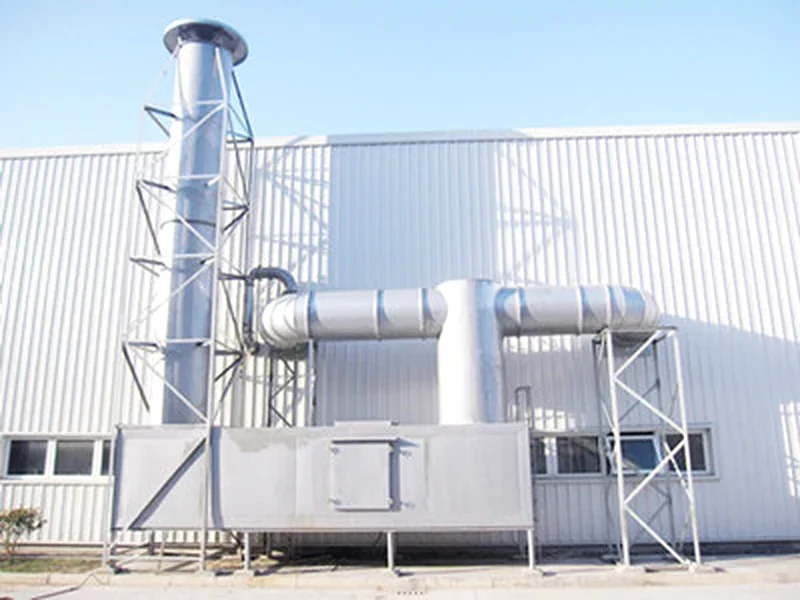
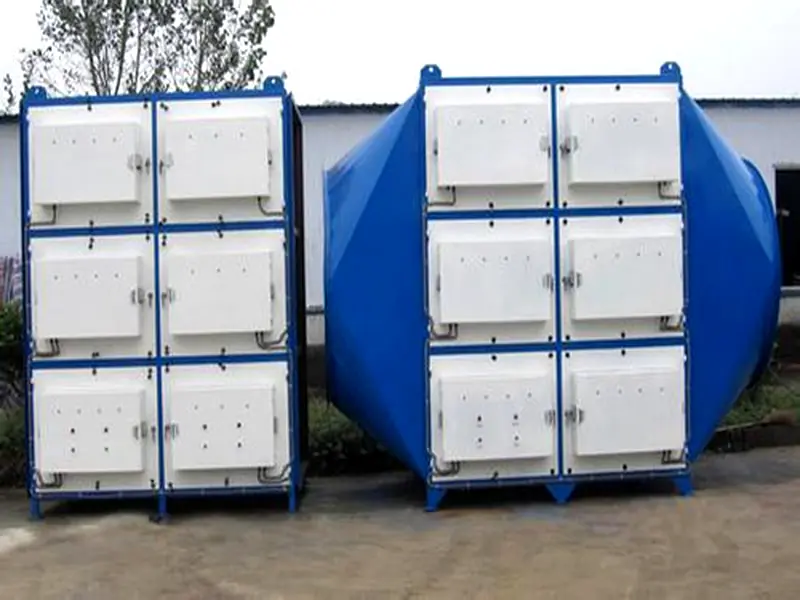
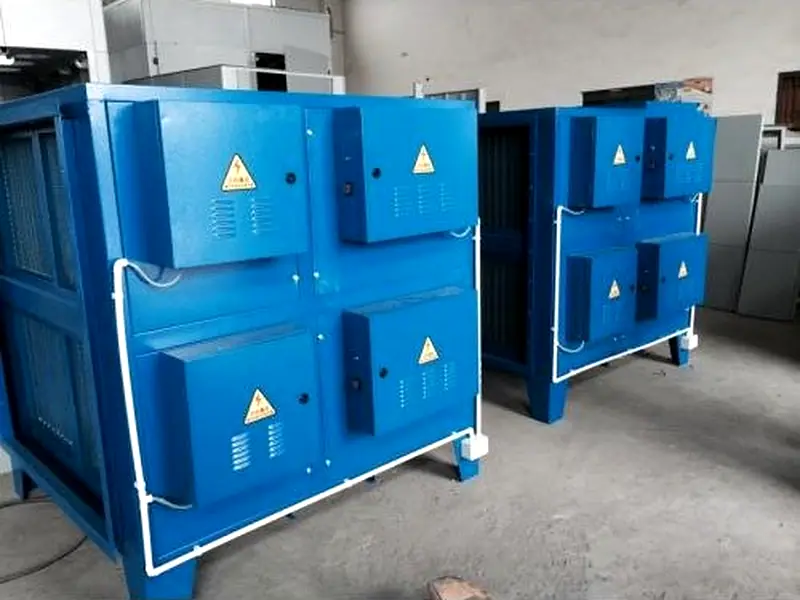
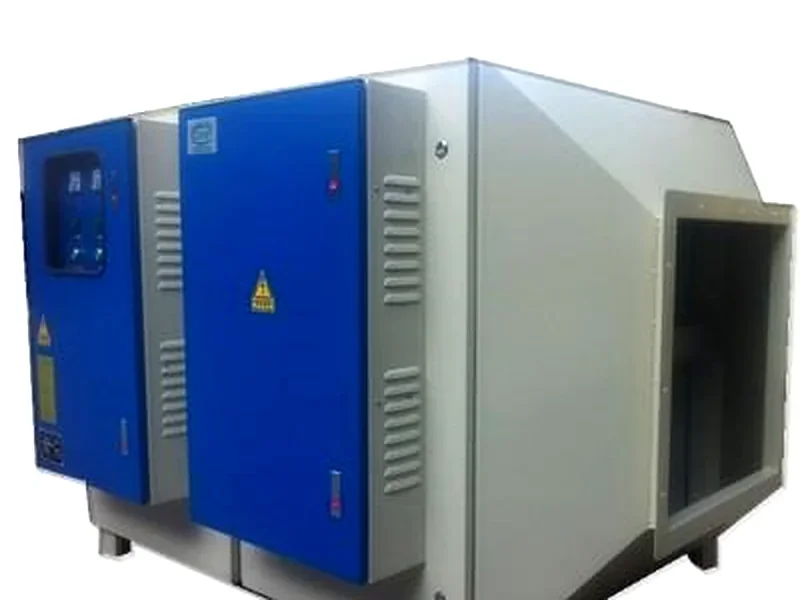
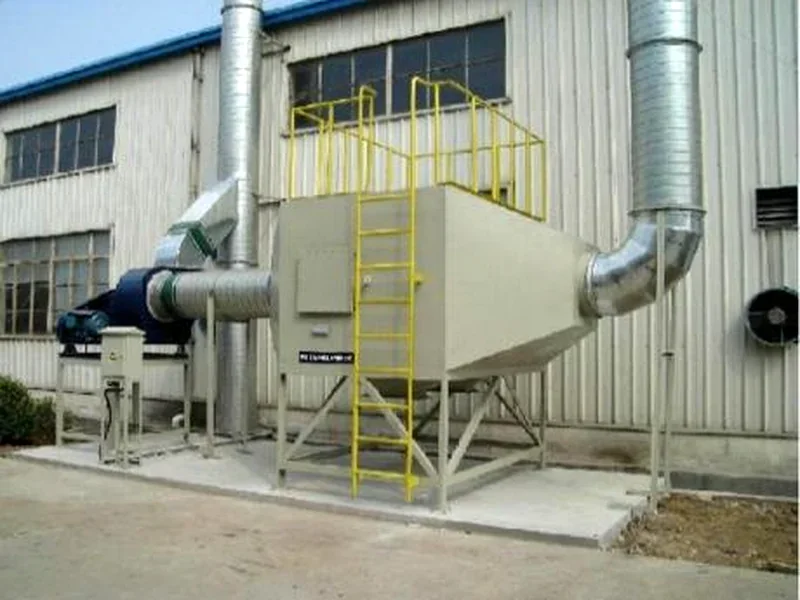
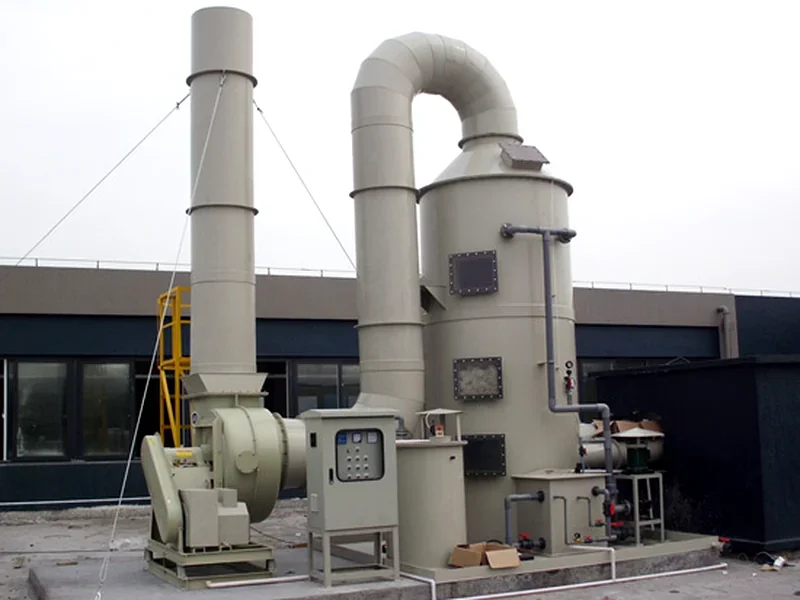
Real low-temperature plasma waste gas treatment system installation photos.
What Is
What Is a Low-Temperature Plasma Waste Gas System?
A low-temperature plasma waste gas system is an advanced oxidation technology that uses dielectric barrier discharge (DBD) to generate highly reactive species — free radicals, ozone, and excited-state molecules — that break down complex volatile organic compounds (VOCs) and odorous pollutants at near-ambient temperature.
When contaminated air passes through the plasma reactor, high-voltage discharge creates a non-thermal plasma field. The energetic electrons collide with gas molecules, producing hydroxyl radicals (OH·), ozone (O3), and atomic oxygen (O1D) that rapidly oxidize VOCs into CO2, H2O, and harmless byproducts. Unlike thermal incineration, it operates at low temperature with low energy consumption — no fuel combustion, no high heat risk.
This technology is especially effective for hard-to-treat organic compounds that resist conventional methods, including benzene, toluene, xylene, formaldehyde, and styrene. It is ideal for mixed VOC streams in chemical, pharmaceutical, semiconductor, and petrochemical manufacturing.
Key Benefits
Why Choose Low-Temperature Plasma
Four advantages that make plasma technology a powerful solution for complex VOC treatment.
01
Destroys Complex VOCs
Effective against hard-to-treat organic compounds like benzene, toluene, xylene, formaldehyde, and styrene that resist conventional UV or carbon methods. Breaks molecular bonds through oxidation, not just capture.
02
Low-Temperature, Low-Energy
Operates at near-ambient temperature — no fuel combustion, no high heat risk. Energy consumption is 2-8 Wh/m3, far lower than thermal oxidation (RTO). Safe for flammable gas environments with proper pre-treatment.
03
No Consumables, No Waste
Unlike activated carbon, there is no spent media to replace or dispose of. Unlike RTO, there is no fuel cost. DBD electrodes last 30,000-50,000 hours (5-7 years), reducing operating costs and maintenance burden.
04
Modular & Instant Response
DBD reactor modules scale by adding more units. Compact footprint saves floor space. Instant on/off operation — no warm-up time needed. Variable power control adjusts energy based on real-time VOC concentration.
System Types
Three Plasma System Configurations
From standard single-stage DBD to multi-stage industrial systems for complex applications.
Standard
Standard DBD Plasma Unit
Single-stage plasma reactor for moderate VOC concentrations and general industrial odor control.
- DBD discharge technology
- 80-85% VOC removal
- 1,000-10,000 m3/h
- Low energy consumption
- For general VOCs & odor
Enhanced
Plasma + Photocatalyst Combo
Combined DBD plasma with TiO2 photocatalytic oxidation for enhanced performance on aromatic compounds.
- Plasma + TiO2 photocatalyst
- 85-90% VOC removal
- 5,000-30,000 m3/h
- Better for aromatic VOCs
- For chemical & pharmaceutical
Industrial
Multi-Stage Industrial System
Complete multi-stage system with pre-filter, plasma reactor, and post-treatment for high-concentration industrial VOCs.
- Pre-filter + plasma + post-filter
- 90-92% VOC removal
- 10,000-50,000 m3/h
- Heavy-duty SS304 construction
- For heavy industrial use
Applications
Industries We Serve
Low-temperature plasma systems are deployed across industries with complex VOC challenges.
Chemical
Synthesis & processing VOCs
Pharmaceutical
Solvent & process VOCs
Petrochemical
Benzene & aromatic compounds
Coating & Painting
Solvent evaporation control
Semiconductor
Cleanroom chemical exhaust
Printing
Ink solvent VOC treatment
Waste Treatment
Odor & VOC from waste
Food Processing
Cooking & additive odors
Specifications
Technical Specifications
Detailed technical parameters for our low-temperature plasma waste gas systems.
| Parameter | Standard (PL-S) | Enhanced (PL-E) | Industrial (PL-I) |
|---|---|---|---|
| Model | PL-S-1000 to PL-S-10000 | PL-E-5000 to PL-E-30000 | PL-I-10000 to PL-I-50000 |
| Air Volume | 1,000-10,000 m3/h | 5,000-30,000 m3/h | 10,000-50,000 m3/h |
| Reactor Type | DBD single-stage | DBD + TiO2 photocatalyst | DBD multi-stage |
| Discharge Voltage | 10-15 kV | 10-20 kV | 15-20 kV |
| Power Consumption | 1-5 kW | 3-8 kW | 5-10 kW |
| Frequency | 1-20 kHz | 1-20 kHz | 5-20 kHz |
| Electrode Life | 30,000-50,000 h | 30,000-50,000 h | 30,000-50,000 h |
| VOC Removal | 80-85% | 85-90% | 90-92% |
| Pressure Drop | 100-200 Pa | 150-250 Pa | 200-300 Pa |
| Material | SS304 / Quartz | SS304 / Quartz / TiO2 | SS304 / SS316 / Quartz |
| Control System | Manual | PLC + HMI | PLC + HMI + Remote |
Custom Solutions
Tailored Plasma Systems for Your Industry
Every industrial process generates different VOC profiles. We engineer custom plasma systems matched to your specific pollutants, flow rates, and space constraints — with full OEM branding support for distributors and system integrators.
Custom air volume & reactor sizing
SS304 / SS316 / galvanized housing
Pre-filter & post-treatment options
Explosion-proof configurations (ATEX)
PLC + VOC concentration monitoring
OEM branding & private label
Knowledge Base
Latest Insights from Our Blog
Learn more about plasma technology and industrial VOC treatment from our technical articles.
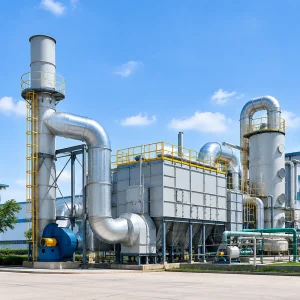
Sep 24, 2026
Waste Gas Treatment Industrial Air Pollution Control Guide
Explore what is waste gas treatment including technologies equipment applications compliance and future trends in industrial air pollution control
Read More ›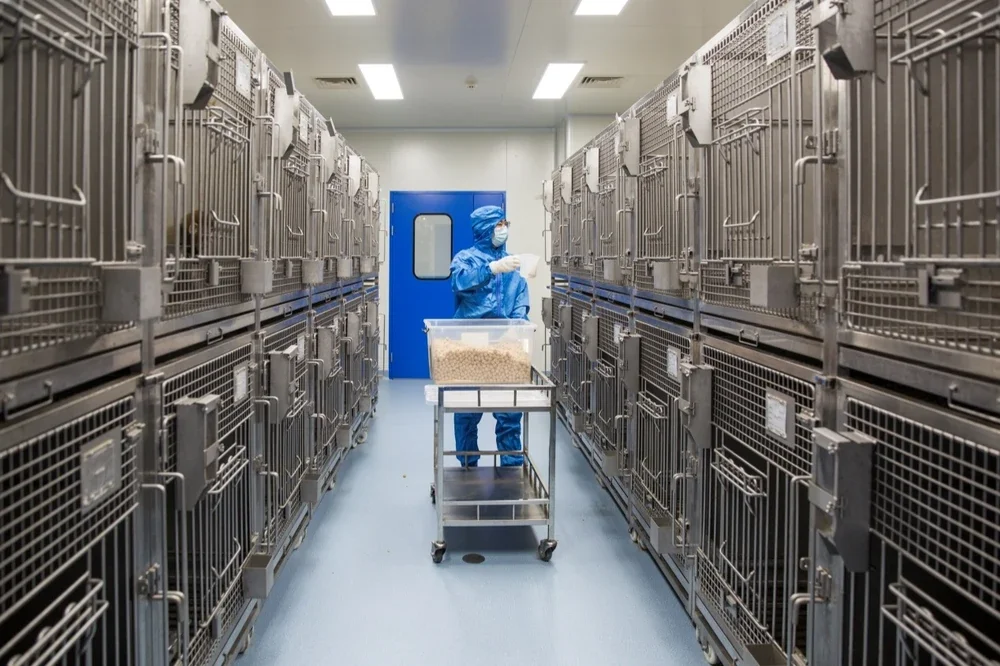
Sep 22, 2026
How does the integrated spoiler-spray deodorization system achieve efficient odor removal?
Combining physical and chemical processes, the integrated turbulent-flow spray deodorization system delivers 24/7 odor and waste-gas purification—98% purification rate and ≥99% desulfurization—for laboratory animal facilities, pharmaceutical plants, and livestock farms.Additionally, the system features low airflow resistance and controllable energy consumption, making it suitable for treating high-concentration waste gases. Technical Principles and Core Structure: This equipment […]
Read More ›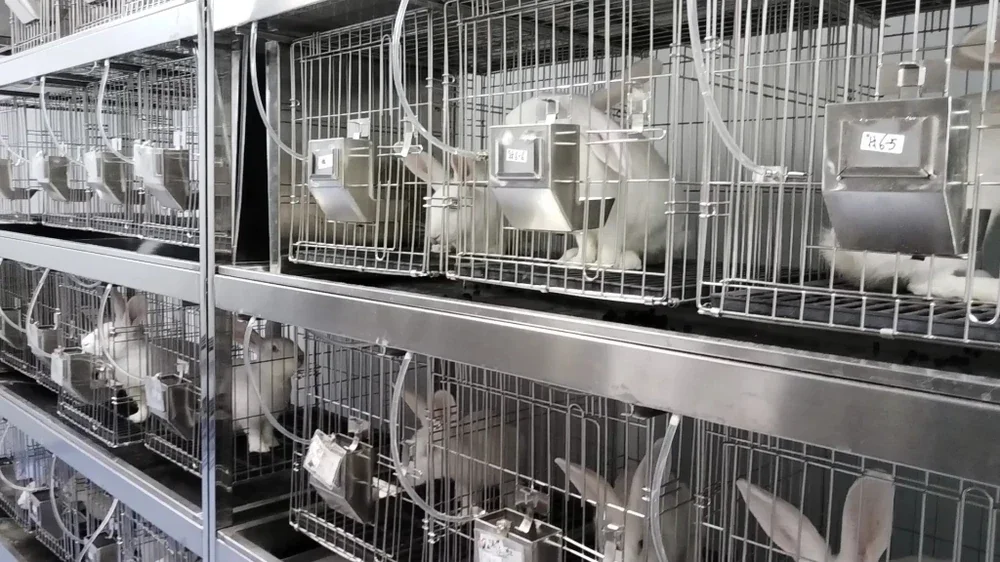
Sep 21, 2026
Factory for Animal Facility Odor Control Equipment: An Inside Look at the Equipment and Its Advantages
In the field of animal husbandry, the issue of odors in animal housing has long been a major challenge for breeders. Facilities that manufacture odor-control equipment for these spaces act much like mysterious, magical factories, dedicated to producing systems that effectively solve this problem. Today, let us step inside one of these factories and unveil […]
Read More ›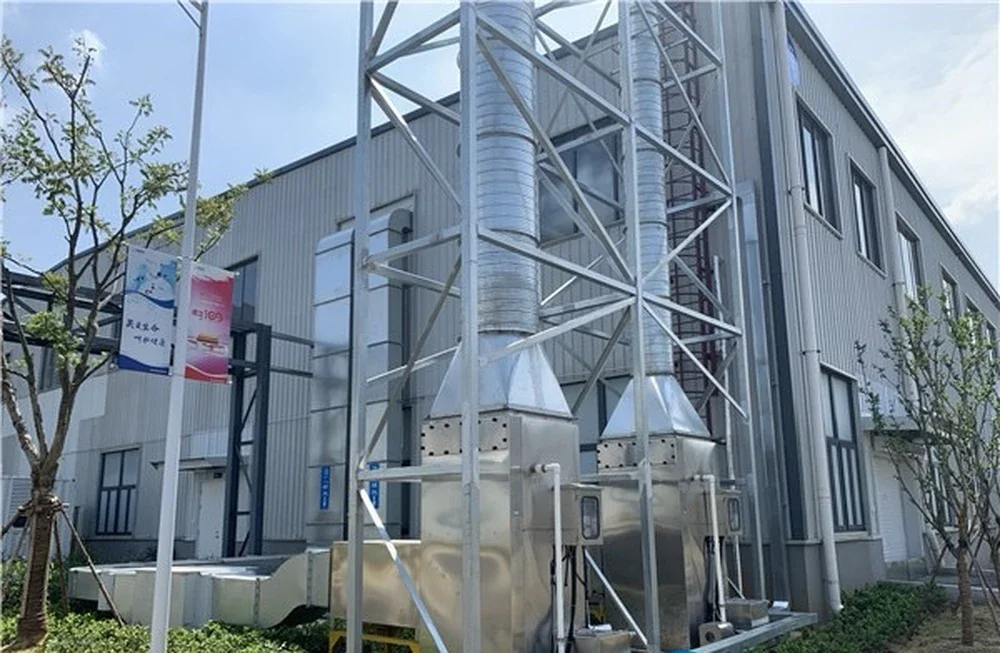
Sep 16, 2026
Shuotu Machinery Opens a New Chapter in Odor Control for Laboratory Animal Facilities
In the critical spaces of biomedical research, the quality of every cubic centimeter of air impacts the credibility of scientific discoveries. The complex odors characteristic of laboratory animal facilities—a mixture of ammonia, hydrogen sulfide, and volatile organic compounds—pose a dual challenge: not only do they cause sensory discomfort, but they also compromise experimental standardization and […]
Read More ›
FAQ
Frequently Asked Questions
Common questions about low-temperature plasma waste gas treatment systems.
How does plasma compare to activated carbon for VOCs?
Plasma technology destroys VOCs by oxidizing them into CO2 and water, while activated carbon only adsorbs (captures) them. This means plasma systems have no spent carbon disposal cost and no breakthrough risk. However, plasma works best for moderate concentrations, and combining plasma with a carbon polishing stage gives the best of both technologies for high-efficiency requirements.
Is the plasma system safe for flammable gases?
Low-temperature plasma operates well below ignition temperature and uses low-energy DBD discharge, making it inherently safer than thermal oxidation. For applications with flammable VOCs, we always design the system to keep concentrations well below the LEL (lower explosive limit), typically below 25% LEL, and add safety features like concentration monitoring and emergency bypass valves.
What is the energy consumption like?
Energy consumption depends on pollutant concentration and target efficiency. Typical energy density ranges from 2 to 8 Wh per cubic meter of treated air. For reference, a 10,000 m3/h system typically draws 4-12 kW for the plasma reactor alone. Our systems include variable power control that adjusts energy input based on real-time VOC concentration, saving energy during low-load periods.
How long do the plasma electrodes last?
DBD plasma electrodes have a long service life — typically 30,000 to 50,000 hours of operation, or about 5-7 years of continuous use. The dielectric barrier material (ceramic or quartz) gradually degrades over time. Our systems include electrode condition monitoring, and replacement modules are easy to swap on site without replacing the entire unit.
Get a Quote
WhatsApp
+86 18653221918
Request Your Plasma System Quote
Tell us about your VOC composition, air volume, and target emission standards. We will design the right plasma system for your application.
Get Your Free Quote
Fill in the form and we’ll respond within 24 hours.
Need Advanced VOC Treatment?
Tell us about your VOC composition and air volume. We will design a plasma system tailored to your complex emission challenge.