Environmental protection equipment supplier

Oil Fume Purification Unit
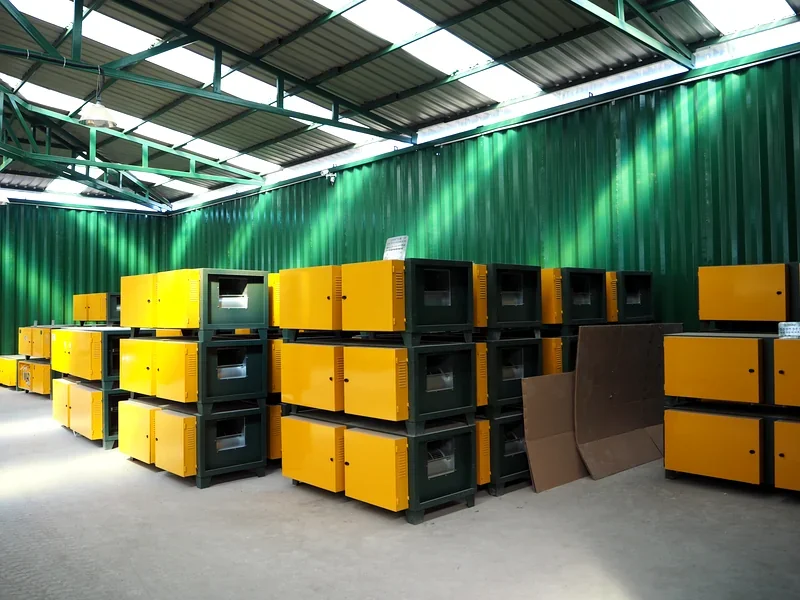
Electrostatic precipitator (ESP) for commercial kitchen exhaust, industrial oil mist, CNC machining coolant, and cooking fume treatment. Captures sub-micron oil droplets that mechanical filters cannot stop.
95%
Max Oil Removal
20k
m3/h Air Volume
30
kV High Voltage
0.01
um Min Particle
2
kW Max Power
SS304
Construction
90-95%
Oil Removal Rate
10
Application Types
0.2
kW Min Power
24h
Quote Response
Pollution Sources
Where Oil Fume Comes From
Oil fume is generated across many commercial and industrial processes. Understanding your pollution source is key to effective treatment.
Commercial Cooking
Restaurant and cafeteria kitchens produce oil mist (0.01-10 um) from stir-frying, deep-frying, and grilling. High grease load, continuous generation.
High grease loadCNC Machining
Cutting tools generate coolant mist and oil smoke from high-speed metalworking. Sub-micron droplets, intermittent high concentration.
Sub-micron mistHeat Treatment
Quenching oil produces smoke when hot metal contacts oil. Contains oil aerosol, soot, and partially burned hydrocarbons.
Medium loadFood Processing
Frying production lines generate continuous oil vapor. Industrial-scale cooking creates sustained high-volume oil fume.
Continuous loadRubber & Plastics
Vulcanization and extrusion release oil mist, plasticizer fumes, and process odors. Sticky, resinous particles.
Sticky particlesTextile Finishing
Heat setting and finishing processes release oil smoke from spinning lubricants and processing oils.
Low-medium load
How It Works
Electrostatic Precipitation Principle
The ESP charges oil droplets with high voltage, then collects them on oppositely charged plates. No filter media to clog or replace.
Pre-Filter (Mesh)
Captures large droplets and particles above 10um
▼
Ionization Section
10-30 kV discharge wire charges particles positive
▼
Collection Plates
Grounded plates attract charged oil droplets
▼
Oil Drainage Sump
Collected oil drains to bottom for disposal
The Science of Electrostatic Precipitation
Oil fume and cooking smoke contain fine oil droplets ranging from 0.01 to 10 microns in diameter. These sub-micron droplets pass right through fabric filters and water sprays. Electrostatic precipitation solves this by using physics rather than mechanical filtration.
When contaminated air enters the ESP, it passes through three zones:
- Pre-filter zone — stainless steel mesh captures large droplets above 10 microns, protecting the electrostatic cell from heavy loading
- Ionization zone — high-voltage discharge wire (10-30 kV) creates a corona discharge that imparts a positive charge to all oil particles
- Collection zone — positively charged particles are attracted to grounded (negative) collector plates, where oil accumulates and drains by gravity
Unlike mechanical filters that clog and need replacement, ESP collector plates can be cleaned and reused indefinitely — making them extremely cost-effective for continuous oil mist generation.
Particle Guide
Oil Fume Particle Size Reference
Oil fume particles span a wide size range. ESP technology captures all categories effectively.
| Particle Type | Size Range | Source | ESP Capture | Filter Capture |
|---|---|---|---|---|
| Oil droplets | 1-10 um | Cooking, frying | 95%+ | Partial |
| Oil mist | 0.1-1 um | CNC, machining | 90-95% | Poor |
| Oil smoke | 0.01-0.1 um | Quenching, burning | 85-90% | Cannot |
| Grease aerosol | 5-50 um | Grilling, roasting | 98%+ | Yes |
| Soot particles | 0.01-1 um | Combustion, burning | 80-90% | Cannot |
Comparison
ESP vs Filter vs UV vs Carbon
Compare ESP with other common oil fume treatment technologies.
| Parameter | ESP (Electrostatic) | Mechanical Filter | UV Photolysis | Activated Carbon |
|---|---|---|---|---|
| Target | Oil mist & smoke | Large grease | Odor & VOCs | Odor & VOCs |
| Sub-micron capture | Yes (0.01 um+) | No | No | No |
| Efficiency | 90-95% | 60-80% | 70-85% | 80-90% |
| Consumables | None (reusable) | Filters (1-3 mo) | UV lamps (1-2 yr) | Carbon (3-6 mo) |
| Operating cost | Very low | High (filter cost) | Low | Medium |
| Pressure drop | Low (50-200 Pa) | High (rises as clogs) | Very low | Medium |
| Best for | Continuous oil mist | Large particles | Odor post-treat | Final polishing |
Gallery
Project Gallery
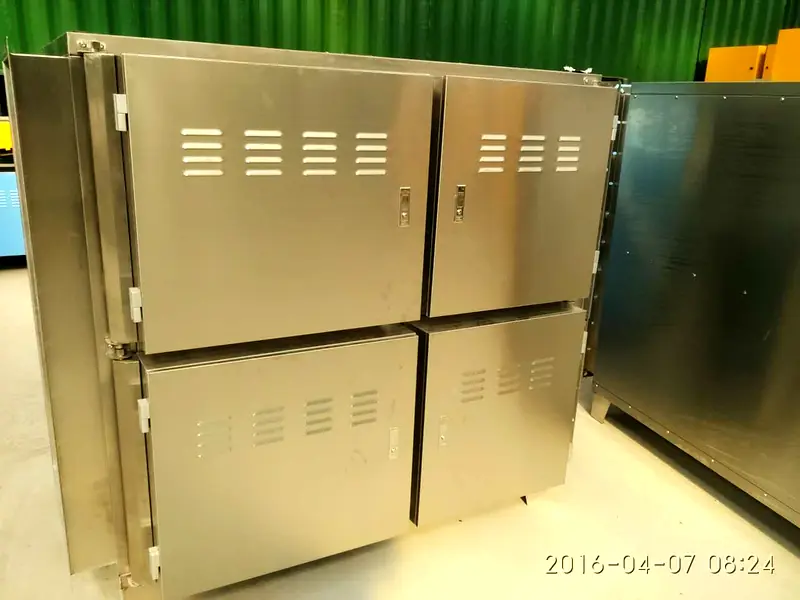
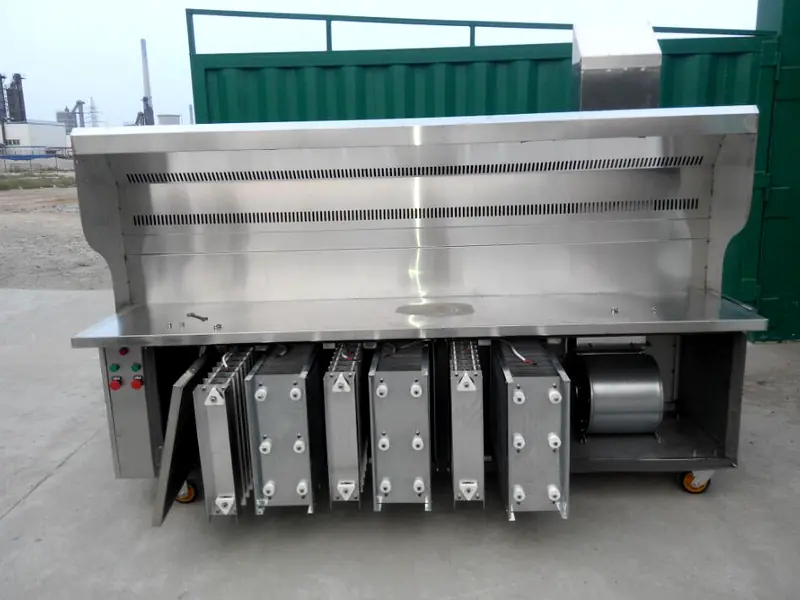
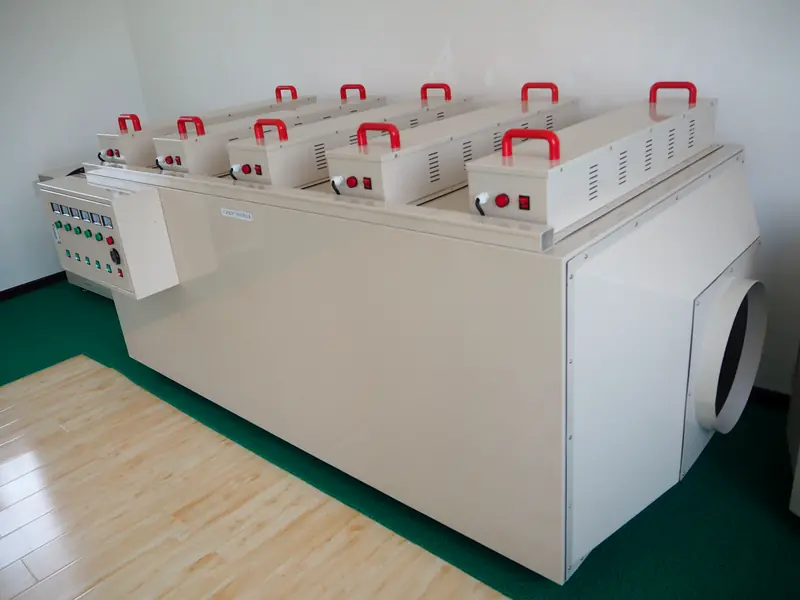
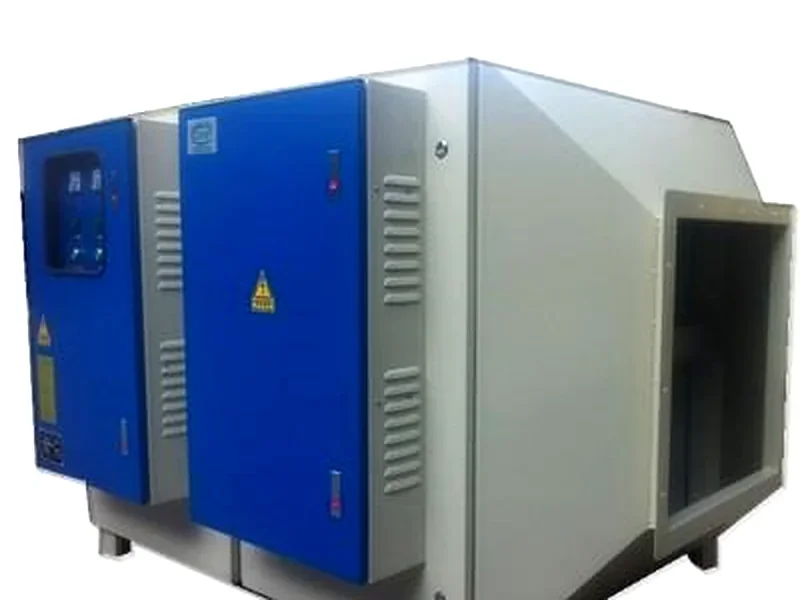
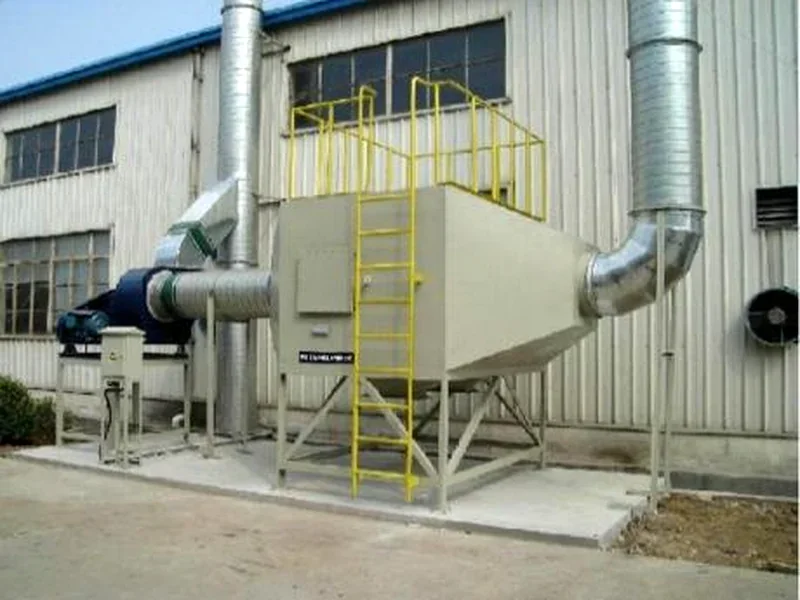
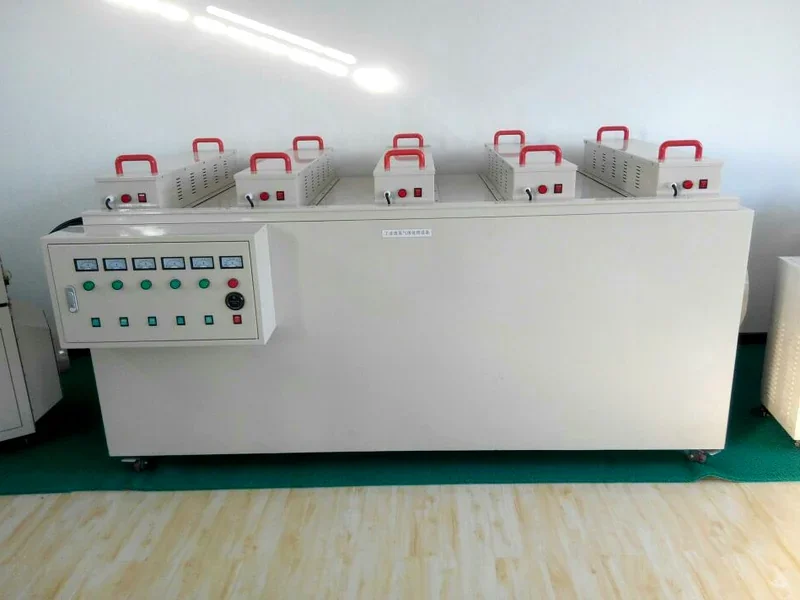
Real oil fume purification unit installation photos from our projects.
What Is
What Is an Oil Fume Purification Unit?
An oil fume purification unit — also known as an electrostatic precipitator (ESP) — is an air filtration system that uses high-voltage electrostatic fields to charge and capture oil mist, grease particles, and smoke from commercial and industrial exhaust air. It is widely used in restaurant kitchens, hotel exhaust systems, CNC machining centers, heat treatment facilities, and food processing plants.
Inside the unit, dirty air first passes through a pre-filter mesh that removes large droplets and particles. Then it enters the electrostatic collection cell, where a high-voltage ionizer wire (10-30 kV) gives particles a positive charge. The charged particles are then attracted to grounded collector plates, where the oil accumulates and drains into a collection sump. Clean air exits from the top.
Unlike mechanical filters that clog and need frequent replacement, ESP units collect oil on reusable stainless steel plates that can be cleaned periodically — making them highly cost-effective for continuous oil mist generation in commercial kitchens and industrial metalworking.
Key Benefits
Why Choose Our Oil Fume Purification Unit
Four advantages that make our ESP units the smart choice for oil mist and smoke removal.
01
95%+ Removal Efficiency
High-efficiency electrostatic precipitation removes up to 95% of oil mist, grease, and smoke particles — including sub-micron droplets (0.01 um) that mechanical filters cannot capture.
02
Reusable Plates, No Filter Cost
Stainless steel collector plates clean and reuse indefinitely. No expensive filter replacements — just wash periodically. Operating costs are a fraction of filter-based systems.
03
Auto-Wash Option
Automatic washing system cleans collector plates on a programmable schedule — zero manual maintenance, consistent performance for 24/7 continuous operation environments.
04
Compact & Low Pressure Drop
Slim profile fits easily in kitchen exhaust ducts or industrial ventilation systems. Low pressure drop (50-200 Pa) means less fan energy. Low-noise operation for kitchen environments.
System Types
Oil Fume Purifier Models
Different models for various applications — from small restaurants to large industrial facilities.
Commercial
Commercial Kitchen ESP
Compact electrostatic precipitator for restaurant and commercial kitchen exhaust systems. Fits directly in ductwork.
- 2,000-8,000 m3/h
- 90-93% oil removal
- Manual wash cleaning
- SS304 stainless steel
- For restaurants & canteens
Industrial
Industrial Oil Mist ESP
Heavy-duty electrostatic precipitator for CNC machining, cold heading, heat treatment, and industrial oil mist.
- 4,000-20,000 m3/h
- 93-95% oil mist removal
- Manual or auto wash
- SS304 / carbon steel
- For machining & metalwork
Auto-Clean
Auto-Wash ESP System
Fully automatic self-cleaning electrostatic precipitator with built-in wash cycle for continuous operation.
- 6,000-20,000 m3/h
- 93-95% oil removal
- Automatic water wash
- Programmable cleaning cycle
- For 24/7 operation
Applications
Where Our ESP Units Are Used
Oil fume purification systems are deployed across commercial and industrial facilities.
Restaurants
Kitchen exhaust treatment
Hotels
Central kitchen systems
Cafeterias
School & factory canteens
CNC Machining
Coolant mist treatment
Heat Treatment
Quenching oil smoke
Food Processing
Frying production lines
Rubber Industry
Vulcanization fume
Textile
Finishing oil smoke
Specifications
Technical Specifications
Detailed technical parameters for our oil fume purification units.
| Parameter | Commercial (OFP-C) | Industrial (OFP-I) | Auto-Wash (OFP-A) |
|---|---|---|---|
| Model | OFP-C-2000 to OFP-C-8000 | OFP-I-4000 to OFP-I-20000 | OFP-A-6000 to OFP-A-20000 |
| Air Volume | 2,000-8,000 m3/h | 4,000-20,000 m3/h | 6,000-20,000 m3/h |
| Technology | ESP single-field | ESP 1-3 fields | ESP multi-field |
| High Voltage | 10-15 kV | 10-30 kV | 15-30 kV |
| Efficiency | 90-93% | 93-95% | 93-95% |
| Cleaning | Manual wash | Manual / auto | Auto wash |
| Power | 0.2-0.8 kW | 0.5-1.5 kW | 0.8-2 kW |
| Material | SS304 | SS304 / carbon steel | SS304 |
| Pressure Drop | 50-100 Pa | 100-200 Pa | 100-200 Pa |
| Dimensions | 600x500x800 mm | 900x700x1200 mm | 1000x800x1400 mm |
Custom Solutions
Custom ESP Systems for Your Application
Whether you need a compact duct-mounted unit for a restaurant kitchen or a large industrial system for a machining plant, we design and build oil fume purifiers that match your exact airflow, space, and efficiency requirements — with OEM branding for distributors and kitchen equipment suppliers.
Custom air volume 2,000-50,000 m3/h
SS304 / SS201 / galvanized steel
Manual / auto-wash cleaning options
Duct-mounted or standalone
UV / carbon post-treatment add-on
OEM branding & private label
Knowledge Base
Latest Insights from Our Blog
Learn more about oil fume treatment and electrostatic precipitation from our technical articles.
Sep 24, 2026
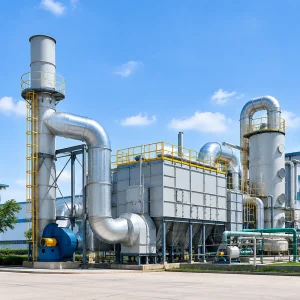
Waste Gas Treatment Industrial Air Pollution Control Guide
Explore what is waste gas treatment including technologies equipment applications compliance and future trends in industrial air pollution control
Read More ›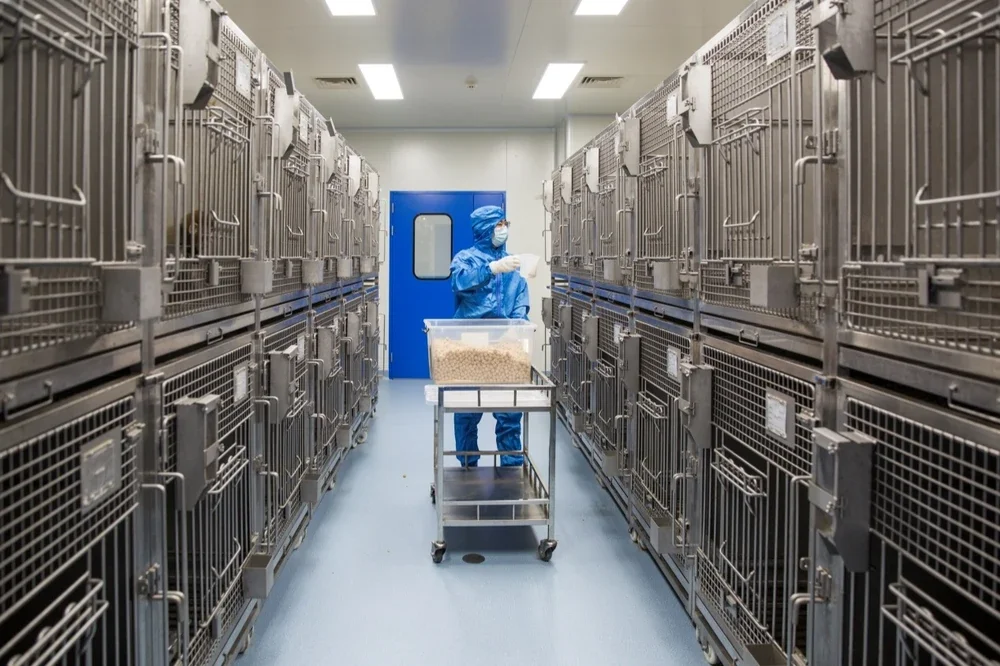
Sep 22, 2026
How does the integrated spoiler-spray deodorization system achieve efficient odor removal?
Combining physical and chemical processes, the integrated turbulent-flow spray deodorization system delivers 24/7 odor and waste-gas purification—98% purification rate and ≥99% desulfurization—for laboratory animal facilities, pharmaceutical plants, and livestock farms.Additionally, the system features low airflow resistance and controllable energy consumption, making it suitable for treating high-concentration waste gases. Technical Principles and Core Structure: This equipment […]
Read More ›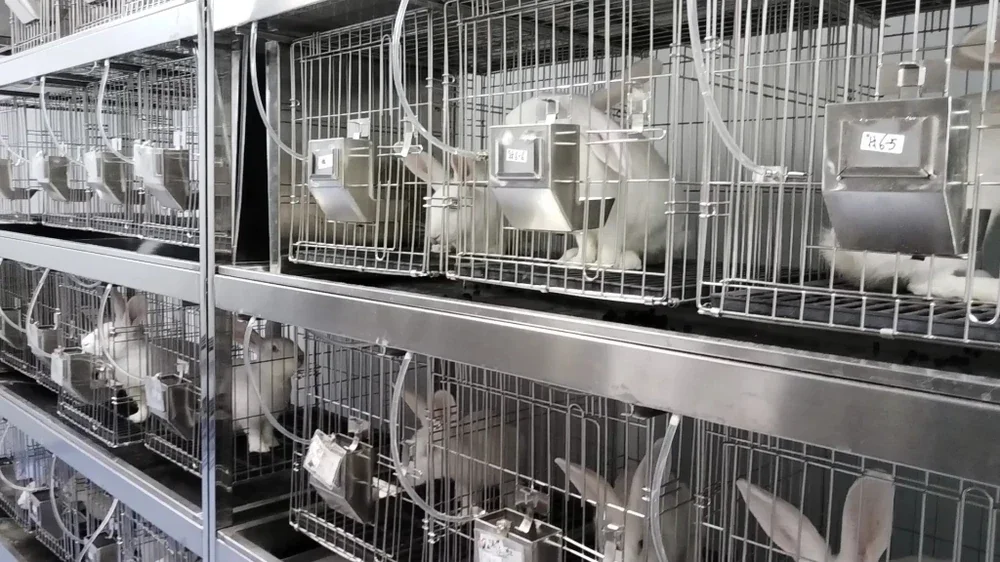
Sep 21, 2026
Factory for Animal Facility Odor Control Equipment: An Inside Look at the Equipment and Its Advantages
In the field of animal husbandry, the issue of odors in animal housing has long been a major challenge for breeders. Facilities that manufacture odor-control equipment for these spaces act much like mysterious, magical factories, dedicated to producing systems that effectively solve this problem. Today, let us step inside one of these factories and unveil […]
Read More ›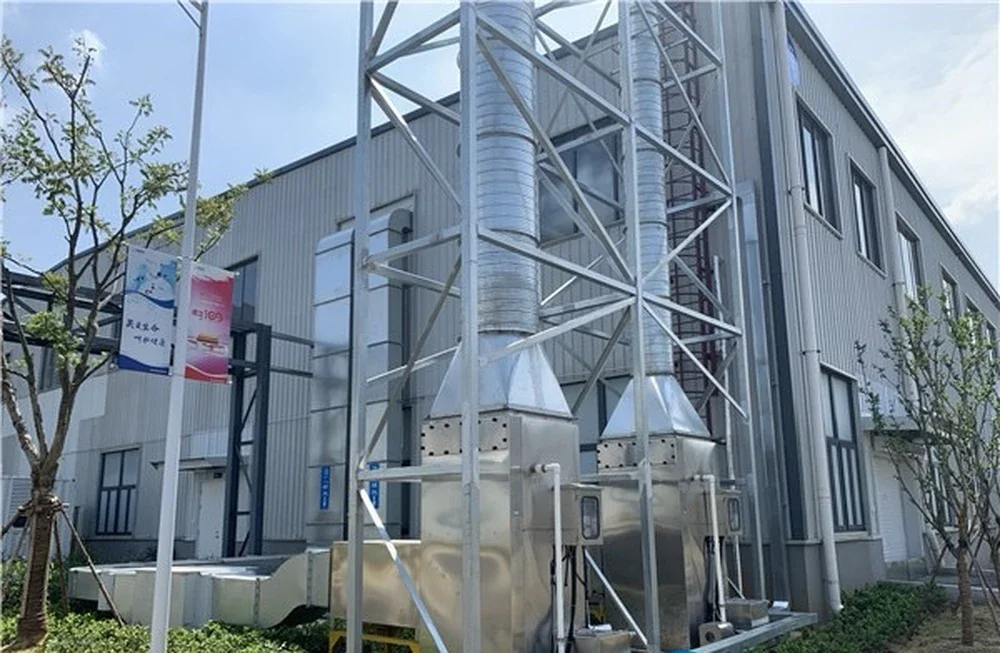
Sep 16, 2026
Shuotu Machinery Opens a New Chapter in Odor Control for Laboratory Animal Facilities
In the critical spaces of biomedical research, the quality of every cubic centimeter of air impacts the credibility of scientific discoveries. The complex odors characteristic of laboratory animal facilities—a mixture of ammonia, hydrogen sulfide, and volatile organic compounds—pose a dual challenge: not only do they cause sensory discomfort, but they also compromise experimental standardization and […]
Read More ›
FAQ
Frequently Asked Questions
Common questions about oil fume purification units and ESP systems.
How often do I need to clean the collector plates?
Cleaning frequency depends on the oil loading. For typical restaurant kitchens, manual cleaning every 2-4 weeks is recommended. For industrial CNC machining, every 1-2 weeks. Auto-wash models clean themselves on a programmed schedule (usually daily or every other day) and only need a manual deep clean every 2-3 months. Our units include a pressure differential indicator that tells you when cleaning is needed.
Can the ESP unit handle smoke as well as oil mist?
Yes, electrostatic precipitators effectively capture both liquid oil mist and solid smoke particles. However, very fine smoke particles (sub-micron) from combustion processes like welding or diesel engines require a higher-voltage configuration and may need a pre-filter stage to protect the ESP cell. For heavy smoke applications, we recommend combining the ESP with a UV or activated carbon post-filter stage for complete treatment.
Is it safe? What about the high voltage?
Our ESP units are designed with multiple safety features. The high-voltage power supply is fully enclosed and the unit automatically shuts off when the access door is opened (door interlock switch). The current is very low (milliamps), so there is no risk of dangerous electric shock. All units comply with international safety standards for electrostatic air cleaners.
How do I size the unit for my kitchen or facility?
Sizing is based on your exhaust air volume (m3/h). For commercial kitchens, calculate based on your hood size and airflow rate. For industrial applications, we need to know the type of oil, particle size distribution, and concentration. Simply send us your exhaust fan specs or tell us about your process, and we will recommend the right model and configuration — usually within 24 hours.
Get a Quote
WhatsApp
+86 18653221918
Request Your Oil Fume Purifier Quote
Tell us about your application — kitchen or industrial, air volume, and oil type. We will recommend the right ESP unit for your needs.
Get Your Free Quote
Fill in the form and we’ll respond within 24 hours.
Need Oil Fume Purification?
From kitchen exhaust to industrial oil mist — tell us about your application and we will design the right ESP unit for you.