Environmental protection equipment supplier

Case Study / Waste Gas Treatment
North China Pharmaceutical QC Laboratory Exhaust Treatment
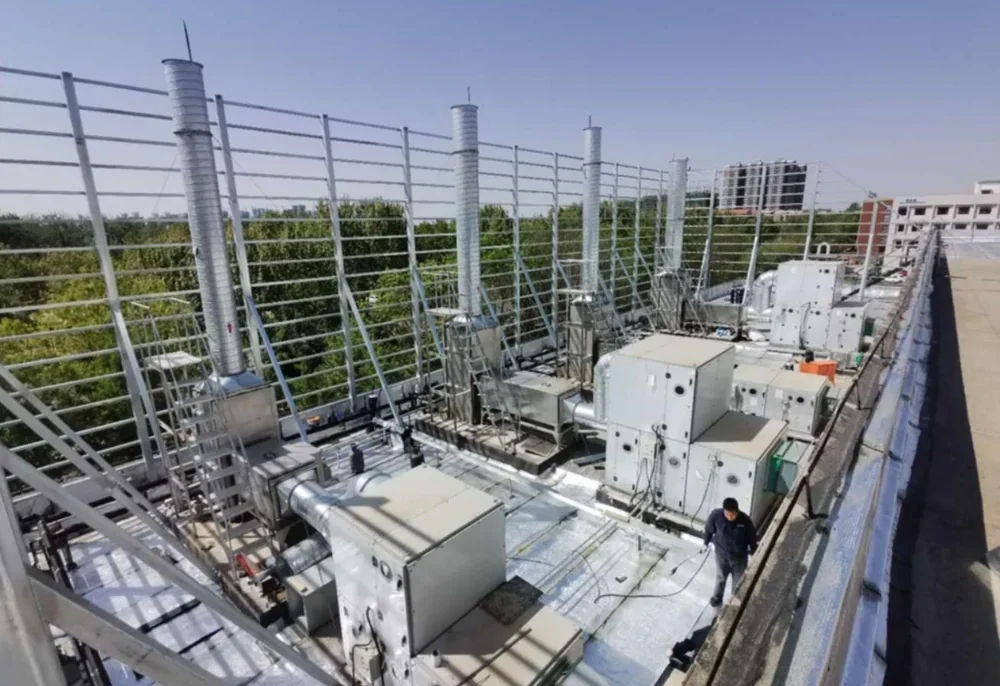
Comprehensive VOC and bio-aerosol treatment solution. Specifically, it combines UV photocatalytic oxidation with activated carbon adsorption for a major pharmaceutical company’s quality control laboratories.
Project Overview
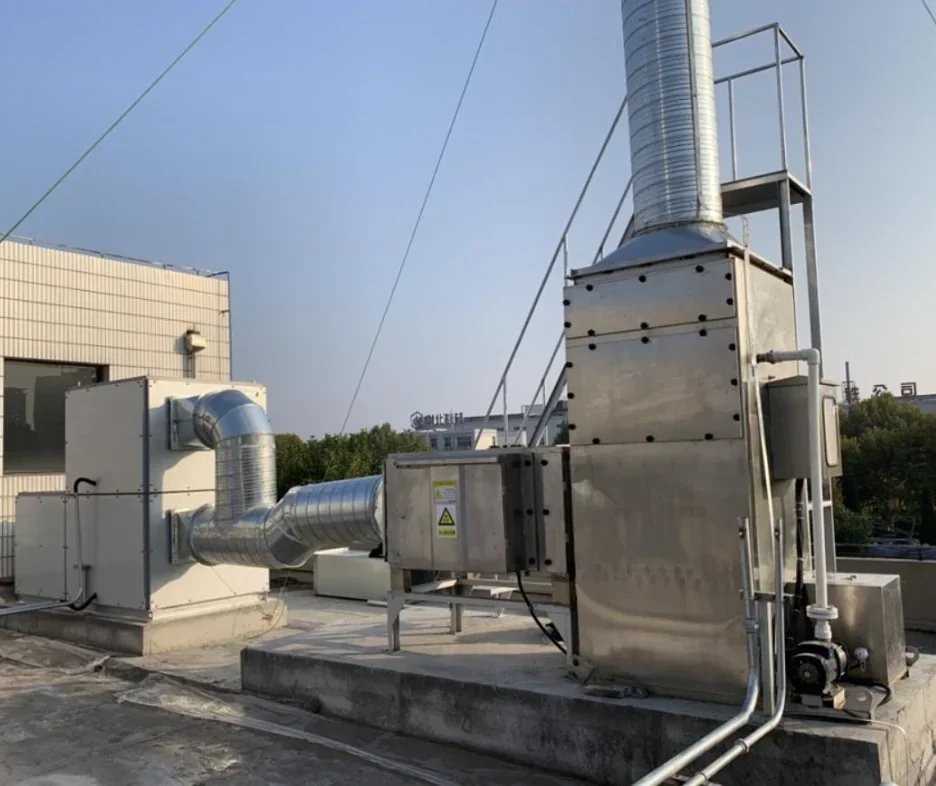
First, North China Pharmaceutical ranks as one of China’s leading pharmaceutical manufacturers. Additionally, the company operates extensive quality control (QC) laboratory facilities. These facilities support its drug development and manufacturing operations. In fact, the QC complex includes pathology laboratories, toxicology testing facilities, and microbiology laboratories. Importantly, each generates distinct types of exhaust contaminants. Therefore, these require specialized treatment before discharge to the atmosphere.
Soto Machinery won the contract to design and install a comprehensive waste gas treatment system. Specifically, the system handles the diverse range of chemical and biological contaminants from the QC laboratories. Furthermore, the solution needed to comply with China’s pharmaceutical industry emission standard GB37823-2019. In particular, this standard sets strict limits on VOC emissions from pharmaceutical manufacturing facilities.
The Challenge
Key Challenges Identified
- Diverse Chemical Contaminants: First, the laboratories generate a wide range of VOCs. These include formaldehyde (used for tissue preservation), xylene (used in histology), methanol, ethers, alcohols, and ketones (used in various analytical procedures). Importantly, each compound has different properties. Therefore, the treatment requires a multi-technology approach.
- Bio-Aerosols and Microorganisms: Additionally, microbiology and pathology labs generate airborne microorganisms, bacterial spores, fungal spores, and bio-aerosols. Consequently, the system must effectively inactivate and remove these to prevent environmental contamination.
- Variable Emission Patterns: Moreover, lab activities vary significantly by department and time of day. As a result, this creates fluctuating pollutant concentrations and air flow rates that the treatment system must accommodate.
- GB37823-2019 Compliance: Furthermore, the system must meet the stringent emission limits specified in GB37823-2019. In particular, this includes both non-methane total hydrocarbons and specific toxic VOC limits.
- GMP Considerations: Also, the system design and installation needed to comply with Good Manufacturing Practice (GMP) requirements. Specifically, this covers material specifications, documentation, and validation protocols for pharmaceutical facilities.
- Safety Requirements: Finally, the system handles flammable solvents. Therefore, it maintains explosion-proof design in accordance with pharmaceutical facility safety standards.
Following a detailed assessment of each laboratory zone, our engineering team determined that a combined approach would provide the most effective solution. Specifically, we chose UV photocatalytic oxidation and activated carbon adsorption. First, UV photolysis handles the destruction of VOCs and inactivation of microorganisms. Then, activated carbon provides final polishing. Consequently, this ensures the lowest possible emission concentrations.
Our Solution
Soto Machinery designed a customized two-stage treatment system. Specifically, it features UV photocatalytic oxidation as the primary treatment stage. Then, activated carbon adsorption follows as the final polishing stage. Consequently, this combination ensures both high destruction efficiency for VOCs and reliable removal of trace contaminants. Therefore, it meets strict pharmaceutical emission standards.
1
Zoned Collection & Pre-Filtration
First, the system collects exhaust from multiple laboratory zones through a zoned ductwork network. Additionally, pre-filtration removes particulate matter and lab debris. Consequently, this protects downstream treatment equipment. Furthermore, it extends the service life of consumables.
2
UV Photocatalytic Oxidation (Stage 1)
Next, the exhaust passes through a high-capacity UV photolysis chamber. This chamber features high-energy UV-C lamps and nano-TiO2 photocatalyst panels. Consequently, the advanced oxidation process breaks down VOC molecules (formaldehyde, xylene, methanol, ethers, alcohols, ketones) into harmless CO2 and H2O. Additionally, it simultaneously inactivates airborne microorganisms and bio-aerosols.
3
Activated Carbon Adsorption (Stage 2)
Then, after UV treatment, the air flows through a granular activated carbon (GAC) adsorption tower. Specifically, high-quality coconut shell activated carbon with large specific surface area adsorbs any residual VOCs and trace organic compounds. Consequently, this ensures the treated air meets the strictest emission standards.
4
Smart Control & Monitoring
Finally, the system features a PLC-based control system with HMI touchscreen interface. Additionally, it includes VOC concentration sensors, pressure monitors, and UV lamp status indicators. Furthermore, data logging and alarm functions ensure compliance. Consequently, these features facilitate regulatory audits.
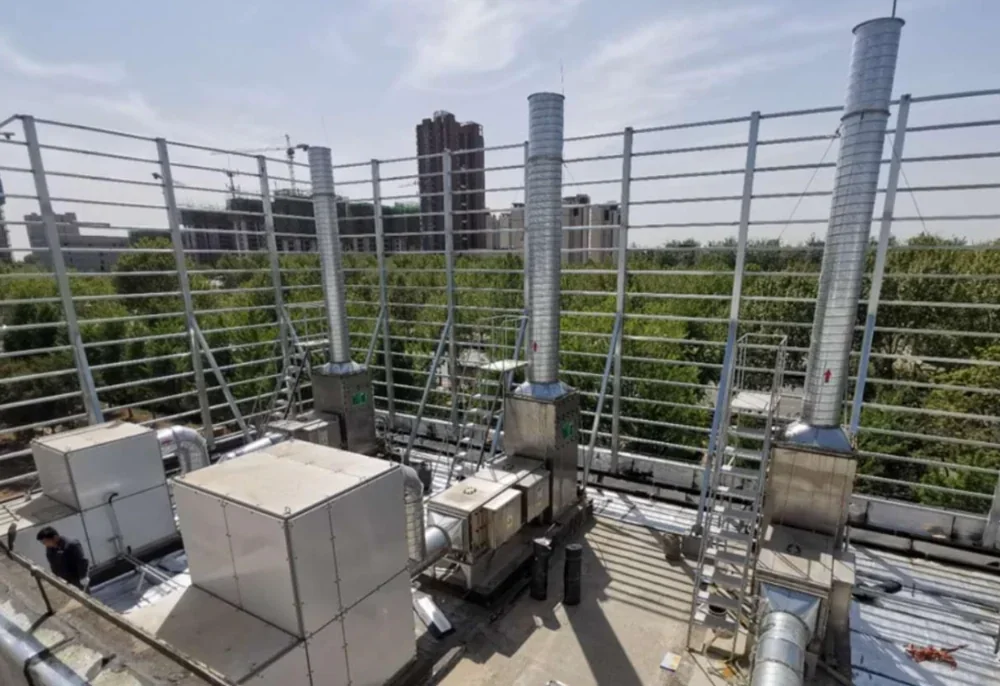
VOC treatment unit for pharmaceutical QC laboratory exhaust
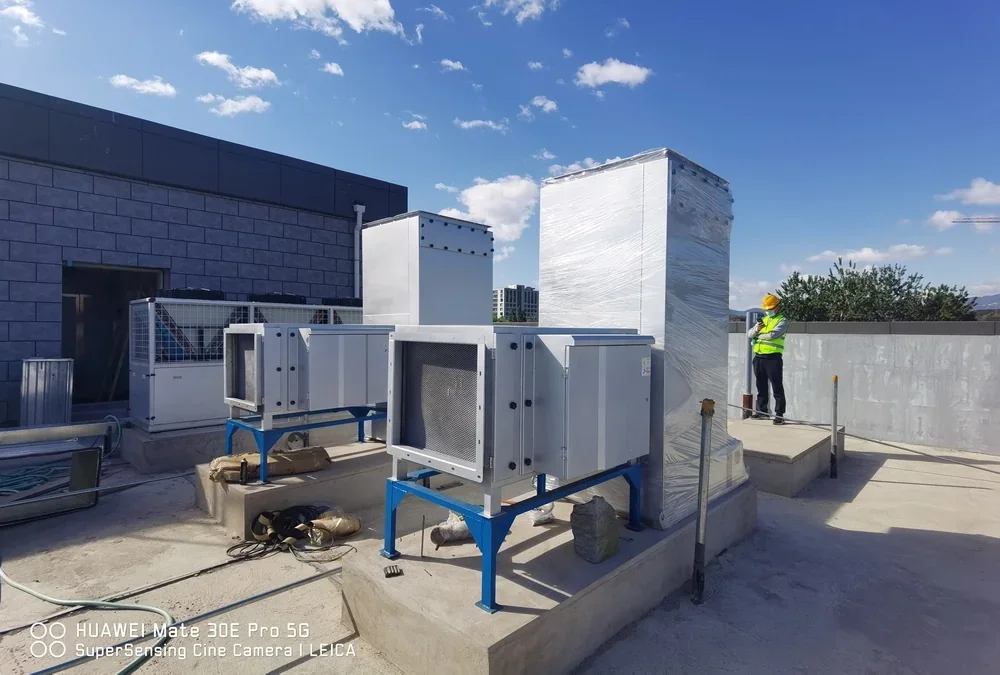
Air purification system for pharmaceutical quality control lab
Why This Technology Combination
First, UV photocatalytic oxidation provides an efficient, chemical-free method for destroying a broad spectrum of VOCs. Additionally, it inactivates microorganisms. In contrast to thermal oxidation, it operates at ambient temperature. Therefore, it remains safe and energy-efficient for laboratory applications. However, for very low concentration requirements, activated carbon adsorption provides an essential polishing step. In particular, it handles any potential breakthrough during peak loading conditions.
Overall, this two-stage configuration achieves VOC removal efficiencies exceeding 90%. In fact, this far exceeds the minimum requirements of GB37823-2019. Furthermore, we designed the system with modular components. Consequently, this allows for future expansion and easy maintenance. Specifically, it includes quick-access panels for lamp replacement and activated carbon change-out.
Key Equipment Used
The pharmaceutical QC laboratory exhaust treatment system incorporates Soto Machinery’s advanced waste gas treatment equipment. Importantly, we engineered each unit for pharmaceutical-grade performance and reliability.
☀
UV Photolysis Waste Gas Purifier
Industrial-grade UV-C photocatalytic oxidation system with nano-TiO2 catalyst. Specifically, it decomposes VOCs and inactivates bio-aerosols in pharmaceutical laboratory environments.
Learn More →🛡
Activated Carbon Adsorption Unit
High-efficiency granular activated carbon adsorption tower. In fact, it handles VOC polishing and final treatment stage. Consequently, it ensures compliance with strict pharmaceutical emission standards.
Learn More →Project Results
Since commissioning, the system has demonstrated exceptional performance. In fact, it consistently meets and exceeds the required emission standards. Additionally, third-party testing and ongoing monitoring confirmed the following results:
90%+
Total VOC Removal Rate
GB37823-2019
Full Standard Compliance
99%
Microbe Inactivation Rate
GMP
Compliant Design & Installation
Verified Performance
Independent environmental testing by an accredited third party confirmed that all emission parameters fully comply with GB37823-2019 requirements. Specifically, non-methane total hydrocarbon (NMHC) emissions stay well below the 50 mg/m³ limit. In fact, measured concentrations remain consistently under 10 mg/m³. Additionally, individual VOC compounds including formaldehyde, xylene, and methanol all meet their respective emission limits. Importantly, they do so with significant safety margins.
Furthermore, the client reported that the system operates reliably with minimal maintenance. Additionally, the modular design allows for routine maintenance without disrupting laboratory operations. Moreover, the project finished on schedule and within budget. Consequently, North China Pharmaceutical has since engaged Soto Machinery for additional waste gas treatment projects at other facility locations.
Project Gallery
Browse photos from the project installation, equipment, and system commissioning below.
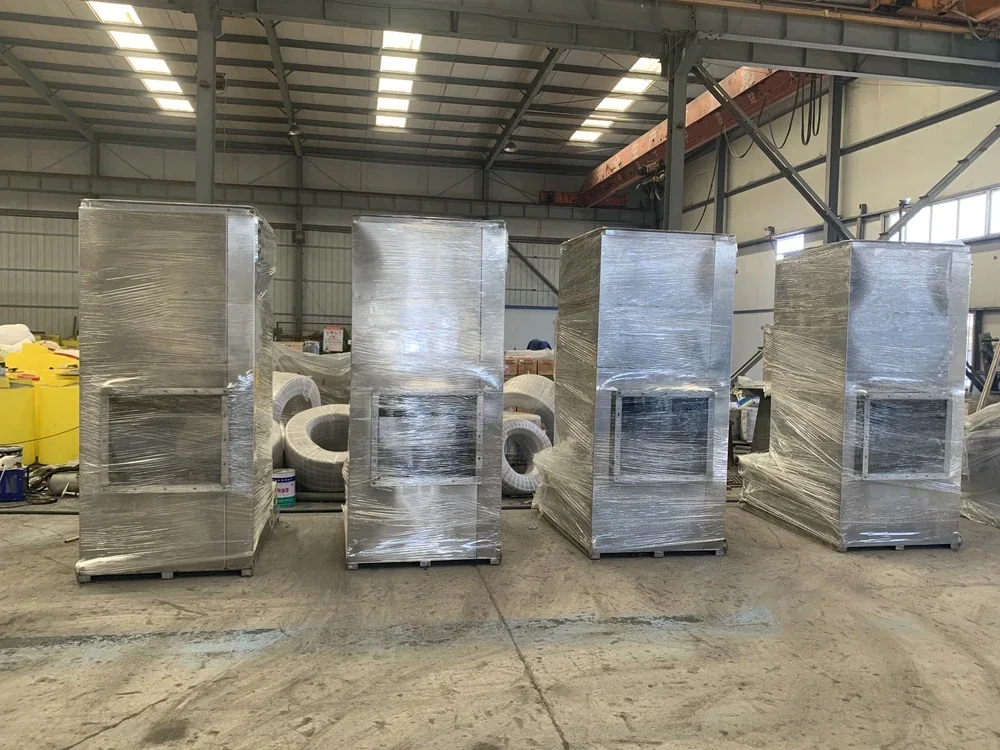
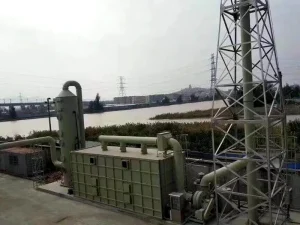
Pharmaceutical QC laboratory UV photolysis system for VOC treatment
Fume extraction equipment for pharmaceutical quality control laboratory
VOC treatment unit for pharmaceutical QC laboratory exhaust
Air purification system for pharmaceutical quality control lab
Activated carbon adsorption system for pharmaceutical lab exhaust polishing
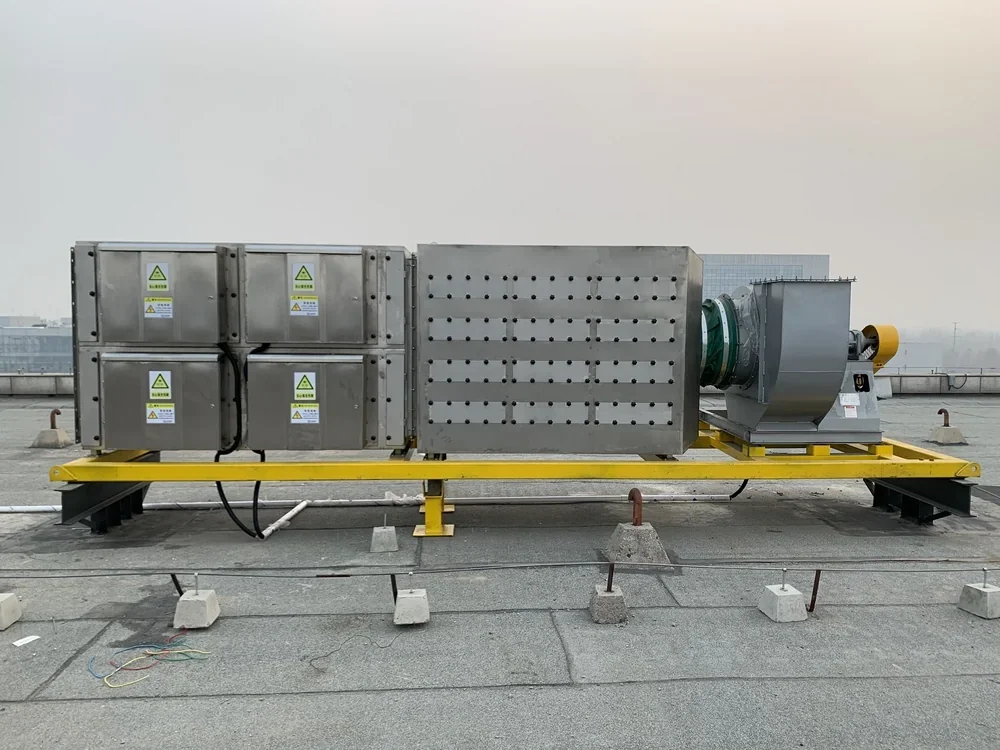
Exhaust gas filtration system for pharmaceutical QC laboratory
Explore Our Waste Gas Treatment Solutions
Looking for the right equipment for your facility? Browse our complete range of waste gas treatment systems, including UV photolysis purifiers, spray deodorization towers, activated carbon adsorption units, wet scrubbers, and specialized animal room treatment systems. Each product is engineered for industrial-grade reliability and customized to your specific emission requirements.
All Waste Gas Treatment Products
View our complete catalog of exhaust gas purification equipment
Browse All Products →Wastewater Treatment Equipment
DAF, MBR, sedimentation, and filtration systems for industrial wastewater
Browse All Products →Need Help Choosing?
Contact our engineers for a free consultation and customized quote
Get Expert Advice →Need a Pharmaceutical Lab Exhaust Solution?
Contact Soto Machinery today for a free consultation. In addition, get a customized quote for your pharmaceutical laboratory waste gas treatment needs.
Get a Free Quote