Environmental protection equipment supplier

Case Study / Waste Gas Treatment
National Biomedical Research Institute Animal Center Deodorization
Three-stage exhaust treatment system for a national research institute’s 5,000 m² animal center. Specifically, it combines chemical scrubbing, biofiltration, and activated carbon adsorption for 10,000+ animals.
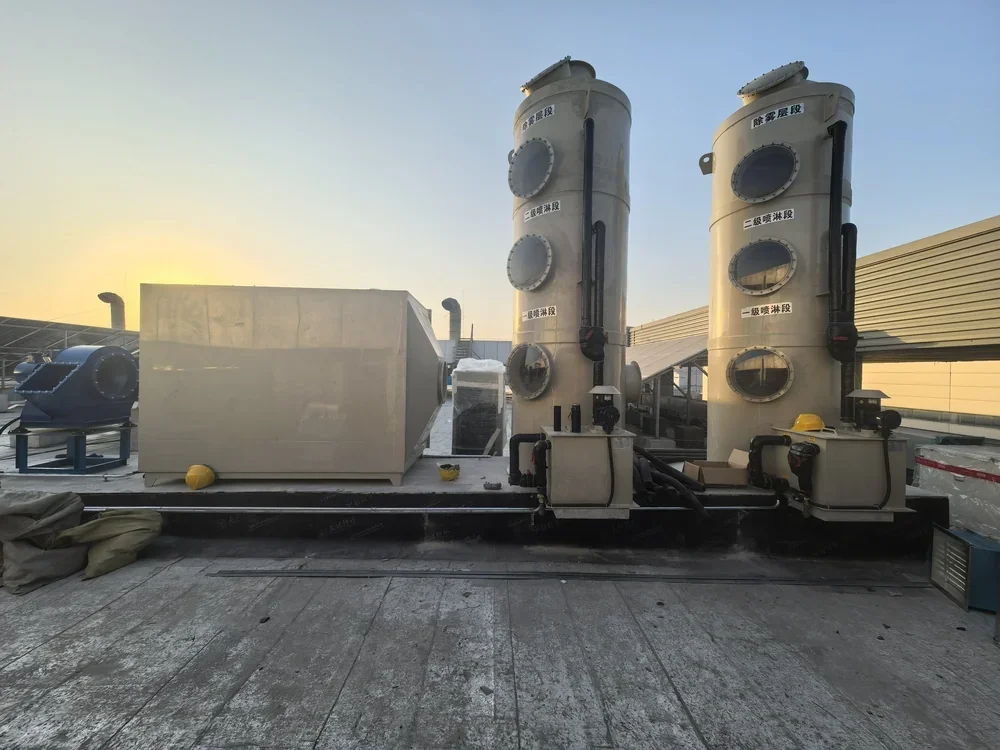
Project Overview
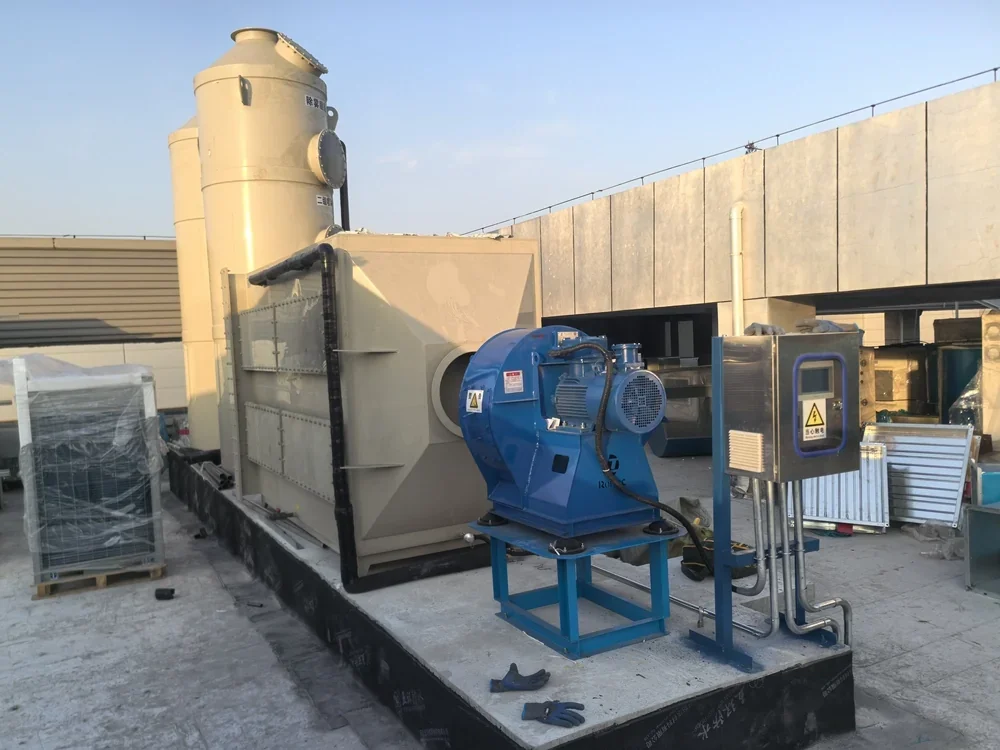
First, Soto Machinery completed this flagship project for a prestigious national biomedical research institute. The institute’s Experimental Animal Center ranks among the largest and most advanced animal research facilities in China. Furthermore, the center spans approximately 5,000 square meters of animal housing and laboratory space. It houses over 10,000 animals, including mice, rats, rabbits, and guinea pigs for cutting-edge biomedical research programs.
Moreover, neighboring communities had lodged growing complaints about odors from the animal facility exhaust. As research programs expanded and animal populations increased, the existing treatment system could no longer handle the rising pollutant loads. Therefore, Soto Machinery won the project through a competitive bidding process. Specifically, we designed and implemented a comprehensive upgrade to resolve the odor issues and ensure full regulatory compliance.
Facility Profile: ~5,000 m² animal center | 10,000+ animals (mice, rats, rabbits, guinea pigs) | Multiple barrier and conventional facilities | 30,000 m³/h total exhaust volume
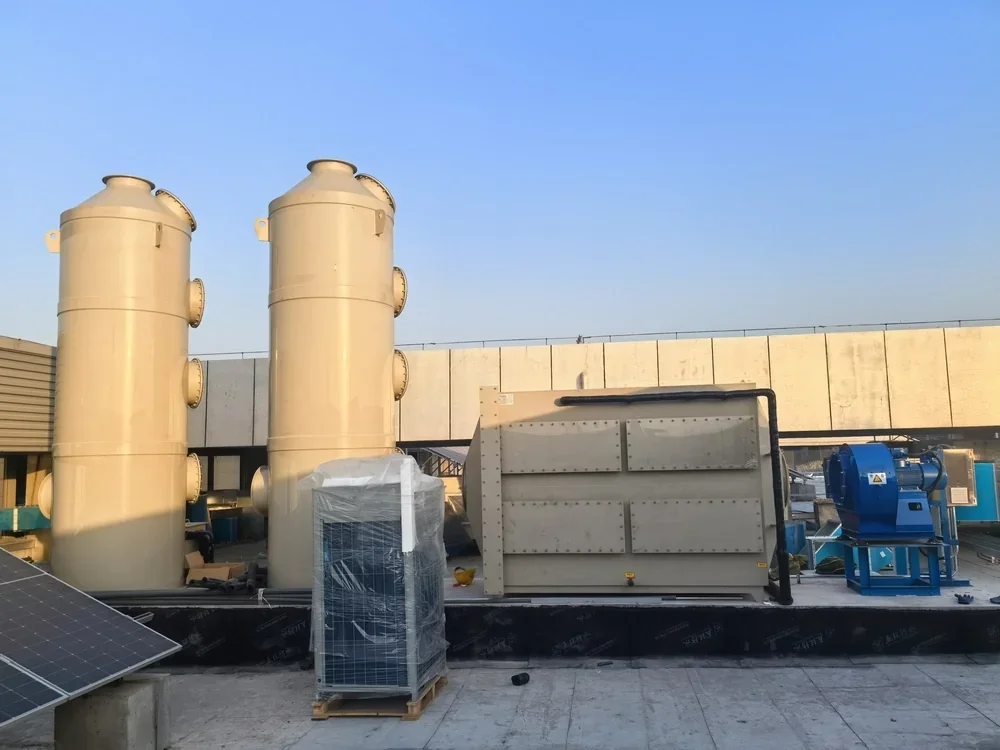
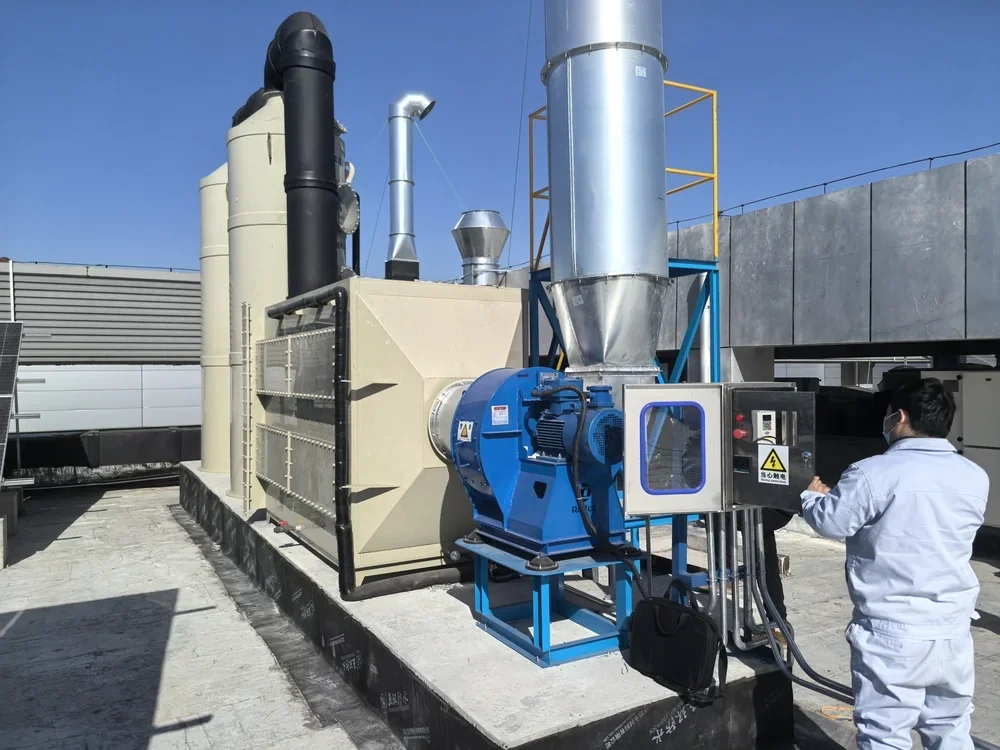
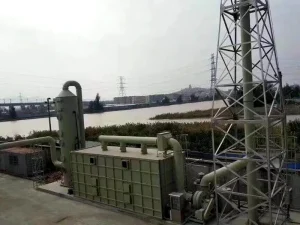
Waste gas scrubber for biomedical institute animal center exhaust
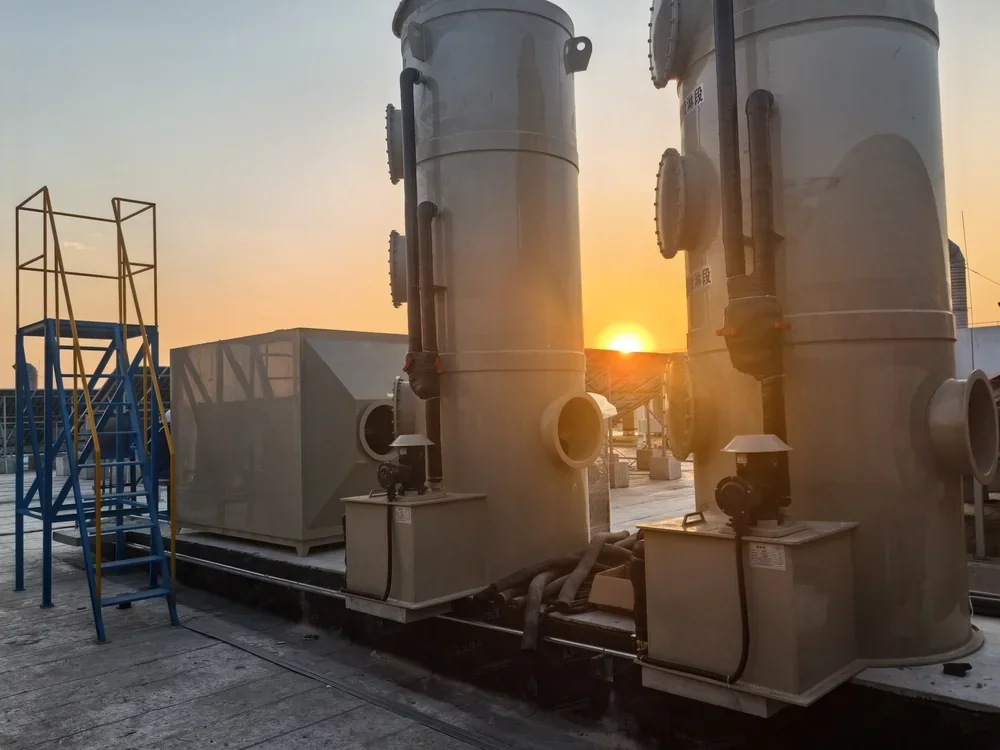
Biofilter system for biomedical research institute animal facility
The Challenge
Key Challenges Identified
- Exceptionally High Pollutant Loads: Specifically, inlet concentrations measured NH3 at 15-25 mg/m³, H2S at 3-8 mg/m³, and VOCs at 30-50 mg/m³. Indeed, these rank among the highest levels encountered in laboratory animal facilities. Furthermore, the combination of high animal density and multiple species created a complex exhaust profile.
- Very High Air Volume: Moreover, with a total exhaust rate of 30,000 m³/h across multiple ventilation systems, the treatment solution required proper scaling. In addition, it had to maintain consistent treatment efficiency across all operating conditions.
- Particulate and Bio-Aerosol Loading: Additionally, the exhaust contains significant amounts of animal-derived particulates, including dander, hair, feed dust, and bio-aerosols. If not properly managed, these can foul treatment equipment and reduce efficiency.
- Neighbor Complaint Resolution: Importantly, the primary project objective aimed to completely eliminate odor complaints from nearby residential and commercial areas. Consequently, this required very high removal efficiency and essentially zero perceptible odor at the property boundary.
- Multi-Zone Complexity: Furthermore, the facility includes different animal housing zones with varying ventilation requirements and pollutant profiles. Therefore, the system design had to handle diverse input streams effectively.
- Minimal Disruption: In particular, we phased the installation to maintain continuous operation of the animal facility. After all, the facility cannot relocate research animals during system upgrades.
Subsequently, our engineering team conducted a comprehensive exhaust characterization study. This involved multiple sampling points and continuous monitoring over a two-week period. Based on the results, the team determined that a three-stage treatment approach would work best. Specifically, chemical scrubbing handles high-concentration inorganic gases. Meanwhile, biofiltration treats biodegradable organic compounds. Finally, activated carbon adsorption provides final polishing. As a result, these stages deliver the extremely high removal efficiencies needed to resolve the neighbor complaint issue.
Our Solution
Soto Machinery delivered a large-scale three-stage waste gas treatment system featuring chemical scrubbing, biofiltration, and activated carbon adsorption. Notably, this robust treatment train handles the highest pollutant concentrations. In addition, it ensures the treated air meets the strictest emission requirements.
1
Chemical Scrubbing (Stage 1)
First, the exhaust enters a packed-bed chemical scrubber tower. There, it receives treatment with a dilute acid/alkaline solution. Consequently, this stage removes 85-90% of ammonia and hydrogen sulfide through neutralization reactions. Additionally, it captures animal-derived particulates and soluble VOCs through the scrubbing action of the packing media.
2
Biofilter (Stage 2)
Next, after chemical scrubbing, the air passes through a biofilter bed with specialized organic and inorganic filter media. This media contains immobilized microbial populations. Furthermore, the microorganisms degrade residual ammonia, H2S, VOCs, and organic odor compounds through biological oxidation. Indeed, this stage provides high efficiency at relatively low operating cost.
3
Activated Carbon Adsorption (Stage 3)
Finally, the polishing stage uses granular activated carbon (GAC) adsorption towers with high-quality coconut shell activated carbon. Specifically, this stage captures any remaining trace VOCs, odor compounds, and residual contaminants. As a result, the treated exhaust becomes completely odor-free and meets the most stringent discharge standards.
System Design and Engineering
First, the system uses multiple parallel treatment trains to handle the 30,000 m³/h total air flow. Additionally, this provides redundancy for maintenance operations. Each treatment train handles 15,000 m³/h. Therefore, operators can take one train offline for servicing while the other carries the full load at reduced efficiency. Consequently, this prevents any facility shutdowns.
Moreover, the chemical scrubbing system features automatic pH control and chemical dosing. This optimizes reagent consumption and ensures consistent treatment performance. Furthermore, the biofilter incorporates an automated humidification and nutrient supply system. This system maintains optimal conditions for microbial activity. In addition, temperature and moisture sensors provide real-time feedback to the control system.
Additionally, the activated carbon adsorption towers feature differential pressure monitoring and VOC concentration sensors at both inlet and outlet. These provide early warning of carbon saturation and enable predictive maintenance scheduling. Finally, the entire system runs through a central PLC control panel with SCADA integration. As a result, the institute’s facilities team can monitor all operating parameters from their building management system.
Key Equipment Used
Specifically, the biomedical research institute animal center deodorization system incorporates Soto Machinery’s industrial-grade waste gas treatment equipment. Soto Machinery scales this equipment for large-volume animal facility applications.
🐀
Animal Room Waste Gas Treatment System
Furthermore, this large-scale multi-stage animal room waste gas treatment system combines chemical scrubbing, biofiltration, and activated carbon for high-volume animal facilities.
Learn More →🛡
Activated Carbon Adsorption Unit
Additionally, this industrial-grade activated carbon adsorption tower uses high-quality GAC media for final polishing of VOCs and trace odor compounds in animal facility exhaust.
Learn More →☂
Wet Scrubber Tower
Also, this heavy-duty chemical scrubbing tower features a packed bed design for high-efficiency removal of ammonia, H2S, particulates, and soluble gases from large-volume exhaust streams.
Learn More →Project Results
Since full system commissioning, the treatment system has delivered exceptional performance. Specifically, it completely resolved the neighbor odor complaint issue and achieved all project performance targets.
95%+
Ammonia (NH₃) Removal
98%+
H₂S Removal Rate
85%+
VOCs Removal Rate
Zero
Neighbor Complaints
Verified Performance
First, comprehensive third-party testing confirmed outstanding performance across all pollutant parameters. Specifically, ammonia removal efficiency consistently exceeds 95%. In fact, outlet concentrations stay well below 1 mg/m³ despite very high inlet loads. Furthermore, hydrogen sulfide removal reaches 98% or higher, essentially eliminating this key odor contributor. Moreover, total VOC removal exceeds 85%, with most individual VOC compounds below detectable limits at the outlet.
Most importantly, the institute reported zero odor complaints from neighboring communities since the system went into full operation. Indeed, this marks a significant improvement from the pre-upgrade situation, when complaints occurred frequently. Furthermore, third-party testing verified full compliance with all applicable national emission standards, including GB14554-93 and GB16297-1996.
Overall, the phased installation approach proved successful. In fact, the project finished on schedule without any disruption to ongoing animal research activities. Additionally, the institute’s facilities management team received comprehensive training on system operation and maintenance. Consequently, the project’s success led to Soto Machinery winning a maintenance service contract. Furthermore, the institute designated Soto Machinery as the preferred supplier for future environmental equipment needs.
Project Gallery
Browse photos from the project installation, equipment, and system commissioning.
Chemical scrubbing tower for biomedical research institute animal center
Spray tower system at biomedical research institute animal facility
Waste gas scrubber for biomedical institute animal center exhaust
Biofilter system for biomedical research institute animal facility
Animal facility waste gas treatment equipment at biomedical institute
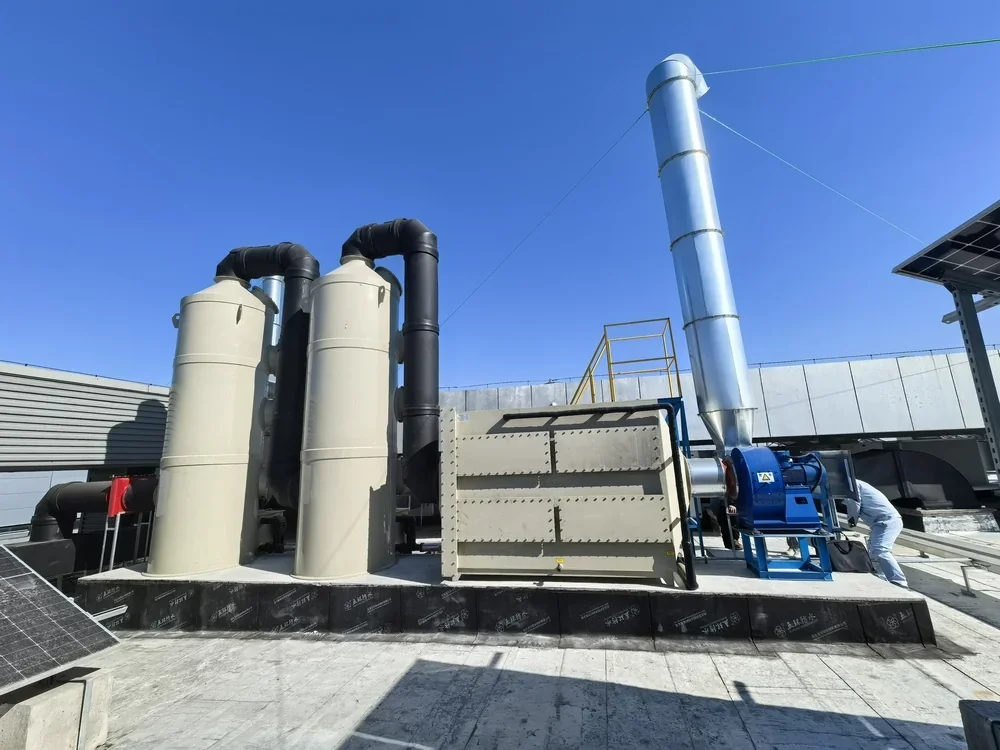
Air pollution control system for biomedical research institute
Explore Our Waste Gas Treatment Solutions
Looking for the right equipment for your facility? Browse our complete range of waste gas treatment systems, including UV photolysis purifiers, spray deodorization towers, activated carbon adsorption units, wet scrubbers, and specialized animal room treatment systems. Each product is engineered for industrial-grade reliability and customized to your specific emission requirements.
All Waste Gas Treatment Products
View our complete catalog of exhaust gas purification equipment
Browse All Products →Wastewater Treatment Equipment
DAF, MBR, sedimentation, and filtration systems for industrial wastewater
Browse All Products →Need Help Choosing?
Contact our engineers for a free consultation and customized quote
Get Expert Advice →Need a Large-Scale Animal Facility Solution?
Contact Soto Machinery today for a free consultation. Also, get a customized quote for your large-scale animal center exhaust treatment needs.
Get a Free Quote