Environmental protection equipment supplier

Case Study / Waste Gas Treatment
Gene Editing Enterprise Animal Room Deodorization Project
A modular odor control system built around an engineered microbial consortium for a Qingdao gene editing company’s SPF animal rooms and pilot workshop — removing ammonia, hydrogen sulfide and VOCs without any production downtime.
Project Overview
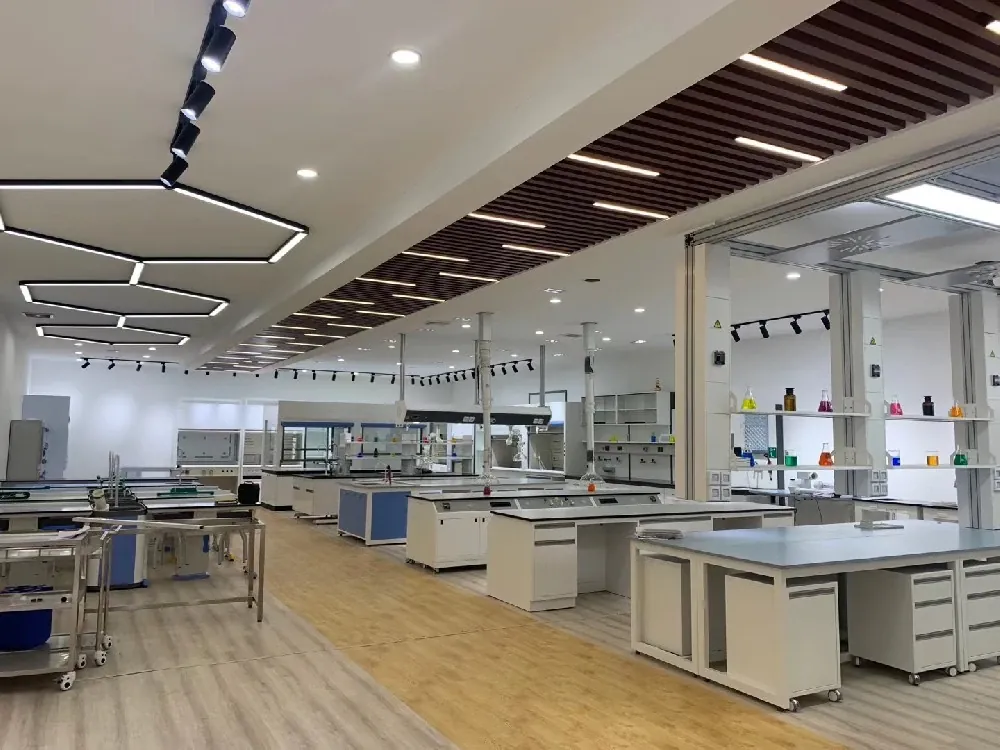
This project serves a high-tech enterprise focused on synthetic biology and gene editing, located in the core industrial park of Qingdao High-tech Zone. The company’s core business spans engineering bacteria modification, Clostridium gas-fermenting strain editing, and SPF-grade model animal experiments. In other words, the facility combines a precision laboratory, a pilot workshop and a barrier animal house under one roof.
Why the Original System Fell Short
The original exhaust system relied on a conventional biofilter followed by an activated carbon adsorption stage. After years of continuous operation, however, the microbial community had lost much of its activity, and odor decomposition efficiency had clearly declined. As a result, the ammonia and hydrogen sulfide from the animal rooms, together with the trace VOCs from the pilot workshop, regularly pushed the boundary OU value close to the limit. This situation no longer satisfied the industrial park’s updated environmental controls, and it also affected the comfort of the adjacent office areas.
Furthermore, the traditional process carried a heavy operating burden. Frequent activated carbon replacement and filter media maintenance consumed budget that the company would rather direct toward core R&D. Therefore, the client asked Soto Machinery for a retrofit that would restore compliance, cut running costs and — critically — install without interrupting ongoing experiments.
Facility Profile: Qingdao High-tech Zone gene editing enterprise | SPF animal rooms + pilot workshop + laboratory | Engineering bacteria & Clostridium gene editing | Strict park-level odor controls
The environmental bar is especially high here. SPF-grade animals are sensitive, so the air inside their rooms must stay clean and stable, while the exhaust leaving the building must not disturb the neighbouring offices or breach the park’s updated discharge rules. A retrofit therefore had to improve purification without changing the room conditions the animals depend on — a constraint that shaped the entire module design.
Biofilter module for biological odor decomposition
Enhanced turbulent-flow spray module
Where the Odor Comes From
In a barrier animal house, ammonia forms when the urea in urine and bedding breaks down, while hydrogen sulfide arises from the anaerobic decomposition of feces. On top of that, a synthetic biology company adds a second, less familiar source: the fermentation off-gas and trace solvents from the pilot workshop. These streams mix in the shared exhaust duct, so a single-technology fix rarely copes with the full profile. For this reason, the design separates biological, hydrodynamic and photocatalytic duties into modules that each attack a specific class of pollutant, then coordinates them through a common control layer.
The Challenge
Key Challenges Identified
- Declining Microbial Activity: The original biofilter’s microbial community had degraded over time, so the decomposition of hydrogen sulfide and ammonia no longer reached design efficiency.
- Boundary Odor Near the Limit: Odor intensity (OU value) at the property boundary repeatedly approached the regulatory threshold, especially during cage-changing and pilot-workshop exhaust peaks.
- Tighter Park Regulations: The industrial park had upgraded its environmental management rules, and the existing system could not reliably guarantee compliance on the worst days.
- High Operating Cost: Activated carbon replacement and filter media maintenance were frequent and expensive, diverting budget away from research.
- Zero Production Downtime: Gene editing experiments and pilot production run continuously, so the retrofit had to fit the existing duct layout and be completed without halting operations.
In response, our engineers proposed a modular odor-safe discharge system. Notably, it reuses the client’s original duct layout and connects without any production shutdown. The design combines biological, hydrodynamic and photocatalytic stages into compact, independently controllable modules.
The choice of a modular platform also looked beyond the immediate problem. A fast-growing synthetic biology company will keep adding rooms and pilot lines, so a system that scales by adding units — rather than by tearing out and rebuilding a central plant — protects the investment for years. That forward-looking logic runs through the whole design, from the zone configuration to the control architecture.
Our Solution
Soto Machinery delivered a waste gas treatment system that fits the company’s existing ductwork and adapts to each functional zone. In particular, the system uses four coordinated modules, described below.
1
Engineered Microbial Consortium
Building on the client’s own microbial editing expertise, we directionally screened candidate strains and used CRISPR-Cas9 to strengthen the sulfur oxidase and ammonia monooxygenase activity of the degraders. The resulting “sulfur bacteria + Pseudomonas + actinomycetes” consortium decomposes hydrogen sulfide and ammonia 84.66% more efficiently than the previous process, while VOC degradation holds steadily above 99%. Because we edited the strains rather than simply enriching them, the community stays active far longer and tolerates the fluctuating loads of a working animal house.
2
Non-Powered Turbulent-Flow Module
The system embeds a non-powered turbulence device that greatly improves gas-liquid contact efficiency. Consequently, it removes the microbial attachment dead zones that plagued the old filter bed, and it keeps running reliably with no additional energy input. In practice, this means the wet scrubbing stage keeps working even if a fan or pump elsewhere in the train trips, which is exactly the kind of resilience a continuously operating facility needs.
3
Dual Online Monitoring
Two monitoring channels feed the platform in real time: the OU odor concentration value and eight major odor factors. The data connects directly to the local environmental supervision platform, which avoids the passive “compliant but still complained about” situation. A cloud AI co-control function then detects exhaust fluctuations and automatically boosts treatment intensity during cage-changing and pilot-workshop peaks. In effect, the system anticipates the load rather than reacting to it after a limit is already breached.
4
Zero Secondary Pollution
The entire train follows a pure biological reaction path. It adds no chemical reagents and produces no waste liquid or residue, so there is nothing to haul away or treat downstream. This fully matches the company’s green R&D positioning and its carbon-neutral strategy, and it removes a whole category of compliance paperwork at the same time.
Modular Zone Configuration
The project selected eight modular purification units, distributed by zone to match how each area actually generates odor.
This zoning is deliberate. The breeding area produces the ammonia- and sulfide-heavy load, so it receives the most aggressive wet-scrubbing modules. Meanwhile, the operation area, where the pilot workshop vents, produces trace organics best handled by UV photolysis. The public area, by contrast, needs only basic polishing. Matching the module type to the zone keeps energy use low and lets operators control each area independently — a flexibility a single central plant simply cannot offer.
| Zone | Units | Module Type | Role |
|---|---|---|---|
| Breeding area | 4 | Enhanced turbulent-flow spray | Handles the ammonia and hydrogen sulfide load from animal rooms |
| Operation area | 3 | Precision UV photolysis | Removes trace VOCs from the pilot workshop |
| Public area | 1 | Basic purification | Maintains general air quality in common spaces |
Three mounting methods — wall-mounted, ceiling-hung and embedded — adapt the units to the existing building structure. In other words, we avoided any large-scale modification of the original ventilation ducts.
Process Controls and Materials
Because a gene editing facility runs around the clock, the control system favors instrumentation that reports loading in real time rather than one that reacts only after a limit is breached. The dual monitoring unit streams the OU value and the eight major odor factors continuously, and the cloud AI layer learns the facility’s daily rhythm. For example, it knows that cage-changing mornings and pilot-workshop exhaust peaks call for higher treatment intensity, and it ramps the relevant modules up ahead of time. This is what keeps the discharge within permit on the worst day, not just on the average day.
Material selection follows the stream. The animal-room exhaust is warm and humid, so the wet-contact sections use corrosion-resistant construction, while the biological module keeps its media bed at a stable moisture and pH for the engineered consortium. Each module is independently fused and monitored, so a fault in one zone never cascades into the others — a practical safeguard for a facility that cannot afford unplanned stops.
Installation and Operation
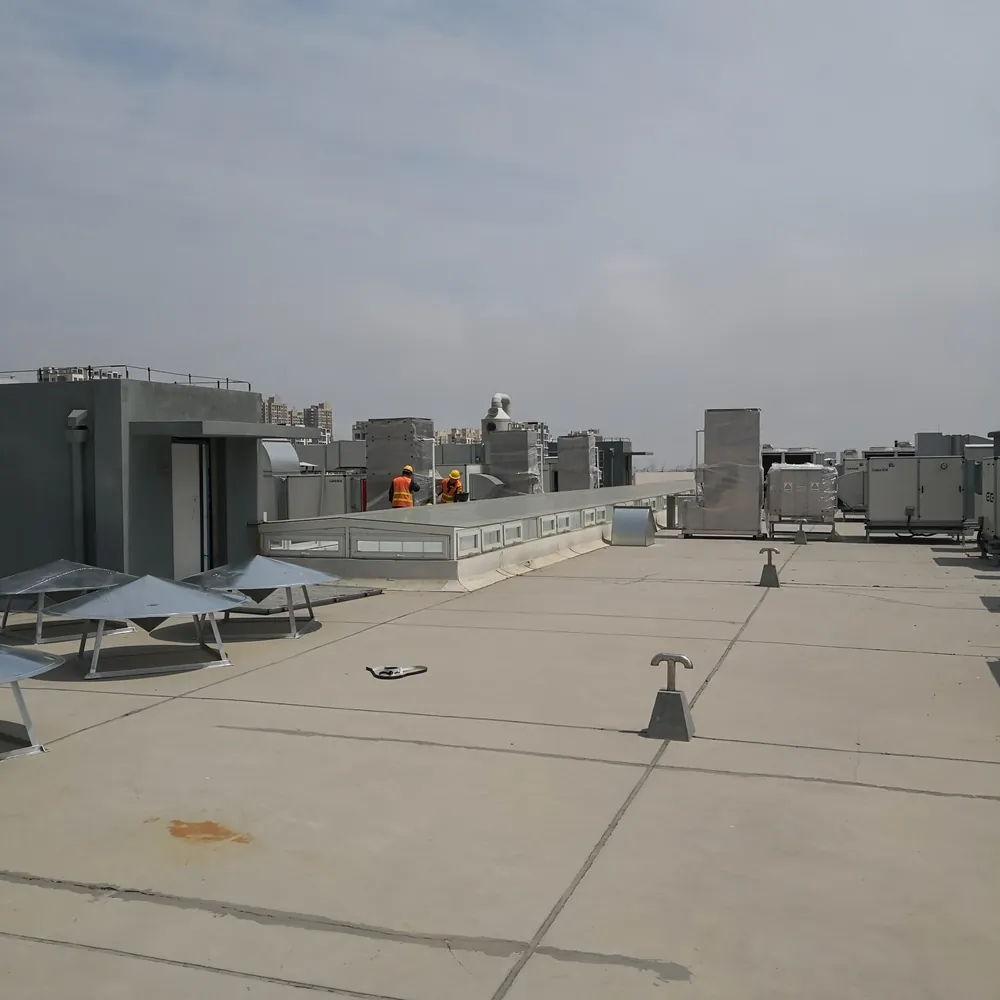
Completed in 2024, the installation phase took only five working days, and the total footprint came in 70% smaller than a conventional dilution-based approach. Each functional zone can start and stop independently, so the client runs only the modules it needs. Overall energy consumption dropped 45% compared with the previous dilution and extraction method.
Reliability was a central requirement for a continuously running animal facility. Because the system is modular, a single module failure never takes down the whole train. Moreover, operators can swap key components within 15 minutes. The full project, from site entry to complete commissioning, finished in just 15 days without disturbing the company’s daily gene editing experiments or pilot production.
A conventional central plant would have required extensive duct rework and a long shutdown. The modular architecture sidesteps both. Each unit mounts into the existing duct run, starts and stops independently, and operators can service it without affecting its neighbours. In a facility where experiments cannot pause, that difference is decisive — and it is also why the client saw results so quickly.
Project Results
After formal commissioning, the measured outcomes confirmed the design targets and then some.
86%
OU Reduction at Boundary
98%
Ammonia Removal
52%
Lower Operating Cost
0
Odor Complaints
Verified Performance
Independent monitoring after handover recorded a 86% average reduction in the boundary OU value. Ammonia removal reached 98%, and characteristic pollutants such as hydrogen sulfide now discharge well below the national standard limits. Annual operating cost fell by 52% versus the old process, and the workload for activated carbon replacement and filter media maintenance dropped by 70%. Odor complaints from the surrounding area fell to zero.
At the same time, the air environment inside the SPF animal rooms improved noticeably. Environmental indicators fully comply with the GB 14925-2010 national standard, and the facility passed the provincial A-grade laboratory animal facility evaluation. Annual animal experiment capacity increased by 40%, giving the client a dependable environment for stable, accurate gene editing research.
Just as important as the headline numbers is the operational relief. The facility team no longer schedules frequent activated carbon changes, and the automated monitoring means they catch a drift in odor load before it becomes a complaint. For a research organisation, that predictability is worth as much as the raw removal efficiency — it lets scientists focus on science instead of on the exhaust.
| Indicator | Before | After |
|---|---|---|
| Boundary OU value | Near regulatory limit | 86% lower on average |
| Ammonia removal | Declining (aged biofilter) | 98% |
| VOC degradation | Unstable | >99% stable |
| Operating cost | Baseline | 52% lower |
| Footprint | Conventional layout | 70% smaller |
| Odor complaints | Recurring | Zero |
Frequently Asked Questions
Why did the original biofilter lose efficiency? A biofilter depends on a living microbial community, and that community slowly declines when feed, moisture or pH drift out of the optimal range. Rather than endlessly re-seeding the old bed, we replaced it with an engineered consortium that holds its activity far longer and decomposes the target gases more aggressively.
Can the system be installed without stopping my experiments? Yes. The modules connect to the existing duct layout, and we configure each one per zone, so installation proceeds area by area. In this project, the entire retrofit finished in 15 days with no interruption to gene editing or pilot production.
What does the dual monitoring actually track? Two channels report in real time: the OU odor concentration value and the eight major odor factors. The data feeds the local environmental supervision platform directly, and a cloud AI layer adjusts treatment intensity automatically as loads change.
Does the process create any secondary pollution? No. The train follows a pure biological reaction path with no chemical reagents, so it produces no waste liquid or residue — a clean fit for a green R&D site.
How much maintenance does the modular system need? Far less than the old process. Activated carbon replacement and filter media upkeep fell by 70%, and because each module carries its own fuse, operators can swap key parts in about 15 minutes.
Related Case Studies
This project sits within a broader portfolio of laboratory animal facility deodorization projects. For a large multi-species animal center, see our biomedical research institute animal center case study. For an SPF breeding facility with an ozone-free constraint, see the university SPF animal laboratory case study.
Project Gallery
Photos from the modular system installation and commissioning at the gene editing enterprise.
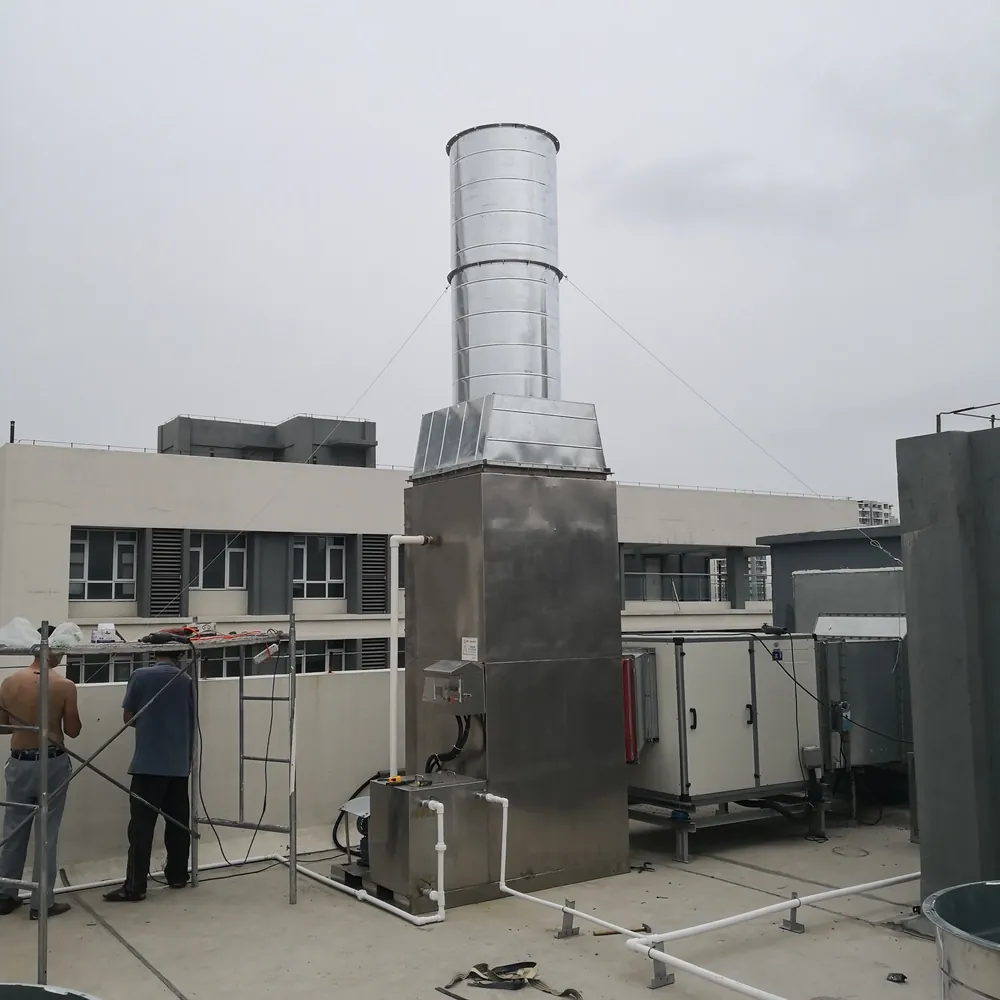
Modular deodorization unit on the facility rooftop
Rooftop installation in progress
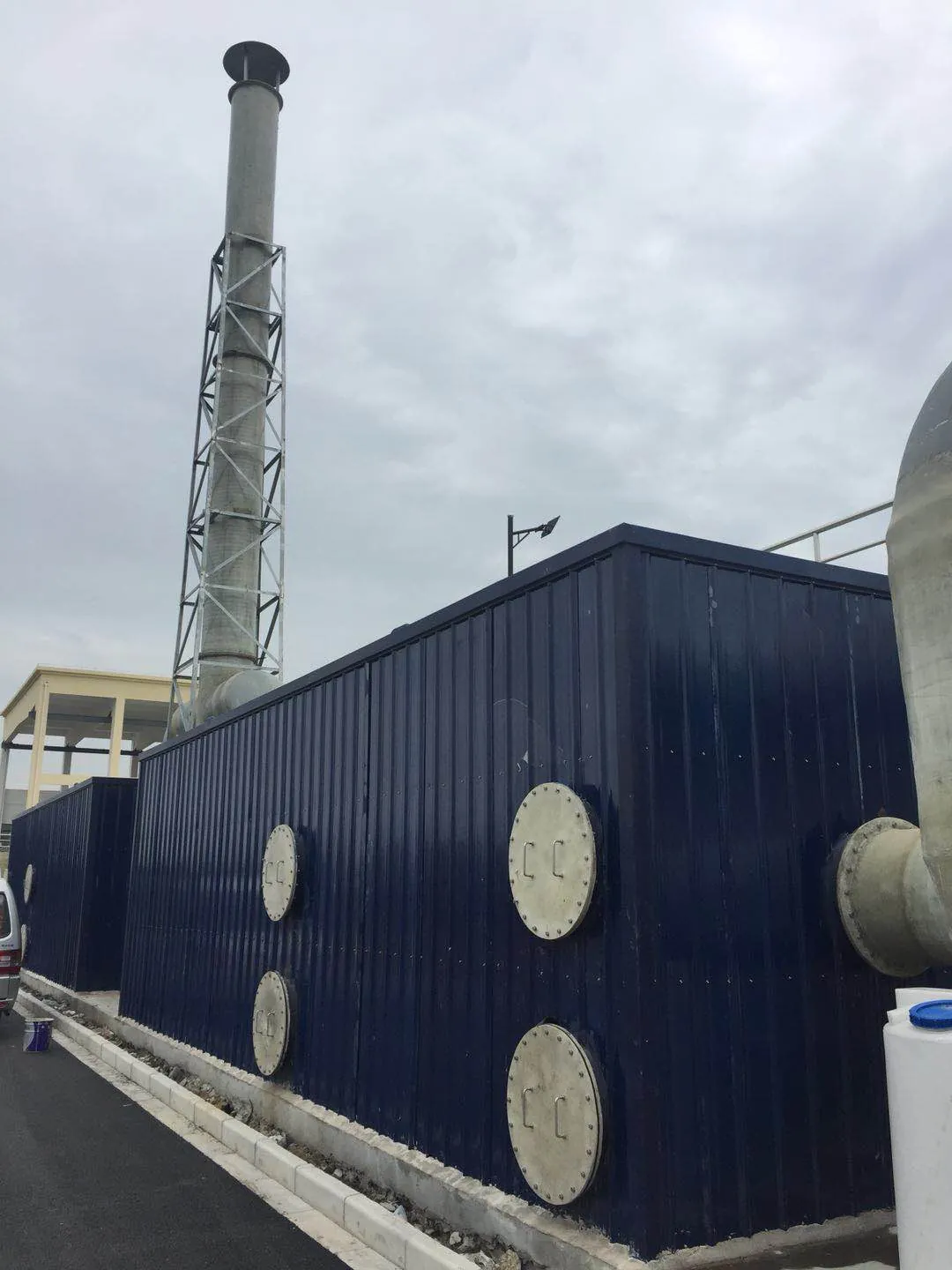
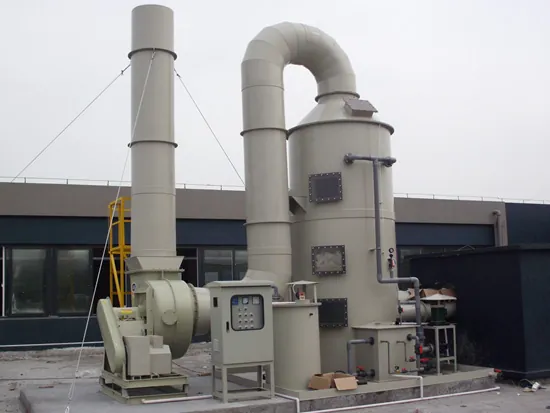
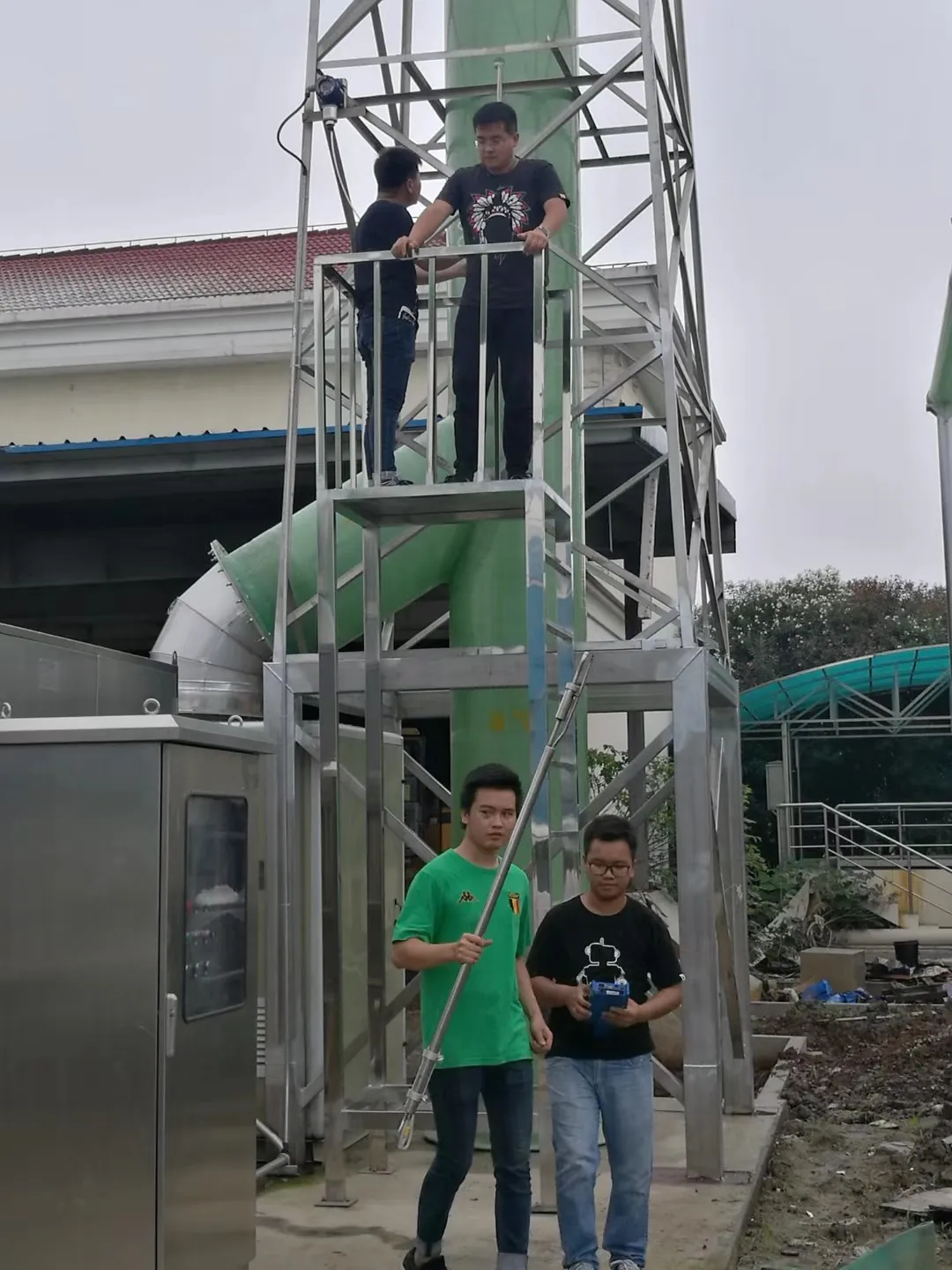
Biological deodorization tower
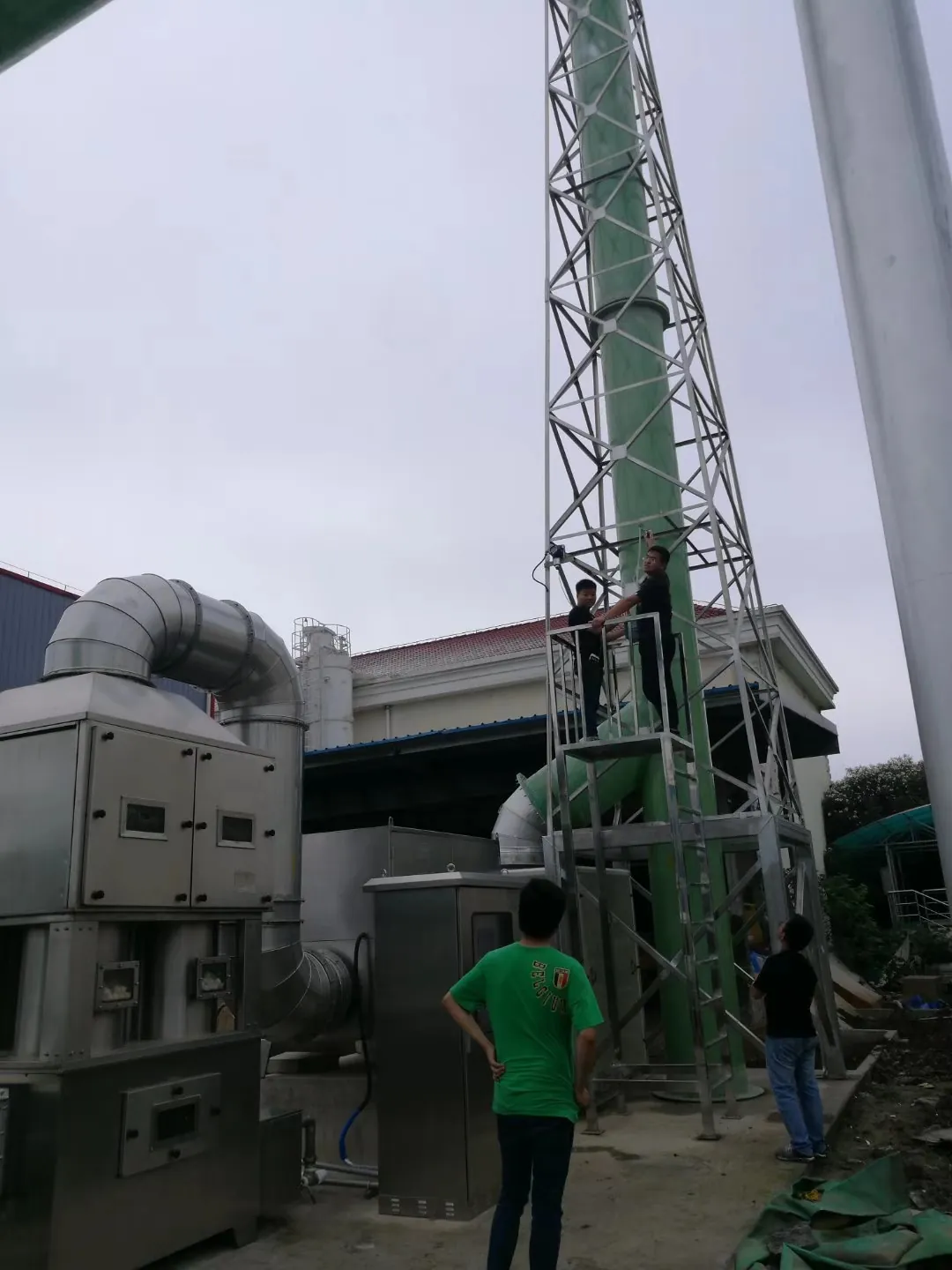
Treatment unit with exhaust stack
Explore Our Waste Gas Treatment Solutions
Looking for the right equipment for your facility? Browse our complete range of waste gas treatment systems, including the animal room waste gas treatment system, UV photolysis purifiers, wet scrubber towers and activated carbon adsorption units. We engineer every product for industrial reliability and customize it to your specific emission requirements.
All Waste Gas Treatment Products
View our complete catalog of exhaust gas purification equipment
Browse All Products →Wastewater Treatment Equipment
DAF, MBR, sedimentation, and filtration systems for industrial wastewater
Browse All Products →Need Help Choosing?
Contact our engineers for a free consultation and customized quote
Get Expert Advice →Need a Modular Odor Control System for Your Lab?
Contact Soto Machinery today for a free consultation and a customized quote for your animal room or laboratory exhaust treatment needs.
Get a Free Quote