Environmental protection equipment supplier

Case Study / Waste Gas Treatment
University SPF Animal Laboratory Deodorization Project
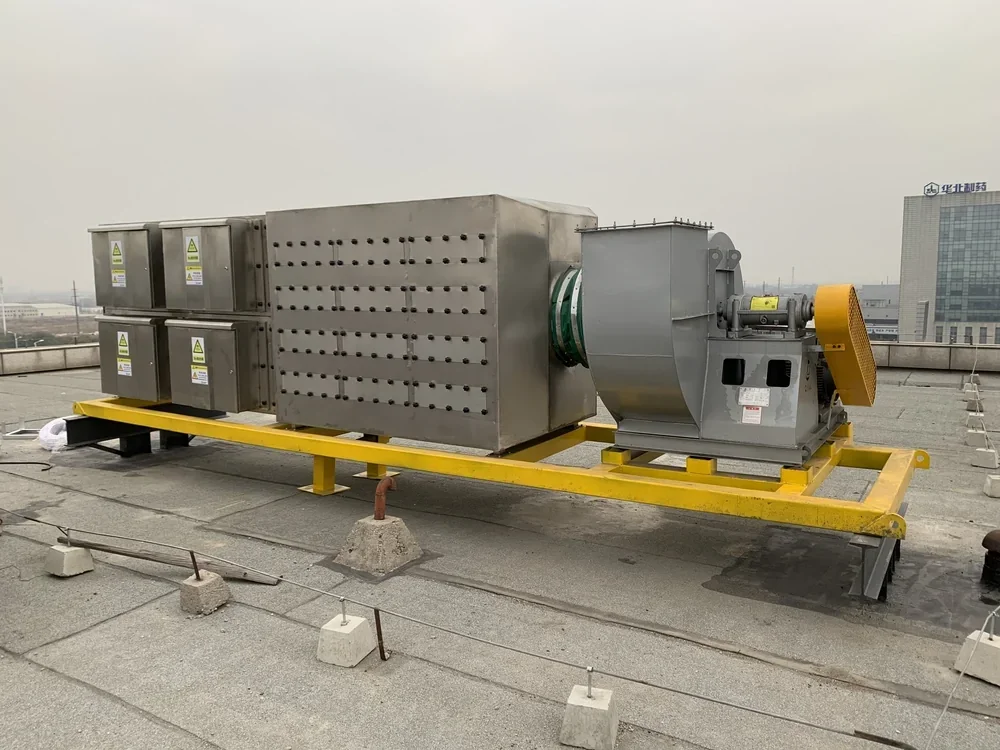
Advanced three-stage exhaust treatment system for a key university’s SPF transgenic mouse breeding facility. Specifically, it combines pre-filtration, biotrickling filter, and nano-TiO2 photocatalysis.
Project Overview
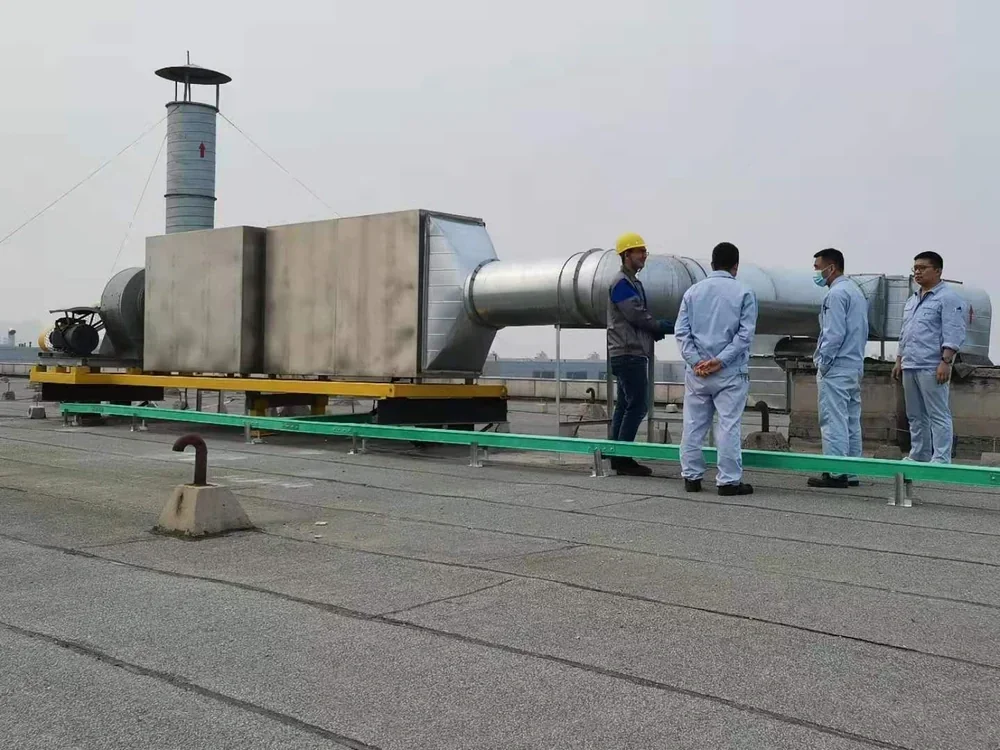
This project serves the School of Life Sciences at a leading national key university in China. The university operates a state-of-the-art Specific Pathogen Free (SPF) animal laboratory facility. Notably, it spans approximately 1,200 square meters. Furthermore, researchers use it for breeding and studying transgenic mice. The facility maintains strict environmental controls to support the health and genetic integrity of the experimental animal populations.
The university contracted Soto Machinery to design and install a specialized exhaust air deodorization system. This system addresses the unique challenges of SPF animal facilities. Specifically, the solution required an ozone-free treatment process and ultra-low ammonia emissions. In addition, it needed quiet operation suitable for an academic campus. Moreover, it demanded significant energy efficiency improvements over the existing system.
Facility Profile: ~1,200 m² SPF animal laboratory | Transgenic mice breeding | Constant temperature 22±1°C | Relative humidity 50-60% | 15-20 air changes per hour
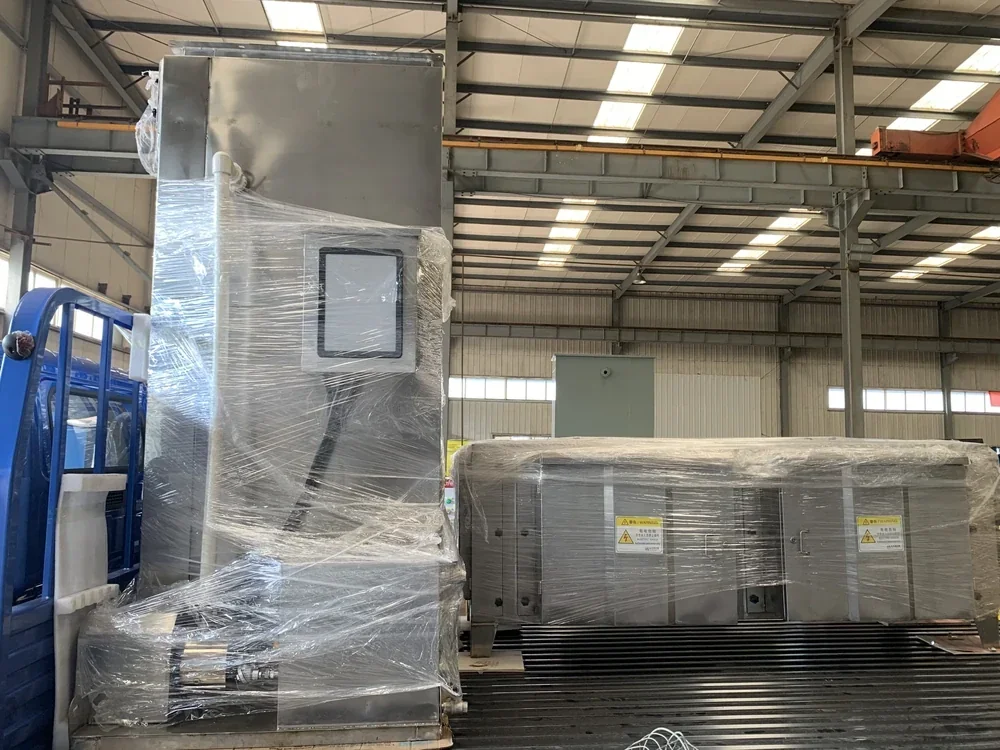
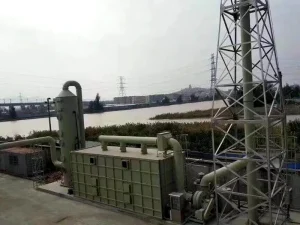
Air purification equipment for university SPF animal facility
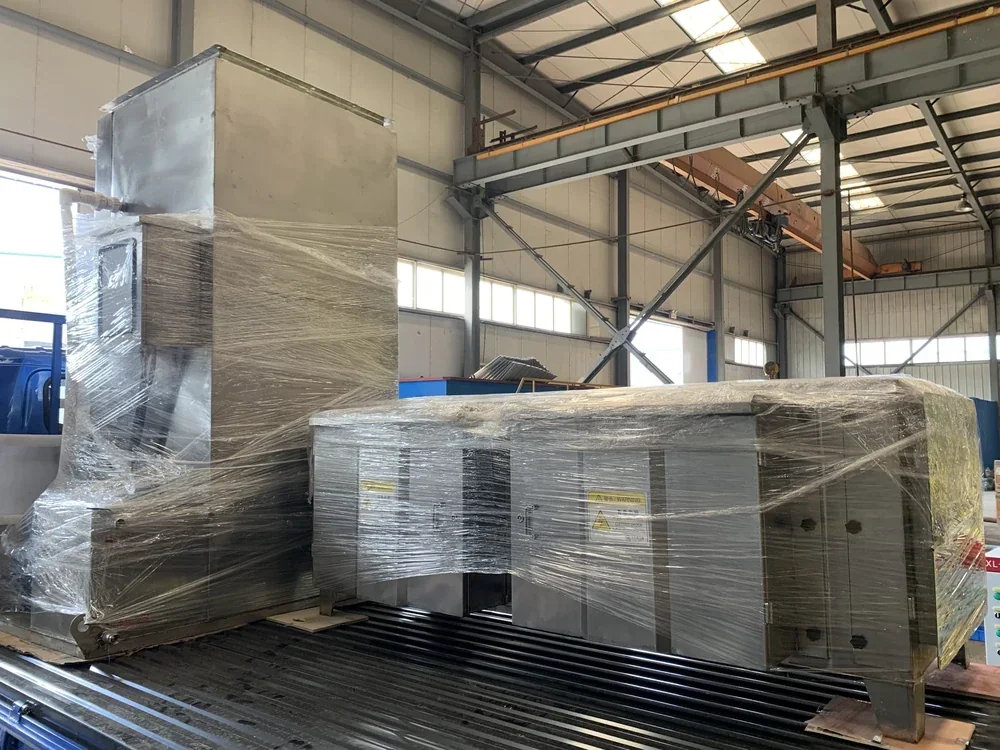
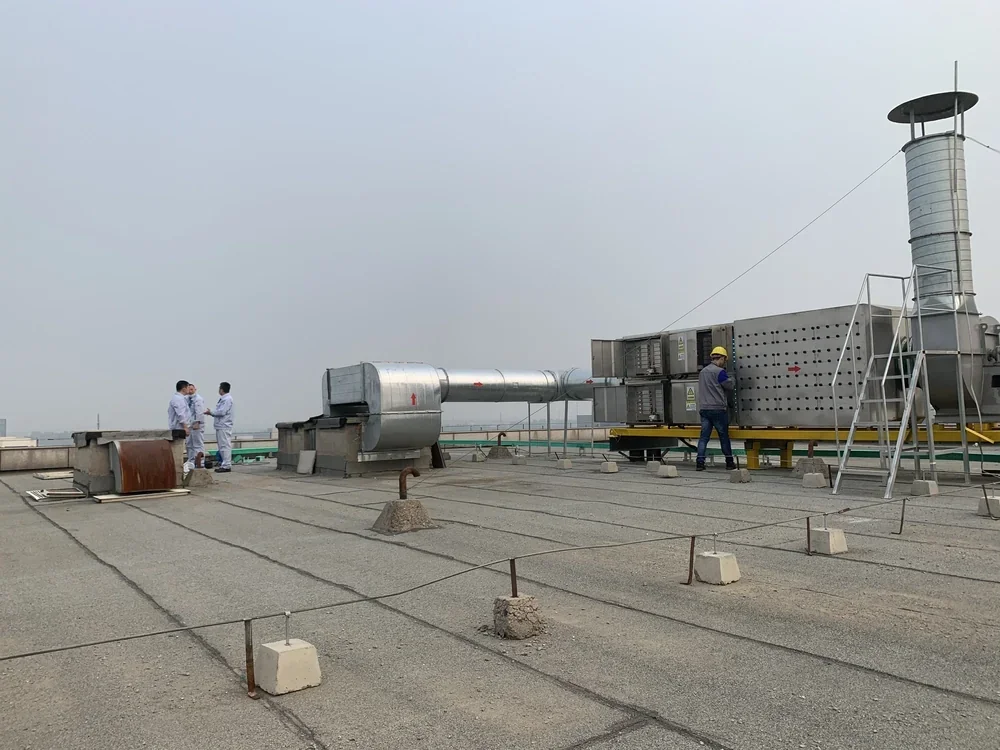
Biofilter unit for SPF animal laboratory exhaust treatment
The Challenge
Key Challenges Identified
- No Ozone Allowed: First, the SPF facility strictly prohibits ozone generation in the treatment process. Indeed, ozone can adversely affect animal health, compromise experimental results, and damage sensitive laboratory equipment. Therefore, traditional UV ozone generation methods did not meet this requirement.
- High Ammonia Concentrations: Second, inlet ammonia concentrations range from 8-15 mg/m³ due to the high-density mouse breeding environment. Consequently, the required outlet concentration below 0.5 mg/m³ represents over 93% removal efficiency.
- Trace Organic Compounds: Third, besides ammonia, the exhaust contains trace amounts of indole, skatole, and volatile fatty acids. Moreover, these organic compounds contribute to odor perception, even at very low concentrations.
- Low Noise Requirement: Fourth, the system sits on a university campus adjacent to research buildings and offices. Therefore, it must operate below 60 dB. This avoids disturbing academic activities and maintains a peaceful campus environment.
- Energy Efficiency Target: Fifth, the client aimed to reduce energy consumption by 30% compared to their previous treatment system. Specifically, this reflects the university’s commitment to sustainability and green campus initiatives.
- SPF Facility Constraints: Finally, the treatment system must not compromise the SPF barrier integrity. Furthermore, technicians must install and maintain all equipment without introducing contamination risks to the animal facility.
After extensive technical evaluation and collaboration with the university’s laboratory animal science experts, our engineering team developed a three-stage treatment approach. Specifically, it combines biological and photocatalytic technologies. This ozone-free configuration ensures the highest level of animal welfare protection. In addition, it delivers exceptional odor removal performance and energy efficiency.
Our Solution
Soto Machinery designed an advanced three-stage waste gas treatment system featuring G4 bag pre-filtration, biotrickling filter, and nano-TiO2 photocatalysis. Indeed, this innovative combination provides comprehensive, ozone-free treatment of SPF animal facility exhaust with outstanding efficiency and low operational costs.
1
G4 Bag Filter Pre-Treatment
First, the exhaust passes through a high-efficiency G4-grade bag filter. This filter removes particulate matter, dander, hair, dust, and airborne debris. Consequently, it protects downstream biological and photocatalytic equipment from fouling and extends service intervals.
2
Biotrickling Filter (Main Stage)
Second, the core treatment stage uses a biotrickling filter with specialized porous bio-media. Immobilized microorganisms on the media surface metabolize ammonia, H2S, and biodegradable organic compounds. Moreover, the trickling nutrient solution maintains optimal moisture and pH for microbial activity. As a result, this stage achieves over 90% ammonia removal alone.
3
Nano-TiO2 Photocatalysis (Polishing)
Third, the final stage uses ozone-free nano-titanium dioxide photocatalytic oxidation with specially designed UV-A lamps (not UV-C ozone-generating lamps). Furthermore, the visible-light-activated nano-TiO2 catalyst decomposes residual trace organics (indole, skatole, VOCs). Importantly, this process produces no ozone byproduct.
Advanced System Design Features
The system incorporates several advanced features specifically engineered for SPF animal facility applications. For example, the biotrickling filter uses a proprietary mixed microbial culture for animal facility exhaust. This culture efficiently degrades both nitrogenous and sulfurous compounds. Additionally, the photocatalysis stage employs a specially formulated nano-TiO2 coating on honeycomb ceramic substrates. UV-A wavelength lamps activate this coating and produce zero ozone.
Furthermore, noise control measures include fully insulated equipment enclosures and vibration isolation platforms. They also include acoustic duct liners and low-noise centrifugal fans with silencers. Additionally, an intelligent PLC control system with touchscreen HMI controls the entire system. This enables fully automatic operation with real-time monitoring. Specifically, it tracks ammonia concentration, pressure differentials, fan speed, and system status.
Moreover, the VFD-controlled fan system automatically adjusts air flow based on real-time air quality data. This contributes to the 30% energy savings compared to the previous constant-speed system. In addition, the system includes remote monitoring capability. Consequently, university facilities staff can access system performance data from any network-connected device.
Key Equipment Used
Specifically, the SPF animal laboratory deodorization system incorporates Soto Machinery’s specialized animal room waste gas treatment technology and advanced photocatalytic oxidation equipment.
🐀
Animal Room Waste Gas Treatment System
Specialized three-stage treatment system with pre-filtration, biotrickling filter, and photocatalysis for SPF and laboratory animal facilities. Importantly, it operates ozone-free.
Learn More →☀
UV Photolysis Waste Gas Purifier
Ozone-free nano-TiO2 photocatalytic oxidation system with UV-A lamps for decomposing trace organic compounds and odor molecules in sensitive animal facility environments.
Learn More →Project Results
Since commissioning, the system has demonstrated exceptional performance across all key parameters. Indeed, third-party testing and ongoing monitoring confirmed the following results:
<0.5 mg/m³
Ammonia (NH₃) Outlet
90%+
Odor Removal Rate
30%
Energy Savings
<60 dB
Noise Level
Verified Performance
Independent testing by an accredited environmental laboratory confirmed that ammonia outlet concentration consistently measures below 0.5 mg/m³. Notably, this far exceeds the project target and represents over 94% removal efficiency. Furthermore, total odor removal exceeds 90%, and all trace organic compounds drop to below detectable limits. Importantly, no ozone appeared in the treated exhaust stream, confirming the ozone-free design performance.
Additionally, noise measurements at the equipment boundary recorded levels below 60 dB, fully satisfying the campus noise requirements. Moreover, energy consumption data shows a 30% reduction compared to the previous system. Specifically, VFD fan control, optimized system design, and the biological treatment stage’s inherently low energy requirements drive this reduction.
Furthermore, the PLC auto-control system has run smoothly, with automated maintenance reminders, real-time alarm notifications, and comprehensive data logging capabilities. The university’s animal facility management team reported that the system is easy to operate. Also, it requires minimal routine maintenance. Overall, the successful outcome of this project has led to ongoing discussions about expanding the system. Specifically, the university may cover additional laboratory facilities on campus.
Project Gallery
Browse photos from the project installation, equipment, and system commissioning.
University SPF animal lab biotrickling filter exhaust treatment system
Photocatalysis system for university SPF animal laboratory deodorization
Air purification equipment for university SPF animal facility
Biofilter unit for SPF animal laboratory exhaust treatment
Exhaust treatment system for university SPF animal laboratory
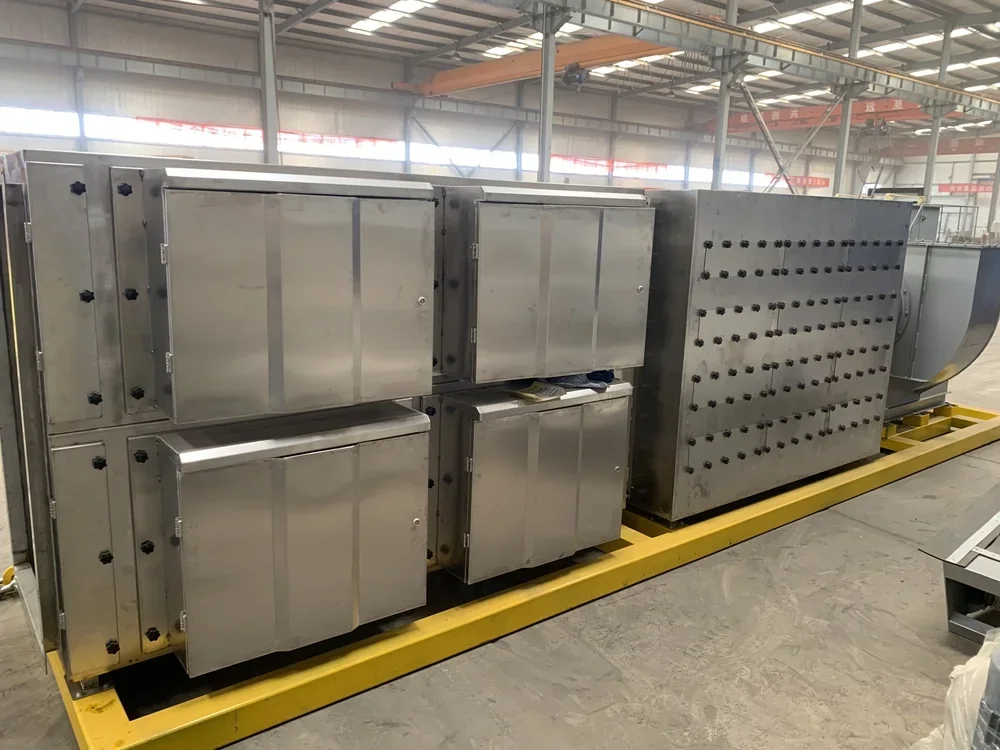
Odor removal system for university SPF animal lab facility
Explore Our Waste Gas Treatment Solutions
Looking for the right equipment for your facility? Browse our complete range of waste gas treatment systems, including UV photolysis purifiers, spray deodorization towers, activated carbon adsorption units, wet scrubbers, and specialized animal room treatment systems. Each product is engineered for industrial-grade reliability and customized to your specific emission requirements.
All Waste Gas Treatment Products
View our complete catalog of exhaust gas purification equipment
Browse All Products →Wastewater Treatment Equipment
DAF, MBR, sedimentation, and filtration systems for industrial wastewater
Browse All Products →Need Help Choosing?
Contact our engineers for a free consultation and customized quote
Get Expert Advice →Need an SPF Facility Deodorization Solution?
Contact Soto Machinery today for a free consultation and customized quote for your SPF animal laboratory exhaust treatment needs.
Get a Free Quote