Environmental protection equipment supplier

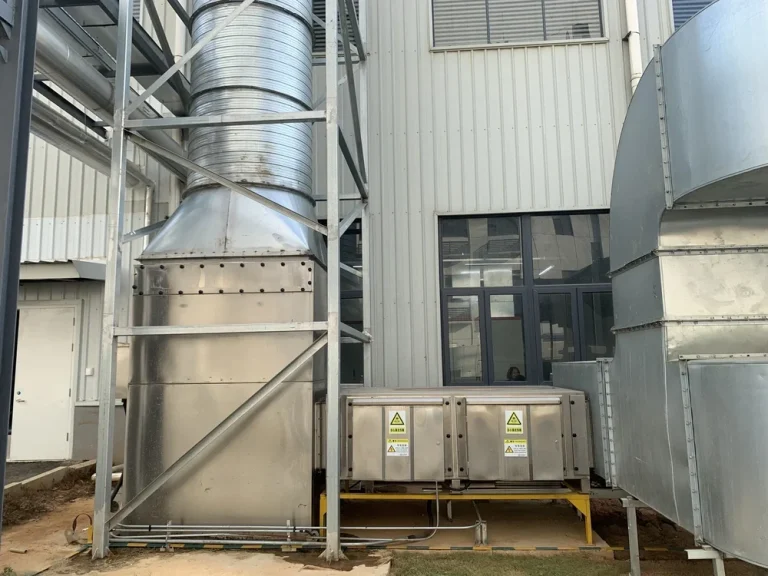
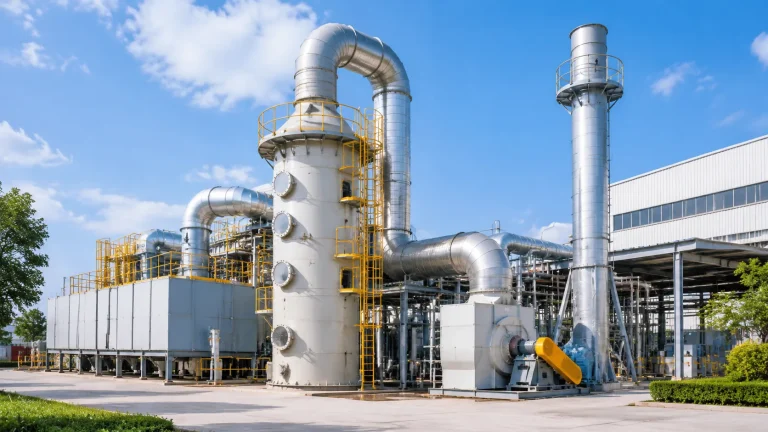
Laboratory Odor Eliminator: UV-Photocatalytic Oxidation + Turbulent-Flow Spray Deodorization System
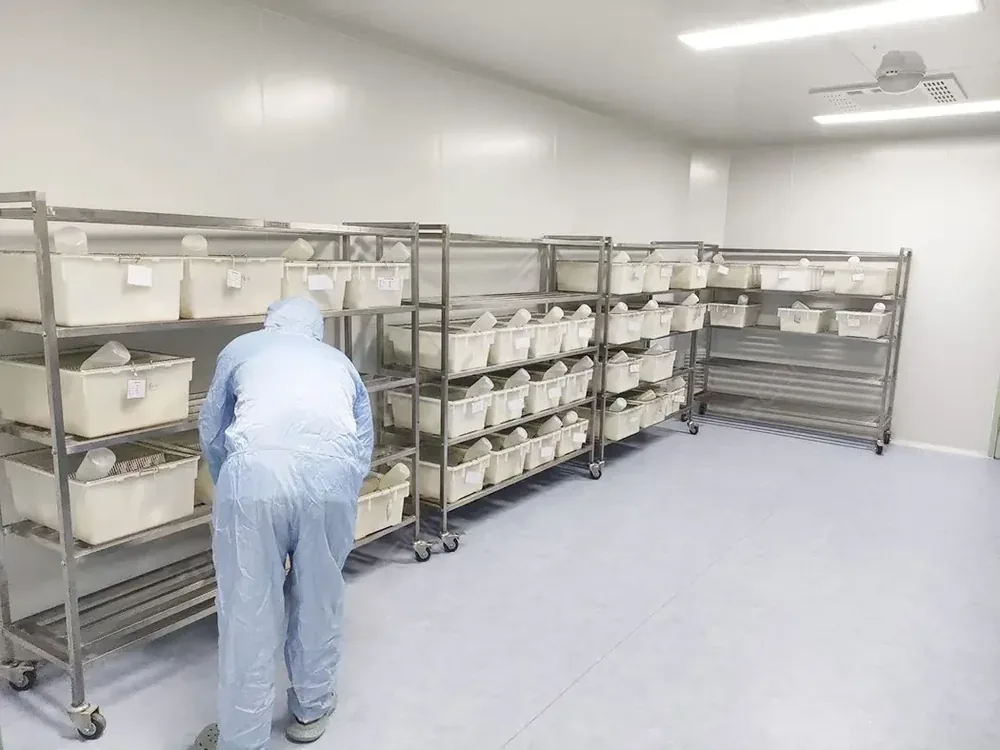
Ammonia, hydrogen sulfide and volatile organic compounds escape from every animal room. In preclinical drug research, they do more than annoy neighboring labs. They stress the animals, shift physiological baselines, and quietly add noise to toxicology data. A properly engineered animal facility odor control system removes that risk at the source. This guide explains how a two-stage design works. Stage one is UV photocatalytic oxidation. Stage two is spoiler wet scrubbing. Together they divide the workload cleanly, and we will also show you what to check before signing a purchase contract.
Why Odor Control Is a Data-Integrity Issue in Drug Research
Most facilities treat smell as a comfort problem. In a toxicity study, it is a variable. GB 14925-2023 caps ammonia at 14 mg/m³ for laboratory animal environments. Levels above that ceiling trigger stress responses in rodents and rabbits. Stressed animals eat less, sleep differently, and release different blood chemistry markers. So the study population drifts, and the drift lands in your data.
Then there is the compliance side. GLP audits and environmental acceptance checks both look at exhaust treatment records. A facility that cannot show steady removal performance carries a recurring risk into every inspection cycle. Because of this, odor control in a pharmaceutical animal facility is not an accessory purchase. It is part of the study infrastructure, and a serious animal facility odor control system is specified with the same rigor as the HVAC itself.
Where Traditional Methods Fall Short
Three approaches dominate older installations, and each has a structural weakness:
- Dilution ventilation. Pushing more air through the room lowers odor indoors but simply exports the problem to the exhaust stack. Neighbors and regulators measure the stack, not the room.
- Activated carbon adsorption. Carbon works well until it saturates, and saturation is silent. Once breakthrough starts, the exhaust smell returns within days. Replacement costs also climb quickly at high airflow.
- Chemical masking sprays. These cover the smell and sometimes add new compounds into the airstream. In a facility running sensitive analytical work, adding chemistry to the air is the wrong direction. The odor control best practices for biotech facilities make the same point from the operator’s side.
None of these decompose the pollutant molecules themselves. A modern system takes the opposite approach: break the molecules down, then capture what remains.
Stage One — UV Photocatalytic Oxidation
Photolysis breaks the molecular bonds
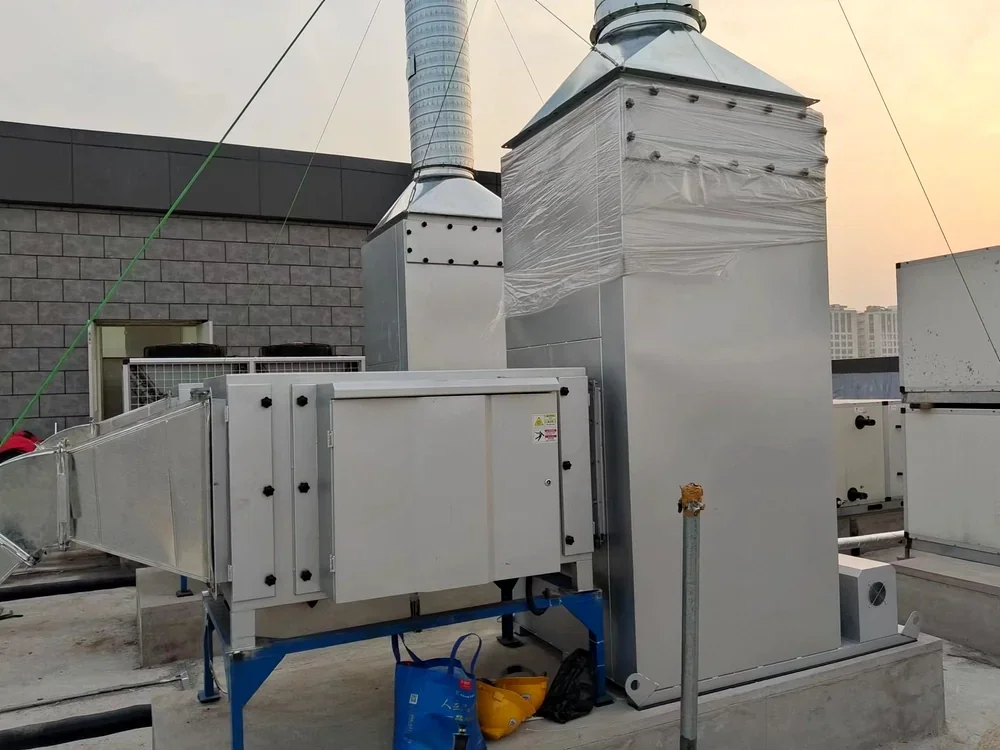
High-intensity UV lamps at 185 nm and 254 nm strike odor molecules directly. The photon energy cleaves C–H, C–S and N–H bonds in thiols, amines and many VOC species. This is decomposition, not dilution. The odor structure itself collapses.
TiO₂ catalytic oxidation finishes the job
On a nano-TiO₂ coated surface, UV light generates hydroxyl radicals (·OH) and active oxygen species. These radicals oxidize the fragmented organics into carbon dioxide and water. The reaction happens on the catalyst surface at ambient temperature. So there is no flame, no high-temperature section, and no fire-risk zone inside the duct. Laboratory safety officers always ask about this point, and the answer is in writing.
Where stage one is strongest
UV photocatalysis handles complex organic odor very well. What it cannot do is scrub inorganic gases efficiently or catch dust and aerosols. That is exactly the job handed to stage two.
Stage Two — Integrated Spoiler Wet Scrubbing
Spoiler plates force real gas–liquid contact
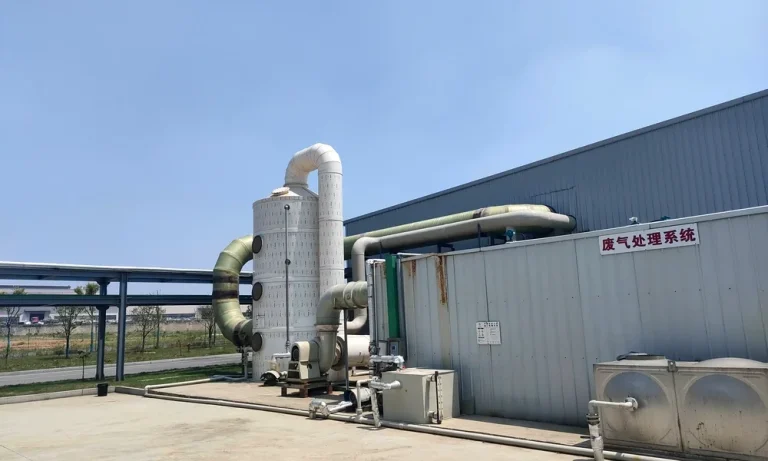
A conventional spray tower loses efficiency because most air slips past the water droplets. The integrated spoiler design fixes this with staggered baffles that force violent turbulence between air and liquid. Contact area and residence time both increase sharply. We covered the mechanism in detail in our spoiler spray deodorization system article. Here we focus on what it means in practice: more pollutant removed per unit of water and power.
Absorption liquor matched to animal exhaust
Animal room exhaust is dominated by alkaline gases, mainly ammonia and methylamines, with smaller loads of acidic species. The scrubbing liquor is therefore a compound formulation. It neutralizes the alkaline fraction and adsorbs residual acid gases and small molecules at the same time.
Sensors close the loop
Concentration sensors monitor the inlet and outlet airstreams and feed a PLC. When odor load rises, circulation flow and the number of active spray layers increase. When the load drops, the system throttles back. Purification then follows demand instead of running flat-out around the clock.
Why Two Stages Beat One
The stages are not simply chained; they divide the work intelligently. UV oxidation strips the complex organic fraction first, which cuts the load arriving at the scrubber. The scrubber then handles residual inorganic gases, dust and aerosols. Each stage runs inside its efficiency sweet spot. So total removal is higher and chemical consumption is lower than either technology alone could achieve. In our experience, this division of labor decides everything. It separates a system that passes the first stack test from one that still passes three years later.
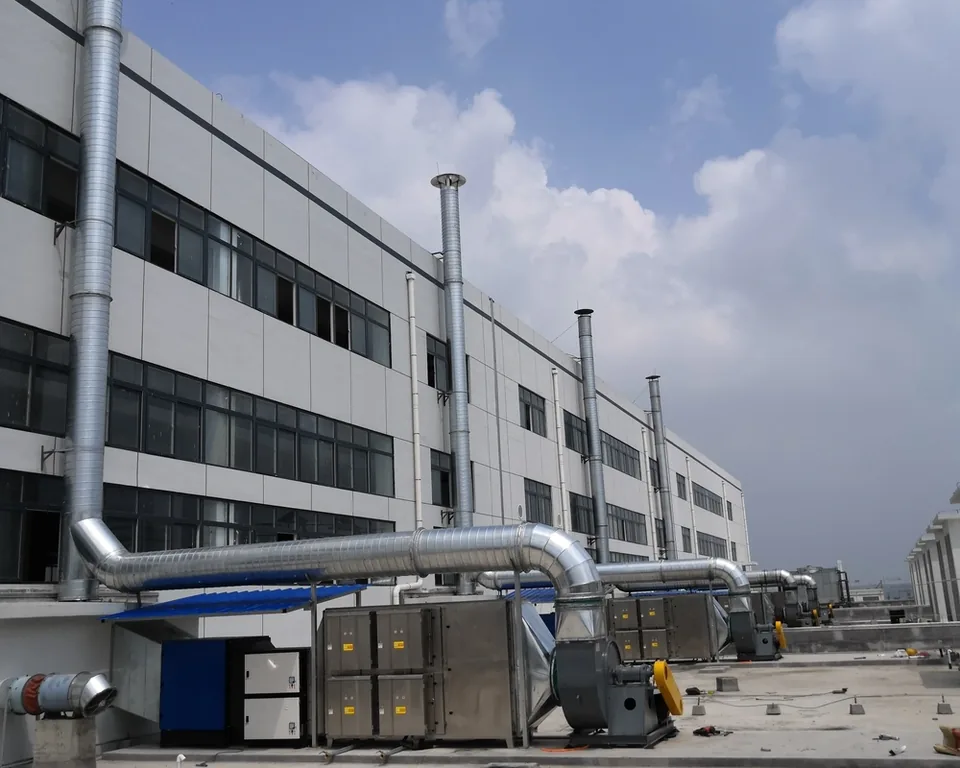
What an Animal Facility Odor Control System Should Deliver
Published design targets for a properly sized two-stage system are shown below. Actual figures depend on airflow, cage density and inlet concentrations. So treat these as engineering targets rather than guarantees.
| Parameter | Design target | Reference |
| Ammonia (NH₃) removal | ≥ 98% | Design target, confirmed in documented projects |
| Hydrogen sulfide (H₂S) removal | ≥ 98% | Design target |
| VOC removal | ≥ 95% | Design target |
| Stack height | ≥ 15 m | GB 14554-93 |
| Boundary ammonia | ≤ 1.0 mg/m³ | GB 14554-93, strictest class |
For a pharmaceutical client, the compliance documentation matters as much as the numbers. A complete package should include the process design, third-party test reports and an operation manual. Records should be formatted for GLP review and environmental acceptance filing.
Smart Controls and Running Costs
Operating cost decides whether a system stays switched on after the acceptance test. Three features keep it low:
- Adaptive energy use. The PLC matches fan, pump and lamp output to the measured odor load. At night, when cage-changing activity is low, the system idles at reduced power.
- Long-life consumables. UV lamps and spray pumps are the two main wear items. Specify industrial-grade components up front; the modest price difference pays back through fewer change-outs.
- Accurate chemical dosing. Sensor-driven dosing replaces manual mixing, which cuts reagent waste and stabilizes outlet readings.
Vendors commonly claim 30% or better energy savings against conventional single-stage equipment. Ask for the metered data behind the claim rather than accepting the number as-is.
Where This System Fits
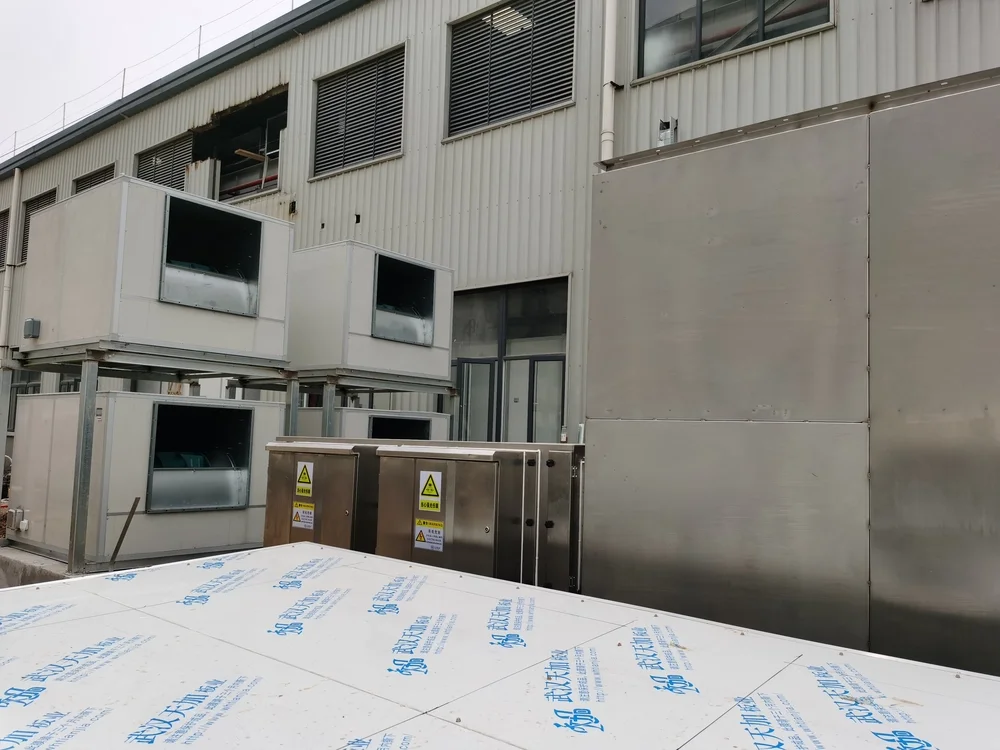
The two-stage UV-plus-scrubbing configuration suits facilities where both organic odor load and data sensitivity are high. In each case, the animal facility odor control system must be sized to real airflow, not nominal fan capacity:
- New drug R&D centers: pharmacology and toxicology laboratories, drug safety evaluation units
- CROs and contract safety evaluation laboratories
- Biopharmaceutical QC animal rooms and innovative-drug research labs
- University and academy animal centers preparing for GLP-level reviews
- Hospital-based animal facilities and medical research institutes
For lighter duty — small IVC rack exhausts, for example — a single well-specified stage may be enough. Our IVC rack exhaust treatment guide explains when that applies. For whole-room equipment comparisons, see our animal room odor control equipment guide.
Three Typical Project Profiles
The profiles below are anonymized and based on documented project results reported by engineering teams in this sector. Each project paired UV oxidation with a scrubbing stage inside a full animal facility odor control system.
| Facility | Scale | Configuration | Reported outcome |
| East China new-drug R&D center | 20,000 m³/h | UV + spoiler scrubbing | Odor removal > 95%; passed GLP laboratory certification |
| North China university animal center | Confined retrofit space | Compact two-stage skid | Targets met without interrupting ongoing studies |
| South China CRO, multi-floor | Centralized multi-branch ducting | Zoned purification, unified control | Central monitoring, faster maintenance response |
If you want to see comparable installations in detail, our pharmaceutical QC laboratory case study and university SPF animal laboratory case study document the configuration and measured data.
How Soto Supports the Full Project Cycle
Soto Machinery has spent more than 15 years on exhaust gas treatment for laboratory and industrial facilities. Delivery experience now covers 40+ countries. For an animal facility odor control system, our process runs through six steps:
- Free site assessment. We survey the rooms, measure exhaust composition and airflow, and issue a written report.
- Custom design. Airflow, species, cage density and the existing ventilation layout shape the configuration. Every facility gets its own scheme, never a catalogue copy.
- Installation. Standardized procedures keep noise, dust and downtime away from ongoing studies.
- Commissioning. We tune parameters against measured outlet concentrations until targets hold.
- Ongoing support. Scheduled inspections, remote diagnostics, and consumable replacement.
- Operator training. Your staff learn daily operation and first-line maintenance, so small issues never become shutdown events.
Questions about your own airflow and odor load? Send us the room layout and ventilation drawings. Our engineers will return an indicative scheme with sizing calculations. Contact Soto Machinery for a free assessment.
Before You Sign: Common Questions
Can one UV unit handle an entire animal room?
Usually not. UV photocatalysis is excellent on organic odor but weak on ammonia and other inorganic gases. It also does nothing about dust. If the exhaust must meet a stack standard, as it does in a pharmaceutical facility, pair UV with a scrubbing stage. The combined animal facility odor control system covers both fractions.
What removal rates can I actually expect?
Design targets of ≥ 98% for ammonia and hydrogen sulfide are realistic for a correctly sized two-stage system. So is ≥ 95% for VOCs. Insist on outlet measurements taken after a full week of normal operation, not during the commissioning run.
Does UV equipment create an ozone problem indoors?
The UV modules are mounted inside the exhaust duct, not in the room, so occupants are never exposed. Properly engineered units decompose residual ozone before discharge. The design proposal should state this explicitly.
How often do lamps and pumps need replacement?
Industrial UV lamps typically run about one year of continuous duty before output decays below specification. Spray pumps generally last several years. Ask the vendor for the replacement schedule, and price both items into your annual budget.
Will installation disrupt studies already running?
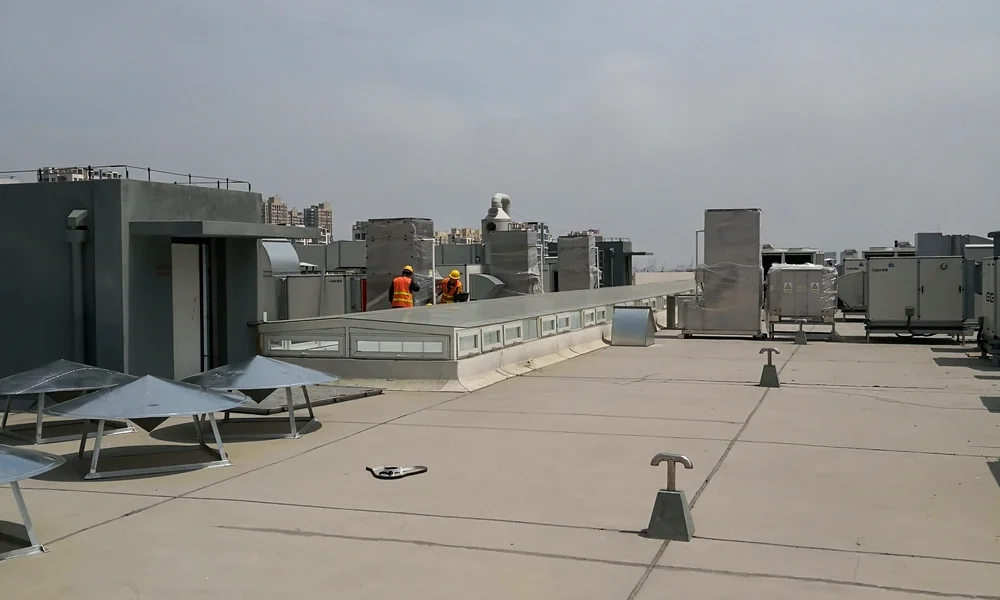
Not if the work is phased. Modular skids allow connection to one duct branch at a time. Most retrofits proceed room by room, and occupied rooms stay on their existing route until switchover.
What information do you need for a quotation?
Total exhaust airflow, species and holding density, room layout, stack position, and local emission limits. Photographs of the exhaust plant room help us propose an accurate layout on the first pass.
The Bottom Line
Odor control in pharmaceutical animal facilities is really data control. A two-stage animal facility odor control system decomposes organics first. It captures inorganics second, documents its own performance, and holds running costs down through demand-based control. Facing a GLP review, an environmental acceptance check, or persistent complaints at the stack? Then shortlist that combination first.