Environmental protection equipment supplier

Industrial Oil Fume Purifier Electrostatic Precipitation
What Is an Industrial Oil Fume Purifier?
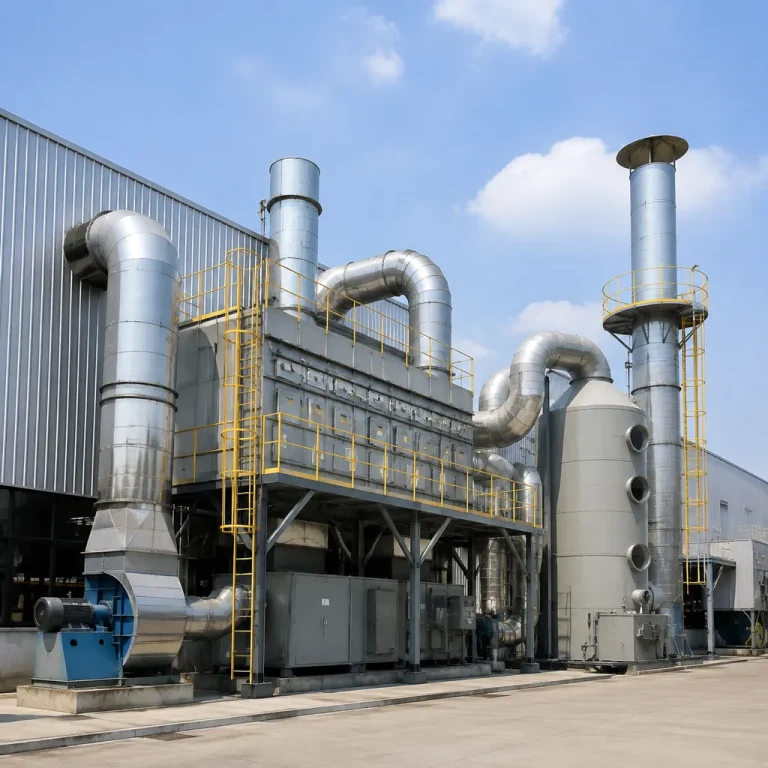
An industrial oil fume purifier is a specialized air pollution control system engineered to capture and remove airborne grease, oil mist, and smoke from manufacturing exhaust streams. At Soto Machinery, we design and manufacture custom Oil Fume Purification Units that help industrial facilities meet strict international emission standards while protecting indoor air quality and downstream exhaust ductwork.
Core Definition and Purpose of Electrostatic Precipitators (ESP)
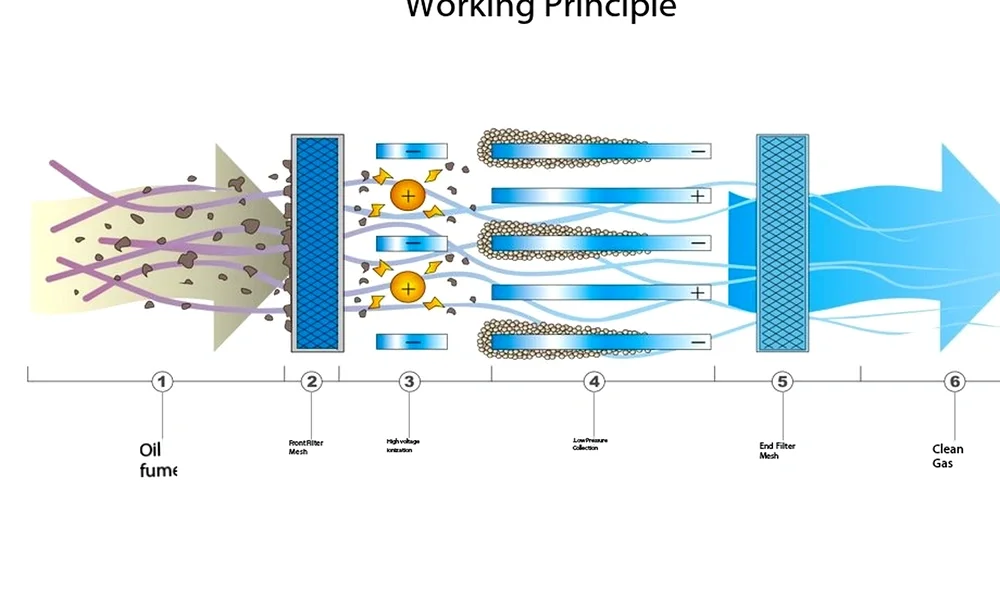
Most high-efficiency industrial oil fume purifiers rely on electrostatic precipitator (ESP) technology. Rather than trapping pollutants with disposable physical filter media that quickly clog under heavy grease loads, an ESP uses a high-voltage electric field to ionize and capture airborne particles directly onto metal collector plates.
Key operational objectives of an industrial ESP system include:
- Continuous Particulate Removal: Captures fine oil aerosols and smoke particles without restricting exhaust airflow.
- Regulatory Compliance: Reduces exhaust opacity and particulate concentrations to satisfy local and international environmental discharge regulations.
- Fire & Equipment Protection: Prevents flammable grease and oil buildup inside exhaust ducts, fans, and heat recovery units.
- Custom Process Integration: Engineered around each facility’s specific exhaust composition, inlet concentration, and air flow rate.
Common Pollutants Captured: Oil Mist, Smoke, and Grease
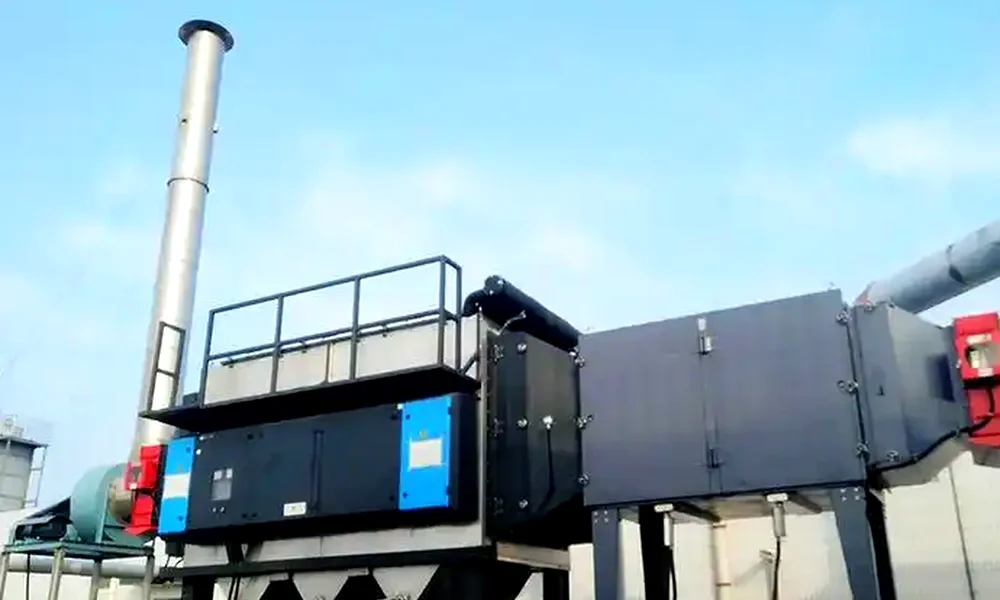
Industrial thermal and mechanical processes generate complex exhaust streams containing suspended liquid droplets and solid particulates. An electrostatic oil fume purifier targets three primary pollutant categories:
| Pollutant Type | Typical Industrial Sources | Operational Risk if Untreated |
|---|---|---|
| Oil Mist | CNC machining, metalworking, stamping, and lubrication processes | Slippery floor hazards, respiratory irritation, and machine buildup |
| Thermal Smoke | High-temperature frying, roasting, curing ovens, and heat treatment | Visible exhaust plumes, regulatory fines, and fine particulate emissions |
| Aerosolized Grease | Food processing lines, commercial cooking, and meat/snack production | Severe duct fire hazards, fan imbalance, and foul exhaust odors |
By capturing these contaminants at the source, facilities maintain cleaner production environments and avoid costly exhaust system downtime.
How Electrostatic Precipitation Works in Oil Fume Purification
At our Qingdao manufacturing facility, we engineer every Oil Fume Purification Unit around a straightforward physical principle: opposite electrical charges attract. Instead of forcing greasy exhaust through dense disposable filters that clog quickly, an electrostatic precipitator uses a controlled high-voltage electric field to pull oil mist and smoke directly out of the airstream.
Here is how our systems break down the particulate matter removal process across four distinct stages:
Stage 1: Pre-Filtration and Airflow Distribution
Before exhaust air enters the high-voltage section, it passes through a mechanical pre-filter and airflow equalizer. This first step does two critical jobs:
- Traps heavy debris: Captures large grease droplets, dust, and coarse particles before they reach the electrical cells.
- Evens out velocity: Distributes exhaust air uniformly across the unit cross-section so the ionization zone operates at peak efficiency without dead spots.
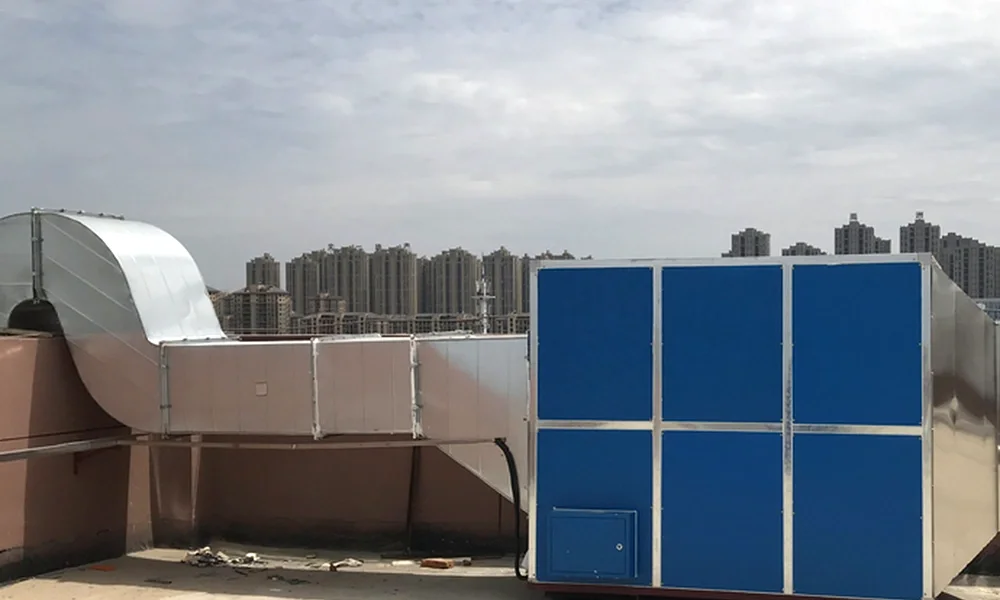
Stage 2: Ionization and Particle Charging
Once the airflow stabilizes, it moves into the ionization zone. Here, high-voltage power supplies energize fine discharge electrodes—commonly called ionizer wires—to create an intense corona discharge. As microscopic oil mist, smoke, and aerosols pass through this field, gas ions collide with the airborne pollutants and give them a strong positive electrical charge.
Stage 3: Electrostatic Collection on Charged Plates
Immediately downstream from the ionizers, the charged particles enter a parallel array of grounded collector plates. Because the particles carry a positive charge and the plates are negatively grounded, electrostatic attraction pulls the oil droplets sideways out of the moving air.
- Continuous coalescence: Captured droplets merge on the smooth metal surfaces until gravity pulls the liquid oil down into a bottom collection sump for easy drainage.
- Low pressure drop: Because air flows freely between the open plates rather than pushing through tight filter media, exhaust fans consume less power while maintaining steady oil mist collection.
Stage 4: Post-Filtration and Odor Control (Activated Carbon & UV)
Electrostatic precipitation excels at capturing liquid aerosols and fine smoke, but gaseous volatile organic compounds (VOCs) and cooking or machining odors pass right through charged plates. When your facility faces strict local exhaust rules, we customize our air pollution control lines by pairing the electrostatic unit with secondary treatment modules from our catalog:
- Activated Carbon Adsorption Units: Porous carbon beds trap residual VOCs and lingering smoke odors.
- UV Photolysis Waste Gas Purifiers: High-energy ultraviolet light breaks down complex odor molecules into harmless compounds.
- Wet Scrubber Towers: For heavy industrial exhaust streams requiring gas neutralization or cooling, we also integrate https://www.soto-epmachinery.com/chemical-https://www.soto-epmachinery.com/chemical-scrubbing-odor-control-ph-orp-and-dosing-explained/”>chemical scrubbing odor control systems downstream to achieve full emission compliance.
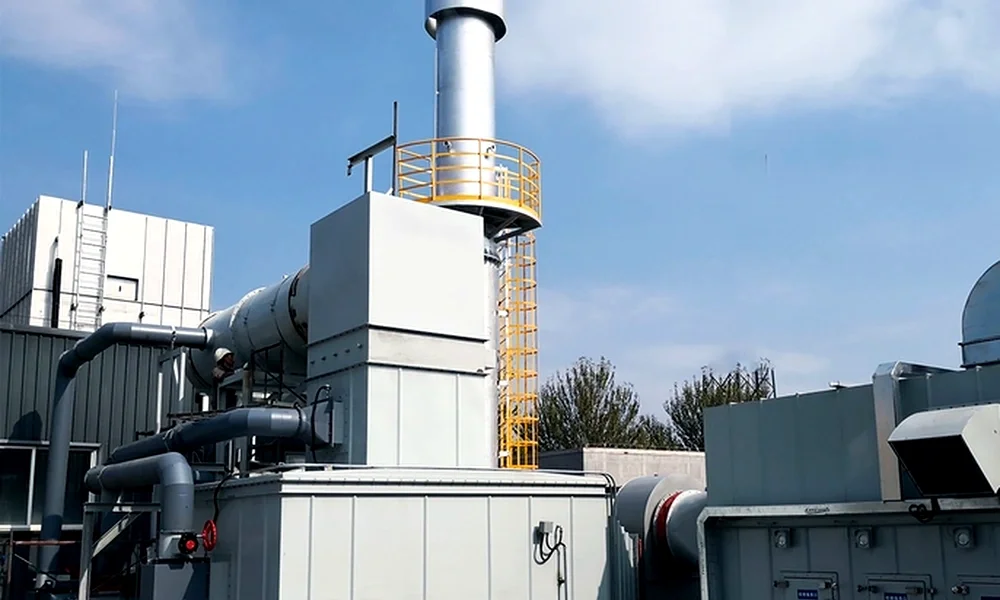
Key Advantages of Electrostatic Oil Fume Purifiers
When I design industrial air pollution control systems at Soto Machinery, facility managers always ask what sets an electrostatic precipitator apart from traditional mechanical filters. In my experience, the value comes down to three practical advantages: capturing microscopic oil aerosols, slashing recurring consumable costs, and keeping your facility compliant with strict international emission standards.
High Filtration Efficiency for Sub-Micron Particles
Standard mechanical filters struggle with fine oil mist and smoke because tiny aerosol droplets pass right through coarse mesh fibers. An electrostatic precipitator uses a high-voltage electric field to charge and trap sub-micron particulate matter before it exits your exhaust stack.
- Targeted Oil Mist Collection: The ionization zone charges incoming oil droplets, pulling them firmly onto grounded collector plates regardless of how fine the mist is.
- Consistent Airflow: Because particles are captured on open plates rather than packed into dense filter media, your exhaust system maintains steady static pressure without choking fan performance.
- Custom Sizing for High-Volume Exhaust: We engineer every oil fume purification unit around your exact gas composition and air flow rate—scaling reliably for heavy industrial exhaust lines handling 30,000 to 50,000 m³/h.
Washable Collector Cells and Low Operating Costs
Disposable bag filters and HEPA cartridges turn into a massive recurring expense in high-grease or heavy machining environments. Once those media filters saturate with oil, you have to shut down the line, buy replacements, and pay for hazardous waste disposal.
- Reusable Metal Plates: Our collector cells are built from durable, washable metal plates. Instead of throwing clogged filters away, your maintenance team simply removes the cells, washes off the accumulated oil, and puts them back into service.
- Factory-Direct Value: Because we manufacture our units directly at our ISO 9001 certified facility in Qingdao without middlemen, you save up to 30% on upfront equipment costs while keeping long-term operating expenses low.
- Durable Service Life: Each unit undergoes factory testing before shipment and comes backed by a 12-month warranty and ready access to spare parts.
Environmental Compliance and Workplace Air Safety
Uncontrolled oil fumes create serious hazards—coating shop floors in slippery residue, triggering fire risks in ductwork, and exposing workers to airborne particulates. Worse, visible exhaust smoke can lead to regulatory fines or forced shutdowns.
- Meeting International Emission Standards: Our CE-marked oil fume purification units are engineered to meet strict local and international discharge limits, eliminating visible smoke and grease buildup at the outlet.
- Cleaner Indoor Air Quality: Capturing oil mist at the source stops pollutants from drifting back into your workspace, protecting both your operators and sensitive production machinery.
- Complete Facility Pollution Control: While our oil fume purifiers handle airborne emissions, many food processing and manufacturing facilities also rely on our broader environmental systems—such as our https://www.soto-epmachinery.com/livestock-farm-wastewater-https://www.soto-epmachinery.com/livestock-farm-wastewater-treatment-for-compliance-standards/”>livestock farm wastewater treatment for compliance standards—to keep their entire plant compliant across both air and water discharge.
Types of Industrial and Commercial ESP Systems
Every facility produces a different mix of smoke, grease, and vapor. At Soto Machinery, we engineer and manufacture custom https://www.soto-epmachinery.com/waste-gas-treatment-industrial-air-https://www.soto-epmachinery.com/waste-gas-treatment-industrial-air-pollution-control-guide/”>industrial air pollution control systems directly at our ISO 9001 certified Qingdao factory, matching the exact equipment design to your exhaust airflow and discharge standards.
Industrial Oil Mist and Fume Collectors
Heavy manufacturing plants rely on dedicated oil mist collection units to capture thick aerosolized coolants and lubricants straight from the source.
- Heavy-Duty Construction: Built to handle continuous airflows—comparable to our 30,000 to 50,000 m³/h industrial waste gas projects—without stalling production.
- High-Voltage Electric Field: Uses reinforced ionizer wires and heavy-gauge collector plates to strip dense oil droplets from factory exhaust before they coat ductwork or exit the stack.
- Direct Oil Recovery: Captured liquid drains cleanly into collection sumps, keeping your shop floor safe and compliant with international emission standards.
Commercial Kitchen Exhaust ESP Units and Hoods
Large-scale food processing lines and commercial kitchens generate heavy grease smoke that standard baffle filters simply let pass through. Our CE-marked Oil Fume Purification Unit targets these sticky cooking aerosols before they become a fire hazard or trigger neighborhood odor complaints.
- Compact Duct Integration: Designed to fit inline with existing exhaust hoods and ductwork without major structural changes.
- Sub-Micron Grease Capture: Traps fine smoke particles that cause visible exhaust plumes.
- Easy Maintenance Access: Slide-out collector cells let kitchen and facility crews wash away built-up grease quickly during scheduled downtime.
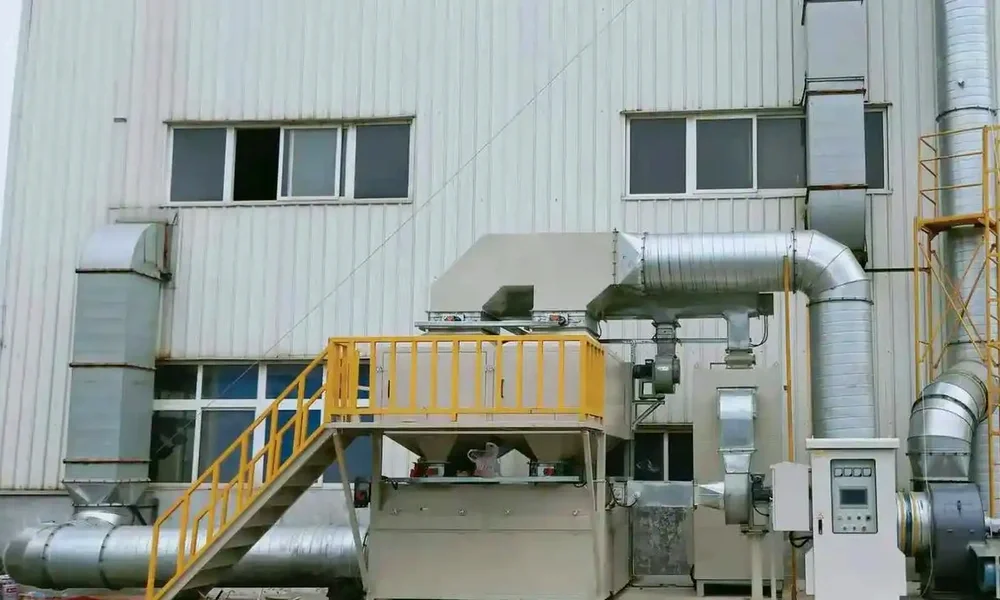
Integrated Multi-Stage Pollution Control Units (PCUs)
When your exhaust stream carries volatile organic compounds (VOCs), chemical vapors, or stubborn odors alongside oil smoke, a single electrostatic precipitator isn’t enough. We build custom multi-stage systems that pair electrostatic particulate matter removal with secondary gas-phase treatment based on your exact https://www.soto-epmachinery.com/https://www.soto-epmachinery.com/industrial-off-gas-treatment-systems-standards-and-sizing/”>off-gas treatment standards and sizing requirements.
| System Stage | Equipment Module | Target Pollutant |
|---|---|---|
| Primary Filtration | Oil Fume Purification Unit (ESP) | Heavy oil mist, grease aerosols, and visible smoke |
| Odor & Gas Breakdown | UV Photolysis Waste Gas Purifier | Complex organic odor molecules and grease vapors |
| Polishing | Activated Carbon Adsorption Unit | Residual VOCs and trace fumes for strict discharge compliance |
By combining these modules into one unified system, we eliminate the middlemen and deliver factory-tested, turnkey compliance tailored to your facility’s exact gas composition.
Primary Industrial and Commercial Applications
At Soto Machinery, we custom-engineer every industrial oil fume purifier to match the exact airflow rates, pollutant loads, and local discharge standards of your facility. Across global manufacturing and commercial sectors, our electrostatic precipitation systems serve as the core air pollution control solution wherever heat, friction, or chemical processing generates airborne oil mist and smoke.
CNC Machining, Metalworking, and Welding
High-speed cutting, grinding, and stamping operations vaporize metalworking fluids into dense, sub-micron oil mist. Without proper industrial air filtration, this mist coats sensitive machine electronics, creates slippery floor hazards, and exposes machinists to respiratory risks.
- CNC Lathes and Milling Centers: Our units capture neat oil and water-soluble coolant mist directly at the machine enclosure, keeping shop air clear and preventing residue buildup on factory ceilings.
- Heat Treatment and Quenching: Oil quenching baths release thick, smoky plumes that require high-efficiency particulate matter removal before exhaust air leaves the building.
- Welding and Metal Finishing: Fume extraction setups pull oily welding smoke through charged collector cells, protecting worker breathing zones and helping facilities meet strict international workplace air regulations.
- Surface Preparation Lines: Metalworking plants managing both exhaust and liquid discharge often integrate air scrubbers alongside dedicated steel pickling and phosphating wastewater treatment to maintain complete plant-wide environmental compliance.
Food Manufacturing and Commercial Kitchens
Large-scale food processing plants and high-volume commercial kitchen exhaust systems generate heavy grease aerosols, cooking smoke, and persistent odors. Standard baffle filters only trap large droplets, allowing fine smoke particles to coat ductwork and trigger fire hazards or neighborhood odor complaints.
- Industrial Frying and Roasting: Continuous snack, meat, and poultry frying lines produce dense lipid fumes. Our electrostatic precipitator systems trap fine grease droplets before they reach exhaust fans, drastically reducing duct cleaning frequency and fire risks.
- Commercial Kitchens and Hotel Exhaust: For restaurants and institutional kitchens in dense urban areas, we pair oil fume units with activated carbon or UV photolysis stages to eliminate both visible smoke and cooking odors at the discharge point.
Automotive, Electronics, and Heavy Engineering
Precision manufacturing relies on clean indoor air to protect both product quality and automated production lines. In automotive parts plants and heavy engineering workshops, die-casting, forging, and rubber vulcanization release complex mixtures of oil vapor and plasticizers.
- Automotive Component Production: Engine machining, transmission assembly, and die-casting lines depend on continuous oil mist collection to keep automated sensors and robotics free from oily film.
- Electronics and Component Finishing: Soldering and precision coating processes require cleanroom-adjacent air quality, alongside specialized https://www.soto-epmachinery.com/electrohttps://www.soto-epmachinery.com/electroplating-wastewater-treatment-methods-and-solutions/”>electroplating wastewater treatment methods and solutions for metal finishing facilities.
- Heavy Machinery and Textile Processing: Stenter frames in textile mills and heavy hydraulic testing rigs generate persistent oil smoke that our custom-sized units capture reliably under continuous 24/7 operation.
Electrostatic Precipitators vs. Other Air Filtration Technologies
Choosing the right air pollution control unit comes down to the particle size of your exhaust, your airflow volume, and your ongoing maintenance budget. While our factory engineers custom solutions across multiple filtration categories, an electrostatic precipitator (ESP) handles fine oil mist and smoke differently than mechanical alternatives.
| Filtration Technology | Best Particle Target | Pressure Drop | Maintenance Approach |
|---|---|---|---|
| Electrostatic Precipitator (ESP) | Sub-micron oil mist, grease, and smoke | Low (consistent airflow) | Washable aluminum/steel collector plates |
| Centrifugal Mist Collector | Larger liquid coolant droplets | Moderate | Periodic rotor cleaning and draining |
| Media & HEPA Filters | Dry dust and fine solid particulates | High (increases as filters clog) | Frequent disposable filter replacements |
Electrostatic Precipitation vs. Centrifugal Mist Collectors
Centrifugal collectors use high-speed spinning drums to fling heavy liquid droplets out of the airstream. They work well for wet machining coolant, but they struggle when thermal processes turn oil into fine smoke.
- Sub-Micron Capture: An ESP uses a high-voltage electric field to charge and trap microscopic smoke particles that pass right through a centrifugal rotor.
- Lower Fan Power: Because collector plates sit parallel to the airflow, an electrostatic oil fume purifier creates minimal air resistance, keeping exhaust fan energy costs down on high-volume lines.
- Oil Recovery: Collected oil drains cleanly off the plates into a sump, whereas centrifugal units can gum up if sticky grease or heavy cooking residues are present.
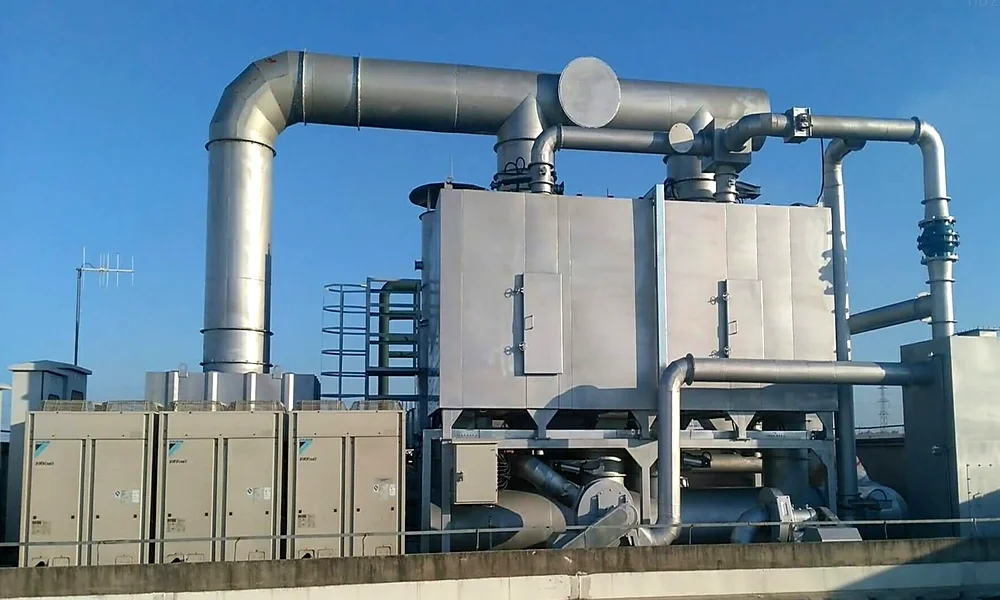
Electrostatic Precipitation vs. Media and HEPA Filters
Disposable media pads and HEPA filters trap particulates physically inside dense fiber mats. In heavy oil fume applications, those fibers saturate quickly.
- No Recurring Filter Costs: Sticky oil mist blinds standard media and HEPA elements rapidly, forcing constant shutdowns and expensive replacements. With an ESP, you simply wash and reuse the metal collector cells.
- Steady Airflow Capacity: As media filters load up with grease, static pressure climbs and chokes off your exhaust hood pull. An ESP maintains steady airflow between wash cycles.
- Multi-Stage Flexibility: We often pair an electrostatic oil fume unit with downstream gas-phase modules—such as activated carbon beds or a https://www.soto-epmachinery.com/lab-scale-small-airflow-uv-photolysis-unit-designhttps://www.soto-epmachinery.com/lab-scale-small-airflow-uv-photolysis-unit-design-guide/”>small-airflow UV photolysis unit—when a facility needs to strip out both sticky particulates and lingering volatile odors without clogging expensive media.
How to Select and Maintain an Industrial Oil Fume Purifier
Choosing and maintaining the right exhaust filtration equipment keeps your facility compliant with international emission standards and prevents unexpected production downtime. At Soto Machinery, we engineer each https://www.soto-epmachinery.com/waste-gas-treatment/https://www.soto-epmachinery.com/waste-gas-treatment/oil-fume-purification-unit/”>industrial oil fume purification unit around your actual operating conditions rather than relying on one-size-fits-all sizing.
Key Selection Factors: Airflow Capacity, Efficiency Rating, and System Cost
Before requesting a quote or finalizing an air pollution control layout, our engineering team evaluates four practical parameters to match the electrostatic precipitator to your exhaust line:
- Airflow Capacity (m³/h): We calculate total exhaust volume based on hood dimensions, ducting, and process output. Across our waste gas portfolio, industrial systems scale from compact production lines up to 30,000–50,000 m³/h installations for heavy manufacturing.
- Gas Composition and Concentration: Inlet particulate load, oil viscosity, and exhaust temperature determine whether a standalone collector suffices or if you need multi-stage treatment with activated carbon adsorption, UV photolysis, or a wet scrubber tower for odor and VOC control.
- Target Efficiency Rating: Local discharge regulations dictate required particulate matter removal and outlet concentration limits. Every unit undergoes factory testing prior to shipment to verify performance against your compliance targets.
- Total System Cost and Lead Time: Working directly with our Qingdao manufacturing facility eliminates middleman markups, saving up to 30% on capital expenditure. Standard units ship within 15–30 days, while custom-engineered systems take 30–60 days.
| Selection Factor | What We Evaluate | Soto Machinery Standard |
|---|---|---|
| Exhaust Volume | Hood capture velocity and total duct flow | Custom-sized to exact m³/h requirements |
| Emission Standards | Inlet/outlet oil mist and odor thresholds | ISO 9001 & CE-certified compliance |
| Project Budget | Equipment cost without distributor fees | Factory-direct pricing (up to 30% savings) |
| Delivery Schedule | Standard vs. tailored system builds | 15–30 days standard; 30–60 days custom |
Routine Maintenance, Cell Cleaning, and Spare Parts
Consistent upkeep keeps the high-voltage electric field stable and prevents oil buildup from reducing collection efficiency. Because electrostatic precipitators use washable aluminum or stainless-steel collector plates instead of disposable media, ongoing operating costs remain low when you follow a simple maintenance schedule:
- Clean Collector Cells Regularly: Remove and wash the ionization zone and collector plates using an alkaline degreasing solution once oil accumulation reaches manufacturer limits. Allow the cells to dry completely before restoring high-voltage power to avoid arcing.
- Inspect Ionizer Wires and Insulators: Check tungsten or stainless-steel ionizer wires for sagging, breakage, or carbon deposits during every wash cycle, and wipe ceramic insulators clean to maintain electrical isolation.
- Empty Oil Drainage Trays: Drain collected oil from the bottom sump regularly so recovered oil does not overflow or re-entrain into the clean airflow.
- Keep Critical Spare Parts on Hand: Stock replacement ionizer wires, ceramic insulators, and high-voltage power supply components to prevent extended downtime. We back every system with a 12-month warranty, direct spare parts supply, operator training, and 24/7 technical support.