Environmental protection equipment supplier

Vivarium Exhaust Scrubber Design for Odor Control India
Are you struggling to eliminate stubborn ammonia emissions and hazardous vapors from your research facility?
In biomedical research, air quality isn’t just about workplace comfort—it is a critical requirement for animal welfare, biosafety, and regulatory compliance.
Designing an effective exhaust system can mean the difference between seamless operations and costly environmental non-compliance penalties.
In this practical guide, you’ll learn the proven strategies behind effective lab animal facility odor control in India and modern vivarium exhaust scrubber design. From sizing calculations and corrosion-resistant materials to wet vs. dry chemical scrubbing and HVAC integration, we’ve broken down everything you need to build a clean, compliant vivarium.
Let’s dive right in.
Introduction to Lab Animal Facility Odor Control
The Importance of Odor Control in Vivarium Environments
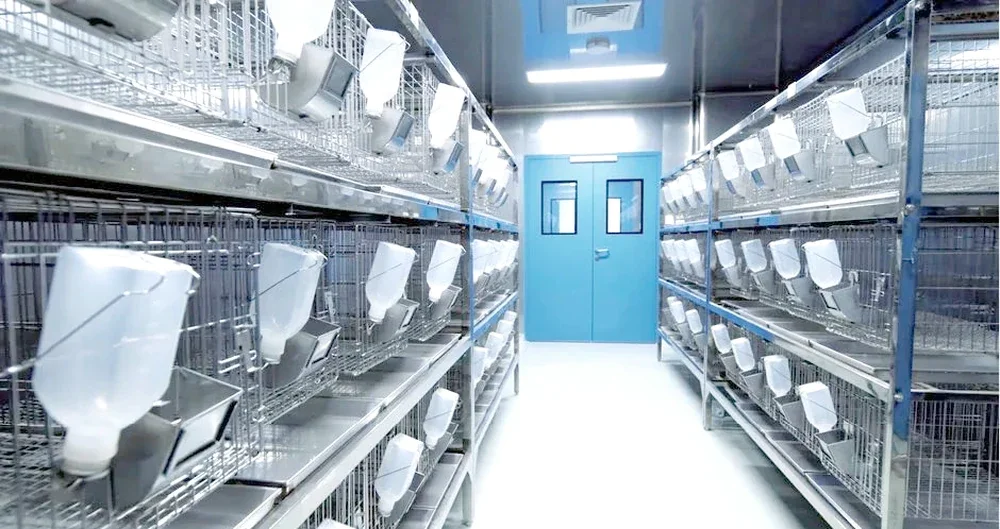
Maintaining precise odor control is critical to the operational integrity of any laboratory animal facility. Beyond simple comfort, effective air management ensures the health of animal models and the well-being of research staff. In high-density vivarium settings, volatile compounds can compromise experiment outcomes if not properly extracted. A robust exhaust strategy prevents the cross-contamination of air, maintains proper pressure zone design, and fosters a safe, professional environment that meets the rigorous demands of modern biomedical research.
Key Sources of Odor and Emissions in Lab Animal Facilities
The primary challenge in vivarium exhaust management stems from the high concentration of specific metabolic byproducts and maintenance-related emissions. Key contributors to the facility’s air load include:
Ammonia (NH3): Primarily generated from urine degradation within bedding and IVC rack systems.
Volatile Organic Compounds (VOCs): Resulting from animal waste, bedding materials, and cage cleaning processes.
Biological Particulates: Airborne dander and pathogens released during cage changing or animal handling.
Hydrogen Sulfide (H2S): Often associated with waste decomposition in larger facility holding areas.
Managing these sources requires advanced ventilation solutions, including strategic fume extraction at the source—such as near refuse workstations and cage wash areas—to prevent the buildup of stagnant, odorous air.
Regulatory and Air Quality Standards for Vivariums in India
Operating a vivarium in India requires strict adherence to national and international benchmarks to ensure environmental compliance. Facilities must navigate the complex intersection of:
CCSEA Guidelines: Ensuring that laboratory environments meet the specific welfare and housing standards for experimental animals.
CPCB/SPCB Norms: Complying with Central and State Pollution Control Board directives regarding the discharge of exhaust gases into the surrounding environment.
International Best Practices: Aligning with AAALAC standards to maintain the global quality of research data.
Effective facility design must integrate reliable gas phase filtration and exhaust scrubbing technologies to satisfy these regulatory bodies while proving that the facility operates with minimal environmental impact. Balancing HVAC performance with energy-efficient exhaust scrubbing is essential for long-term facility sustainability.
Understanding Vivarium Exhaust Scrubber Technology
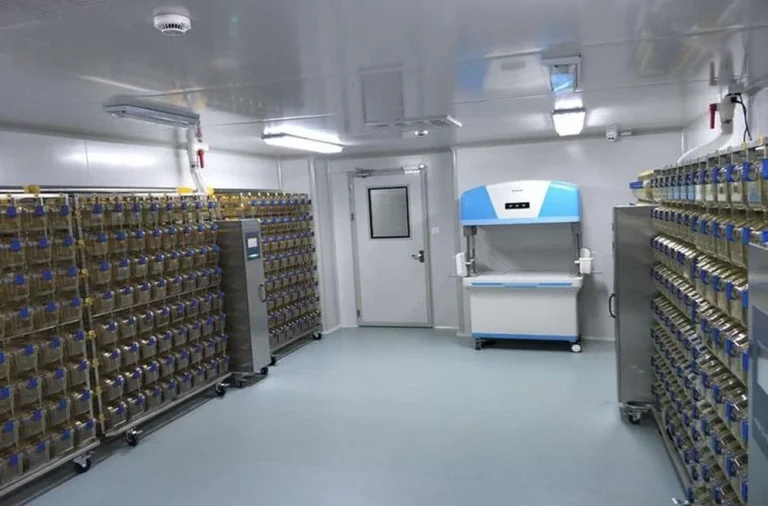
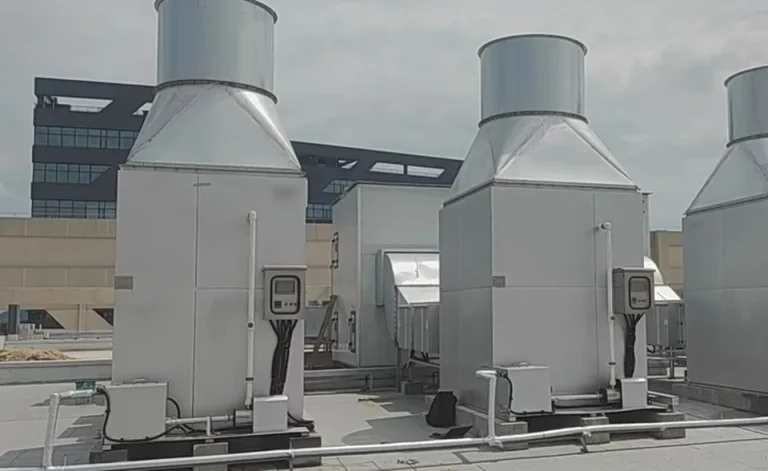
Managing air quality in animal research labs requires targeted engineering to neutralize continuous biogenic emissions. When designing an effective system for lab animal facility odor control in India: vivarium exhaust scrubber design, we focus on capturing gaseous contaminants before the exhaust stream ever reaches the outdoors. Animal holding rooms, cage changing stations, and wash areas generate high air volumes loaded with moisture, particulates, and pungent off-gases that basic dilution ventilation cannot solve alone.
How Exhaust Scrubbers Eliminate Animal Facility Odors
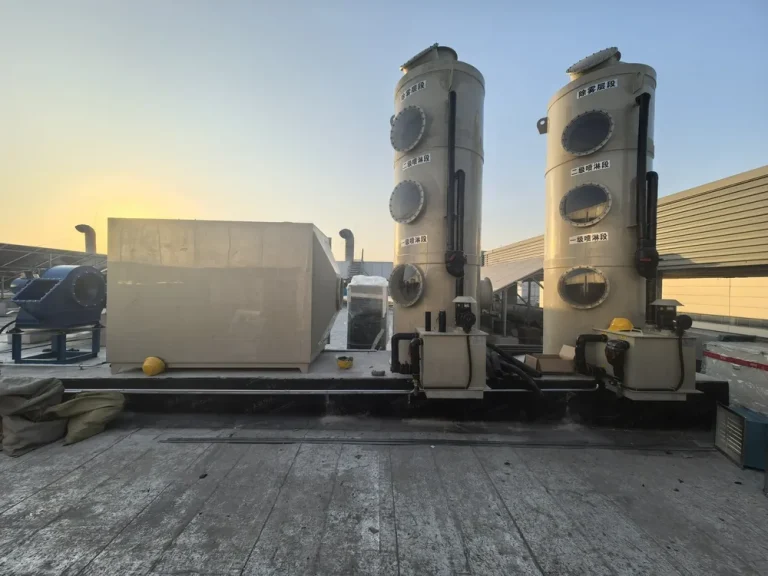
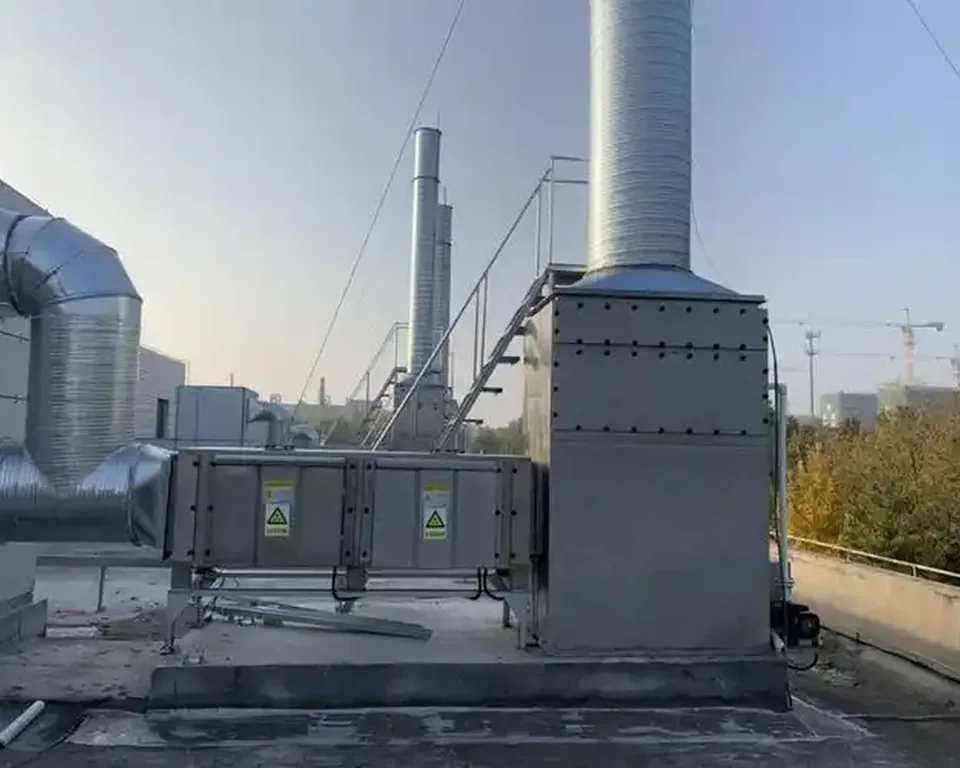
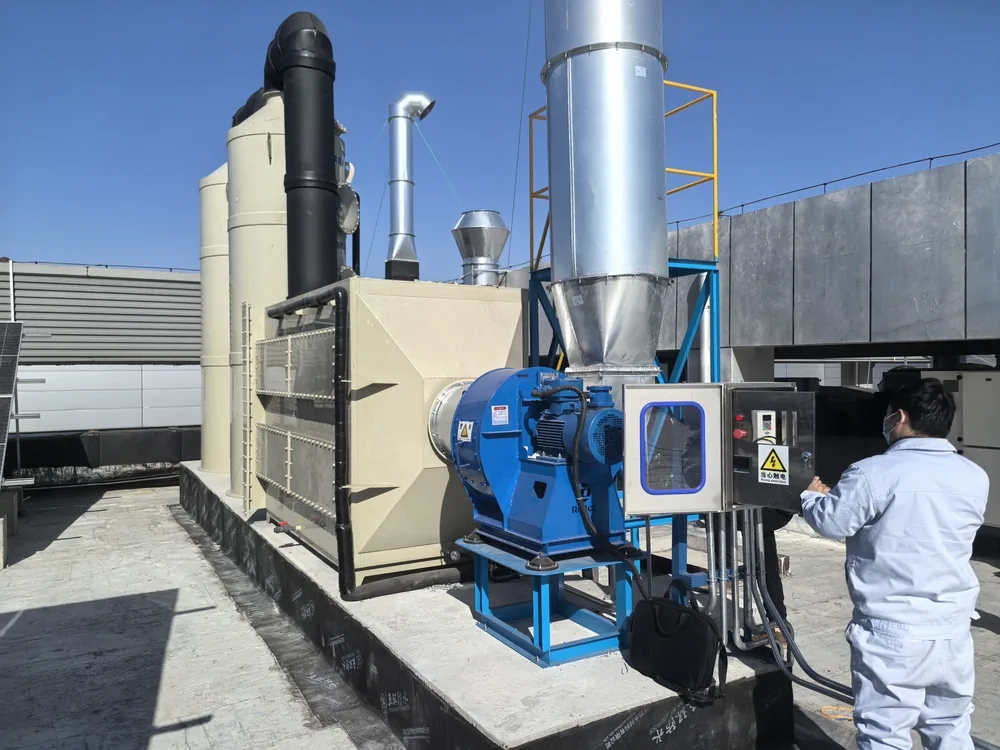
Vivarium exhaust scrubbers capture and neutralize volatile compounds generated by animal urine, feces, and bedding decomposition. The main odor culprits include ammonia, methylamines, and sulfur compounds. An engineered animal room exhaust scrubber pulls contaminated air through a high-surface-area packed bed where the gas makes direct contact with a circulating scrubbing solution.
The process relies on three primary steps:
Gas Absorption: Contaminated air enters the lower plenum and moves counter-currently through packed media, transferring target gases from the air stream into the liquid film.
Chemical Neutralization: For basic compounds like ammonia, an acidic chemical wash neutralizes the gas into stable, non-volatile salts.
Mist Elimination: Clean air passes through a high-efficiency droplet separator to strip entrained liquid before discharging outside.
Wet Scrubbers vs. Dry Chemical Media Scrubbers
Selecting the right configuration depends on airflow volume, contaminant concentration, and local site conditions. Both approaches offer unique advantages for research facilities exploring proven methods for deodorizing exhaust air from animal facilities.
| Feature | Wet Scrubber Systems | Dry Chemical Media Scrubbers |
|---|---|---|
| Primary Mechanism | Gas-liquid mass transfer and chemical reaction | Chemisorption and physical gas phase filtration |
| Best Airflow Profile | High continuous airflow with elevated ammonia levels | Variable airflow with trace VOCs and low moisture |
| Operating Cost Profile | Continuous chemical dosing and water blowdown | Periodic media replacement and disposal |
| Humid Climate Resilience | Highly stable in high ambient humidity | Requires dehumidification to prevent media blinding |
| System Footprint | Vertical or cross-flow tower with dosing skids | Modular media banks within fan housing |
Wet scrubbers deliver continuous operation without pressure drop spikes caused by saturated dry media, making them exceptionally reliable for primary vivarium exhaust stacks. For lower air volumes or localized containment, dry scrubbing using targeted chemical media provides a low-maintenance alternative.
Role of HEPA and Carbon Filtration in Vivarium Exhaust Systems
Scrubber systems work best as part of a multi-stage air filtration train. Raw vivarium exhaust contains animal dander, hair, and dust from bedding materials. If these particulates enter a chemical scrubber or dry adsorption bed, they foul the packing media and create bacterial sludge.
We integrate upstream filtration to preserve system performance:
Pre-Filters (MERV 8 to 14): Capture coarse dust, hair, and bulk particulate matter straight from the exhaust ducts.
HEPA Filter Stages: Positioned before sensitive treatment zones to eliminate fine biological aerosols, animal dander, and pathogens at 99.97% efficiency.
Activated Carbon Polishing: Virgin or impregnated activated carbon acts as a downstream polishing step, removing residual organic odors and trace volatile compounds before atmospheric dispersion.
This multi-barrier design protects equipment life, keeps differential pressure stable, and ensures absolute odor destruction across all facility operating modes.
Key Design Considerations for Vivarium Exhaust Scrubbers
Airflow Dynamics and Exhaust Hood Integration
Effective odor control starts with how we capture emissions at the source. In a vivarium, exhaust hood integration must ensure consistent negative pressure without compromising animal welfare or airflow patterns within IVC racks. We design systems that balance high-volume air extraction with the precise pressure zone design required to prevent cross-contamination. By utilizing advanced methods for odor control in laboratory animal facilities, we ensure that exhaust air is captured efficiently, directing pollutants toward the scrubber unit while maintaining a stable environment for sensitive research subjects.
Corrosion-Resistant Materials for High-Ammonia Exhaust
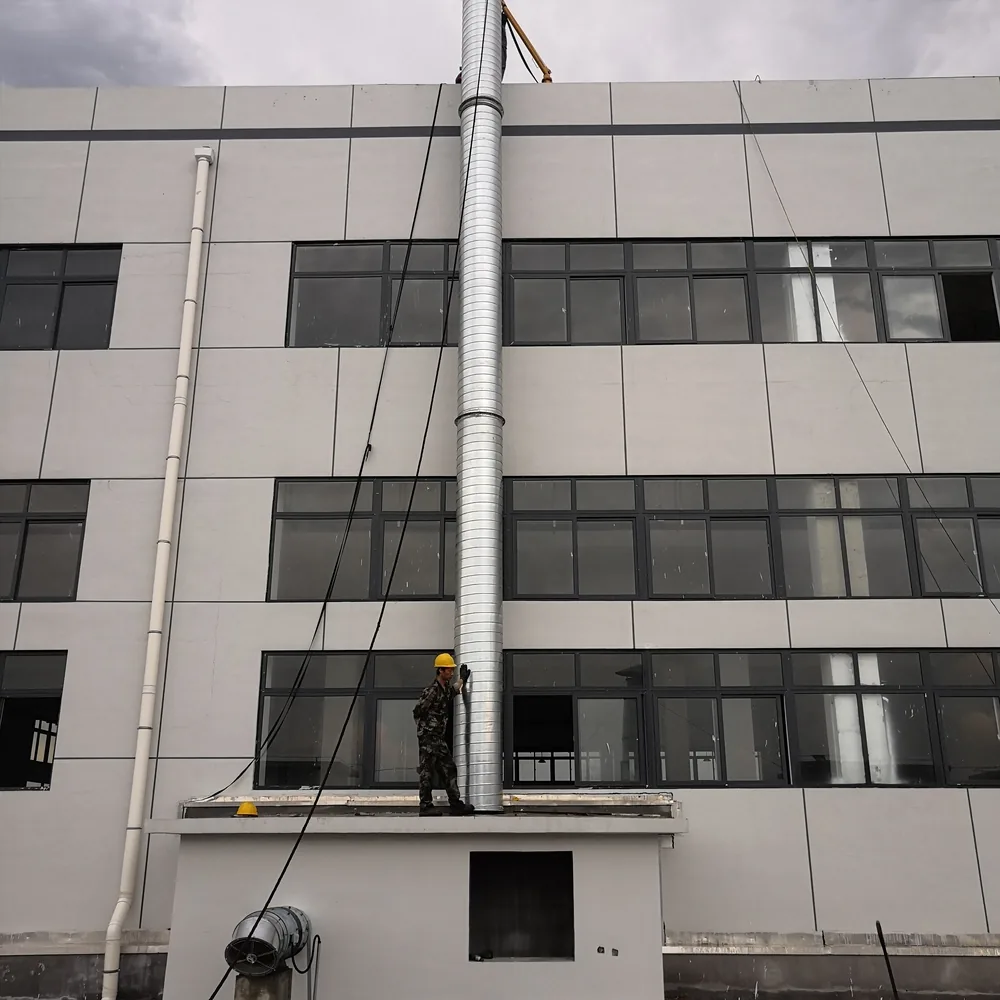
High concentrations of ammonia from animal bedding and urine create a harsh, corrosive environment that can rapidly degrade standard ductwork and equipment. To ensure the longevity of our installations, we exclusively use high-grade, corrosion-resistant materials. Polypropylene (PP) and Fiber Reinforced Plastic (FRP) are our preferred choices, as they offer superior resistance to the chemical breakdown typically caused by consistent ammonia exposure and moisture-laden air. These materials are essential for maintaining structural integrity and preventing leaks in the exhaust pathway, which is a critical aspect of reliable equipment for animal facility odor control.
Sizing and Capacity Calculation for Indian Lab Facilities
Proper sizing of an exhaust scrubber is not a one-size-fits-all process. In the Indian climate, where humidity and temperature fluctuations can influence air density and odor concentration, we calculate capacity based on the specific animal density and room turnover rates of the facility. Key factors include:
Total Airflow Volume (CFM/CMH): Accurate mapping of the entire vivarium exhaust footprint.
Pollutant Load Estimates: Calculating expected ammonia and VOC concentrations based on housing type.
Redundancy Requirements: Planning for system uptime during maintenance cycles.
Spatial Constraints: Designing for the footprint limitations often found in urban or retrofitted laboratory buildings.
We prioritize energy-efficient designs that reduce parasitic fan loads while ensuring the system handles peak loading during cage cleaning operations, ensuring full regulatory compliance across all Indian research environments.
Scrubber System Integration for Animal Research Facilities
Integration with HVAC and Containment Systems
Seamless integration between the exhaust scrubber and the facility’s HVAC system is critical for maintaining consistent pressure zones. Our systems utilize automated control loops to ensure that exhaust flow rates adjust in tandem with vivarium supply air, preventing the loss of negative pressure which is vital for bio-containment. When designing industrial off-gas treatment systems standards and sizing, we prioritize compatibility with existing building management systems (BMS) to ensure real-time monitoring of airflow, humidity, and chemical dosing levels.
Cage Wash Area and Refuse Workstation Odor Extraction
The cage wash area is often the most concentrated source of ammonia and moisture in a laboratory animal facility. Effective odor extraction requires localized capture through high-velocity hoods positioned directly over refuse workstations and pass-through washers. By implementing specialized ducting that leads directly into the scrubbing unit, we prevent airborne contaminants from migrating to clean corridors. Addressing the analysis of challenges in odor control for laboratory animal facilities in biotechnology companies helps operators identify specific high-risk zones that require reinforced extraction and dedicated filtration stages to neutralize odor at the source.
Bio-Safety and Hazardous Gas Contaminant Handling
Handling hazardous gases and biological particulates requires a multi-stage approach to exhaust filtration. Our integration strategies include:
Pre-filtration: Capturing large particulates and dust from bedding before they reach the chemical media.
Chemical Scrubbing: Neutralizing volatile amines and ammonia through controlled pH wash stages.
Redundant Filtration: Utilizing secondary HEPA or activated carbon stages to ensure air discharged into the environment meets strict biosafety guidelines.
This tiered approach guarantees that all exhaust—whether from routine animal housing or specialized experimental zones—is thoroughly processed before being released, protecting both the facility personnel and the surrounding environment.
Maintenance, Compliance, and Best Practices in India
Maintaining a vivarium exhaust system takes more than just turning on the fans. When managing lab animal facility odor control in India: vivarium exhaust scrubber design must account for the country’s unique tropical climate, high ambient dust loads, and fluctuating monsoon humidity. We engineer our exhaust systems to ensure uptime, protect animal wellbeing, and keep facility perimeters completely odor-free.
Routine Maintenance and Scrubbing Media Replacement
Preventive servicing keeps scrubbers running smoothly without losing negative pressure across sensitive animal housing areas.
- Monitoring Pressure Drop: We track differential pressure across mist eliminators, packings, and pre-filters weekly. A sudden climb points to biological film or particulate buildup.
- Chemical Dosing & Sensor Calibration: For wet scrubbers, automated dosing tanks require continuous monitoring. We calibrate pH and ORP probes monthly to ensure precise neutralization of ammonia and amine compounds.
- Dry Media Lifecycle: If your unit utilizes dry scrubbing with impregnated activated carbon or gas phase filtration pellets, continuous volatile organic compound (VOC) breakthrough checks are essential. We recommend bed sampling every 90 days to prevent saturated media from re-releasing odors.
- Nozzle Inspection & Descaling: In many Indian municipal industrial zones, hard water can clog spray nozzles. Inspecting spray headers and scheduling descaling runs prevents channeling inside packed columns.
For facilities looking to establish full operational benchmarks, our comprehensive laboratory environmental protection and odor control guide breaks down chemical dosing regimes and air filtration upkeep protocols.
Ensuring Biosafety and Environmental Compliance in Indian Vivariums
Indian biomedical research facilities and pharmaceutical hubs face strict regulatory oversight. Operational compliance involves aligning HVAC engineering with national and global mandates:
| Regulatory Body / Standard | Key Mandate Focus | Operational Requirement |
|---|---|---|
| CCSEA Guidelines | Animal welfare & indoor environmental stability | Constant ventilation rate, zero cross-contamination, and strict ammonia mitigation (< 15 ppm). |
| CPCB / SPCB Norms | Boundary air quality and industrial emissions | Zero odor nuisance at the property line, acidic/basic vapor abatement, and safe effluent neutralization. |
| AAALAC Standards | Global accreditation for lab animal facilities | Robust secondary containment, verified pressure zone design, and certified emergency exhaust handling. |
We design vivarium exhaust scrubbers to pair directly with upstream HEPA filter banks. This arrangement traps airborne pathogens, hair, and dander before exhaust streams hit the scrubbing chemistry, ensuring your facility complies with both biosafety standards and clean air regulations.
Selecting the Right Vivarium Scrubber Manufacturer in India
Choosing an equipment partner requires looking beyond generic industrial air washers. A specialized vivarium setup demands targeted design parameters:
- Material Compatibility: High-density ammonia streams easily corrode inferior plastics. We build our equipment using premium, UV-treated polypropylene (PP) and fiberglass-reinforced plastic (FRP) composites that handle heavy chemical exposure and intense sun.
- Direct Integration Capabilities: Ensure your manufacturer understands how to tie scrubber controls directly into the building management system (BMS), biosafety cabinets, and individual IVC rack integration setups.
- Local After-Sales Support: Fast access to replacement chemical pumps, mist eliminators, and genuine filtration media across Indian bio-clusters (such as Bengaluru, Hyderabad, Pune, and Ahmedabad) prevents unplanned downtime.
- Turnkey Engineering: Look for teams that handle airflow calculation, duct layout, wet and dry gas abatement, and wastewater effluent discharge compatibility in one cohesive package.