Environmental protection equipment supplier

Steel Pickling and Phosphating Wastewater Treatment
Sources and Characteristics of Pickling and Phosphating Wastewater
Industrial steel finishing relies heavily on surface treatment processes, primarily pickling and phosphating, to prepare components for coating and corrosion resistance. These processes generate complex wastewater streams that require specialized handling to meet environmental standards. Understanding the chemical profile of these effluents is the first step toward implementing an effective wastewater treatment plant.
Composition of Steel Pickling Wastewater
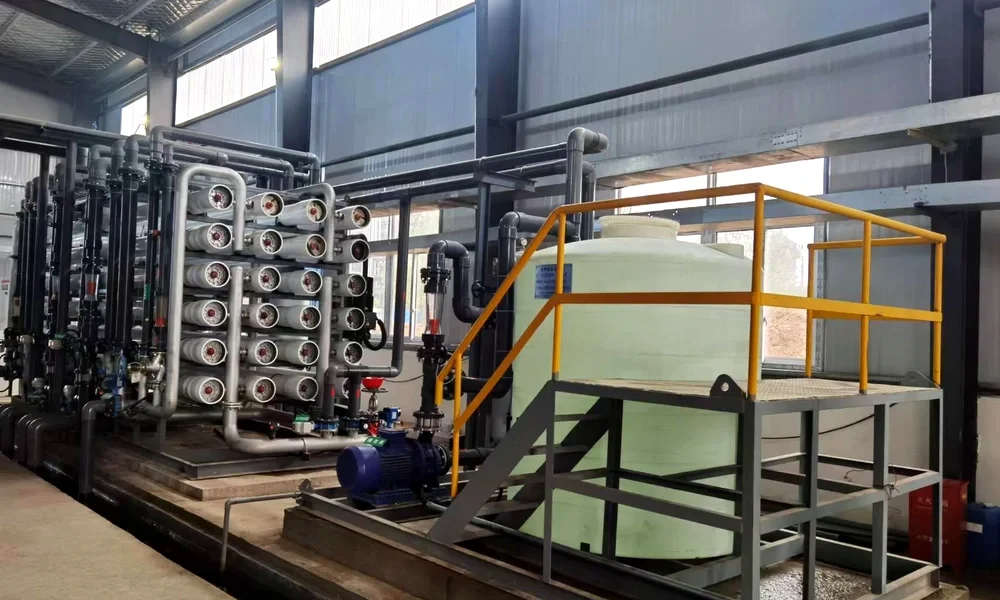
Pickling is the process of removing rust, scale, and oxides from steel surfaces using strong acid baths, typically hydrochloric acid (HCl) or sulfuric acid (H2SO4). The resulting wastewater is characterized by:
- Low pH: Highly acidic conditions requiring substantial chemical neutralization.
- High Metal Load: Significant concentrations of dissolved ferrous (Fe2+) and ferric (Fe3+) ions.
- Contaminant Carryover: Residual pickling agents and additives that contribute to the overall toxicity of the discharge.
Characteristics of Phosphating Rinse and Degreasing Effluent
Following pickling, parts undergo degreasing and phosphating to create a conversion coating. This stage introduces different pollutants compared to the initial acid wash:
- Phosphate Ions: High concentrations of PO4-3, which are major contributors to water body eutrophication.
- Heavy Metal Content: Depending on the bath chemistry, effluents often contain zinc, nickel, or manganese ions used to improve the crystalline structure of the coating.
- Organic Load: Degreasing stages contribute surfactants, oils, and grease, often resulting in wastewater containing emulsions that complicate separation processes.
Key Pollutants: Acidity, Heavy Metals, and Phosphates
The primary challenges in managing pickling and phosphating wastewater stem from the combination of extreme acidity and the presence of persistent inorganic pollutants.
- Acidity: Uncontrolled acidic discharge can severely damage municipal sewer infrastructure and aquatic ecosystems.
- Heavy Metals: Metals such as nickel, zinc, and iron must undergo rigorous heavy metal precipitation to ensure they do not bioaccumulate in the environment.
- Phosphates: These require targeted phosphate removal protocols to prevent the over-enrichment of nitrogen and phosphorus in receiving water bodies, which leads to harmful algal blooms.
Effective treatment of this effluent requires a systematic approach, ensuring that pH adjustment, metal precipitation, and phosphorus removal are balanced to achieve high-quality discharge compliance.
Environmental Impacts and Regulatory Discharge Standards
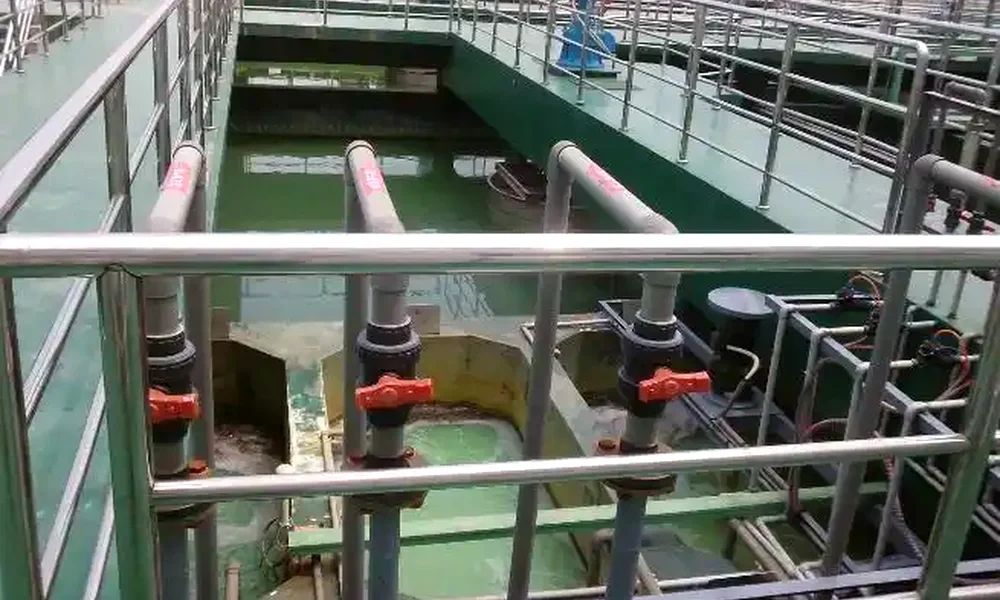
Untreated pickling and phosphating wastewater poses immediate threats to municipal sewer networks and natural water bodies. When finishing steel parts, the process wash streams carry high chemical loads that destroy local ecosystems if released without proper containment and treatment. Meeting legal discharge guidelines protects downstream waterways and prevents costly plant shutdowns.
Ecological Risks of Phosphate-Induced Eutrophication
Excess phosphate discharge is one of the fastest ways to trigger environmental collapse in receiving water bodies:
- Algal Blooms: High concentrations of dissolved phosphates act as an uncontrolled nutrient source, causing sudden algae blooms on lake and river surfaces.
- Oxygen Depletion: As these blooms die and decompose, dissolved oxygen levels plunge, suffocating aquatic wildlife and creating biological dead zones.
- Water Quality Degradation: Eutrophic conditions compromise local drinking water reservoirs, introducing foul odors, toxic microcystins, and elevated treatment burdens for municipal networks.
Implementing dedicated phosphate removal stages within your facility is essential to curb these destructive nutrient spikes.
Hazards of Heavy Metals and Low pH in Industrial Runoff
Spent acids from pickling tanks create corrosive, low-pH streams loaded with dissolved iron, zinc, nickel, and manganese.
- Corrosion of Public Infrastructure: Unneutralized acidic water eats through concrete sewer lines, destroys pumping stations, and upsets biological processes in municipal wastewater treatment plants.
- Heavy Metal Toxicity: Toxic metal ions do not break down over time. Instead, they accumulate in riverbeds, infiltrate soil, and move up the food chain.
- Groundwater Contamination: Acidic industrial runoff mobilizes metals, letting them seep directly into surrounding groundwater tables.
Applying targeted techniques for the treatment and reuse of heavy metal-laden wastewater allows us to neutralize acidic streams and achieve complete heavy metal precipitation before effluent leaves the factory floor.
National and International Effluent Compliance Limits
Regulatory bodies worldwide—including the US EPA, EU environmental agencies, and regional monitoring boards—enforce rigid discharge limits on metal finishing and surface-treatment plants:
| Parameter | Typical Direct Discharge Limits | Impact of Non-Compliance |
|---|---|---|
| pH Range | 6.0 – 9.0 | Rapid infrastructure corrosion and severe civil fines |
| Total Phosphorus (TP) | < 0.5 – 1.0 mg/L | Algal growth citations and permit revocations |
| Total Suspended Solids (TSS) | < 20 – 30 mg/L | Turbidity violations and downstream sedimentation |
| Zinc ($Zn^{2+}$) | < 1.0 – 2.0 mg/L | Acute aquatic toxicity penalties |
| Nickel ($Ni^{2+}$) | < 0.5 – 1.0 mg/L | Mandatory reporting under hazardous substance regulations |
| Total Iron ($Fe$) | < 2.0 – 3.0 mg/L | Visible discoloration of municipal discharge points |
Achieving these baseline thresholds requires an engineered wastewater treatment system capable of handling flow fluctuations while maintaining stable chemical dosing around the clock.
Primary Physicochemical Treatment Methods
Neutralization and pH Adjustment Systems
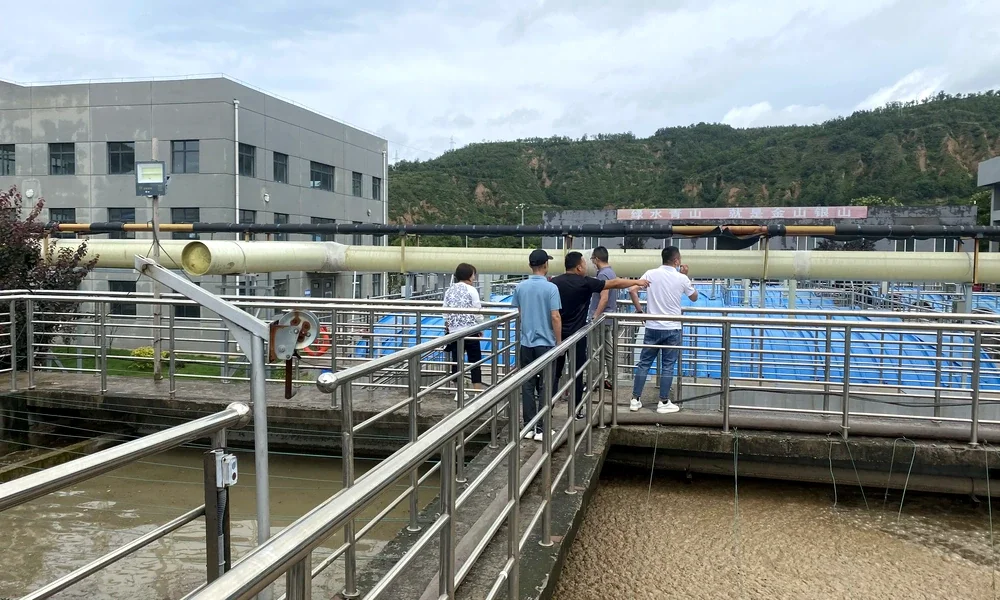
Effective management of pickling and phosphating wastewater starts with precise pH control. Because pickling baths rely on strong acids, the resulting effluent is highly acidic. We utilize automated neutralization systems that dose alkaline reagents, such as lime milk or sodium hydroxide, to bring the wastewater to a neutral range. This step is critical, as it prepares the water for subsequent treatment phases and ensures that the chemical environment is stable enough to prevent equipment corrosion and optimize the performance of downstream reagents.
Coagulation and Flocculation for Suspended Solids Removal
Once the pH is balanced, we focus on aggregating fine particles that remain suspended in the effluent. By introducing high-quality coagulants and polymer flocculants, we can destabilize colloidal particles and bind them into larger, heavier flocs. This process is essential for cleaning up process water, drawing parallels to the advanced methods used in electroplating wastewater treatment methods and solutions, where similar suspended matter must be removed to meet discharge standards. Efficient coagulation ensures that subsequent clarification stages work at maximum capacity.
Chemical Precipitation for Phosphate and Heavy Metal Removal
The removal of phosphates and dissolved heavy metals requires targeted chemical precipitation. To handle the high concentrations of these pollutants, we inject specific precipitating agents that convert soluble ions into insoluble mineral solids. For phosphate removal, calcium-based salts are often used to form stable precipitates, while heavy metal precipitation is achieved by targeting specific solubility products to lock away zinc, nickel, or iron. This physical-chemical approach ensures that the concentration of harmful residues is reduced significantly, allowing for a safer discharge or secondary treatment.
Advanced Separation and Clarification Technologies
Once chemical reactions convert dissolved metals and phosphates into solid particles, the next challenge in pickling and phosphating wastewater treatment is efficient solid-liquid separation. We use advanced separation and clarification units to strip heavy flocs, light oils, and residual particulates from the water stream, ensuring the effluent meets discharge standards or prepares for reuse.
Dissolved Air Flotation (DAF) Systems
Pickling and phosphating lines frequently carry residual oils, degreasing agents, and low-density chemical flocs that resist gravity settling. For these fractions, flotation outperforms traditional settling.
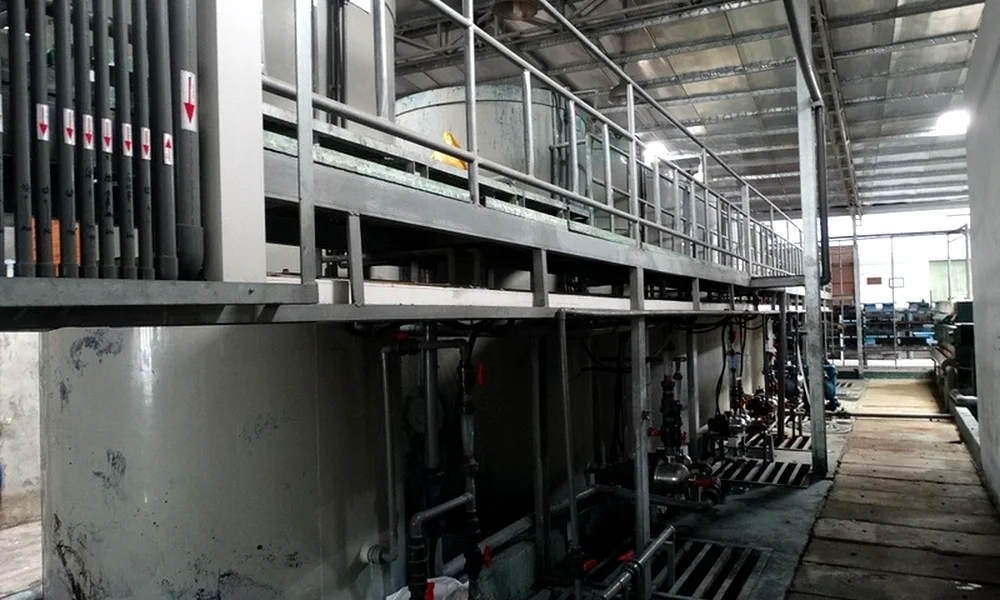
Our industrial dissolved air flotation machine introduces pressurized micro-bubbles into the wastewater stream. These bubbles attach directly to oily residues and precipitated phosphorus particles:
- High-efficiency buoyancy: Micro-bubbles elevate suspended solids and free oils rapidly to the surface.
- Surface skimming: Mechanical scraper blades skim off concentrated surface sludge into a collection hopper.
- Compact footprint: Flotation requires a fraction of the space needed for standard sedimentation basins while handling fluctuating hydraulic loads.
Lamella Clarifiers and High-Rate Sedimentation Tanks
Heavy metal hydroxides and calcium-phosphate compounds generate high-density flocs well-suited for gravity settling. We deploy lamella clarifiers and high-rate sedimentation tanks to accelerate this separation.
- Inclined plate design: By stacking inclined plates at a 55° to 60° angle, lamella settlers expand the effective clarification area up to ten times over a standard clarifier footprint.
- Rapid sludge compaction: Dense metallic solids slide down the plate surfaces into an integrated bottom sludge cone for thickening.
- Stable overflow: Clarified supernatant flows over uniform V-notch weirs, keeping turbidity levels consistently low prior to downstream polishing.
| Clarification System | Primary Target Pollutants | Footprint Requirement | Typical Solids Capture |
|---|---|---|---|
| DAF Systems | Oils, surfactants, light chemical flocs | Minimal | 90% – 98% |
| Lamella Clarifiers | Heavy metal precipitates, dense phosphate flocs | Compact | 95% – 99% |
| Media Filtration | Fine pin flocs, trace suspended solids | Moderate | Up to 99.5% |
Media Filtration and Ultrafiltration Processes
For operations targeting zero liquid discharge or water recycling back to rinsing baths, settling alone is not enough. We implement pressurized media filtration and ultrafiltration (UF) as tertiary polishing barriers.
- Multi-media filters: Quartz sand and anthracite beds trap residual pin flocs and colloidal matter that bypass primary clarifiers, reducing suspended solids to trace levels.
- Activated carbon filters: These remove leftover organic additives, trace degreasers, and surface-active agents to protect sensitive membrane systems.
- Ultrafiltration (UF) membranes: Utilizing hollow fiber or tubular membranes with pore sizes down to 0.01 to 0.1 microns, UF blocks bacteria, emulsified oils, and sub-micron precipitates. This generates a clear, low-turbidity feed ideal for final reverse osmosis units.
Sludge Dewatering and Solid Waste Management
Sludge Conditioning and Thickening Techniques
Effective sludge management in the treatment of pickling and phosphating wastewater begins with proper conditioning. Because the process generates significant quantities of chemical sludge—rich in metal hydroxides and phosphates—we must first thicken the slurry. Conditioning involves adding specific chemical agents to break down the hydration shell of the particles, which significantly improves the dewaterability of the sludge before it reaches mechanical processing stages.
Filter Press and Multi-Disc Screw Press Dewatering
Once the sludge is conditioned, we move it toward high-efficiency separation equipment. Using a filter press is a standard approach for creating high-density sludge cakes, but modern facilities often prefer a multi-disc screw press for its ability to handle varying flow rates with low energy consumption. Regardless of the machine, the goal remains the same: reducing the volume of the waste to lower logistics and disposal costs. For sites that require additional water polishing after the sludge is removed, integrating a multi-media mechanical filter can ensure the remaining effluent meets strict environmental discharge requirements.
Safe Handling and Disposal of Hazardous Chemical Sludge
The chemical sludge resulting from the treatment of pickling and phosphating wastewater is typically classified as hazardous due to its heavy metal content. We prioritize a closed-loop handling process to prevent secondary contamination. This involves:
Containment: Ensuring all dewatered sludge is stored in sealed, leak-proof containers.
Tracking: Maintaining strict inventory logs for all solid waste leaving the plant.
Compliance: Partnering exclusively with certified hazardous waste disposal facilities to ensure all residues are treated or stabilized in accordance with environmental regulations.
Water Reuse and Zero Liquid Discharge (ZLD) Solutions
Closing the water loop is the most cost-effective path to running a sustainable steel surface finishing facility. Implementing Zero Liquid Discharge (ZLD) for pickling and phosphating wastewater eliminates regulatory discharge penalties, protects surrounding water tables, and significantly reduces raw water intake costs. We design our industrial closed-loop systems to extract clean process water while isolating valuable chemicals and dry solids for responsible disposal.
Waste Acid Recovery and Resource Regeneration
Spent pickling baths contain elevated concentrations of free acid alongside dissolved iron salts. Discarding this stream directly into a conventional wastewater treatment plant overwhelms chemical neutralization systems and generates massive volumes of hazardous sludge.
We recover these resources directly at the source using proven separation technologies:
Diffusion Dialysis: Utilizes anion-exchange membranes to separate free acid from dissolved metal salts via concentration gradients, recovering up to 80% to 90% of free hydrochloric or sulfuric acid.
Acid Retardation Units: Employs specialized sorption resins that retain strong acids while allowing dissolved metallic salts to pass through, regenerating acid with simple water elution.
Ferrous Salt Crystallization: Cools or evaporates spent sulfuric acid baths to crystallize and remove ferrous sulfate heptahydrate, allowing the regenerated acid stream to return directly to production.
Vacuum Distillation and Evaporative Concentration
For high-salinity phosphating rinses and concentrated waste streams, vacuum evaporation provides an energy-efficient path toward zero liquid discharge. Operating under reduced atmospheric pressure lowers boiling points, preventing thermal degradation of equipment and minimizing power draw.
- Volume Reduction: Concentrates concentrated spent baths and reject streams by up to 90% to 95%, leaving behind a dense, crystallizing slurry.
- High-Purity Distillate: Produces condensate with low conductivity that recirculates directly into critical pre-treatment rinsing baths.
- Low Fouling Profiles: Integrated mechanical scrapers and anti-foaming dosing prevent scaling caused by heavy metal precipitation and phosphate crystallization on heat exchanger surfaces.
Reverse Osmosis (RO) for Process Water Reclamation
After primary chemical neutralization, clarification, and ultrafiltration have removed suspended solids and heavy metals, reverse osmosis serves as the final barrier for total dissolved solids (TDS) removal. High-pressure membrane stages separate dissolved minerals, chlorides, and residual phosphates to deliver high-quality permeate.
Integrating high-recovery reverse osmosis allows your facility to reclaim up to 75% to 85% of treated rinse effluent. By pairing advanced membrane separation with a dedicated wastewater treatment process for water reuse, we transform pickling and phosphating wastewater into demineralized wash water suitable for direct recirculation into demanding surface treatment stages.
Selecting and Designing a Treatment System for Steel Parts
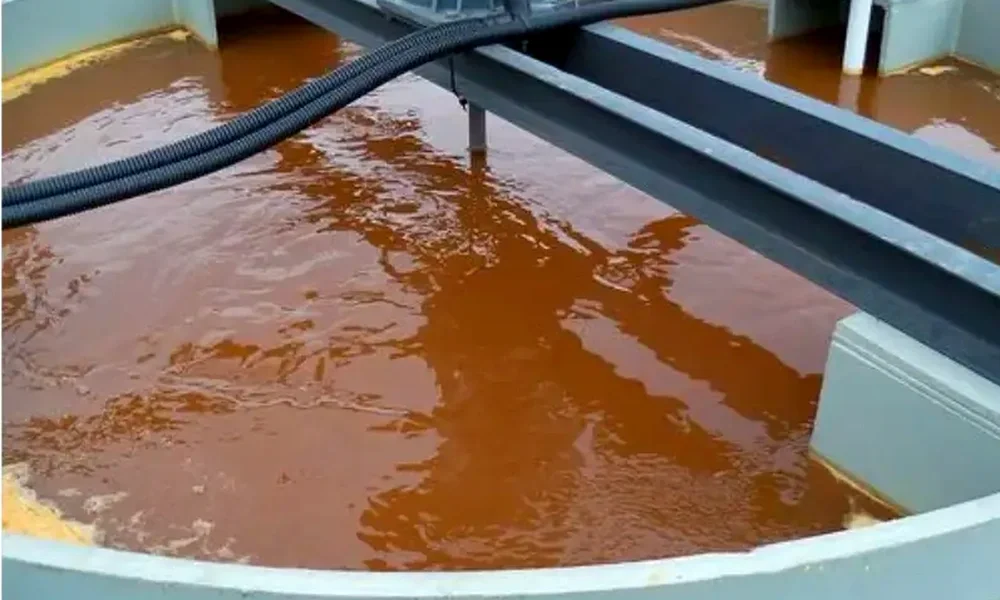
Designing a dependable setup for pickling and phosphating wastewater requires a clear understanding of your facility’s daily output and chemistry. We focus on building rugged, automated systems that directly address strict discharge targets while keeping operating footprints manageable.
Assessing Wastewater Volume, Fluctuations, and Pollutant Load
Before sizing any equipment, we evaluate how your line discharges spent baths and continuous rinses. Surges in volume or sudden dumps of concentrated acid can overwhelm standard wastewater treatment setups.
- Rinse Water vs. Spent Baths: Continuous rinse streams carry diluted drag-out, while periodic bath dumps introduce massive spikes of free acids, dissolved iron, and zinc phosphates.
- Contaminant Variations: We profile fluctuations in pH, total suspended solids (TSS), heavy metals, and oil residues from pre-treatment degreasing.
- Peak Flow Rates: Sizing equalization tanks correctly ensures stable hydraulic retention times, preventing shock loads on downstream chemical dosing units.
Integrated Process Engineering: From Design to Installation
A reliable wastewater treatment plant relies on a unified process flow. We integrate primary chemical reaction tanks, high-rate clarification units, and advanced finishing stages into a single cohesive layout.
- Custom Chemical Dosing: Multi-stage reaction tanks automate chemical neutralization, heavy metal precipitation, and coagulant addition based on real-time pH and ORP readings.
- Compact Clarification: High-rate clarifiers settle heavy metal flocs quickly, freeing up shop-floor space compared to conventional settling ponds.
- Polishing Stages: For facilities targeting closed-loop reuse or stringent discharge standards, integrating a modern membrane filtration system strips out residual dissolved ions and micro-particulates before release.
- Turnkey Assembly: Skid-mounted designs speed up on-site mechanical and electrical hookups, cutting down plant downtime during installation.
Operational Efficiency, Cost Optimization, and System Maintenance
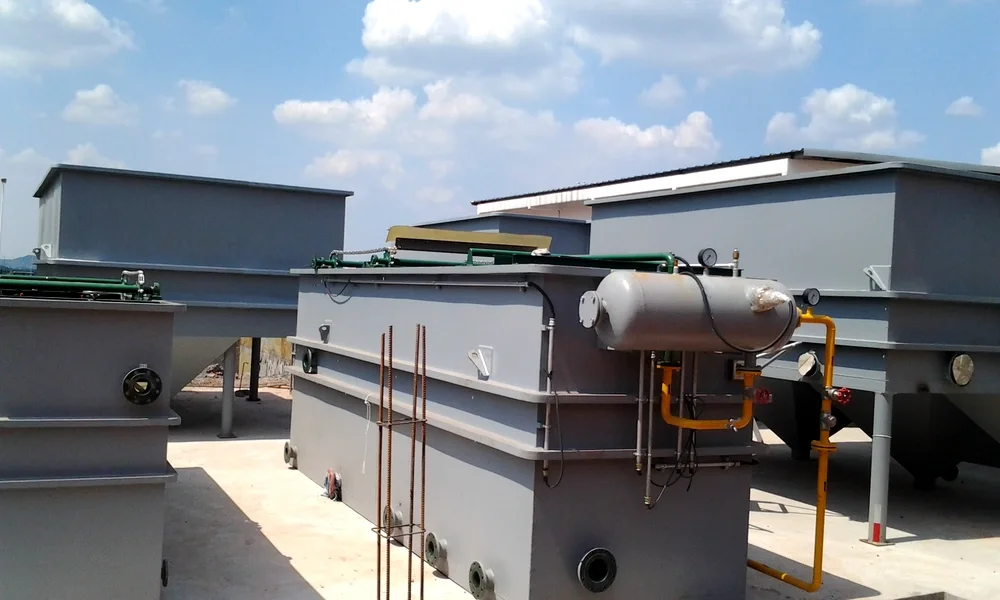
Long-term cost control comes down to chemical usage, sludge volumes, and simple maintenance routines. We design our systems to run reliably with minimal manual intervention.
- Automated Dosing Controls: Precision metering pumps prevent chemical overfeeding during phosphate removal and neutralization, slashing daily reagent costs.
- Effective Sludge Handling: Dewatering units reduce wet sludge volume rapidly, cutting down hazardous waste hauling and disposal fees.
- Accessible Maintenance Points: Critical sensors, dosing lines, and transfer pumps are laid out for easy inspection, calibration, and routine cleaning without halting entire production runs.