Environmental protection equipment supplier

Animal Room Ammonia Control: Holding 14 mg/m³ Without Oversizing the Air
Animal room ammonia control is a balance between what the cages emit and what the ventilation removes. China’s GB 14925-2023 caps barrier-room ammonia at 14 mg/m³ with animals present. Most facilities that miss it do not lack air volume. They have air arriving in the wrong place, but the real fault is often a source problem that more air cannot fix.
Where the Ammonia Comes From
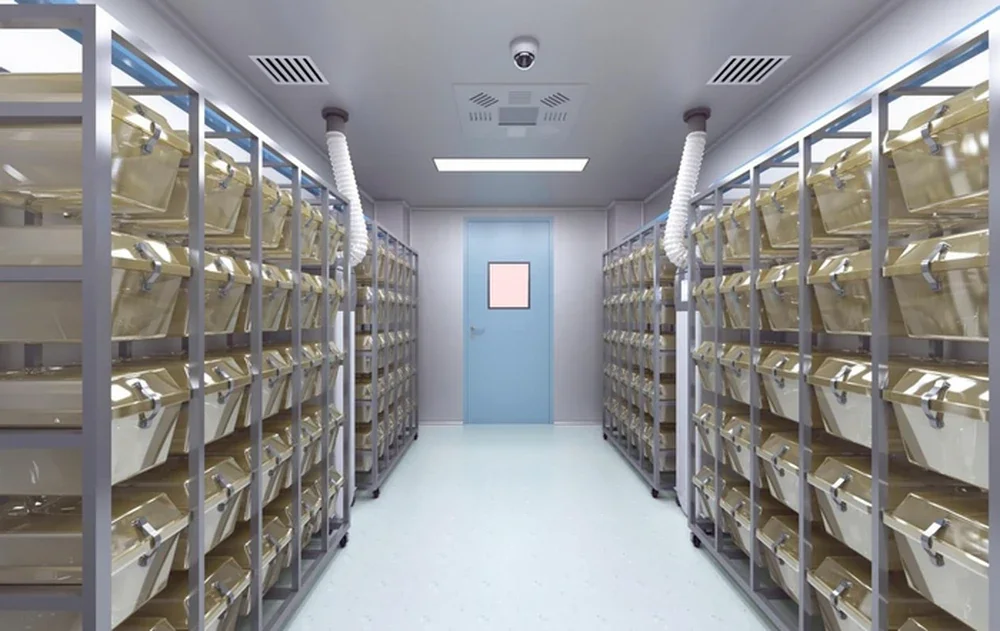
Urine is the feedstock. Bacteria in the bedding produce urease, which then splits urea into ammonia. How fast that happens depends on how wet the bedding is and how warm the room is. A fresh cage reads close to zero. Then it climbs, usually fastest between 24 and 48 hours after the change.
That curve explains most of what operators see. A room can pass a morning check on Monday and fail by Thursday afternoon. It also explains why the same room behaves differently in summer. At 26 °C the conversion runs faster than at 20 °C, so the peak arrives sooner and sits higher.
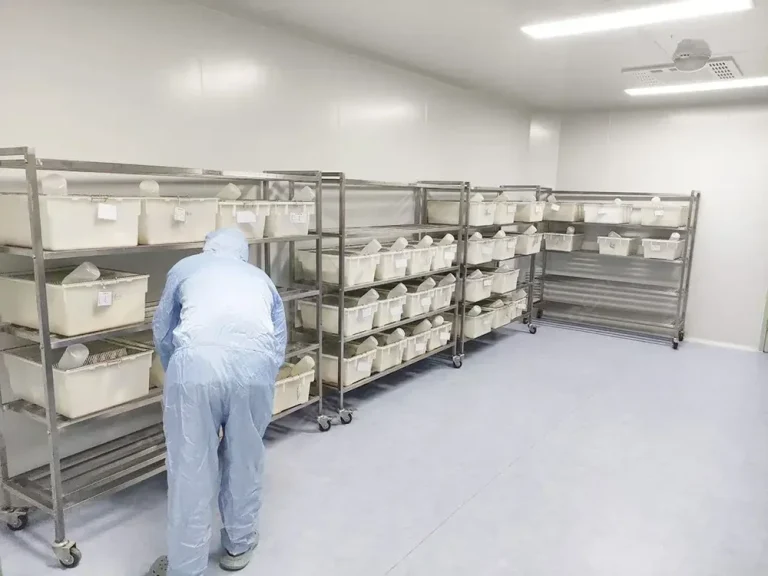
Bedding choice matters too. Corncob holds less urine than paper or softwood shavings, and because it dries faster the reaction slows down. Cage density does the rest. Two extra animals per cage can move a room from comfortable to marginal, and the air handling system has not changed at all.
What 14 mg/m³ Means in Practice
The figure comes from GB 14925-2023 and applies to both conventional and barrier environments. Any animal room ammonia control plan starts with that number, and with the conditions under which it is measured. In the barrier table it sits alongside several other numbers that only work as a set.
| Parameter | Barrier environment limit (GB 14925-2023) |
| Air changes | ≥ 15 per hour |
| Air velocity at the cage | ≤ 0.2 m/s |
| Pressure differential to adjacent space | ≥ 10 Pa |
| Air cleanliness | Class 7 |
| Settling bacteria | ≤ 3 CFU per 0.5 h, 90 mm plate |
| Ammonia | ≤ 14 mg/m³ with animals present |
| Noise | ≤ 60 dB(A) |

Two notes on the ammonia line. First, it is a dynamic limit, so the measurement includes animals, bedding and staff activity. Second, 14 mg/m³ works out to roughly 20 ppm at room temperature. That conversion helps when you compare it with limits written in ppm elsewhere.
Facilities that run well sit far below the cap. Published monitoring from a Chinese barrier production facility reported 5.6 to 7.7 mg/m³. SPF rat and mouse laboratories reported 3.2 to 4.5 mg/m³. So treat those as the real target band. A room hovering at 13 mg/m³ is compliant on paper and one cage change away from failing.
Some jurisdictions go further. Australia’s guinea pig guideline sets 10 ppm as the ceiling and recommends staying under 2 ppm. If you export animals or data to those markets, the room may need to hold both limits at once. The tighter one wins.
Why a HEPA Terminal Does Not Fix Ammonia
A H14 terminal filter removes 99.995% of particles at 0.3 µm, and that is what holds a room at ISO class 7. Ammonia is not a particle. It is a gas molecule about 0.3 nm across. That is roughly a thousand times smaller than the particles the filter is rated on. So it passes straight through, and no filter in the supply path will touch it.
This is why filtration and ventilation solve different problems. The filter keeps outside microbes out of the room. The ventilation carries internally generated gas away. When a facility has an odour or ammonia problem, the reflex is to look at the filter bank. In practice the filter is usually doing its job, and the fault sits in air distribution or in the cage.
Worth saying plainly: you cannot filter your way to a lower ammonia number. Buying a higher grade of terminal filter will not move the reading at all.
Ventilation Settings That Drive Animal Room Ammonia Control
Air changes
Fifteen per hour is the floor for barrier rooms, and it is a floor rather than a design target. Most well-run facilities therefore settle between 15 and 20. Extra capacity helps where cage density is high, or where bedding changes get stretched.
Raising air changes has diminishing returns, though. If a cage keeps emitting, doubling the airflow halves the concentration only in a perfectly mixed room. No animal room is perfectly mixed. It also costs fan energy around the clock. Before you add air, check whether the existing air is reaching the cages.
Airflow pattern
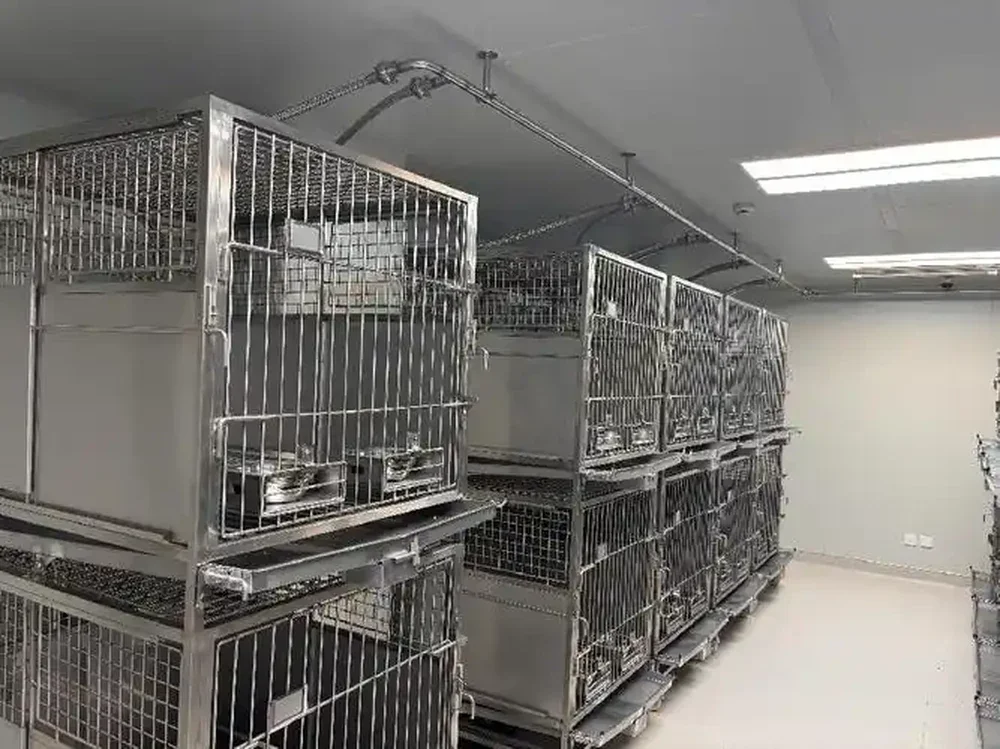
In practice, the usual arrangement is supply above the racks and exhaust low, at the rack ends or below the bottom tier. Fresh air then passes through the animal breathing zone before it leaves, which is the whole point. Supply and exhaust placed too close together short-circuit the room. Air takes the easy path, so the cages in the corners see almost nothing.
Drawings rarely show the real pattern. A smoke pencil test does, and it takes twenty minutes. Watch where the smoke stalls, because that is where ammonia will build.
Cage-level velocity
The 0.2 m/s limit at the cage is there for the animals. Above it, bedding dries and dust lifts, so rodents show stress behaviour. Perforated diffusers help, since a large face with small holes delivers the same volume at low velocity.
There is a tension here that nobody resolves completely. The air needed to dilute ammonia is the air that also creates draught at cage level. Good design spreads the supply over a wide face and keeps the exhaust away from the supply. The room then turns over without a jet landing on the racks.
Source Control Usually Beats More Air
Source control is the cheapest lever in animal room ammonia control. Changing bedding more often costs less than adding a fan, and it works faster. For metabolic models that drink heavily and urinate heavily, a two-day interval is common. Standard colonies often manage twice a week, with a mid-week spot change on the wettest cages.
Then there are the small things that quietly raise a reading. A dripping water bottle. A cage sitting under a supply diffuser. Bedding stored in the room. A rack pushed against the return grille. None of these show up in a design review, but all of them show up in the ammonia reading.
We have walked into rooms where the fix was a bottle valve and a re-arranged rack, not more air. It is worth an hour of inspection before anyone signs a purchase order.
IVC Changes the Arithmetic
An individually ventilated cage system delivers 30 to 100 air changes per hour inside each cage. That is a different order of magnitude from the room. Ammonia inside the cage therefore stays low. The room can often run at a lower rate than a conventional rack would need.
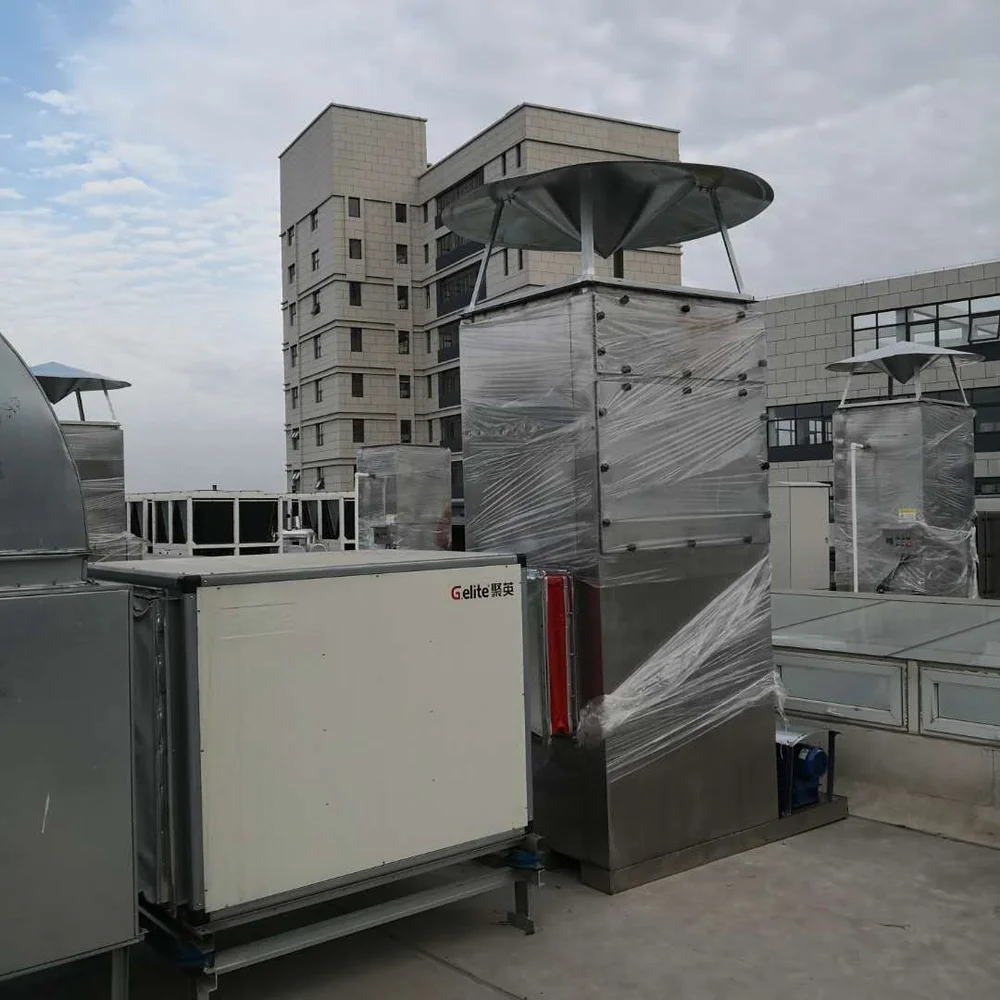
But the ammonia does not disappear. It leaves the cage, enters the rack plenum, and then the exhaust duct. That duct now carries a concentrated stream, and it needs treatment before it reaches the stack. This is where room design meets exhaust design, and where a lot of projects lose the savings they expected.
Monitoring: Measure Where the Animals Are
A fixed ammonia sensor in the room is useful, but only if it sits where the air is worst. Sensor placement is where animal room ammonia control quietly fails. A sensor near the door or the return grille reads a fraction of the cage-level value. That is why a dashboard can look calm while staff smell ammonia at the far rack.
Three habits keep the readings honest. Calibrate the sensor on the schedule the manufacturer gives, not once a year when someone remembers. Keep a handheld meter for a weekly walk along the racks at nose height. And log the readings against cage change days, so the pattern becomes visible before it becomes a deviation.
Once the data is reliable, automation earns its keep. A BMS can ramp the variable-frequency fans when the reading climbs. It can alarm before the limit is reached, and leave the facility manager a record for inspections.
The Stack Is a Separate Problem
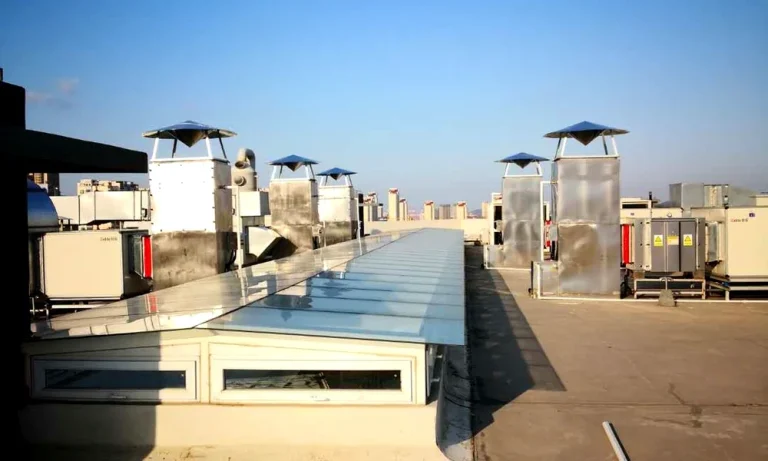
Meeting 14 mg/m³ inside the room does not mean the neighbours are happy. Internal compliance is about animal welfare and data quality. External compliance is about the exhaust.
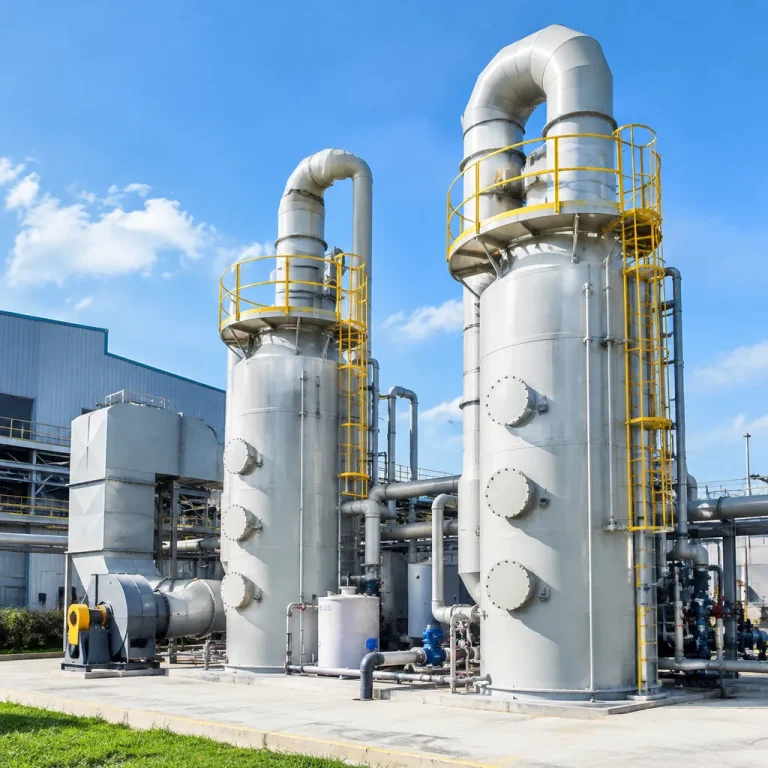
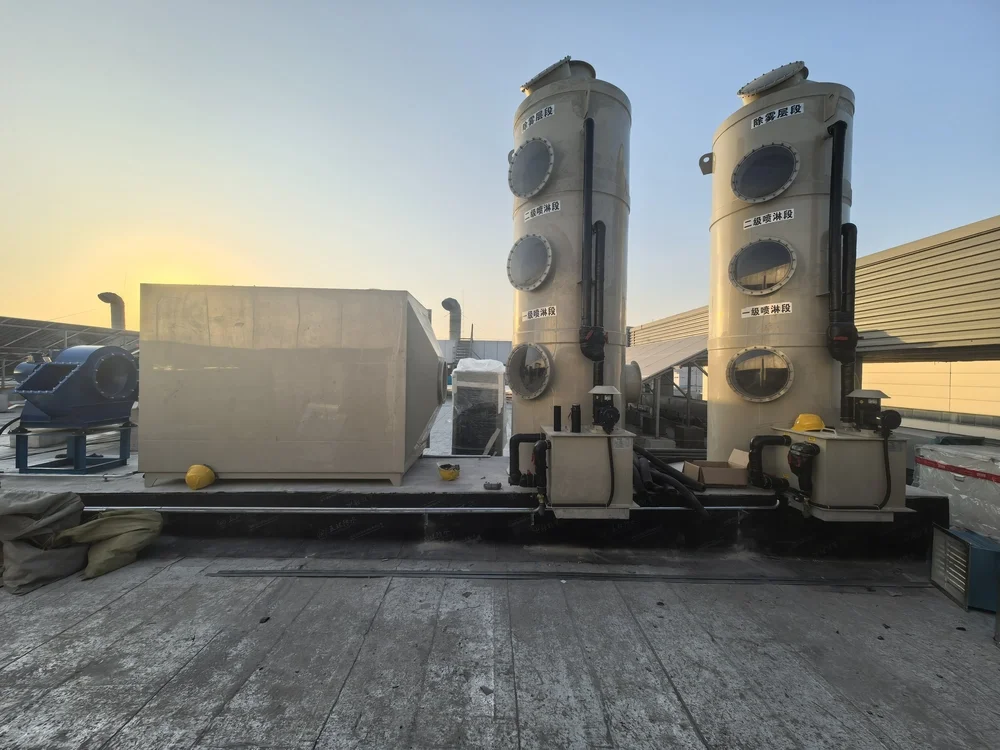
Those are two different limits, measured at two different places, so they need two different solutions. Room ammonia is handled by ventilation and husbandry. Stack concentration is handled by treatment. Wet scrubbing takes ammonia and sulfides. Photocatalytic or UV stages take the organic odorants that scrubbers struggle with. Carbon earns a place only where the load is steady and low.
In practice, sizing the treatment stage starts with airflow and inlet concentration measured on site. A system sized from a nameplate figure will either undershoot the outlet limit or cost more than it needs to.
Frequently Asked Questions
Compliance and measurement
Where exactly is the 14 mg/m³ measured?
At the animal cage level inside the room, with animals and bedding in place. A reading taken at the supply diffuser or at the door will not represent the room. Inspectors know the difference.
Our reading is 13 mg/m³, is that acceptable?
It passes, but it leaves no margin. A cage change, a warm week or a fan belt change can push it over. Aim for single digits, which is what well-run facilities actually achieve.
Does the limit apply at night when nobody is working?
Yes. The standard applies to the occupied facility, and animals keep producing ammonia around the clock. Night setbacks on airflow are common for energy reasons. They need a control interlock and a clear limit, not a fixed timer.
Design and operation
Is 15 air changes enough for a high-density room?
Often not. Density, bedding type and cage change interval all shift the requirement. Use 15 as the regulatory floor. Then check the actual room with a smoke test and a week of readings before locking the design.
Can we lower room air changes if we use IVC racks?
Sometimes, and it is a real saving. The condition is that rack exhaust gets treated and that the room still meets its pressure and cleanliness requirements. Get the exhaust design right first, or the saving turns into a complaint.
Why does ammonia spike two days after a cage change?
Because that is when bacterial urease activity peaks on fresh bedding. The curve is predictable, so schedule your checks around it rather than at a fixed hour of the morning.
Cost and equipment
What is the cheapest way to drop the reading?
Usually husbandry: more frequent bedding changes, lower cage density, fixing leaking bottles. Ventilation changes cost capital and energy, and should come after the source is under control.
Do we need exhaust treatment if the room passes?
If the stack discharges near housing or the site has odour limits, yes. Room compliance and stack compliance are separate requirements.
Getting the Room and the Stack Right Together
Animal room ammonia control is unglamorous work. It comes down to three things. Air that reaches the cages. Bedding that does not sit wet for three days. A sensor placed where the animals actually breathe. Once you get those right, the number stays in single digits without heroic airflow.
Soto Machinery builds the exhaust side of that system in Qingdao. The range covers wet scrubbers, photocatalytic and UV stages, and integrated units sized for animal facility duty. Behind the factory sit more than 15 years of manufacturing and over 500 delivered projects. Installations run across more than 40 countries, including university SPF laboratories and vaccine manufacturing animal facilities.
Your room reading may be fine while the stack is not. Send us the airflow, the inlet concentration and your outlet limit. We will size a treatment train and give you the running cost before you commit.