Environmental protection equipment supplier

How Should Slaughterhouse Wastewater Be Treated
Understanding Slaughterhouse Wastewater Characteristics and Challenges
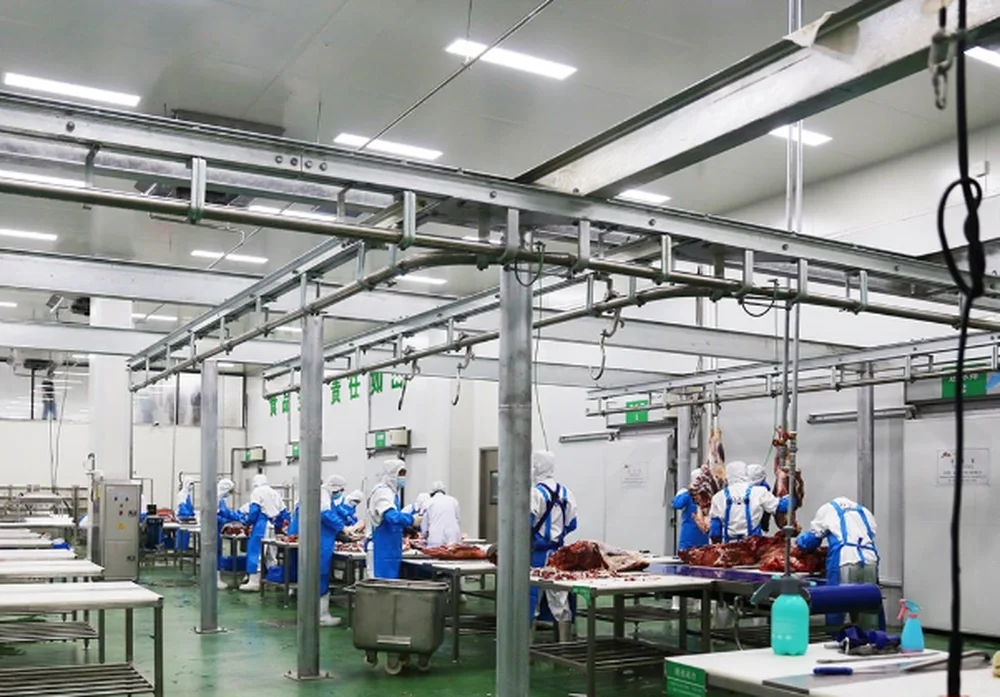
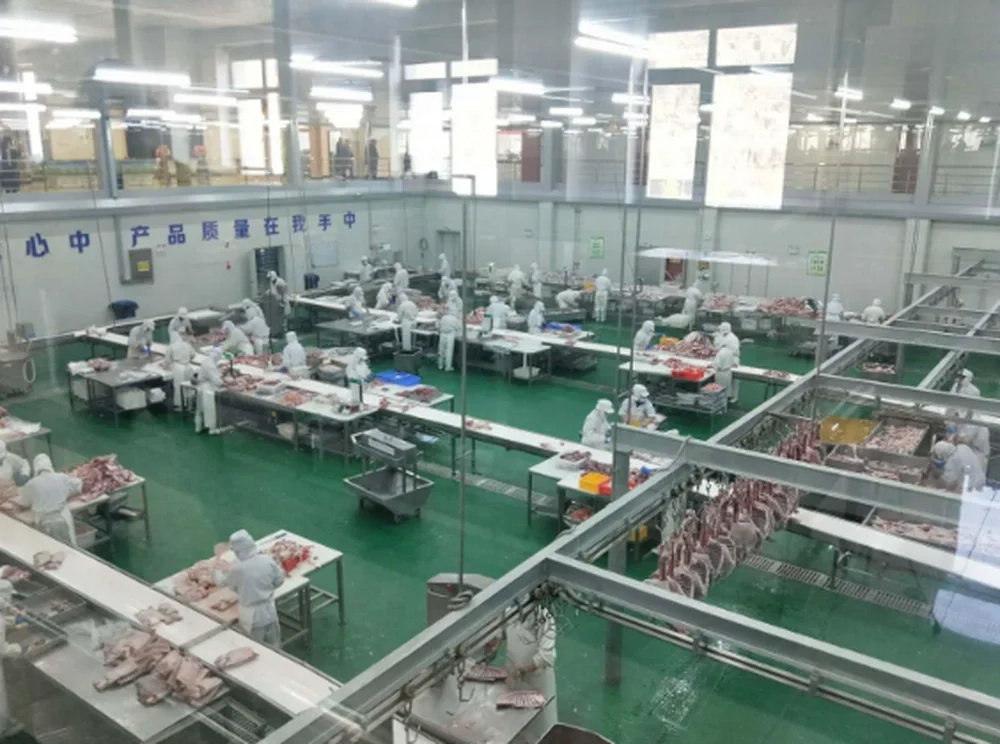
Slaughterhouse and meat processing wastewater is among the most challenging industrial effluents to manage due to its high-strength organic composition, variable flow rates, and complex contaminant profile. Effective wastewater treatment requires a precise understanding of the distinct waste streams generated across slaughtering, evisceration, carcass washing, and plant sanitation operations.
High Organic Load (BOD, COD, and TSS)
Meat processing effluent contains intense concentrations of biodegradable organics and solids that demand robust degradation stages:
- Biochemical Oxygen Demand (BOD) & Chemical Oxygen Demand (COD): Generated primarily from blood, soluble proteins, paunch contents, and operational washdowns. Untreated discharge rapidly depletes dissolved oxygen in receiving aquatic ecosystems.
- Total Suspended Solids (TSS): Consists of meat particles, bone fragments, hair, manure, and undigested feed, requiring targeted primary separation to prevent downstream equipment clogs.
| Parameter | Typical Effluent Source | Impact on Treatment Systems |
|---|---|---|
| BOD / COD | Blood, body fluids, meat tissue | Rapid oxygen depletion, high aeration requirement |
| TSS | Paunch manure, bone grit, hair | Equipment abrasion, pipeline blockages |
Fats, Oil, and Grease (FOG) and Blood Content
Lipids and blood represent the most problematic constituents during the initial separation phases:
- Fats, Oil, and Grease (FOG): Tallow, lard, and fatty tissue float and emulsify easily. FOG coats pipes, blinds fine screens, clogs aeration diffusers, and inhibits oxygen transfer in biological basins.
- Liquid Blood: Blood contributes the highest fraction of soluble COD in slaughterhouse wastewater. It resists simple settling and requires specialized coagulation, dissolved air flotation, or biological breakdown to remove coloration and organic load.
Nutrients (Nitrogen and Phosphorus) and Pathogens
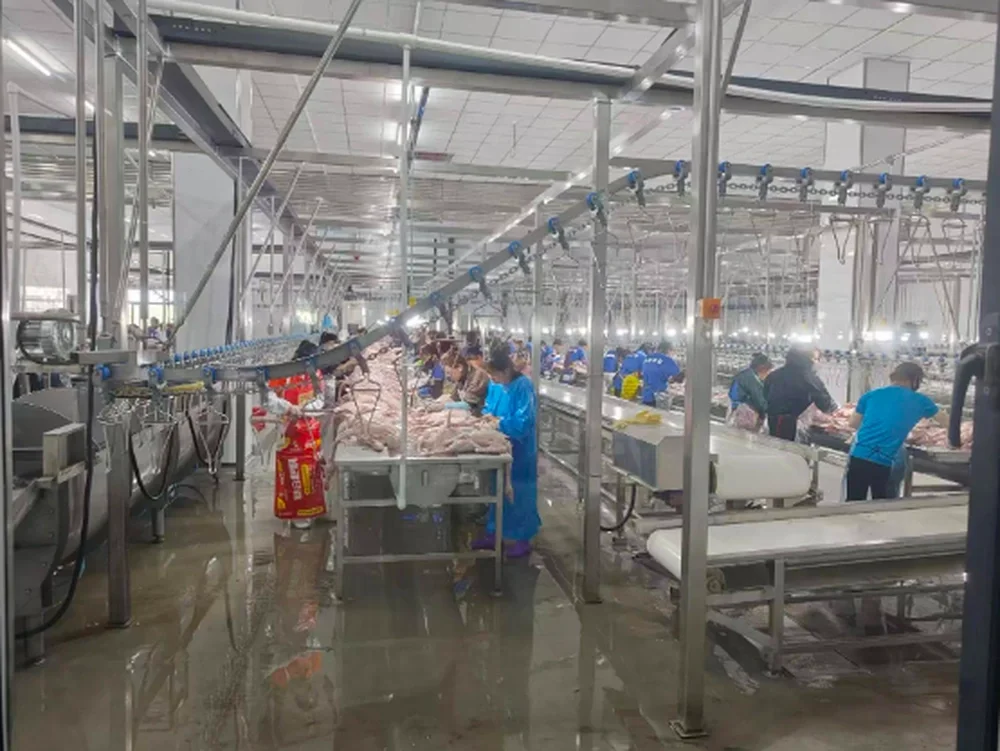
Effluent from livestock slaughtering is heavily loaded with biological nutrients and microbial contaminants that require strict compliance monitoring:
- Total Nitrogen (TN) & TKN: Derived from protein degradation, amino acids, and urine. High ammonia-nitrogen concentrations require dedicated biological nitrification and denitrification stages.
- Total Phosphorus (TP): Originates from animal tissues, blood, and industrial sanitation detergents, contributing to rapid algae blooms (eutrophication) if discharged untreated.
- Biological Pathogens: High counts of E. coli, Salmonella, and other intestinal bacteria present continuous biosecurity and environmental hazards, mandating rigorous tertiary disinfection.
Step 1: Pre-Treatment and Physical Separation Methods
When addressing how slaughterhouse wastewater should be treated, physical pre-treatment is the essential first line of defense. Raw effluent from meat processing facilities contains coarse debris, heavy suspended solids, and high concentrations of free fats. Removing these materials immediately prevents downstream equipment clogging, reduces the biological load, and ensures steady operational flow throughout the entire wastewater treatment system.
Mechanical Screening and Grit Removal
The pre-treatment phase begins with mechanical screening designed to intercept coarse and medium-sized solids before they reach pumps and transfer lines. Much like our specialized process flow for livestock and poultry wastewater treatment, multi-stage physical separation reliably isolates problematic solid waste streams:
- Static and Rotary Drum Screens: Capture large debris such as bone fragments, tissue scraps, hair, feathers, and skin particles.
- Fine Screens: Remove finer particulate matter to lower total suspended solids (TSS) significantly.
- Grit Chambers: Settle out heavy inorganic particles, sand, and grit through gravity separation to protect mechanical pumps and piping from abrasive wear.
Flow Equalization and Conditioning
Slaughterhouse discharge rates and pollutant concentrations fluctuate dramatically between operational shifts, washdown cycles, and cleaning periods. A dedicated flow equalization tank acts as a buffer by delivering several critical operational advantages:
- Hydraulic Balance: Regulates fluctuating peak volumes into a continuous, controlled flow rate.
- Load Normalization: Homogenizes variations in temperature, chemical oxygen demand (COD), and biochemical oxygen demand (BOD).
- pH and Temperature Adjustment: Provides the retention time needed for basic conditioning and neutralizing high-strength cleaning chemicals before primary separation.
Dissolved Air Flotation (DAF) for FOG and Solid Separation
High-efficiency Dissolved Air Flotation (DAF) serves as the core primary treatment unit for fat, oil, and grease (FOG) removal. Because slaughterhouse and meat processing wastewater contains substantial levels of emulsified lipids and colloidal blood proteins, standard gravity settling is insufficient.
| DAF Process Step | Operational Function | Performance Impact |
|---|---|---|
| Chemical Conditioning | Dosing coagulants and flocculants into a pipe flocculator. | Destabilizes emulsified fats and aggregates fine suspended particles into larger flocs. |
| Micro-Bubble Injection | Injecting dissolved pressurized air that releases microscopic bubbles into the contact zone. | Bubbles attach to the flocs, creating low-density agglomerates that float rapidly to the surface. |
| Mechanical Surface Skimming | Continuous scrapers move floating scum and grease into a collection hopper. | Removes up to 90% of free FOG and a substantial portion of TSS and insoluble COD. |
By executing effective screening, flow balancing, and DAF clarification, our pre-treatment stage removes the bulk of physical contaminants, preparing the effluent for stable, cost-effective secondary biological digestion.
Step 2: Biological Treatment Processes
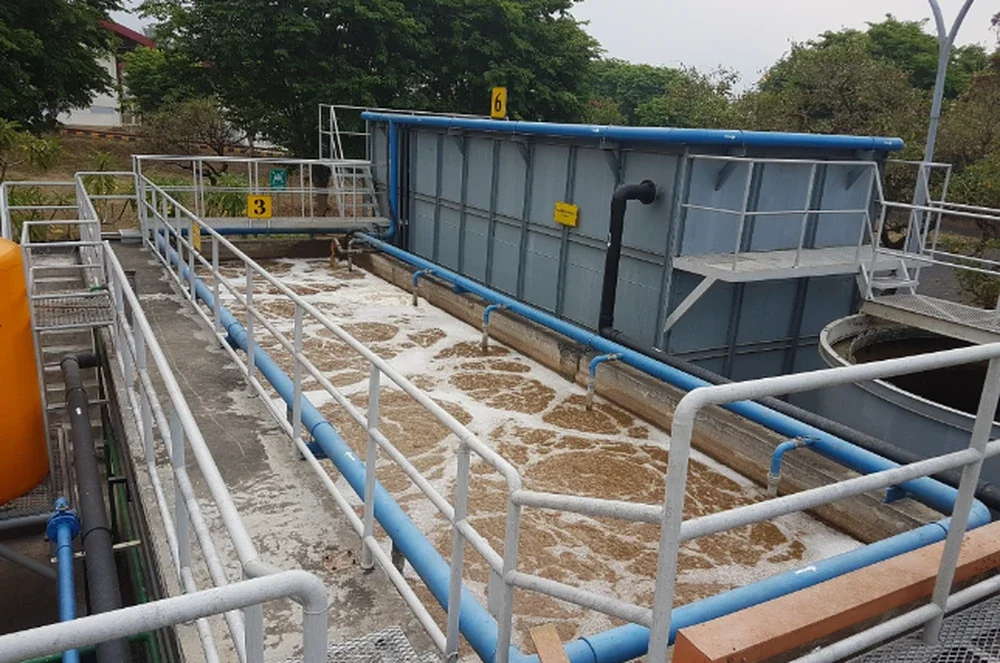
After primary screening and fat removal, biological treatment serves as the core stage to break down dissolved organic loads and nutrients. We rely on biological stages to stabilize meat processing wastewater efficiently and economically.
Anaerobic Digestion for High-Strength Organic Waste
Anaerobic digestion handles the bulk of high-strength biochemical oxygen demand (BOD) and chemical oxygen demand (COD) without requiring heavy aeration energy.
- High-Load Reduction: Anaerobic microbes break down complex proteins, fats, and residual blood into simpler compounds under oxygen-free conditions.
- Low Sludge Yield: Produces significantly less biological sludge compared to purely aerobic systems.
- Energy Potential: Generates biogas (methane and carbon dioxide), creating opportunities for on-site renewable energy recovery.
Aerobic Treatment Systems (SBR, MBBR, and FBBR)
Following anaerobic breakdown, aerobic systems polish the effluent by using oxygen-dependent bacteria to consume remaining soluble organics. We integrate reliable biological setups within our wastewater treatment designs to maintain process stability:
- Sequencing Batch Reactors (SBR): Combines equalization, biological reaction, and secondary settling within a single tank cycle, offering high operational flexibility.
- Moving Bed Biofilm Reactors (MBBR): Utilizes specialized carrier media in suspension, allowing dense biofilm growth to achieve high organic removal rates in a compact footprint.
- Fixed Bed Biofilm Reactors (FBBR): Employs submerged, stationary media to maintain a stable microbial biomass capable of handling fluctuating meat processing loads.
Biological Nutrient Removal (Nitrification and Denitrification)
Slaughterhouse wastewater carries massive concentrations of total nitrogen from animal blood and tissues, alongside elevated phosphorus levels. Effective biological nutrient removal requires a two-step cycle:
- Nitrification (Aerobic Phase): Specialized autotrophic bacteria convert ammonia and organic nitrogen into nitrites and then nitrates under dissolved oxygen conditions.
- Denitrification (Anoxic Phase): Heterotrophic bacteria convert nitrates into harmless nitrogen gas ($N_2$), which vents safely into the atmosphere.
- Phosphorus Uptake: Staged anaerobic-aerobic cycles promote biological phosphorus removal, lowering nutrient discharge to protect receiving waterways from eutrophication.
Step 3: Tertiary and Advanced Treatment Solutions
Tertiary treatment serves as the final polishing stage in meat processing wastewater management. After primary separation and biological degradation, the effluent often contains trace suspended solids, residual phosphorus, dissolved organics, and microbial pathogens. Implementing targeted tertiary solutions ensures your discharge strictly complies with municipal standards or meets the criteria for on-site non-potable reuse.
Chemical Coagulation and Flocculation
Chemical precipitation is the standard approach for targeting non-settleable colloidal solids and dissolved orthophosphates. By introducing chemical agents into a rapid-mix chamber followed by a slow-mix flocculation zone, tiny particles aggregate into larger, easily removable flocs.
- Coagulant Dosing: Inorganic coagulants such as polyaluminum chloride (PAC) or ferric salts neutralize negative surface charges on suspended colloids and blood proteins.
- Flocculation Aids: Polymer flocculants bind the destabilized micro-flocs together, creating dense, shear-resistant flocs that settle rapidly or float efficiently.
- Phosphorus Stripping: Chemical precipitation locks reactive phosphorus into solid precipitates, keeping nutrient discharge well below regulatory ceilings.
Membrane Filtration and Disinfection (UV and Chlorination)
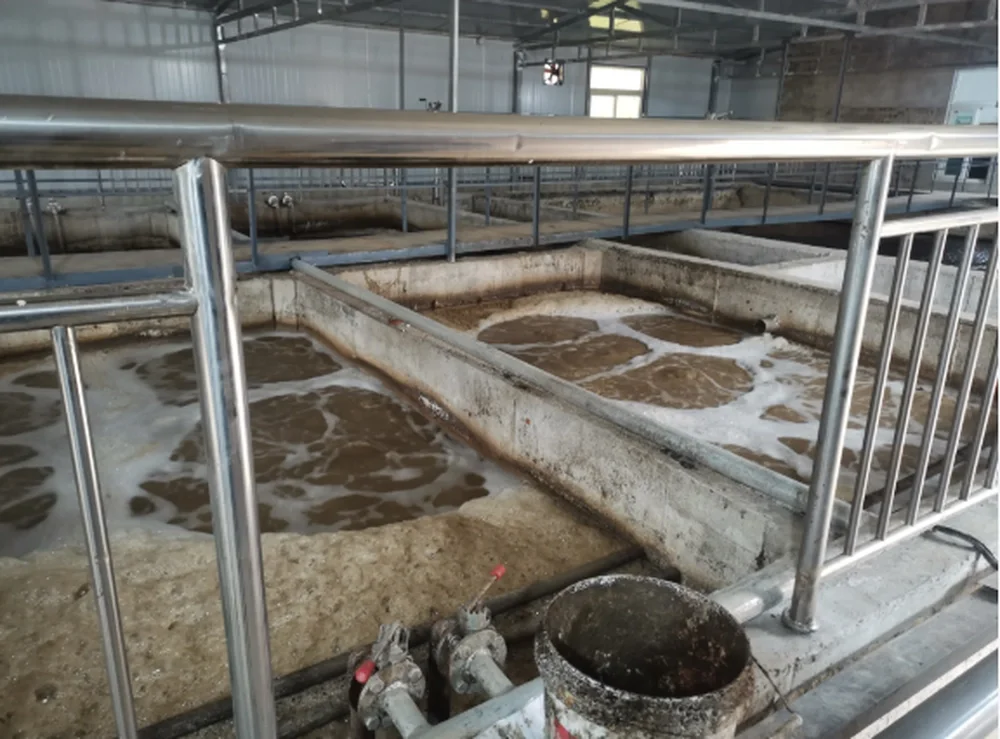
Achieving high-grade water clarity and microbiological safety requires physical barrier separation paired with active disinfection. Installing an advanced membrane filtration system effectively strips out ultra-fine particulates, residual bacteria, and colloidal matter. When upgrading existing biological treatment infrastructure, an integrated MBR membrane bioreactor replaces conventional secondary clarification to produce crystal-clear permeate.
Following filtration, disinfection neutralizes any remaining pathogenic microorganisms, viruses, and fecal coliforms common in slaughterhouse wastewater:
- Ultraviolet (UV) Disinfection: Delivers chemical-free pathogen destruction by disrupting microbial DNA, preventing downstream contamination without altering water chemistry.
- Chlorination / Sodium Hypochlorite: Provides strong residual pathogen control when treated effluent is stored for prolonged periods before facility reuse or irrigation.
Sludge Dewatering and Management
The combined operations of chemical flotation, biological digestion, and tertiary separation generate substantial volumes of wet chemical and biological sludge. Proper dewatering concentrates these solids to reduce hauling volume, lower disposal fees, and facilitate safe handling:
- Sludge Conditioning: Chemical conditioning with polymers enhances the drainability and shear strength of mixed sludge.
- Mechanical Dewatering: High-efficiency equipment—such as multi-disk screw presses, belt filter presses, or decanter centrifuges—compresses the slurry into a high-solids cake.
- Safe Final Disposal: The resulting dewatered cake is suitable for thermal disposal, composting, or authorized agricultural land application, closing the loop on waste generation.
Key Benefits of Proper Slaughterhouse Wastewater Treatment
Proper slaughterhouse wastewater treatment transforms a high-strength liability into a manageable, sustainable operational asset. By effectively addressing how slaughterhouse wastewater should be treated through dedicated physical and biological processes, meat processing facilities gain operational stability, cost savings, and long-term security.
Regulatory Compliance and Discharge Standards
Slaughterhouse effluent carries heavy biological and chemical loads that quickly exceed municipal discharge limits if left untreated. Implementing an effective treatment system delivers immediate compliance advantages:
- Standardized Effluent Quality: Consistently lowers biological oxygen demand (BOD), chemical oxygen demand (COD), total suspended solids (TSS), and nutrient levels below municipal and national discharge thresholds.
- Penalty Avoidance: Eliminates heavy municipal surcharge fees, regulatory fines, and the risk of operational shutdowns.
- Seamless Monitoring: Our high-efficiency systems, including integrated sewage treatment equipment, ensure predictable discharge parameters day in and day out.
| Benefit Area | Target Focus | Plant Impact |
|---|---|---|
| Effluent Quality | BOD, COD, TSS, and FOG removal | Ensures wastewater discharge meets standards |
| Resource Reuse | Tertiary polishing and filtration | Reclaims water for non-potable plant uses |
| Odor & Emissions | Biological stabilization and air containment | Minimizes community impact and volatile emissions |
Treated Water Recycling and Resource Recovery
Advanced wastewater management allows slaughterhouses to recover valuable resources instead of sending them straight to the drain:
- Wastewater Reuse: High-grade treated effluent can be recycled across the facility for non-contact applications, including livestock pen washing, yard washdowns, and cooling tower make-up water.
- Energy and Byproduct Capture: Primary separation and anaerobic treatment capture valuable fats, proteins, and biogas, converting organic waste streams into useful energy and processed biomass.
- Reduced Water Footprint: Reclaiming processed water drastically cuts utility costs by decreasing incoming municipal freshwater demand.
Odor Minimization and Environmental Protection
Untreated meat processing wastewater decomposes rapidly, generating volatile organic compounds, hydrogen sulfide, and ammonia. Systematic wastewater handling preserves local ecosystems and community relations:
- Rapid Solids Removal: Removing blood, fats, and tissue before decomposition stops volatile odor generation at the source.
- Ecosystem Safety: Eliminates the risk of oxygen depletion and nutrient overload (eutrophication) in surrounding rivers, lakes, and groundwater reserves.
- Community Relations: Eliminates foul odors around the facility perimeter, ensuring complete compliance with local environmental health and air quality regulations. Understanding how slaughterhouse wastewater is treated ensures long-term operational sustainability and reliable site management.
How to Choose the Right Slaughterhouse Wastewater Treatment System
Selecting an effective treatment system requires matching your plant’s specific wastewater characteristics with reliable, cost-effective engineering. Because meat processing wastewater carries heavy organic loads, high fats, and fluctuating flow rates, your treatment design must balance technical performance with regulatory compliance.
Assessing Effluent Volume and Discharge Requirements
Before selecting equipment, establish accurate baseline data regarding daily production volumes and target discharge limits:
- Hydraulic Capacity: Calculate both average daily volume and peak hourly flow to prevent system overloading during washdown cycles.
- Pollutant Loading: Quantify baseline levels of BOD, COD, TSS, total nitrogen, phosphorus, and FOG.
- Discharge Standards: Determine whether the treated effluent goes into municipal sewer networks or discharges directly into natural surface waters. Facilities aiming for advanced polishing or direct discharge often integrate an inclined tube sedimentation tank for efficient solids settling alongside a multi-media mechanical filter to remove residual suspended matter.
Custom-Built vs. Containerized Plug-and-Play WWTP Solutions
The decision between a traditional on-site installation and a modular containerized plant depends heavily on footprint availability, budget, and project timelines.
| Feature | Containerized Plug-and-Play Systems | Custom-Built Civil Installations |
|---|---|---|
| Footprint | Compact, minimal civil work required | Requires dedicated land and concrete basins |
| Installation Time | Fast delivery, factory pre-tested | Longer on-site construction schedules |
| Capacity Suitability | Small-to-medium slaughterhouses (up to 500 m³/day) | High-volume industrial processing facilities |
| Scalability | Easy to expand by adding modular units | Difficult and costly to expand once built |
| Relocation | Fully portable and transportable | Permanent civil infrastructure |
Operational and Maintenance Cost Considerations
Long-term operating expenses (OPEX) often exceed initial capital equipment costs (CAPEX). To keep meat processing industry wastewater operations economical:
- Energy Efficiency: Choose premium-efficiency aeration blowers and variable-frequency drive (VFD) pumps to minimize electricity consumption.
- Chemical Consumption: Optimize coagulant and flocculant dosing through automated control systems to prevent chemical overspending.
- Sludge Handling Costs: Select dewatering systems with high cake-dryness ratios to cut down transport and disposal fees.
- Automation Level: Implement PLC-driven automation to reduce manual monitoring requirements and lower daily labor overhead.