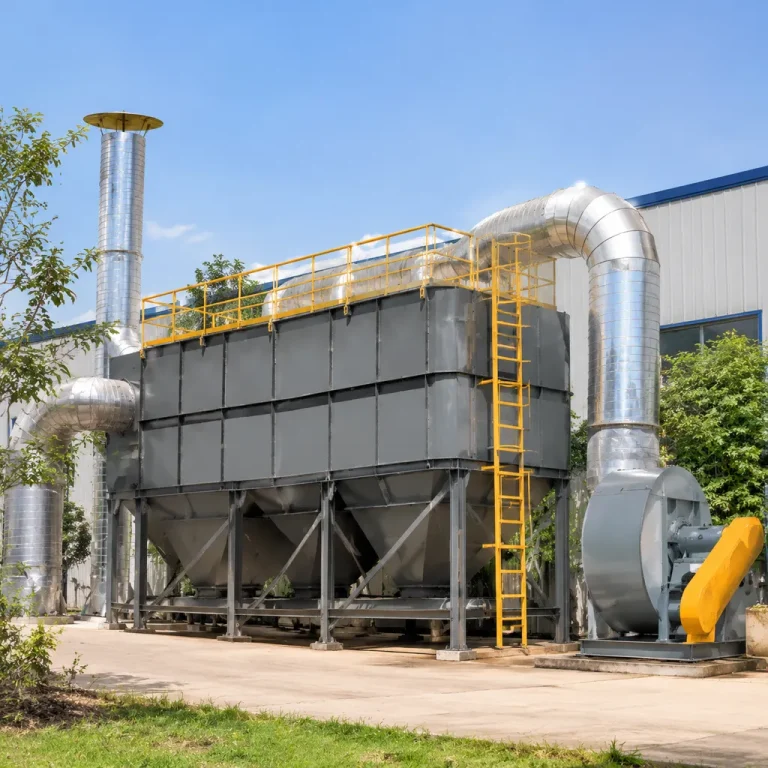
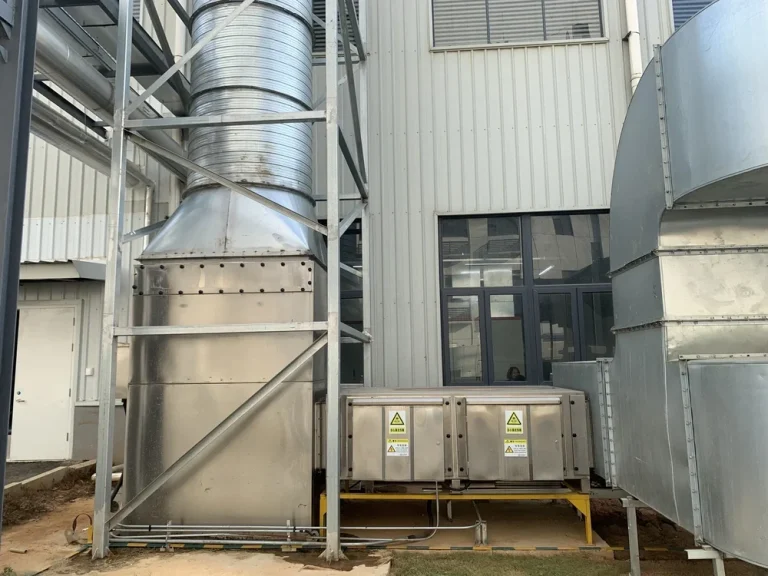
Environmental protection equipment supplier

Laboratory Animal Facility Deodorization Equipment Functions
Understanding Odor Challenges in Laboratory Animal Facilities
Operating a compliant, high-performance vivarium requires strict control over the micro- and macro-environments. Laboratory animal facilities generate continuous, concentrated bio-effluents that rapidly compromise indoor air quality. Without specialized odor removal equipment, these gaseous pollutants accumulate, threatening biosafety, animal health, and experimental consistency.
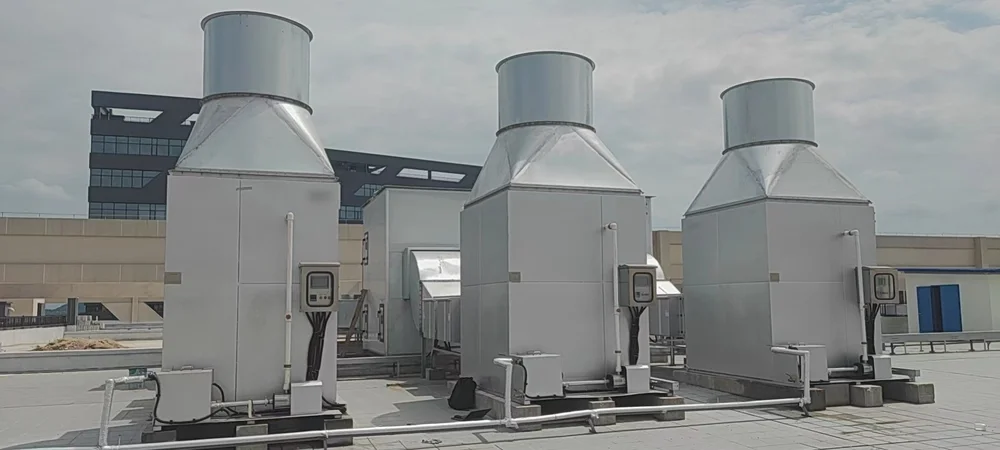
Sources of Odor: Ammonia, Bedding Waste, and Volatile Compounds
Vivarium odors stem from biological degradation and animal metabolic processes. Understanding these sources is the first step toward effective laboratory odor removal:
- Ammonia Gas (NH_3): Formed when urease-producing bacteria break down urea present in animal urine inside soiled bedding. Ammonia levels rise rapidly between cage-change cycles.
- Bedding Waste and Fecal Decomposition: Anaerobic bacteria digest fecal matter and moisture-laden substrate, releasing pungent sulfurous compounds such as hydrogen sulfide (H_2S) and methyl mercaptan.
- Volatile Organic Compounds (VOCs): Animals excrete complex metabolic byproducts, including skatole, indole, volatile fatty acids (VFAs), and pheromones, which disperse into the air alongside facility sanitizers and cleaning agents.
| Contaminant Type | Primary Source | Characteristic Profile |
|---|---|---|
| Ammonia (NH_3) | Hydrolyzed urine in bedding | Sharp, pungent, alkaline vapor |
| Sulfur Compounds (H_2S) | Fecal decomposition | Rotten-egg odor, low odor threshold |
| Volatile Fatty Acids (VFAs) | Cecal and enteric fermentation | Sour, acrid, highly persistent |
| Animal Pheromones & VOCs | Sebaceous glands, urine marking | Musky, species-specific chemical cues |
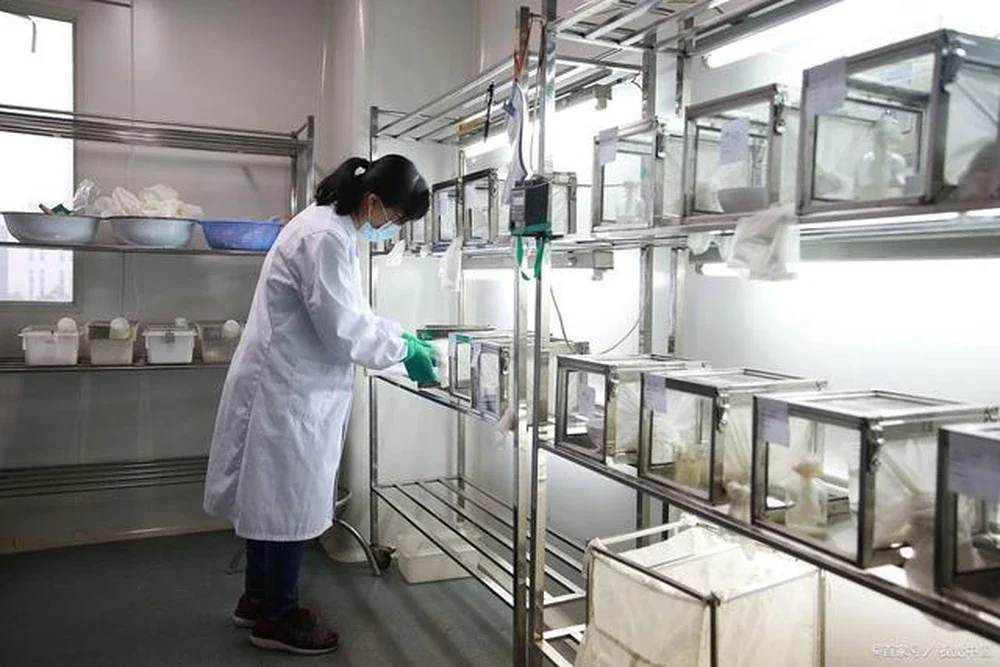
Impact of Contaminated Air on Animal Welfare and Research Staff
Unmitigated laboratory odors represent chemical stressors that alter physiological and behavioral states across your facility:
- Animal Welfare Compromise: Prolonged exposure to airborne ammonia damages the respiratory epithelium, impairs mucociliary clearance, and induces chronic rhinitis in rodents. This triggers physiological stress responses, skewing baseline biomarkers and undermining data reproducibility.
- Occupational Health Hazards: For technicians and researchers, poor indoor air quality causes headaches, eye irritation, and olfactory fatigue. More critically, odor-laden air carries protein aerosols, drastically increasing the incidence of Laboratory Animal Allergy (LAA) and occupational asthma.
Why Standard Ventilation Alone Is Insufficient for Odor Control
Standard Heating, Ventilation, and Air Conditioning (HVAC) systems are designed for thermal comfort and general air turnover, not targeted molecular decontamination:
- HEPA Filters Do Not Trap Gases: Standard mechanical filtration captures particulate matter, dander, and bacteria, but gaseous ammonia, H_2S, and VOCs pass straight through HEPA media without resistance.
- Dilution Fails at the Source: Increasing Air Changes per Hour (ACH) simply dilutes the odor rather than eliminating it. This approach demands immense electrical and thermal energy for single-pass 100% outside air systems without solving peak concentration spikes during cage dumping.
- Exhaust Displacement Issues: Venting untreated vivarium air directly outside merely shifts the issue outdoors, generating community odor complaints and risking environmental non-compliance. Complete neutralization demands integrated gas-phase filtration and purpose-built odor control systems.
Core Functions of Deodorization Equipment
Operating a vivarium demands rigorous environmental stability. When addressing what the functions of deodorization equipment are in laboratory animal facilities, the answer goes beyond simple odor masking. Our systems deliver targeted biochemical and physical air treatment, safeguarding indoor air quality at the source.
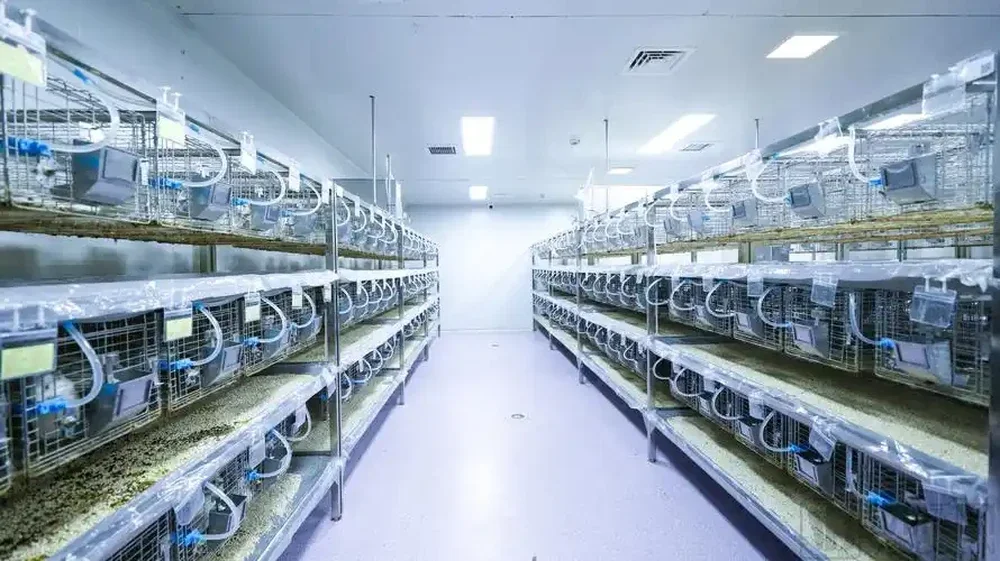
Rapid Neutralization of Ammonia and Hydrogen Sulfide Gases
Animal excretion generates high levels of pungent, corrosive byproducts that degrade facility air within minutes. Specialized odor removal equipment actively breaks down these hazardous gases before they can accumulate.
- Targeted Ammonia Removal: Utilizing chemical chemisorption and customized dry-scrubbing media, our systems convert free gaseous ammonia ($NH_3$) into stable, non-volatile salts.
- Hydrogen Sulfide Reduction: High-capacity gas phase filtration neutralizes sulfurous compounds instantly, eliminating the characteristic rotten-egg smell common to dense holding racks.
- Continuous Volatile Organic Compounds (VOC) Capture: Phenols, indoles, and skatoles generated from decomposing bedding are pulled into impregnated media beds and stripped from the airstream immediately.
| Contaminant | Source | Primary Removal Mechanism | Typical Efficiency |
|---|---|---|---|
| Ammonia ($NH_3$) | Urine breakdown, dirty bedding | Acid-impregnated dry scrubbers | Up to 98% |
| Hydrogen Sulfide ($H_2S$) | Fecal matter, stagnant waste | Metal-oxide catalytic media | Up to 99% |
| Organic Mercaptans | Bacterial decay | High-grade activated carbon | Up to 95% |
Elimination of Airborne Animal Allergens and Microbial Aerosols
Routine vivarium activities—such as cage changing and cleaning—dislodge allergen-laden dander, hair fragments, and dried urine proteins into breathing zones. We design our animal facility odor control equipment to capture both the gaseous odor and the microscopic particulate matter that carries it.
- Allergen Interception: Deep-bed particulate pre-filters intercept rodent urinary proteins (such as Mus m 1 and Rat n 1) before they migrate into adjacent clean corridors.
- Microbial Bioaerosol Control: Moisture-heavy exhaust often carries fungal spores and bacteria from used bedding. Integrated multi-stage systems pull these aerosols out of circulation, preventing biological cross-contamination between rooms.
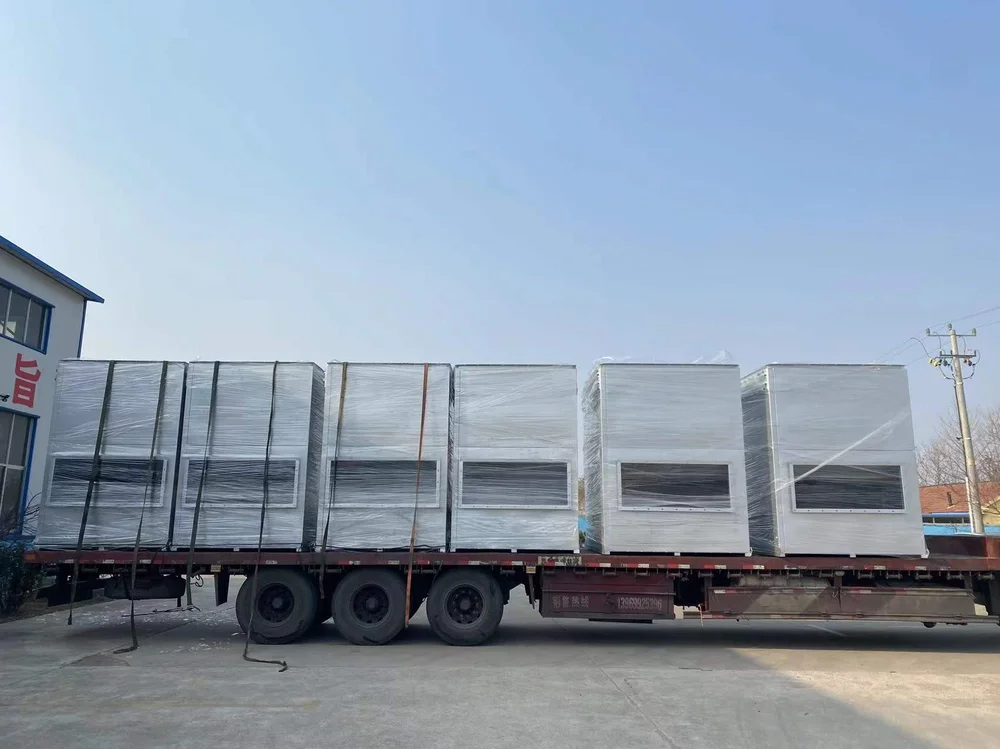
Continuous Purification of Recirculated and Exhaust Air
Maintaining air cleanliness requires continuous operation across all facility air streams. Modern laboratory odor removal systems perform two distinct air-handling duties:
- Recirculation Polishing: When HVAC energy-recovery strategies recirculate conditioned air, our in-line gas phase units scrub residual trace odors. This maintains pristine holding room parameters without requiring 100% outside air 24/7.
- Exhaust Air Decontamination: Prior to building discharge, exhaust air passes through dedicated scrubbers and high-volume carbon arrays. Applying proven methods for deodorizing exhaust air from animal facilities ensures zero boundary-line odor escape, fully protecting surrounding research campuses and urban communities from nuisance complaints.
Impact on Research Accuracy and Animal Welfare
When assessing the core functions of deodorization equipment in laboratory animal facilities, the impact extends far beyond simple odor masking. In animal vivariums, unmanaged gaseous contaminants directly degrade animal health and distort experimental findings. Our specialized odor control systems scrub irritants at the molecular level, creating a controlled microenvironment that protects test subjects and preserves scientific integrity.
Preventing Stress and Respiratory Disorders in Laboratory Animals
Rodents and other lab animals live in micro-isolation cages where volatile compounds accumulate rapidly. Constant exposure to elevated ammonia triggers severe physiological strain:
- Mucosal Damage: Ammonia levels exceeding 25 ppm erode the tracheal cilia, stripping away the animal’s primary defense against airborne pathogens.
- Chronic Respiratory Infections: Impaired mucociliary clearance leaves rodents vulnerable to mycoplasmosis and secondary bacterial rhinitis.
- Elevated Corticosterone: Pungent airborne waste induces chronic sensory irritation, elevating baseline stress hormones and altering immune responses.
Deploying dedicated gas phase filtration and automated ammonia removal keeps ambient air clean, shielding sensitive respiratory tracts from permanent damage.
Minimizing Environmental Variables to Ensure Data Reproducibility
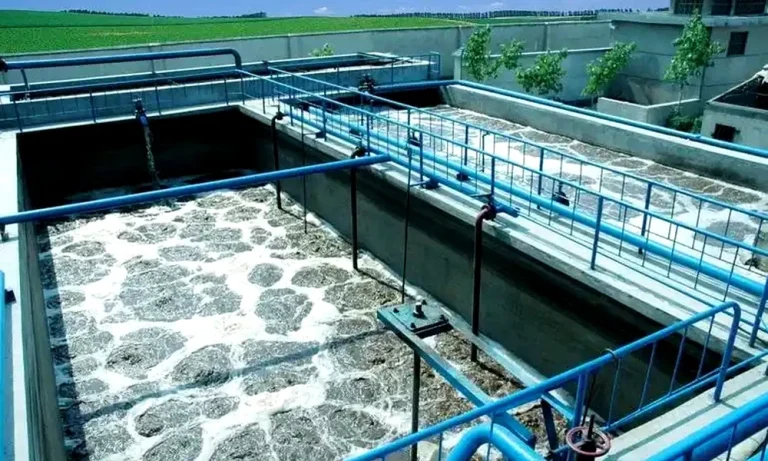
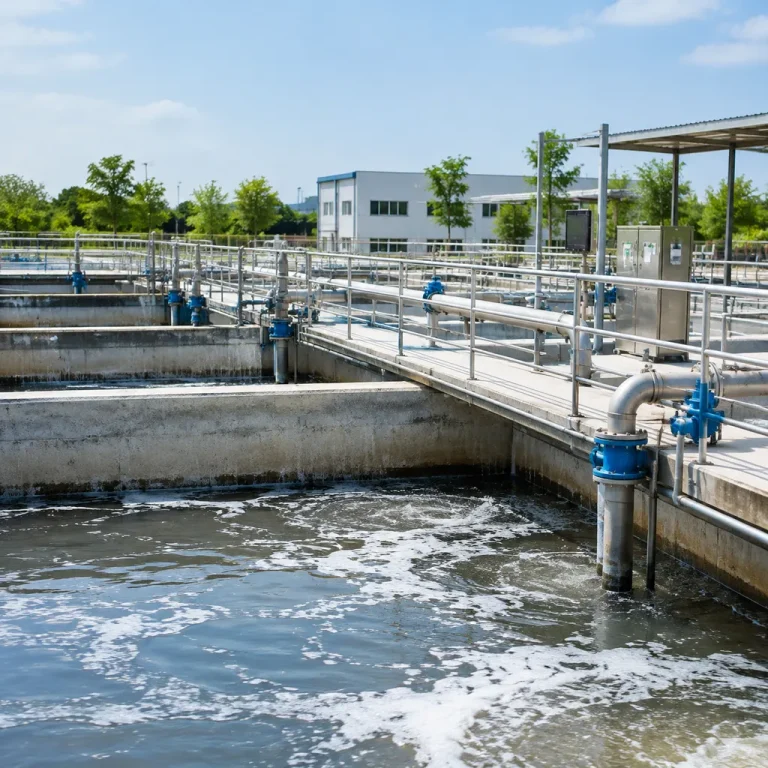
Uncontrolled vivarium air quality introduces hidden confounding variables that compromise preclinical studies. Much like large-scale biological operations rely on a systematic process flow for livestock and poultry wastewater treatment to contain volatile biological byproducts, research facilities require predictable, continuous air purification to prevent data skew.
| Air Quality Variable | Without Gas Phase Filtration | With Advanced Deodorization Systems |
|---|---|---|
| Ammonia Spikes | Unpredictable surges between cage change cycles | Stabilized below detectable threshold limits (<5 ppm) |
| Metabolic Rates | Altered liver enzymes and oxidative stress markers | Normal baseline organ function across test groups |
| Study Replicability | High variance between racks, rooms, and seasons | Uniform, reproducible results study after study |
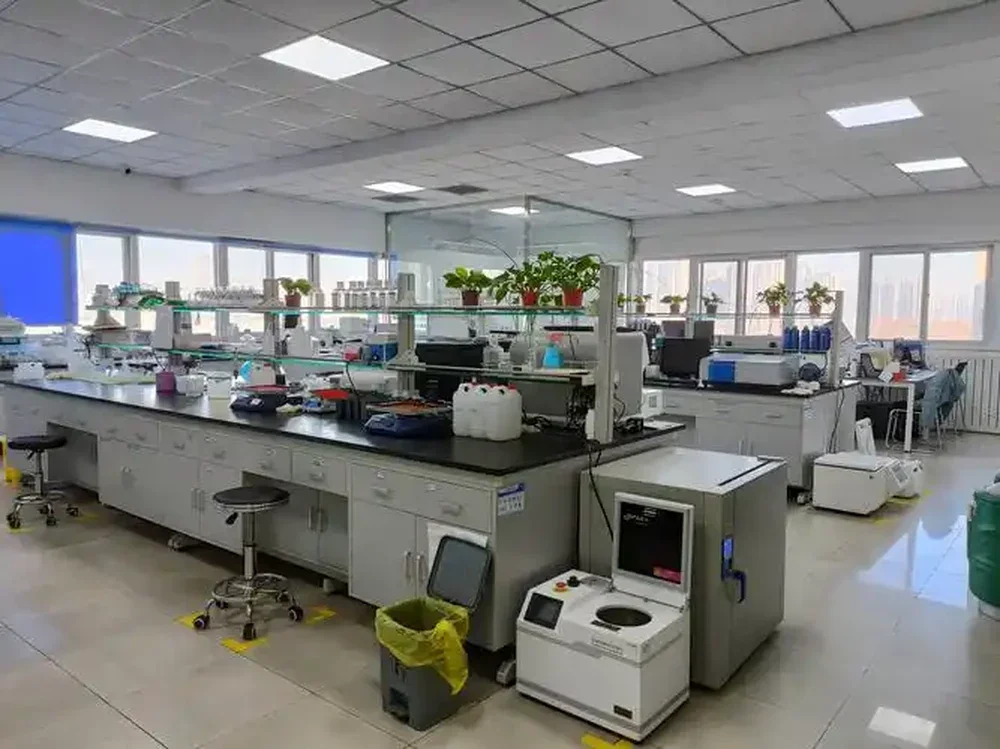
Maintaining Standard Physiological and Behavioral Baselines
Laboratory animals rely heavily on olfaction for navigation, social hierarchy, and breeding behavior. Saturating holding rooms with pungent cage odors masks normal pheromone cues, leading to erratic behavioral baselines.
- Stable Neurochemistry: High-efficiency animal facility odor removal prevents olfactory fatigue and neurochemical shifts caused by irritant gas inhalation.
- Consistent Biomarkers: Uncompromised air guarantees that inflammatory cytokine panels and lung histology reflect the actual therapeutic compounds under study, not background air toxicity.
- Reliable Circadian Rhythms: Clean indoor air eliminates the agitation and disturbed sleep cycles typical in high-ammonia environments.
Safeguarding Occupational Health and Facility Safety
Protecting laboratory personnel is just as critical as maintaining animal welfare. Animal care technicians, researchers, and facility managers face daily exposure to airborne irritants, biogenic compounds, and hazardous off-gassing. Advanced deodorization equipment serves as a direct engineering barrier, neutralizing airborne threats before they compromise workforce health and daily operations.
Reducing the Risk of Laboratory Animal Allergy (LAA) Among Handlers
Laboratory Animal Allergy (LAA) affects up to a third of personnel working with rodents and other research models. Airborne allergens—primarily microscopic urinary proteins, dander, and dried saliva—readily hitch a ride on bedding dust and volatile gases.
By integrating specialized deodorization equipment alongside particulate interception, we stop these allergen vectors at the source:
- Aerosol Capture: Deodorization units scrub volatile carrier molecules and microscopic particulates simultaneously, breaking down the chemical vapors that carry allergen particles across rooms.
- Respiratory Protection: Lowering active airborne protein concentrations significantly decreases the incidence of occupational asthma, rhinitis, and contact dermatitis among animal technicians.
- Cleaner Working Zones: Implementing proven methods for odor control in laboratory animal facilities ensures that researchers can conduct procedures without enduring continuous allergen exposure.
Ensuring Safe Working Conditions in High-Load Areas
Certain facility zones generate intense spikes of volatile compounds that overwhelm standard air handlers. Areas like dirty cage washrooms, bedding dumping stations, and biological waste storage require dedicated, high-capacity odor control:
- Mitigating Acute Gas Surges: Dumping soiled bedding releases immediate bursts of ammonia and volatile organic compounds (VOCs). Targeted deodorizing scrubbers capture and neutralize these surges instantly.
- Comfort in High-Moisture Zones: Cage wash areas experience high humidity paired with heated organic residues. Specialized filtration prevents foul, moisture-laden air from lingering or migrating into clean corridors.
- Preventing Olfactory Fatigue: Sustained exposure to noxious odors leads to sensory fatigue, headaches, and decreased focus. Dedicated air purification keeps indoor air quality fresh, allowing staff to stay alert and productive.
Complying with Environmental Health and Occupational Safety Standards
Maintaining a fully compliant vivarium requires rigorous control over toxic gases and exhaust emissions. Deodorization equipment plays an indispensable role in meeting strict occupational safety mandates, such as OSHA permissible exposure limits and international AAALAC guidelines:
| Target Gas / Factor | Regulatory Hazard | Equipment Function |
|---|---|---|
| Ammonia ($NH_3$) | Eye, nose, and respiratory irritation at >25 ppm | Gas-phase chemisorption captures and neutralizes ammonia down to undetectable baselines. |
| Hydrogen Sulfide ($H_2S$) | Toxic gas buildup with low olfactory detection thresholds | Catalytic oxidation and dry-chemical scrubbing eliminate foul sulfur compounds completely. |
| Exhaust Discharge | Local environmental air quality violations and community complaints | High-efficiency laboratory animal room waste gas treatment purifies building exhaust before releasing it outside. |
Meeting these benchmarks avoids regulatory fines, ensures passing institutional inspections, and builds a sustainable, safe workplace for biomedical research teams.
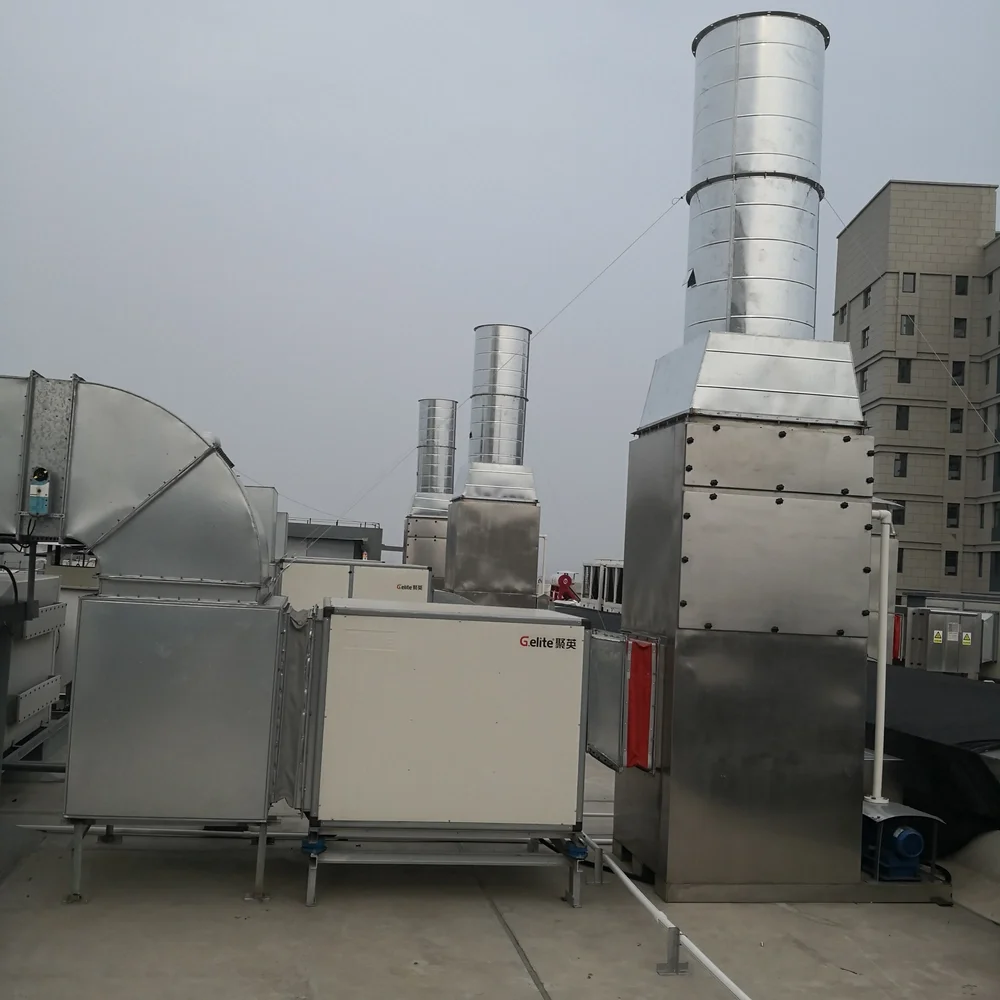
Common Types of Deodorization Technologies and Systems
Selecting the right odor control setup depends on the specific animal species, contaminant load, and facility air handling design. In our experience, combining physical, chemical, and biological technologies yields the most reliable results across high-demand vivarium spaces.
Activated Carbon and Dry Chemical Filtration Systems
Dry media filtration remains the standard defense against volatile organic compounds (VOCs) and gaseous metabolic byproducts. Standard activated carbon excels at trapping organic molecules, but animal facilities require enhanced media to handle light, polar gases:
- Impregnated Carbon Media: Specifically chemically treated with copper, phosphoric acid, or potassium hydroxide to chemically bind and neutralize ammonia and hydrogen sulfide.
- Broad-Spectrum Chemisorption: Destroys gaseous contaminants on contact rather than merely trapping them, preventing odor desorbing back into the air stream.
For operations generating steady gas loads, installing a dedicated activated carbon adsorption unit ensures robust capture performance and rapid gas elimination before clean air exits the exhaust stream.
Photocatalytic Oxidation (PCO) and UV Deodorizing Units
Photocatalytic oxidation combines high-output ultraviolet light with a titanium dioxide (TiO2) catalyst to break down complex organic gases into harmless carbon dioxide and water vapor.
- Destructive Action: Unlike media filters that hold contaminants, UV and PCO actively mineralize odor-causing compounds at a molecular level.
- Low Maintenance Footprint: Requires no chemical handling and features minimal static pressure drop across the air stream.
When choosing between active oxidation and dry media, reviewing our technical breakdown of UV photolysis vs activated carbon adsorption helps match the exact solution to your continuous airflow requirements and contaminant concentrations.
Biological Scrubbers and Biofiltration Systems
Biological deodorization employs naturally occurring microbes immobilized on packed media beds to digest ammonia, amines, and hydrogen sulfide:
- Sustainable Operation: Uses water and natural bacteria without consuming expensive dry media beds.
- High Efficiency for High-Volume Exhaust: Exceptionally cost-effective for large central vivarium exhaust stacks handling constant, heavy odor concentrations.
- Low Operating Cost: Produces no hazardous spent media, significantly lowering long-term operating overhead.
Integrated Gas Phase Filtration within Facility HVAC Systems
For whole-building air purification, gas phase filtration units integrate directly into existing heating, ventilation, and air conditioning (HVAC) duct networks:
| Filtration Stage | Target Contaminants | Primary Function |
|---|---|---|
| Pre-Filter (MERV 8-11) | Bedding dust, hair, large dander | Shields downstream chemical media from clogging |
| Gas Phase Module | Ammonia, skatole, mercaptans, VOCs | Neutralizes toxic and odorous gases through chemisorption |
| Final Filter (HEPA) | Sub-micron microbes, fine particulates | Guarantees sterile, particle-free supply or exhaust air |
Embedding these multi-stage filters into your central air handling architecture protects indoor air quality throughout animal holding rooms, procedural zones, and service corridors simultaneously.
Key Application Scenarios in Animal Research Facilities
Every section of a vivarium produces different contaminant profiles and concentration levels. To stop migration and maintain compliant indoor air quality, we deploy targeted odor removal equipment across key zones:
Animal Housing and Holding Rooms
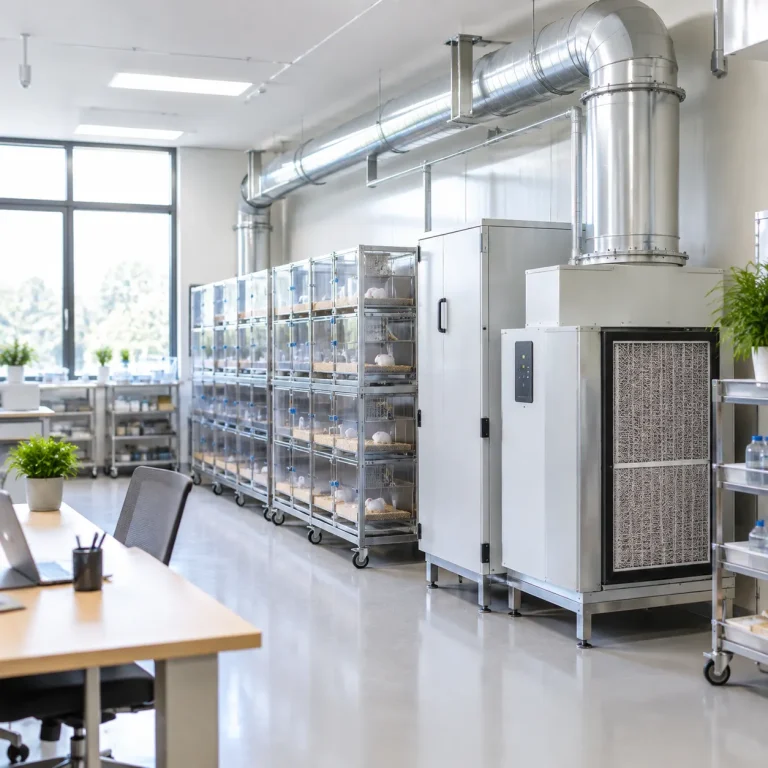
Holding suites experience constant, low-to-moderate gas emission rates from urine, feces, and bedding breakdown. The primary task here is 24/7 continuous air cleaning to maintain baseline physiological conditions:
- Continuous gas scrubbing: Removes persistent ammonia and volatile organic compounds (VOCs) directly at the cage or room level.
- Balancing airflow: Integrating dedicated animal room waste gas treatment systems prevents odor buildup without generating disruptive drafts that stress rodents.
- Static pressure isolation: Keeps animal spaces under controlled negative or positive pressure depending on barrier protocols.
Cage Washing, Waste Handling, and Bedding Disposal Areas
These zones produce the facility’s most severe odor spikes. When technicians dump dirty bedding and clean cages, massive surges of ammonia, dust, and moisture hit the air at once.
- High-capacity capture hoods: Localized extraction pulls dirty air right at the dump station before it migrates to clean corridors.
- Heavy-duty chemical media: Gas phase filtration units neutralize high-concentration bursts of sulfurous gases and moisture-heavy organic acids.
- Wash-down durability: Corrosion-resistant housings withstand high humidity and daily sanitation protocols.
Quarantine, Necropsy, and Procedure Rooms
Procedure and quarantine areas handle unique biological and chemical challenges that require specialized air filtration:
- Dual-stage filtration: Combines HEPA filters with deep-bed chemisorption to capture biological aerosols alongside chemical off-gassing.
- Chemical solvent capture: Neutralizes fixatives, anesthesia byproducts (such as isoflurane), and tissue decomposition odors.
- Cross-contamination control: Dedicated single-pass exhaust air filtration stops pathogens and offensive odors from re-entering general air loops.
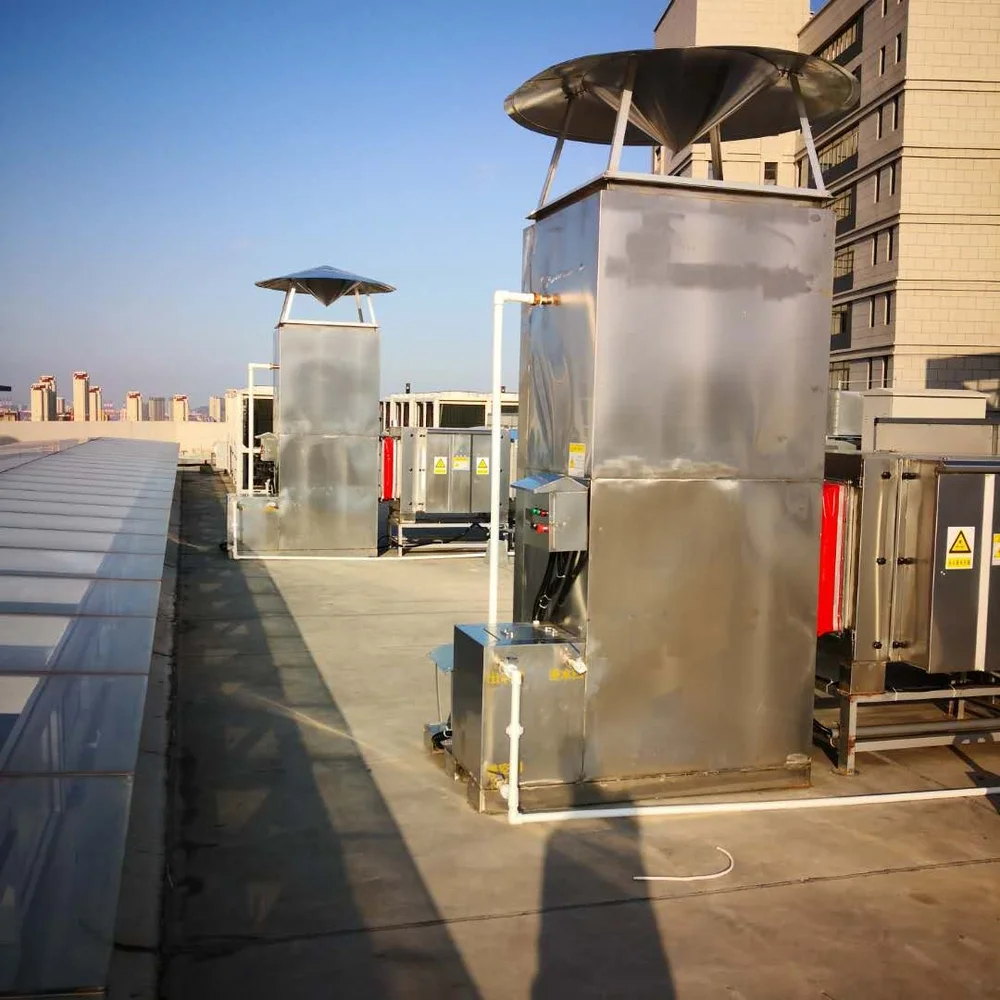
Exhaust Discharge Points to Prevent Neighborhood Odor Complaints
Venting untreated animal facility odors into urban or suburban research parks quickly triggers municipal scrutiny. Addressing these challenges in odor control for laboratory animal facilities requires robust perimeter protection:
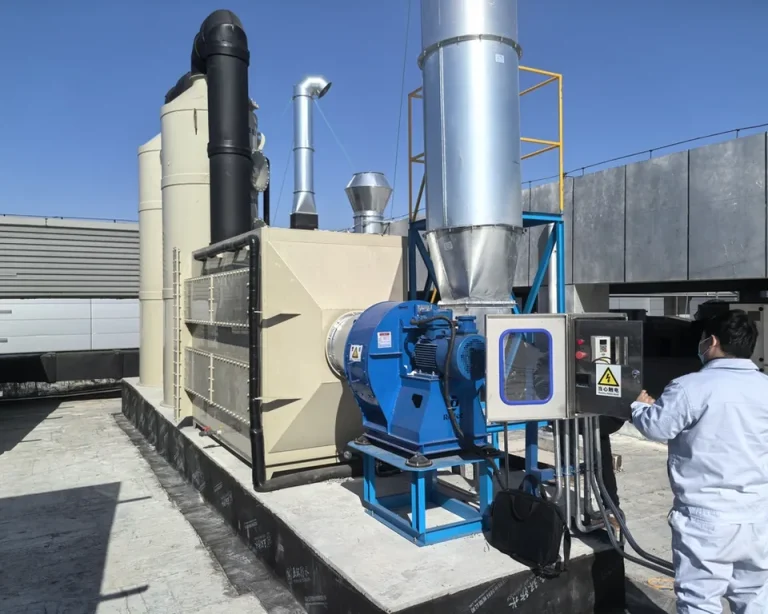
- Final-stage exhaust stacks: High-volume dry scrubbers and biological deodorization systems purify total plant exhaust before rooftop release.
- Boundary compliance: Eliminates hydrogen sulfide, mercaptans, and ammonia to ensure zero detectable odors at property lines.
- Weatherproof industrial builds: Rooftop-grade systems withstand variable weather while sustaining uninterrupted air throughput.
Criteria for Selecting and Maintaining Deodorization Equipment
Selecting and running the right odor removal equipment is not a matter of guesswork. It directly dictates compliance, operating budgets, and environmental safety across your vivarium. We evaluate specific sizing, mechanical, and operational parameters to keep indoor air quality stable and containment systems fully compliant.
Assessing Airflow Capacity, Animal Density, and Contaminant Load
Sizing an effective odor control system starts with calculating the true contaminant generation rate, not just room volume. Air changes per hour (ACH) must be balanced with targeted residence time inside the chemical or carbon media beds.
- Animal Density and Biomass: A holding room with high-density rodent racks produces significantly higher spikes of ammonia and volatile fatty acids than large-animal housing. Systems must handle peak loads that occur right before scheduled cage changeouts.
- Static Pressure and CFM: Deodorization units introduce system resistance. We calculate the duct static pressure drop accurately to ensure your HVAC supply and exhaust fans maintain required negative room pressure.
- Target Gas Concentrations: Pre-entry testing defines whether the primary challenge is high-ppm ammonia removal or complex volatile organic compounds (VOCs). In critical facilities, such as our project for university SPF animal laboratory deodorization, matching adsorption media dwell time to peak ammonia spikes ensures continuous containment without air stalls.
Evaluating Filter Lifespan, Operating Costs, and Energy Consumption
Sustained performance depends on how chemical media and filtration stages perform under continuous 24/7 loads. Balancing upfront capital costs against recurring utility bills and consumable changeouts is essential for long-term facility operation.
| Evaluation Metric | Basic Carbon Trays | Engineered Gas-Phase Deep-Bed Systems |
|---|---|---|
| Media Service Life | 2 to 4 months | 12 to 18 months |
| Static Pressure Impact | High initial drop; rises fast | Low, stable resistance profile |
| Breakthrough Protection | Minimal buffer during spikes | Built-in chemisorptive reserve |
| Energy Consumption | Increases as filters load | Stable motor power draw via VFDs |
Longer media life reduces labor disruptions in sensitive barrier suites. Implementing specialized adsorption substrates—a proven standard in pharmaceutical animal room deodorization—prevents premature chemical saturation while keeping fan energy consumption within design baselines.
Routine Maintenance, Sensor Monitoring, and Filter Replacement Protocols
A reliable maintenance strategy moves your team from reactive emergency filter swaps to predictive management:
- Differential Pressure Transmitters: Real-time digital manometers track particulate pre-filter loading and gas-phase resistance, signaling changes before airflow degrades.
- In-Duct Gas Sensors: Electrochemical ammonia and photoionization sensors monitor both the inlet and downstream clean air paths to detect breakthrough early.
- Lab Media Sampling: Periodic lab analysis of media samples measures remaining chemical capacity, allowing you to schedule maintenance during planned facility shutdowns rather than amid critical research cycles.
- Gasket and Housing Inspections: Regular verification of bypass seals ensures air flows through the treatment media rather than leaking around the edges of filter tracks.