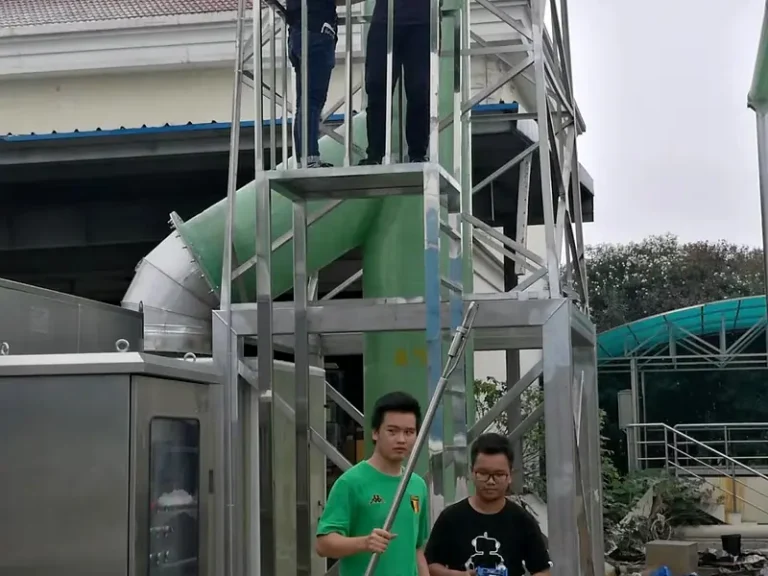
Environmental protection equipment supplier

Analysis of Challenges in Odor Control for Laboratory Animal Facilities in Biotechnology Companies
I. Industry Landscape: Pressures on Biotech Companies to Upgrade Environmental Protection Measures
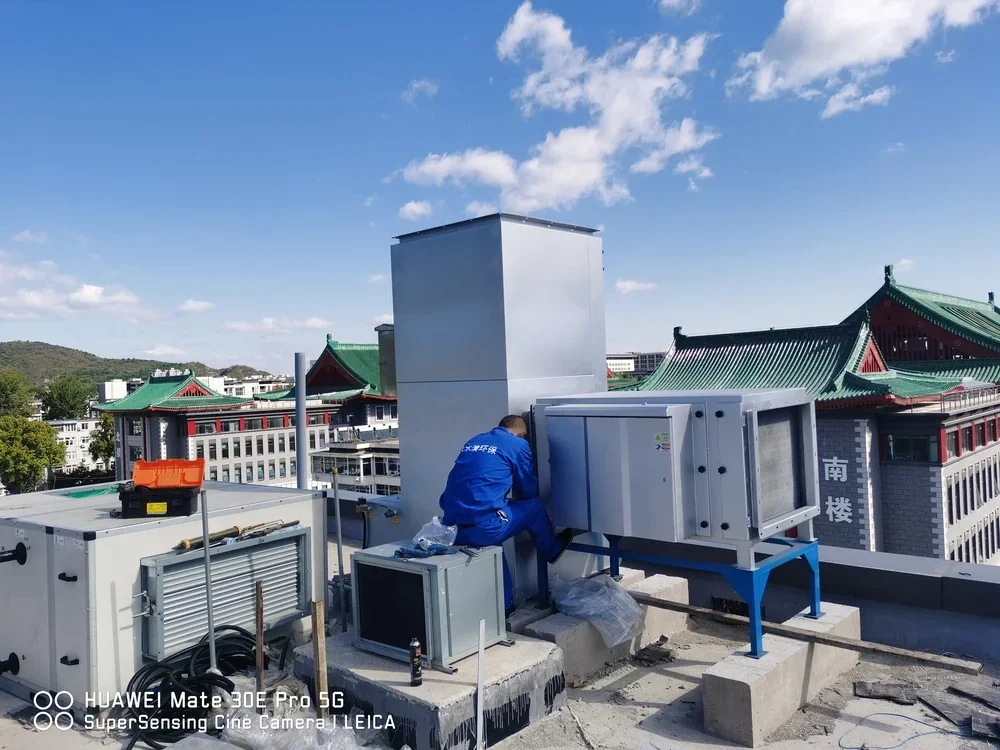
With the rapid development of my country’s biopharmaceutical industry, the scale of laboratory animal facility construction has continuously expanded; in particular, there has been a growing number of large-scale animal housing facilities dedicated to areas such as drug safety evaluation and disease model research. However, the foul-smelling gases generated by these facilities have become a critical factor constraining the sustainable development of enterprises:
- l Stricter environmental regulation: Ecological and environmental authorities are intensifying oversight of odor pollution, with emission standards continuously rising.
- l Community conflicts: The spread of odors often triggers complaints from nearby residents, impacting the enterprise’s public image.
- l Research environment requirements: High air quality is essential for ensuring the accuracy of experimental data and maintaining animal welfare.
- l Operational cost control: Enterprises require sustainable solutions that are efficient, energy-saving, and low-maintenance.
II. Technical Analysis: Working Principle of the UV-Photolysis & Turbulent-Flow Spray Dual-Stage Deodorization System
Technical Features
- l 3D flow-disrupting design: Utilizes patented multi-faceted hollow sphere packing, increasing the gas-liquid contact area by over 40% compared to traditional packing.
- l Intelligent spray control: Automatically adjusts spray frequency and chemical dosage based on exhaust gas concentration.
- l Multi-stage purification mechanism: Synergistic action combining physical capture, chemical absorption, and biodegradation.
- l Modular structure: Constructed from PPH material with high corrosion resistance and a service life exceeding 10 years.
Processing result:
- l Ammonia (NH₃) removal rate: 85%–92%
- l Hydrogen sulfide (H₂S) removal rate: 90%–96%
- l Particulate matter filtration efficiency: ≥95%
- l Exhaust gas temperature regulation: Effective cooling to below 40°C
2.2 Phase II: High-Efficiency UV Photocatalytic Advanced Purification System
- l UV Lamp Configuration: High-purity quartz lamps with dual-wavelength output (185 nm + 254 nm)
- l Catalytic Module: Nano-scale TiO₂ photocatalyst for enhanced oxidation efficiency
- l Reaction Time: Gas residence time of 2.5–3.5 seconds to ensure complete reaction
- l Safety Design: Explosion-proof structure, temperature monitoring, and automatic fire suppression system
Degradation mechanism:
- l Photolysis: High-energy ultraviolet light directly cleaves the chemical bonds of organic molecules.
- l Ozone oxidation: UV-C radiation generates ozone, which strongly oxidizes malodorous substances.
- l Free radical reactions: Hydroxyl radicals (•OH) facilitate non-selective oxidative degradation.
- l Catalytic synergy: Photocatalysts lower the reaction activation energy and enhance efficiency.
III. System Advantages: A Professional, Six-Dimensional Integrated Solution
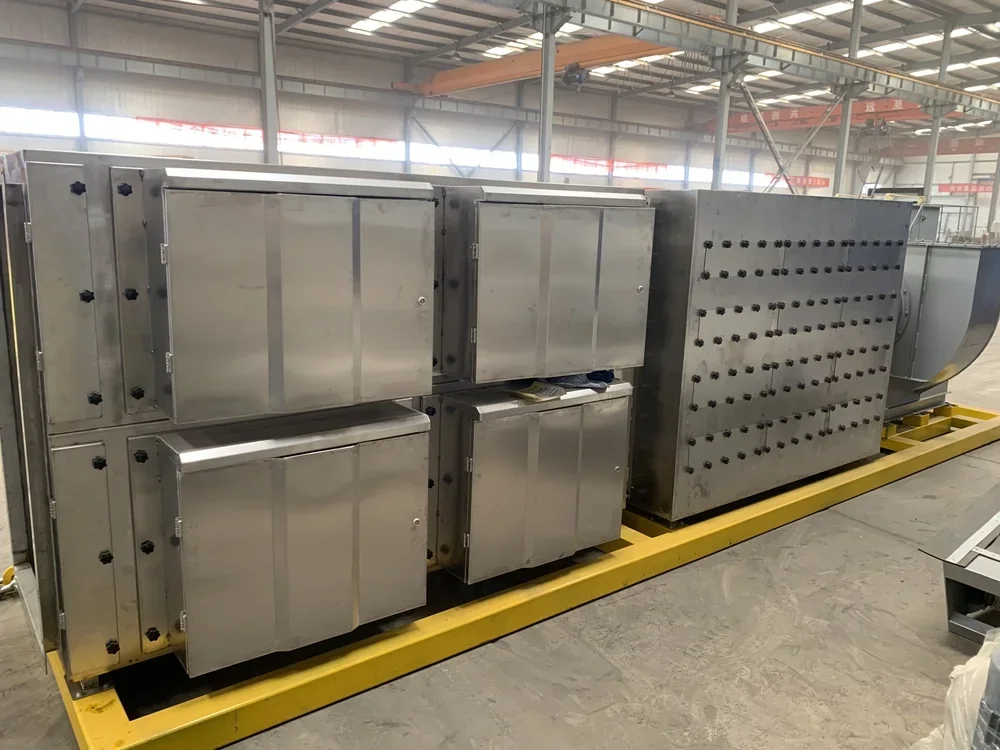
3.1 High-Efficiency Purification Performance
- l Removal rate of combined malodorous compounds: ≥95%
- l Total VOC removal efficiency: 90%–98%
- l Outlet gas is free of offensive odors and meets the Class I standard of the Emission Standards for Odor Pollutants
3.2 Intelligent Operations Management
- l Fully automatic PLC control system with support for remote monitoring via mobile app
- l Adaptive energy consumption adjustment, reducing operating costs by 30% compared to conventional equipment
- l Fault self-diagnosis system with real-time alerts to minimize downtime
3.3 Safe and Reliable Design
- l Explosion-proof certified electrical components, compliant with requirements for use in hazardous areas
- l Fire linkage system for automatic emergency response
- l Leakage monitoring and automatic shut-off device
3.4 Economic and Practical Features
- l Compact footprint; suitable for retrofitting existing facilities
- l Modular design; installation time reduced by 50%
- l Easy maintenance; requires only periodic replacement of lamps and packing material
3.5 Environmental Protection and Energy-Saving Characteristics
- l No secondary pollution; creates no wastewater treatment challenges
- l Low energy consumption: electricity usage ≤8.5 kWh per 10,000 m³ of waste gas treated
- l Noise level ≤65 dB(A); meets requirements for quiet environments
3.6 Customized Services
- l Free on-site assessment and solution design
- l Customized based on animal species, stocking density, and ventilation requirements
- l Comprehensive end-to-end services: exhaust gas testing, solution design, equipment manufacturing, installation and commissioning, and operations and maintenance training
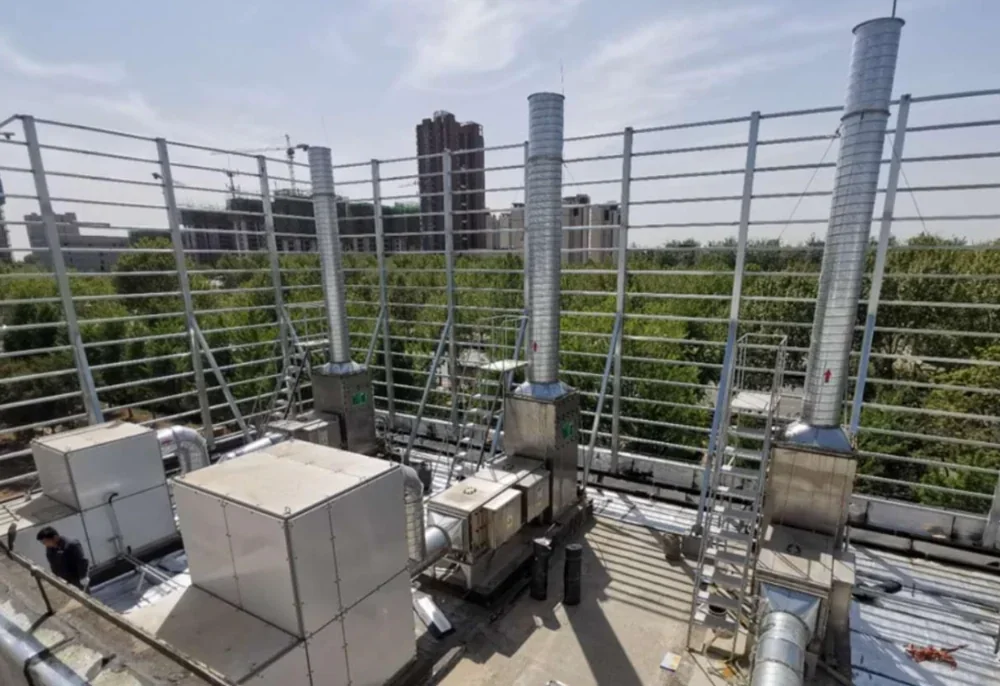
IV. Successful Application Case: Laboratory Animal Center Project for a Listed Biopharmaceutical Company
Project Background:
- l Company Type: A leading domestic CRO
- l Animal Species: Beagles, cynomolgus monkeys, and miniature pigs
- l Breeding Scale: Inventory of over 2,000 animals
- l Existing Issues: Frequent complaints from nearby residents and risk of environmental penalties
Solution:
- l Airflow capacity: 80,000 m³/h
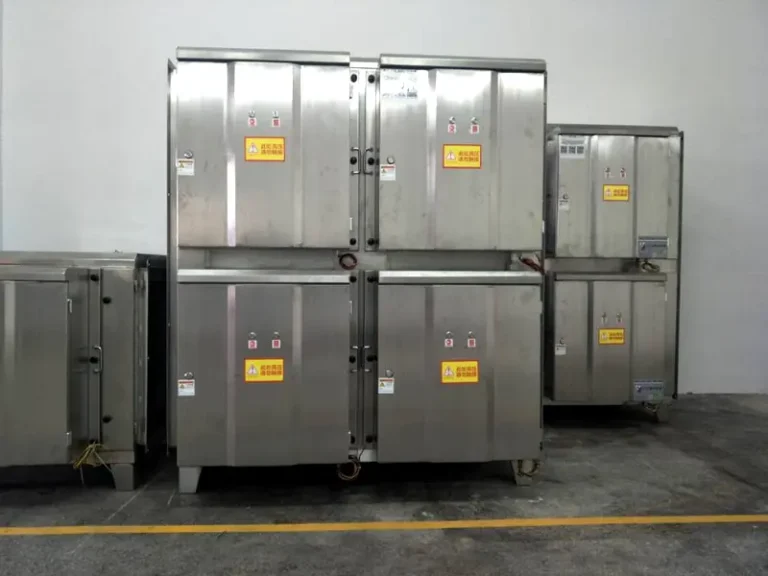
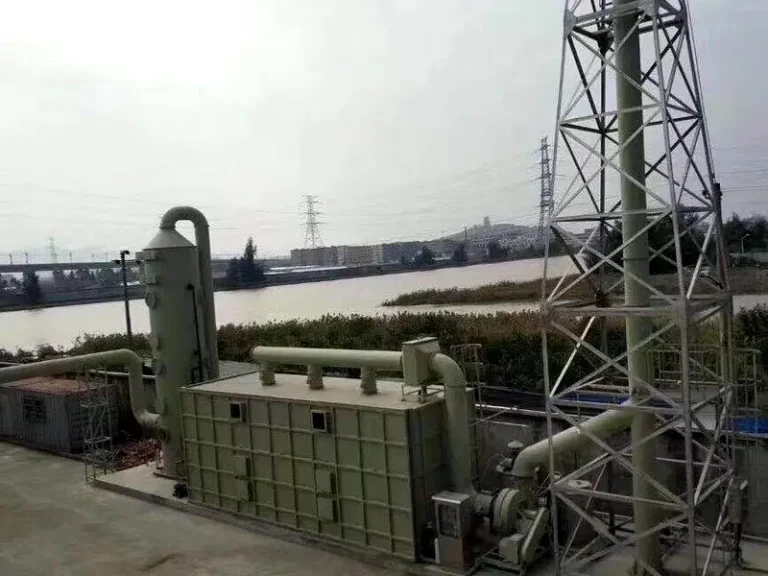
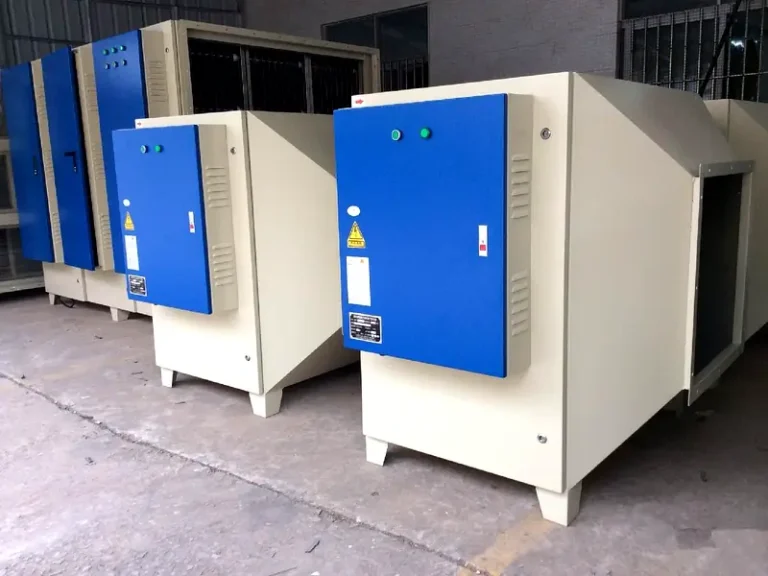
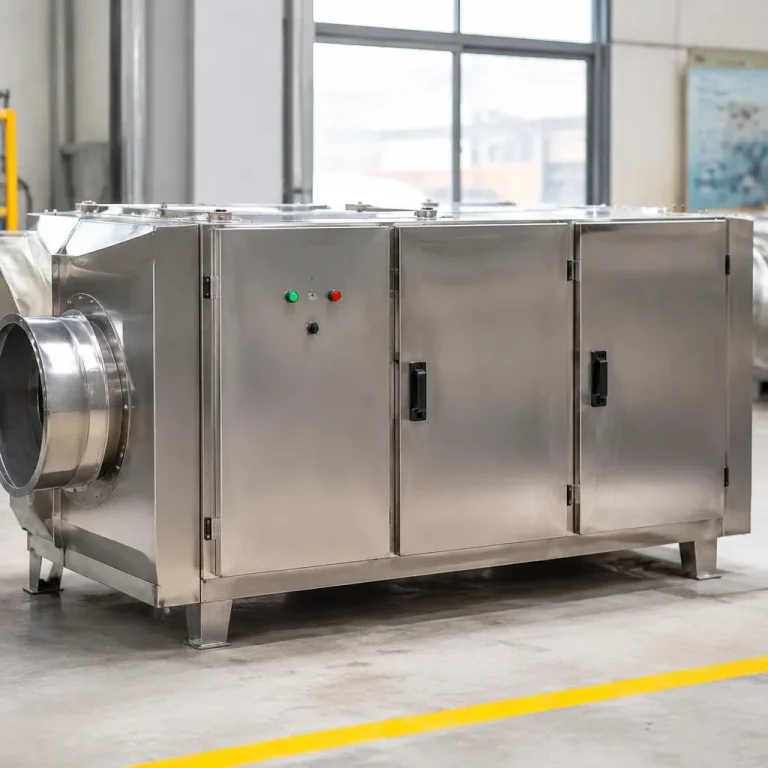
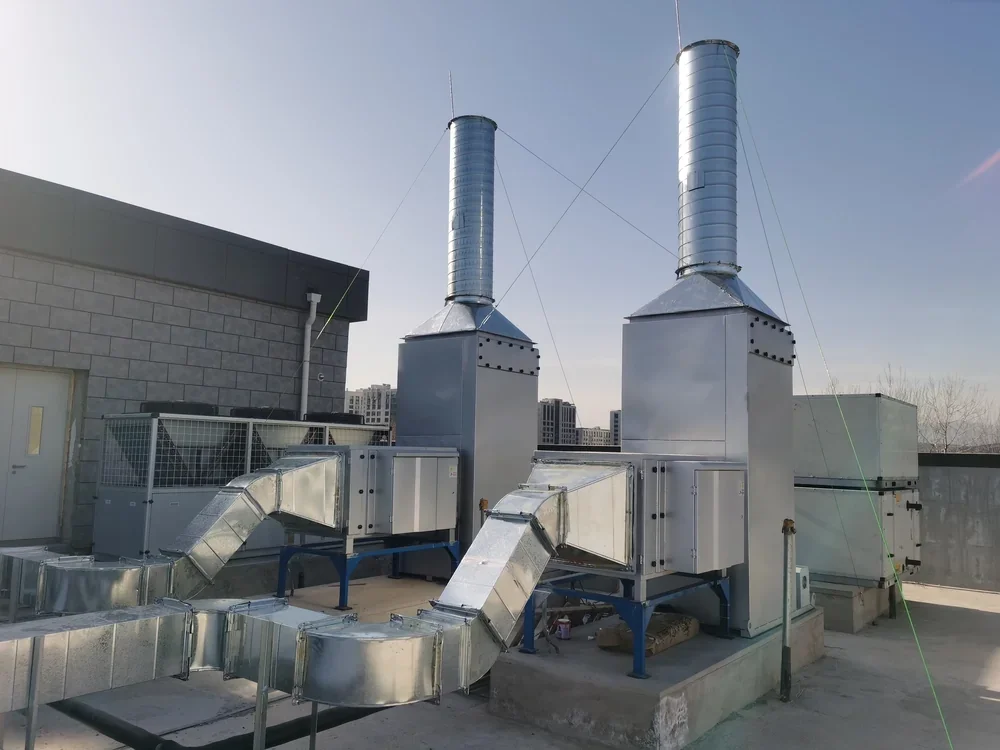
- l Equipment configuration: Two-stage turbulent-flow spray tower + three-stage UV photo-oxidation system
- l Installation method: Distributed rooftop layout to minimize ductwork modification
Operational results (data from 3 months after installation):
- Monitoring Parameter | Emission Concentration | National Standard Limit
- Ammonia (NH₃) | <1.5 mg/m³ | ≤20 mg/m³
- Hydrogen Sulfide (H₂S) | <0.05 mg/m³ | ≤0.33 mg/m³
- Odor Concentration (dimensionless) | <800 | ≤2000
- Annual Operating Cost | Approx. 86,000 RMB | 22% below budget
V. Scope of Industry Applications
This system is suitable for various locations that generate biogenic malodors.
5.1 Research Institutions
- l Medical Research Institute Laboratory Animal Facility
- l University Life Sciences Experimental Center
- l CDC Animal Laboratory
5.2 Biopharmaceutical Enterprises
- l Pharmaceutical company GLP laboratories
- l Biopharmaceutical manufacturers
- l Medical device testing centers
5.3 Other Related Locations
- l Large-scale pet breeding bases
- l Enclosed zoo exhibits
- l Conservation centers for livestock and poultry genetic resources
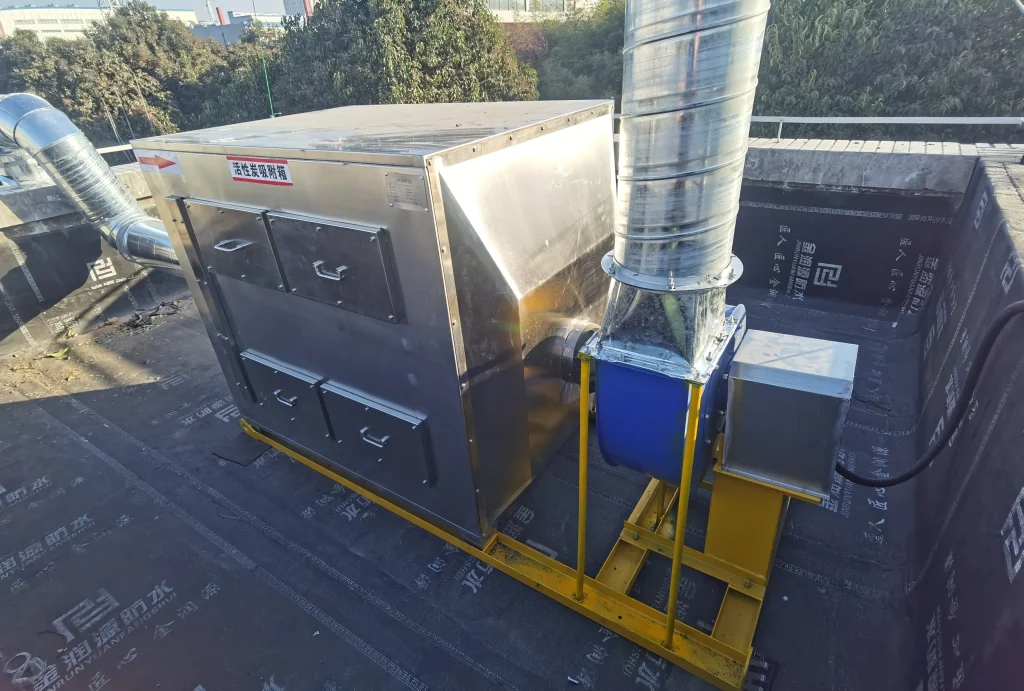
VI. Five Reasons to Choose Shuotu
- l Expert Technical Team: 15 years of experience in exhaust gas treatment and over 200 successful projects
- l In-house R&D Capabilities: Holder of 12 relevant patents with a commitment to continuous innovation
- l Comprehensive Service System: 24-hour response mechanism and lifetime technical support
- l Quality Assurance System: ISO9001 certified with full component traceability
- l Cost Control Advantage: Economies of scale delivering industry-leading cost-performance value
VII. Implementation Process: Standardized Operations from Requirements to Acceptance
- l Requirement Consultation: Technical engineers coordinate to understand specific operating conditions
- l On-site Survey: Complimentary on-site inspection
- l Solution Design: Preliminary design proposal provided within 5 working days
- l Solution Optimization: Adjustments based on client feedback to finalize the plan
- l Contract Signing: Specification of technical parameters, project timeline, and acceptance criteria
- l Equipment Manufacturing: 30–60 day production cycle with comprehensive quality monitoring
- l Installation & Commissioning: Professional team execution; installation completed within 7–15 days
VIII. Frequently Asked Questions
- Q1: How much installation space is required?
- A: Standard module dimensions can be flexibly adjusted based on site conditions; the system requires a footprint of only 15–20 square meters, making it ideal for retrofit projects with limited space.
- Q2: Is operation and maintenance complex?
- A: Featuring an intelligent design, the system requires only routine monitoring of instrument readings; maintenance involves simply replacing the spray solution every 3–6 months and the UV lamps annually.
- Q3: How long does the treatment performance last?
- A: The system is designed for a service life of over 10 years and comes with a 2-year warranty on core components; regular maintenance ensures long-term, stable compliance with standards.
- Q4: What is the investment payback period?
- A: Depending on the scale of the project, the investment is typically recovered within 1–3 years through savings on environmental fines, the avoidance of losses due to production shutdowns, and improved community relations.
- Q5: Can third-party test reports be provided?
- A: All projects support acceptance testing by client-designated third-party agencies, ensuring data impartiality and transparency.
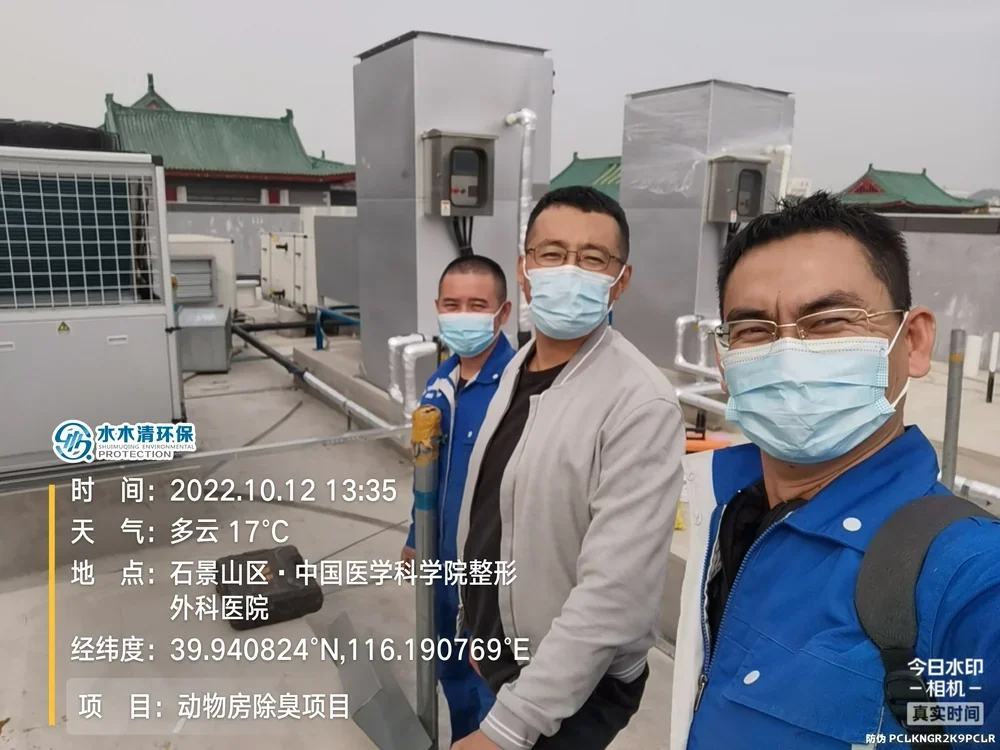
IX. Conclusion: Creating a Fresh Research Environment to Foster the Development of Biotechnology
Odor control in laboratory animal facilities is not merely a matter of environmental compliance; it is a vital reflection of corporate social responsibility, the assurance of research quality, and a commitment to sustainable development. Leveraging our proven technical solutions, reliable product quality, and comprehensive service system, we have successfully resolved exhaust treatment challenges for dozens of biotechnology companies and research institutions across the country.
We are committed to providing the optimal odor control solution for your laboratory animal facility—combining professional expertise, sincere service, and reasonable pricing—to ensure your research proceeds smoothly in a fresh, clean environment.
Get your tailored solution today!
Contact us for a free technical consultation, on-site assessment, and project quotation.