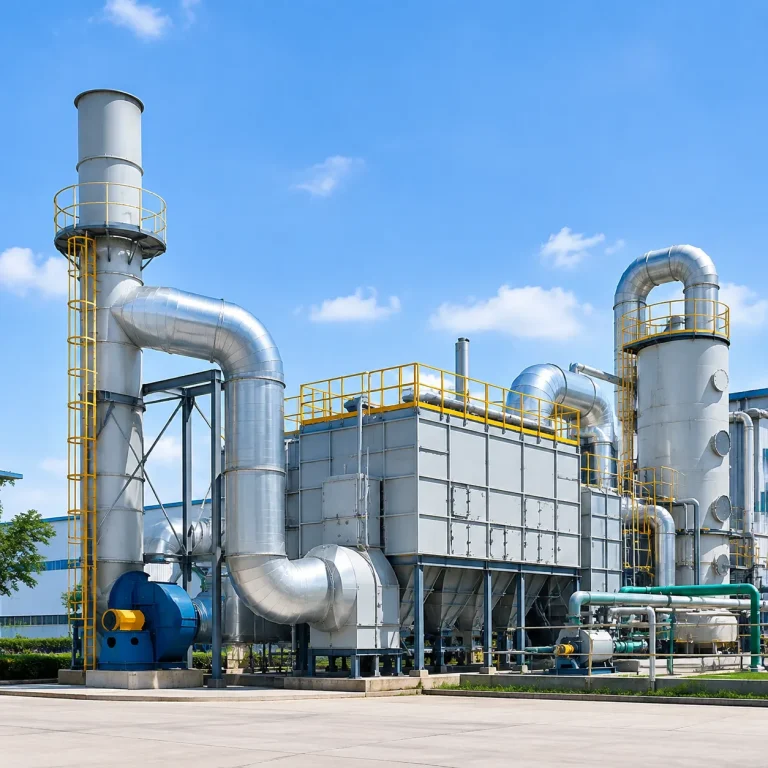
Environmental protection equipment supplier

Cattle and Pig Farm Wastewater Treatment Methods
Are you struggling to manage livestock effluent while staying ahead of strict environmental regulations?
You’re not alone. Handling high-strength slurry while controlling odors and operating costs is one of the biggest hurdles livestock producers face today.
In this guide, you’ll discover the most reliable and common methods for wastewater treatment at cattle and pig farms—from mechanical solid-liquid separation and anaerobic digestion to waste stabilization lagoons and advanced nutrient recovery.
Whether you manage dairy cattle or swine, this practical breakdown will help you choose the right system to ensure compliance, cut costs, and turn farm waste into valuable resources.
Let’s dive right in!
Understanding Cattle and Pig Farm Wastewater Characteristics
Managing livestock farm wastewater begins with understanding the distinct biochemical profiles of cattle and swine effluent. Both streams feature heavy organic loads, dense solids, and elevated nutrient levels that demand dedicated, high-efficiency treatment systems rather than standard municipal processing.
Composition and Pollutants in Livestock Effluent
The chemical and physical makeup of livestock effluent varies significantly by animal diet, housing type, and washdown frequency. Pig farming wastewater typically exhibits higher dissolved organic concentrations and heavy nitrogen loads, whereas cattle farm runoff contains more fibrous, slowly degradable solids.
| Parameter / Pollutant | Characteristics in Cattle Runoff | Characteristics in Pig Slurry | Environmental Risk |
|---|---|---|---|
| BOD₅ & COD | High (fiber-rich, moderate COD:BOD ratio) | Extreme (readily biodegradable organic matter) | Rapid aquatic oxygen depletion |
| Total Suspended Solids (TSS) | Coarse fibers, bedding materials, feed residue | Fine, colloidal organic particles | Sludge buildup, pipeline clogging |
| Nutrients (N & P) | Moderate ammonia; balanced nitrogen-phosphorus | High ammonium ($NH_4^+$-N) and soluble phosphates | Toxic algae blooms and eutrophication |
| Microbial Load | Enteric pathogens, Cryptosporidium, Giardia | E. coli, Salmonella, swine-specific viruses | Biosecurity hazards, disease transmission |
| Heavy Metals & Salts | Low-to-moderate salinity | High zinc (Zn) and copper (Cu) feed additives | Soil toxicity and groundwater salinization |
Environmental Impact and Regulatory Compliance Standards
Discharging untreated livestock effluent degrades ecosystems and exposes operations to severe regulatory penalties. Key operational and environmental priorities include:
- Surface and Groundwater Protection: High nitrogen and phosphorus concentrations leach into aquifers and trigger eutrophication in surface waterways. Implementing robust wastewater treatment methods for livestock and poultry farming prevents nitrate contamination in local drinking supplies.
- Atmospheric Emissions and Odor Control: Decomposing manure slurry generates methane ($CH_4$), ammonia ($NH_3$), and hydrogen sulfide ($H_2S$), which require prompt containment and stabilized processing.
- Global Discharge Benchmarks: Environmental regulations mandate strict limits on Total Nitrogen (TN), Total Phosphorus (TP), and Biological Oxygen Demand (BOD) prior to land application or surface discharge.
Proper characterization of your farm’s effluent stream is the critical first step in deploying targeted physical, biological, and chemical remediation technologies.
Primary Physical Treatment Methods
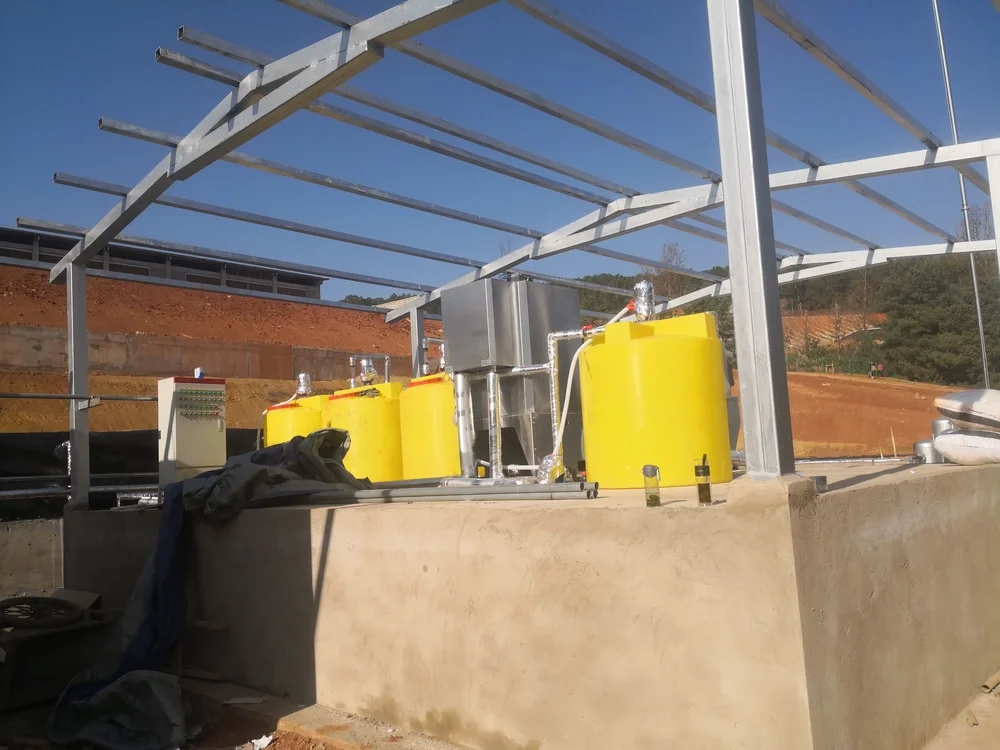
Primary physical treatment is the critical first stage in managing heavy agricultural runoff. Before tackling dissolved nutrients or biological loads, we first strip out the bulk solids. Implementing reliable physical separation protects your downstream equipment, prevents pipe clogging, and drastically reduces chemical demand in later stages.
Solid-Liquid Mechanical Separation
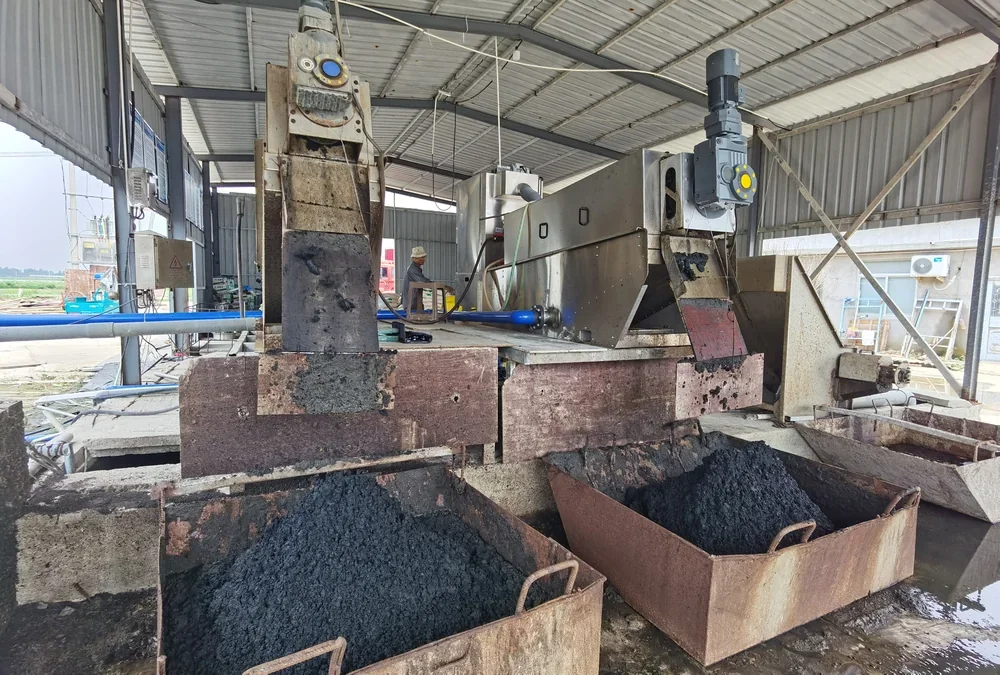
Mechanical separation is the backbone of primary treatment for raw manure slurries. By mechanically squeezing and dewatering effluent, we separate coarse organic solids from the liquid fraction right at the collection point.
- Screw Press Separators: Highly effective for cattle manure with fibrous bedding; creates a dry, stackable cake suitable for composting or bedding reuse.
- Decanter Centrifuges: Best for high-volume pig farming wastewater containing fine suspended particles that standard screens miss.
- Rotary Drum Screens: Continuously separate solids using rotational movement, offering low energy consumption and continuous operation.
Integrating reliable mechanical units early in your process flow for livestock and poultry wastewater treatment reduces total suspended solids (TSS) by up to 50–70% and significantly drops the biochemical oxygen demand (BOD) before effluent reaches lagoons or digesters.
Sedimentation and Grit Removal Basins
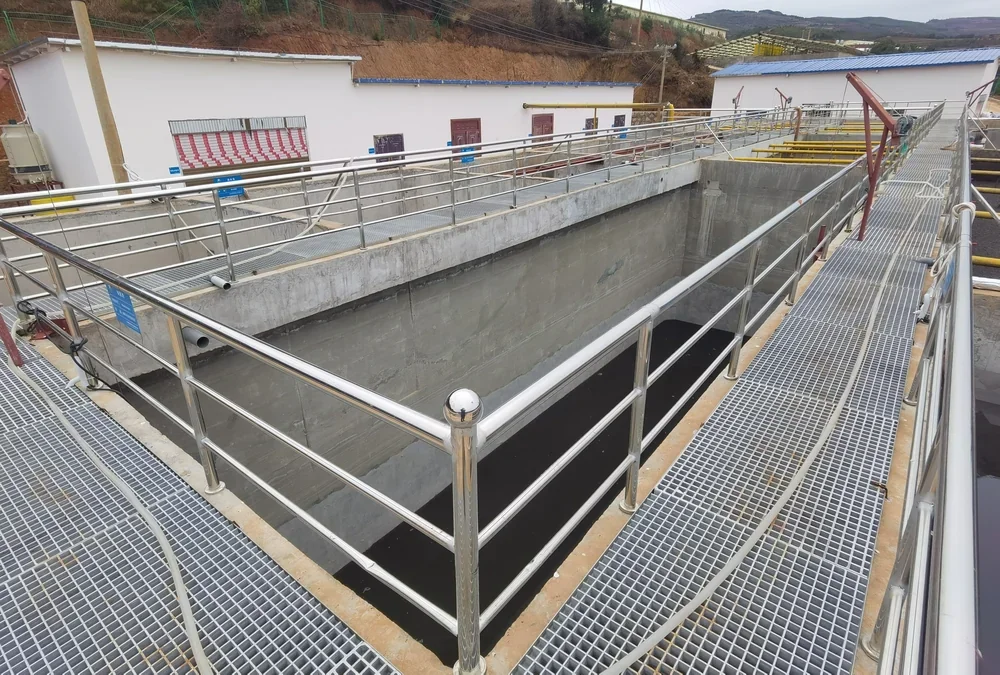
After coarse separation, effluent still carries heavy inorganic grit, sand, and dense feed residues. Sedimentation basins use gravity to pull these dense particles out of suspension.
- Grit Chambers: Narrow channels that slow water velocity just enough for sand and grit to drop out without settling lighter organic matter.
- Settling Basins: Larger holding tanks where finer solids settle to the bottom as sludge, while oils and light grease float to the top for skimming.
- Sludge Hoppers: Funnel-bottom collectors that allow for automated, periodic purging of settled sludge without draining the entire basin.
Removing abrasive grit extends the service life of transfer pumps, prevents line blockages, and stops heavy silt from accumulating at the bottom of anaerobic lagoons.
Screening and Filtration Systems
To polish liquid effluent before downstream biological processing, fine screening captures stubborn residual fibers and suspended matter.
| System Type | Best Application | Key Advantage |
|---|---|---|
| Static Wedge Wire Screens | Gravity-fed pre-treatment for dairy wash water | No moving parts, low maintenance, self-cleaning profile |
| Vibrating Sieves | Swine slurry with uniform, small particulates | High-frequency vibration prevents blinding on fine meshes |
| Drum Micro-Filters | Final physical polishing before membrane or biological stages | Captures micron-level particulates down to 20–50 microns |
Properly configured physical screening creates a consistent, uniform liquid stream, allowing subsequent biological and chemical systems to operate at peak efficiency.
Biological Wastewater Treatment Methods for Livestock Farms
Biological treatment forms the core of effective livestock farm wastewater management. Once primary separation removes heavy solids, biological systems rely on specialized microbial communities to break down dissolved organic matter, reduce chemical oxygen demand (COD), and strip excess nutrients from both cattle and pig farming wastewater.
Anaerobic Digestion and Biogas Production
Anaerobic digestion handles high-strength organic slurries in sealed, oxygen-free reactors. Microorganisms digest volatile solids, converting raw livestock effluent into valuable byproducts without producing offensive odors.
- Biogas Generation: Captures methane (CH₄) and carbon dioxide (CO₂) to fuel on-farm generators, boilers, or grid-tied energy systems.
- Digestate Stabilization: Leaves a nutrient-dense, pathogen-reduced liquid effluent ideal for direct field application or further processing.
- High Organic Load Reduction: Removes 60% to 80% of biochemical oxygen demand (BOD) before secondary treatment.
Aerobic Treatment and Activated Sludge Processes
Aerobic processes introduce mechanical aeration to provide continuous dissolved oxygen for aerobic bacteria. This stage targets remaining organic residues and completes vital nitrification processes, converting toxic ammonia into stable nitrates.
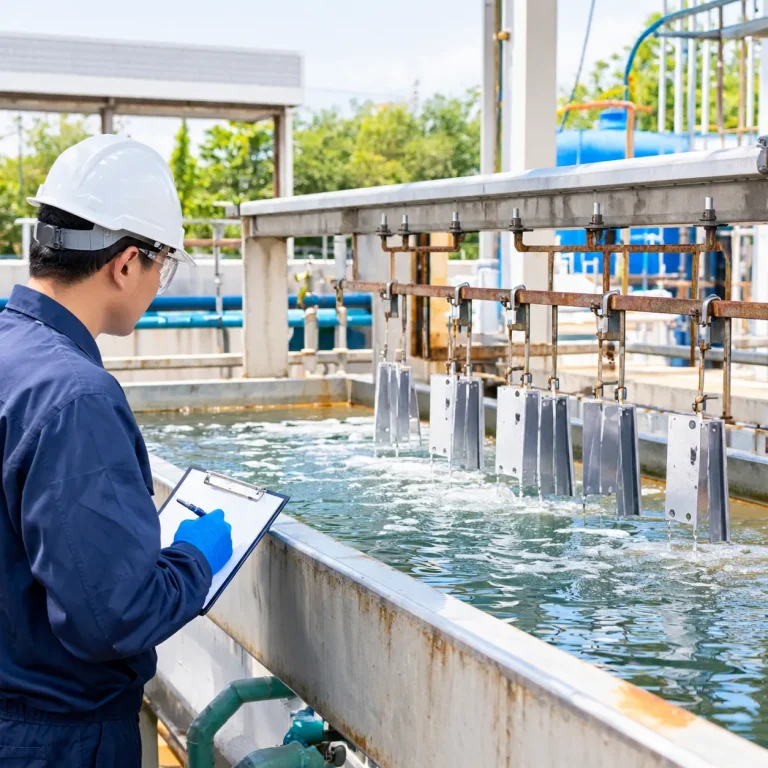
For modern farming facilities with limited land footprints, our advanced integrated sewage treatment equipment combines aeration, biological filtration, and secondary clarification into a single modular footprint, delivering rapid nutrient removal and consistent discharge quality.
- Activated Sludge: Suspended bacterial flocs consume soluble waste rapidly in aerated basins.
- Sequencing Batch Reactors (SBR): Combines equalization, aeration, and settling into timed cycles within a single tank.
- Nitrification-Denitrification: Alternates aerobic and anoxic zones to permanently convert total nitrogen into harmless atmospheric nitrogen gas (N₂).
Waste Stabilization Ponds and Anaerobic Lagoons
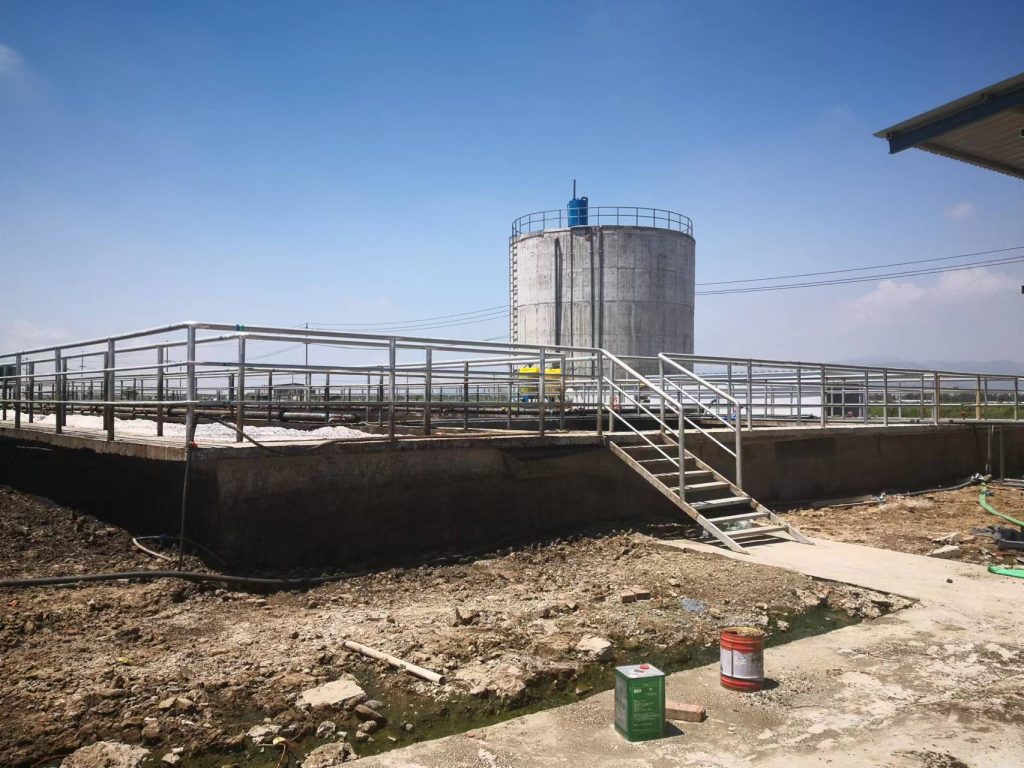
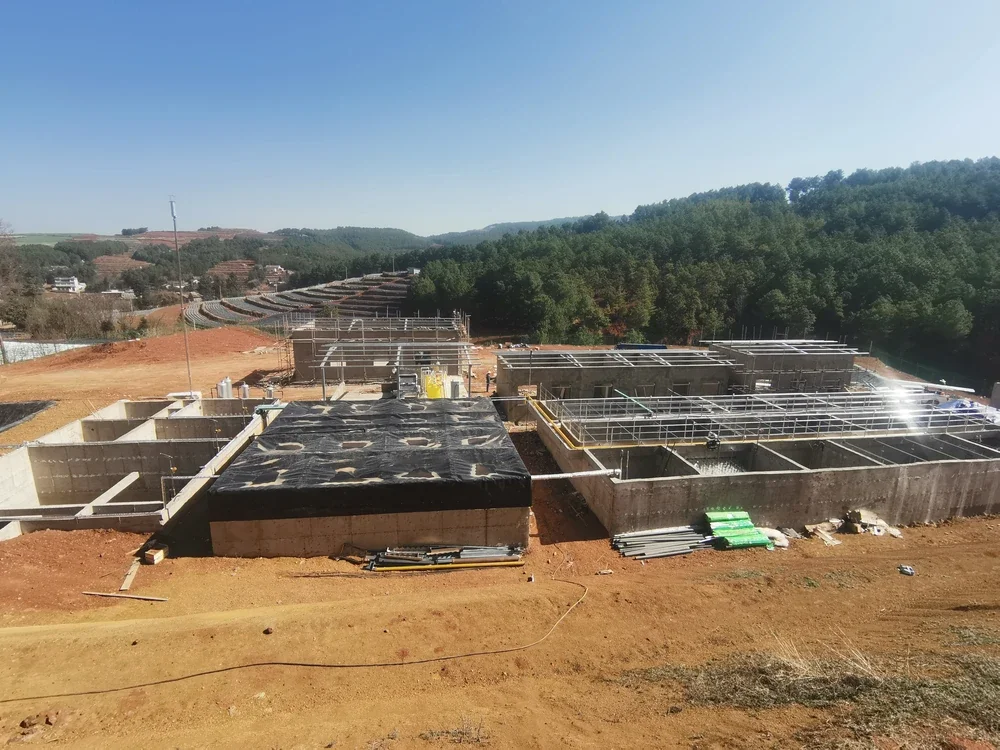
Lagoons and multi-stage stabilization ponds offer a low-energy solution for operations with ample land availability. By staging ponds in series, farms achieve natural stratification and gradual biological degradation.
| System Type | Primary Function | Retention Time | Best Suited For |
|---|---|---|---|
| Covered Anaerobic Lagoon | Heavy BOD reduction and gas capture | 30–90 Days | High-volume pig farming wastewater |
| Facultative Pond | Aerobic top layer / anaerobic bottom digestion | 20–60 Days | Medium-strength effluent polishing |
| Aerobic Maturation Pond | Pathogen reduction via sunlight and natural oxygenation | 10–20 Days | Tertiary polishing before land irrigation |
Constructed Wetlands and Natural Phytoremediation
Constructed wetlands serve as an eco-friendly polishing step following primary and secondary biological treatment. By passing effluent through engineered gravel beds planted with aquatic vegetation like reeds, cattails, and bulrushes, farms achieve natural biological filtration.
- Nutrient Uptake: Wetland plants absorb residual nitrates and phosphorus directly through root networks.
- Microbial Biofilms: Gravel substrate surfaces host dense microbial films that degrade trace organics.
- Passive Operation: Requires zero electrical input while providing wildlife habitat and polishing effluent to meet strict surface water discharge standards.
Chemical and Advanced Wastewater Treatment Technologies
When standard biological processes reach their operational limits, advanced chemical and physical polishing stages are essential. We deploy these technologies to strip out stubborn dissolved nutrients, neutralize dangerous pathogens, and recover high-purity water from heavily loaded livestock farm wastewater.
Coagulation and Flocculation for Phosphorus and Nitrogen Removal
Dissolved phosphorus and colloidal organic matter are difficult to capture with physical screening alone. We use targeted chemical conditioning to aggregate these micro-pollutants into dense, easily removable solids:
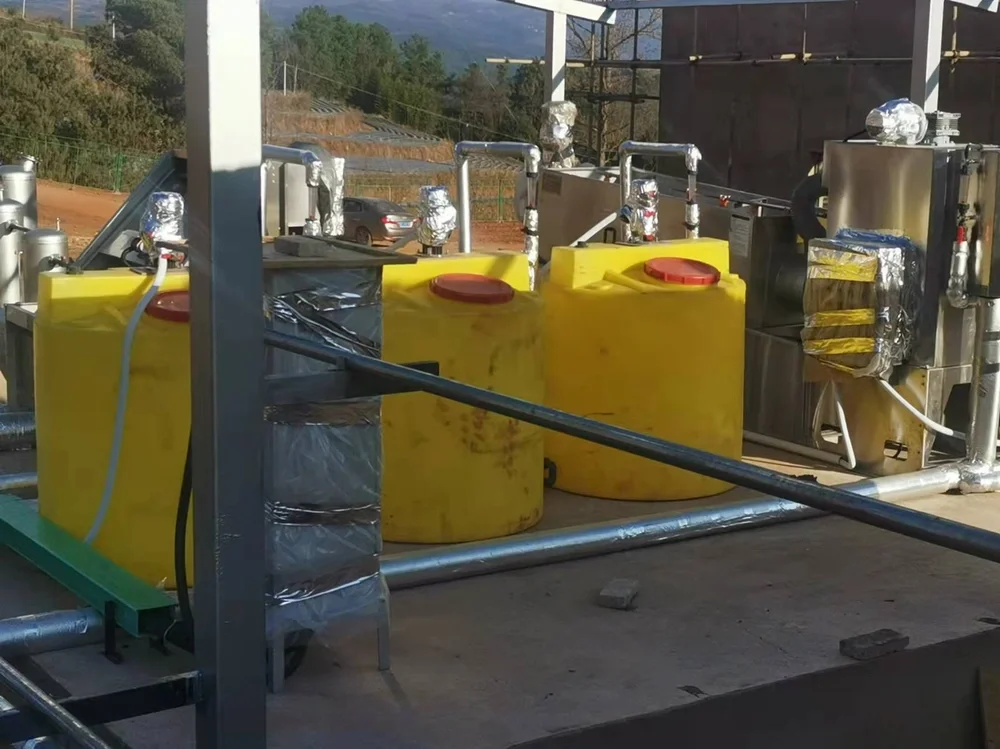
- Chemical Coagulation: Dosing coagulants like polyaluminum chloride (PAC) or ferric salts neutralizes electrical charges on suspended particles and binds with soluble orthophosphates to form insolubles.
- Polymer Flocculation: Adding anionic or cationic polyacrylamide (PAM) bridges the micro-flocs together into large, heavy clusters.
- Rapid Separation: The aggregated flocs are rapidly extracted using dissolved air flotation (DAF) or high-rate clarifiers, dropping total phosphorus (TP) levels down to strict regulatory limits.
| Treatment Agent | Primary Target | Operational Benefit |
|---|---|---|
| Polyaluminum Chloride (PAC) | Soluble phosphorus & turbidity | Fast floc formation, lower sludge volume |
| Ferric Chloride | Orthophosphates & heavy metals | High settling density, simultaneous odor suppression |
| Polymer (PAM) | Micro-flocs & colloidal particles | Drastically accelerates solid-liquid separation speed |
Disinfection and Pathogen Elimination Methods
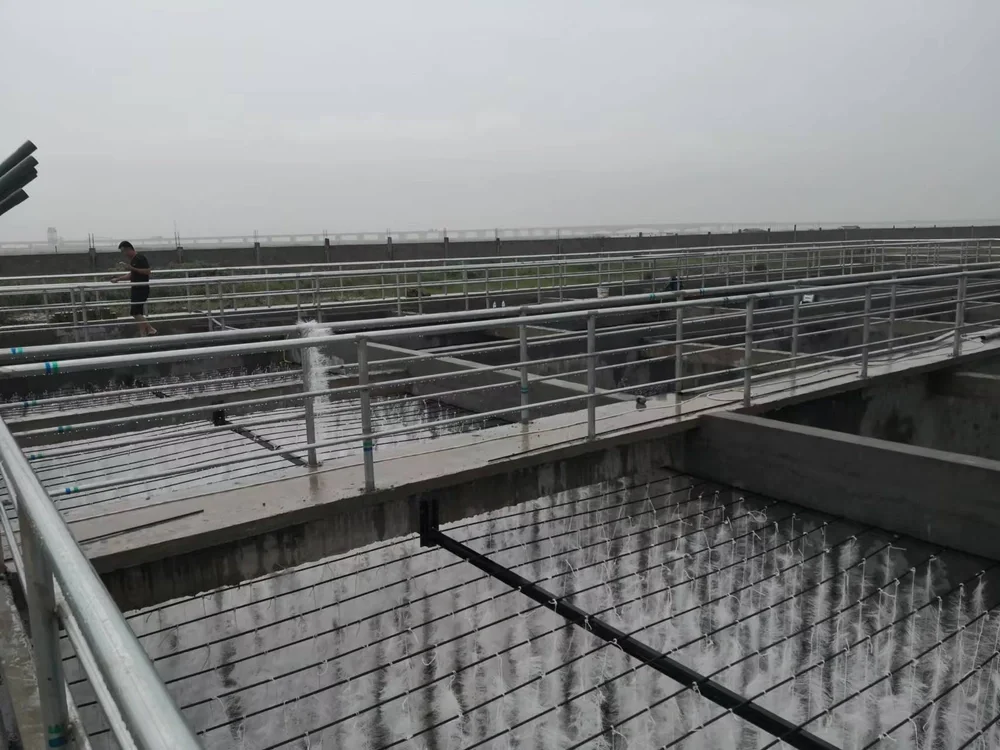
Pig farming wastewater and cattle runoff carry heavy concentrations of enteric pathogens, including Salmonella, E. coli, and parasitic ova. Effective pathogen control stops the spread of herd disease and eliminates biosecurity risks before discharge or land application.
- Ultraviolet (UV) Disinfection: High-intensity UV lamps penetrate clear, treated effluent to disrupt pathogen DNA. This physical process leaves no chemical residues and generates zero harmful byproducts.
- Ozone Oxidation: Ozone acts as a strong oxidant that ruptures bacterial cell walls, destroys viral structures, and breaks down lingering color and odor-causing compounds.
- Chlorine Dosing: Automated sodium hypochlorite injection provides a reliable, cost-effective residual barrier, preventing microbial regrowth in downstream storage tanks.
Membrane Filtration Systems for Water Recycling
Advanced membrane separation turns treated livestock wastewater into a clean, reusable water asset. We integrate a dedicated membrane filtration system to separate fine suspended solids, colloids, and dissolved salts that conventional clarifiers miss.
For facilities handling high-strength pig farming wastewater, coupling biological filtration with an MBR membrane bioreactor delivers consistent, high-grade effluent. The micro-porous membrane barriers replace secondary settling tanks entirely, producing crystal-clear water ready for reverse osmosis (RO) polishing or immediate farm reuse in barn washing and cooling systems.
Key Benefits of Efficient Farm Wastewater Management
Properly managing livestock farm wastewater transforms an environmental liability into a profitable, circular-economy asset. By adopting advanced treatment methods, we eliminate discharge risks, cut operational overheads, and unlock continuous value from daily livestock effluent.
| Management Area | Primary Output / Resource | Key Economic & Environmental Benefit |
|---|---|---|
| Biogas Systems | Methane-rich Biogas (CH₄) | On-site thermal heat, electricity generation, grid feed-in revenue |
| Nutrient Recovery | Nitrogen & Phosphorus solids, bio-effluent | Free organic field fertilizer, reduced chemical fertilizer purchases |
| Emissions Capture | Enclosed biological filtration | Drastic reduction in ammonia, H₂S odors, and greenhouse gas footprint |
Renewable Energy Generation from Biogas
Anaerobic digestion converts raw pig farming wastewater and cattle slurry into high-yield biomethane. Instead of allowing volatile organic matter to escape into the atmosphere, sealed digesters capture this gas to provide immediate energy benefits:
- Combined Heat and Power (CHP): Run gas engines to generate stable on-farm electricity and hot water for livestock housing.
- Fuel Savings: Replace commercial natural gas or diesel used for facility heating and drying processes.
- Carbon Credit Opportunities: Monetize verified methane emission reductions through global green energy frameworks.
Nutrient Recovery for Organic Fertilizer Production
Solid-liquid separation allows us to split raw livestock wastewater into two distinct, high-value nutrient streams:
- Separated Solid Cake: Rich in organic carbon and phosphorus, this material forms a base for high-grade compost or pelletized organic fertilizer.
- Liquid Nutrient Fraction: High in readily available ammonium nitrogen and potassium, perfect for precision field fertigation without clogging standard spray equipment.
Reclaiming these nutrients sharply reduces the need to purchase synthetic chemical fertilizers while restoring organic structure to local agricultural soils.
Odor Control and Greenhouse Gas Mitigation
Untreated cattle and pig farm wastewater produces severe odor issues driven by hydrogen sulfide, ammonia, and volatile fatty acids (VFAs). Enclosing primary holding zones and directing waste streams into structured aeration or bio-digestion setups eliminates standard nuisance smells.
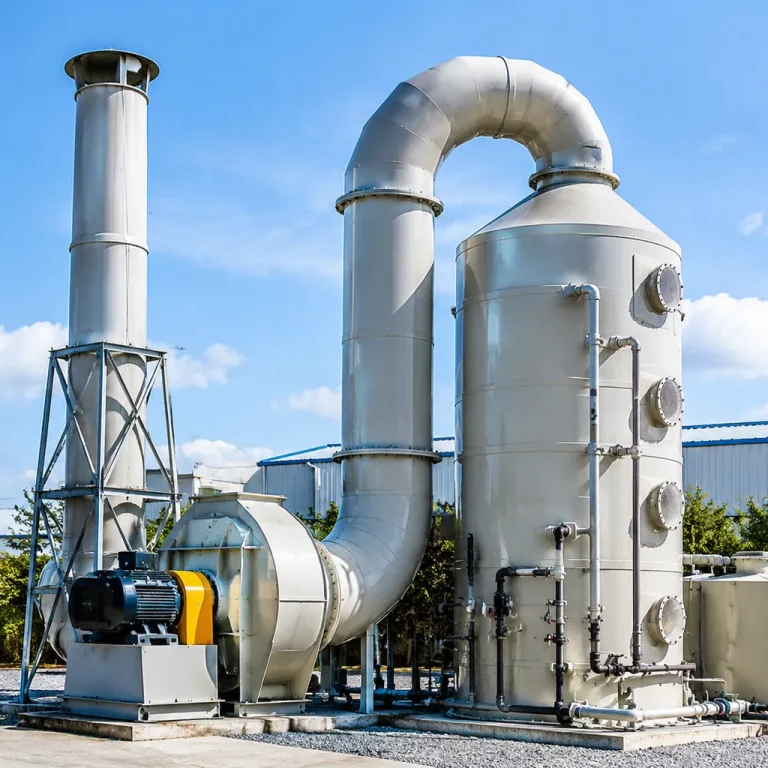
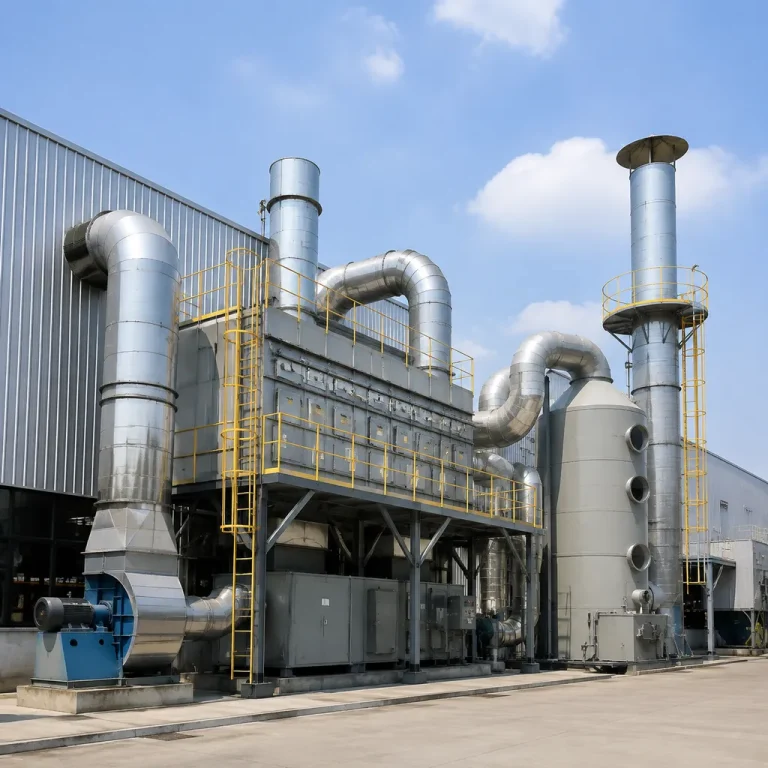
Applying dedicated air treatment practices alongside proven methods for odor control in animal facilities ensures complete compliance with strict municipal air quality standards. Capturing these emissions shields neighboring communities from foul drafts, slashes overall carbon intensity, and ensures long-term operational peace of mind.
How to Choose the Right Wastewater Treatment System for Your Farm
Selecting the right setup is essential to balance budget, labor, and regulatory requirements. We evaluate farm size, waste composition, and environmental goals to configure practical wastewater treatment methods for livestock and poultry farming that deliver consistent, long-term performance.
Differences Between Cattle and Pig Farm Wastewater Needs
Cattle and swine operations generate entirely different effluent streams. Dairy and beef cattle waste carries high fiber and bulky bedding materials, while pig farming wastewater contains fine suspended solids, elevated soluble nitrogen, and intense odor compounds.
| Wastewater Factor | Cattle Farm Effluent | Pig Farm Wastewater |
|---|---|---|
| Primary Solids Profile | High coarse fiber, silage, and bedding debris | Fine organics, high colloidal matter |
| Nutrient Load (N & P) | Moderate nitrogen; manageable phosphorus | Extremely high ammonia; requires deep nitrification |
| Primary Treatment Focus | Heavy solid-liquid separation and settling | Intensive anaerobic digestion and biological filtration |
Assessing Farm Capacity, Capital Costs, and Operational Expenses
Balancing capital expenditure (CAPEX) with long-term operating costs (OPEX) keeps your farm profitable. We focus on matching equipment sizing to actual daily loads rather than overpaying for unused capacity:
- Hydraulic Volume & Footprint: Daily volume dictates retention time. Adding an inclined tube sedimentation tank speeds up clarification while reducing the land area needed for settling basins.
- Energy Consumption: Continuous mechanical aeration raises utility bills. Combining passive settling with targeted biological stages minimizes energy draw.
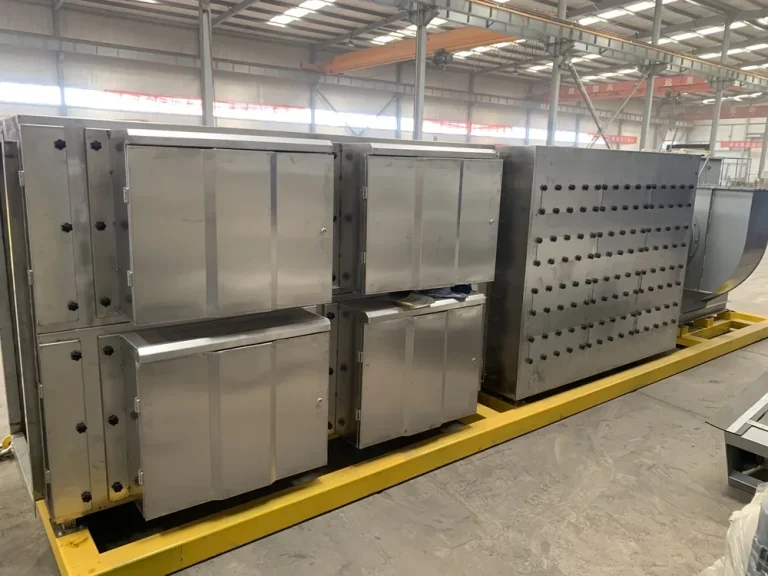
- Equipment Durability: Abrasive livestock farm wastewater demands heavy-duty pumps, stainless-steel screening, and corrosion-resistant tanks to prevent frequent downtime.
Meeting Local Discharge and Environmental Compliance Standards
Discharge permits require strict control over chemical oxygen demand (COD), biological oxygen demand (BOD), total nitrogen, and phosphorus. Polish effluent effectively to meet strict discharge limits and protect local soil and watersheds:
- Final Solids Polishing: Employing multi-media mechanical filters traps lingering micro-solids before recycled water is reused for barn flushing or crop irrigation.
- Nutrient Balancing: Verify that nitrogen-to-phosphorus ratios align with agronomic absorption limits to prevent field runoff violations.
- Seepage Prevention: Ensure all holding tanks and lagoons maintain impermeable barriers to protect local groundwater reservoirs.