Environmental protection equipment supplier

Factory for Animal Facility Odor Control Equipment: An Inside Look at the Equipment and Its Advantages
In the field of animal husbandry, the issue of odors in animal housing has long been a major challenge for breeders. Facilities that manufacture odor-control equipment for these spaces act much like mysterious, magical factories, dedicated to producing systems that effectively solve this problem. Today, let us step inside one of these factories and unveil the secrets behind their operations.
First, let us consider why animal housing facilities require odor control equipment. Animal waste, secretions, and leftover feed generate significant amounts of harmful gases—such as ammonia and hydrogen sulfide—as well as unpleasant odors. These odors not only compromise the health and growth of the animals but also pose health risks to personnel and negatively impact the surrounding environment. Therefore, the use of odor control equipment to improve air quality in animal housing is essential.
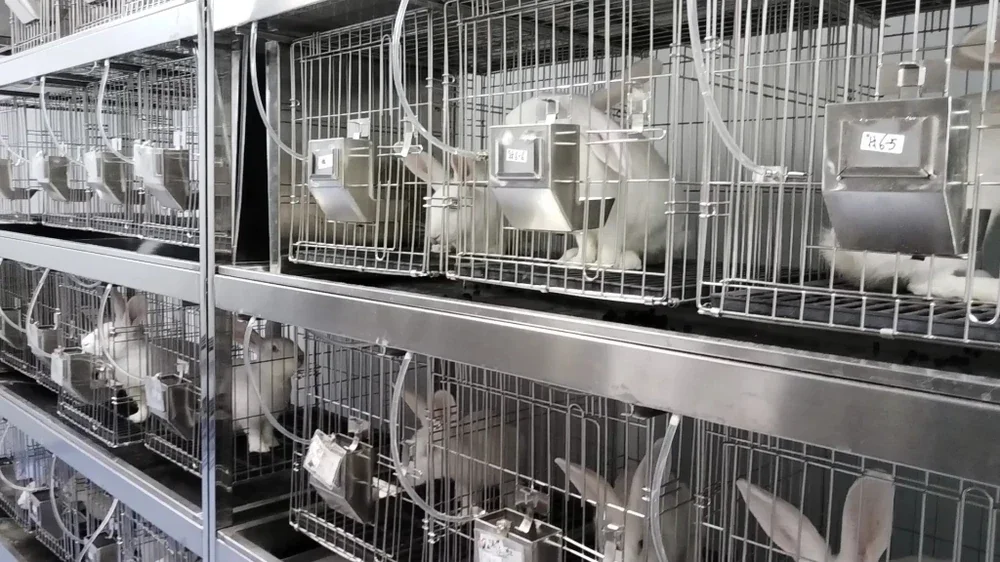
Factories manufacturing odor control equipment for animal facilities produce a wide variety of systems, with several common types available. One such type is biological odor control equipment. This system utilizes the metabolic activity of microorganisms to break down harmful gases into harmless substances, thereby eliminating odors. Biological odor control equipment is a popular choice due to its effective performance and its status as an environmentally friendly, pollution-free solution.
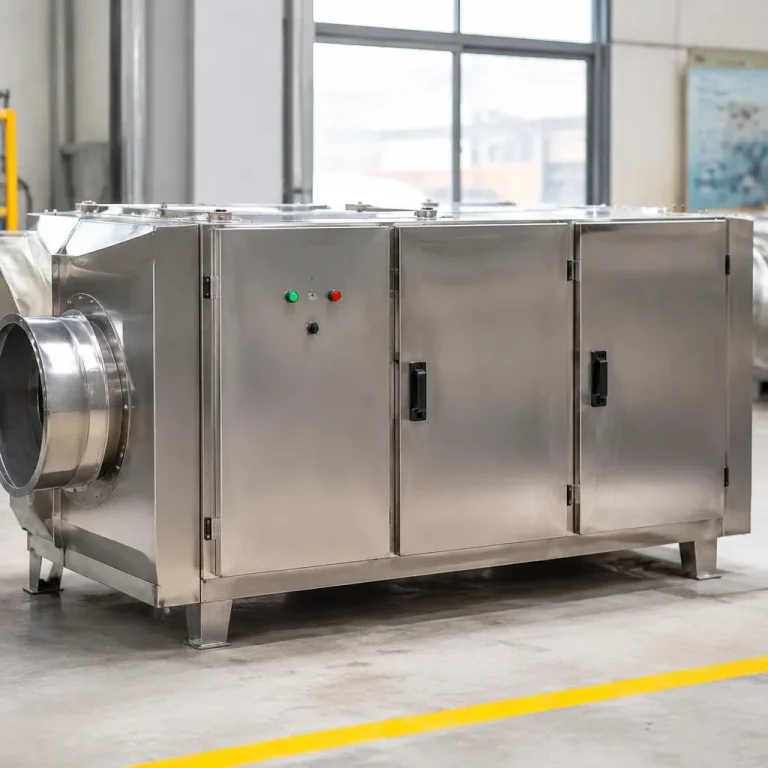
The second type is physical deodorization equipment. Such equipment primarily removes odors through methods like adsorption and filtration. For instance, activated carbon adsorption units utilize the adsorptive properties of activated carbon to capture odor molecules from the air on the material’s surface, thereby achieving deodorization. Physical deodorization equipment is easy to operate and relatively inexpensive。
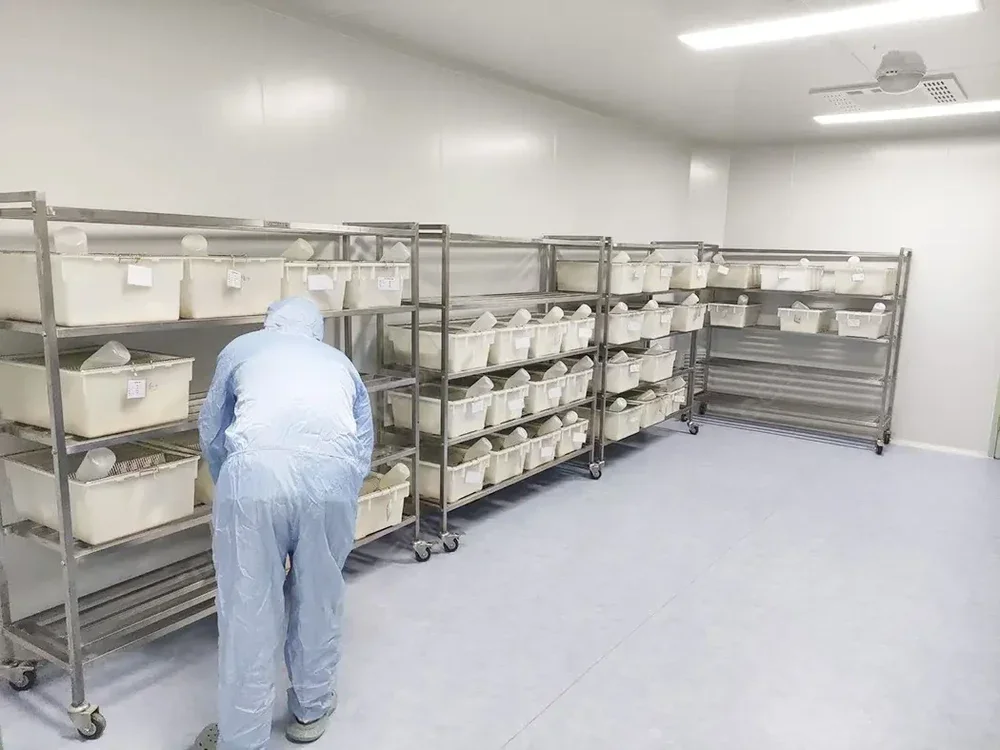
The third type is chemical deodorization equipment. This equipment removes odors through chemical reactions—for instance, by using deodorizing agents that react chemically with odor molecules to convert them into harmless substances. While chemical deodorization equipment acts relatively quickly, it may generate some secondary pollution.
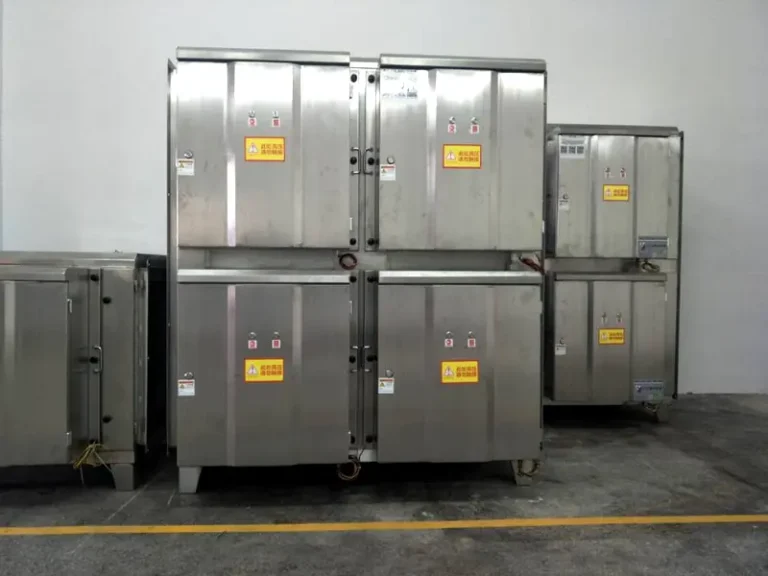
Factories manufacturing deodorization equipment for animal facilities exercise strict quality control. We carefully plan and test every step, from raw materials to production. We choose quality materials so the equipment stays reliable and stable, and use modern production methods to boost efficiency and product quality.
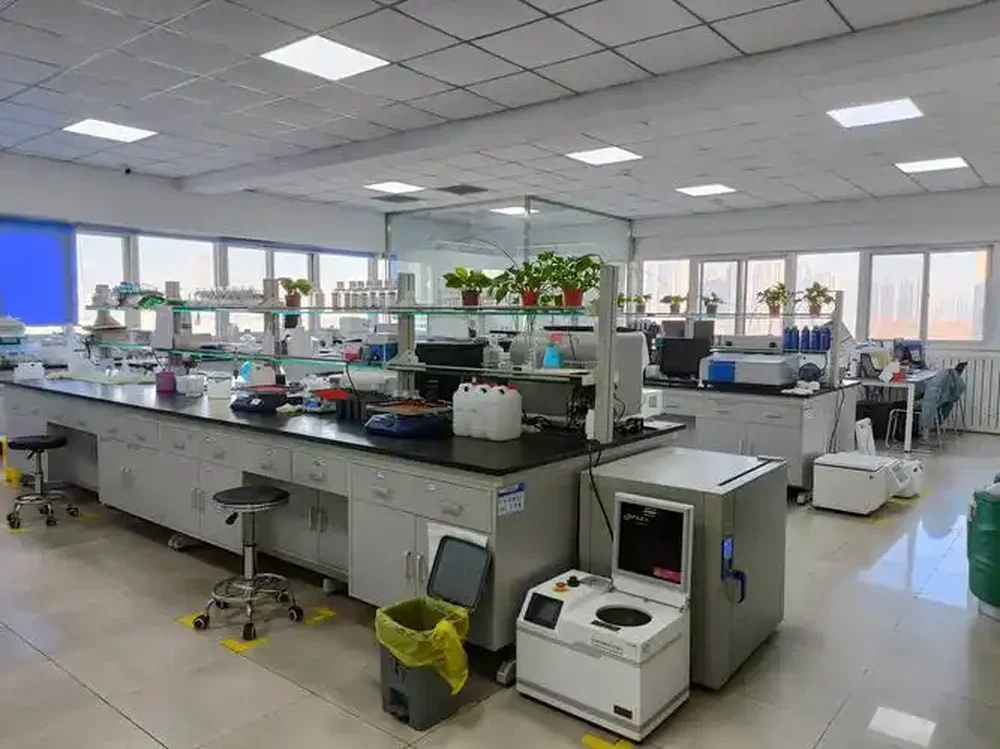
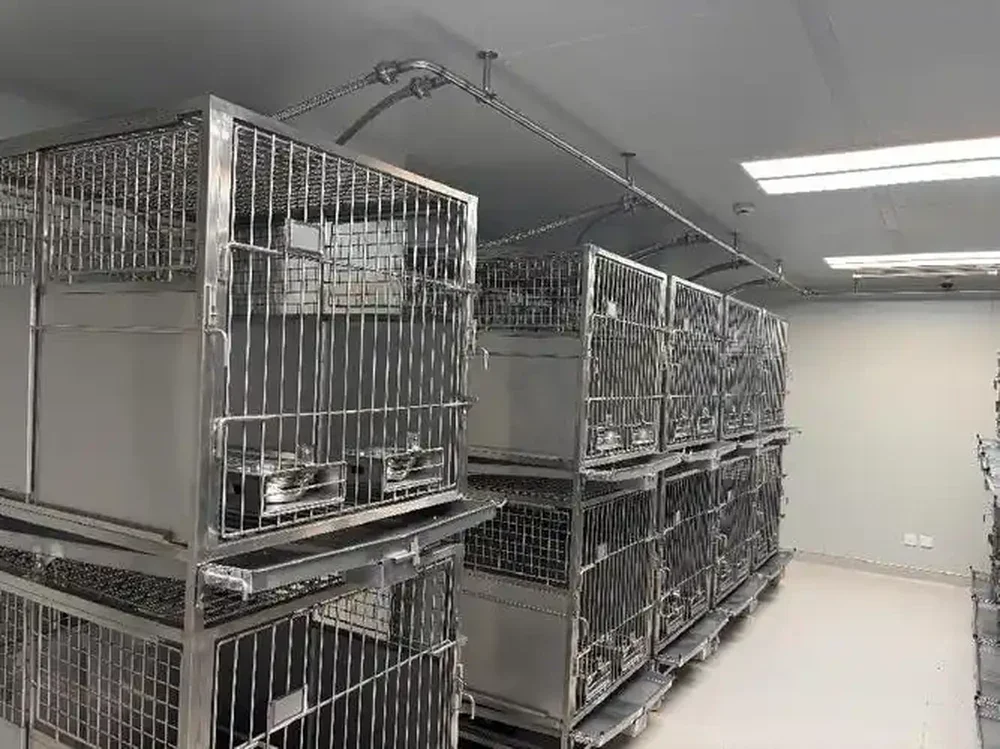
Peking University’s Lab Animal Center exhaust deodorizer monitors key parameters (bilirubin, cholesterol, creatinine, glucose, urea nitrogen) and removes lab-animal odors.
This exhaust and deodorization system was specially designed for the Laboratory Animal Center at Peking University. It tracks key indicators—bilirubin, cholesterol, creatinine, glucose, urea nitrogen—and removes odors from lab animals like mice.
Within the range of ±(0.10–0.90), we observed three distinct values: 63.3 ± 11.8, 65.5 ± 21.1, and (26.0–82.4). These values all fall within the specified valid range.
Within the range of ±(0.30–1.00), we recorded the following values: 92.2 ± 10.5, 85.0 ± 9.50, and (62.8–176). We also recorded a few more readings: 20.8 ± 5.86, 17.9 ± 4.50, and 13.9–28.3. All these data fall within the specified valid range.
The data show that physiological parameters (uric acid, sodium, potassium, chloride) vary within specific ranges across species, offering a key reference for assessing the device’s effectiveness and animal physiology—confirming its practical value in animal experiments.