Environmental protection equipment supplier

Process Flow for Livestock and Poultry Wastewater Treatment
This refers to purification processes designed to treat the high-concentration wastewater (containing significant levels of bacteria, ammonia nitrogen, and organic phosphorus) and sludge generated during livestock and poultry farming—such as cattle and pig rearing—thereby addressing key challenges in wastewater treatment.
The process improves the farm environment and removes pollutants through the application of specialized equipment. Reusing the treated water for agricultural irrigation alleviates rural freshwater shortages; operators should collect and purify the biogas produced through anaerobic decomposition according to its intended use, ideally directing it toward power generation to meet the electricity needs of the farm and surrounding areas. Research has also explored the use of flocculation and membrane bioreactor (MBR) technologies for advanced treatment to facilitate irrigation water reuse and reduce energy consumption.
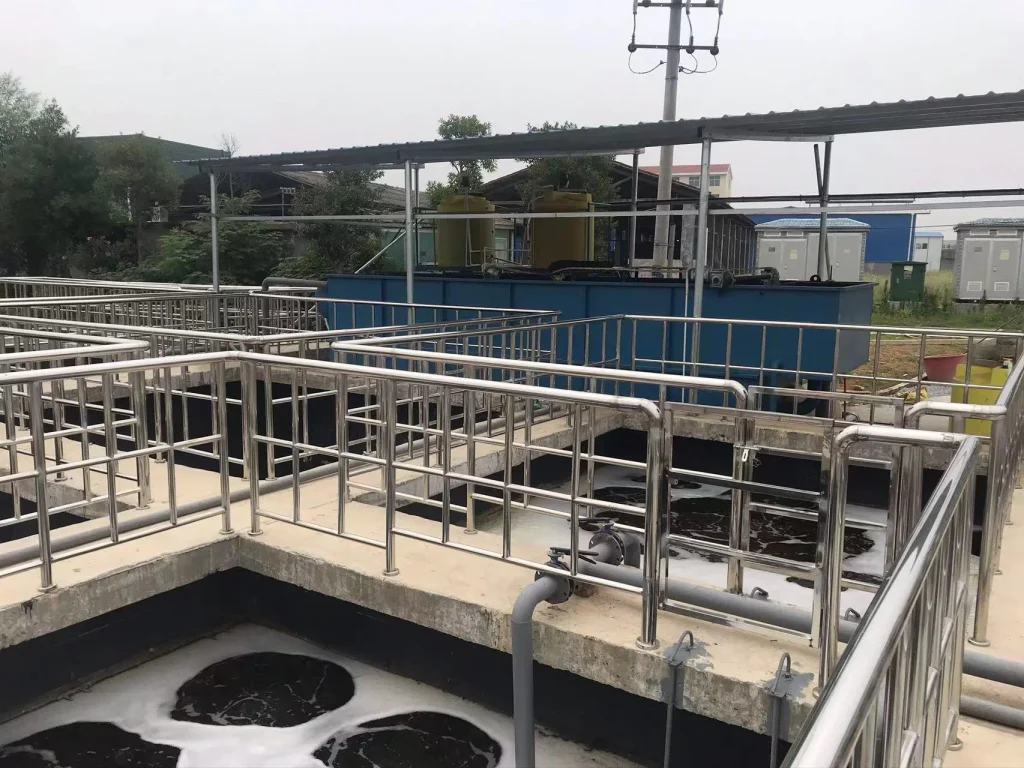
1. Current hazards associated with livestock and poultry farming wastewater:
- Livestock and poultry farming wastewater contains high levels of pollutants—such as CODcr, ammonia nitrogen, heavy metals, veterinary drug residues, and numerous pathogens—which pose various environmental hazards if released.
- When large amounts of organic matter enter a water body, its decomposition rapidly depletes dissolved oxygen, causing the water to emit foul odors and leading to mass mortality among aquatic organisms. Furthermore, the high nitrogen and phosphorus content in the wastewater can trigger eutrophication.
- Under anaerobic conditions, livestock and poultry wastewater generates significant quantities of malodorous gases like NH3 and H2S, which threaten the health of farm workers and nearby residents. The pathogens present in the wastewater also pose direct health risks.
- The volume of manure and urine-laden wastewater generated is substantial; direct discharge without effective treatment causes severe pollution. Such discharges contaminate surface water, groundwater, soil, and the surrounding air.
2. What are the common treatment processes?
- Livestock wastewater requires pretreatment involving solid-liquid separation to remove solid waste, such as manure. The wastewater is first collected and passed through a screen to remove large suspended particles, then enters a physicochemical reaction and sedimentation tank to remove suspended solids, color, and a portion of the COD. Effluent from the primary sedimentation tank flows into an anaerobic tank, where anaerobic degradation primarily breaks large-molecule organic pollutants into smaller molecules; this “anaerobic-facultative” biological treatment process commonly enhances pollutant removal efficiency.These smaller-molecule pollutants undergo complete degradation in a contact oxidation tank. Finally, effluent from the secondary sedimentation tank enters a disinfection tank, where disinfection ensures the elimination of pathogens.
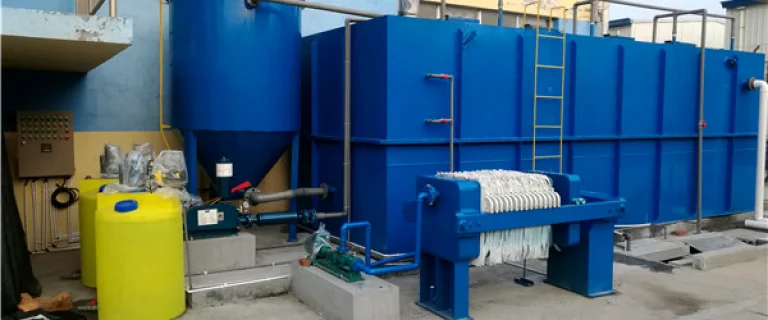
- The integrated treatment system combines multiple treatment units and features a compact footprint and ease of installation.
3. Sludge disposal:
- The sludge generated by the system originates from the primary and secondary sedimentation tanks and consists primarily of organic sludge; after dewatering in a plate-and-frame filter press, it can serve as fertilizer.Additionally, the sludge can undergo further processing via anaerobic fermentation or aerobic composting to produce organic fertilizer.
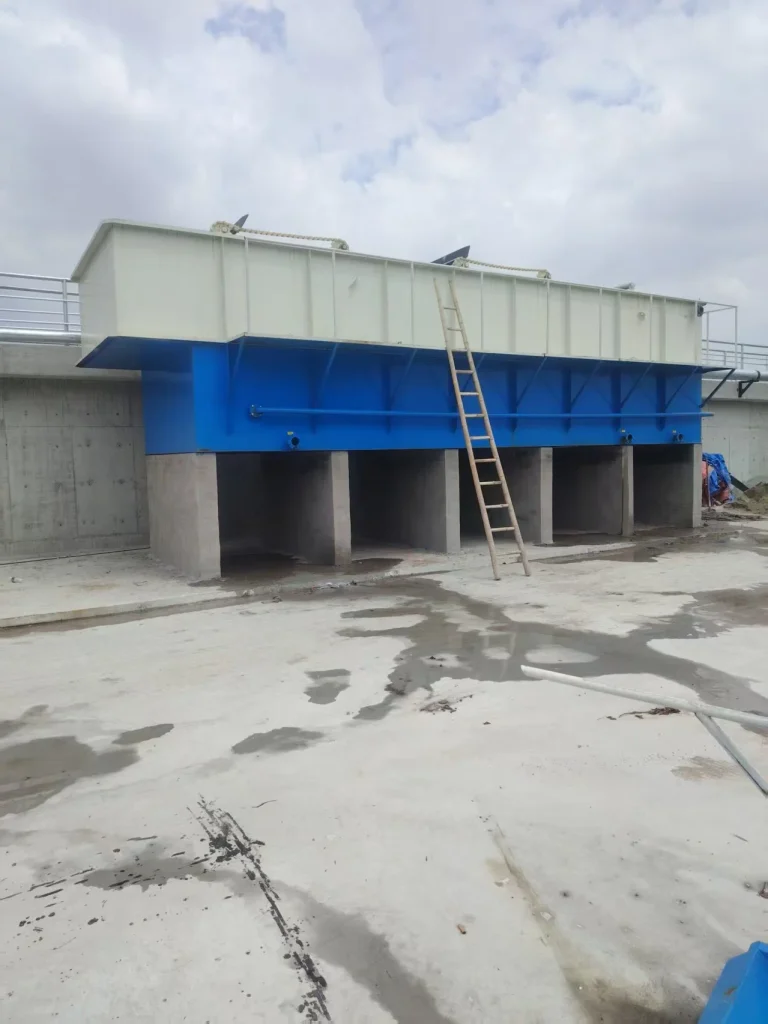
Detail the currently common process flows:
1. Solid-liquid separation technology
- Solid-liquid separation is a critical step in pretreatment, utilizing equipment such as bar screens, septic tanks, sedimentation tanks, and mesh screens. Bar screens act as “gatekeepers,” using bars spaced at specific intervals to intercept large solid impurities—such as fecal clumps and crop stalks—thereby preventing downstream equipment and piping from clogging and ensuring the proper operation of machinery like water pumps. Septic tanks facilitate the preliminary breakdown of organic matter through natural sludge settling and anaerobic fermentation, while sedimentation tanks rely on gravity to settle suspended solids, achieving separation between the solids and the liquid. Finally, mesh screens and filters provide further filtration of fine suspended particles, enhancing the overall separation efficiency.
2. Physicochemical treatment technologies
- Physicochemical treatment primarily employs the coagulation-sedimentation method. This process relies on chemical principles involving the addition of coagulants and flocculants to the wastewater. Coagulants, such as polyaluminum chloride (PAC), hydrolyze to form positively charged polynuclear complexes that neutralize the negative charges on the surface of colloidal particles, thereby destabilizing them. Flocculants, such as polyacrylamide (PAM), utilize the adsorption-bridging effect of their long-chain molecules to aggregate destabilized colloidal particles and suspended solids into large flocs. Subsequently, these flocs settle to the bottom of the tank under the influence of gravity, effectively removing significant amounts of colloidal matter, suspended solids, and some organic compounds; this clarifies the effluent and reduces the load on subsequent biochemical treatment processes.
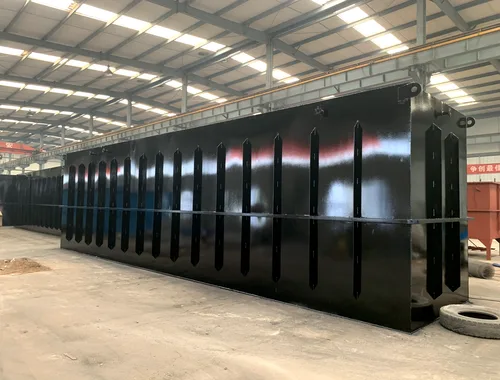
2. Anaerobic biological treatment technology
- Anaerobic biological treatment plays a pivotal role in the treatment of aquaculture wastewater; it is particularly suitable for high-concentration organic wastewater, capable of removing 85%–90% of organic matter.
- Taking the UASB (Upflow Anaerobic Sludge Blanket) reactor as an example, the system consists of a reaction zone and a three-phase separation zone. In the reaction zone, anaerobic microorganisms progressively break down organic matter in the wastewater into biogas (primarily methane and carbon dioxide), water, and sludge.The rising biogas induces water circulation; as the wastewater enters the three-phase separation zone, the differences in density among the gas, liquid, and solid phases facilitate their separation. Biogas collects at the top, sludge recirculates to the reaction zone to maintain microbial concentration, and the treated wastewater proceeds to subsequent treatment stages. For space-constrained sites, the anaerobic stage may adopt a hydrolysis-acidification process that utilizes facultative microorganisms to break down macromolecular organic matter into smaller molecules, thereby enhancing the wastewater’s biodegradability.
3. Aerobic biological treatment technology
- A two-stage A/O (anoxic-aerobic) process is commonly employed to treat ammonia-nitrogen pollutants in aquaculture wastewater.
- In the anoxic stage, denitrifying bacteria utilize organic matter from the wastewater as a carbon source to reduce nitrate-nitrogen to nitrogen gas; subsequently, in the aerobic stage, nitrifying bacteria oxidize ammonia-nitrogen into nitrite-nitrogen and nitrate-nitrogen under conditions of sufficient dissolved oxygen. Repeated cycling through this two-stage A/O process significantly enhances ammonia-nitrogen removal efficiency—achieving rates of up to 90%—while also effectively removing total phosphorus (TP). Additionally, aerobic microorganisms further degrade residual organic matter, resulting in advanced purification of the water.
4. Advanced treatment: Ensure discharge compliance:
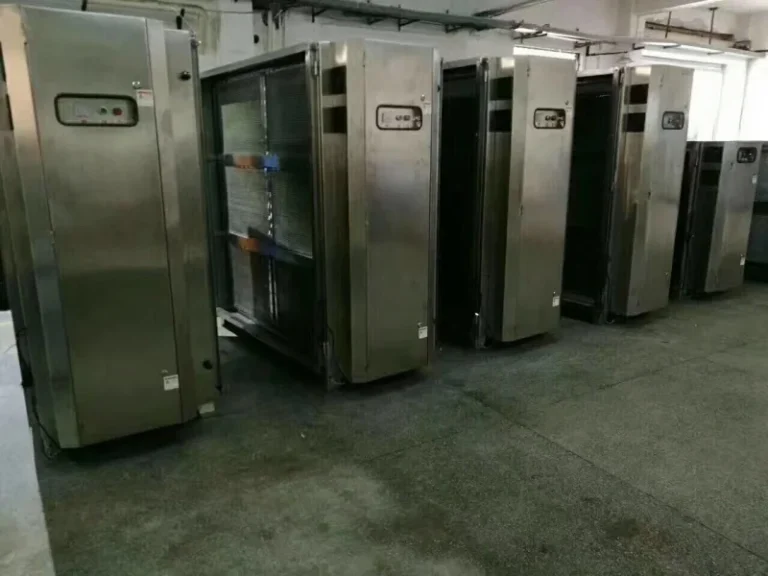
- Even after preliminary and biochemical treatment, trace amounts of pollutants may remain in the wastewater. Advanced treatment processes are therefore required: chemical phosphorus removal involves dosing with agents such as iron or aluminum salts to react with phosphate ions, forming insoluble phosphate precipitates that are then removed; Fenton systems utilize hydroxyl radicals—generated by the reaction between ferrous ions and hydrogen peroxide—to oxidize and break down refractory organic compounds; and disinfection stages employ methods such as ultraviolet (UV) light or chlorine dioxide to eliminate pathogens, ensuring that pollutant levels meet discharge standards and preventing environmental harm.
Summary and Effluent Quality Indicators:
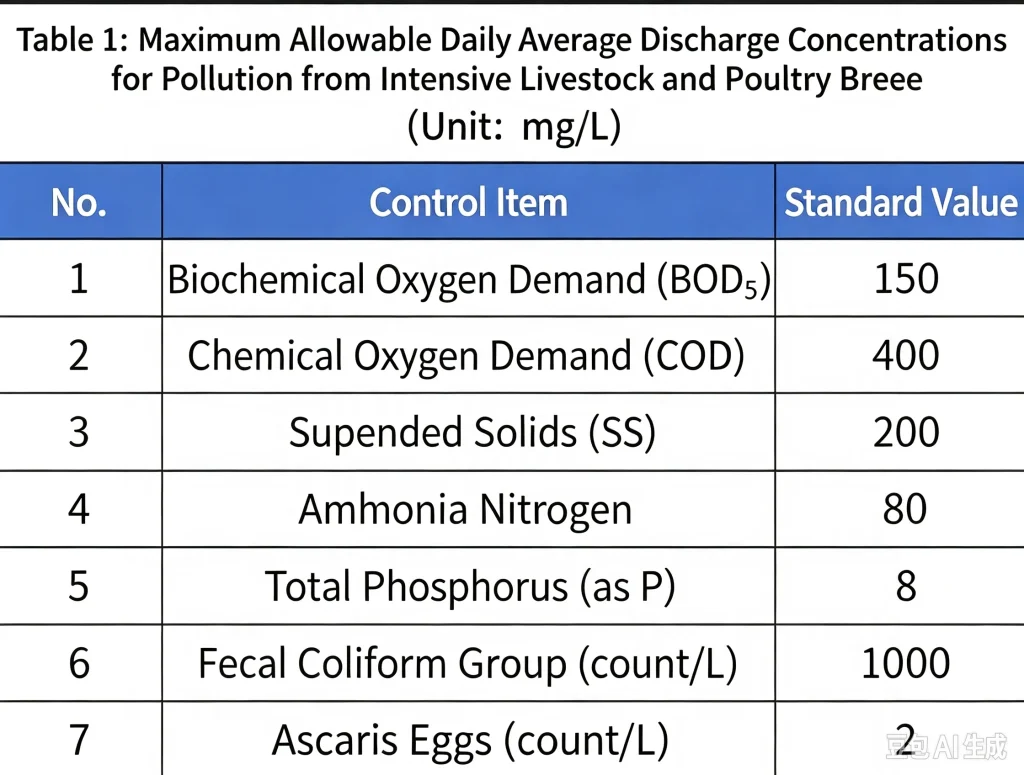
- The treatment of aquaculture wastewater is a systematic process; by employing a combined treatment train—comprising pretreatment, biochemical treatment, and advanced treatment—and leveraging the specific principles and characteristics of each stage, the system can effectively remove pollutants, ensuring the effluent meets discharge standards. In practical application, operators must rationally select and optimize treatment processes based on factors such as the scale of the operation and the specific characteristics of the wastewater, thereby fostering the green and sustainable development of the aquaculture industry.