Environmental protection equipment supplier

Shuotu Machinery Opens a New Chapter in Odor Control for Laboratory Animal Facilities
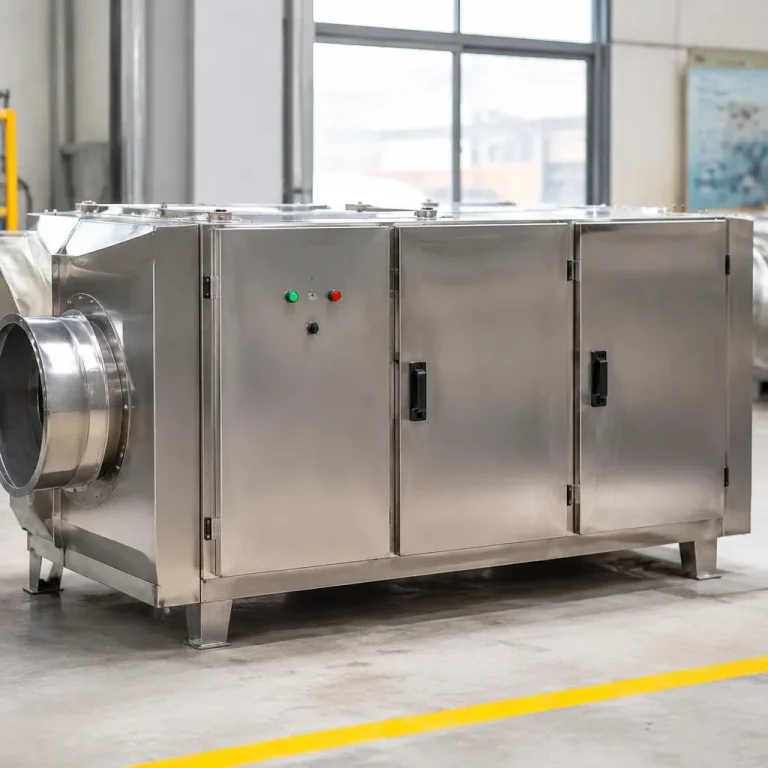
In the critical spaces of biomedical research, the quality of every cubic centimeter of air impacts the credibility of scientific discoveries. The complex odors characteristic of laboratory animal facilities—a mixture of ammonia, hydrogen sulfide, and volatile organic compounds—pose a dual challenge: not only do they cause sensory discomfort, but they also compromise experimental standardization and animal welfare. Shuotu fully understands these challenges and is redefining air quality management standards for experimental environments through a synergistic technology that combines UV photo-oxidation with integrated turbulent-flow spraying.
Breaking the Current Impasse: Why Do Traditional Methods Frequently Fail?
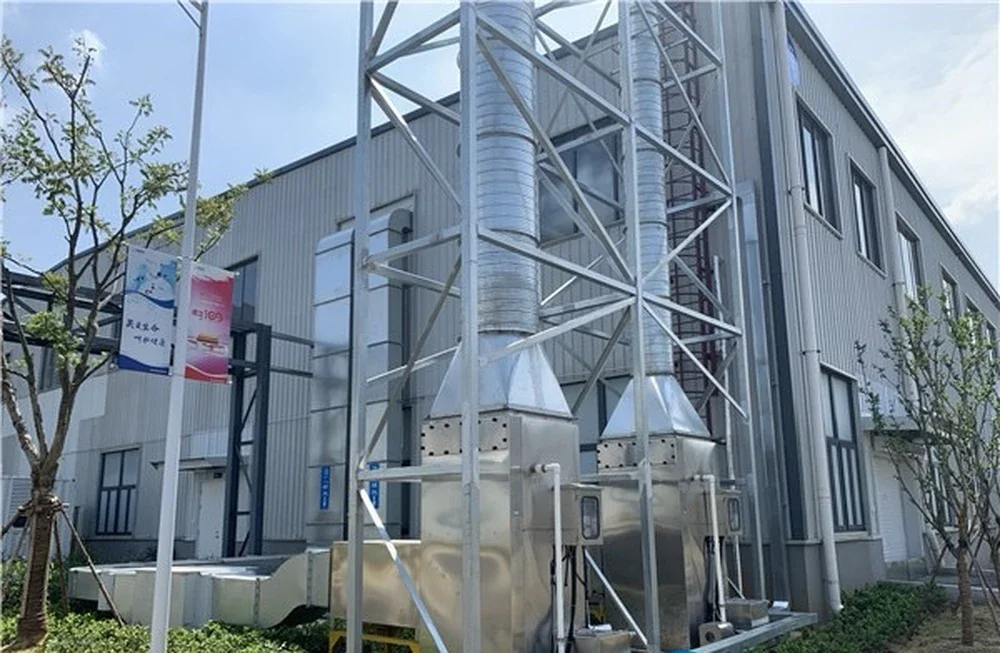
Most laboratory animal centers still employ the “ventilation-based dilution method” or single-agent chemical treatments, approaches that suffer from numerous drawbacks.
- Significant fluctuations in odor levels make it difficult to maintain consistent cleanliness standards
- Equipment noise interferes with behavioral studies involving animals
Technological Innovation: A Dual Approach Combining Core Technology Advancements and Modular Breakthroughs
Classic Core Technology: Synergistic System Combining UV Photolysis/Oxidation and Integrated Baffled Spraying
1. Precision Pre-treatment: Intelligent Baffled Spray System
- Dynamic capture technology: Utilizes a non-uniform flow field design to increase the contact efficiency between odor molecules and the biological enzyme spray by 2.3 times.
- Phased treatment: Features dedicated reaction zones tailored for ammonia, sulfides, and volatile organic compounds (VOCs).
- Real-time monitoring and feedback: Equipped with built-in multi-gas sensors to automatically adjust spraying parameters.
2. Deep Purification: Third-Generation UV Photocatalytic System
- Composite Wavelength Array: Synergistic combination of three wavelengths—185 nm (decomposes oxygen to generate ozone), 254 nm (directly breaks down organic matter), and 365 nm (activates the photocatalyst).
- Self-Cleaning Design: Nanoscale photocatalytic coating with anti-fouling properties reduces maintenance frequency.
- Energy Optimization Algorithm: Intelligently adjusts UV intensity based on pollutant concentration, extending lamp lifespan by 40%.
Innovation in Spatial Adaptation: Modular Air Purification Solution for Laboratory Animal Centers
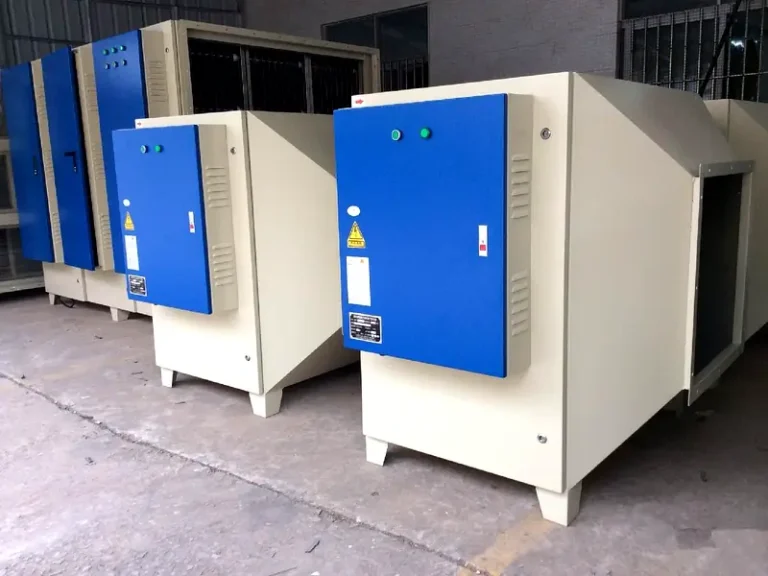
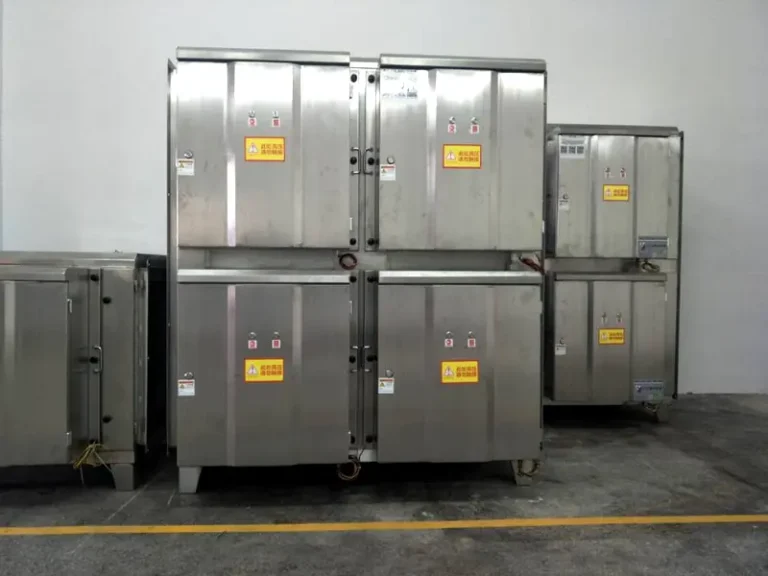
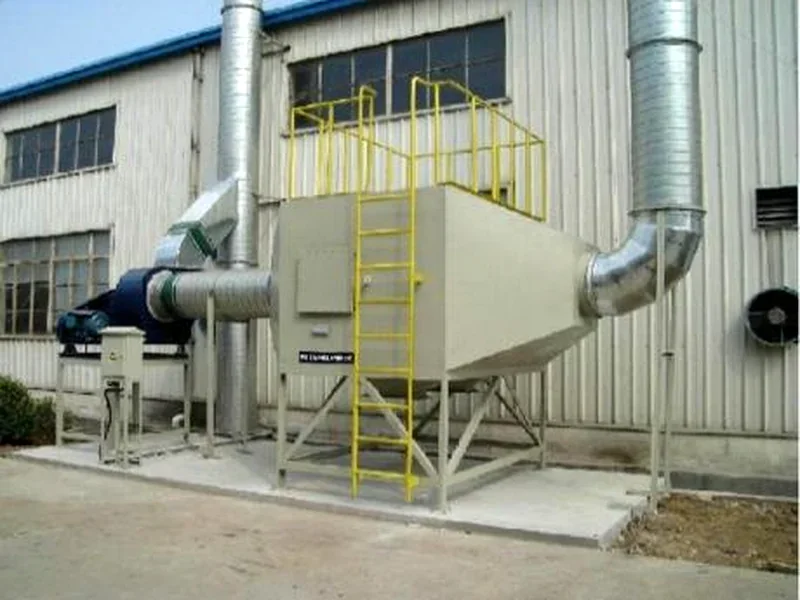
Drawing on a deep understanding of the spatial layouts and workflows of modern laboratory animal facilities, Shuotu has innovatively developed a modular air purification system that combines UV photo-oxidation with turbulent spray technology, offering a novel solution for air quality management in confined spaces.
1. Spatial Dilemma: Three Major Contradictions in Laboratory Layout
Conflict 1: Equipment Footprint vs. Laboratory Space
- Large, conventional equipment occupies valuable laboratory space
- Piping modifications compromise the existing building structure
- Installation timelines disrupt ongoing scientific research
Conflict 2: Comprehensive Purification vs. Zonal Requirements
- Unified treatment fails to meet the differentiated requirements of various functional zones
- High-density housing areas and clean operation areas share the same treatment system
- Emergency isolation zones lack independent purification capabilities
Conflict 3: Continuous Operation vs. Ease of Maintenance
- Maintenance of complex equipment requires professional personnel
- Routine cleaning affects equipment stability
- Troubleshooting results in prolonged system downtime
2. Innovative Solution: Four Major Breakthroughs in Modular Design
Breakthrough 1: Spatial Adaptation Optimization
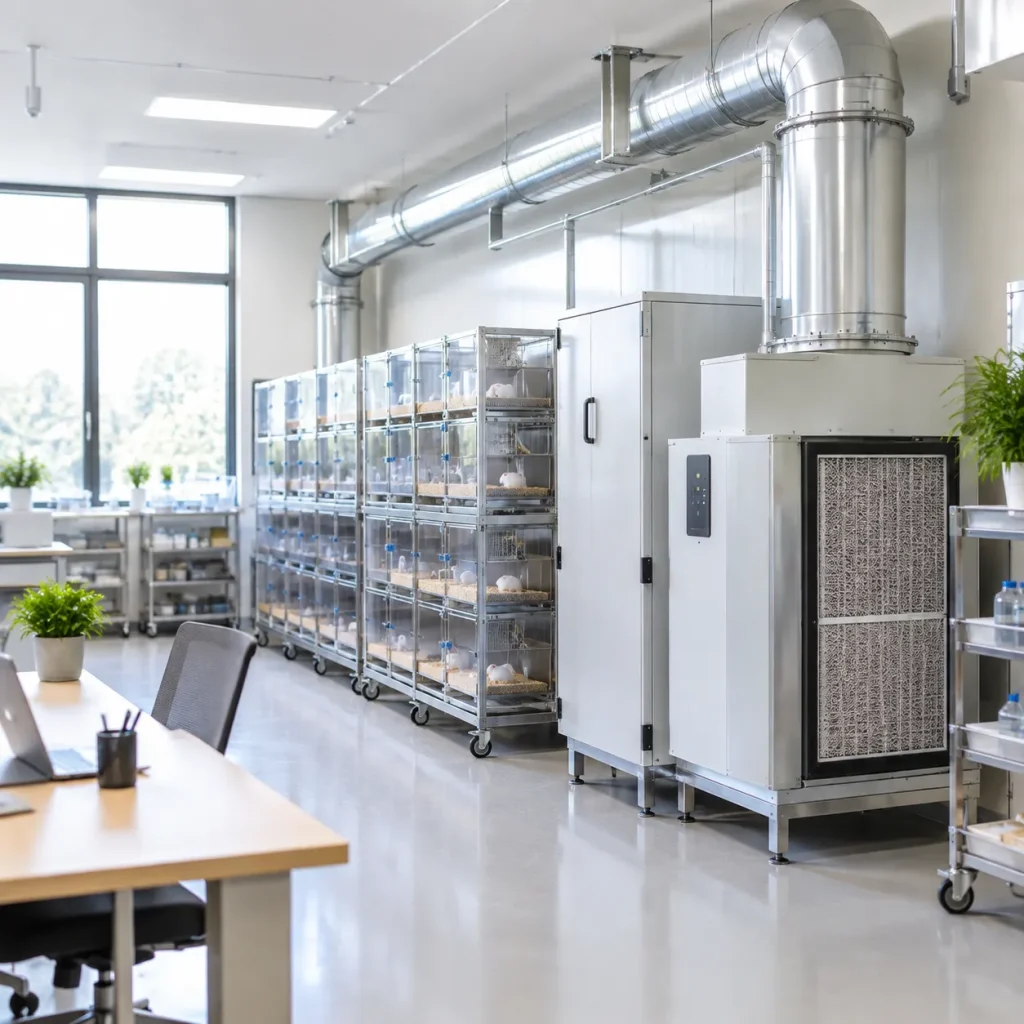
- Stacked 3D design: Increases processing capacity by 60% within the same footprint
- Wall-mounted, suspended, or recessed: Three installation options to suit various building structures
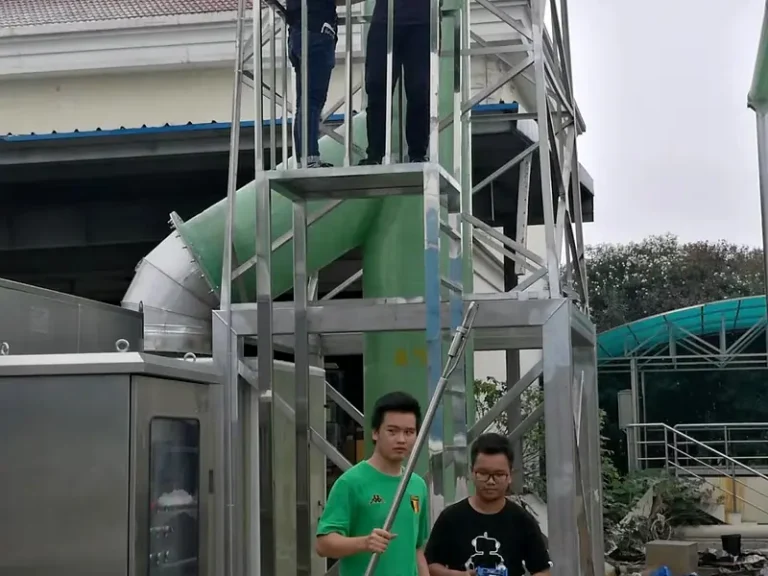
- Flexible duct connections: Compatible with existing ventilation systems, minimizing the scope of modification work
Breakthrough 2: Tiered Processing System
- Basic purification module: Meets requirements for standard areas; handles airflow of 2,000–8,000 m³/h
- Enhanced treatment module: Designed for high-density housing areas; equipped with an enhanced spray unit
Breakthrough 3: Intelligent Interconnectivity Architecture
- Independent operation capability: Each module can be started or stopped individually without affecting the overall system.
- Cluster collaboration mode: Modules coordinate automatically to optimize energy efficiency.
- Fault isolation mechanism: A failure in a single module does not affect the normal operation of other units.
Breakthrough 4: Convenient Maintenance Design
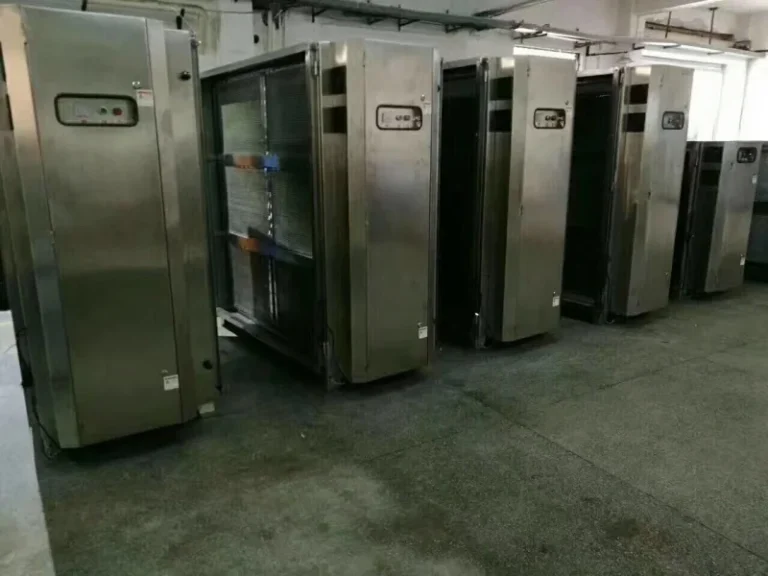
- Front-opening design: Enables routine cleaning without tools
- Remote diagnostics system: Analyzes operational data via the cloud to provide early warnings for maintenance needs
Case Study: Laboratory Renovation for a Gene-Editing Company
Project Background
- Total area: 850 m²
- Initial challenge: Limited space for renovation, making the installation of traditional systems unfeasible
- Specific requirements: Zoned control and independent management of areas with different cleanliness levels
Solution
- Utilizes 8 modular units
- Zonal configuration: 4 reinforced modules for the animal housing area, 3 precision modules for the operations area, and 1 basic module for the common area
- Installation methods: 4 wall-mounted, 3 ceiling-suspended, and 1 recessed unit
Implementation Results
- Installation period: Only 5 working days
- Zonal control: Air quality meets standards independently in each zone