Environmental protection equipment supplier

Common treatment processes for pickling and phosphating wastewater
Pickling and phosphating sits at a critical stage of metal surface treatment. Manufacturers across automotive, mechanical machining, and hardware sectors widely adopt this process. Yet the wastewater it creates has a complex makeup and strong polluting capacity, and it creates major headaches for industrial wastewater treatment plants. Companies aim to treat this wastewater well: they need to meet discharge limits reliably and recover resources for reuse. This goal sits at the heart of many firms’ green transition plans. This article analyzes the wastewater’s properties, available treatment workflows, key technical bottlenecks, and real-world project cases from multiple angles. It also features Shuotu Machinery. The firm holds deep experience in industrial wastewater treatment and can deliver technical guidance and custom-built solutions for enterprises
I. Characteristics of Pickling and Phosphating Wastewater and Challenges in Its Treatment
1. Wastewater composition is complex, with a diverse range of pollutants.
- Wastewater from pickling and phosphating processes primarily originates from stages such as workpiece cleaning, pickling, phosphating, surface conditioning, and passivation. Its core pollutants include:
- Acidic substances: The pH value is typically as low as 1.5–2.5, resulting mainly from pickling agents like sulfuric acid and hydrochloric acid.
- Heavy metal ions: Concentrations of zinc, nickel, manganese, iron, etc., can reach several hundred mg/L, stemming from phosphating solutions and the dissolution of metal substrates.
- Phosphates: Concentrations often exceed 100 mg/L, which can easily lead to eutrophication in water bodies.
- Organic matter and suspended solids: These include surfactants, oils, and metal particles, which contribute to elevated COD levels (potentially reaching several thousand mg/L).
2. Analysis of Processing Challenges
- Difficulty in synergistic removal of heavy metals and phosphates: Conventional processes cannot precipitate multiple heavy metals and phosphates at the same time, so pollutant residuals frequently exceed regulatory thresholds.
- Poor system stability under fluctuating water quality: Batch-to-batch production changes shift wastewater concentration and flow volume and undermine accurate pH control and chemical dosing.
- Excessive sludge output and high disposal costs: Chemical precipitation produces high-moisture sludge. Off‑site sludge disposal takes up 30%–50% of total operating costs.
- Salt buildup in reuse loops: Membrane processes including reverse osmosis (RO) accumulate salts easily. Salt buildup cuts permeate recovery and triggers membrane fouling.
II. Treatment Process for Pickling and Phosphating Wastewater
To tackle these challenges, most industrial operators adopt a combined treatment train: segregated collection, physicochemical pre‑treatment, biochemical degradation and advanced treatment. This setup keeps effluent reliably within discharge limits or fit for reuse.
1. Segregated Collection and Pretreatment
- Segregated collection: High-concentration pickling waste liquor and phosphating bath solutions are collected separately from low-concentration rinse wastewater to prevent fluctuations in water quality from impacting the treatment system.
- Screening and equalization: Large suspended solids are intercepted via screens, while an equalization tank balances water quality and flow rates, creating stable conditions for subsequent treatment processes.
- Oil separation: For oily wastewater, oil-water separators or dissolved air flotation (DAF) equipment are used to remove free-floating and emulsified oils.
2. Physicochemical Treatment (Core Stage)
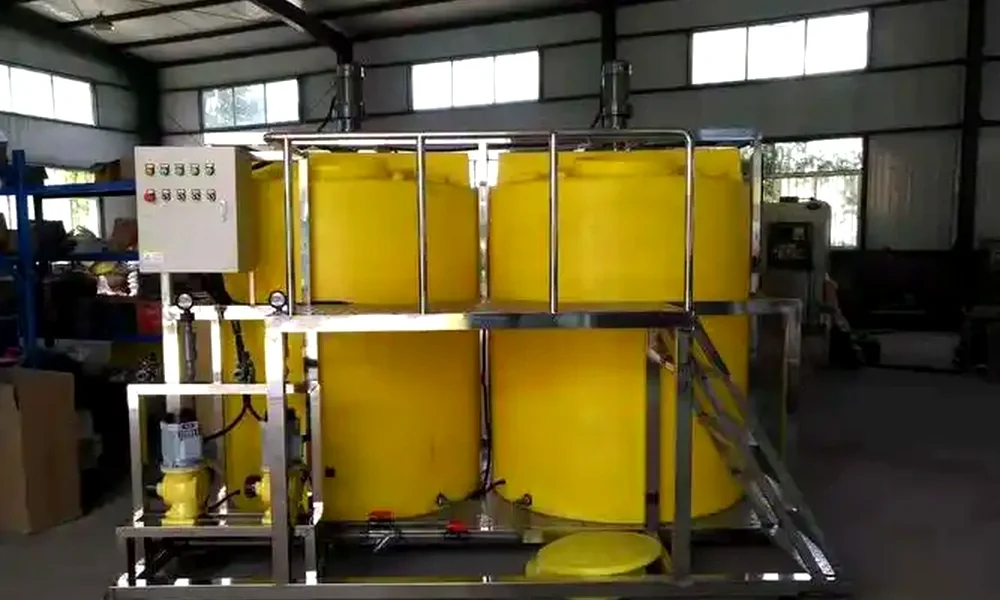
- Neutralization: Lime milk (Ca(OH)₂) or sodium hydroxide (NaOH) is added to adjust the pH to 8.5–9.5, causing heavy metal ions to precipitate as hydroxides.
- Chemical precipitation for phosphorus removal: Calcium salts (such as calcium chloride) or iron salts (such as FeCl₃) are used to react with phosphate ions, forming insoluble calcium phosphate or iron phosphate precipitates; this can achieve a phosphorus removal rate of up to 99%.
- Coagulation and flocculation: Polyaluminum chloride (PAC) and polyacrylamide (PAM) are added, followed by solid-liquid separation using an inclined-plate settler or an air flotation unit.
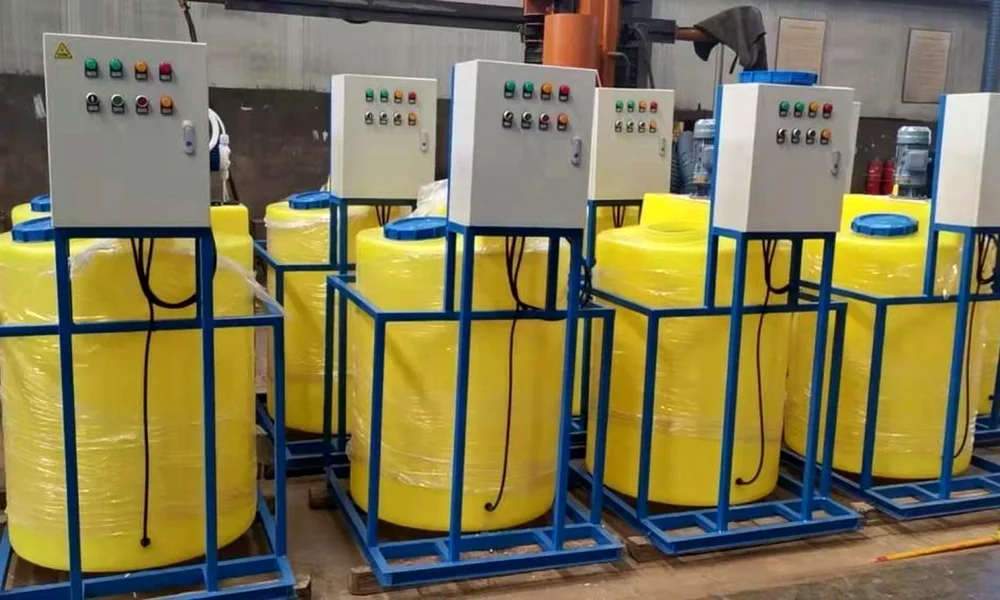
3. Biochemical treatment
- Hydrolytic acidification: breaks down complex, non-biodegradable organic matter into smaller organic molecules, thereby enhancing the biodegradability of the wastewater.
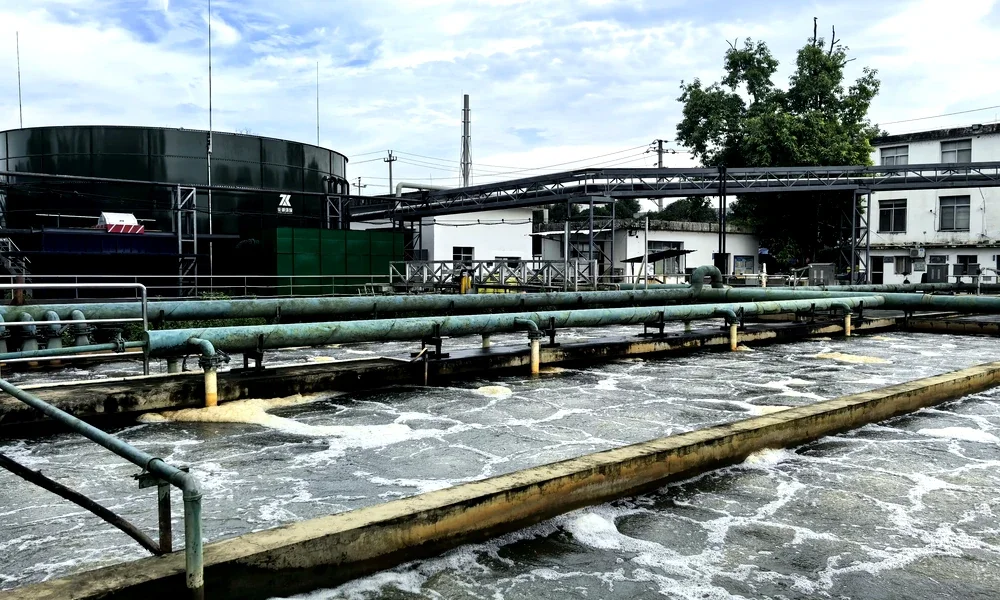
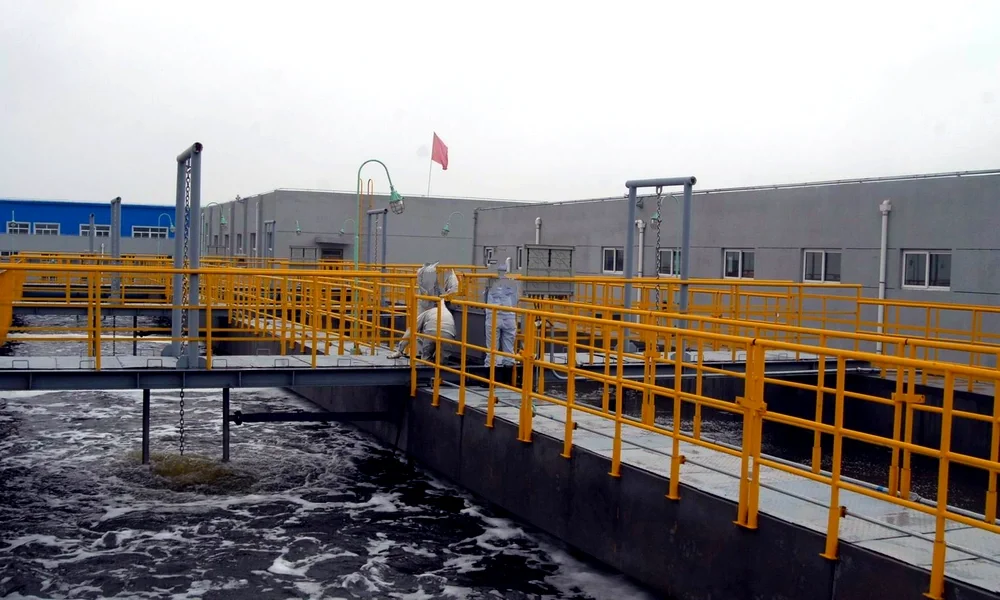
- Aerobic treatment: employs methods such as biological contact oxidation or the A/O (anoxic/oxic) process, utilizing microorganisms to degrade COD, with removal rates reaching over 85%.
4. Advanced Treatment and Reuse
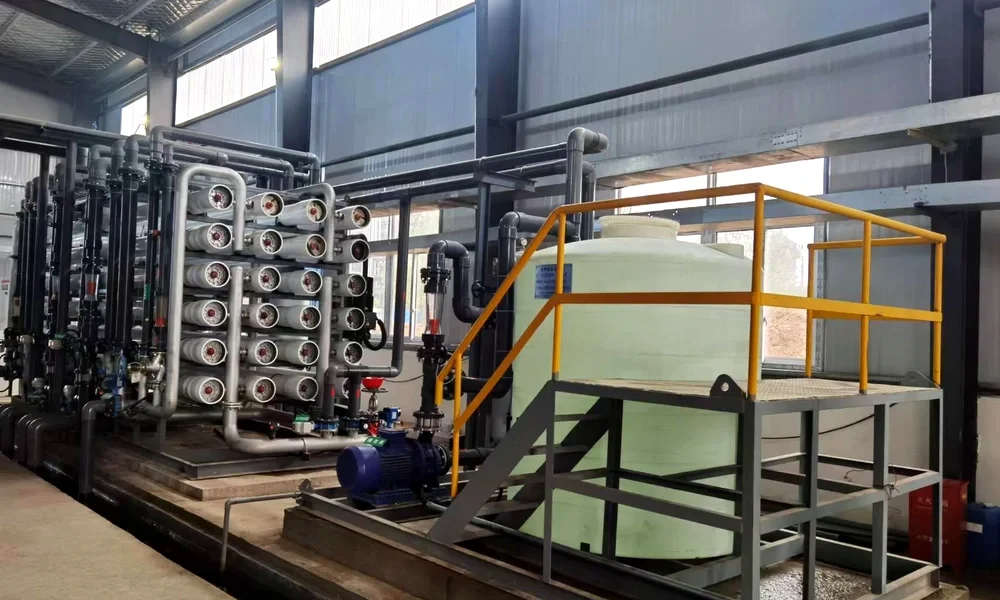
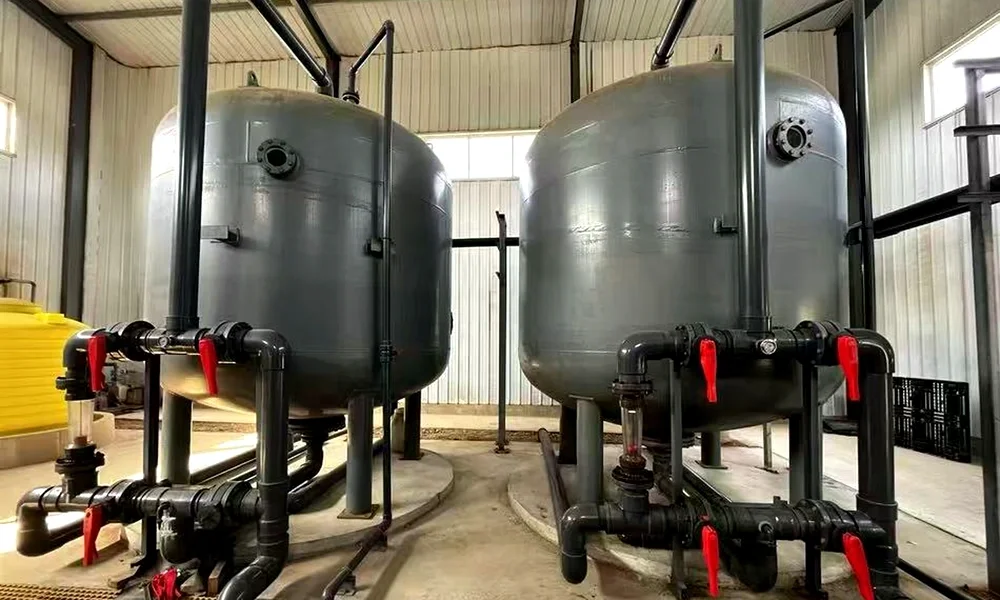
- Membrane separation technology: A dual-membrane process—ultrafiltration (UF) combined with reverse osmosis (RO)—removes residual heavy metals, salts, and organic matter, achieving a water recovery rate of up to 70%.
- Activated carbon adsorption: Serving as a final safeguard, this process removes trace organic substances and color, ensuring the treated water meets required standards.
III. Analysis of Classic Cases
Case Study 1: Wastewater Treatment and Reuse Project for an Automotive Parts Enterprise
Company Background: An automotive chassis component manufacturer generates 50 tons of pickling and phosphating wastewater daily. The wastewater contains high concentrations of zinc (80–120 mg/L), nickel (5–10 mg/L), and phosphates (150–200 mg/L), with a pH value ranging from 1.5 to 2.5.
- Treatment Process:
- Pretreatment: Screening and equalization tank to remove suspended solids and oils/grease.
- Physicochemical treatment: Neutralization with lime milk to a pH of 8.5–9.0, followed by the addition of PAC/PAM to precipitate heavy metals and phosphates.
- Biochemical treatment: Biological contact oxidation for the degradation of COD.
- Advanced treatment: Ultrafiltration (UF) and reverse osmosis (RO) system, achieving a water recovery rate of 70%.
- Operational Results: The system holds effluent pH between 6 and 9. It brings zinc and nickel concentrations down to below 0.5 mg/L and 0.1 mg/L respectively, keeps total phosphorus (TP) ≤ 0.3 mg/L, and maintains COD ≤ 50 mg/L.This results in annual savings of approximately 300,000 RMB on tap water costs.
Case Study 2: Wastewater Treatment Retrofit Project for a Metal Plating Plant
Enterprise pain points: The existing treatment facilities fail to achieve thorough phosphate removal (TP > 1.0 mg/L), generate large volumes of sludge, and experience water quality fluctuations that lead to discharge limit exceedances.
- Technical Upgrade Plan:
- Neutralization System Optimization: Implement online pH monitoring and an automated dosing system to precisely control the addition of lime slurry.
- High-Efficiency Precipitation Process: Introduce a high-efficiency clarifier combined with a composite reagent treatment—polyaluminum chloride (PAC), polyacrylamide (PAM), and a phosphorus-removing agent (FeCl₃)—to increase the phosphorus removal rate to 99%.
- Membrane Separation Technology: Install a nanofiltration (NF) system to enable water reuse in rinsing processes, increasing the water recovery rate to 65%.
- Sludge Reduction: Utilize a plate-and-frame filter press to reduce the moisture content of the sludge to 60%, lowering the cost of outsourced sludge disposal by 30%.
- Upgrade Outcomes: The system keeps total phosphorus (TP) steadily below the compliance threshold (≤0.3 mg/L), cuts annual sludge output by roughly 200 tons, and saves 280,000 RMB per year on tap water through the water reuse loop.
IV. Recommended Technology: Shuotu
1. Technical Advantages
- Innovative Process Combination: Tailored to the characteristics of pickling and phosphating wastewater, this optimized treatment train—integrating physicochemical precipitation, biological treatment, and a dual-membrane system—ensures the synergistic removal of heavy metals and phosphates.
- Automated Control System: Features integrated online monitoring for pH, ORP, and turbidity, enabling precise chemical dosing and process adjustment while reducing labor costs.
- Sludge Minimization Technology: Utilizes high-pressure plate-and-frame filter presses combined with sludge conditioning techniques to reduce sludge moisture content to below 60%, thereby lowering disposal expenses.
- Customized Water Reuse Solutions: Developed based on the enterprise’s specific water requirements, these solutions facilitate tiered water reuse (e.g., for rinsing, cooling, or landscape irrigation), achieving a reuse rate of 50%–70%.
2. Service Capabilities
- Full-process service: We provide a one-stop solution covering water quality testing, scheme design, equipment manufacturing, installation and commissioning, as well as ongoing operation and maintenance.
- Extensive project experience: We have successfully delivered numerous projects across sectors such as automotive manufacturing, metal plating, and mechanical machining, with effluent consistently meeting the Grade I standard set by the Integrated Wastewater Discharge Standard (GB 8978-1996).
- Cost-control capabilities: By optimizing chemical dosing, energy management, and sludge disposal, we help enterprises reduce the cost of water treatment (achieving a cost of approximately 1.0–1.5 USD per ton).
in conclusion:
The treatment of wastewater from pickling and phosphating processes is a systematic undertaking. It requires a tailored approach—based on specific water quality characteristics and the scale of the enterprise—that integrates pretreatment, physicochemical treatment, biochemical treatment, and advanced treatment to ensure the efficient removal of pollutants and the recycling of water resources. Leveraging its technical expertise and extensive project experience, Shuotu Machinery provides cost-effective and reliable solutions, helping enterprises achieve both environmental compliance and economic benefits.Looking ahead, as membrane technologies and advanced oxidation processes keep advancing, pickling and phosphating wastewater treatment will deliver higher efficiency and better environmental sustainability.