Environmental protection equipment supplier

Lauryl Dimethylamine Oxide Wastewater Treatment Guide
Are you struggling with persistent foaming, bio-toxicity spikes, and soaring COD in your plant’s effluent?
If so, you already know the real operational challenge. But how should wastewater containing lauryl dimethylamine oxide from pharmaceutical companies be treated to ensure total compliance without crashing your downstream systems?
Treating resilient surfactants like lauryl dimethylamine oxide (LDAO) takes more than conventional setups—it demands a targeted, multi-stage blueprint spanning advanced pretreatment, robust biological degradation, and high-impact oxidation.
In this comprehensive guide, you’ll discover the exact, battle-tested engineering strategies—from DAF separation and Fenton oxidation to MBR processes—designed to stabilize your effluent and keep discharge levels strictly compliant.
Let’s dive right in.
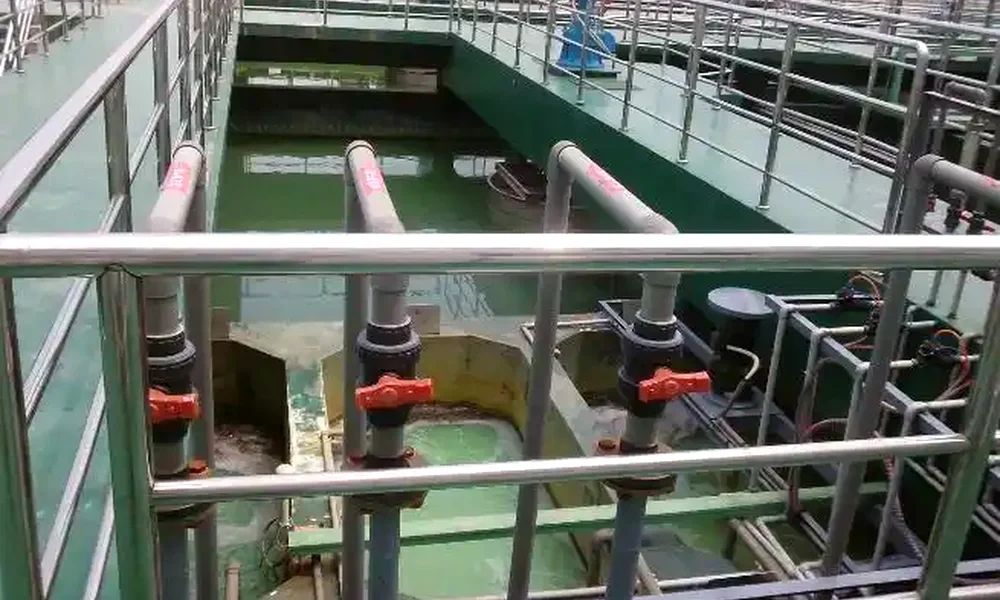
Understanding Lauryl Dimethylamine Oxide (LDAO) in Pharmaceutical Wastewater
Lauryl dimethylamine oxide (LDAO), also designated as dodecyldimethylamine oxide or OA-12, is an amphoteric surfactant widely applied in pharmaceutical synthesis, formulation, and sanitization processes. Due to its superior foaming, emulsifying, and viscosity-building properties, it serves as a critical solubilizer for active pharmaceutical ingredients (APIs). However, its discharge into industrial wastewater streams introduces complex treatment hurdles that disrupt standard biological and physical treatment units. Treating pharmaceutical wastewater containing LDAO demands specialized engineering interventions to stabilize water quality and prevent regulatory violations.
Chemical Properties and Environmental Impact of LDAO
LDAO possesses a distinct chemical structure comprising a long hydrophobic alkyl tail and a polar, zwitterionic amine oxide head group (C14H31NO). The charge profile changes dynamically with system pH:
- Non-ionic state: Dominates at neutral and alkaline pH levels.
- Cationic state: Converts under acidic conditions, exhibiting enhanced antimicrobial and biocidal traits.
When released into natural aquatic ecosystems without rigorous degradation, LDAO rapidly lowers water surface tension. This phenomenon disrupts the biological activity of aquatic organisms, interferes with natural reaeration of surface waters, and mobilizes other hydrophobic micropollutants present in the effluent.
Key Challenges: Foaming, Toxicity, and High COD
Industrial facilities managing surfactant-rich pharmaceutical wastewater encounter three major operational bottlenecks:
| Operational Challenge | Technical Mechanism | Plant Impact |
|---|---|---|
| Severe Foaming | Ultra-low critical micelle concentration (CMC) stabilizes air-water interfaces during mechanical aeration. | Foam overflow in equalization and biological tanks, biomass washout, and sensor fouling. |
| Microbial Toxicity | Cell membrane disruption of nitrifying bacteria and heterotrophs by the amine oxide moiety. | Sudden drop in removal efficiency within conventional activated sludge systems. |
| Elevated COD/TOC | Highly concentrated organic carbon and organically bound nitrogen within the surfactant matrix. | Significant increase in aeration demand and failure to achieve target chemical oxygen demand (COD) reduction. |
Discharge Standards and Environmental Compliance for Pharma Effluents
Environmental regulatory agencies enforce stringent discharge thresholds on pharmaceutical effluent streams to mitigate the risk of emerging contaminants entering regional water bodies.
- Surfactant Residues: Stringent ceilings on active surfactants (often lower than 5 to 10 mg/L depending on jurisdiction) require multi-barrier removal.
- Total Nitrogen (TN) and Ammonia: The catalytic or biological breakdown of the amine head group liberates organic nitrogen, demanding effective nitrification and denitrification stages to satisfy total nitrogen discharge permits.
- Aquatic Toxicity and COD Limits: Stringent Chemical Oxygen Demand boundaries (typically under 100 mg/L for direct discharge) and zero tolerance for acute aquatic toxicity mandate advanced destruction methodologies instead of simple stream dilution.
Pretreatment Strategies for Surfactant-Rich Effluents
When addressing how wastewater containing lauryl dimethylamine oxide from pharmaceutical companies should be treated, the first line of defense is an aggressive, targeted pretreatment train. Lauryl dimethylamine oxide (LDAO) rapidly lowers surface tension, generating massive volumes of stable foam and emulsifying organic fractions that blind downstream filters and suffocate biological treatment units.
Our primary goal during pretreatment is clear: strip out foaming capacity, destabilize the surfactant micelles, and eliminate bulk chemical oxygen demand before the stream ever reaches biological or oxidation units.
Foam Control and Defoaming Protocols
Uncontrolled foaming disrupts level sensors, creates safety hazards, and carries active ingredients out of equalization tanks. We manage foam through a synchronized approach combining physical disruption and tailored chemical dosing:
- Mechanical Foam Breakers: High-shear mechanical foam cutters installed above balance tanks physically collapse foam heads without introducing foreign chemicals into the pharmaceutical effluent.
- Targeted Silicone and Polyether Defoamers: We dose fast-acting, food- and pharma-compatible polyether or silicone defoamers via automated chemical feed skids linked to foam-level radar detectors.
- Controlled Stream Dilution: Blending high-concentration washdowns with baseline plant rinses reduces peak surfactant concentrations below critical micelle concentration (CMC), immediately limiting foam stability.
Coagulation and Flocculation for Emulsion Breaking
LDAO forms stable colloidal emulsions that resist standard gravity settling. To break these bonds, we implement dual-stage chemical destabilization:
| Treatment Step | Reagent Used | Primary Function |
|---|---|---|
| Charge Neutralization | Polyaluminum Chloride (PAC) or Ferric Chloride | Neutralizes the amphoteric head of LDAO and collapses the electrical double layer. |
| pH Adjustment | Caustic Soda ($NaOH$) or Sulfuric Acid ($H_2SO_4$) | Modulates charge behavior to shift LDAO toward its least soluble ionic state. |
| Bridging & Floc Growth | Anionic Polyacrylamide (PAM) | Binds micro-flocs into heavy, shear-resistant macro-flocs for easy separation. |
This chemical balance shatters the surfactant emulsion, trapping complex amine oxide molecules inside rapidly settling flocs.
Dissolved Air Flotation (DAF) for Surfactant Separation
Because LDAO-laden flocs often hold entrained air microbubbles, sedimentation basins perform poorly. We deploy micro-bubble Dissolved Air Flotation (DAF) systems as the ideal physical separation solution.
- High-Efficiency Micro-Bubble Saturation: Our DAF units inject white-water air bubbles (20–40 microns) directly into the flocculated stream.
- Rapid Surface Floatation: The amphoteric surfactant molecules naturally orient toward the air-water interface, allowing flocs to rise to the surface in minutes rather than settling over hours.
- Continuous Sludge Skimming: Heavy, low-moisture float scum is scraped off continuously, delivering up to 70% direct surfactant removal and significantly mitigating downstream organic loads.
Integrating efficient DAF separation establishes reliable industrial wastewater management, protecting sensitive biological membranes and advanced oxidation units from severe surfactant fouling.
Biological Treatment Technologies for LDAO Degradation
Biological processes are essential for the mineralizing of residual organics after initial surfactant breakdown. When managing pharmaceutical effluent containing lauryl dimethylamine oxide (LDAO), we utilize specialized biological systems to handle the chemical oxygen demand and ensure long-term stability.
Moving Bed Biofilm Reactor (MBBR) Applications
MBBR technology provides a robust environment for biofilm growth, which is particularly effective for managing the inhibitory nature of surfactants. By utilizing suspended carriers, these reactors maintain a high concentration of active biomass, allowing for the consistent degradation of amine oxides even during fluctuations in influent concentration.
Membrane Bioreactor (MBR) Systems for High-Quality Effluent
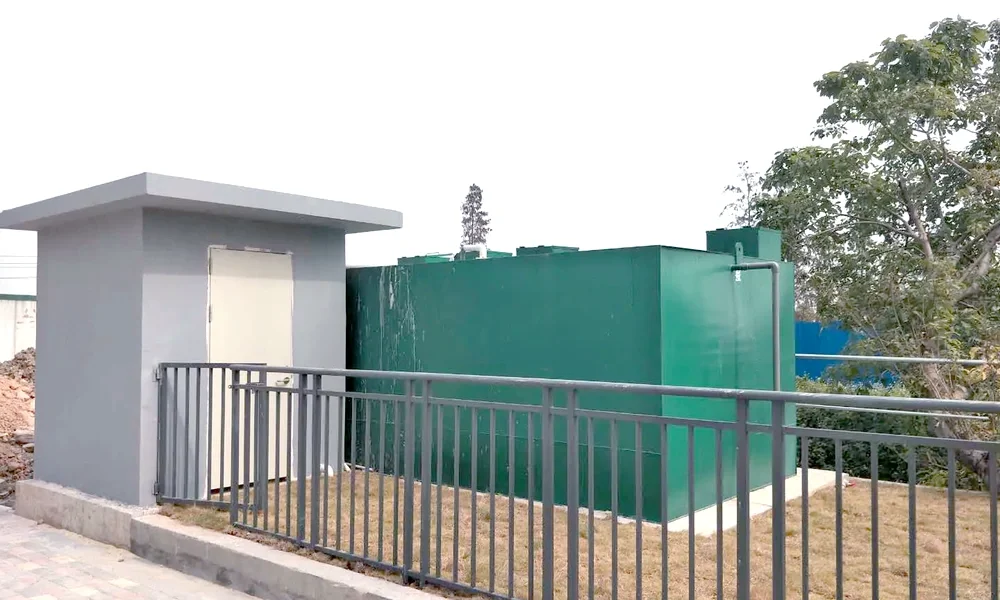
For facilities requiring superior water quality, our MBR membrane bioreactor systems offer a definitive solution. This technology integrates biological degradation with high-efficiency membrane separation, ensuring that biomass is fully retained. This results in an effluent practically free of suspended solids, making it ideal for discharge or further treatment stages.
Acclimatized Activated Sludge and Fixed-Film Biological Systems
To effectively treat surfactant-rich wastewater, we implement systems that favor the growth of acclimatized sludge. By gradually adapting bacteria to the presence of LDAO, we enhance the microbial community’s ability to break down complex surfactant molecules. Fixed-film systems complement this by providing stable attachment surfaces, preventing biomass washout and ensuring that the biological treatment stage remains resilient against the toxic effects often associated with emerging contaminants in pharmaceutical waste streams.
Advanced Oxidation Processes (AOP) for Non-Biodegradable Fractions
When pharmaceutical wastewater contains persistent lauryl dimethylamine oxide, standard biological methods often fall short because of the molecule’s stable amine oxide bond. Advanced oxidation processes are essential to break down these recalcitrant compounds into biodegradable intermediates, effectively managing the high chemical oxygen demand found in complex pharmaceutical effluent.
Fenton and Photo-Fenton Oxidation Processes
We utilize the Fenton reaction by introducing iron catalysts and hydrogen peroxide to generate hydroxyl radicals. This process is highly effective at attacking the surfactant structure. By integrating UV light (Photo-Fenton), we accelerate the reaction rate and improve the mineralization of organic pollutants, ensuring that surfactants are fully destabilized before entering downstream treatment stages.
Ozone and UV-Based Catalytic Degradation
Ozone-based systems provide a clean and powerful oxidation pathway for surfactant removal. When combined with UV irradiation or specialized heterogeneous catalysts, the production of reactive oxygen species increases significantly. This approach is particularly useful for reducing COD levels in streams where chemical additives must be kept to a minimum, helping plants maintain compliance with strict discharge standards.
Electrochemical Oxidation for Refractory Surfactants
Electrochemical oxidation serves as a robust solution for treating highly concentrated or refractory surfactant streams. By passing current through specialized electrodes, we drive direct electron transfer and indirect oxidation at the anode surface. This method is ideal for modular industrial wastewater management, offering precise control over the degradation process and effectively eliminating emerging contaminants that survive conventional treatment.
Tertiary Treatment and Resource Recovery Solutions
When pharmaceutical facilities face stringent discharge limits or aim for zero liquid discharge (ZLD), standard biological treatment alone is not enough. Residual surfactant molecules, intermediate metabolites, and stubborn chemical oxygen demand (COD) require advanced polishing. In our engineering systems, we apply targeted tertiary separation to strip out trace lauryl dimethylamine oxide and deliver high-purity water ready for plant reuse.
Granular Activated Carbon (GAC) Adsorption
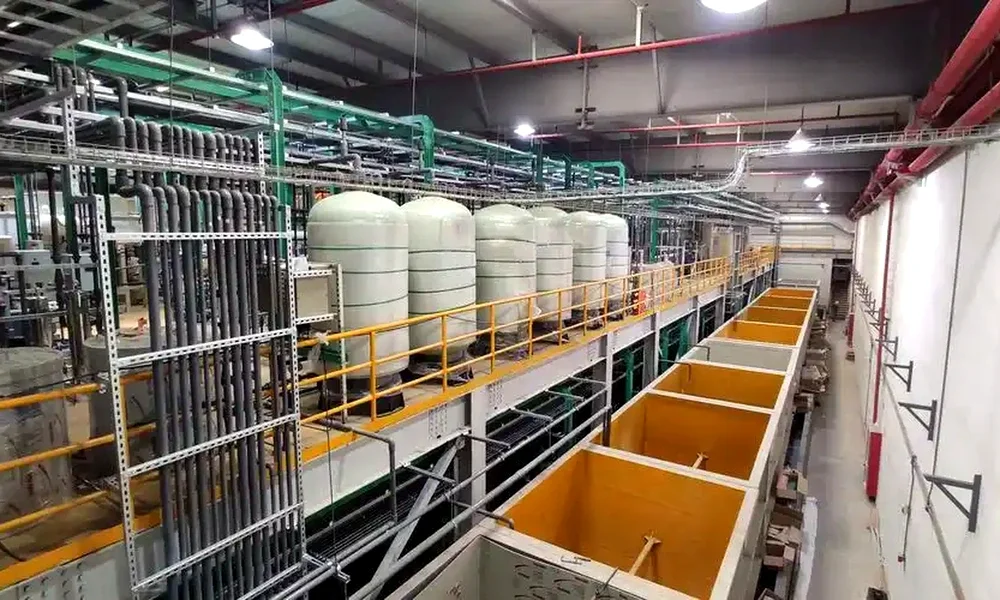
Granular activated carbon works as an indispensable barrier against trace organics. Lauryl dimethylamine oxide possesses a non-polar alkyl chain that binds tightly to the porous matrix of virgin activated carbon.
- Targeted Organic Removal: Effective for polishing low-concentration surfactant residuals below analytical detection limits.
- Operating Parameters: We design our carbon beds with an empty bed contact time (EBCT) of 15 to 30 minutes to maximize adsorption kinetics.
- Media Selection: High-iodine coal or coconut-shell-based carbons (iodine number > 1,000 mg/g) provide the ideal balance of micropores and mesopores to trap amphoteric surfactant chains.
- Bed Regeneration: Once breakthrough occurs, the saturated carbon can be thermally reactivated or exchanged to maintain continuous compliance.
Ion Exchange Systems for Polishing and Recovery
Because lauryl dimethylamine oxide displays zwitterionic behavior across shifting pH ranges, ion exchange resins offer high-precision selectivity for pharmaceutical effluent polishing.
| Resin Type | Operating Target | Key Advantage |
|---|---|---|
| Macroporous Scavenger Resins | High-molecular-weight organic organics | Resists irreversible organic fouling; easily regenerated with brine/caustic wash |
| Strong Acid Cation (SAC) | Protonated amine oxide species (acidic pH) | Rapid adsorption of cationic head groups |
| Weak Base Anion (WBA) | Trace acidic counterions and organic complexes | Low chemical consumption during regeneration |
Using ion exchange ahead of sensitive membrane filtration units shields high-pressure membranes from organic fouling and reduces cleaning cycles.
Reverse Osmosis and Nanofiltration for Water Reuse
For plants pushing for complete water circularity, membrane separation is the ultimate water purification technology. Nanofiltration (NF) and reverse osmosis (RO) provide a physical barrier against dissolved salts, emerging contaminants, and residual surfactants.
- Nanofiltration (NF): Operates at lower pressures (70–150 psi) to reject divalent ions, colors, and organic molecules larger than 200 Da, effectively blocking any intact LDAO.
- Reverse Osmosis (RO): Yields high-quality permeate suitable for cooling tower makeup, scrubber utility lines, or boiler feed. We deploy low-fouling, polyamide composite spiral-wound membranes designed to handle industrial water loads.
- Proven Resource Recovery: Similar membrane polishing principles are applied across demanding sectors, such as in a hotel linen wastewater treatment process for water reuse, proving that reclaimed water can safely substitute fresh municipal supplies.
- Brine Management: The concentrated reject stream carries the isolated salts and trace organics to an evaporator or crystallizer, leaving clean, recycled water for facility processes.
Design and Optimization of an Integrated Treatment Plant
Handling surfactant-laden pharmaceutical effluent requires an engineered balance of physical, chemical, and biological barriers. When configuring industrial wastewater management systems to answer how wastewater containing lauryl dimethylamine oxide from pharmaceutical companies should be treated, we design plants around multi-barrier train configurations. Combining high-rate physical separation, advanced oxidation processes, and membrane-assisted biological units guarantees consistent surfactant removal and stable chemical oxygen demand (COD) compliance.
| Treatment Stage | Core Technology | Primary Objective |
|---|---|---|
| Stage 1: Primary Separation | Equalization + DAF Unit | Mitigates foaming and strips free amphoteric surfactants |
| Stage 2: Pre-Oxidation | Fenton / Catalytic Ozone (AOP) | Cleaves amine oxide bonds and raises the B/C biodegradability ratio |
| Stage 3: Biological Degradation | MBBR / Aerobic MBR | Rapid mineralization of organic carbon and nitrogen fractions |
| Stage 4: Final Polishing | Activated Carbon & Reverse Osmosis | Captures residual emerging contaminants for discharge or reuse |
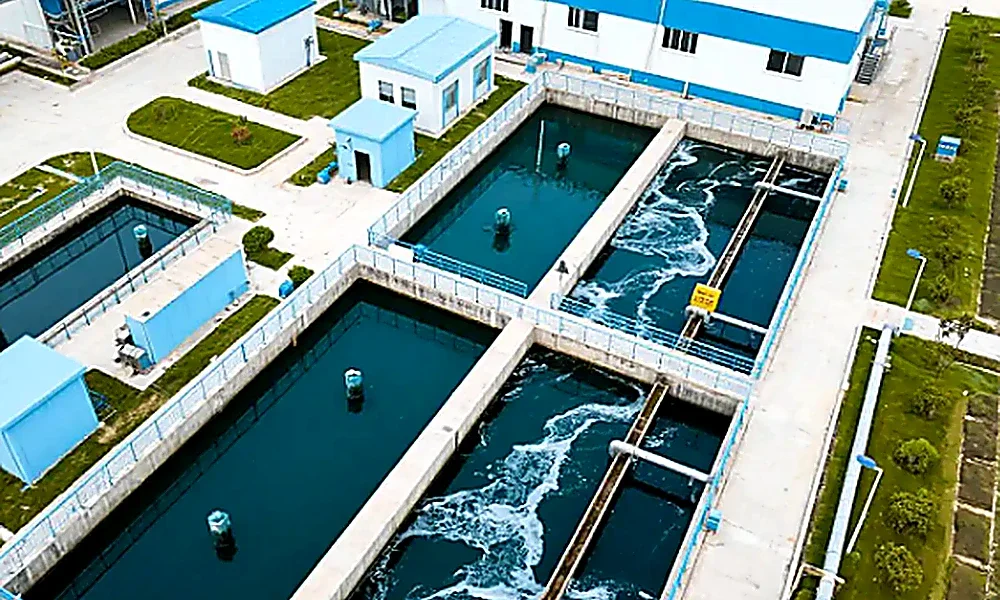
Multi-Stage Treatment Flowsheet for Pharmaceutical Plants
We configure the treatment train to tackle the specific molecular persistence of lauryl dimethylamine oxide (LDAO):
- Primary Equalization & Flotation: Effluent flows into an equalizing basin equipped with mechanical defoaming systems. From there, dissolved air flotation (DAF) strips out emulsified organics and surface-active agents.
- Destructive Oxidation: The semi-clarified stream enters an advanced oxidation step. Hydroxyl radicals cleave the hydrophilic amine oxide head and long alkyl chain, lowering persistent COD.
- Intensified Bio-Loop: Water transfers into an aerobic moving bed biofilm reactor (MBBR) or submerged membrane bioreactor (MBR). Biomass acclimated to degraded surfactant fragments digests the remaining organic compounds without being inhibited by surfactant-induced cell lysis.
- Tertiary Barrier: The treated permeate is fed through granular activated carbon beds and low-fouling reverse osmosis skids to deliver zero-discharge-capable industrial water.
Managing Flow Fluctuations and High Concentration Surfactant Shocks
Batch cleaning cycles (CIP) in pharmaceutical manufacturing release erratic spikes of concentrated surfactants. Uncontrolled surges compromise biological reactors by causing excessive foaming, biomass washout, and oxygen-transfer collapse.
To protect system integrity, we employ targeted strategies:
Source Segregation: We isolate concentrated rinse baths into separate retention holding tanks, metering the solution gradually into baseline wastewater streams.
Dynamic Defoamer Dosing: Sensors track foam height in equalization tanks, triggering closed-loop micro-dosing of silicone-free antifoams only when levels exceed critical limits.
Integrated Site Solutions: Managing concentrated waste streams demands holistic plant-wide environmental engineering, similar to our comprehensive environmental control implementations seen in the Shandong pharmaceutical animal room deodorization facility.
Sludge Dewatering and Hazardous Residue Management
The combination of chemical precipitation, coagulation, and biological treatment produces two distinct sludge fractions: chemical flocs containing captured surfactants and biological biosolids.
- Conditioning: Sludge streams undergo chemical conditioning using specialized cationic polymers to release bound water trapped within surfactant matrices.
- Mechanical Dewatering: High-pressure plate-and-frame filter presses or automated decanter centrifuges dewater the cake to greater than 30% dry solids content.
- Final Disposal: Because chemical sludge from pharmaceutical cleaning cycles may retain trace non-biodegradable surfactants and heavy complexing residues, we route the dewatered cake to certified high-temperature incineration or hazardous waste disposal facilities to eliminate environmental liability.