Environmental protection equipment supplier

UV Photolysis vs Activated Carbon Adsorption Guide
Understanding UV Photolysis and Activated Carbon Adsorption
Industrial waste gas treatment relies on proven technologies to neutralize volatile organic compounds (VOCs) and maintain regulatory compliance. Two of the most established methods are UV photolysis and activated carbon adsorption. While both target hazardous air pollutants, their operational mechanisms serve fundamentally different treatment functions.
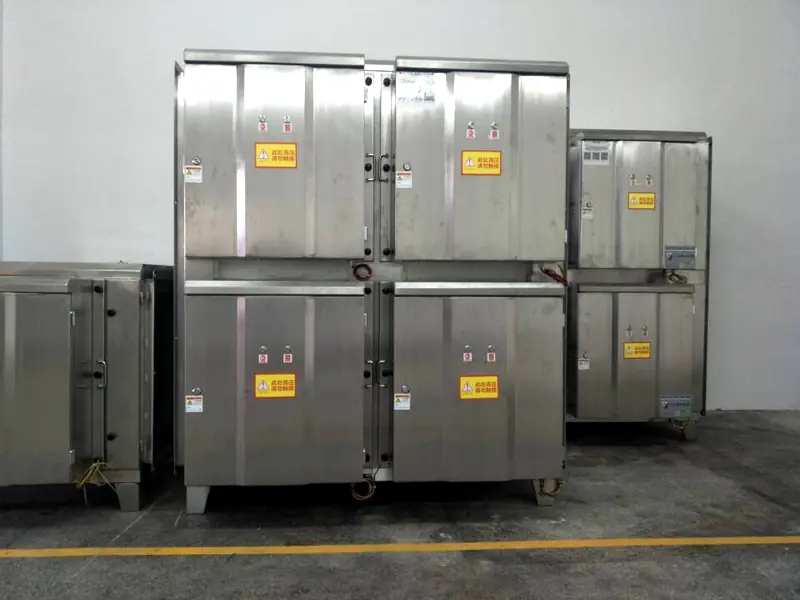
What Is UV Photolysis in Contaminant Treatment?
UV photolysis is a chemical degradation process that utilizes high-intensity ultraviolet lamp technology to break down hazardous gas streams.
- Photochemical Cleavage: High-energy UV radiation directly breaks the molecular bonds of complex organic pollutants.
- Oxidative Degradation: The process activates oxygen molecules into reactive oxygen species and ozone, which rapidly oxidize volatile organic compounds into simpler, stable substances like carbon dioxide and water vapor.
- Continuous Flow Performance: It operates effectively in continuous exhaust streams without trapping pollutants inside a physical filter bed.
How Activated Carbon Adsorption Works
Activated carbon adsorption is a physical separation process engineered to capture and hold organic molecules within a highly porous matrix.
- High Specific Surface Area: Granular activated carbon (GAC) and honeycomb carbon media feature extensive micro-pore networks that maximize surface contact.
- Molecular Capture: As contaminated air passes through the carbon bed, Van der Waals forces draw volatile gas molecules into the pores, physically trapping them.
- Concentration Management: It excels at stripping specific VOCs from exhaust streams, holding contaminants until the media reaches its adsorption threshold.
Key Differences Between Degradation and Adsorption Methods
The choice between degradation and adsorption comes down to whether contaminants should be chemically destroyed on the fly or physically captured for subsequent disposal or regeneration.
| Feature | UV Photolysis | Activated Carbon Adsorption |
|---|---|---|
| Core Mechanism | Chemical bond cleavage & oxidation | Physical surface adsorption |
| Fate of Pollutants | Molecular degradation (destruction) | Molecular capture & retention (storage) |
| Secondary Waste | Minimal to none | Spent carbon requiring replacement/regeneration |
| Stream Suitability | Low-to-medium concentration continuous flows | Fluctuating loads and final polishing stages |
| Consumable Elements | Periodic UV lamp replacement | Carbon media replenishment |
Core Features and Technical Advantages
Advantages of UV Photolysis for Organic Degradation
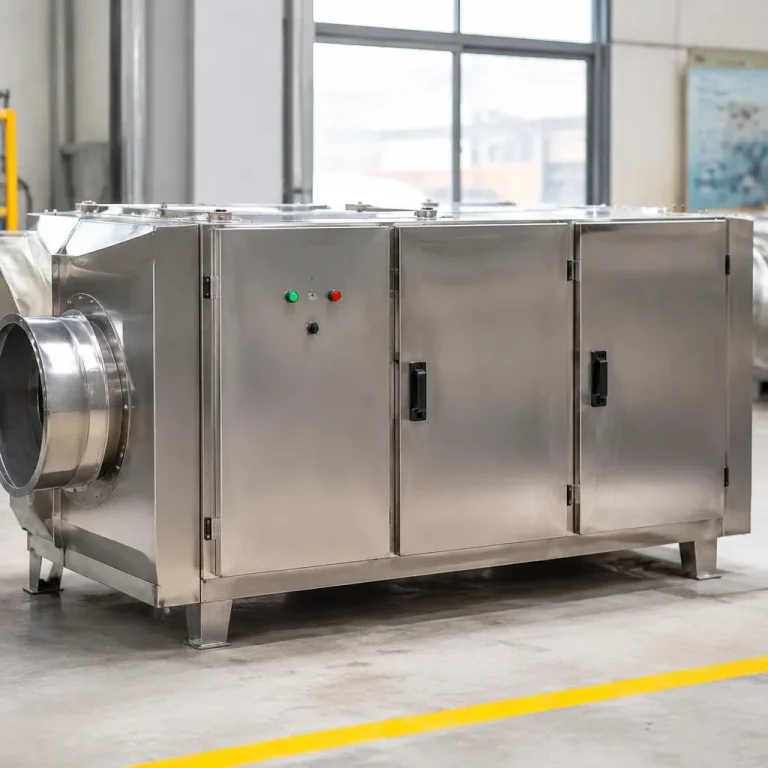
UV photolysis utilizes high-energy UV lamps to break down molecular bonds in volatile organic compounds (VOCs). This process is highly effective for continuous industrial air treatment, as it chemically degrades contaminants rather than simply trapping them. Our modular system designs allow for precise control over the degradation process, ensuring high-efficiency purification rates even for complex gas streams.
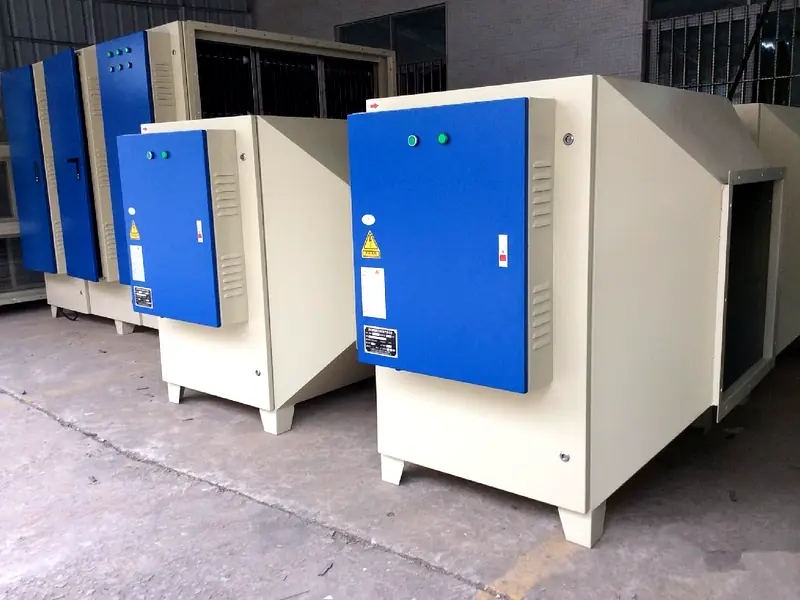
Benefits and Efficiency of Activated Carbon Filters
Activated carbon adsorption relies on a high-surface-area porous structure to capture and hold gaseous molecules. This technology is the industry standard for final polishing, effectively removing residual odors and specific volatile organic compounds. By utilizing high-adsorption capacity media, we ensure that the system maintains a high removal rate, providing a reliable barrier for environmental compliance.
Comparing Energy Consumption and Maintenance Requirements
Choosing between UV photolysis vs activated carbon adsorption often comes down to balancing operational needs. UV systems generally have higher initial equipment requirements but offer lower ongoing media costs. Conversely, activated carbon systems require periodic media replacement or regeneration, which serves as the primary operational expense.
| Feature | UV Photolysis | Activated Carbon Adsorption |
|---|---|---|
| Primary Mechanism | Chemical Degradation | Physical Adsorption |
| Operational Focus | Lamp Maintenance | Media Replacement |
| Best Use Case | Continuous VOC streams | Final polishing/low concentration |
| System Design | Modular/Compact | Scalable/Bed-based |
We focus on engineering systems that minimize downtime. While UV lamps require periodic cleaning or replacement to maintain intensity, our activated carbon units are designed for easy access to ensure that media change-outs are quick and efficient, keeping your facility compliant with minimal disruption.
Common Contaminants and Application Scenarios
Targeting VOCs and Resistant Contaminants
Industrial facilities frequently encounter complex volatile organic compounds (VOCs) that require robust abatement strategies. UV photolysis is particularly effective at breaking down molecular bonds in persistent organic pollutants, making it a preferred choice for high-reactivity gas streams. Conversely, activated carbon adsorption excels at capturing specific hazardous molecules, providing a reliable method for removing odors and concentrated contaminants that are otherwise difficult to degrade.
Industrial Air and Water Purification Scenarios
Our environmental protection equipment is engineered to handle diverse industrial challenges, ranging from large-scale air treatment in manufacturing plants to specialized purification processes.
Air Treatment: UV systems are widely deployed in workshops to neutralize exhaust gases and VOC emissions.
Adsorption Efficiency: Activated carbon is the industry standard for final-stage polishing, ensuring that air discharge meets strict environmental emission standards.
Versatility: These technologies are adaptable to various flow rates, ensuring that Soto EP Machinery solutions remain effective across different factory environments.
Pre-Treatment vs. Post-Treatment Applications
Designing an efficient purification system requires a strategic approach to the sequence of technologies.
Pre-Treatment (UV Photolysis): Often utilized as the initial stage to degrade complex VOCs and reduce the overall pollutant load entering the system.
Post-Treatment (Activated Carbon): Frequently serves as a secondary or “polishing” stage. By capturing residual compounds that pass through primary systems, activated carbon ensures the final output is compliant with local regulations.
By integrating these methods, we provide a comprehensive approach to hazardous gas purification, ensuring that each stage of the process is optimized for maximum efficiency and long-term reliability.
Combined Systems: UV Photolysis Plus Activated Carbon
Synergistic Effects of Integrating Both Technologies
When addressing complex industrial VOC treatment, relying on a single method often falls short of strict emission standards. By integrating UV photolysis with activated carbon adsorption, we create a multi-stage defense. The UV photolysis stage acts as the primary degradation engine, breaking down complex molecular chains through high-energy light. The subsequent activated carbon stage serves as a high-efficiency polishing layer, capturing residual volatile organic compounds that may have bypassed the initial oxidation process. This synergy ensures that the final exhaust stream meets rigorous environmental compliance requirements.
Optimizing Process Efficiency with Hybrid Systems
Hybrid systems are designed to maximize the strengths of each technology while mitigating their individual limitations. In this configuration, UV photolysis significantly reduces the VOC load entering the carbon bed. This reduction in concentration prevents the adsorption media from becoming saturated too quickly. By optimizing the workflow, we achieve:
Higher purification rates: Consistent removal of diverse pollutants.
Operational stability: Reliable performance even during fluctuations in gas concentration.
Customized flow management: Modular designs that adapt to specific factory exhaust volumes.
Preventing Secondary Pollution and Extending Equipment Life
A major benefit of using a combined approach is the significant extension of the activated carbon lifespan. Because the UV photolysis stage degrades the bulk of the hazardous gas, the activated carbon media requires less frequent regeneration or replacement. This not only lowers long-term operational expenses but also reduces the volume of spent waste material that requires disposal. Furthermore, this dual-stage setup acts as a safeguard against secondary pollution, ensuring that the air discharged into the environment is thoroughly treated and free from harmful chemical byproducts.
Selecting the Right VOC Treatment Technology
Choosing between UV photolysis vs activated carbon adsorption requires a clear understanding of your facility’s specific emission profile. At Soto EP Machinery, we emphasize that there is no “one-size-fits-all” solution for industrial air treatment.
Evaluating Concentration Levels and Contaminant Types
The primary factor in your decision is the concentration and nature of the Volatile Organic Compounds (VOCs) in your exhaust stream.
- UV Photolysis: Best suited for continuous, low-to-medium concentration streams. It effectively breaks down complex molecular structures through high-energy light.
- Activated Carbon: Highly efficient for capturing specific organic molecules at lower concentrations, acting as an excellent polishing stage to ensure final emission compliance.
Cost Comparison: Initial Investment vs. Operational Expenses
Understanding the total cost of ownership is vital for long-term budget planning.
| Factor | UV Photolysis | Activated Carbon |
|---|---|---|
| Initial CapEx | Higher (Equipment/Lamps) | Lower (Housing/Media) |
| OpEx | Periodic lamp maintenance | Frequent media replacement |
| Primary Cost | Electricity & Lamp life | Media disposal & replenishment |
System Design and Operating Conditions Considerations
Beyond the technology itself, the physical integration into your plant is critical. We focus on modular design to ensure your system fits existing infrastructure while meeting strict environmental standards.
- Gas Flow: Ensure the system is sized correctly for your cubic meters per hour (m³/h) to prevent bottlenecks.
- Temperature and Humidity: High humidity can reduce the efficiency of activated carbon, often necessitating a pre-treatment stage or a switch to UV-based degradation.
- Compliance: Always align your equipment configuration with local VOC emission standards. Professional design ensures that your purification rates meet regulatory requirements without unnecessary energy waste.
By analyzing your specific gas flow and VOC concentration, we can help determine whether a standalone unit or a hybrid configuration provides the most reliable path to environmental compliance.