Environmental protection equipment supplier

Animal Facility Deodorization Methods in Medical Schools
Are persistent odors compromising the air quality and compliance of your research vivarium?
In medical research environments, odor control isn’t just about masking bad smells—it directly impacts animal welfare, staff safety, and experimental integrity.
In this actionable guide, you’ll discover the most effective common deodorization methods for animal facilities in medical schools.
From advanced HVAC engineering controls and microbial neutralizers to targeted sanitation workflows and foolproof SOPs, we break down the exact strategies top research institutions rely on to keep their facilities pristine and compliant.
Let’s dive right in.
Introduction to Animal Facility Deodorization in Medical Schools
Medical school animal research facilities require stringent environmental controls to maintain biosecurity, experimental accuracy, and high standards of animal welfare. Effective odor control is not merely a cosmetic preference—it is a critical biophysical requirement. Implementing proactive, science-backed deodorization strategies safeguards both laboratory personnel and animal models from harmful volatile compounds, establishing a baseline of environmental stability essential for advanced biomedical research.
Understanding the Sources and Risks of Odors in Medical Animal Facilities
Odors in animal housing, holding rooms, and surgical suites originate primarily from biological waste breakdown and animal metabolic processes. Recognizing these specific sources is the first step toward effective remediation:
- Ammonia ($NH_3$): Produced by the microbial degradation of urea in bedding and waste trays. High ammonia concentrations cause corneal damage, respiratory epithelium erosion, and chronic inflammation in rodents.
- Volatile Organic Compounds (VOCs) and Sulfides: Hydrogen sulfide, mercaptans, and volatile fatty acids generated by anaerobic microbial activity in organic waste.
- Pheromones and Skin Dander: Natural excretions that carry persistent olfactory signatures and potent laboratory animal allergens (LAA).
| Odor Source | Primary Chemical Culprit | Operational & Health Impact |
|---|---|---|
| Urine Decomposition | Ammonia ($NH_3$) | Upper respiratory irritation, altered respiratory rates in models |
| Fecal Waste | Hydrogen sulfide, skatole, indole | Atmospheric toxicity, secondary bacterial vector multiplication |
| Bedding Accumulation | Microbial VOCs & moisture | Increased airborne fungal spores, allergen dispersal |
| Cage Cleaning Stations | Aerosolized particulates & organic load | Cross-contamination risks, occupational health exposure |
Importance of Odor Control for Research Integrity and Facility Hygiene
Uncontrolled atmospheric contaminants introduce unquantified variables that compromise scientific outcomes. Systematic deodorization preserves data integrity and institutional compliance across multiple vectors:
- Standardized Physiological Baselines: High odor and ammonia levels induce physiological stress, altered immune responses, and erratic blood chemistry, compromising behavioral and pharmacological trials.
- Occupational Health and Safety: Minimizing airborne irritants directly reduces staff sensitivity, respiratory distress, and long-term risks associated with laboratory animal allergies.
- Regulatory Compliance: Meets the strict environmental standards established by oversight bodies such as AAALAC, the NIH Guide for the Care and Use of Laboratory Animals, and local bio-safety committees.
- Pathogen and Biosecurity Management: Advanced deodorization protocols integrate active odor neutralization with microbial load reduction, suppressing cross-contamination vectors across research zones.
Engineering Controls and HVAC Ventilation Systems
Engineering controls serve as the primary line of defense among the common deodorization methods for animal facilities in medical schools. By managing air distribution, capturing airborne volatile organic compounds, and containing odors at the source, a well-engineered HVAC setup prevents pungent ammonia and waste odors from escaping into research corridors and student areas.
Optimizing Fresh Air Intake and Air Change Rates
Medical research vivariums cannot rely on standard commercial air recirculation. Maintaining air quality requires strict ventilation rate optimization combined with effective exhaust treatment:
- 100% Total Exhaust: Animal holding rooms require single-pass, 100% outside air systems to prevent cross-contamination and odor buildup between experimental cohorts.
- Air Changes Per Hour (ACH): We maintain 10 to 15 air changes per hour depending on species density and cage design (static vs. individually ventilated cages).
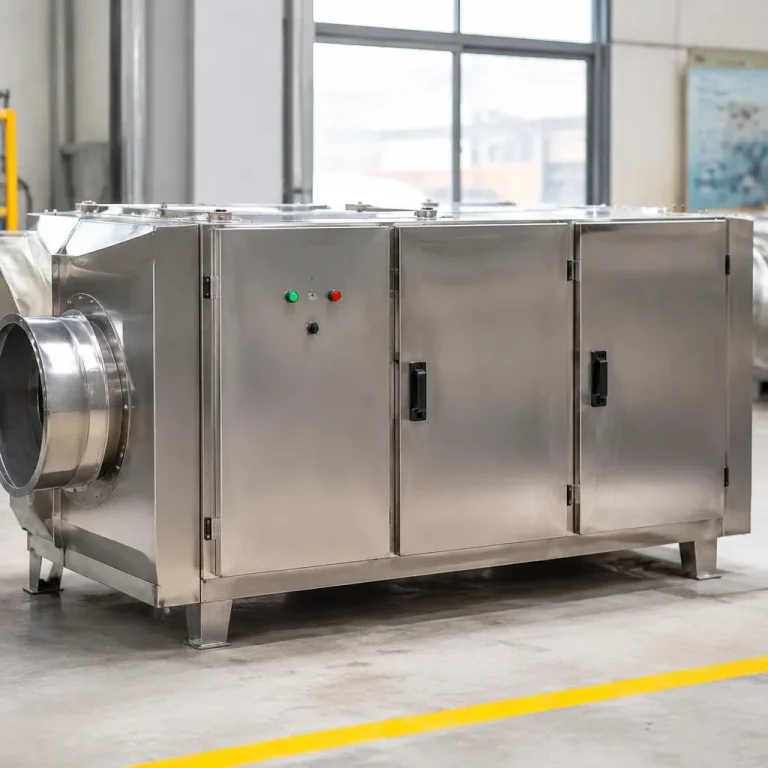
- Integrated Exhaust Abatement: Directing high-odor exhaust through specialized filtration or a lab-scale UV photolysis unit neutralizes volatile organic compounds and gaseous byproducts before discharging air externally.
- Filtration Stages: Multi-stage filtration—combining pre-filters, activated carbon filtration, and HEPA air scrubbers—captures particulate dander and traps organic sulfur and nitrogen compounds.
| Parameter | Recommended Specification | Purpose |
|---|---|---|
| Air Exchange | 10–15 ACH | Continuous dilution of gaseous ammonia and pheromones |
| Airflow Path | Ceiling supply to low-wall exhaust | Sweeps heavier odor compounds downward away from breathing zones |
| Filtration | MERV 8 + MERV 14 + HEPA/Carbon | Traps fine dander, allergens, and gaseous odors |
Dedicated Mechanical Zoning and Negative Pressure Controls
Pressure differentials keep odors confined to source areas. We configure animal housing rooms, procedure rooms, and dirty cage-wash areas under continuous negative air pressure relative to adjacent clean corridors, anterooms, and support spaces.
- Pressure Differentials: Maintain a minimum differential of -0.05 inches water gauge (-12.5 Pa) in animal rooms.
- Airlocks and Anterooms: Buffer zones with interlocked doors prevent pressure drops when personnel enter and exit.
- Real-Time Monitoring: Digital differential pressure monitors provide visual and audible alerts the moment a room loses negative pressure, preventing odors from leaking into adjacent academic labs.
Humidity Control and Dehumidification Strategies
Excess moisture drastically accelerates the decomposition of organic waste and the volatilization of ammonia. Controlling humidity levels suppresses bacterial metabolism in animal bedding and waste pans:
- Relative Humidity (RH) Range: Maintain indoor relative humidity strictly between 30% and 70%, with a target operating sweet spot of 45% to 55%.
- Dehumidification at High Density: In high-density rodent holding rooms, dedicated desiccant or deep-cooling dehumidification coils remove latent loads before moisture activates odor-causing enzymes.
- Condensation Prevention: Eliminating cold spots on surfaces stops standing water formation, depriving odor-producing microbes of the damp environment required for proliferation.
Chemical Deodorization and Disinfection Protocols
Implementing structured chemical and enzymatic sanitation routines is one of the most reliable strategies for animal facilities in medical schools. While ventilation dilutes airborne compounds, targeted chemical treatment breaks down organic waste at the molecular level, neutralizing volatile odor sources immediately. Effectively overcoming the challenge of odors in laboratory animal facilities requires combining surface-level chemical agents with dependable engineering controls.
Choosing the Right Enzymatic and Chemical Odor Neutralizers
Selecting the appropriate formulation depends on the organic profile of the waste. In medical research vivariums, animal waste consists primarily of urea, proteins, sulfur compounds, and volatile fatty acids.
| Agent Type | Mechanism of Action | Best Application Areas | Key Benefit |
|---|---|---|---|
| Enzymatic Cleaners | Catalyze the breakdown of proteins, lipids, and uric acid crystals. | Caging systems, waste pans, necropsy tables | Eliminates bio-residue without harsh fumes |
| Chemical Neutralizers | Chemically bind or oxidize sulfur and ammonia molecules. | Waste collection bays, drain troughs, perimeter flooring | Rapid odor knockdown for high-load zones |
| Oxidizing Disinfectants | Destroy odor-causing microbial cell walls via oxidation. | Procedure rooms, isolation units, air locks | Simultaneous pathogen eradication and deodorization |
For centralized treatment in exhaust plenums or localized holding rooms, integrating automated spray deodorization systems ensures consistent, micro-droplet coverage that binds airborne odorants without saturating animal housing.
Standardizing Contact Time and Solution Concentrations
Chemical deodorizers and disinfectants must be deployed with strict consistency to remain effective:
- Accurate Dilution Control: Utilize calibrated chemical dosing systems to avoid weak solutions that leave odor-producing bacteria intact, or over-concentrated mixtures that leave sticky residues.
- Strict Dwell (Contact) Time: Ensure surfaces remain visibly wet for the full manufacturer-specified duration—typically 5 to 10 minutes—before wiping or rinsing to allow complete destruction of organic molecules.
- Water Quality Management: Account for facility water hardness when diluting enzymatic products, as high mineral content can inhibit active enzymes.
Preventing Chemical Toxicity to Laboratory Animals
Medical research models, particularly rodents, are exceptionally sensitive to volatile organic compounds (VOCs), strong fragrances, and respiratory irritants.
- Fragrance-Free Formulations: Avoid scented products that merely mask odors; use unscented chemical neutralizers to eliminate sensory interference and stress in research subjects.
- Residue Management: Implement thorough rinse protocols on direct-contact surfaces such as cage interiors, water sipper tubes, and feed hoppers.
- Controlled Aerosol Disinfection: When deploying fine-mist or aerosol disinfection systems in decontamination airlocks, ensure rooms are completely evacuated of live subjects and purged with fresh air before re-entry.
Biological and Microbial Odor Control Solutions
Biological odor control offers a sustainable, non-toxic way to eliminate pungent smells without introducing harsh irritants into sensitive vivarium environments. Instead of simply masking offensive compounds, biological approaches use living cultures and specialized enzymes to break down odor-causing molecules right at the source.
Mechanisms of Microbial and Bacterial Deodorizing Agents
Microbial deodorization relies on targeted strains of beneficial bacteria—primarily Bacillus and Pseudomonas species—that digest organic matter and eliminate volatile compounds.
- Ammonia Conversion: Specific nitrifying bacteria convert noxious free ammonia ($NH_3$) into odorless nitrates and nitrites.
- Hydrogen Sulfide Breakdown: Sulfur-oxidizing microorganisms rapidly metabolize hydrogen sulfide ($H_2S$) and mercaptans into stable sulfates.
- Volatile Fatty Acid (VFA) Digestion: Heterotrophic bacteria consume butyric, isovaleric, and propionic acids generated by decomposing feces and urine.
- Competitive Exclusion: Probiotic bacterial cultures outcompete anaerobic, odor-producing pathogens on surfaces, establishing a stable microflora.
| Target Compound | Primary Odor Source | Microbial Mechanism | Resulting Byproduct |
|---|---|---|---|
| Ammonia ($NH_3$) | Urine breakdown, wet bedding | Biological nitrification | Odorless nitrates |
| Hydrogen Sulfide ($H_2S$) | Decomposing fecal protein | Sulfur oxidation | Inert sulfates |
| Volatile Fatty Acids | Cecal waste, soiled bedding | Organic digestion | Carbon dioxide & water |
Application of Microbial Agents in Animal Waste Management
Applying microbial agents directly into waste handling workflows stops gaseous emissions before they circulate into shared facility airspaces.
- Bedding and Waste Tray Pre-Treatment: Misting bio-enzymatic solutions into soiled bedding collection bins halts anaerobic fermentation during holding periods.
- Drain and Waste Sump Treatment: Dosing facility floor drains and slurry collection tanks with liquid bacterial concentrates prevents organic biofilm buildup and back-draft odors.
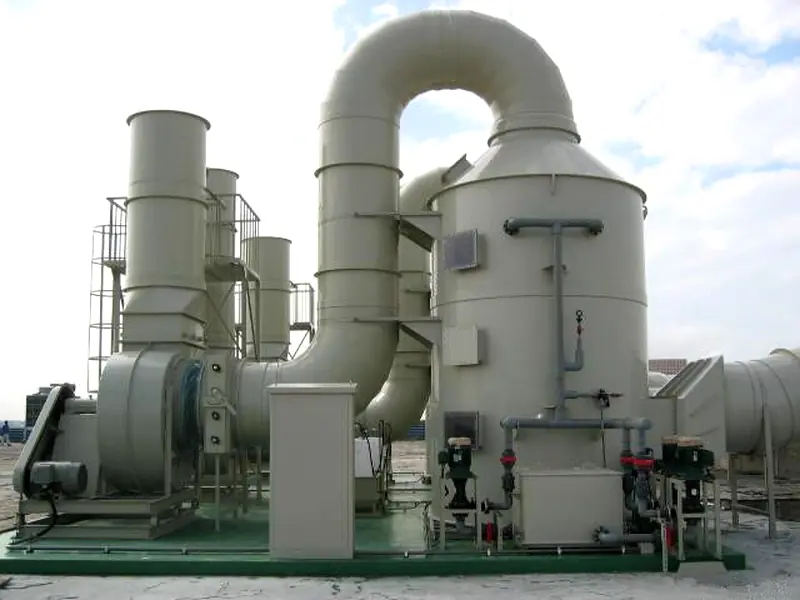
- Exhaust Stream Biofiltration: Pairing microbial treatments with specialized animal room waste gas treatment systems guarantees that airborne volatile compounds are digested before exhaust air leaves the facility.
- Cage Wash Waste Neutralization: Utilizing enzymatic digesters in pre-wash areas softens heavy organic crusts and eliminates pungent wash-tank vapor plumes.
Target Odor Hotspots and Sanitation Workflows
Eliminating odors in biomedical settings requires pinpointing source zones where volatile organic compounds and ammonia concentrate. Implementing common deodorization methods for animal facilities in medical schools demands structured, area-specific workflows that stop malodors before they permeate shared corridors.
Cleaning and Deodorizing Cages, Bedding, and Waste Areas
Dirty bedding and waste receptacles produce the highest concentrations of ammonia and sulfur compounds. I focus on direct, source-capture containment and systematic breakdown:
- Bedding Disposal Stations: Dump soiled bedding exclusively inside negative-pressure change stations equipped with localized exhaust ducting.
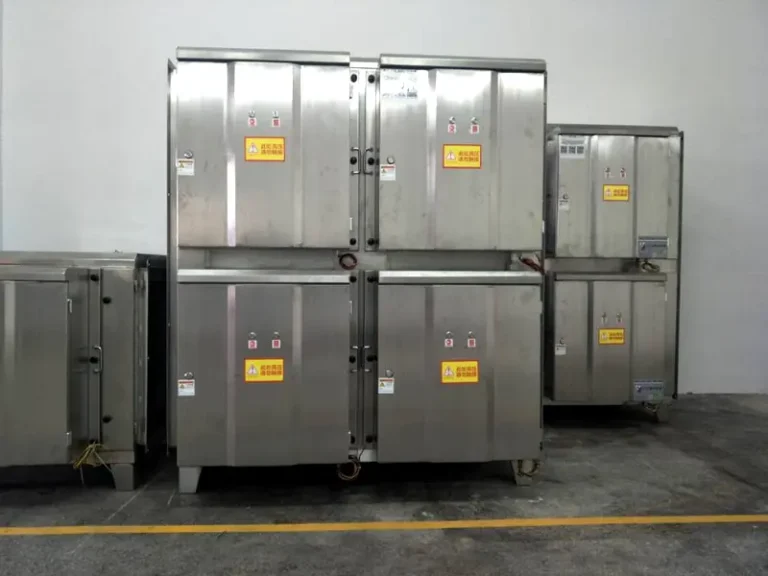
- Exhaust Air Scrubbing: Route high-load exhaust streams from washrooms directly through an activated carbon adsorption unit to strip foul gases before discharging air outside.
- Enzymatic Pre-Wash: Spray cage pans and racks with targeted enzymatic cleaners prior to automated tunnel washers to dissolve uric acid crystals and protein buildup.
- Sealed Waste Containment: Bag and seal saturated substrate immediately in heavy-duty liners, transporting waste bins out through service corridors on a strict daily schedule.
Managing High-Traffic Zones, Treatment Rooms, and Isolation Wards
Treatment suites, necropsy rooms, and holding corridors require continuous air clearance to prevent cross-contamination and odor bleed-through.
| Area | Primary Odor Challenge | Sanitation & Deodorization Protocol |
|---|---|---|
| Surgical & Treatment Rooms | Anesthetic gases, biological fluids | Surface wipe-downs with non-toxic chemical neutralizers after every procedure. |
| Transfer Corridors | Animal transit and cage movement | Dynamic air locks, sealed doors, and continuous ceiling-mounted HEPA air scrubbers. |
| Quarantine & Isolation Wards | High bio-load, infectious waste | Dedicated negative-pressure zoning combined with automated aerosol disinfection cycles. |
Disinfection Protocols for Specialized Research Equipment
Metabolic cages, behavioral mazes, and imaging systems retain animal scents that alter behavioral test outcomes and introduce localized stench. Standardize these steps across all shared scientific hardware:
- Residue-Free Decontamination: Wipe behavioral testing mazes with non-residual neutralizers or diluted ethanol between trials to eliminate trail pheromones without degrading the equipment finish.
- Metabolic Apparatus Cleaning: Flush collection funnels and urine separators immediately with bio-enzymatic rinse solutions to halt urea decomposition.
- Controlled Chamber Deodorization: Utilize sealed enclosure fumigation or mild ozone treatment during scheduled downtimes, ensuring full aeration before returning any research animals.
Standard Operating Procedures (SOPs) and Monitoring
Consistent animal facility deodorization in medical schools relies on strict operational discipline. Without clear standards, odor control equipment and sanitation chemicals lose efficiency over time, risking regulatory non-compliance and animal welfare issues.
Developing Written Sanitation and Deodorization Protocols
We establish standardized protocols to eliminate guesswork across daily animal care operations. Clear documentation ensures technicians handle waste, ventilation maintenance, and odor neutralizers safely and uniformly.
- Daily Tasks: Soiled bedding disposal, spot cleaning of high-load containment zones, waste bin sealing, and chemical dilution checks.
- Weekly Tasks: Deep sanitation of rack manifolds, enzymatic drain flushing, and air pre-filter inspections.
- Preventative Equipment Servicing: Routine replacement of HEPA filters, UV lamp testing, and carbon bed regeneration. Evaluating facility exhaust requirements via our UV photolysis vs activated carbon adsorption guide helps teams schedule exact media turnover rates before odor breakthrough occurs.
| Protocol Area | Target Frequency | Standard Measure |
|---|---|---|
| Bedding Replacement | Scheduled / As-needed | Zero ammonia build-up at micro-environmental level |
| Chemical Disinfection | Daily | Strict contact time (10 min) before wiping/rinsing |
| Exhaust Filtration Check | Bi-weekly | Pressure drop validation across exhaust filter banks |
Monitoring Air Quality and Verifying Deodorization Efficacy
Real-time sensing and routine validation confirm that deodorization systems perform at peak capacity:
- Continuous Gas Monitoring: Install targeted gas sensors to track ammonia (<25 ppm, preferably <10 ppm) and hydrogen sulfide concentrations in holding rooms and exhaust ducts.
- Differential Pressure Tracking: Use digital manometers to verify negative pressure in isolation rooms, preventing odor migration into corridors.
- Surface and Air Cleanliness Verification: Conduct ATP bioluminescence swabs on sanitized cage racks and evaluate airborne particulate counts to confirm baseline sanitation before odor precursors accumulate.