Environmental protection equipment supplier

Process for Treatment and Reuse of Heavy Metal-Laden Wastewater from Non-ferrous Metal Mine Beneficiation (e.g., Gold Mines)
Wastewater generated during mining operations poses a serious threat to the environment and ecosystems due to the presence of various pollutants, such as heavy metals, suspended solids, and acidic or alkaline substances. Effective mine wastewater treatment projects not only mitigate environmental pollution but also enable the recycling of water resources, making them crucial for sustainable development. This article presents several typical case studies of mine wastewater treatment projects, aiming to provide valuable references for the relevant industries:
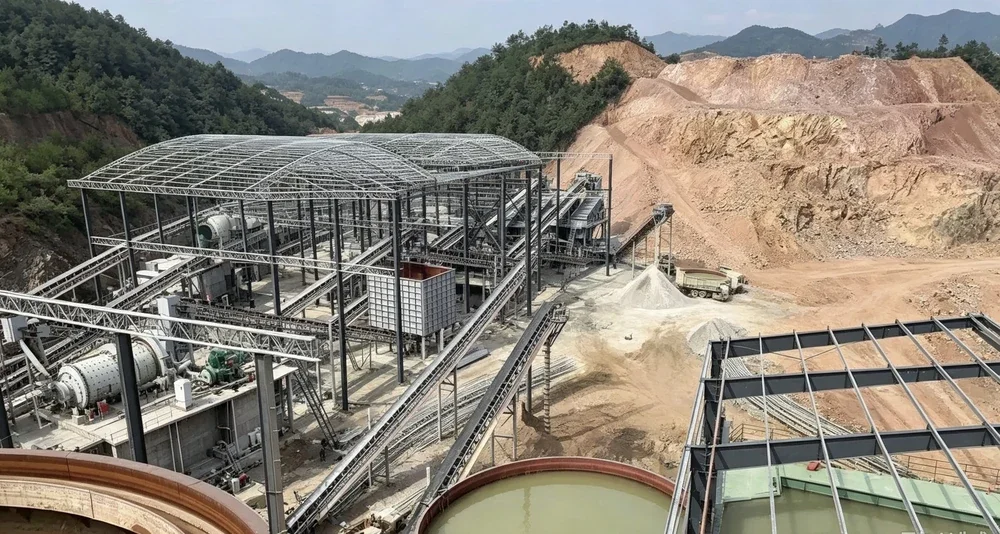
Case Study 1: Wastewater Treatment Project for an Iron Mine
Project Background:
- During the mining process, an iron mine generates large quantities of wastewater containing high concentrations of suspended solids and iron ions. If discharged directly without treatment, this wastewater would cause severe pollution to downstream water bodies.
Processing method:
- This iron mine wastewater treatment project employs a combined process of “coagulation-sedimentation, filtration, and reverse osmosis.” First, suspended solids and a portion of iron ions are removed through coagulation and sedimentation; next, filtration equipment is used to further remove fine particles; finally, reverse osmosis membrane technology removes dissolved salts and other impurities, ensuring the effluent meets discharge standards.
Processing result:
- After passing through this treatment system, the removal rate of suspended solids in the wastewater exceeded 99%, and the iron ion concentration was significantly reduced; the effluent is clear and transparent, meeting national discharge standards. Furthermore, the treated water is reused in processes such as cooling and washing during mining operations, thereby achieving the recycling of water resources.
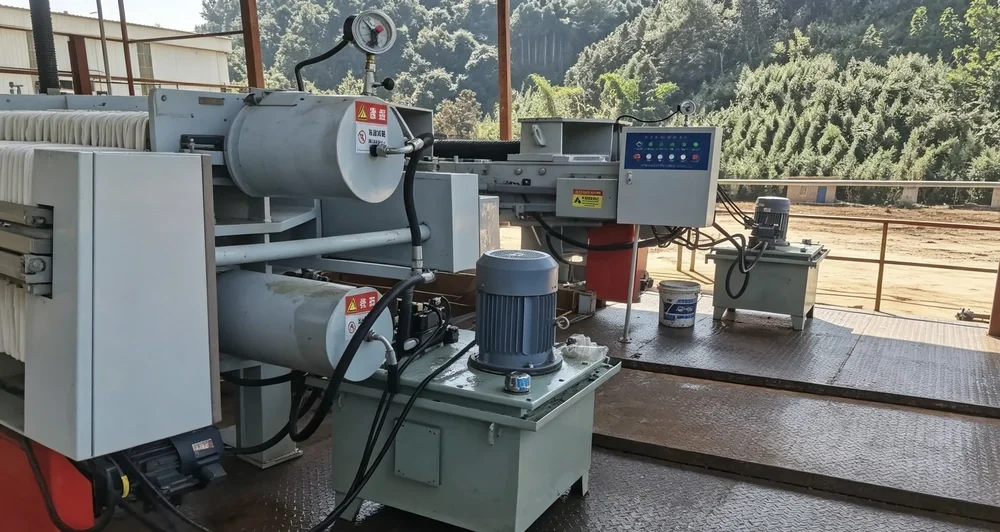
Case Study 2: Wastewater Treatment Project for a Copper Mine
Project Background:
- A copper mine generated large quantities of wastewater containing heavy metal ions (such as copper, zinc, and lead) and acidic or alkaline substances during its mining and smelting operations. This wastewater caused severe pollution to the surrounding environment and ecosystems.
Processing method:
- This copper mine wastewater treatment project employs a combined process consisting of neutralization-precipitation, sulfide precipitation, activated carbon adsorption, and ultrafiltration. First, operators add alkaline substances to neutralize wastewater acidity and precipitate part of heavy metal ions. Then sulfide precipitation removes heavy metal ions including copper and zinc. Subsequently, activated carbon adsorption removes organic matter and residual heavy metal ions. Finally, operators apply ultrafiltration membrane technology to further remove fine particles and colloidal substances from wastewater.
Processing result:
- After flowing through the treatment system, the wastewater shows markedly lower heavy metal ion concentrations, and the effluent meets national discharge standards. Meanwhile, operators reuse the treated water to irrigate mine peripheral greenery and farmland, effectively easing water shortages.
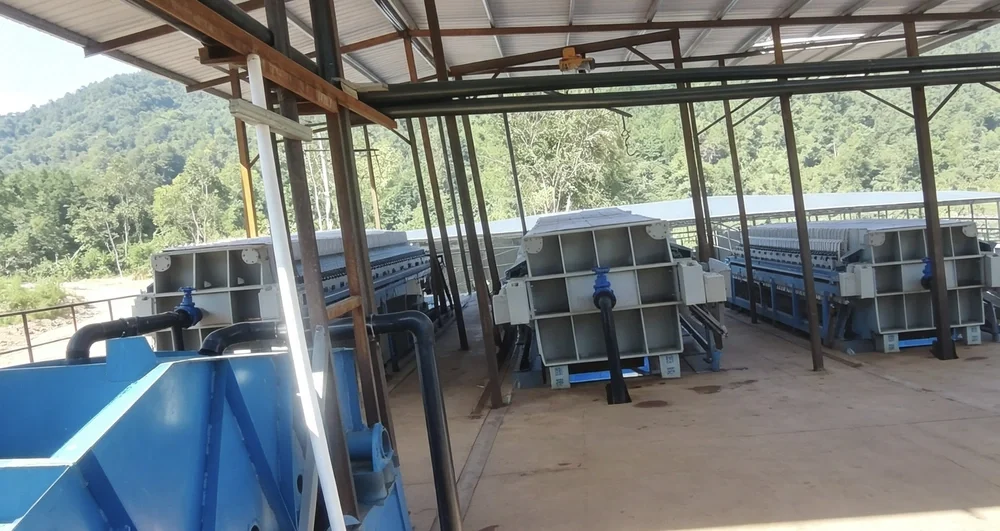
Case Study 3: Wastewater Treatment Project for a Gold Mine
Project Background:
- During the mining process, a certain gold mine generated large quantities of wastewater containing cyanide, heavy metal ions (such as gold and silver), and suspended solids. This wastewater posed a serious threat to the environment and human health.
Processing method:
- This gold mine wastewater treatment project employs a combined process of “oxidative cyanide destruction + coagulation-sedimentation + ion exchange + reverse osmosis.”First, oxidizing agents oxidize and decompose cyanide in wastewater into harmless substances; next, coagulation and sedimentation remove suspended solids and partial heavy metal ions; then, ion exchange resins eliminate residual heavy metal ions; and finally, reverse osmosis membrane technology removes dissolved salts and other impurities.
Processing result:
- After the wastewater flows through this treatment system, cyanide and heavy metal ion concentrations decrease significantly, and the effluent meets national discharge standards. Besides, the mine reuses the treated water in its internal circulating cooling system, achieving zero discharge and water resource recycling.
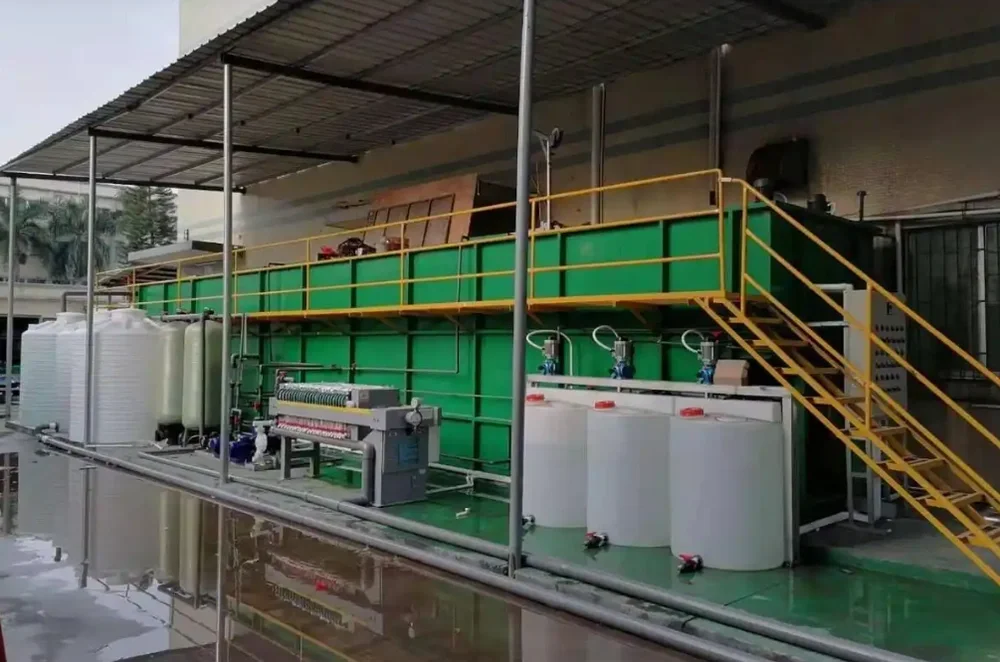
Summarize:
- The three cases above demonstrate the application of mine wastewater treatment projects across various types of mines. By applying scientifically sound treatment processes and technologies, we effectively remove pollutants from wastewater, and the effluent meets national discharge standards.Furthermore, these projects enabled the resource recovery and utilization of wastewater, providing strong support for the sustainable development of mining enterprises. Looking ahead, driven by increasingly stringent environmental regulations and continuous technological advancements, mine wastewater treatment projects will become more efficient, environmentally friendly, and intelligent.
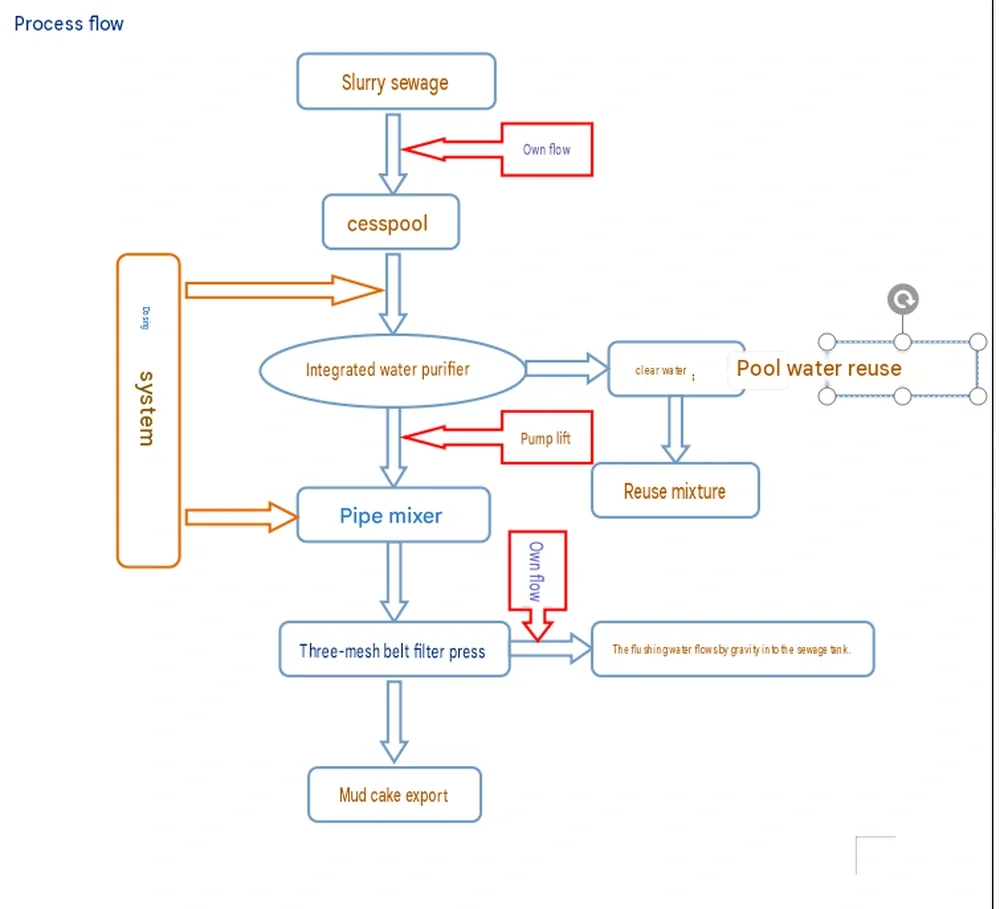
- A gold mine owner in Australia has recently been focusing on a wastewater treatment and reuse scheme involving the recovery and recycling of ore-washing wastewater. I would like to present the treatment process flow here so we can learn from one another.