Environmental protection equipment supplier

How should wastewater from medical institutions be treated?
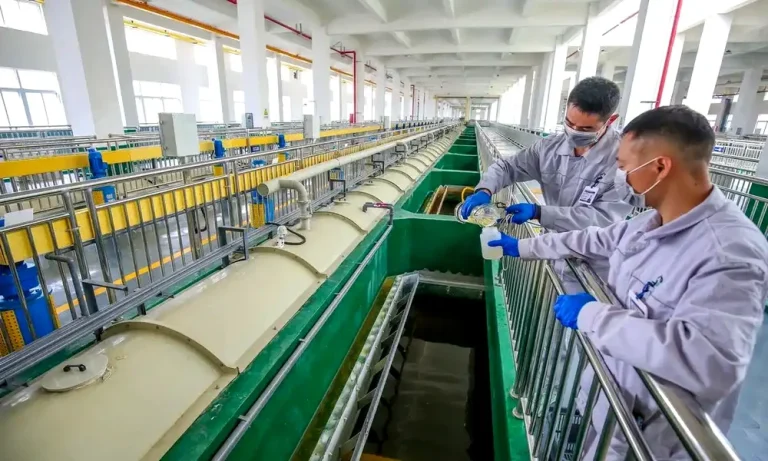
Wastewater treatment for hospitals and medical institutions involves purifying wastewater—which contains pathogens, chemical pollutants, and radioactive substances—through processes such as pre-treatment, biochemical treatment, and disinfection. These operations must adhere to the principle of whole-process control and comply with the Discharge Standard of Water Pollutants for Medical Institutions (GB18466-2005). Key processes include biological treatment technologies such as biological aerated filters, the A/O (Anoxic/Oxic) process, and membrane bioreactors (MBR), combined with disinfection methods using agents like sodium hypochlorite or chlorine dioxide; monitoring focuses primarily on fecal coliforms and residual chlorine levels.
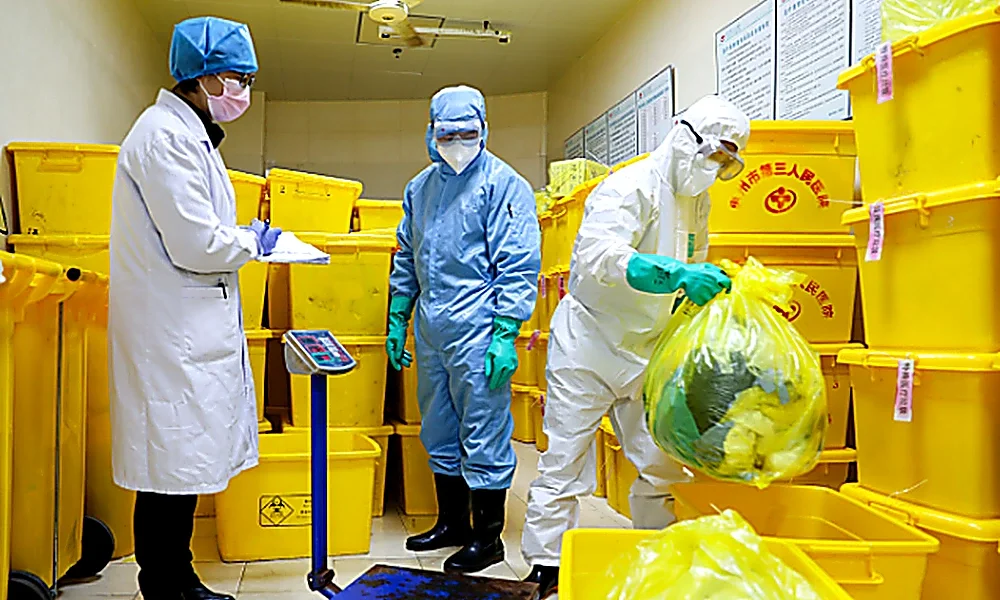
In addition to standard domestic sewage, hospital wastewater contains chemical substances, radioactive waste, and pathogens. Consequently, it must undergo treatment prior to discharge; wastewater from wards housing patients with infectious diseases—such as hepatitis—requires disinfection before release. Hospitals lacking centralized wastewater treatment facilities must separately disinfect infectious fecal matter to render it harmless. Commonly used disinfectants include chlorine dioxide, bleaching powder, liquid chlorine, sodium hypochlorite, and ozone.
I. Wastewater Collection and Pretreatment:
1. Sewage collection:
Medical institutions shall build complete sewage collection systems to fully collect all types of sewage, including diagnostic, treatment and domestic wastewater.
2. Pre-processing:
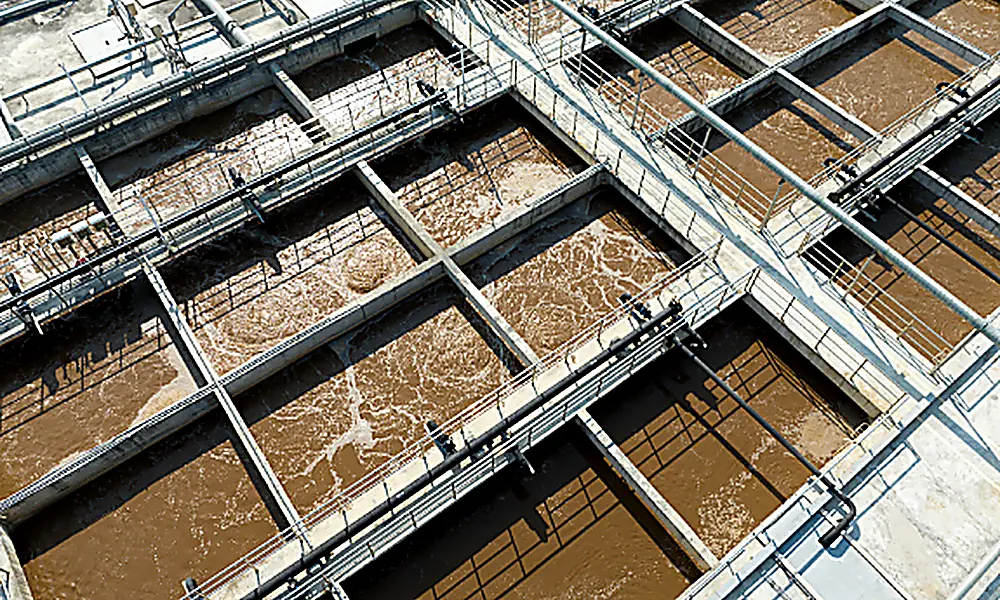
Collected sewage requires pretreatment—such as the removal of large suspended particles and pH adjustment—before entering the main treatment facilities, in order to create favorable conditions for subsequent treatment processes.
II. Main Treatment Processes:
1. Physical treatment:
Facilities including screens and sedimentation tanks trap suspended solids, floating matter and other contaminants in sewage.
2. Chemical treatment:
Operators shall use chemical agents such as chlorine-based disinfectants to disinfect sewage and remove pathogens.According to the Discharge Standard of Water Pollutants for Medical Organizations (GB 18466–2005), the sewage contact time for medical institutions treating infectious diseases must be at least 1.5 hours, with a total residual chlorine level of 6.5–10 mg/L at the contact tank outlet; for general medical institutions, the contact time must be at least 1 hour, with a total residual chlorine level of 2–8 mg/L at the contact tank outlet.
3. Biological treatment
Operators shall use biological treatment technologies such as the activated sludge process and biofilm processes to further remove organic matter, nitrogen, phosphorus and other pollutants from wastewater.
III. Treatment of Special Medical Wastewater
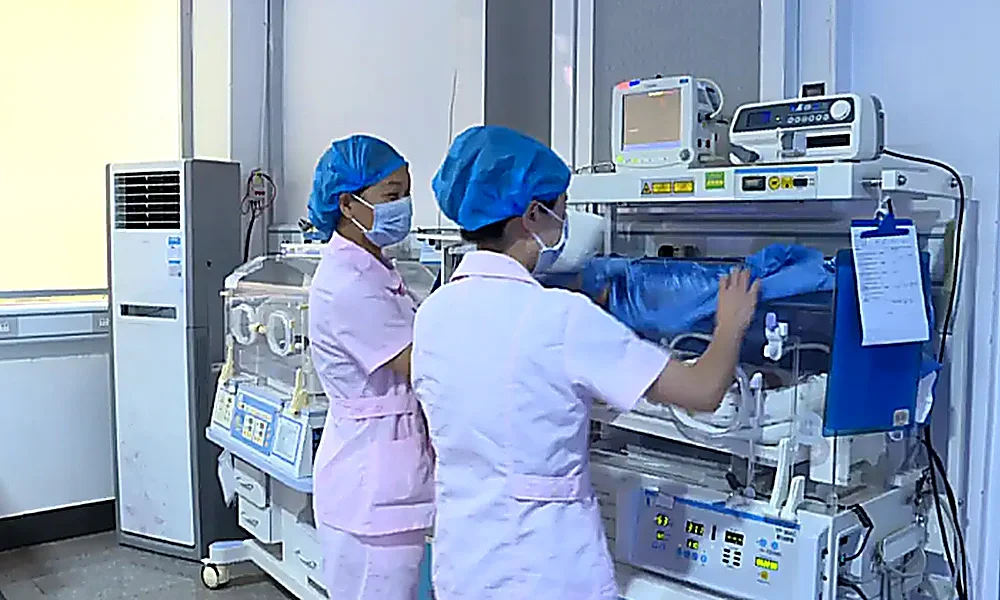
1. Wastewater from medical institutions treating infectious diseases:
The wastewater shall complete pre-disinfection and satisfy relevant discharge standards before mixing with other wastewater for treatment.The hydraulic retention time of the pre-disinfection facilities should be no less than one hour.
2. Radioactive wastewater:
Medical institutions shall separately collect and treat wastewater containing radioactive substances before feeding it into the integrated wastewater treatment system, in compliance with the Basic Standards for Protection against Ionizing Radiation and for the Safety of Radiation Sources.
IV. Sludge Treatment and Disposal
1. Sludge collection and thickening:
Sludge generated during the wastewater treatment process requires collection and thickening to reduce its volume and weight.
2. Sludge Disinfection and Dewatering:
Subject the sludge to chemical or physical disinfection to kill or remove pathogens, followed by dewatering to reduce its water content.
3. Sludge disposal:
Medical institutions shall classify their sludge as hazardous waste and treat and dispose of it in compliance with the Regulations on the Management of Medical Waste and relevant hazardous waste treatment standards. The fecal coliform count in the sludge shall be ≤100 MPN/g, and the mortality rate of Ascaris eggs shall be ≥95%.
V. Emissions and Monitoring
1. Emissions:
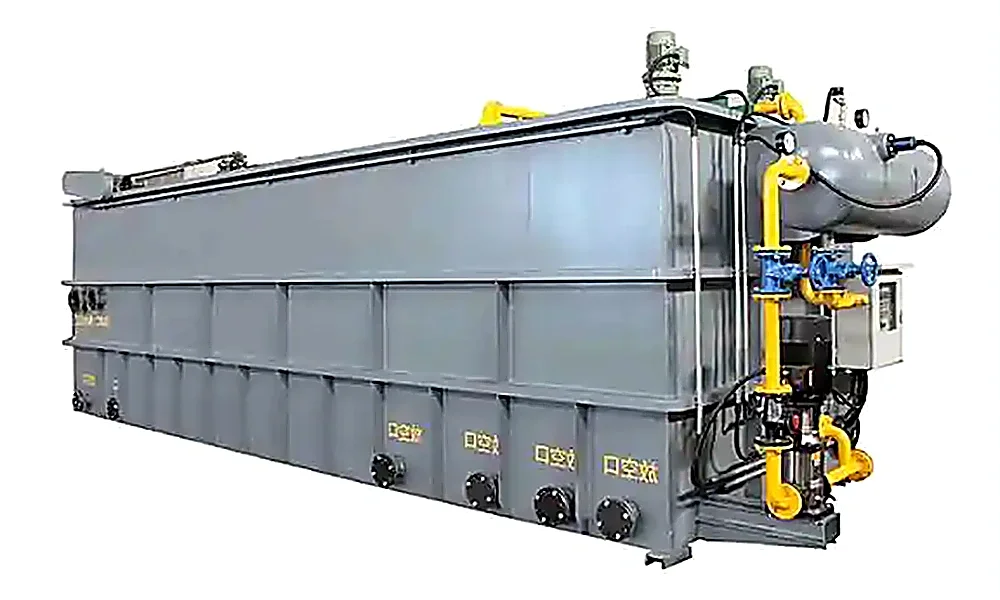
Treated sewage must comply with national and local discharge standards before entering municipal sewer networks or natural water bodies.
2. Monitoring:
Medical institutions should establish a comprehensive wastewater monitoring system and conduct regular water quality testing on wastewater both before and after treatment to ensure that treatment results meet the required standards.Monitoring shall cover key indicators including fecal coliform count, chemical oxygen demand (COD), biochemical oxygen demand (BOD), suspended solids and ammonia nitrogen, with other parameters permitted as applicable.
VI. Separation of Rainwater and Sewage and Signage Management
1. Separation of rainwater and sewage:
Medical institutions shall implement on-site stormwater-sewage separation measures. For infectious disease medical institutions, reuse Medical institutions shall implement on-site stormwater-sewage separation measures.
2. Identification Management:
Pipelines and equipment in the sewage treatment project shall bear permanent markings to facilitate management and maintenance.
In conclusion, the wastewater treatment process in medical institutions is a complex process involving multiple stages and requiring strict adherence to national and local standards. With scientifically sound treatment processes and rigorous management measures, medical institutions can effectively treat their wastewater prior to discharge to protect the environment and public health.