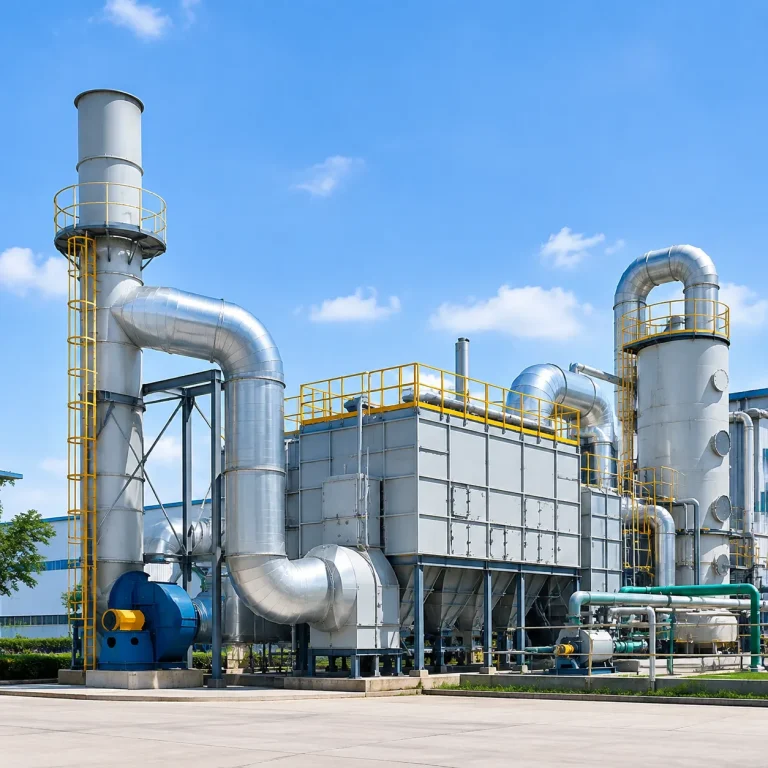
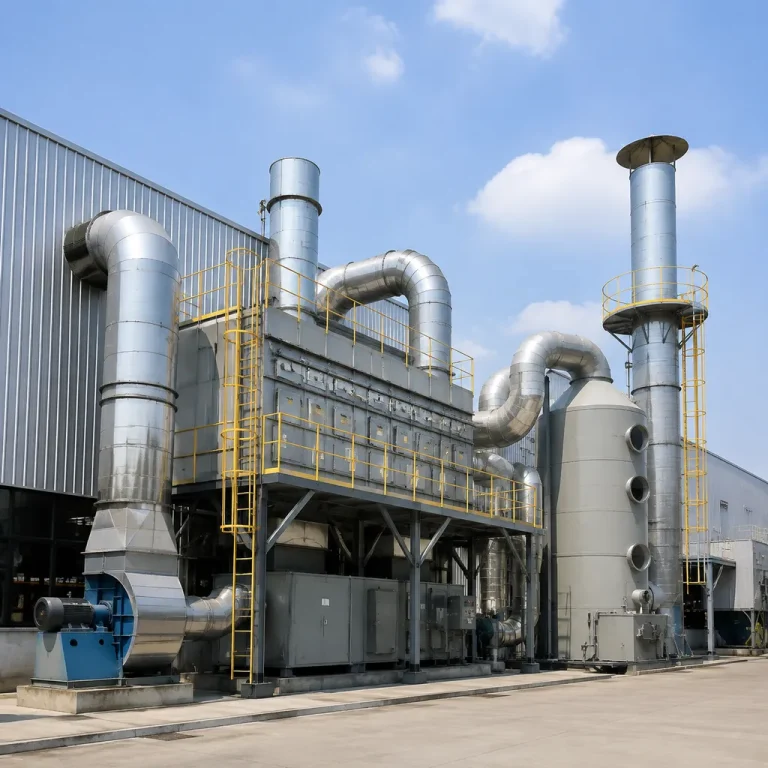
Environmental protection equipment supplier

Complete Guide to Laboratory Animal Room Waste Gas Treatment
What is Laboratory Animal Room Waste Gas Treatment
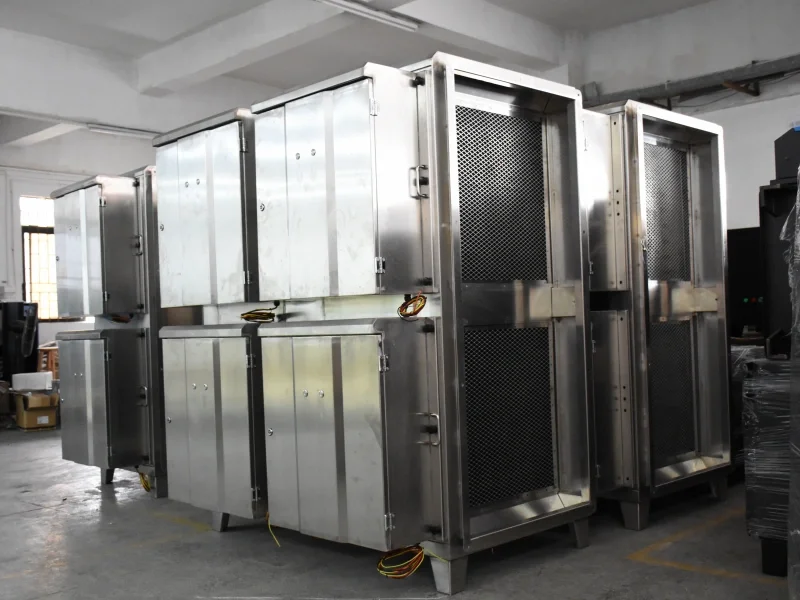
Definition and Importance of Vivarium Waste Gas Control
Laboratory animal room waste gas treatment is the dedicated engineering process of capturing, neutralizing, and purifying airborne pollutants generated within animal holding rooms, procedural suites, and vivarium facilities. Modern research facilities maintain high-density animal populations, requiring continuous exhaust air decontamination before air is discharged into the atmosphere or recirculated.
Proper waste gas management is essential for:
- Regulatory Compliance: Meeting municipal, national, and international emission thresholds for environmental odor control and hazardous air pollutants.
- Environmental Protection: Preventing the release of untreated volatile organic compounds (VOCs), offensive odors, and bioaerosols into surrounding commercial or urban areas.
- Operational Continuity: Protecting exhaust infrastructure from acidic or alkaline corrosion through engineered air pollution control equipment.
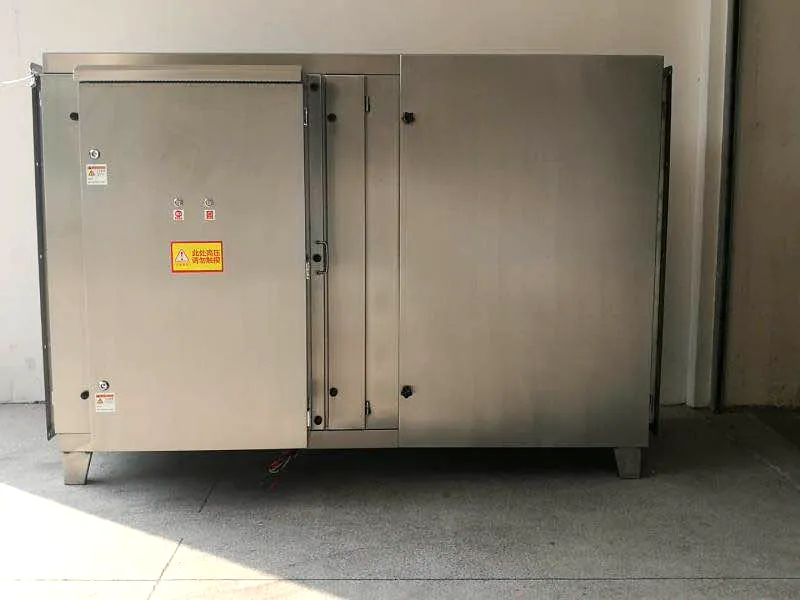
Main Sources of Waste Gas and Anesthetic Emissions
Vivarium exhaust streams are complex mixtures of chemical vapors, metabolic gases, and particulate matter derived from three primary operational areas:
- Metabolic Byproducts and Bedding Off-Gassing: Decomposition of animal waste within cages generates substantial concentrations of ammonia (NH3), hydrogen sulfide (H2S), volatile fatty acids, and alkylamines (such as trimethylamine).
- Waste Anesthetic Gases (WAG): Surgical and imaging suites discharge halogenated agents (such as isoflurane and sevoflurane) alongside carrier gases during veterinary procedures, requiring dedicated scavenging system integration.
- Sanitization and Decontamination Reagents: Routine facility sterilization releases chemical vapors, including vaporized hydrogen peroxide, formaldehyde, glutaraldehyde, quaternary ammonium compounds, and alcohol-based disinfectants.
- Solid and Biological Particulates: Aerosolized bedding dust, animal dander, fur, and associated bioaerosols entrained within the continuous exhaust stream.
Health and Safety Risks for Personnel and Research Integrity
Uncontrolled vivarium emissions compromise both occupational safety and scientific reproducibility:
- Occupational Health Hazards: Chronic exposure to ammonia, acid-base vapors, and waste anesthetic gases causes respiratory irritation, eye strain, headaches, and long-term toxicological risks for laboratory technicians, veterinarians, and animal care staff.
- Laboratory Animal Allergy (LAA): Airborne dander, urinary proteins, and particulate vectors trigger severe sensitization, occupational asthma, and chronic allergic reactions in exposed personnel.
- Compromised Research Outcomes: Elevated gas concentrations inside the microenvironment create physiological and behavioral stress in animal subjects, inducing respiratory tract lesions, altered liver enzyme activity, and anomalous data that undermines experimental validity.
- Cross-Contamination: Failure to isolate and extract procedural exhausts creates cross-drafts that spread pathogens between containment barriers and clean holding rooms.
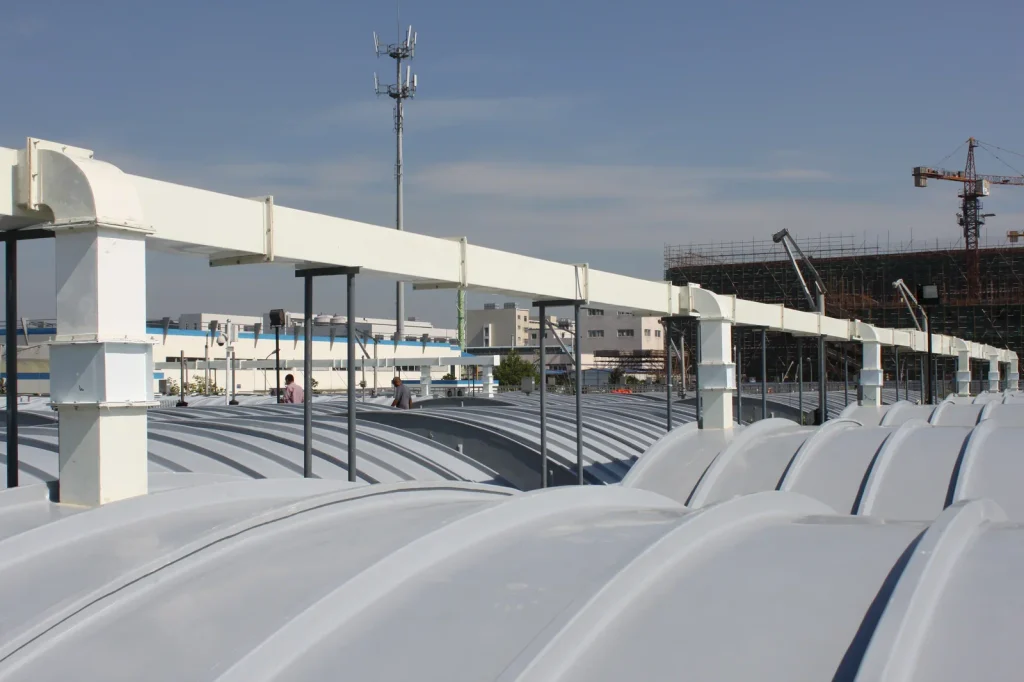
Key Pollutants and Exposure Limits in Animal Facilities
Vivarium exhaust streams carry a complex mix of corrosive gases, potent odorants, chemical vapors, and biological particulates. In any Complete Guide to Laboratory Animal Room Waste Gas Treatment, identifying these target compounds and their permissible exposure limits is the first step in engineering an effective air purification setup.
| Pollutant Category | Typical Compounds | Primary Sources | Key Risk & Impact |
|---|---|---|---|
| Alkaline & Acidic Odors | Ammonia ($NH_3$), Hydrogen Sulfide ($H_2S$), Methyl Mercaptan | Bedding decomposition, urine, fecal waste | Mucous membrane irritation, strong nuisance odors |
| Chemical & Anesthetic Vapors | Isoflurane, Sevoflurane, Disinfectants (Ethanol, Chlorine) | Surgical suites, anesthesia scavenging, cage sanitization | Occupational toxicity, chronic organ stress |
| Bioaerosols & Particulates | Dander, fur fragments, bedding dust, microbial spores | Animal movement, cage dumping, handling | Laboratory Animal Allergies (LAA), pathogen transmission |
Ammonia (NH3) and Hydrogen Sulfide (H2S) Odor Control
Rodent holding rooms and breeding facilities mainly contain ammonia and hydrogen sulfide gases. Ammonia quickly forms when urease-positive bacteria decompose urea in animal bedding. At the same time, hydrogen sulfide comes from anaerobic microbes in organic waste.
- Exposure Thresholds: Ammonia levels inside animal holding zones should consistently remain below 25 ppm, though olfactory detection occurs as low as 5 ppm. Prolonged exposure above these limits triggers respiratory tract inflammation in both personnel and research models.
- Corrosion Risks: High-humidity exhaust air combined with ammonia forms caustic vapors that degrade conventional ductwork and rooftop blowers.
- Purification Approach: Managing continuous basic and sulfurous odor loads requires targeted animal room waste gas treatment systems, such as acid-pack wet scrubbers and biofiltration units built from corrosion-proof polypropylene (PP) or fiberglass reinforced plastic (FRP).
Waste Anesthetic Gases (WAG) and Chemical Vapors
Surgical prep rooms and procedural suites release volatile anesthetic agents—predominantly isoflurane, halothane, and sevoflurane. Without high-efficiency capture, these volatile compounds escape into the macroenvironment during induction, nose-cone maintenance, and recovery.
- Occupational Limits: Standard workplace safety criteria restrict halogenated anesthetic agents to less than 2 ppm ceiling concentrations when used without nitrous oxide.
- Chemical Sanitization Off-Gassing: Routine cleaning protocols generate secondary chemical vapors from glutaraldehyde, quaternary ammonium compounds, and vaporized hydrogen peroxide.
- Scavenging & Capture: Capturing non-water-soluble volatile organics requires dedicated active scavenging connected to specialized high-grade lab animal environmental solutions utilizing deep-bed activated carbon adsorption media.
Airborne Pathogens, Dust, and Bioaerosols
Mechanical activities such as cage changing, bedding disposal, and animal handling suspend micro-particles into the exhaust air stream. These bioaerosols serve as transport vectors for allergens, dander, bacteria, and viral agents.
- Allergen Management: Laboratory Animal Allergies (LAA) affect up to one-third of vivarium staff; keeping aerosolized rodent urinary proteins (such as Mus m 1 and Rat n 1) contained is critical.
- Cross-Contamination Prevention: Micro-particles can clog downstream chemical filtration beds and carbon pores if not captured early.
- Multi-Stage Pre-Filtration: Efficient system designs integrate primary G4/F8 mechanical filtration ahead of chemical scrubbers and HEPA filters to isolate bioaerosols and protect overall equipment life.
Ventilation and HVAC Air Quality Standards
Maintaining tight control over facility airflow is the foundation of any successful laboratory animal room waste gas treatment strategy. We design our systems to ensure proper pressure cascades, directional airflow, and dedicated exhaust management to prevent cross-contamination and protect personnel.
Air Change Rates and Air Flow Distribution
Proper air distribution removes metabolic heat, moisture, particulates, and gaseous contaminants before they accumulate.
- Air Changes Per Hour (ACH): Standard animal holding rooms generally require 10 to 15 ACH of conditioned, fresh air. High-density housing or procedure rooms may require higher exchange rates depending on animal biomass.
- Directional Airflow Patterns: We configure airflow from clean zones (corridors and prep areas) toward containment areas (holding rooms, cage washing, and procedure suites) to keep hazardous vapors contained.
- Diffuser Placement: Non-aspirating low-velocity supply diffusers coupled with low-level exhaust grilles ensure uniform air sweep, preventing dead zones where ammonia and moisture can settle.
| Parameter | Standard Animal Holding | Procedure / Surgery Rooms | Quarantine / Bio-Containment |
|---|---|---|---|
| Recommended ACH | 10–15 ACH | 15–20 ACH | 15–20 ACH (Negative Pressure) |
| Pressure Differential | Positive or Negative (app-specific) | Positive to Corridor | Dedicated Negative Containment |
| Exhaust Destination | Dedicated Odor/Gas Treatment | Scavenging System & Exhaust | Direct Dedicated Treatment Stack |
Microenvironment vs. Macroenvironment Control
Managing ventilation in modern vivariums requires distinguishing between the room air (macroenvironment) and the interior of the animal cage (microenvironment):
- Individually Ventilated Cages (IVC): Modern setups supply HEPA-filtered air directly to each cage and capture contaminated exhaust air at the source. This contains ammonia and allergens before they enter the room.
- Macroenvironment Stability: The secondary HVAC system maintains overall room temperature (68–79°F / 20–26°C), relative humidity (30–70%), and general room exhaust.
- Exhaust Interfacing: We integrate dedicated exhaust connections directly from IVC racks to our downstream lab-scale exhaust air purification systems to neutralize concentrated metabolic gases and bioaerosols before atmospheric discharge.
Recirculation Limits and Environmental Monitoring
HVAC designs must enforce strict single-pass, 100% outside air principles for animal holding and research spaces:
- Zero Recirculation Policy: Animal holding exhaust air contains high loads of ammonia, dander, and volatile byproducts; it must not be recirculated into general building supply streams.
- Continuous Sensor Monitoring: We implement real-time sensing for differential room pressure, ammonia concentrations, temperature, and relative humidity tied directly into the automated building management system (BMS).
- Fail-Safe Exhaust Controls: Automated variable frequency drives (VFDs) and motorized isolation dampers maintain consistent negative pressure even during filter loading or fan maintenance cycles.
Core Technologies for Waste Gas Purification
Treating vivarium exhaust air requires a multi-barrier approach. Because laboratory animal facilities generate a complex mix of solid particulates, moisture, airborne pathogens, and volatile odorants, a single mechanism rarely delivers full compliance. In our engineering practice, we deploy integrated, multi-stage air purification systems tailored to the exact airflow volume and chemical load of the facility.
Multi-Stage Filtration and HEPA Systems
Particulate management is the essential first line of defense in animal room exhaust processing. Animal dander, hair, feed particles, and bedding dust will quickly foul downstream chemical and biological media if not captured at the source.
- Pre-Filtration Stages: Primary G4 and secondary F8/F9 bag filters capture gross particulates, protecting sensitive downstream fans and deodorization equipment.
- HEPA Filtration: High-efficiency particulate air (H13/H14) filters trap sub-micron bioaerosols, bacteria, and viral carriers with up to 99.99% efficiency, preventing pathogen migration across exhaust ducts.
- Differential Pressure Monitoring: Integrated pressure transmitters signal exactly when filter media reach terminal resistance, ensuring uninterrupted airflow and negative room pressure.
Activated Carbon and Chemical Scavenging Methods
For capturing trace volatile organic compounds (VOCs), halogenated waste anesthetic gases, and residual animal odors, dry adsorption remains the benchmark. We design fixed-bed activated carbon adsorption units that deliver high contact efficiency with minimal system pressure drop.
- Virgin vs. Impregnated Carbon: Virgin active carbon excels at trapping non-polar solvents and anesthesia vapors, while chemically impregnated pellets target specialized acidic or basic fractions.
- Deep-Bed Polishers: Configured as final polishing stages to eliminate lingering odor spikes before atmospheric discharge.
- Active Charcoal Canisters & Modules: Compact, replaceable modules designed specifically for localized surgical scavenging lines and benchtop exhaust connections.
Biofiltration and Wet Scrubbing Systems
When handling continuous high-volume ventilation streams heavy in water-soluble gases like ammonia (NH3) and hydrogen sulfide (H2S), wet processes provide high removal rates with low operating overhead.
- Chemical Wet Scrubbers: Our vertical and horizontal packed-bed wet scrubber towers use acid-base spray chemistry to instantly neutralize basic amine and ammonia vapors, keeping exhaust well below statutory detection thresholds.
- Biological Deodorization Beds: Biotrickling filters use specialized microbial media to digest organic sulfur compounds, volatile fatty acids, and mercaptans into harmless carbon dioxide and water, eliminating the need for recurring chemical replenishment.
- Corrosion-Resistant Materials: Built with robust Polypropylene (PP), FRP, or SUS304/SUS316L stainless steel to withstand aggressive corrosive exhaust environments over decades of service.
System Selection and Facility Application Scenarios
Selecting the right hardware for a complete guide to laboratory animal room waste gas treatment comes down to matching your facility layout with the exact pollutant profile. Every vivarium operates differently—high-density rodent holding rooms create very different air pollution challenges compared to surgical procedure rooms. We tailor each setup to target specific exhaust streams directly at the source, keeping your indoor ventilation and air quality strictly compliant.
Treatment Solutions for Rodent Vivariums and Breeding Centers
Rodent holding rooms and high-density breeding centers generate continuous, high-volume exhaust air loaded with ammonia, organic amine odors, and fine dander. When dealing with individually ventilated cage (IVC) racks, the goal is controlling the microenvironment without overloading building HVAC systems.
For high-density facilities, we deploy multi-stage purification setups:
Primary Particulate Catch: Traps bedding dust, hair, and bioaerosols to prevent downstream clogging.
Chemical Wet Scrubbing: Neutralizes concentrated basic gases like ammonia. For continuous holding and cage-wash rooms with heavy odor loads, our spray deodorization system efficiently dissolves water-soluble compounds before air reaches secondary filters.
Activated Carbon Polishing: Captures lingering trace VOCs and volatile fatty acids before air exits the stack.
Anesthetic Gas Scavenging Systems for Surgical Suites
Surgical prep suites and procedure rooms present an entirely different risk profile dominated by waste anesthetic gas (WAG), such as isoflurane and sevoflurane. Because standard particulate filters cannot capture halogenated ethers, these spaces require dedicated containment:
- Active and Passive Scavenging Systems: We connect dedicated extraction lines directly to anesthesia machine pop-off valves and nose cones, evacuating fugitive gases straight out of the room.
- Active Charcoal Canister Units: Standalone mobile stations utilize an active charcoal canister to adsorb halogenated anesthetics where direct exhaust tie-in is not feasible.
- Dedicated Extraction Ducts: Surgical exhaust air must bypass recirculating HVAC loops entirely to prevent redistributing chemical vapors into surrounding clean zones.
Custom System Design and Capacity Specifications
No two animal facilities have identical room volumes or rack configurations. As a professional manufacturer of environmental protection equipment with a wealth of environmental protection equipment project cases, Soto Machinery builds every waste gas treatment unit to the exact airflow and spatial requirements of your facility.
| Application Zone | Primary Target Contaminants | Recommended Equipment Configuration | Critical Design Metric |
|---|---|---|---|
| Rodent Holding & Breeding | Ammonia, dander, organic odor | Pre-filtration + Wet Scrubber + Carbon Bed | 15–20 ACH; Negative room pressure |
| Surgical & Procedure Rooms | Waste Anesthetic Gases (WAG) | Dedicated gas scavenging system + Charcoal adsorption | Direct exhaust capture; zero recirculation |
| Cage Wash & Waste Storage | High humidity, sharp odor spikes, $H_2S$ | High-flow acid/alkali washing tower + Mist eliminator | Corrosion-proof PP/FRP shell; continuous exhaust |
| Quarantine & Necropsy | Bioaerosols, chemical fixatives (formalin) | HEPA filtration + Impregnated chemisorption media | High single-pass residence time; sealed ductwork |
We fabricate our equipment housings using chemically resistant materials like polypropylene (PP), fiberglass reinforced plastic (FRP), or 304/316L stainless steel. Each system integrates automated PLC cabinets with differential pressure sensors, ensuring your vivarium odor control runs reliably with minimal manual maintenance.
Best Practices for Safe Operation and Maintenance
Safe operation and regular upkeep are vital for any laboratory animal room waste gas treatment system. We design our systems for low maintenance, but keeping a strict maintenance routine ensures high-efficiency odor control, protects facility personnel, and keeps your exhaust air compliant with environmental standards.
Safe Work Practices and Personal Protective Equipment (PPE)
Operating vivarium exhaust and scavenging equipment requires clear protocols to minimize personnel exposure to concentrated waste gases and bioaerosols:
- Standard PPE Requirements: Technicians servicing exhaust ducts, fans, and treatment units must wear chemical-resistant gloves (nitrile or neoprene), safety goggles, and calibrated half-mask respirators fitted with combination particulate/organic vapor cartridges.
- Lockout/Tagout (LOTO): Always isolate electrical power to induced draft fans, automated dosing pumps, and UV photolysis modules prior to opening access hatches.
- Gas Verification: Before entering mechanical rooms or opening biofilter beds and wet scrubber sumps, verify that ammonia, hydrogen sulfide, and waste anesthetic gas concentrations are well below permissible exposure limits.
Routine Inspection and Filter Replacement Protocols
Preventive maintenance stops minor pressure drops from turning into ventilation failures. We recommend the following schedule for optimal system performance:
| Component | Inspection Task | Frequency | Replacement / Action Trigger |
|---|---|---|---|
| Pre-Filters & HEPA Units | Differential pressure gauge check | Weekly | Replace when differential pressure exceeds rated limit (e.g., ΔP > 250 Pa). |
| Active Charcoal Canister / Beds | Saturation tracking & weight logs | Bi-weekly | Replace media when breakthrough threshold reaches 10% or canister reaches weight capacity. |
| Chemical Wet Scrubbers | pH sensor calibration, nozzle spray pattern, sump fluid levels | Monthly | Auto-dose neutralizing reagents; clean spray nozzles if scaling occurs. |
| Biological Deodorization Systems | Moisture levels, nutrient supply, packing media pressure drop | Monthly | Replenish packing moisture balance and inspect biofilm integrity. |
For detailed operational checklists and troubleshooting guidelines, our team provides comprehensive guidance through our technical support and FAQs.
Spill Response and Emergency Exposure Procedures
Accidental chemical leaks or sudden waste anesthetic gas releases demand immediate containment:
- Evacuate and Isolate: Clear personnel from the immediate microenvironment and switch the ventilation system to maximum single-pass exhaust mode if safe to do so.
- Deploy Neutralizers: For liquid chemical spills (such as acidic or basic scrubber chemicals), use compatible absorbent neutralizing pads or chemical spill kits.
- Continuous Air Scrubbing: Run the dedicated scavenging system and secondary activated carbon filtration units continuously until ambient gas detectors confirm baseline air quality.
- Root Cause Analysis: Inspect duct connections, seal gaskets, and dosing lines to rectify the leak before restarting routine operations.