Environmental protection equipment supplier

How to Treat Pickling and Phosphating Wastewater
Understanding Pickling and Phosphating Wastewater
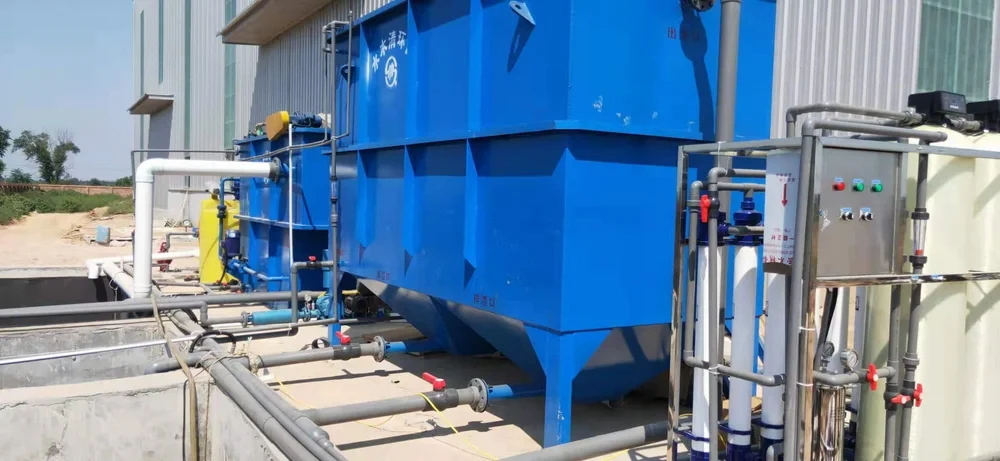
Surface treatment and metal finishing operations generate complex, highly contaminated effluent streams. Pickling and phosphating processes are essential for rust removal, scale elimination, and anti-corrosion coating on metal substrates. However, the resulting wastewater carries severe chemical loads that require specialized physicochemical treatment before discharge or recycling.
Composition and Characteristics of the Effluent
Pickling and phosphating wastewater typically consists of spent concentrated process baths and continuous rinsing water. The stream is characterized by extreme acidity, high dissolved solids, and toxic chemical compounds:
- Pickling Wastewater: Contains extremely low pH levels (often pH 1–2), high concentrations of free acid (hydrochloric, sulfuric, or phosphoric acid), and heavy dissolved metal ions including iron (Fe2+, Fe3+), zinc (Zn2+), and nickel (Ni2+).
- Phosphating Wastewater: Exhibits elevated levels of total phosphorus (TP, primarily orthophosphates), chemical oxygen demand (COD), fluorides, and colloidal suspensions of metal phosphate complexes.
- Oily Cleaning and Rinsing Wastewater: Often mixed into the treatment line, introducing emulsified oils, degreasing surfactants, and suspended solids that complicate solid-liquid separation.
| Contaminant Parameter | Pickling Stream Profile | Phosphating Stream Profile |
|---|---|---|
| pH Level | Strongly Acidic (1.0 – 3.0) | Moderately Acidic to Neutral (3.5 – 6.5) |
| Primary Pollutants | Free acids, dissolved iron, heavy metals | Phosphates, fluorides, zinc, nickel, surfactants |
| Suspended Solids (SS) | Moderate to High (scale, oxides) | High (colloidal metal phosphates) |
| Toxicity Profile | Corrosive, toxic heavy metal load | Eutrophication agents, toxic metal residuals |
Environmental Impact and Discharge Regulations
Direct discharge of untreated pickling and phosphating wastewater poses severe environmental and structural hazards:
- Severe Corrosion: High acidity destroys municipal sewage infrastructure, damages drainage networks, and inhibits biological wastewater treatment operations.
- Aquatic Eutrophication: Uncontrolled release of phosphorus triggers massive algae blooms in surface waters, depleting dissolved oxygen and destroying aquatic ecosystems.
- Heavy Metal Bioaccumulation: Toxic metals like nickel and zinc do not degrade naturally; they accumulate in soil and water tables, posing long-term ecological and public health threats.
Global environmental protection agencies mandate strict discharge limits for industrial wastewater. Compliance requires specialized industrial wastewater systems capable of acid-base neutralization, heavy metal precipitation, and robust phosphate removal to achieve legal discharge standards or zero liquid discharge (ZLD) benchmarks.
Core Treatment Steps for Pickling and Phosphating Wastewater
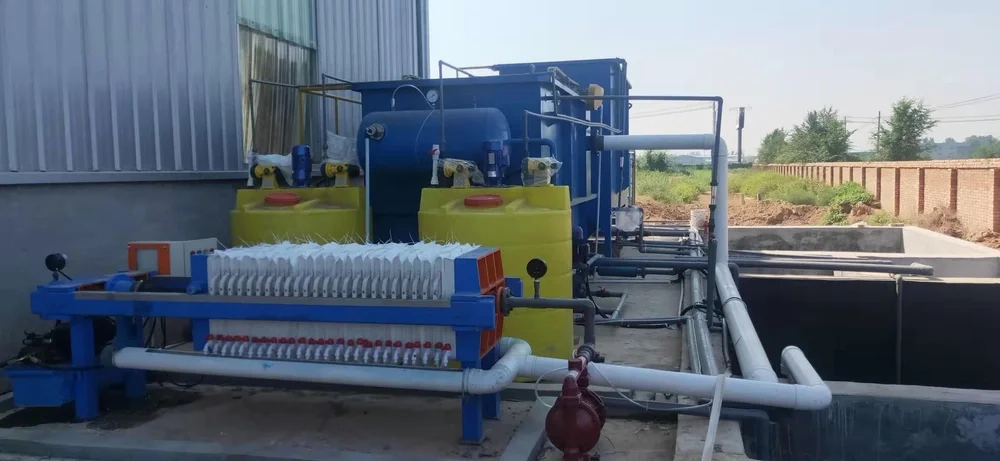
Treating pickling and phosphating wastewater requires a disciplined, multi-stage physicochemical approach. Because these streams combine high acidity, dissolved heavy metals, and concentrated phosphates, direct discharge or single-stage treatment is impossible. We utilize an integrated sequence of neutralization, chemical precipitation, and flocculation to break down complex contaminants into settleable solids.
pH Neutralization and Acid Neutralization
Pickling wastewater contains high volumes of free acid and dissolved iron. To protect downstream equipment and ensure stable chemical reactions, effective acid neutralization is the critical first step:
- Stream Segregation: We isolate concentrated spent acid baths from continuous rinse water to prevent hydraulic and chemical shock loading on the system.
- Alkaline Dosing: Automated dosing systems introduce alkaline reagents—primarily hydrated lime, Ca(OH)2, or liquid caustic soda (NaOH)—into a dedicated equalization and reaction tank.
- pH Optimization: The system continuously monitors and adjusts the solution to a controlled operating window of pH 8.5 to 10.5, preparing the stream for complete metal and phosphate precipitation.
Chemical Precipitation and Phosphate Removal
Phosphating wastewater contains heavy concentrations of orthophosphates along with dissolved zinc, nickel, and iron ions. Chemical precipitation converts these soluble pollutants into dense, insoluble compounds:
- Phosphate Removal: When hydrated lime is dosed, calcium ions react directly with phosphate ions to form stable, insoluble calcium phosphate precipitates.
- Heavy Metal Precipitation: Operating in an alkaline pH range forces dissolved metal ions (zinc, nickel, and iron) to precipitate out as insoluble metal hydroxides.
The chemical precision applied here mirrors the engineering behind our advanced process for treatment and reuse of heavy metal-laden wastewater, ensuring heavy metals drop below strict discharge limits.
Coagulation and Flocculation Process
Precipitation creates millions of tiny micro-flocs that remain suspended in water. A two-stage coagulation and flocculation process aggregates these particles so they settle quickly:
- Coagulant Addition: We introduce coagulants such as polyaluminum chloride (PAC) to neutralize surface electrical charges on colloidal particles, allowing them to collide and form pin-point flocs.
- Polymer Flocculation: A high-molecular-weight polyacrylamide (PAM) flocculant is introduced under gentle mixing to bridge smaller particles into large, heavy flocs.
- Rapid Sedimentation: The resulting aggregated sludge forms uniform, heavy clusters ready for separation in clarifiers and mechanical dewatering units.
Essential Clarification and Separation Technologies
After chemical precipitation and flocculation, separating the suspended solids from the liquid stream is critical. In pickling and phosphating wastewater treatment, choosing the right solid-liquid separation equipment ensures compliance with heavy metal discharge limits and prepares the effluent for safe discharge or recycling.
Dissolved Air Flotation (DAF) Systems
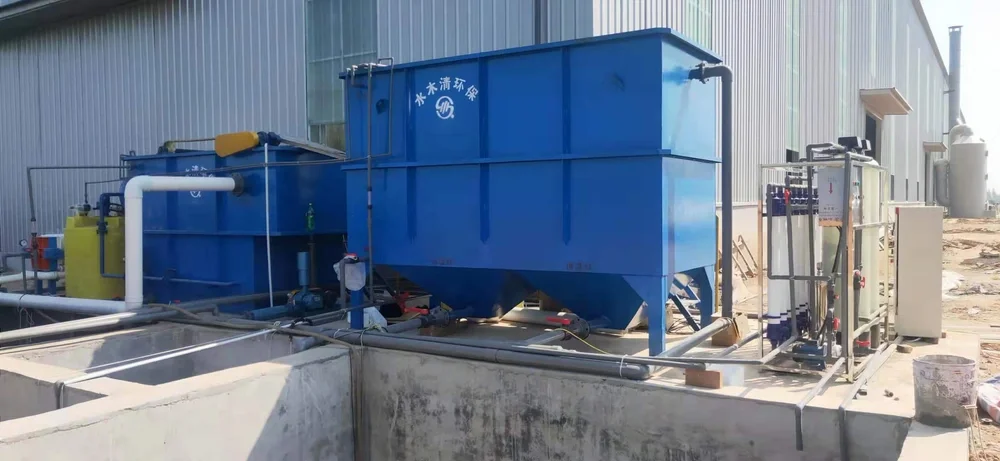
For effluents containing light flocs, colloidal suspensions, or residual oils from upstream degreasing stages, a dissolved air flotation machine provides rapid and dependable separation. The system releases microscopic air bubbles into the water, attaching to the chemically coagulated flocs and floating them to the surface. A mechanical skimmer continuously scrapes the concentrated scum off the top, delivering clear underflow with low suspended solids.
- Optimal Applications: Fine phosphate flocs, oily cleaning wastewater, and low-density metal hydroxides.
- Key Benefits: Compact footprint, high hydraulic loading capacity, and high sludge cake dryness.
Lamella Clarifiers and Sedimentation Tanks
When treating heavy iron, zinc, or calcium phosphate precipitates derived from lime neutralization, gravity sedimentation remains the most energy-efficient option. Inclined plate (lamella) clarifiers dramatically increase the effective settling area within a minimal floor space footprint.
- High-Density Settling: Heavy metal hydroxides settle quickly down the angled plates into a bottom sludge hopper.
- Continuous Discharge: Clarified supernatant overflows into collection weirs, while thick underflow sludge is pumped to dewatering units.
Microfiltration and Media Filtration
To meet stringent environmental limits or prepare water for membrane recovery, downstream filtration removes carryover particles from clarifiers.
- Multi-Media Sand Filters: Capture larger suspended solids and insoluble phosphate residues down to 10–20 microns.
- Activated Carbon Filters: Adsorb trace organic compounds, surfactants, and residual COD.
- Cartridge Microfiltration: Acts as a reliable polishing guard before advanced reverse osmosis systems.
Advanced Treatment and Water Reuse Solutions
Achieving strict environmental compliance often requires more than standard primary clarification. When you need to recover clean rinse water or meet stringent local discharge limits, tertiary polishing becomes essential. We integrate advanced downstream treatment units to close the loop on pickling and phosphating wastewater, turning treated effluent into high-purity recycled water for your production line.
Reverse Osmosis and Membrane Filtration
After chemical precipitation and bulk solids removal, our high-recovery membrane filtration system separates residual dissolved solids, fine suspended matter, and trace heavy metals.
- Ultrafiltration (UF): Serves as a robust pre-treatment barrier, stripping away colloids and particulates to protect downstream reverse osmosis units.
- Reverse Osmosis (RO): Removes up to 98% of dissolved salts, remaining phosphates, and multivalent ions, producing pure water suitable for reuse in sensitive rinsing baths.
- Reduced Fresh Water Demand: Direct recycling of RO permeate slashes fresh water intake costs and minimizes total discharge volume.
Ion Exchange Resins for Heavy Metal Removal
To tackle trace heavy metals such as zinc, nickel, and iron that slip past standard chemical precipitation, we utilize specialized ion exchange columns.
- Selective Chelating Resins: Target specific divalent heavy metal ions even in high-salinity streams, ensuring effluent concentrations safely clear strict parts-per-billion (ppb) regulatory caps.
- Automated Regeneration: Resins are easily regenerated with standard acid-base cycles, concentrating stripped metals for safe handling while maintaining continuous system uptime.
- Polishing Safety Net: Serves as a fail-safe polishing stage prior to municipal sewer discharge or delicate reverse osmosis membranes.
Vacuum Evaporators for Zero Liquid Discharge (ZLD)
For facilities targeting Zero Liquid Discharge (ZLD) or dealing with hyper-concentrated spent pickling baths and RO reject streams, low-temperature vacuum evaporation provides an energy-efficient path forward.
| Feature | Operational Benefit |
|---|---|
| Low-Temperature Boiling | Utilizes vacuum pressure to boil effluent at 35°C to 45°C, preventing thermal degradation and equipment scaling. |
| High Concentration Ratio | Separates up to 95% of wastewater into clean, reusable distillate while producing a dense, semi-solid concentrate. |
| Waste Volume Reduction | Dramatically cuts hazardous liquid waste hauling and off-site disposal expenses. |
Sludge Treatment and Dewatering Methods
Treating pickling and phosphating wastewater produces dense, heavy chemical sludge loaded with metal hydroxides, calcium phosphate precipitates, and residual coagulants. Managing this sludge effectively is critical to keep daily plant operations running smoothly, minimize environmental liability, and control operational expenditures.
Industrial Filter Presses and Filter Bags
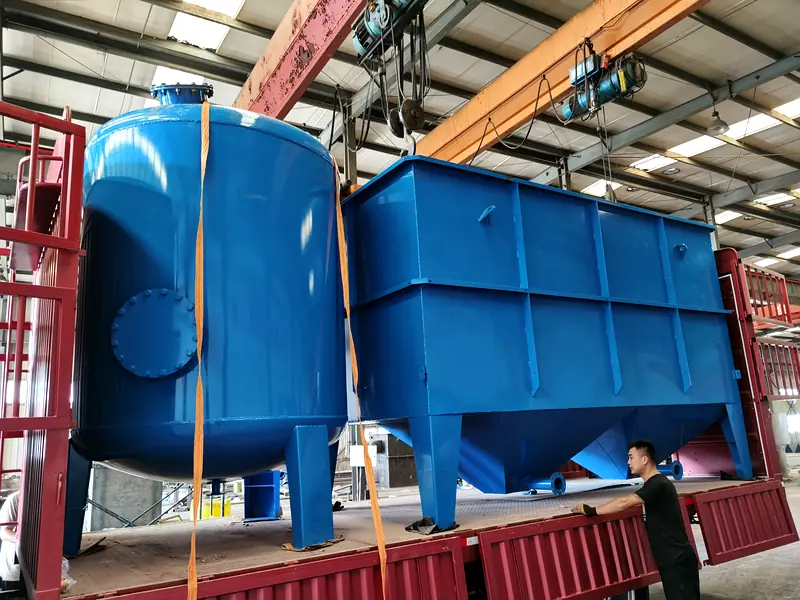
Mechanical dewatering separates settled slurry into clear filtrate and compact solid cakes. We typically integrate specialized dewatering units based on facility footprint and sludge production rates:
- Recessed Chamber Filter Presses: The standard workhorse for pickling and phosphating wastewater sludge. Operating under high hydraulic pressures (up to 16–20 bar), these units compress wet slurry into dense filter cakes with 35% to 50% dry solids content.
- Membrane Filter Presses: Ideal when maximum cake dryness is required. Secondary membrane squeezing extracts interstitial water, drastically speeding up cycle times.
- Filter Bag Systems: Best suited for small-batch operations or low-volume surface-finishing shops where automated press cycles are not cost-effective.
The released filtrate is continuously cycled back to the equalization tank, while secondary effluent flows through a multi-media mechanical filter to polish any residual suspended matter before final discharge or reuse.
Sludge Dryers and Volume Reduction
Once chemical sludge exits the filter press, it still contains residual moisture that drives up hauling weights. We utilize low-temperature heat pump and paddle sludge dryers to achieve aggressive volume reduction:
- Weight Reduction: Thermal drying cuts total cake weight and volume by an additional 60% to 80%.
- Low Operating Temperature: Operating between 65°C and 80°C prevents the volatilization of hazardous compounds while preserving energy efficiency.
- Granulated Output: Dried sludge turns into hard, non-dusting granules that are clean to handle and cost significantly less to transport.
Safe Disposal of Chemical Sludge
Because sludge from pickling (containing iron, zinc, nickel, and chromium) and phosphating (containing phosphorus and fluorides) is categorized as hazardous industrial waste, strict disposal protocols must be maintained:
- Toxicity Characteristic Leaching Procedure (TCLP): Regular testing ensures the solidified sludge does not leach toxic heavy metals into the surrounding ecosystem.
- Stabilization and Solidification: Adding binding agents like lime or cement fixes heavy metals into an insoluble matrix when required by local environmental agencies.
- Chain of Custody Tracking: Sludge cakes must be documented, labeled, and transferred directly to certified hazardous waste reclamation or containment facilities.
How to Select the Right Wastewater Treatment System
Selecting an effective treatment setup for pickling and phosphating lines requires matching plant-specific effluent properties with strict local discharge limits. We focus on balancing continuous regulatory compliance with low life-cycle operating costs.
Evaluating Effluent Volume and Contaminant Levels
A successful system begins with an accurate assessment of hydraulic loads and chemical profiles:
- Hydraulic Flow Dynamics: Calculate continuous rinse water volumes alongside batch dump frequencies from spent pickling and phosphating baths.
- Pollutant Load Profiling: Quantify baseline parameters, specifically total phosphorus, free acid concentration, chemical oxygen demand (COD), and heavy metal ions like zinc, nickel, and iron.
- Stream Segregation: Keep concentrated spent acid and degreasing baths separate from continuous rinse streams to avoid overloading the equalization tanks.
Comparing Chemical-Physical vs. Membrane Systems
Choosing between conventional physicochemical precipitation and advanced membrane filtration depends on your target discharge standards and water recycling goals.
| Feature | Chemical-Physical Treatment | Membrane Filtration Systems |
|---|---|---|
| Primary Objective | Coagulation, heavy metal precipitation, and direct discharge | High-purity water recovery and Zero Liquid Discharge (ZLD) |
| Effluent Quality | Meets standard municipal sewer discharge limits | Suitable for direct recycling back into the production line |
| Initial Investment | Lower to moderate initial capital investment | Higher capital cost for membrane units and pre-treatment |
| Operating Focus | Chemical reagent management and sludge handling | Anti-fouling cleaning cycles and membrane replacement |
For facilities aiming for full compliance and resource recovery, our engineered wastewater treatment systems integrate robust chemical-physical pre-treatment stages with downstream polishing units.
System Design, Engineering, and Maintenance Costs
To ensure long-term cost efficiency and plant reliability, system selection must account for key engineering factors:
- Automation and Process Control: Integrated PLC systems and automated chemical dosing units prevent chemical overdosing, stabilize pH adjustment, and minimize manual operator intervention.
- Corrosion Resistance: Wetted parts, reaction tanks, and pipework must use acid-resistant materials such as reinforced polypropylene (PP), FRP, or high-grade lined steel.
- Sludge Dewatering Efficiency: High-pressure filter presses produce compact, dry filter cakes, substantially lowering hazardous waste handling and disposal fees.
- Maintenance Accessibility: Modular equipment layouts allow fast access to clarifier plates, metering pumps, and dosing probes, reducing maintenance downtime.