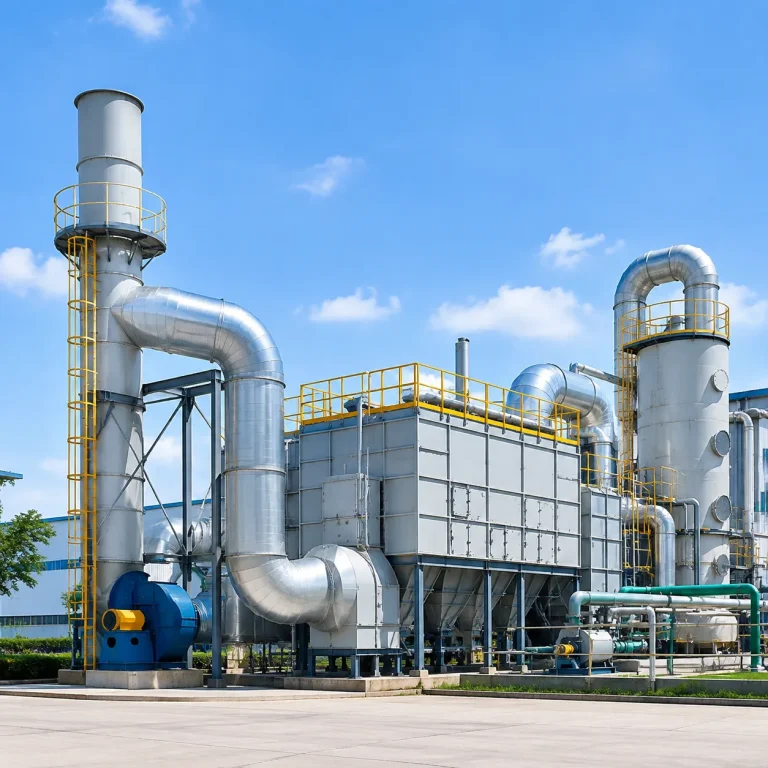
Environmental protection equipment supplier

Livestock Farm Wastewater Treatment for Compliance Standards
Understanding Livestock Farm Wastewater and Compliance Standards
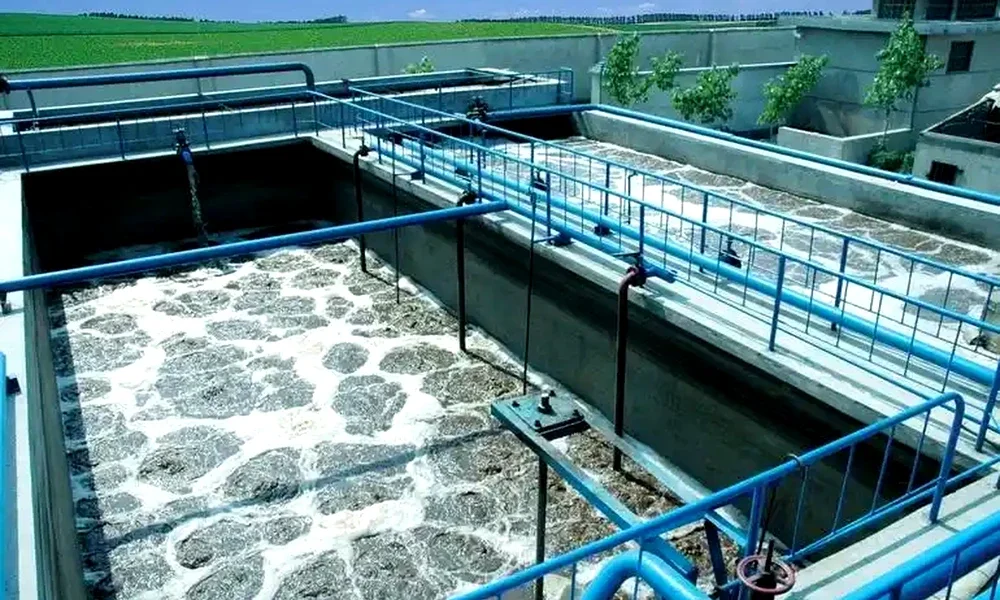
Managing livestock farming wastewater is one of the most critical operational challenges modern agricultural producers face today. Raw effluent from concentrated animal feeding operations (CAFOs), dairy parlors, and pig farms contains dense organic loads, suspended solids, and chemical residues. To satisfy strict regional environmental policies, farm operators must understand how wastewater from livestock farms is typically treated to meet compliance standards through reliable engineering controls and standardized biological treatment methods.
Key Contaminants in Agricultural Runoff (BOD, COD, and Nutrients)
Livestock and cattle farming wastewater carries substantially higher contaminant loads than standard municipal sewage. Untreated runoff depletes dissolved oxygen in receiving surface waters, creates odor hazards, and contaminates groundwater reserves.
The primary regulatory parameters monitored in livestock effluent include:
- Biochemical Oxygen Demand (BOD5): Quantifies biodegradable organic matter that depletes dissolved oxygen in aquatic habitats.
- Chemical Oxygen Demand (COD): Measures the total oxygen required to chemically oxidize organic and inorganic pollutants.
- Total Suspended Solids (TSS): Manure fibers, bedding material, and unconsumed feed that increase water turbidity.
- Nutrient Loads (Total Nitrogen and Total Phosphorus): Excess levels of ammonia-nitrogen (NH3-N) and phosphates that trigger severe algal blooms and toxic eutrophication.
- Pathogenic Organisms: Escherichia coli, coliform bacteria, and other enteric microorganisms that pose public health risks.
| Effluent Parameter | Raw Livestock Wastewater Profile | Target Compliance Threshold |
|---|---|---|
| BOD5 | 2,000 – 10,000+ mg/L | < 30 – 100 mg/L |
| COD | 5,000 – 25,000+ mg/L | < 100 – 250 mg/L |
| TSS | 3,000 – 15,000 mg/L | < 50 – 100 mg/L |
| Ammonia-N (NH3-N) | 300 – 1,500 mg/L | < 10 – 25 mg/L |
| Total Phosphorus (TP) | 50 – 500 mg/L | < 2 – 8 mg/L |
Environmental Regulations and Discharge Limits for Livestock Operations
Global environmental protection agencies strictly enforce point-source and non-point-source pollution mandates. Operating a modern livestock farming wastewater treatment plant requires rigorous adherence to statutory discharge thresholds:
- National Pollutant Discharge Elimination Standards: Farms discharging treated effluent into public water systems or open waterways must meet enforceable daily and monthly concentration limits.
- Nutrient Management Plans (NMP): Agricultural authorities regulate land application volumes to prevent nitrate infiltration into drinking water aquifers.
- Odor and Biosecurity Standards: Local air quality and agricultural boards mandate contained handling to reduce volatile organic compounds (VOCs) and hydrogen sulfide (H2S) emissions.
- Zero-Discharge Mandates: Multiple farming jurisdictions require closed-loop wastewater treatment processes, demanding that all water either be recycled for barn cleaning or neutralized for safe agronomic irrigation.
Primary Treatment: Physical Separation and Solid Removal
When managing raw effluent, our first priority is taking the heavy solids out of the liquid stream. If you do not pull coarse waste immediately, downstream pipelines clog, pumps fail, and downstream biological treatment units become overwhelmed. Implementing effective solid-liquid separation at the front end is how wastewater from livestock farms is typically treated to meet compliance standards, drastically cutting raw organic loading before deeper purification stages.
Understanding the full process flow for livestock and poultry wastewater treatment helps clarify why primary physical treatment protects the rest of the operational line.
Mechanical Screening and Sedimentation Basins
Primary separation isolates manure fibers, feed remnants, and bedding bedding materials through mechanical and gravity-based systems.
- Screw Press Separators and Rotary Drum Screens: These mechanical units intercept raw dairy, swine, or cattle farming wastewater, squeezing free water out of bulky manure solids to generate a stackable, low-moisture organic cake suitable for composting.
- Vibrating and Wedge-Wire Static Screens: Placed right at the influent reception pit, these screens trap mid-sized fibers and coarse matter with minimal motor requirements.
- Sedimentation and Grit Basins: Gravity drops dense particulates, sand, and grit to the floor of concrete collection basins, preventing abrasive damage to downstream transfer pumps.
| Separation Method | Primary Target | Typical Capture Efficiency | Major Advantage |
|---|---|---|---|
| Mechanical Screening | Fibers, straw, coarse manure | 30% – 50% Suspended Solids | Easy dewatering, dry cake recovery |
| Sedimentation Basins | Heavy grit, sand, dense fines | 40% – 60% Settleable Solids | Low energy, simple gravity drop |
Dissolved Air Flotation (DAF) for Suspended Solids and Fats
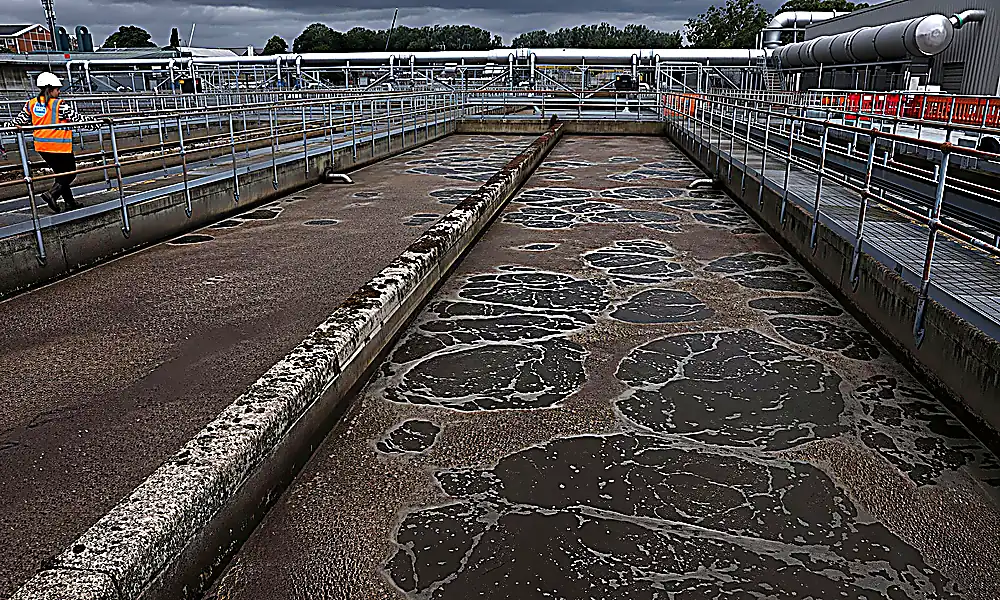
Following coarse screening, fine organic particulates, animal fats, and insoluble phosphorus stay suspended in the liquid phase. We deploy dissolved air flotation (DAF) technology to float these stubborn materials out of the slurry.
- Micro-Bubble Aeration: DAF systems inject pressurized water saturated with dissolved air into the wastewater stream. As pressure releases, millions of micro-bubbles latch onto suspended organic flocs.
- Chemical Coagulation and Flocculation: Pre-dosing coagulants (like PAC) and polymers bonds fine colloids together, allowing the air bubbles to lift the combined mass cleanly to the water surface.
- Automated Surface Skimming: Continuous scraper blades harvest the thickened surface sludge blanket into collection hoppers, cutting Total Suspended Solids (TSS) and Biochemical Oxygen Demand (BOD) significantly.
Integrating physical separation and high-efficiency DAF systems ensures the liquid effluent is clean enough for biological digestors and lagoons to operate without rapid sludge accumulation or process disruption.
Secondary Treatment: Biological Wastewater Processing
Biological treatment forms the core stage where active microorganisms digest dissolved organic matter. When determining how wastewater from livestock farms is typically treated to meet compliance standards, biological stages bear the heaviest load, eliminating massive amounts of soluble organics and volatile compounds. By implementing an optimized biological wastewater treatment process, facilities stabilize aggressive effluent while maintaining continuous regulatory compliance.
Anaerobic Digestion and Waste-to-Energy Systems
Anaerobic digestion handles the highest-strength waste streams by operating without oxygen. Specialized bacteria break down complex organic matter into biogas and stable digestate.
- High-Efficiency Load Destruction: Strips out substantial chemical oxygen demand (COD) and biochemical oxygen demand (BOD) before downstream processing.
- Energy Generation: Traps raw methane for on-site heat and power production, offsetting facility operational costs.
- Digestate Stabilization: Produces biologically stable byproducts with drastically reduced odor profiles.
We frequently deploy these processes alongside proven cattle and pig farm wastewater treatment methods to treat high-solids waste streams at the source.
Aerobic Treatment: Fixed-Bed Biofilm Reactors (FBBR) and Aerated Lagoons
Once the bulk organic load is eliminated anaerobically, aerobic polishing systems use dissolved oxygen to break down remaining contaminants.
- Fixed-Bed Biofilm Reactors (FBBR): These systems use engineered media to host dense microbial colonies. The fixed surface prevents biomass washout during hydraulic surges, making FBBR units resilient against the shock loads common during animal barn cleanings.
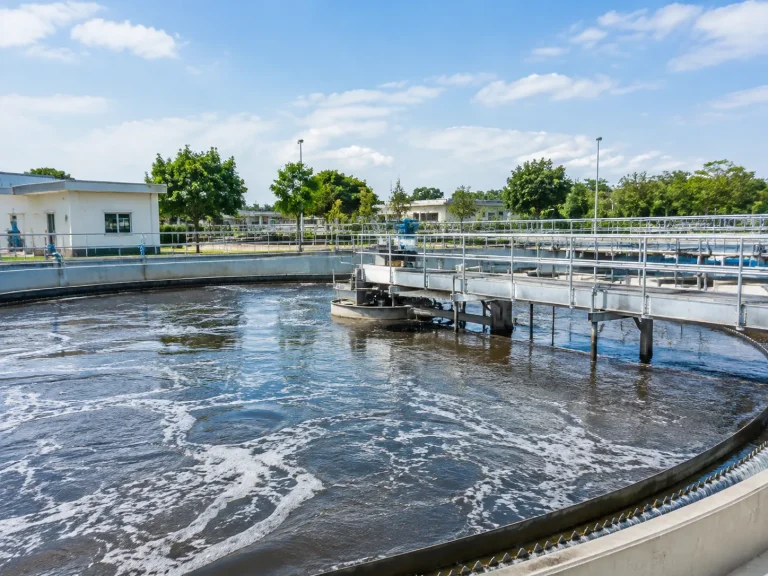
- Aerated Lagoons: Open basins fitted with mechanical aerators or fine-bubble diffusers sustain oxygen levels across larger volumes, supporting long retention times for steady organic degradation.
Both technologies serve as reliable common methods for treating livestock and poultry wastewater, ensuring cattle farming wastewater and swine effluent meet discharge criteria before storage or disposal.
Biological Nutrient Removal (Nitrogen and Phosphorus Reduction)
Agricultural discharge compliance requires strict nutrient management to eliminate excess nitrogen and phosphorus, preventing downstream algal blooms and oxygen depletion.
- Nitrification (Aerobic Phase): Nitrosomonas and Nitrobacter bacteria oxidize toxic ammonia-nitrogen into nitrite and then nitrate.
- Denitrification (Anoxic Phase): Heterotrophic bacteria convert nitrate into harmless nitrogen gas, releasing it safely into the atmosphere.
- Phosphorus Uptake: Alternate anaerobic and aerobic cycles stimulate polyphosphate-accumulating organisms (PAOs) to absorb excess phosphorus into the biological sludge, making it easy to separate and dispose of downstream.
Tertiary Treatment: Advanced Purification and Disinfection
Tertiary treatment is the final safeguard in the livestock farming wastewater treatment process. Once physical separation and biological treatment remove the bulk of organic matter, this polishing phase steps in. We use tertiary purification to ensure effluent meets local environmental standards, strips out stubborn dissolved contaminants, and neutralizes pathogens before discharge or reuse.
Membrane Filtration and Smart Packaged Systems
To satisfy rigorous discharge limits, standard clarifiers are often not enough. We implement advanced filtration systems to scrub remaining suspended solids, colloidal particles, and bacteria.
- Ultrafiltration (UF) and Microfiltration (MF): These physical barriers filter out fine particulates and microorganisms down to sub-micron levels, delivering crystal-clear effluent.
- Reverse Osmosis (RO): When farms need high-grade water recycling, RO membranes reject dissolved salts, heavy metals, and residual chemical traces.
- Smart Packaged Units: We configure these systems into automated, containerized skids. They monitor pressure, flow, and backwash cycles automatically, cutting down on manual field adjustments.
Chemical Precipitation for Phosphorus Removal
Excess phosphorus in livestock farming wastewater triggers algae blooms and severe eutrophication in local waterways. Because biological digestion leaves behind residual dissolved orthophosphates, chemical precipitation is required to hit target compliance thresholds.
- Coagulant Dosing: We dose iron or aluminum salts—such as ferric chloride or polyaluminum chloride (PAC)—directly into the stream.
- Floc Formation: The metal ions bind with dissolved phosphates to create dense, insoluble mineral precipitates.
- Solid Separation: Polymer flocculants help these particles gather into heavy flocs that settle out rapidly in a clarifier or are captured via disc filters.
This targeted nutrient management ensures that total phosphorus (TP) levels reliably satisfy regulatory discharge permits.
Disinfection Methods for Pathogen Control
Final effluent cannot be discharged or used for field irrigation if it harbors viable pathogens like E. coli, Salmonella, or parasitic cysts. Disinfection delivers the terminal kill step.
- Ultraviolet (UV) Irradiation: A clean, chemical-free option. UV light destroys microbial DNA, preventing replication without leaving toxic residues in the treated water.
- Chlorination and Chlorine Dioxide: Highly effective for broad-spectrum disinfection, especially when extended residual protection is needed in storage tanks.
- Ozone Treatment: A strong oxidant that breaks down pathogens while simultaneously degrading persistent color and odor-causing molecules.
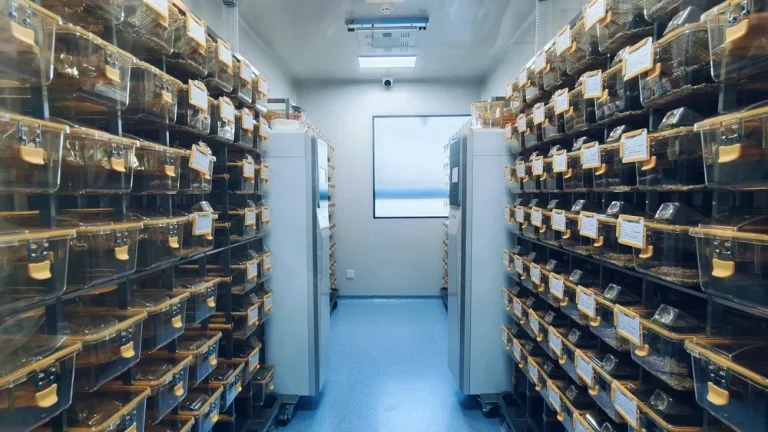
Just as bio-secure operations rely on verified methods for odor control in laboratory animal facilities to keep air emissions clean, terminal water disinfection guarantees that final effluent is biologically safe for the surrounding ecosystem.
Decentralized and Modular Wastewater Treatment Solutions
Handling agricultural effluent requires flexible engineering that adapts to farm layout, herd size, and strict local environmental limits. We build decentralized systems to treat wastewater directly at the source, eliminating the need for costly municipal sewer hookups or extensive civil engineering work. These setups ensure reliable compliance while keeping daily operations practical and straightforward.
Containerized Plug-and-Play Treatment Units
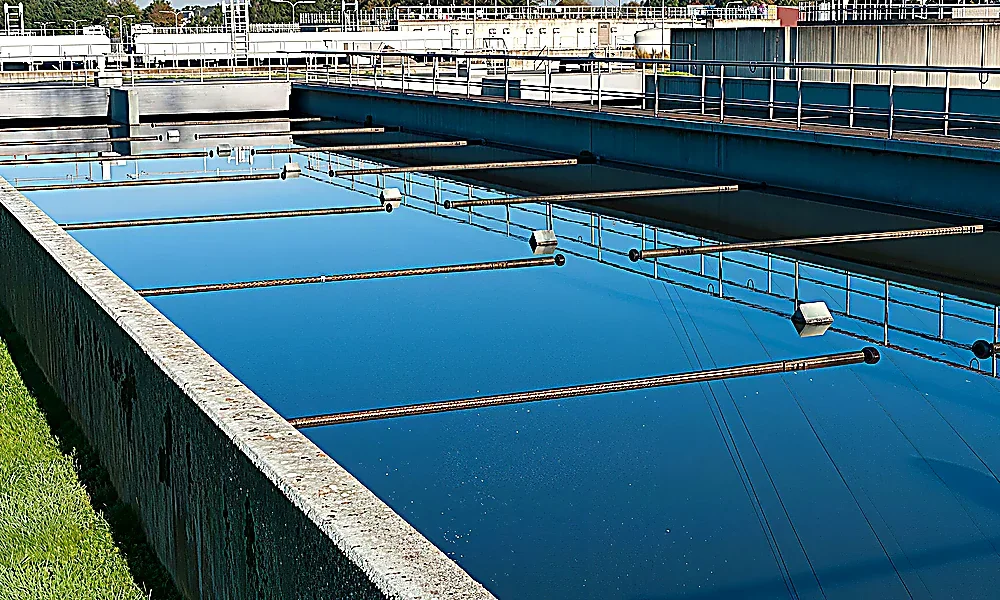
For farms needing fast deployment with minimal footprint, containerized treatment systems deliver factory-assembled efficiency directly to the job site. We package complete treatment trains inside standard, weather-resistant shipping containers. These systems arrive fully piped, wired, and tested to simplify setup on active farms.
- Fast Deployment: Requires minimal concrete work and hooks into your existing collection lines quickly.
- Pre-Integrated Stages: Combines physical solid-liquid separation, biological treatment, and disinfection inside one compact footprint.
- Scalable Operations: Add modular units as your livestock inventory expands without redesigning the core infrastructure.
- Automated Control: Pre-configured monitoring tracks flow rates and system performance, alerting your crew before imbalances trigger compliance violations.
Adhering to a standardized livestock wastewater treatment equipment design keeps capital costs down and speeds up installation schedules.
| Unit Feature | Specification / Capability | Operational Benefit |
|---|---|---|
| Footprint | Standard 20 ft or 40 ft ISO container | Protects valuable farm acreage |
| Capacity | Scalable modular banks (10 – 200+ m³/day) | Adapts directly to seasonal washing volumes |
| Enclosure | Weatherproof, insulated, corrosion-resistant | Withstands harsh rural environments and freeze cycles |
Custom Engineered Solutions for Large-Scale Livestock Farms
Industrial dairies, feedlots, and swine operations generate complex, high-strength effluent that exceeds the capacity of small modular packages. Treating cattle farming wastewater and heavy manure slurries requires specialized, heavy-duty processing tailored to high biological loads and fluctuating daily washdowns.
We engineer site-specific infrastructure using heavy-duty mechanical separators, covered anaerobic basins, and advanced aeration networks to handle massive daily waste volumes.
- Heavy-Duty Manure Handling: Primary separation stages rapidly capture coarse fibers, preventing line clogs and protecting downstream pumps.
- Targeted Nutrient Management: We customize anoxic and aerobic balancing basins to strip high concentrations of ammonia, total nitrogen, and phosphorus.
- Rugged Infrastructure: Industrial pumps, mixers, and aerators are specified to resist corrosive, high-solid agricultural slurry.
- Process Integration: Our engineered wastewater treatment systems seamlessly route clarified effluent for lagoon storage, facility wash water recycling, or controlled land discharge that satisfies regional permits.
Effluent Reuse and Sustainable Discharge Practices
Once livestock farming wastewater clears rigorous physical separation and biological treatment, we no longer treat it as waste. Reclaiming this effluent closes the resource loop, protects local watersheds, and significantly lowers everyday operating expenses. By hitting established discharge parameters, facilities can transition from simple disposal to active on-site resource recovery.
Treated Water Recycling for Farm and Facility Cleaning
High-volume operations like cattle farming consume massive amounts of freshwater daily just to maintain basic sanitation. We direct tertiary-treated, disinfected effluent back into non-potable utility loops across the facility:
- Holding Pen Flushes: High-pressure hydraulic flushing systems use reclaimed water to clear manure lanes and holding areas without drawing fresh groundwater.
- Equipment Washdown: Disinfected, clarified water is safe for washing transport trailers, tractors, and processing yards.
- Odor and Dust Scrubbing: Treated water circulates through wet scrubbers to knock down airborne particulates and ammonia emissions from housing sheds.
Much like the closed-loop recovery seen in how slaughterhouse wastewater is treated, reclaiming processed water inside livestock facilities cuts daily municipal water intake and insulates operations against seasonal drought restrictions.
Safe Agricultural Irrigation and Land Application
Land application remains one of the most practical reuse paths, provided the effluent meets strict agronomic and environmental criteria. Reusing treated livestock farming wastewater for crop irrigation turns residual nitrogen, potassium, and phosphorus into productive soil nutrients rather than environmental hazards.
To prevent soil salinization, nutrient overload, and runoff into neighboring waterways, we follow a strict nutrient management framework:
| Application Parameter | Management Standard | Operational Purpose |
|---|---|---|
| Nutrient Budgeting | Balanced N & P dosing based on annual soil tests | Prevents nitrate leaching into drinking aquifers |
| Hydraulic Loading Rate | Matched to field soil infiltration capacity | Eliminates surface pooling and wet-weather runoff |
| Pathogen Thresholds | Zero-detect coliforms post-disinfection | Eliminates biosecurity and public health risks on forage crops |
| Buffer Setbacks | Minimum 100-foot separation from surface water | Guards natural waterways from unintended drift |
Applying treated water directly to feed crops and pastureland reduces commercial fertilizer purchases while ensuring the operation stays fully compliant with regional groundwater discharge limits.
How to Choose the Right Livestock Wastewater Treatment System for Compliance
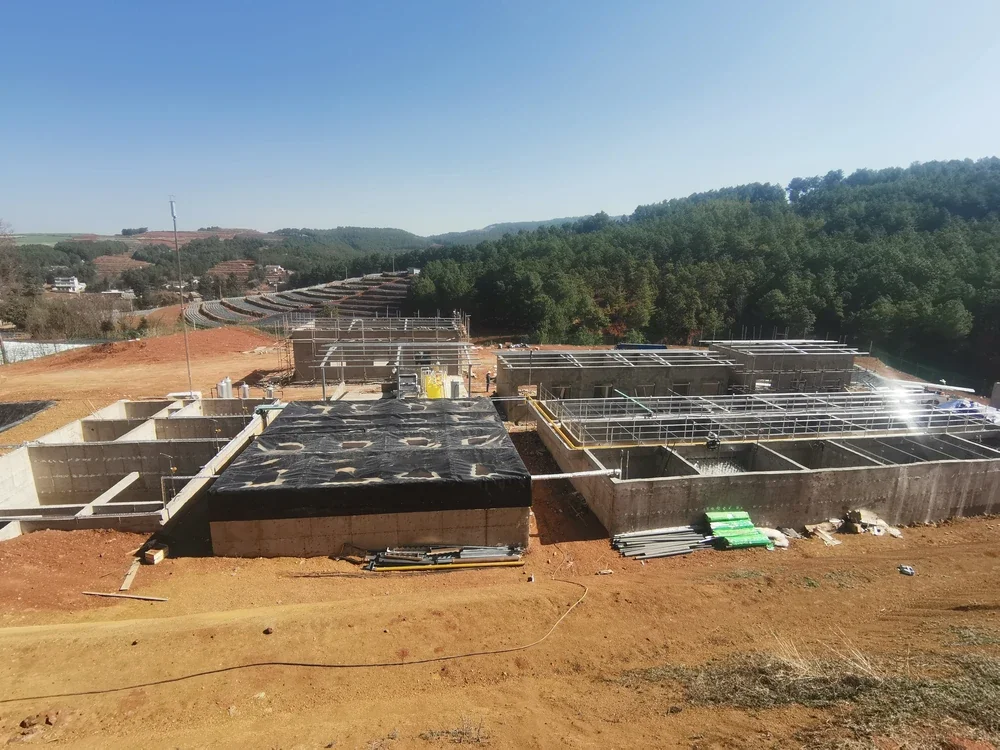
Selecting the right system requires balancing daily operational realities with strict environmental rules. When determining how wastewater from livestock farms is typically treated to meet compliance standards, we look at the specific production footprint of the operation. A setup designed for a swine facility will not handle cattle runoff the same way due to differences in bedding, solids concentration, and water use. Choosing equipment that integrates seamlessly into a complete livestock farming wastewater treatment plant prevents regulatory fines and avoids costly retrofits down the road.
Evaluating Farm Waste Volume and Effluent Characteristics
The design of your livestock farming wastewater treatment system depends directly on baseline raw effluent data. We evaluate hydraulic loading alongside organic and nutrient concentrations to ensure the treatment train does not overload during peak washdown periods.
Key effluent parameters to verify before sizing equipment:
- Hydraulic Flow Rate: Peak daily volume (m³/day) during facility cleaning and heavy rain events.
- Total Suspended Solids (TSS): Determines whether mechanical screening or heavy-duty solid-liquid separation is needed first.
- Organic Strength (BOD/COD): High-load streams need primary anaerobic digestion before aerobic polishing.
- Nutrient Ratios (Nitrogen & Phosphorus): High ammonia requires dedicated nitrification-denitrification or advanced membrane filtration system installations to hit local discharge targets.
| Wastewater Parameter | Typical Swine Range | Typical Dairy/Cattle Range | Recommended Primary Focus |
|---|---|---|---|
| Daily Flow Pattern | Continuous with washdown spikes | High seasonal and rain variation | Flow equalization & buffering |
| Solids Content (TSS) | Medium to high fine particles | Very high fiber and grit | Screw press + screening |
| Ammonia-Nitrogen | Extremely high | Moderate to high | Biological nutrient removal (BNR) |
| Target End-Use | Direct discharge or lagoon | Irrigation or farm wash reuse | Polishing, disinfection, or reuse |
Operational Costs, Maintenance, and Regulatory Reporting
Long-term compliance depends on manageable day-to-day operational costs. A system that is too complex to operate or prone to frequent clogging will fail compliance audits.
We prioritize systems that streamline everyday management:
- Energy and Chemical Consumption: Minimize polymer dosing in dissolved air flotation and dewatering units by optimizing physical pre-treatment.
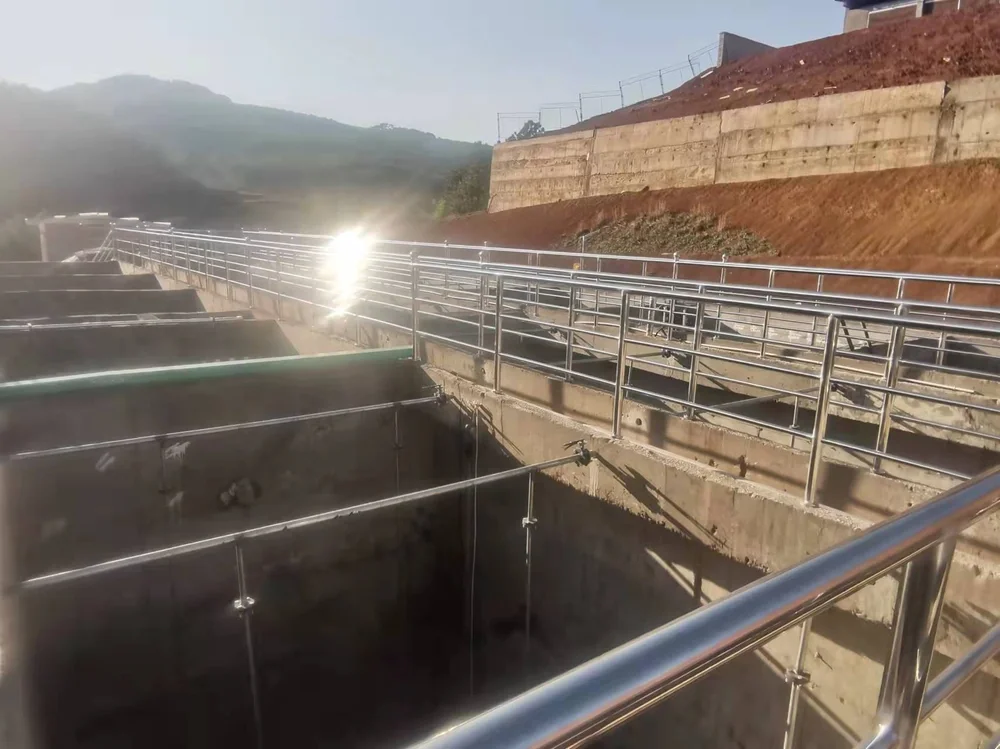
- Routine Equipment Maintenance: Select rugged, corrosion-resistant components (such as 304 or 316 stainless steel) to resist corrosive livestock effluent.
- Automated Process Controls: Real-time sensors for pH, dissolved oxygen (DO), and flow rates reduce manual operator hours and prevent out-of-spec discharges.
- Audit-Ready Regulatory Reporting: Continuous monitoring logs provide direct proof of compliance during environmental inspections, verifying consistent reduction of suspended solids and nutrients.