Environmental protection equipment supplier

How Is Hospital Wastewater Treated A Complete Guide
Understanding Hospital Wastewater and Its Key Contaminants
Hospital wastewater is a complex stream of effluent that requires specialized management to prevent environmental degradation. Unlike standard domestic sewage, the water generated by medical facilities contains a unique and potent cocktail of pollutants.
Common Pollutants: Pharmaceuticals, Pathogens, and Chemicals
Hospital effluent is characterized by high concentrations of hazardous materials, including:
Pharmaceutical Residues: Antibiotics, hormones, analgesics, and chemotherapy agents that pass through the body.
Pathogenic Microorganisms: Viruses, bacteria, and multi-drug resistant organisms (MDROs) originating from patient care and laboratory testing.
Chemical Hazards: Disinfectants, radioisotopes, contrast media used in imaging, and heavy metals.
How Hospital Wastewater Differs from Municipal Sewage
While municipal sewage primarily consists of organic matter and nutrients from residential waste, hospital wastewater is significantly more concentrated and toxic. Municipal systems are often not equipped to neutralize specialized medical contaminants. Key differences include:
Toxicity Levels: The presence of concentrated chemical reagents and reactive pharmaceuticals.
Biological Loading: Higher concentrations of infectious agents capable of surviving standard municipal processes.
Variability: Fluctuations in pollutant composition based on hospital clinical activities, such as surgical procedures or oncology treatments.
Environmental and Public Health Risks of Untreated Effluent
Failure to treat hospital wastewater at the source poses severe risks to ecosystem stability and human health. Untreated discharge leads to:
Antimicrobial Resistance (AMR): The spread of antibiotic-resistant bacteria into natural water bodies, complicating public health efforts.
Ecotoxicity: Disruption of aquatic life cycles and endocrine systems in fish and wildlife caused by pharmaceutical exposure.
Bioaccumulation: Persistent chemical compounds entering the food chain, ultimately threatening human safety via drinking water sources and agricultural irrigation.
The Multi-Stage Hospital Wastewater Treatment Process
Treating medical effluent requires a rigorous, multi-stage approach to ensure that contaminants are fully neutralized before discharge. Because hospital wastewater carries unique risks compared to standard domestic sewage, these systems must be engineered for high reliability and precision.
Preliminary Treatment: Screening and Flow Equalization
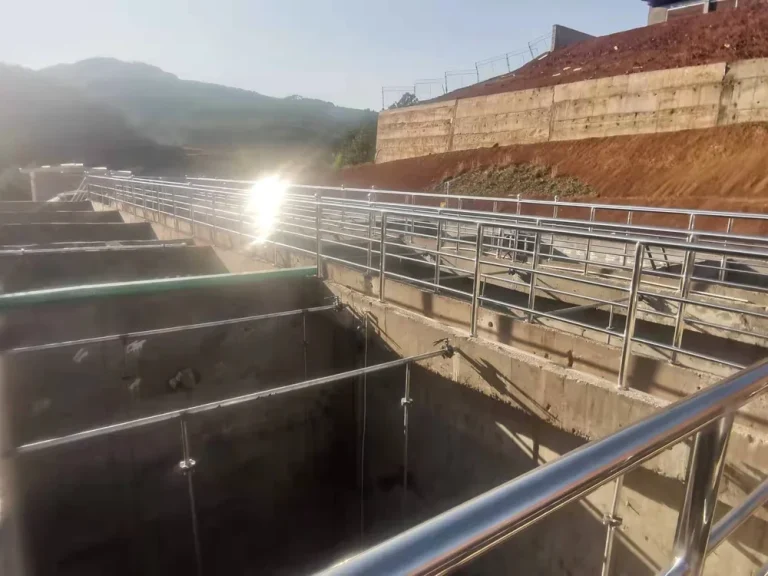
The process begins by removing large debris through mechanical screening. This protects downstream equipment from damage. Flow equalization tanks follow, which balance the highly variable hydraulic loads common in hospitals, ensuring a steady, manageable flow for the subsequent stages. This is similar to the preparation phases seen in process flow for livestock and poultry wastewater treatment, where consistent input is vital for system stability.
Primary Treatment: Sedimentation and Clarification
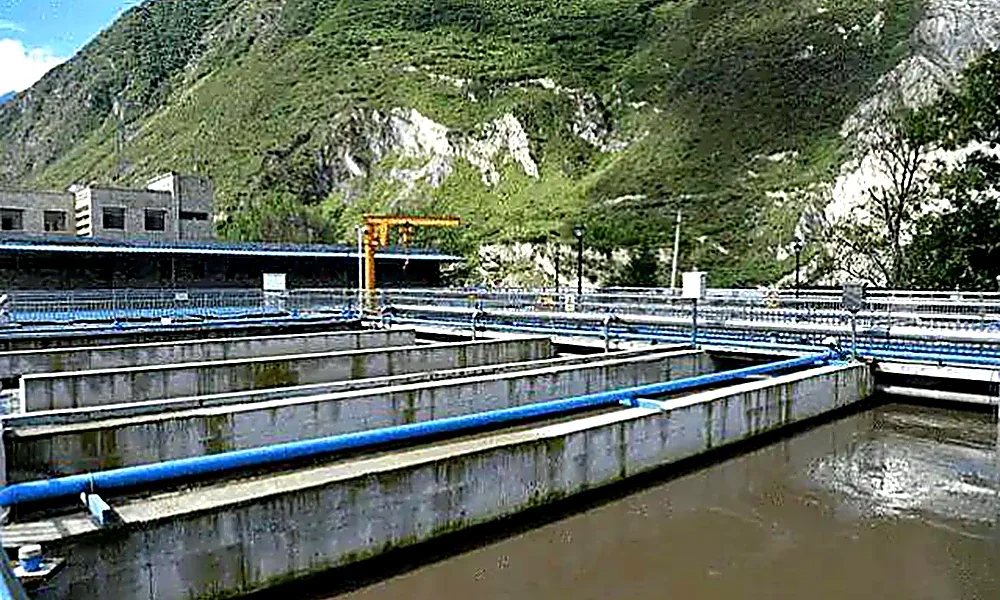
During primary treatment, gravity-based sedimentation is utilized. Wastewater sits in clarifiers, allowing suspended solids to settle as sludge at the bottom while grease and lighter materials float to the top for removal. This stage significantly reduces the total suspended solids (TSS) and organic load, setting the stage for more intensive biological processing.
Secondary Treatment: Biological Breakdown of Organic Matter
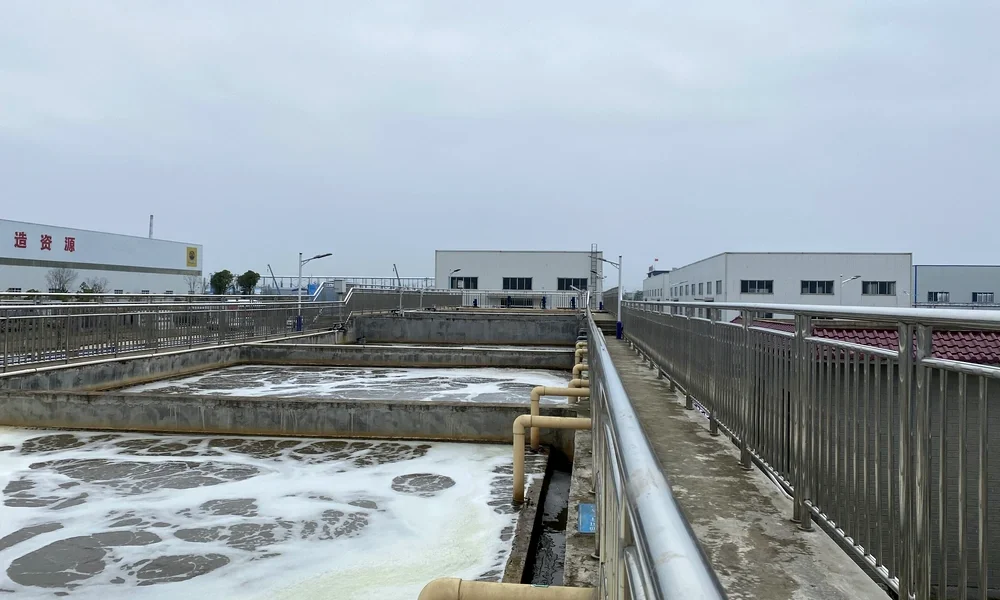
The core of the system is the secondary treatment phase, which focuses on the biological breakdown of dissolved organic matter. Through an activated sludge process, beneficial microorganisms consume pollutants. Aeration tanks provide oxygen to support these microbial colonies, effectively converting organic contaminants into biomass that can be later separated.
Tertiary Treatment: Advanced Filtration and Nutrient Removal
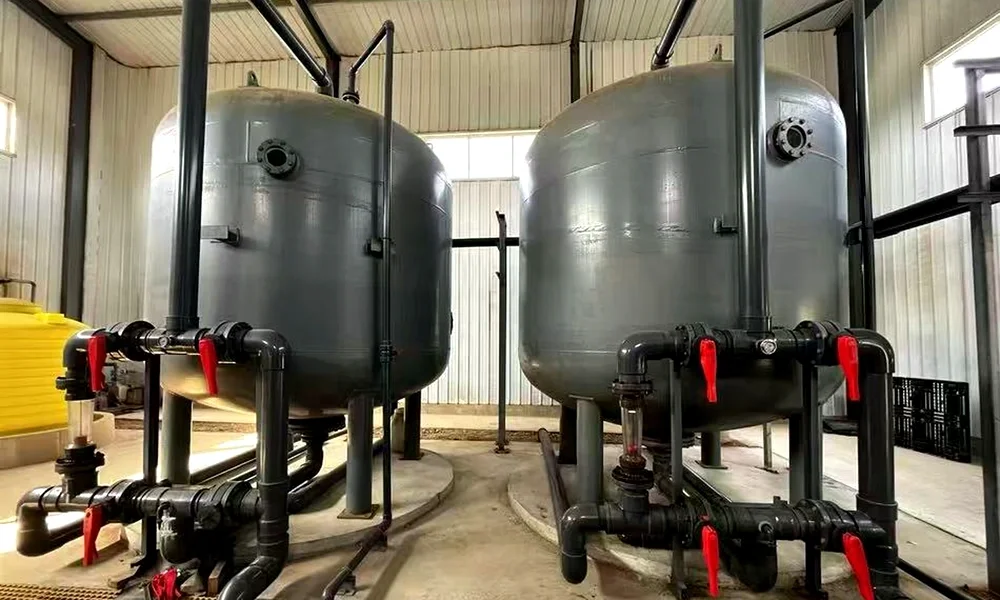
Tertiary treatment acts as the final polishing stage. It removes remaining micropollutants, nitrogen, and phosphorus. High-efficiency filtration systems ensure the final effluent meets strict environmental discharge standards. In complex industrial scenarios, such as the process for treatment and reuse of heavy metal-laden wastewater from non-ferrous metal mines, advanced separation techniques are standard practice, and similarly, hospitals utilize these final stages to guarantee the water is safe for the environment or for secondary non-potable reuse.
Advanced Technologies Used in Hospital Effluent Treatment
Medical facilities increasingly rely on sophisticated, high-performance systems to manage complex waste streams effectively. When addressing the intricacies of how is hospital wastewater treated, these advanced technologies provide the precision required to meet strict safety and environmental standards.
Membrane Bioreactors (MBR) for High-Efficiency Filtration
The integration of a high-efficiency membrane filtration system within a Membrane Bioreactor (MBR) setup is transformative for medical sites. By combining biological degradation with precise physical membrane separation, these units ensure that even the smallest suspended solids and pathogens are blocked. This results in high-quality effluent that is often suitable for reuse or safe discharge, significantly reducing the footprint compared to conventional treatment methods.
Electrocoagulation and Advanced Oxidation Processes (AOP)
For complex medical wastewater containing persistent chemical residues, electrocoagulation and Advanced Oxidation Processes (AOP) are essential. These methods use targeted electrical currents or chemical reactions to destabilize pollutants, effectively breaking down hazardous compounds that typical biological processes cannot reach. By neutralizing these persistent substances at the molecular level, hospitals can ensure their output remains compliant with evolving environmental regulations.
Activated Carbon Adsorption for Micropollutant Removal
Medical waste often contains trace pharmaceuticals and organic contaminants that require a final polish. Using an activated carbon adsorption unit is a proven, reliable method to capture these micropollutants. This stage acts as a high-performance barrier, stripping away residual odors and trace chemicals to guarantee that the final treated water meets rigorous public health and safety requirements.
Disinfection Methods for Eliminating Medical Pathogens
Disinfection serves as the final barrier in hospital wastewater treatment, ensuring that treated effluent is free from hazardous medical pathogens before being discharged or reused. Given the diverse nature of contaminants in medical settings, selecting the right disinfection strategy is critical for public safety.
Ultraviolet (UV) Radiation Systems
UV radiation is an effective, chemical-free method for neutralizing bacteria, viruses, and protozoa. By exposing wastewater to high-intensity germicidal UV light, the DNA structure of microorganisms is disrupted, preventing them from replicating. This process is highly valued for its speed and its ability to disinfect without producing harmful secondary byproducts, maintaining the chemical balance of the water.
Ozonation for Degrading Resistant Pharmaceuticals
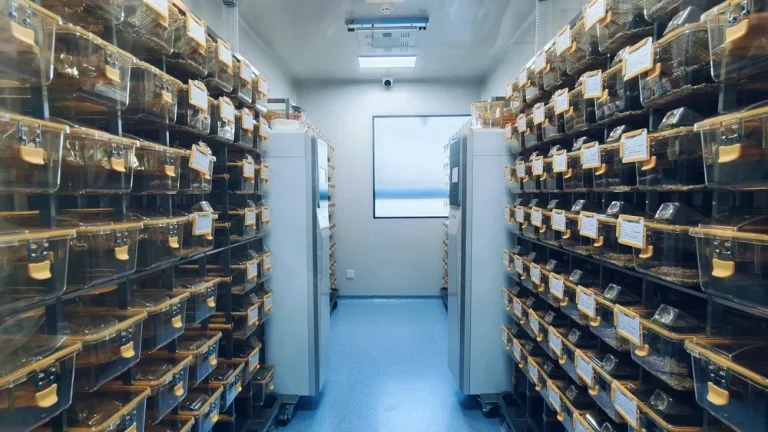
Ozonation is frequently employed to target complex organic compounds and persistent pharmaceuticals that traditional methods cannot break down. Ozone is a powerful oxidant that effectively mineralizes medical micropollutants. Beyond chemical degradation, it acts as a robust disinfectant, providing a secondary layer of protection against highly resistant pathogen strains. While sophisticated, methods for odor control in laboratory animal facilities often utilize similarly advanced air and water purification technologies to manage complex facility environments.
Chlorination and Safe Dechlorination Techniques
Chlorination remains a widely used and reliable method for large-scale pathogen destruction due to its persistent residual effect, which protects water quality throughout the discharge path. To prevent potential environmental harm from residual chlorine, modern systems incorporate a mandatory dechlorination phase. By utilizing chemical neutralizers or advanced contact tanks, facilities ensure that chlorine levels are strictly minimized before the water enters municipal or natural systems, adhering to strict environmental safety standards.
Hospital Sludge Treatment and Safe Disposal
Managing the byproduct of hospital wastewater treatment is a critical responsibility. Because medical effluent contains concentrated pathogens, chemical residues, and pharmaceutical traces, the resulting sludge requires specialized handling before it can be safely removed from the site.
Sludge Dewatering and Low-Temperature Drying
To reduce volume and transport costs, hospital sludge undergoes mechanical dewatering. Technologies like filter presses are commonly used to remove excess moisture. Following this, low-temperature drying processes are applied to further stabilize the sludge. By minimizing water content, we ensure the material is easier to manage and less prone to leaching during storage.
Stabilization and Biological Hazard Neutralization
Before disposal, sludge must be treated to eliminate biological threats. Stabilization processes, such as lime treatment or thermal hydrolysis, are employed to neutralize infectious agents and deactivate persistent medical pollutants. This step is essential to ensure that the material is chemically and biologically stable, significantly lowering risks to personnel and the surrounding environment.
Safe Transport, Incineration, and Landfill Guidelines
Once the sludge is neutralized, strict disposal protocols must be followed. Safe transport containers are used to prevent leakage during transit. In many cases, high-temperature incineration is the preferred method for final disposal, as it ensures complete destruction of hazardous components. If landfilling is utilized, it must be performed in facilities equipped with specialized containment liners to prevent the contamination of groundwater. Similar to the precautions taken for electroplating wastewater treatment methods, all disposal routes must comply with local environmental regulations to protect public health and safety.
Regulatory Standards and Sustainable Water Management
WHO Guidelines and Environmental Discharge Compliance
Strict adherence to World Health Organization (WHO) guidelines is the foundation of responsible medical waste management. Hospitals must ensure that effluent meets rigorous chemical and biological discharge limits to prevent the spread of infectious agents. Local environmental agencies mandate regular testing and compliance reporting to confirm that how is hospital wastewater treated aligns with regional ecological safety standards, effectively neutralizing hazardous medical pollutants before they enter the water cycle.
On-Site Treatment Systems vs. Centralized Municipal Discharge
Facilities must weigh the benefits of dedicated on-site treatment systems against discharging into centralized municipal sewage networks. While municipal systems handle large volumes, they are often ill-equipped to manage the unique, high-concentration pharmaceutical residues found in medical wastewater. Implementing robust on-site technology allows hospitals to exert greater control over the decontamination process, ensuring that sensitive waste is neutralized at the source and minimizing the burden on public infrastructure.
Treated Water Reuse for Non-Potable Hospital Facilities
Sustainable water management in healthcare extends beyond mere disposal to the active recovery of treated effluent. High-quality treated water can be safely repurposed for non-potable hospital functions, significantly reducing overall water consumption. Applications such as landscape irrigation, toilet flushing, and HVAC cooling towers demonstrate how treated wastewater can serve as a valuable resource within the hospital complex, promoting long-term environmental sustainability and operational efficiency.