Environmental protection equipment supplier

Hotel Linen Wastewater Treatment Process for Water Reuse
Understanding Wastewater Treatment Challenges in the Hotel Linen Industry
Managing effluent from commercial hospitality operations requires a sophisticated approach to handle high-volume, high-load discharges. Soto Environmental Protection Machinery provides tailored solutions for the wastewater treatment process for hotel linens, ensuring facilities can manage complex waste streams effectively and remain in compliance with environmental mandates.
Characteristics of Hotel Linen Wastewater
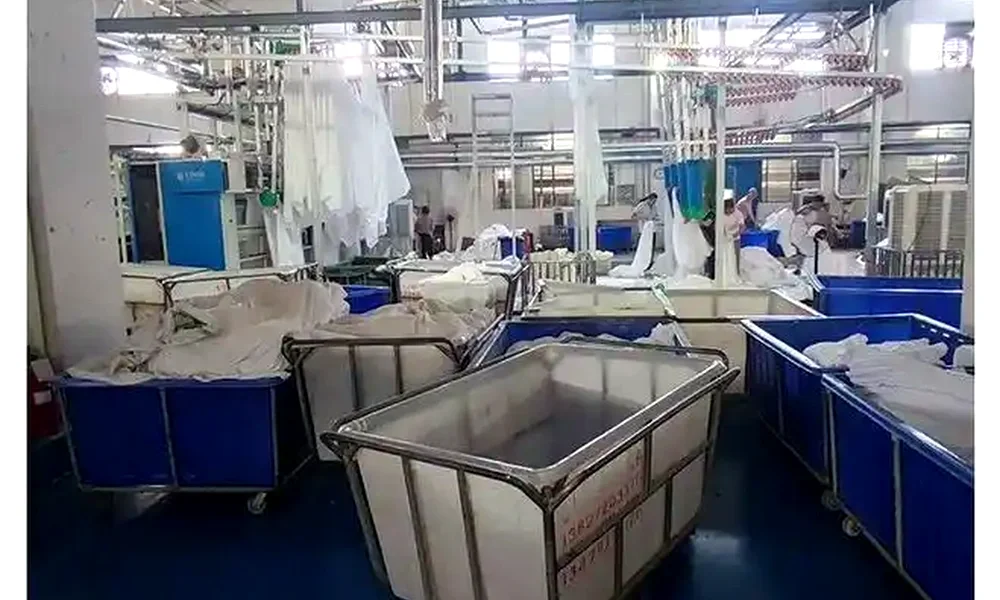
Laundering services for hotels generate wastewater that is significantly different from standard domestic sewage. Key challenges include:
- High Organic Load: Effluent contains significant levels of COD (Chemical Oxygen Demand) and BOD (Biochemical Oxygen Demand) derived from detergents, soaps, and organic soil.
- Surfactant Concentrations: Large volumes of synthetic surfactants require specialized degradation processes to prevent foaming and environmental harm.
- Fiber and Lint Accumulation: Textiles release high quantities of micro-fibers that can clog standard piping and treatment units if not removed via dedicated screening.
- Fluctuating pH Levels: The use of various cleaning agents results in wide pH variations that necessitate precise neutralization stages within the treatment plant.
Regulatory and Environmental Standards
As environmental regulations become more stringent globally, hotels must ensure their wastewater treatment processes meet rigorous discharge standards. Effective management is essential to:
- Avoid Penalties: Adhering to local water discharge permits prevents costly fines and legal risks.
- Achieve Sustainability Goals: Proper treatment allows for potential water reuse, lowering overall utility consumption and operational expenses.
- Protect Local Ecosystems: Removing hazardous pollutants and high suspended solids ensures that treated effluent does not negatively impact municipal sewer systems or local water bodies.
Soto Environmental Protection Machinery addresses these challenges by providing high-efficiency equipment—such as dissolved air flotation (DAF) and multi
-disk screw presses—designed to handle the unique chemical and physical properties of laundry-derived wastewater.
Key Components of a Hotel Linen Wastewater Treatment Process
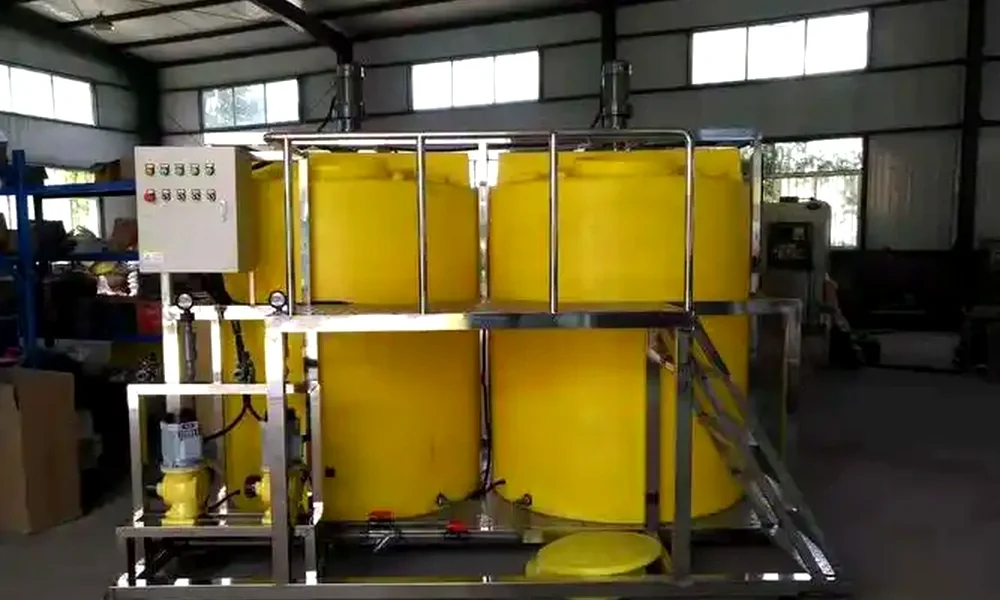
Effectively managing wastewater from laundering bed linens requires a multi-stage approach designed to handle high concentrations of surfactants, fibers, and suspended solids. We utilize specialized mechanical and chemical systems to ensure the effluent meets discharge standards.
Pre-treatment and Screening
The initial stage focuses on the removal of physical debris. Laundry effluent contains significant amounts of lint, textile fibers, and larger grit. We employ fine mechanical screens to capture these materials, preventing downstream clogs and protecting pumps. Removing these solids early is critical for maintaining the efficiency of industrial-scale wastewater treatment equipment throughout the facility.
Biological Treatment Systems
Once physical particles are removed, the water moves into biological treatment units. We implement advanced Aerobic/Anaerobic (AO/A2O) processes to break down organic pollutants. Since hotel linen laundering wastewater often contains high Chemical Oxygen Demand (COD) and Biological Oxygen Demand (BOD) due to cleaning agents, our biological tanks provide the necessary environment for microorganisms to degrade these substances. This step is essential for reaching regulatory compliance and preparing the water for potential reuse.
Chemical Treatment and Coagulation
Physicochemical processes are utilized to target emulsified oils, greases, and fine suspended matter that biological systems alone cannot eliminate. Our process includes:
- Coagulation and Flocculation: Chemicals are added to destabilize particles, allowing them to clump together into larger, manageable flocs.
- Dissolved Air Flotation (DAF): High-efficiency DAF units use micro-bubbles to float these flocs to the surface for skimming.
- Sludge Dewatering: The separated solids are processed through multi-disk screw presses to minimize volume before disposal.
By integrating these specialized components, we ensure that the wastewater treatment technology operates reliably, effectively neutralizing the impact of detergents
and commercial cleaning agents.
Advanced Water Reuse and Sustainability in Hospitality
Benefits of Water Recycling for Hotels
Implementing a robust wastewater treatment process for hotel linens allows facilities to transition toward sustainable facility management. By recycling treated effluent, hotels can significantly reduce their reliance on municipal water supplies, directly lowering operational costs. Benefits include:
- Cost Efficiency: Reduced water procurement and sewage discharge fees.
- Regulatory Compliance: Meeting local environmental standards for discharge or reuse.
- Corporate Responsibility: Improving brand image through verified water conservation efforts.
- Resource Reliability: Creating a closed-loop system that buffers against water shortages.
Technological Innovations for Water Reclamation
Modern water treatment technology is essential for converting laundry effluent into high-quality, reusable water. By utilizing multi-stage filtration and biological degradation, we ensure that the treated water meets necessary sanitation standards for non-potable applications such as landscaping or facility cleaning.
| Innovation Technology | Primary Function | Impact on Sustainability |
|---|---|---|
| Dissolved Air Flotation (DAF) | Removes surfactants and fats | Protects downstream membranes |
| Multi-Disk Screw Press | Efficient sludge removal | Reduces total waste volume |
| Integrated Bio-Reactors | Eliminates organic pollutants | Enables safe water reuse |
Our approach focuses on tailoring these systems to the specific effluent profile of hotel laundry operations. Just as we refine wastewater treatment processes for slaughterhouses, we apply precision engineering to ensure that high-fiber, chemical-heavy laundry water is thoroughly purified
for reclamation. By integrating advanced aeration and filtration, we provide the infrastructure necessary for modern, eco-conscious hospitality operations.
Equipment and Technology Selection for Linen Processing
Selecting the right machinery is critical when handling wastewater from laundering bed linens. Because this effluent is typically saturated with lint, surfactants, and chemical residues, we prioritize equipment engineered for durability and high-performance separation.
Aeration Systems and Diffuser Technology
Effective aerobic treatment relies on stable oxygen transfer. We utilize advanced aeration systems to maintain the dissolved oxygen levels necessary for biological degradation of surfactants.
- Fine-Bubble Diffusers: These provide high oxygen transfer efficiency, essential for treating concentrated organic loads.
- Anti-Clogging Design: Given the fiber content often found in hotel laundry discharge, our equipment features clog-resistant materials to ensure consistent airflow and minimal maintenance.
Industrial-Scale Treatment Plant Requirements
Designing a robust system for large-scale operations requires integrating multiple stages of specialized machinery. Our approach ensures that each component—from initial screening to sludge dewatering—is perfectly sized for the facility’s specific influent volume.
| Equipment Component | Primary Function | Key Feature |
|---|---|---|
| Fine Screening | Lint and fiber removal | Anti-corrosive stainless steel |
| DAF Unit | Oil, grease, and suspended solids | High-efficiency separation |
| Biological Tanks | COD and BOD reduction | Scalable AO/A2O process |
| Screw Press | Sludge dewatering | Low energy, high solids recovery |
To maintain environmental compliance, we emphasize the use of stainless steel and corrosion-resistant materials to withstand the harsh chemistry of industrial detergents. Proper equipment selection not only ensures regulatory standards are met but also optimizes the long-term operational costs of your facility. When managing industrial-scale projects, we ensure that every system is built to handle the unique demands of high-volume textile processing
.
Optimizing Operational Efficiency in Wastewater Management
Achieving long-term performance in the wastewater treatment process for hotel linens requires a focus on systematic monitoring and smart resource management. By utilizing high-quality wastewater treatment equipment, operators can minimize downtime and ensure consistent compliance with discharge standards.
Monitoring and Proactive Maintenance
To maintain peak efficiency in laundry effluent treatment, we emphasize the following operational standards:
Real-time Sensor Integration: Implementing monitoring systems to track flow rates, pH levels, and chemical oxygen demand (COD) allows for immediate adjustments to the treatment cycle.
Anti-Corrosive Infrastructure: Given the harsh nature of laundry chemicals, using stainless steel components prevents equipment degradation and reduces the frequency of emergency repairs.
Preventative Scheduling: Routine inspection of screening units and sludge dewatering machinery prevents the accumulation of textile fibers, which can otherwise lead to system clogs and increased energy consumption.
Cost-Effective Treatment Strategies
Reducing operational expenditure is essential for commercial linen washing wastewater management. Our approach centers on:
Sludge Volume Reduction: High-efficiency multi-disk screw presses minimize the water content in waste, significantly lowering disposal costs and handling requirements.
Energy Optimization: By fine-tuning aeration intensity in biological treatment tanks based on actual loading, we reduce electricity usage without sacrificing water quality.
Strategic Chemical Dosing: Precision flocculation in the dissolved air flotation (DAF) stage ensures effective solid-liquid separation while minimizing chemical waste.
By prioritizing robust design and intelligent operation, hotels can transform their wastewater
management from a mandatory expense into a sustainable, optimized component of their facility operations.
Choosing a Wastewater Treatment Partner
Selecting the right provider for your hotel linen wastewater treatment process is a critical investment. You need a partner capable of delivering high-efficiency integrated sewage treatment equipment that balances robust performance with long-term operational reliability.
Assessing Engineering and Technical Support
Effective engineering goes beyond just supplying machinery. A reliable partner provides tailor-made solutions based on your facility’s specific influent water quality and daily discharge volume. We prioritize technical proficiency in solid-liquid separation to ensure your system handles the unique challenges of laundry detergents and lint efficiently.
| Feature | Importance for Hotels |
|---|---|
| Custom Design | Ensures the system matches specific COD/BOD loads. |
| Material Quality | Stainless steel resists chemical corrosion from cleaning agents. |
| Technical Support | Minimizes downtime through proactive troubleshooting. |
| Scalability | Allows the system to grow with your laundering capacity. |
Global Expertise vs. Local Compliance Requirements
Navigating environmental regulations requires a partner who understands both international benchmarks and local discharge standards. We focus on bridging the gap between sophisticated water treatment technology and regional compliance needs. By integrating specialized processes like dissolved air flotation (DAF) and multi-disk sludge dewatering, we help ensure your laundry operations consistently meet strict environmental mandates while optimizing costs. Choosing a partner with proven experience in industrial-scale treatment ensures your facility maintains its sustainability goals
without compromising on sanitation standards.