Environmental protection equipment supplier

Livestock Wastewater Treatment Equipment Design Guide
Overview of Wastewater Treatment Equipment Design for Livestock Farming
The robust design of wastewater treatment equipment for livestock farming is the critical foundation of modern, sustainable agro-industrial operations. High-density animal feeding operations generate wastewater with extreme organic loads, high solids, and complex chemical matrices. Standard industrial wastewater configurations consistently fail under these conditions. Effective environmental protection facilities for livestock and poultry farming require purpose-built, heavy-duty processing architectures that stabilize raw effluent, protect downstream biological systems, and facilitate resource recovery from day one.
Key Characteristics and Composition of Livestock Effluent
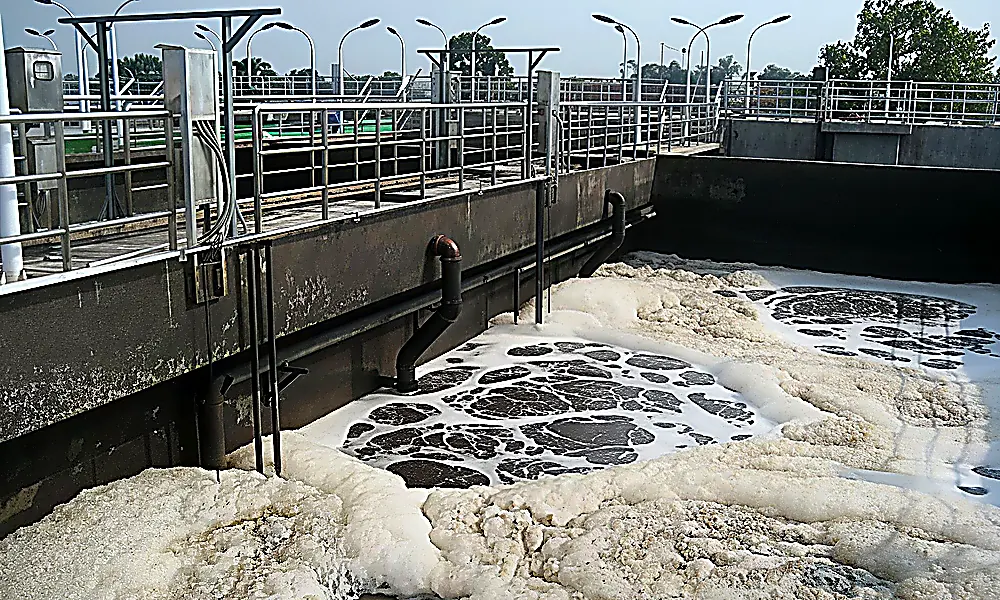
Livestock and poultry farming wastewater is defined by extreme chemical variability, periodic hydraulic surges, and exceptionally high solids content:
- Elevated Biochemical and Chemical Oxygen Demand (BOD5/COD): Ratios often exceed standard municipal strengths by 10 to 50 times, demanding high-capacity processing stages.
- Total Suspended Solids (TSS): Massive quantities of undigested feed, bedding, hair, and manure fibers cause severe abrasion and rapid line plugging if not mitigated immediately.
- Nutrient Imbalances (N and P): High concentrations of organic nitrogen, free ammonia-nitrogen (NH_3-N), and reactive phosphorus require specialized removal and recovery loops.
- Pathogenic Load: Abundant biological hazards, requiring dedicated E. coli treatment alongside bacterial pathogen control before any environmental discharge or field application.
| Parameter | Pig Farm Wastewater | Cattle Farm Wastewater | Beef Cattle Farming Wastewater |
|---|---|---|---|
| Primary Solids | Fine particulates, hair, high fats | Coarse fibers, silage residues | High-density manure, bedding straw |
| COD Range (mg/L) | 8,000 – 25,000 | 10,000 – 35,000 | 12,000 – 40,000 |
| Ammonia-N (mg/L) | 800 – 2,500 | 400 – 1,200 | 500 – 1,500 |
| Rheology | Semi-fluid, highly viscous | Fibrous, slow sedimentation | Variable, high grit accumulation |
Core Engineering Principles and Design Objectives
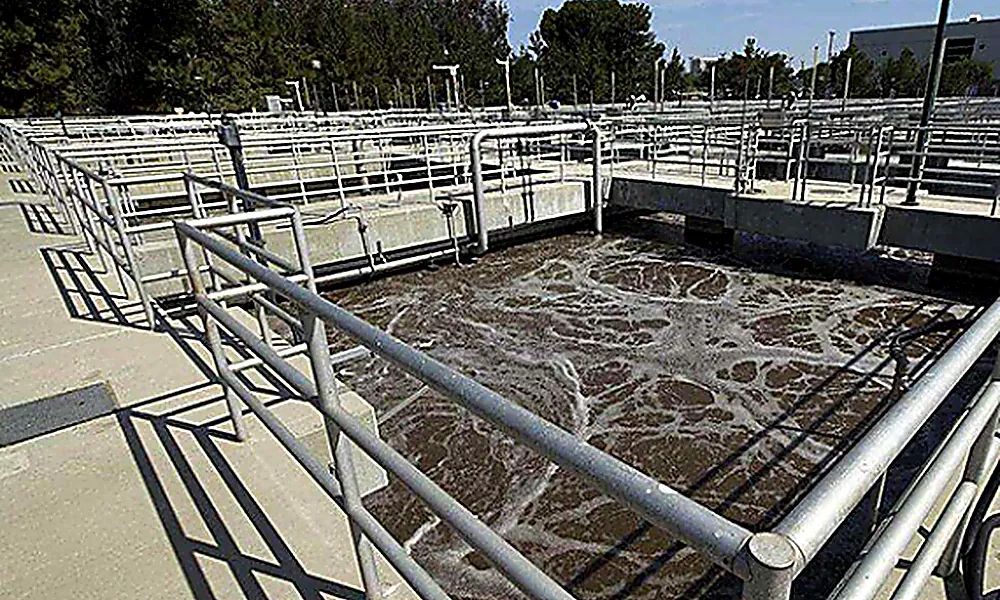
Engineered wastewater systems for animal operations must operate reliably under aggressive operating conditions. Core design principles focus on four pillars:
- Shock Load Resistance: Buffering units must balance sudden hydraulic and biological influxes generated during scheduled barn flushes and pen washdowns.
- Mechanical Resilience: All contact surfaces, pumps, and mechanical components utilize wear-resistant engineering alloys to resist both acidic degradation and mechanical abrasion.
- Continuous Solids Removal: Rapid solid-liquid separation at the front end reduces the organic strain on subsequent treatment steps by up to 60%.
- Simplified Operational Maintenance: Automated clean-in-place mechanisms, non-clog designs, and modular component access keep operational labor minimal.
Pre-Treatment Flow Optimization and Screening Standards
Effective pre-treatment prevents catastrophic line clogging, pump cavitation, and downstream equipment failures. This stage centers on flow regulation, equalization, and primary physical screening:
- Mechanical Screening Units: High-throughput wedge-wire static screens and rotary drum screens remove coarse fibrous matter and large organic particles. Slot openings are calibrated between 0.5 mm and 1.5 mm depending on the specific animal sector.
- Grit and Sand Interception: Runoff and floor-flush streams carry heavy inorganic sand and grit. Integrated sedimentation channels prevent these abrasives from reaching pumps and dewatering systems.
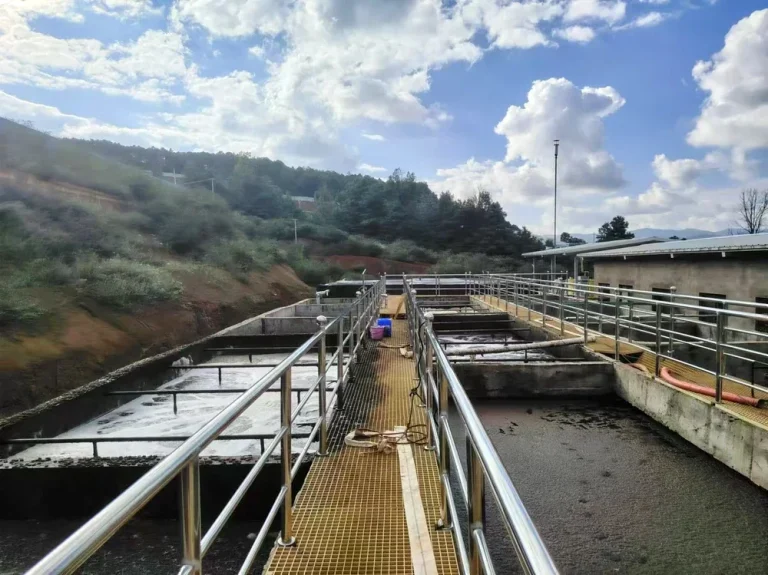
- Hydraulic Balancing Basins: Aerated or mechanically mixed equalization tanks homogenize varying wastewater strengths and equalize flow volume, delivering a uniform, controlled feed to downstream treatment systems.
Primary Solid-Liquid Separation Equipment Design
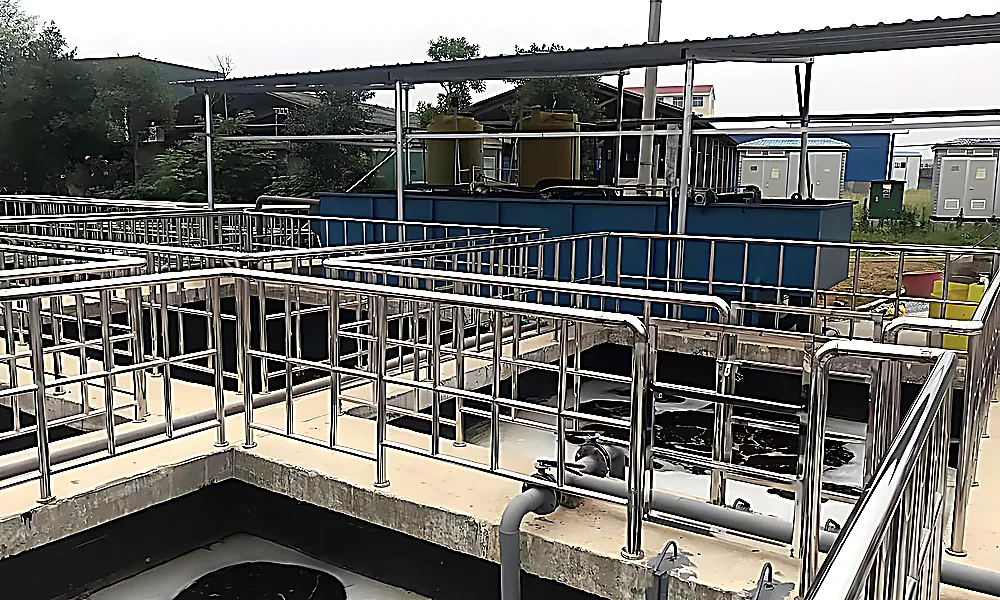
Solid-liquid separation serves as the frontline defense in the design of wastewater treatment equipment for livestock farming. Raw manure slurry carries high concentrations of suspended solids, fiber, and bound organics. Removing these physical solids immediately stabilizes the waste stream, protects downstream pumping infrastructure, and significantly slashes the chemical oxygen demand (COD) before downstream biological processing. We engineer our primary mechanical separation stages to handle heavy slurry influxes while yielding stackable, transportable solids.
Decanter Centrifuges and High-Efficiency Slurry Separators
For operations dealing with fine, colloidal particles—particularly pig farm wastewater—standard gravity screens often fall short. We deploy high-speed decanter centrifuge systems engineered with wear-resistant tungsten carbide coatings along the scroll conveyor flights.
- Continuous High G-Force Clarification: Rapidly spins out microscopic suspended particles down to 5–10 microns, achieving clean liquid clarity.
- Low Slurry Cake Moisture: Produces a discharge cake with 25% to 35% dry matter content, significantly cutting haul-off volume.
- Polymer Dosing Integration: Automated inline flocculant prep units boost capture rates of fine phosphorus and organic nitrogen up to 90%.
- Enclosed Emissions Control: Sealed construction minimizes airborne ammonia, integrating directly with our specialized animal facility odor control equipment to maintain clean working air across the separation pad.
Mechanical Screw Press and Sieve Drum Systems
Cattle farm wastewater and beef cattle farming wastewater demand heavy-duty mechanical dewatering due to long, fibrous feed residues and bedding material. We design mechanical screw presses and rotary sieve drum units to balance high volumetric throughput with low energy usage.
| Feature | Sieve Drum Screen | Heavy-Duty Screw Press |
|---|---|---|
| Primary Target | High-volume free water removal | High-pressure mechanical dewatering |
| Ideal Waste Stream | Flush manure, dairy yard washdown | Scraped feedlot manure, thick slurry |
| Screen Material | 304/316L Stainless Steel Wedge Wire | Reinforced slotted or drilled screen basket |
| Dry Matter Output | 12% – 18% dry solids | 28% – 38% dry solids |
| Maintenance Profile | Continuous self-cleaning spray bars | Replaceable flights and screen cylinders |
Our screw presses utilize variable-pitch flighting and weighted discharge cones. This dynamic back-pressure design creates a continuous, high-density plug of manure fiber, pressing out free and interstitial liquid without jamming on irregular feed fibers.
Sedimentation Basins and Grit Removal Units
Livestock and poultry farming wastewater contains stubborn inorganic grit, hoof sand, and fine feed sediment. If left unchecked, these abrasive solids quickly settle in anaerobic digesters and ruin downstream pump impellers.
We integrate automated sedimentation tank basins and vortex grit separators right after mechanical screening:
- Vortex Flow Dynamics: Induces rotational liquid velocity to spin sand and heavy mineral grit to the bottom sump while keeping light organics in suspension.
- Automated Grit Extraction: Heavy-duty shaftless grit screws periodically elevate abrasive slurry out of the basin into dewatering hoppers.
- Surface Scum Collection: Integrated skimming flights sweep floating silage particles, fats, and oils away from the clarified effluent outlet.
This multi-tiered physical pre-treatment preserves pump life and guarantees that subsequent biological stages receive a consistent, manageable liquid stream.
Biological Treatment System and Reactor Design
Biological degradation is the core stage in the design of wastewater treatment equipment for livestock farming. Raw livestock and poultry farming wastewater carries massive chemical oxygen demand (COD), biochemical oxygen demand (BOD), and high ammonia-nitrogen concentrations. We design our biological reactor stages to break down dissolved organic fractions, stabilize raw digestate, and eliminate pathogens safely. Aligning the right hydraulic retention times with high-efficiency microbial cultures ensures our systems maintain operational stability across changing weather conditions and variable farm loading rates. Implementing proven cattle and pig farm wastewater treatment methods allows operators to balance these organic loads while keeping energy demands low.
Anaerobic Digesters and Biogas Recovery Equipment
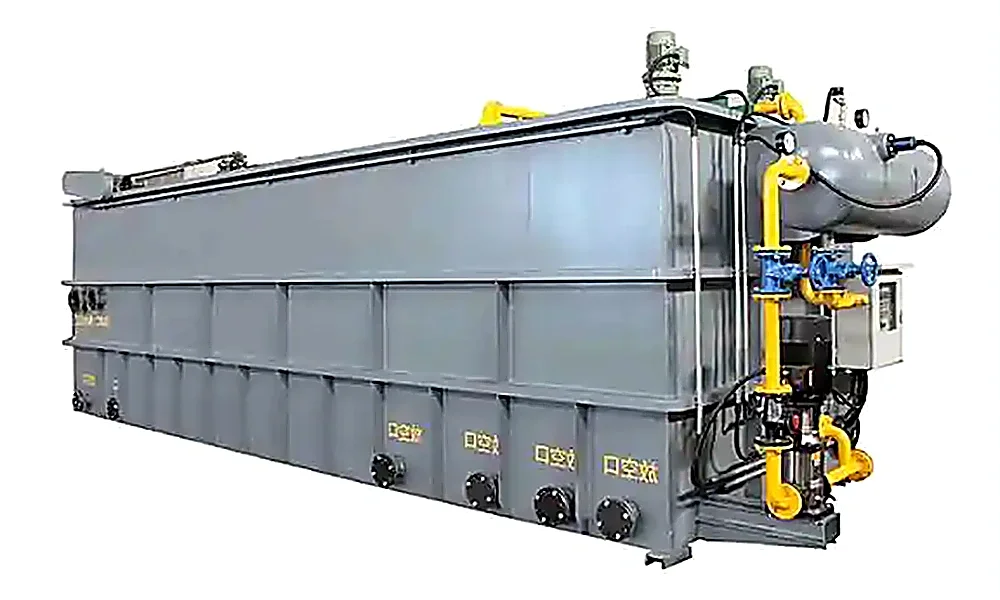
Anaerobic digestion serves as the primary heavy-load breakdown phase for high-strength manure slurries. We engineer enclosed continuous stirred-tank reactors (CSTR) and upflow anaerobic sludge blanket (UASB) systems to handle concentrated organic waste without clogging:
- Mechanical Agitation: Slow-speed, high-torque central mixers break surface scum blankets and maintain homogeneous slurry contact.
- Thermal Control Units: Integrated external heat exchangers and internal heating jackets maintain optimal mesophilic (35°C to 38°C) or thermophilic (50°C to 55°C) environments year-round.
- Gas Safety Infrastructure: Every biogas reactor includes multi-stage biological desulfurization, ceramic moisture separators, dual-diaphragm gas holders, and positive-pressure relief vents to produce clean, usable fuel.
Aerobic Aeration Tanks and Sequencing Batch Reactors (SBR)
Following anaerobic breakdown, the wastewater moves to aerobic treatment to oxidize remaining organics, strip out volatile odors, and achieve deep nitrogen removal. We design our aeration systems with flexibility to match fluctuating barn discharge volumes:
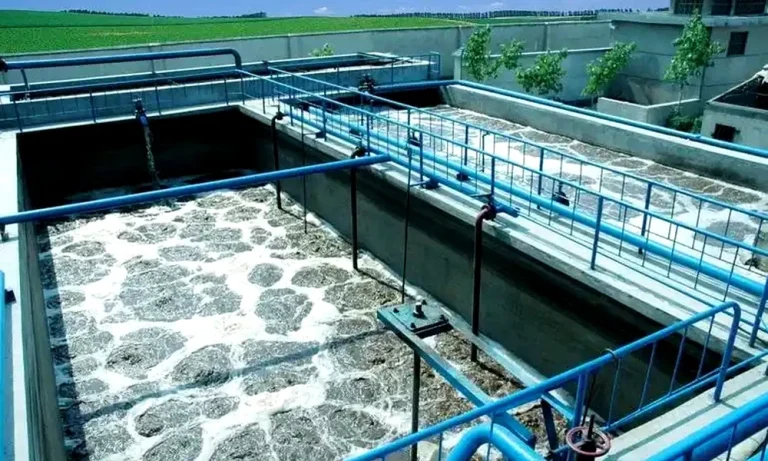
- Sequencing Batch Reactors (SBR): Ideal for batch washdowns from pig farm wastewater and beef cattle farming wastewater operations. The automated fill-react-settle-decant cycle provides built-in nitrification and denitrification without requiring external clarifiers.
- Fine-Bubble Diffuser Grids: High-density EPDM or silicone membrane diffusers maximize oxygen transfer efficiency (OTE) while keeping blower energy consumption low.
- Dissolved Oxygen (DO) Modulation: Real-time DO and ORP (oxidation-reduction potential) feedback loops regulate variable-frequency blowers to prevent over-aeration and trim daily utility bills.
Membrane Bioreactor (MBR) Integration for Effluent Polishing
For operations requiring water reuse or stringent environmental discharge compliance, we integrate an advanced MBR membrane bioreactor unit directly into the secondary polishing stage.
- Complete Sludge-Water Separation: Hollow fiber or flat sheet PVDF membrane barriers replace conventional secondary sedimentation tanks, cutting facility footprints by up to 50%.
- Pathogen Elimination: Pore sizes ranging from 0.04 to 0.1 microns effectively block suspended solids, particulate phosphorus, and biological pathogens, delivering reliable E. coli treatment.
- Automated Clean-in-Place (CIP): Programmed backwash cycles with automated chemical dosing clear biofouling layers instantly, prolonging module lifespan and delivering clean water ready for barn flushing or field irrigation.
Sludge Dewatering and Nutrient Recovery Systems
Effective sludge handling defines the operational efficiency in the design of wastewater treatment equipment for livestock farming. When managing high-load livestock and poultry farming wastewater, dewatering turns heavy slurry into compact solid cakes while isolating concentrated nutrients for reuse. We engineer our dewatering systems to reduce handling volume, curb hauling expenses, and extract valuable organic components directly on-site.
Sludge Conditioning and Thickening Equipment
Raw manure slurry requires precise conditioning before mechanical squeezing. Without proper pre-conditioning, biological flocs blind filter media and slow down throughput.
- Flocculant Dosing Systems: Automated chemical preparation units introduce precise polymer blends to bind fine suspended solids into shear-resistant flocs.
- Rotary Drum Thickeners: High-throughput thickening units that increase sludge solid content from 1–2% up to 6–8% prior to pressing, slashing the hydraulic volume entering downstream units.
- Static Gravity Thickeners: Low-energy settling tanks optimized for high-volume pig farm wastewater and cattle farm wastewater streams.
| Equipment Type | Sludge Input Consistency | Target Output Consistency | Best Use Case |
|---|---|---|---|
| Rotary Drum Thickener | 0.5% – 2.0% DS | 5% – 8% DS | Continuous biological sludge dewatering |
| Flocculation Reactor | In-line chemical feed | Fully aggregated flocs | Pre-treatment for all mechanical presses |
| Gravity Belt Thickener | 1.0% – 3.0% DS | 6% – 9% DS | High-volume primary cattle manure slurry |
Plate-and-Frame and Belt Filter Press Integration
The selection of mechanical presses dictates the final moisture content of separated solids. We pair high-throughput continuous units with heavy-duty batch compression equipment to balance operational scale and dryness requirements. Integrating these presses alongside modern integrated sewage treatment equipment ensures seamless transitions between liquid clarification and solids dewatering.
- Continuous Belt Filter Presses: Designed for continuous operation with low energy consumption. Heavy-gauge stainless steel rollers gradually increase mechanical pressure over a porous belt, achieving 20% to 25% dry solids.
- Plate-and-Frame Filter Presses: Hydraulic closing systems apply up to 16 bar of chamber pressure to compact dense, difficult slurries. They deliver solid cakes exceeding 30% to 40% dry solid content, eliminating drip during storage and transport.
- Corrosion-Proof Components: Wetted parts and frames use 304 or 316 stainless steel to withstand harsh ammonia and volatile fatty acids found in agricultural byproducts.
Composting Preparation and Organic Fertilizer Production Units
Dewatered cake contains high concentrations of organic nitrogen, phosphorus, and potassium. We design the back end of the sludge line to prep these solids directly for commercial organic fertilizer manufacturing or controlled on-farm composting.
- Moisture Balancing & Blending: Automated paddle mixers blend dewatered farm manure cakes with dry carbonaceous bulking agents, such as chopped straw or sawdust, targeting an optimal 55% to 60% moisture content.
- In-Vessel Aerobic Fermentation Units: Insulated, forced-aeration reactors accelerate thermophilic decomposition, neutralizing weed seeds and enteric pathogens while retaining crucial plant nutrients.
- Screening and Granulation: Rotary screens separate oversize particles, sending refined, pathogen-free composted material downstream for pelletizing and dry bagging.
Critical Engineering and Operational Design Parameters
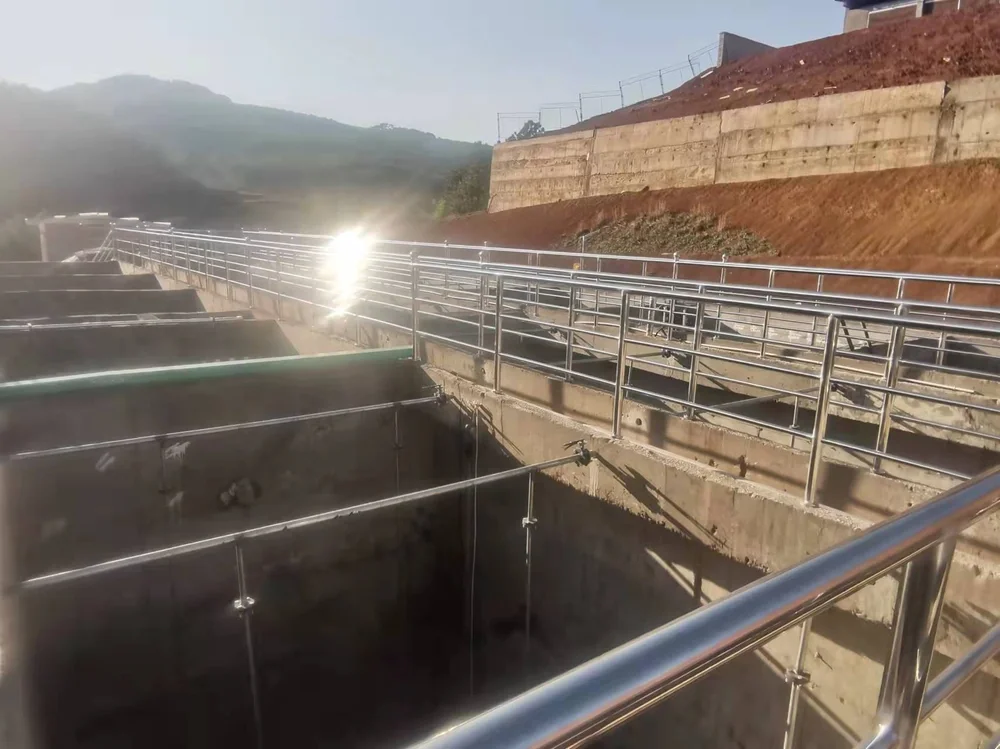
We engineer our wastewater treatment equipment for livestock farming to withstand aggressive operational conditions, high solids loads, and acidic environments. Getting the core engineering parameters right ensures constant treatment efficiency, protects mechanical units, and keeps maintenance costs predictable over the equipment lifecycle.
Corrosion and Abrasion Resistant Material Selection
Livestock and poultry farming wastewater carries high concentrations of sand, bedding grit, ammonia, and hydrogen sulfide. These compounds rapidly corrode standard metals and erode moving parts. We configure each component with targeted metallurgy and durable surface coatings:
| Component | Standard Material | Heavy-Duty Upgrade | Target Threat |
|---|---|---|---|
| Separator Screws & Flights | 304 Stainless Steel | 316L SS + Tungsten Carbide Coating | Sand abrasion, extreme friction |
| Wedge Wire Screens | 304 Stainless Steel | 316 Stainless Steel | Chemical pit corrosion, blind plugging |
| Reactor Vessels & Wet Wells | Epoxy-Coated Carbon Steel | FRP (Fiberglass) / 304 SS Lining | Acidic digestate, biogenic H2S corrosion |
| Transfer Piping & Manifolds | Schedule 80 PVC | HDPE (High-Density Polyethylene) | Slurry scouring, chemical scale buildup |
Hydraulic Retention Time (HRT) and Organic Load Capacity
Cattle farm wastewater and swine slurries present massive spikes in biological oxygen demand (BOD) and chemical oxygen demand (COD). We tailor system dimensions around strict retention parameters to avoid biological washouts and process failures:
- Anaerobic Digestion Units: We calibrate the HRT between 15 to 30 days depending on climate and farm scale, accommodating organic loading rates up to 6–10 kg COD/m³/day.
- Aerobic Polishing Tanks: Engineered with 24 to 48 hours of HRT to strip residual ammonia and bring dissolved solids within local release thresholds.
- Equalization Basins: Sized to store a minimum of 24 hours of peak barn washdown discharge, absorbing hydraulic surges before primary screening.
Automated PLC Control Systems and Monitoring Sensors
Modern environmental protection facilities for livestock and poultry farming cannot rely on manual adjustments. We build our equipment with fully automated, PLC-driven electrical architectures to maintain closed-loop control:
- Integrated Inline Sensors: Continuous monitoring of dissolved oxygen (DO), oxidation-reduction potential (ORP), pH, temperature, and sludge blanket depth.
- VFD-Driven Pumps and Blowers: Variable frequency drives automatically match aerator output and transfer speeds to real-time incoming organic loads.
- Automated Alarms and Remote Access: Cloud-linked SCADA and mobile interfaces send instantaneous alerts for motor overload, filter blinding, or pump faults.
Enclosed Ventilation and Odor Control Systems
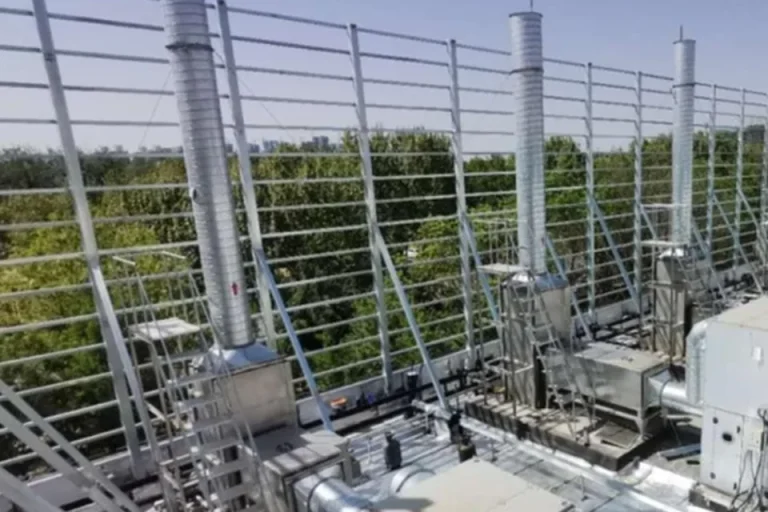
Raw manure lagoons and screening areas generate high concentrations of ammonia, mercaptans, and volatile organic compounds (VOCs). We enclose all pre-treatment and primary screening zones under continuous negative air pressure to eliminate fugitive emissions.
Applying proven methods for odor control in animal facilities, we run collected gases through multi-stage bio-trickling filters and chemical scrubbers. This setup neutralizes hazardous gas streams, safeguards equipment electronics from sulfur decay, and protects neighboring air quality.
Custom Equipment Configurations by Livestock Farming Sector
Different animal operations produce vastly distinct waste profiles, which makes a universal setup ineffective. We engineer the design of wastewater treatment equipment for livestock farming to match the exact organic load, fiber content, and liquid volume of each specific sector.
High-Concentration Swine Farm Wastewater Systems
Pig farm wastewater features extremely high COD, dissolved ammonia, and fine organic particles. For these operations, we configure automated multi-stage setups designed to handle heavy biological loads without clogging:
- High-Torque Solid-Liquid Separation: Screw presses and decanter centrifuges remove fine fecal solids upfront, cutting the downstream organic burden by up to 40%.
- High-Rate Anaerobic Digestion: Enclosed biogas reactors stabilize high-strength dissolved organics while capturing methane for farm energy.
- Denitrification Loops: Dedicated anoxic-aerobic biological systems break down extreme ammonia-nitrogen levels, ensuring livestock and poultry farming wastewater meets local runoff standards.
High-Solid Dairy and Cattle Manure Management Units
Dairy and beef cattle farming wastewater contains large volumes of fibrous cud, grit, and straw bedding. Standard pumps and reactors quickly fail under this type of abrasion, so our equipment configurations prioritize heavy-duty mechanical separation:
- Rotary Drum Screening & Grit Traps: Robust screens capture coarse fibers and sand before slurry reaches transfer pumps.
- Roller-Press Separators: High-pressure dewatering squeezes manure solids to low moisture levels, turning them into stackable organic solids ready for bedding reuse or composting.
- Secondary Settling Lagoons: Overflow liquid moves into continuous-flow settling tanks to clear remaining suspended matter before field irrigation or nutrient recycling.
Poultry Slaughter and Farm Washdown Water Solutions
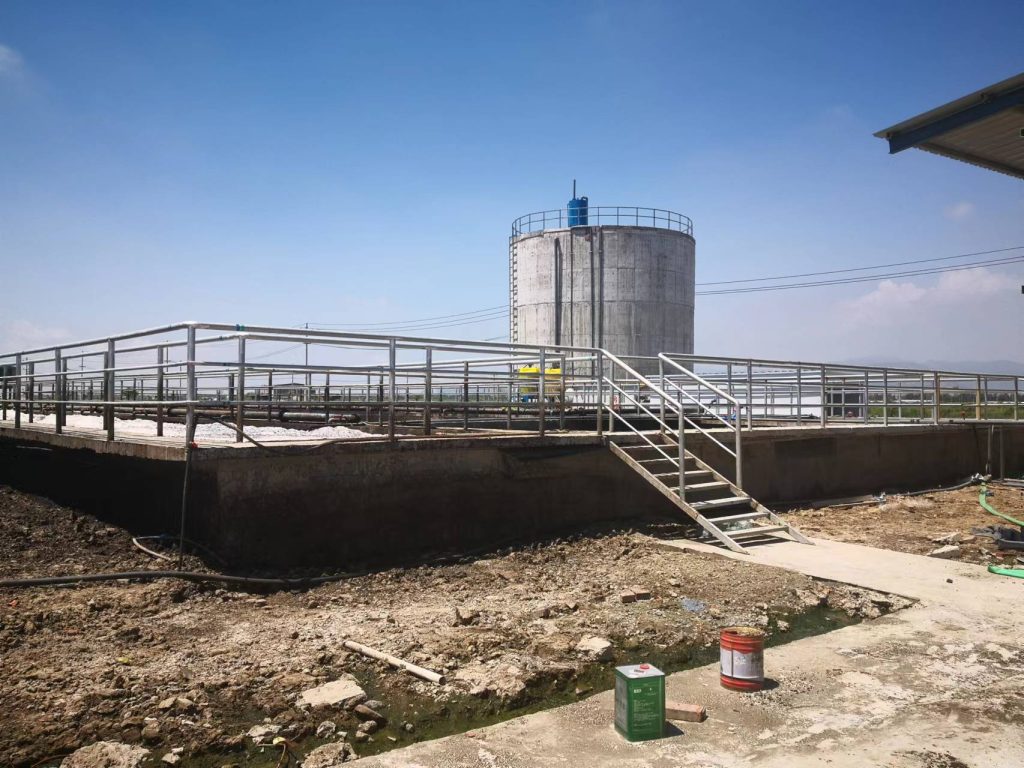
Poultry farming generates intermittent, high-volume washdown surges loaded with feathers, blood, fats, and residual pathogens like E. coli. Treating this waste requires rapid physical separation followed by targeted disinfection.
Our customized systems combine fine-mesh wedge wire rotary screens with dissolved air flotation (DAF) units to strip out suspended greases and proteins. Applying the principles detailed in our wastewater treatment process for slaughterhouses guide, we balance chemical flocculation with compact biological reactors to neutralize organic wash waters efficiently before final discharge.
Selection Criteria and Regulatory Compliance
Selecting the right wastewater treatment equipment for livestock farming comes down to matching physical farm dynamics with environmental mandates. We engineer our treatment systems to balance hydraulic limits, operating budgets, and environmental discharge requirements without unnecessary mechanical complexity.
Sizing Equipment to Herd Scale and Daily Flow Volume
Accurate sizing starts with daily manure output, washdown volumes, and bedding management rather than nominal animal counts alone. Proper engineering requires sizing equipment around peak hydraulic flow and maximum organic mass load:
- Pig farm wastewater: Characterized by high-frequency washdown cycles and elevated nitrogen levels. Systems require high-capacity equalization basins and continuous solid-liquid separation units sized for peak flush intervals to prevent downstream process overloading.
- Dairy and cattle farm wastewater: High fiber content and heavy solids demand heavy-duty mechanical screening and robust separators capable of handling dense slurries without blinding.
- Hydraulic surges: Primary buffer tanks and pump stations are calibrated to dampen sudden spikes, providing a steady feed rate into downstream anaerobic and aerobic units.
Energy Consumption and Operational Lifecycle Cost Evaluation
Long-term operating expenses (OPEX) often exceed initial capital investments (CAPEX). In our equipment design, we prioritize low-energy operation and durable wear parts to ensure predictable lifecycle costs:
- Gravity-driven flow profiles: Hydraulic steps are utilized wherever site elevations allow, reducing pump runtimes and continuous electrical draw.
- Variable-frequency drives (VFDs): Motors for aeration blowers, decanters, and feed pumps adjust output to real-time loading, cutting unnecessary power usage during low-flow hours.
- Wear-resistant components: Slurry contact points utilize abrasion-resistant alloys and heavy polymer coatings, extending service intervals and reducing maintenance frequency in aggressive farm environments.
Discharge Compliance and Agricultural Water Reuse Standards
Modern environmental protection facilities for livestock and poultry farming must satisfy strict regional discharge limits or prepare effluent for safe land application. Just as downstream processing facilities follow defined protocols—seen in detailed meat processing wastewater treatment workflows—livestock operations must ensure disciplined nutrient and solids removal:
- Nutrient and pathogen control: Effective reduction of chemical oxygen demand (COD), biological oxygen demand (BOD), total nitrogen, and phosphorus prevents soil saturation and groundwater contamination.
- Sanitization and pathogen mitigation: Clarified effluent is treated to suppress pathogens, including systematic E. coli treatment, making treated water safe for crop fertigation or facility washdown.
- Recycling standards: Polished effluent can be routed back into initial barn flushes or stored in holding lagoons for seasonal agronomic irrigation, turning a regulatory burden into a closed-loop farm resource.