Environmental protection equipment supplier

How to Treat Hotel Linen Laundry Wastewater
Understanding Hotel and Inn Linen Laundry Wastewater
Managing the effluent generated from hotel and inn linen laundering requires a precise understanding of its chemical and physical profile. Industrial laundry effluent produced from cleaning bedsheets, pillowcases, bath towels, and dining linens contains elevated levels of thermal energy, chemicals, and organic matter that cannot be directly discharged into municipal infrastructure without prior treatment.
Key Characteristics and Pollutants (Surfactants, Oils, and Lint)
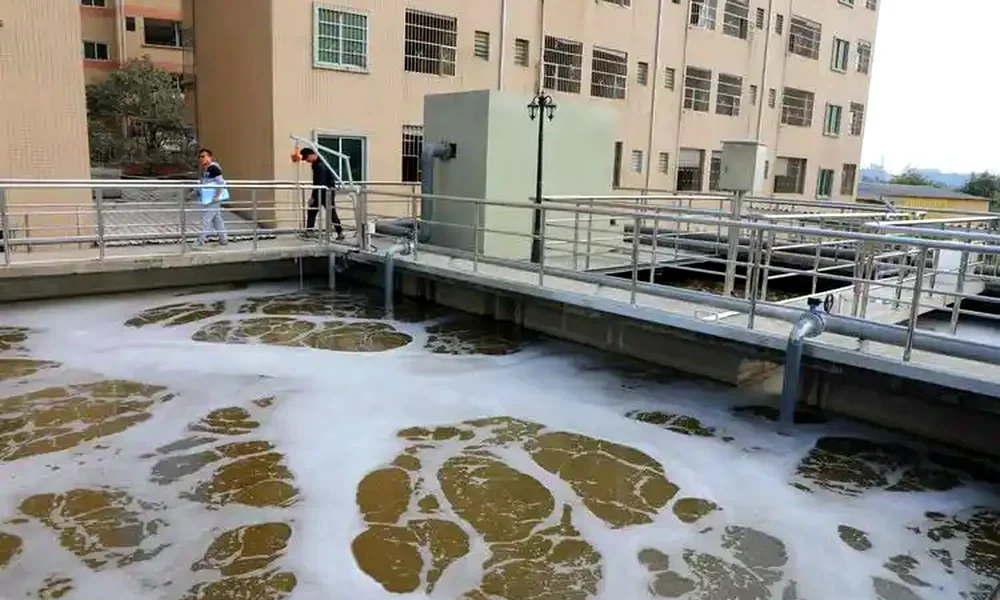
Linen-washing wastewater carries a high contamination load resulting from cleaning agents, fabric degradation, and soil residues. Key parameters that characterize this waste stream include:
- Linear Alkylbenzene Sulfonates and Surfactants: Commercial detergents release high concentrations of non-ionic and anionic surfactants. These compounds create persistent foam, elevate Chemical Oxygen Demand (COD), and inhibit standard biological treatment processes if not balanced.
- Textile Fibers and Free Lint: Repeated washing and rinsing break down cotton and synthetic textiles, shedding dense loads of microfibers and suspended lint. Unchecked lint causes mechanical blockages across standard drainage lines, valve seats, and downstream pumps.
- Fats, Oils, and Greases (FOG): Linens from hospitality suites, spa facilities, and associated dining halls transfer body oils, massage creams, cosmetics, and food oils directly into the wash stream, creating stable emulsions.
- Alkaline Builders and Bleaching Agents: The extensive use of sodium hydroxide builders, hydrogen peroxide, and chlorine bleaches results in elevated pH swings, typically ranging between 9.0 and 12.0, along with high residual salt contents.
- Organic Load (COD/BOD): High Biochemical Oxygen Demand (BOD) and COD levels originate from soil, skin cells, perspiration, and residual laundry formulations.
| Contaminant Parameter | Typical Untreated Level | Operational Impact |
|---|---|---|
| Chemical Oxygen Demand (COD) | 800 – 2,500 mg/L | High oxygen depletion; triggers environmental non-compliance |
| Total Suspended Solids (TSS) | 200 – 600 mg/L | Pipe fouling, pump clogging, and downstream membrane abrasion |
| Surfactants (MBAS) | 30 – 150 mg/L | Severe foaming issues and aquatic toxicity |
| Oil & Grease (FOG) | 50 – 200 mg/L | Membrane fouling and inhibition of biological activity |
| pH Range | 8.5 – 11.5 | Equipment corrosion and regulatory surcharge penalties |
Environmental Regulations and Commercial Discharge Limits
Municipal utilities enforce stringent wastewater acceptance standards for commercial facilities. Discharging untreated linen-laundering effluent leads to severe municipal surcharges, regulatory penalties, or total operational shutdowns due to the following regulatory constraints:
- Sewer Surcharge Thresholds: Local authorities charge premium rates when commercial effluents exceed benchmark limits for BOD, COD, and TSS.
- Strict Surfactant and pH Limits: Direct discharge guidelines enforce strict limits on surfactant concentrations (frequently below 5 to 10 mg/L) and mandate a neutralized pH range between 6.5 and 8.5 to prevent sewer corrosion.
- Temperature Restrictions: Thermal discharge regulations mandate cooling down high-temperature rinse-water discharges prior to entering public sewer mains.
- Trace Chemistry Compliance: Residual chlorine and phosphorus-based builders are regulated under local environmental statutes to prevent waterway eutrophication and ecosystem degradation.
Properly treating hotel and inn laundry wastewater guarantees full regulatory compliance, mitigates sewer penalty risks, and establishes the foundation for closed-loop water reuse systems.
Primary Treatment: Physical and Chemical Pre-Treatment
Addressing hotel and inn linen-washing wastewater begins with primary physical and chemical conditioning. Laundering bed sheets, towels, and uniforms releases large volumes of lint, body oils, detergents, and dirt in short, intense discharge cycles. Our primary treatment stage removes coarse solids, stabilizes erratic flows, and chemically prepares industrial laundry effluent for downstream purification.
Screening and Lint Removal Systems
The first line of defense focuses on capturing suspended textile fibers and gross solids before they clog pumps or foul downstream membranes.
- Rotary Drum Screens: Fine wedge-wire rotary screens automatically filter out continuous loads of lint, hair, and fabric threads down to 0.5–1.0 mm.
- Flow Equalization Tanks: Hotel laundry operations discharge in heavy batches between wash and rinse steps. We use equalization tanks equipped with mechanical mixers to balance fluctuating water volumes, buffer thermal spikes from hot wash cycles, and create a uniform influent stream.
Coagulation, Flocculation, and pH Neutralization
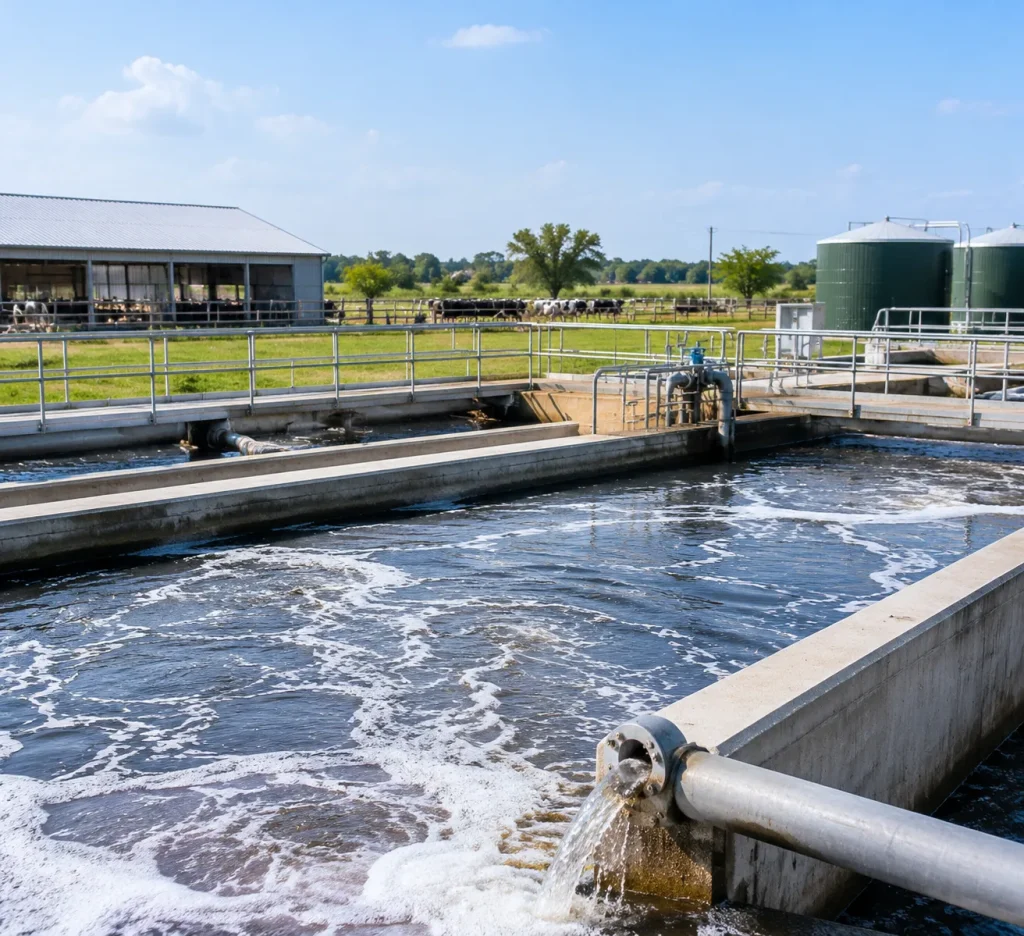
Laundering chemicals create stable emulsions of oils, soil, and synthetic detergents that cannot be separated by physical filtering alone. Chemical conditioning breaks these bonds to make surfactants removal straightforward:
- pH Adjustment: Alkaline wash chemicals frequently push wastewater pH above 9 or 10. Automated dosing units add acid or neutralizing agents to bring the water into an optimal neutral range (pH 6.5–7.5).
- Coagulation: Dosing polyaluminum chloride (PAC) or ferric salts neutralizes the negative surface charges of detergent micelles and colloidal particles, destabilizing the suspension.
- Flocculation: Polymer flocculants (PAM) bridge the destabilized particles together, gathering tiny suspended solids into dense, easily separable flocs.
Dissolved Air Flotation (DAF) for Fats, Oils, and Suspended Solids
Once flocs form, our Dissolved Air Flotation (DAF) units deliver rapid clarification for lightweight contaminants. DAF systems introduce millions of pressurized micro-bubbles into the conditioned stream:
- Bubble Attachment: Micro-bubbles adhere to the flocculated particles, emulsified cosmetics, and body oils, lifting them quickly to the liquid surface.
- Surface Skimming: Continuous scraper blades sweep the concentrated oily scum into an external sludge hopper, preventing sediment accumulation.
- High Clarification Efficiency: A properly managed DAF system strips out over 85% to 90% of total suspended solids (TSS) and a major fraction of insoluble chemical oxygen demand (COD), leaving a clean stream ready for biological decomposition.
Secondary Treatment: Biological Wastewater Solutions
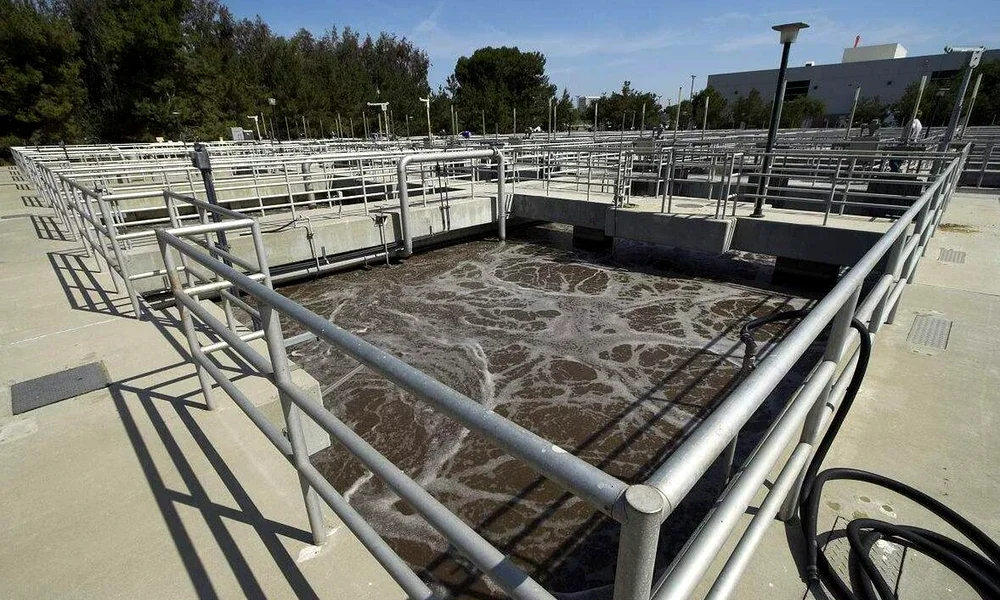
Once physical screening and chemical separation remove the bulk lint, grease, and suspended solids, the focus shifts to dissolved organic matter. Linen-washing wastewater carries substantial dissolved BOD, COD, and residual detergents that simple filtration cannot catch. We rely on biological secondary treatment to break down these dissolved compounds, ensuring effective surfactants removal before final discharge or reclamation.
Membrane Bioreactor (MBR) Systems
For high-volume hotel laundry operations, we engineer our MBR membrane bioreactor systems to replace conventional secondary clarifiers entirely. By pairing an active aerobic biological process directly with submerged microfiltration or ultrafiltration membranes, the system delivers exceptional treatment stability.
- Compact Footprint: Eliminates the need for separate settling tanks, cutting required plant space by over 50%.
- Superior Effluent Quality: Consistently separates biomass from treated water, producing a virtually silt- and bacteria-free permeate.
- Direct Reuse Ready: The clarified water provides ideal feed quality for downstream reverse osmosis or direct rinse water recovery loops.
- High Sludge Age: Retains slow-growing microorganisms that target hard-to-degrade surfactants found in commercial detergents.
Sequencing Batch Reactor (SBR) Technology
Hotel laundry cycles generate intermittent, surge-heavy discharge patterns. SBR technology manages these fluctuations through a timed-sequence approach within a single reactor basin. The entire cycle—filling, aeration, settling, and decanting—takes place sequentially in one tank.
- Built-in Equalization: Handles fluctuating batch discharges from industrial laundry effluent without disrupting biological activity.
- Simplified Layout: Removes the need for external secondary clarifiers and continuous return sludge pumping.
- Operational Flexibility: Cycle times and aeration rates can be adjusted electronically based on seasonal linen volume shifts.
Fixed Bed Biofilm Reactor (FBBR)
When daily maintenance needs to remain minimal, we deploy fixed-film technology. An FBBR system houses stationary, structured media within the aeration tank, giving bacteria a stable surface to grow as a dense, protective biofilm.
- Shock Load Resistance: Fixed biomass resists washouts caused by sudden surges in residual laundry bleaches, sours, or temperature spikes.
- Low Sludge Yield: Produces less excess biological sludge than standard suspended-growth systems, reducing routine dewatering and hauling costs.
- Continuous Flow Simplicity: Operates reliably on a steady through-flow design without complex automated cycling sequences.
Advanced Treatment and Water Recycling Technologies
When our goal shifts from simple regulatory discharge to complete closed-loop recycling, advanced filtration becomes essential. Linen laundering consumes massive volumes of fresh water daily, but high-end treatment allows us to recover high-quality permeate and route it back into primary wash cycles. Integrating advanced water reuse systems cuts reliance on municipal water lines and drastically reduces discharge surcharges.
Ultrafiltration (UF) for High-Efficiency Clarification
Ultrafiltration acts as the primary barrier against fine suspended matter, colloidal solids, and macromolecular organics that bypass upstream biological systems:
- Sub-Micron Filtration: Utilizing membrane pore sizes between 0.01 and 0.1 microns, UF units remove fine lint, residual emulsified oils, and trace bacteria.
- Membrane Protection: UF provides consistent silt density index (SDI) reduction, protecting downstream spiral-wound elements from foulants.
- Rinse Water Recovery: Clarified effluent easily meets the cleanliness benchmark needed for initial wash cycles and non-critical utility applications.
Reverse Osmosis (RO) Membrane Filtration for Water Reuse
For operations demanding spotless white linens and zero fabric stiffening, reverse osmosis delivers total dissolved solids (TDS) reduction:
- Mineral and Salt Elimination: RO strips out accumulated mineral hardness, sodium salts, and residual surfactants that lead to fabric discoloration or wear.
- Detergent Optimization: Softened RO permeate maximizes the cleaning power of laundry detergents, lowering overall chemical usage per cycle.
- High Recovery Rates: Configured stages deliver high recovery efficiency, turning up to 75% to 80% of wastewater into reusable process water.
Disinfection and Hygiene Control for Reclaimed Water
Hospitality linens require zero biological risks. We safeguard reclaimed water storage using targeted pathogen barriers:
- UV Disinfection: Inline UV reactors eliminate bacteria and viruses without chemical additions, leaving linens completely free from disinfectant odors.
- Secondary Residual Sanitation: Controlled dosing of ozone or chlorine dioxide suppresses bacterial regrowth in storage tanks and circulation loops.
- Automated Monitoring: Real-time conductivity, oxidation-reduction potential (ORP), and turbidity sensors instantly divert out-of-spec batches, protecting laundry inventory.
Benefits of On-Site Linen Laundry Wastewater Treatment
Processing hotel and inn laundry wastewater on-site transforms a heavy utility expense into an operational asset. Instead of constantly discharging thousands of gallons of hot, detergent-heavy water into municipal sewers, properties can purify and reclaim that water directly on premises. Implementing a dedicated on-site system delivers clear operational, financial, and environmental advantages.
| Operational Factor | Direct Sewer Discharge | On-Site Treatment & Water Reuse |
|---|---|---|
| Fresh Water Sourcing | 100% municipal reliance | Up to 70–80% reduction via rinse water recovery |
| Sewer Surcharge Risk | High fees for excess COD, BOD, and surfactants | Minimal to zero discharge penalty costs |
| Thermal Energy Recovery | 100% heat loss down the drain | Reclaims residual heat from warm wash cycles |
| Discharge Compliance | Subject to fluctuating municipal penalties | Consistently within local regulatory standards |
Significant Reduction in Utility and Water Sourcing Costs
Water and sewer bills represent two of the highest utility overheads for commercial hospitality laundries. Treating linen-washing wastewater directly on-site provides immediate fiscal relief:
- Drastic Fresh Water Savings: Utilizing advanced wastewater treatment setups allows facilities to filter out lint, oils, and chemical residues, turning wash effluent into high-grade water suitable for pre-wash and main wash cycles.
- Thermal Energy Preservation: Linen laundering discharges water at elevated temperatures (typically 40°C to 65°C). Reclaiming this water retains latent heat, dramatically lowering the boiler fuel and electricity required to heat incoming fresh water.
- Elimination of Surcharges: Municipalities levy steep penalty rates on commercial laundry effluent containing high concentrations of chemical oxygen demand (COD) and phosphates. On-site purification eliminates these surcharge fees at the source.
Promoting Sustainable and Eco-Friendly Hospitality Operations
Today’s travelers and corporate clients prioritize eco-friendly accommodations. Installing an on-site treatment process elevates a property’s sustainability profile while supporting green building standards:
- Surfactants Removal: Detergents contain surfactants that harm aquatic ecosystems when untreated. On-site biological and filtration processes break down these agents completely before discharge or reuse.
- Support for Green Certifications: Reliable water reuse systems directly contribute points toward global benchmarks such as LEED certification and regional green hospitality ratings.
- Reduced Regional Water Footprint: Reclaiming laundry water buffers the local water grid, particularly in water-stressed tourist destinations and seasonal resort towns.
Ensuring Continuous Environmental Compliance
Local commercial discharge limits are growing stricter, with severe fines for facilities discharging excessive grease, surfactants, and microfibers. Installing dedicated integrated sewage treatment equipment guarantees that wastewater meets or exceeds regulatory guidelines before it ever leaves the property boundary.
Automated equalization, physical lint capture, and multi-stage biological purification neutralize the shock loads common during peak hotel turnover hours. This reliable consistency protects facility operators from surprise regulatory shutdowns, municipal fines, and brand-damaging compliance violations.
How to Select the Right Treatment System for Your Facility
Determining how should wastewater from the laundering of hotel and inn linens be treated requires matching your equipment directly to your operational throughput. Much like planning how should slaughterhouse wastewater be treated under fluctuating processing cycles, properly sizing industrial laundry effluent systems ensures consistent compliance and maximum water reuse.
Assessing Daily Linen Volume and Wastewater Discharge Capacity
We evaluate your wash house dynamics before recommending a treatment setup. Hydraulic sizing depends directly on linen volume and machine wash sequences.
- Peak discharge tracking: Washing machines dump high volumes in short burst cycles. We incorporate high-capacity flow equalization tanks to buffer hydraulic surges and balance water temperature.
- Pollutant loading calculation: Linen-washing wastewater carries heavy surfactant loads, lint, and chemical oxygen demand (COD). Accurate mass balance testing determines exact chemical dosing and aeration volumes.
- Recovery target: Determine whether the goal is straightforward sewer compliance or comprehensive wastewater recovery to cut municipal water intake by up to 80%.
Modular and Containerized “Plug and Play” Systems
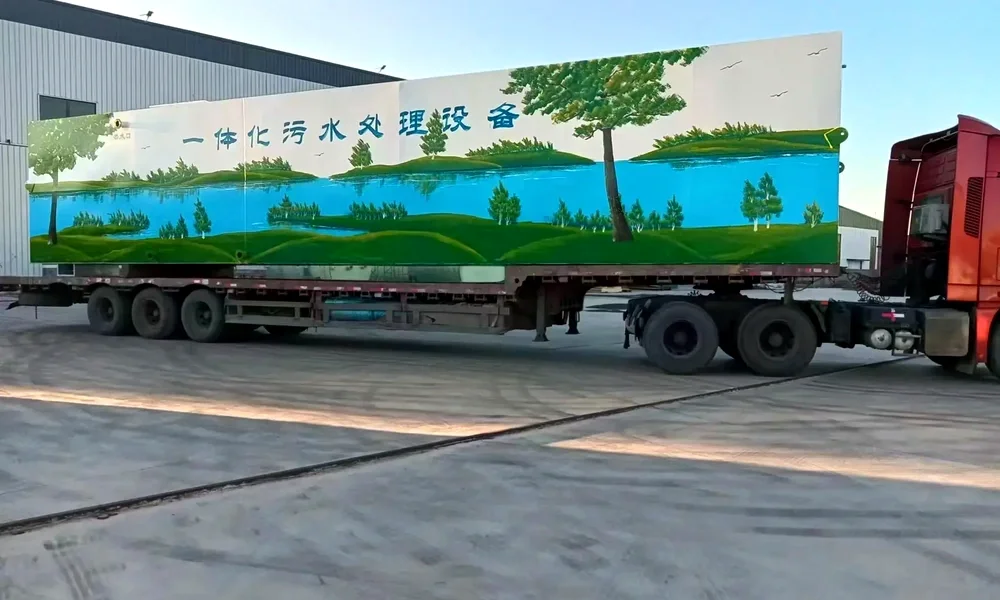
For hotels and inns with space constraints, containerized units eliminate lengthy civil engineering projects. We build pre-engineered, skid-mounted systems that arrive fully plumbed and wired for rapid deployment.
| Facility Scale | Daily Linen Weight | Recommended Core Setup | Key Treatment Goal |
|---|---|---|---|
| Boutique Inn / Small Hotel | < 1,000 kg/day | Screening + DAF + Ceramic Microfiltration | Sewer Discharge Compliance |
| Mid-Size Resort / Commercial Hub | 1,000 – 5,000 kg/day | Rotary Screen + DAF + Membrane Bioreactor (MBR) | Surfactants Removal & Non-Potable Reuse |
| Industrial Laundry Central Plant | > 5,000 kg/day | DAF + MBR + Ultrafiltration + Reverse Osmosis | Total Rinse Water Recovery Loop |
Evaluating Operational Costs, Footprint, and Maintenance Requirements
A reliable system balances initial capital outlay against everyday operational realities:
- Chemical Consumables: Automatic dosing pumps ensure precise coagulant and polymer use for reliable surfactants removal without wasting chemicals.
- Energy Consumption: High-efficiency blowers and variable frequency drives (VFDs) reduce power draws during biological aeration.
- Physical Footprint: Integrated membrane separation units consolidate clarification and filtration into a single compact footprint, preserving valuable operational real estate.
- Automated Maintenance: Automated clean-in-place (CIP) loops and continuous sensor monitoring protect ultrafiltration and reverse osmosis membranes, keeping daily maintenance minimal and straightforward.