Environmental protection equipment supplier

Biotech Animal Facility Odor Control Best Practices
Understanding Odor Sources in Biotech Animal Facilities
Effective odor management in biotechnology vivariums starts with pinpointing where emissions originate. Understanding how odor control should be handled in the animal facilities of a biotechnology enterprise requires identifying the chemical byproducts of animal metabolism and the micro-environments where these compounds accumulate.
Key Gaseous Emissions: Ammonia, VOCs, and Hydrogen Sulfide
Biotech animal housing generates complex gaseous mixtures that degrade indoor air quality and escape into exhaust streams. The primary gaseous culprits include:
- Ammonia (NH3): Generated through the enzymatic hydrolysis of urea by bacterial urease in soiled bedding. Ammonia is light, highly volatile, and acts as a severe mucosal irritant.
- Hydrogen Sulfide (H2S): Produced by anaerobic microbial decomposition of sulfur-containing organic matter, releasing a characteristic pungent, rotten-egg odor even at low concentrations.
- Volatile Organic Compounds (VOCs): Composed of volatile fatty acids, phenols, indoles, and metabolic ketones emitted from animal respiration, glandular secretions, and feces.
- Mercaptans and Amines: Trace organic compounds that carry exceptionally low olfactory detection thresholds, contributing significantly to ambient vivarium foulness.
Soiled Bedding, Cages, and Animal Excrement Accumulation
Primary containment units represent the highest concentration of odor generation inside laboratory animal facilities:
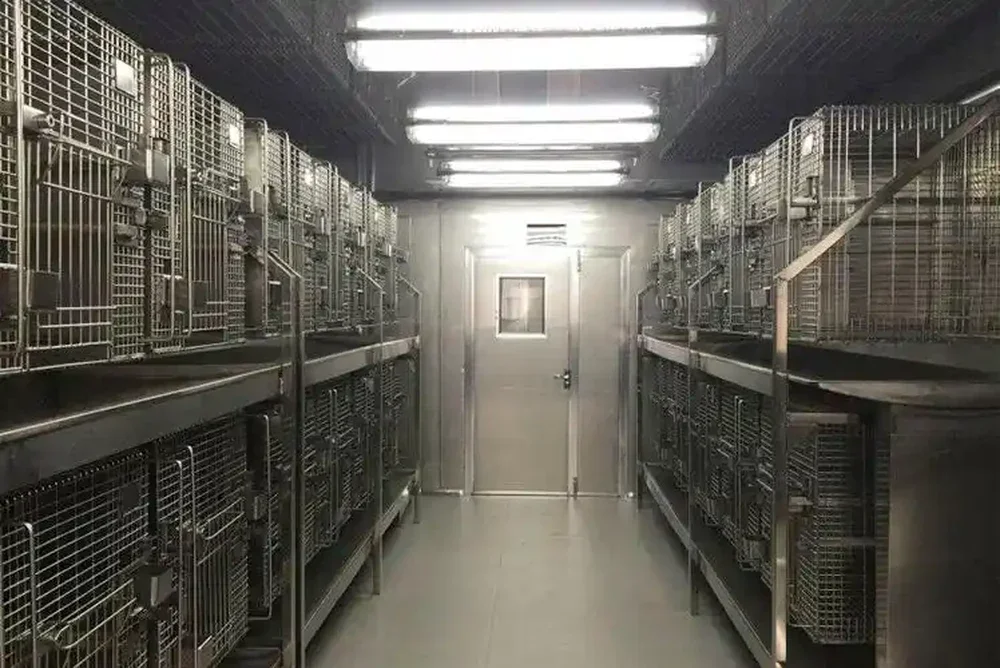
- Micro-Environment Saturation: Cages hold animal feces, urine, and moisture. Once bedding material exceeds its moisture absorption limit, bacterial activity accelerates dramatically, creating concentrated odor pockets.
- Cage Changing Transfers: Odor surges occur when opening micro-isolation cages during routine bedding change-outs and transferring dirty units to the cage washer.
- Waste Holding Stations: Accumulation of used bedding in temporary holding bins or open waste chutes causes localized off-gassing that quickly overwhelms standard room ventilation.
Impact of Odor and Gas Build-up on Animal Welfare and Data Integrity
Uncontrolled gaseous accumulation creates severe physiological and operational consequences:
| Impact Area | Specific Consequences |
|---|---|
| Animal Welfare | Tracheal epithelial damage, rhinitis, mucosal lesions, and elevated stress hormones in rodents. |
| Research Integrity | Altered hepatic enzyme induction, skewed immunological baselines, and erratic behavioral variables that undermine biotechnology trial data. |
| Occupational Health | Worker headaches, eye irritation, olfactory fatigue, and increased risk of laboratory animal allergies (LAA). |
| Regulatory Compliance | Non-compliance with international animal care standards and breaches of local environmental emission thresholds. |
Core HVAC and Ventilation Controls for Vivarium Air Quality
When addressing how odor control should be handled in the animal facilities of a biotechnology facility, the mechanical ventilation system serves as the first and most critical line of defense. Proper HVAC design ensures that gaseous compounds, dander, and odors are captured at the point of origin and exhausted safely before they migrate into clean corridors or administrative zones.
Directional Airflow and Negative Pressure Containment
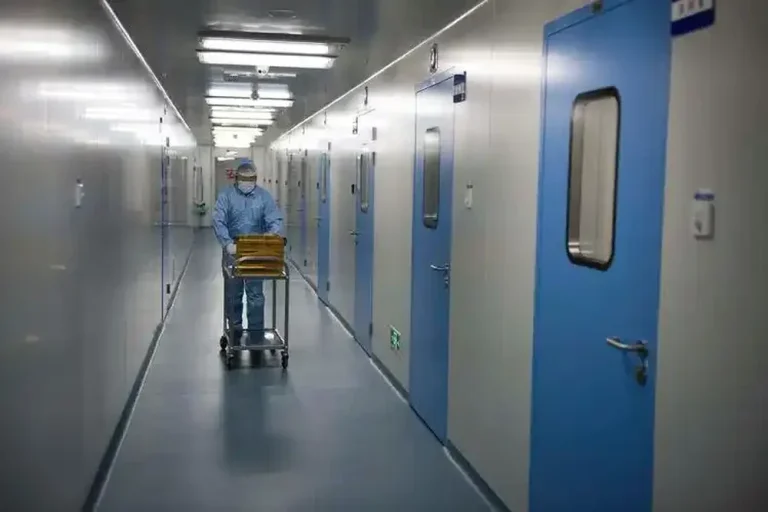
We maintain physical containment across all holding areas by using strictly controlled pressure differentials.
- Negative Pressure Zones: Animal housing rooms, dirty wash areas, and necropsy suites operate under continuous negative pressure relative to adjoining hallways. This draws air inward, preventing fugitive odors from escaping into surrounding spaces.
- Positive Pressure Clean Corridors: Supply corridors are kept positive to push clean air toward the animal rooms, preserving research integrity and personal comfort.
- Airlocks and Pressure Tracking: Differential pressure gauges and fast-acting venturi valves continuously stabilize airflow, even during high-traffic room entries and cage transfer operations.
Implementing engineered containment allows our specialized animal facility odor control equipment to treat high-load exhaust streams effectively at the source.
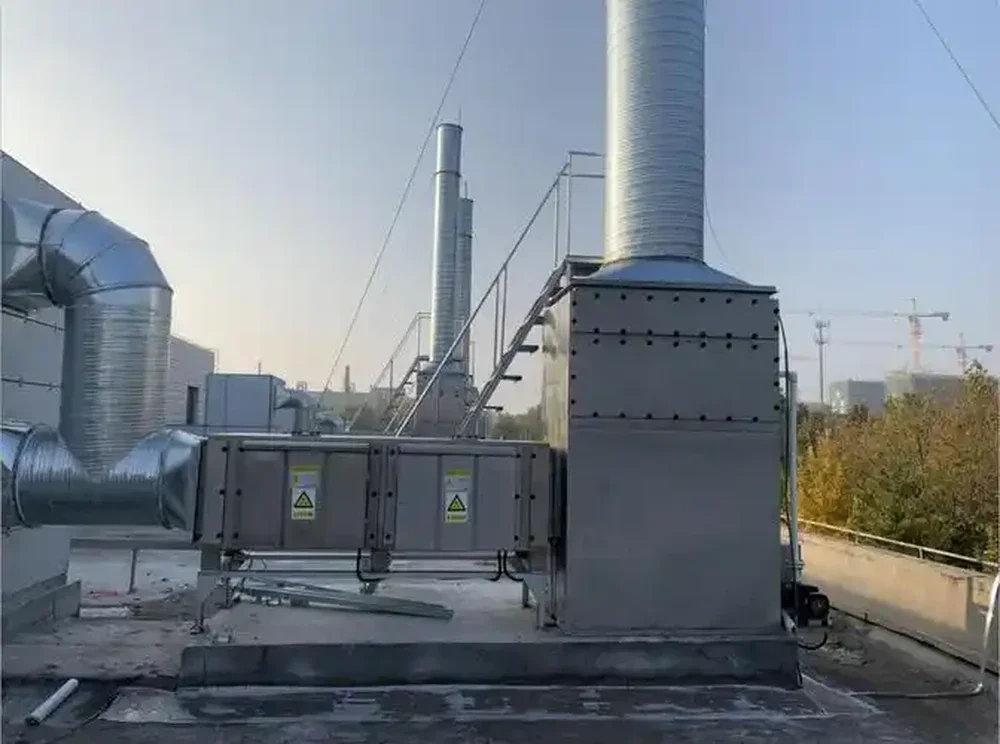
Optimizing Air Change Rates (ACH) in Holding and Procedure Rooms
Air change rates must balance complete odor clearance with animal welfare and operational costs. We size and configure ventilation systems according to specific room load demands:
| Area Type | Recommended Air Changes / Hour (ACH) | Primary Objective |
|---|---|---|
| Rodent Holding (IVC Systems) | 10 to 15 ACH | General room ventilation and heat dissipation |
| Open-Top Caging Rooms | 15 to 20 ACH | Rapid dilution of ammonia and volatile byproducts |
| Procedure & Surgery Suites | 12 to 15 ACH | Particulate dilution and sterile field maintenance |
| Cage Wash & Waste Storage | 15 to 25 ACH | Quick exhaust of heat, humidity, and odor surges |
All systems use 100% single-pass outside air. Recirculation back into animal holding zones is strictly avoided to prevent gas concentrations from compounding.
Activated Carbon and High-Efficiency Particulate Air (HEPA) Exhaust Systems
Effective discharge air treatment relies on a combined mechanical and gas-phase filtration array. Particulates and chemical vapors must be managed in coordinated stages.
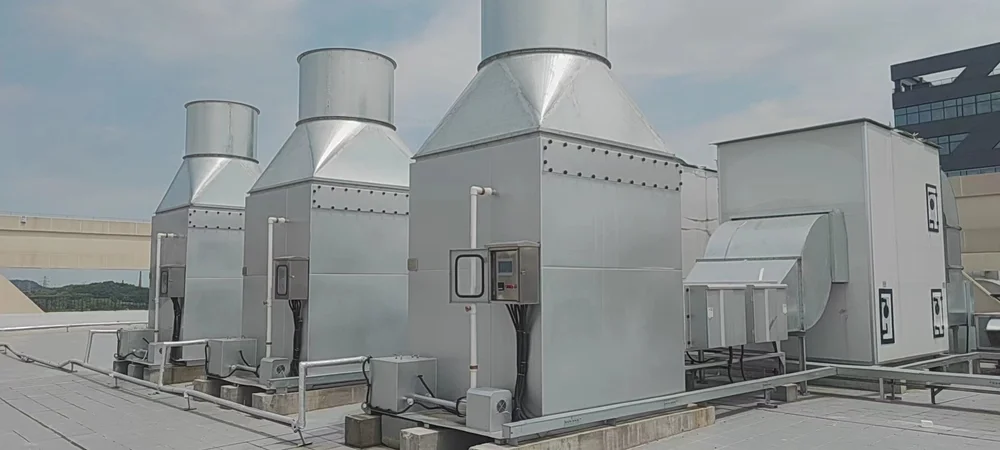
To eliminate both airborne matter and trace gases, we deploy robust methods for deodorizing exhaust air from animal facilities within the air handling sequence:
- Pre-Filtration (MERV 8–13): Intercepts bulk dust, hair, and bedding debris to protect sensitive downstream media.
- HEPA Filtration: Certified 99.97% containment filters catch sub-micron animal dander, allergen proteins, and fine particles carrying odor molecules.
- Deep-Bed Activated Carbon: Virgin activated carbon and chemically impregnated media specifically target volatile organic compounds, ammonia, and hydrogen sulfide.
This multi-stage exhaust train guarantees that discharged air complies with environmental quality standards while keeping surrounding research spaces completely odor-free.
Husbandry Best Practices for Source-Level Odor Management
Controlling emissions at the source is the most reliable way to maintain clean air across modern vivariums. When planning how odor control should be handled in the animal facilities of a biotechnology campus, we focus on containing gases before they diffuse into procedure rooms, hallways, and service corridors.
Cage Changing Protocols and Micro-Isolation Housing Systems
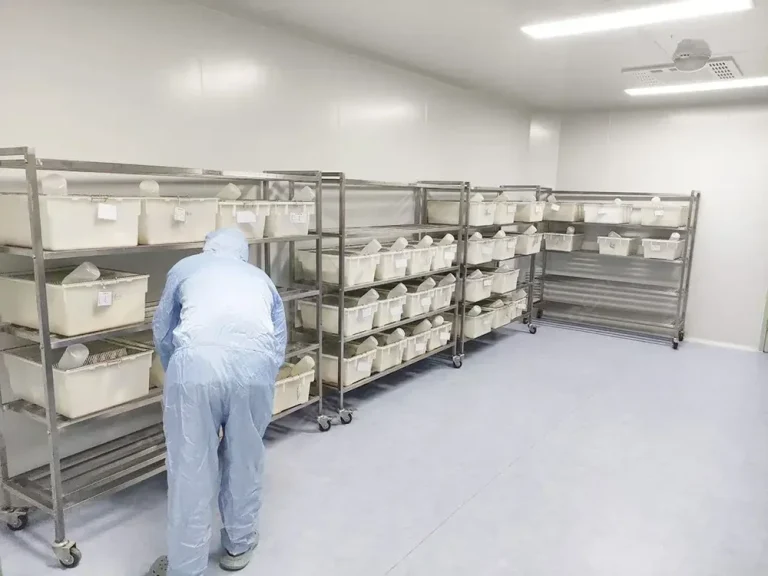
Modern biotechnology facilities rely heavily on Individually Ventilated Cage (IVC) racks and micro-isolation systems to trap airborne contaminants at the animal level. We configure these systems to exhaust directly into facility ductwork, preventing ammonia, moisture, and dander from entering the ambient room air.
- Dedicated Changing Stations: All bedding transfers occur inside negative-pressure biosafety cabinets or laminar flow stations fitted with pre-filters and carbon stages.
- Cycle Optimization: We balance changeout intervals based on animal biomass and species density to prevent ammonia spikes without inducing undue animal stress.
- Exhaust Integration: Direct coupling of rack exhaust to dedicated treatment units mirrors the engineering proven in our specialized pharmaceutical animal room deodorization setups.
Selection of High-Absorbency and Odor-Binding Bedding Materials
The substrate placed inside each cage serves as the primary barrier against volatile nitrogen compounds. Selecting the right contact bedding limits the bacterial conversion of urea to gaseous ammonia.
| Bedding Type | Absorbency Rate | Ammonia Binding Capability | Operational Suitability |
|---|---|---|---|
| Fractionated Corncob | Very High | Excellent (chemically binds moisture) | Long-cycle rodent holding |
| Alpha-Cellulose Pellets | High | Superior (neutralizes liquid waste) | Post-op and immuno-deficient models |
| Heat-Treated Hardwood | Moderate | Moderate (requires frequent shifts) | Short-term behavioral testing |
Sanitation, Daily Cleaning, and Waste Storage Procedures
Solid waste handling requires strict operational containment to avoid fugitive odor releases during routine husbandry shifts:
- Automated Cage Washing: Soiled caging passes directly through high-temp tunnel washers running automated wash cycles at 180°F (82.2°C) to neutralize organic odor precursors.
- Sealed Waste Transfer: Spent bedding is deposited directly into vacuum-assisted disposal hoppers or bagged inside sealed, leak-proof receptacles.
- Cold-Storage Waste Holding: Waste staging rooms are maintained under dedicated negative pressure and refrigerated below 45°F (7.2°C) to halt anaerobic decomposition until off-site transport.
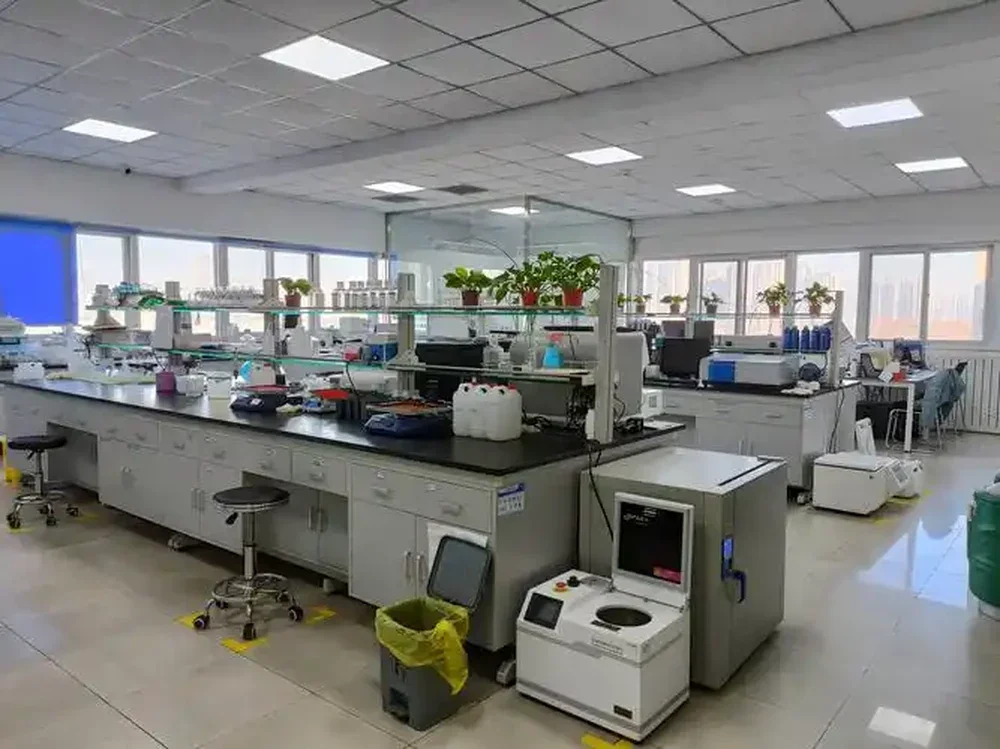
Advanced Biological and Chemical Odor Neutralization Solutions
When assessing how odor control should be handled in the animal facilities of a biotechnology campus, mechanical ventilation alone rarely solves the problem. High-density holding zones and wash corridors generate persistent chemical and biological off-gassing. We deploy targeted chemical and biological abatement systems directly at the exhaust and drainage stages to neutralize odor compounds before air recirculates or discharges outdoors.
Eco-Friendly Microbial and Enzymatic Formulations
Standard chemical masking agents simply hide smells and can compromise animal respiratory health or disrupt experimental baselines. We focus on active enzymatic digests and bio-neutralizing sprays that target the molecular bonds of odorants:
- Uric Acid Breakdown: Fast-acting enzymes break down concentrated rodent urine, preventing ammonia formation at cage-change stations.
- Safe Contact Profiling: Non-toxic, neutral-pH biological sprays remain safe for animal contact zones, cage washers, and cleanroom transitions without leaving corrosive residues.
- Odor Encapsulation: Biodegradable surfactants bind directly with volatile fatty acids and mercaptans, rendering them non-volatile on contact.
Wet Scrubbers and Dry Chemical Adsorption Systems
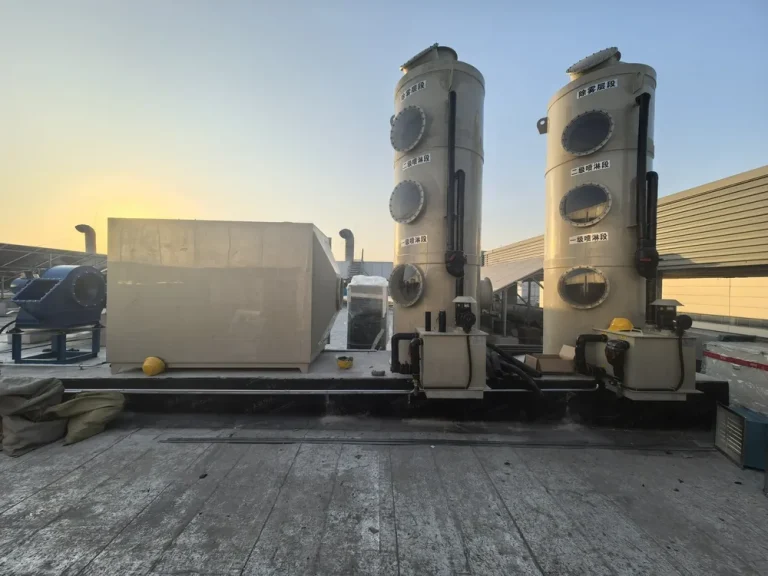
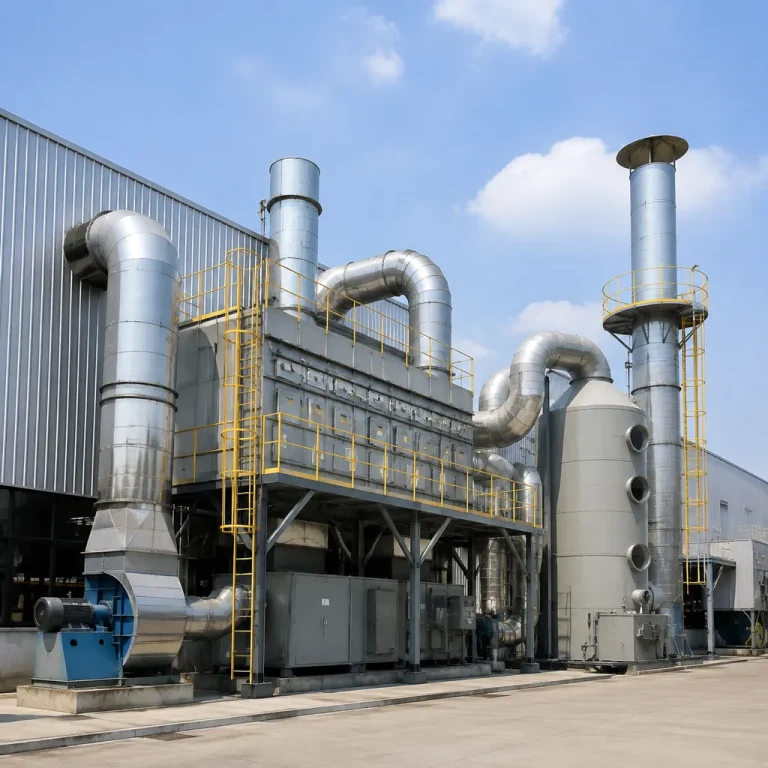
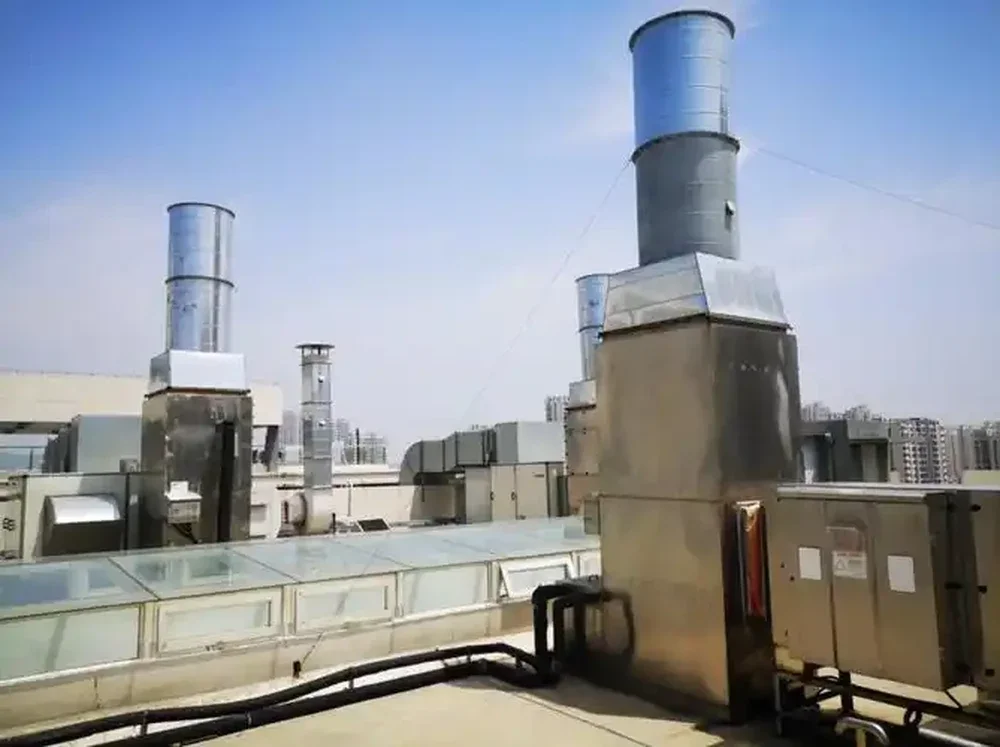
Centralized exhaust air from vivarium procedure spaces requires robust industrial-grade treatment. For centralized laboratory odor control, we integrate multi-stage scrubbing units and media vessels tailored to the specific chemical load of the research space.
| Treatment System | Primary Target Compounds | Operational Role |
|---|---|---|
| Acid Packed-Bed Wet Scrubbers | Ammonia (NH3), amine complexes | Neutralizes high-volume basic exhaust gas streams from cage-washing equipment. |
| Dry Chemical Impregnated Media | Hydrogen sulfide (H2S), mercaptans | Uses chemically treated alumina and activated carbon banks for total polishing. |
When choosing between dry gas filtration and light-assisted systems for specialized exhaust headers, consult our UV photolysis vs activated carbon adsorption guide to evaluate air volume capacities and replacement intervals for your facility layout. For facility-wide compliance programs, explore our tailored exhaust systems built specifically for chemical-pharmaceutical emission control.
Wastewater and Drainage Line Bioremediation
Floor drains, trench lines, and dump sinks beneath automated cage racks are frequent culprits for foul odors drifting back into vivarium corridors. Trapped organic solids, hair, and feces decompose rapidly inside plumbing traps, releasing hydrogen sulfide into low-pressure rooms.
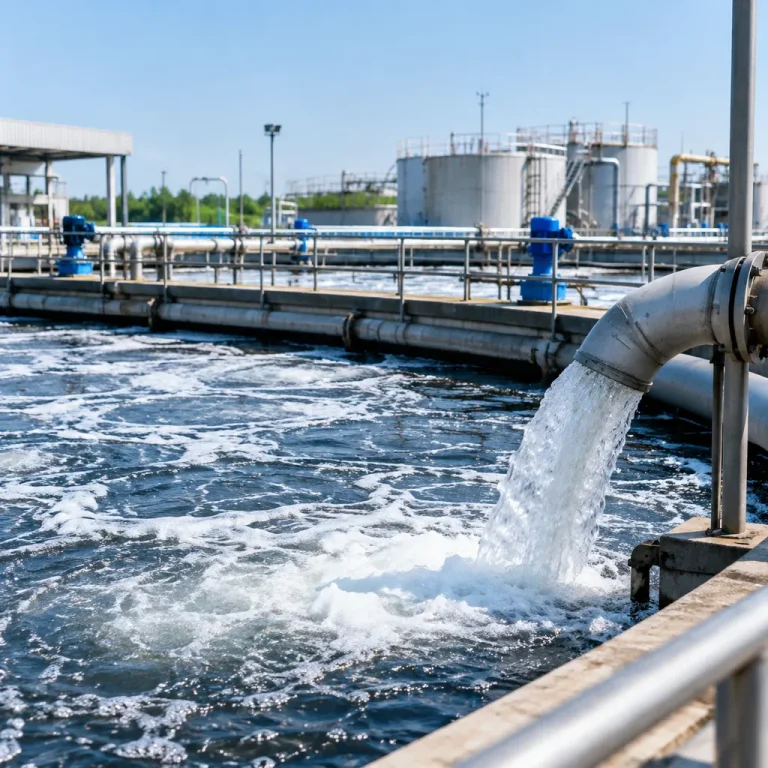
We implement automated bioremediation dosing stations directly into the vivarium drainage infrastructure. These systems release proprietary bacterial cultures that colonize the pipe walls, consuming sludge layers and clearing biological build-up. This continuous digestion eliminates odor backdrafts at the floor level and keeps wastewater transit lines flowing freely to the municipal tie-in without aggressive chemical flushing.
Facility Monitoring, Biosafety, and Regulatory Compliance
Managing how odor control should be handled in the animal facilities of a biotechnology setting requires verified containment and continuous operational oversight. Odor abatement in animal research is not merely an aesthetic preference; it directly impacts biosecurity, occupational health, and animal welfare. We maintain stringent air quality metrics to ensure uncompromised research integrity and complete regulatory compliance across all holding suites and procedure rooms.
Real-Time Monitoring of Ammonia and Airflow Levels
Automated tracking eliminates guesswork by detecting gaseous spikes before they breach safety thresholds. Tackling the core challenges in odor control for laboratory animal facilities in biotechnology companies requires responsive sensor arrays integrated directly with exhaust ventilation lines.
- Targeted Gas Detection: We install continuous electrochemical and optical sensors at animal breathing zones and exhaust plenums to monitor ammonia and total volatile organic compounds (VOCs).
- Differential Pressure Transducers: Digital pressure sensors verify that holding rooms maintain steady negative pressure relative to clean corridors, preventing fugitive odor escape.
- Automated Alarm Protocols: Instant alerts notify facility managers if ammonia levels rise or if exhaust airflow rates decline below designated safety setpoints.
Adhering to AAALAC, OSHA, and Laboratory Animal Guidelines
Vivarium air quality must comply with established legal standards and accreditation criteria:
- AAALAC International Standards: Facilities must provide stable microenvironments, maintain 10 to 15 fresh air changes per hour without drafts, and keep background gaseous waste low enough to protect animal physiology and experimental consistency.
- OSHA Exposure Limits: Worker protection rules mandate that airborne ammonia remain well beneath standard permissible exposure limits, with vivarium operations targeting levels below 10 ppm to protect staff health.
- The Guide for the Care and Use of Laboratory Animals: Regulations demand strict directional airflow, dedicated exhaust isolation with no recirculated air, and verified containment around high-load areas like cage washers and waste disposal bays.
Developing Standard Operating Procedures (SOPs) for Odor Control
Technology requires disciplined operational protocols to remain effective over long operational cycles. Documented standard operating procedures guarantee that containment systems perform consistently every day. Incorporating established methods for odor control in laboratory animal facilities into routine facility maintenance safeguards operational uptime:
| Frequency | Target Area | Standard Operating Procedure |
|---|---|---|
| Daily | Room Airflow & Pressure | Verify digital differential pressure gauges and log room air changes. |
| Daily | Waste Containment | Seal soiled bedding bins and empty staging bays into dedicated exhaust storage. |
| Weekly | Detection Equipment | Check sensor zero-points and clean intake ports on all ammonia analyzers. |
| Monthly | Air Filtration Arrays | Inspect pre-filters and measure differential pressure drops across carbon beds. |
| Quarterly | System Maintenance | Calibrate multi-gas sensors, inspect exhaust fans, and verify media replacement cycles. |
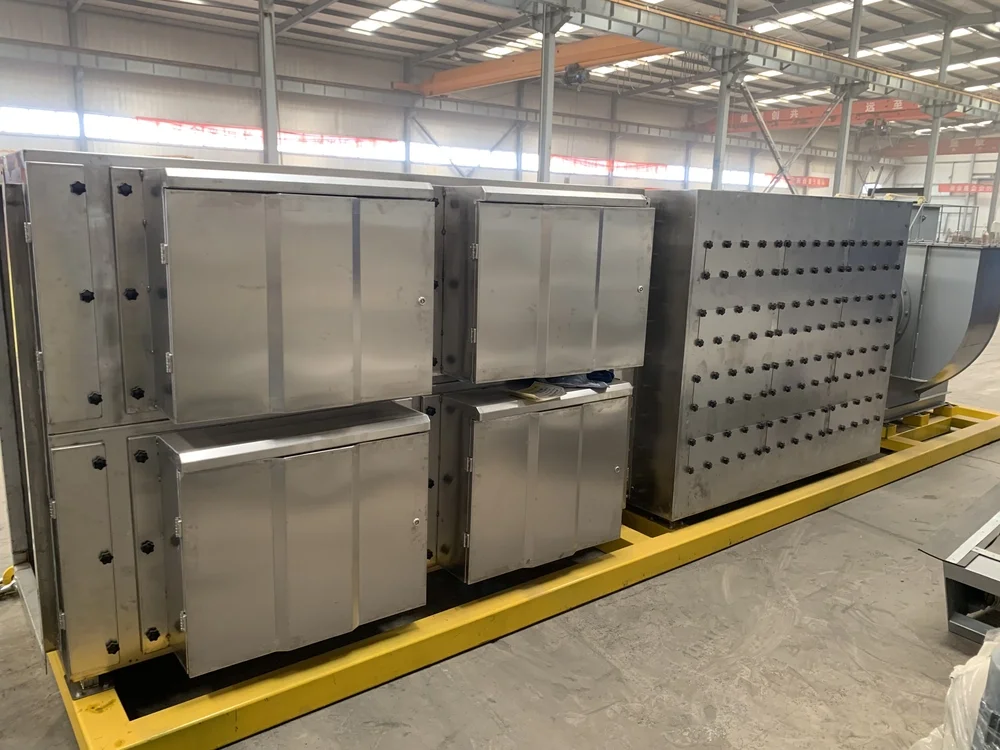
Selecting and Designing the Right Odor Abatement Strategy
Determining how odor control should be handled in the animal facilities of a biotechnology site requires an engineering approach tailored to your exact operational footprint. Off-the-shelf ventilation fixes often fail because biotech vivariums deal with dynamic biological loads, sensitive research environments, and tight compliance targets. When we design abatement infrastructure, we balance initial capital costs, spatial constraints, and continuous biosecurity demands to ensure reliable containment across all laboratory animal facilities.
Assessing Facility Capacity, Species Density, and Research Types
Odor loads vary drastically based on animal biomass, housing style, and room function. A high-density rodent suite generates completely different gaseous profiles than a large-animal surgical support unit or a centralized sanitation hub. We evaluate these parameters upfront to size ventilation systems and air filtration stages accurately.
| Facility Area / Species | Biomass & Load Profile | Dominant Compounds | Core Abatement Focus |
|---|---|---|---|
| Rodent Holding (IVC Racks) | High density, low individual biomass | Ammonia (NH_3), bedding dust | High-efficiency particulate pre-filtration + chemisorption |
| Large Animal Units (Canine/Swine) | Moderate density, heavy organic loading | Hydrogen sulfide (H_2S), volatile fatty acids | Heavy-duty chemical scrubbing + biological oxidation |
| Cage Washer & Sanitation | Intermittent high-temperature surges | Concentrated VOCs, foul organic vapors | High-temp moisture separation + high-volume exhaust treatment |
| Carcass & Waste Storage | Low airflow, high-intensity decomposition risks | Mercaptans, amine complexes | Negative-pressure sealed containment + localized carbon banks |
Cost-Effectiveness and Maintenance Requirements of Odor Systems
An effective abatement setup must deliver low total cost of ownership without risking breakthrough odor events. Media replacement, utility draw, and maintenance downtime represent the bulk of operating costs over a 10-year facility lifecycle.
- Filter Stage Protection: We install high-capacity MERV pre-filters upstream of gas-phase media to trap dander and particulate-bound odorants, extending the working life of carbon beds.
- Media Optimization: Chemically targeted media beds are deployed only where specific compounds like ammonia exceed target thresholds, preventing premature media saturation.
- Durable Hardware: Utilizing purpose-built odor control equipment for animal facilities with corrosion-resistant housings eliminates degradation from humid, wash-down-heavy exhaust streams.
- Predictable Servicing: Tool-less access doors and standardized filter modules allow personnel to service exhaust banks swiftly without disrupting vivarium pressure balances.
Integration with Building Management Systems (BMS) for Automated Control
Modern laboratory odor control depends on live system intelligence. We link exhaust blowers, scrubbing units, and filtration stages directly into your centralized BMS via standard open communication protocols (such as BACnet or Modbus) to maintain fail-safe negative pressure.
- Dynamic Fan Speed Regulation: Variable frequency drives (VFDs) adjust exhaust velocity based on real-time room occupancy, cage-changing schedules, and washer cycles.
- Differential Pressure Tracking: Automated transmitters track static pressure drops across all filter banks, signaling maintenance alerts before airflow drops below target air changes per hour.
- Live Gas Sensing: In-duct ammonia and VOC monitors provide automated validation that discharge air meets neighborhood air quality standards and regulatory limits.
- $N+1$ Redundancy Activation: The BMS automatically rolls over to standby exhaust modules in the event of fan or power interruptions, guaranteeing continuous biosecurity and zero odor escape.