Environmental protection equipment supplier

Common Deodorization Methods for Environmental Facilities
Struggling to eliminate foul industrial odors and keep your plant compliant with strict environmental standards?
You’re not alone.
Choosing the wrong odor control system can quickly turn into a costly nightmare of wasted CAPEX and constant regulatory fines.
So, what are the common deodorization methods for environmental protection facilities that actually deliver real, long-term results?
From high-efficiency biofilters and chemical scrubbers to activated carbon adsorption and advanced oxidation technologies, each system handles pollutants like H2S, ammonia, and VOCs differently.
In this guide, we break down the most reliable deodorization technologies, compare their operational costs, and show you exactly how to choose the right setup for your facility.
Let’s dive right in.
Understanding Odor Sources in Environmental Protection Facilities
Controlling emissions starts with pinpointing their origin. Environmental protection facilities handle complex waste streams that generate volatile, malodorous compounds during collection, transfer, and processing. Identifying the specific gas profile and emission dynamics is the critical first step in determining what are the common deodorization methods for environmental protection facilities best suited to achieve regulatory compliance and community acceptance.
Major Sources of Industrial and Municipal Odors
Odors originate across varied sectors where biological degradation or chemical volatilization occurs:
- Municipal Wastewater Treatment Plants (WWTPs): Inlet headworks, grit chambers, primary clarifiers, aeration basins, and sludge dewatering buildings.
- Solid Waste Management: Transfer stations, anaerobic digestion facilities, composting sites, and active landfill working faces.
- Chemical & Petrochemical Processing: Solvent storage tanks, reactor vents, wastewater collection sumps, and refining by-product streams.
- Food & Agricultural Processing: Rendering plants, slaughterhouses, animal feed processing, and livestock manure lagoons.
Common Odorous Pollutants: H2S, Ammonia, and VOCs
The chemistry of environmental odors consists of inorganic and organic fractions with extremely low odor detection thresholds:
- Hydrogen Sulfide (H2S): Characterized by a pungent “rotten egg” smell, H2S forms through the anaerobic reduction of sulfates. It is highly toxic, corrosive to concrete and metal infrastructure, and pervasive in wastewater collection systems.
- Ammonia (NH3) and Amines: Emitting a sharp, irritating stench, ammonia arises from the breakdown of nitrogenous organic matter, particularly in sludge stabilization, composting, and livestock facilities.
- Volatile Organic Compounds (VOCs) and Mercaptans: Solvents, organic sulfides (such as dimethyl sulfide and methyl mercaptan), aldehydes, and fatty acids. These compounds often possess odor thresholds in the parts-per-billion (ppb) range and present both nuisance and health risks.
Environmental Regulations and Emission Standards
Regulatory agencies globally enforce stringent limits on industrial odor emissions to protect public health and prevent community nuisance:
- Boundary Concentration Limits: Strict limits on specific compound concentrations (such as H2S and NH3) measured at the facility property line.
- Odor Units (OU/m³): Olfactometry standards defining dynamic dilution thresholds to quantify the perceived intensity of multi-component odor mixtures.
- Occupational Safety: Workplace exposure limits (PEL/TWA) established to protect operational personnel inside enclosed processing rooms.
- Continuous Monitoring Mandates: Increasing requirements for real-time electronic nose (e-nose) systems and automated air quality logging to ensure continuous compliance.
Biological Deodorization Technologies
Biological treatment stands out as one of the most reliable and cost-effective odor control methods across modern environmental protection facilities. By harnessing living microorganisms to digest volatile compounds, we eliminate foul gases without creating secondary chemical waste. These biological systems break down hydrogen sulfide, ammonia, and mixed organic vapors into simple, harmless byproducts like carbon dioxide, water, and mineral salts.
Biofilter Systems for Continuous Odor Removal
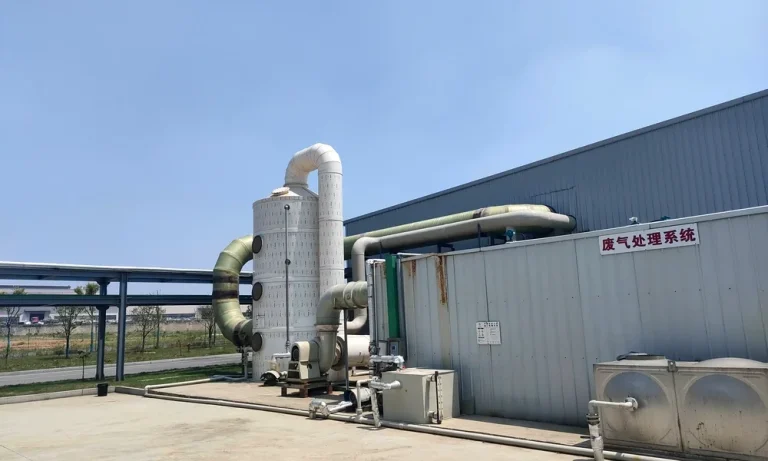
Our biofilter setups route contaminated air through a damp bed of engineered organic or inorganic packing media. As the airstream passes through the bed, microorganisms living on the media surface absorb and break down the pollutants.
- Target Contaminants: Hydrogen sulfide (H2S), volatile organic compounds (VOCs), organic sulfides, and amines.
- Key Operating Conditions: Requires continuous bed moisture (40% to 60%) and steady humidity to keep the biomass active.
- Core Benefits: Extremely low utility usage, minimal moving parts, and reliable baseline treatment for steady, continuous exhaust flows.
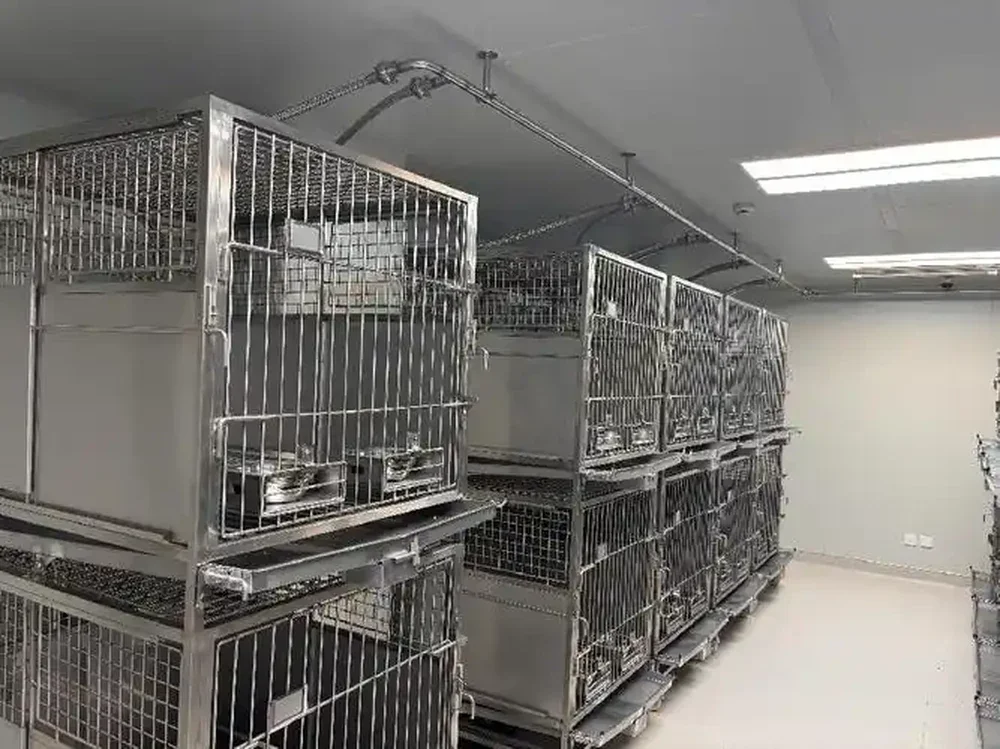
For facilities dealing with sensitive indoor environments, integrating these biological stages alongside targeted methods for odor control in laboratory animal facilities ensures consistent, long-term compliance without chemical handling.
Biotrickling Filters for High H2S Concentrations
When dealing with severe hydrogen sulfide spikes and acid-forming loads, standard biofilters can choke on acid buildup. Biotrickling filters solve this issue by using an inert, non-degrading synthetic packing material while a nutrient-rich liquid continuously recirculates over the media bed.
- Acid Tolerance: The recirculating water carries away sulfuric acid generated during H2S oxidation, holding the system at an optimal pH.
- Footprint Efficiency: High gas velocities and deep synthetic beds allow these units to handle heavy loads within a compact physical footprint.
- Process Control: Real-time dosing pumps, pH sensors, and conductivity controls automate liquid replenishment and nutrient supply.
Bioscrubbers for Water-Soluble Contaminants
Bioscrubbers split the deodorization process into two distinct stages: gas absorption and biological breakdown. Exhaust air first passes through a wet absorption tower where water-soluble odorous compounds dissolve into a washing liquid. This liquid then flows into an activated sludge aeration tank where suspended bacteria digest the captured pollutants before the water loops back to the tower.
- Ideal Applications: High-volume air streams rich in hydrophilic compounds, such as ammonia, alcohols, and low-molecular-weight aldehydes.
- Process Stability: Because the microbial population lives in a separate aeration basin, shock loads and toxic peaks in the gas line will not instantly kill the biomass.
- Low Maintenance: Clean absorption packing eliminates media clogging, providing long operational lifespans with minimal media replacements.
Chemical Odor Control Methods
When your facility handles high-volume emissions with intense odor spikes, chemical odor control methods deliver fast, reliable results. We rely on chemical systems because they react instantly with stubborn compounds, giving you tight control over plant emissions even when inlet loads fluctuate unpredictably.
Wet Chemical Scrubbing Systems (Acid, Alkaline, and Oxidative)
Multi-stage wet scrubbing systems remain an industry standard for treating complex, mixed-gas odor streams. We route foul air through packed towers where scrubbing solutions neutralize specific pollutants on contact:
- Acid Scrubbers: Utilize sulfuric acid solutions to capture and neutralize alkaline contaminants like ammonia and basic amines.
- Alkaline Scrubbers: Employ sodium hydroxide to rapidly absorb acidic gases, primarily hydrogen sulfide.
- Oxidative Scrubbers: Introduce strong oxidants like sodium hypochlorite to break down reduced sulfur compounds, organic sulfides, and mercaptans.
For municipal and industrial sites handling varied inputs, integrating multi-stage chemical scrubbers alongside advanced wastewater plant odor control equipment and processes ensures high removal efficiency across every compound present in the gas stream.
Chemical Oxidation Technologies
Chemical oxidation targets odor molecules by actively breaking their chemical bonds, converting volatile compounds into non-odorous, stable byproducts like water, carbon dioxide, and salts.
- Ozone Treatment: We inject ozone directly into contact chambers or ductwork to oxidize volatile organic compounds and sulfur species without leaving chemical residues behind.
- Liquid-Phase Oxidants: Solutions containing hydrogen peroxide or chlorine dioxide destroy severe sulfides and nitrogenous compounds right at the point of contact.
- Rapid Reaction Times: Unlike biological systems that require acclimatization, chemical oxidation works on demand, making it ideal for facilities with seasonal or batch process emissions.
Misting and Vapor-Phase Neutralizing Agents
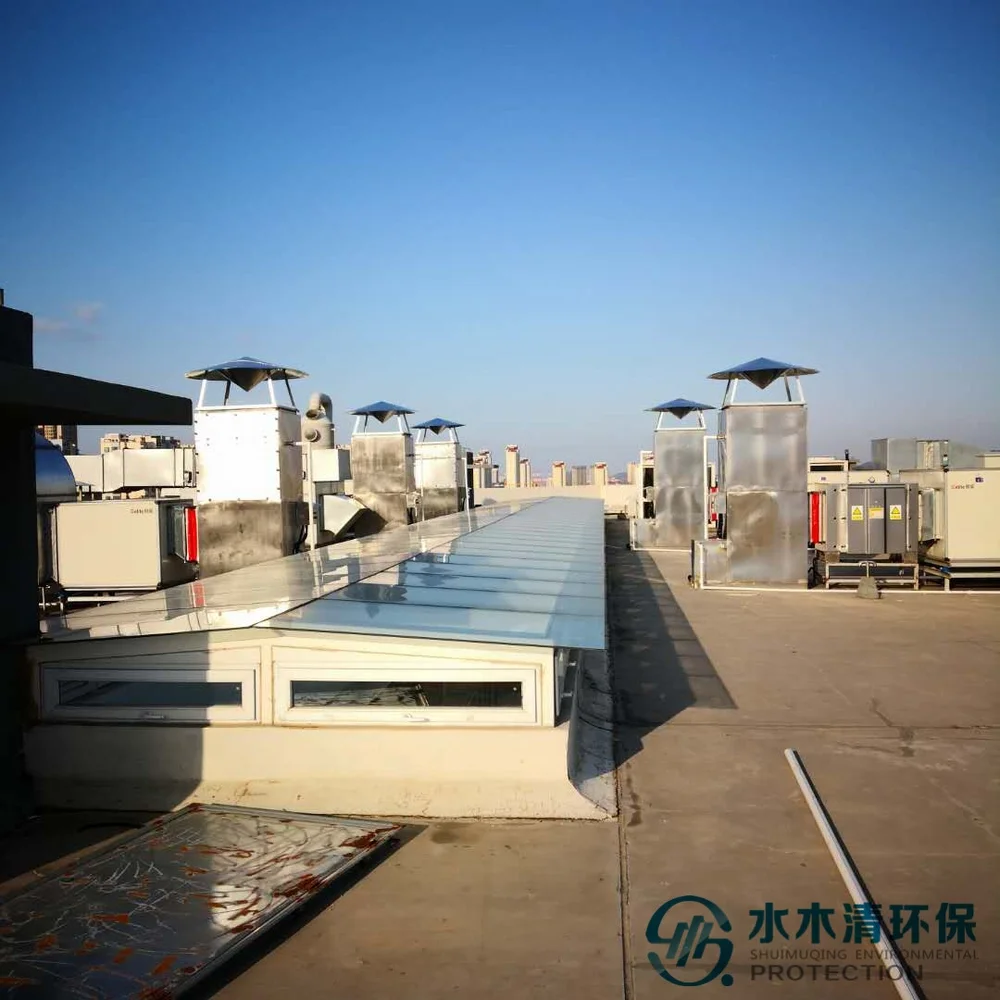
For open areas, receiving bays, and diffuse odor sources where ducting and containment are impractical, misting and vapor-phase systems provide localized control.
We atomize specialized reactive neutralizers into fine airborne droplets that intercept odor plumes directly. These agents do not simply mask bad smells; they bond with airborne odorants through encapsulation, counteraction, and direct neutralization, dropping perceived odors immediately around plant perimeters and working bays.
Physical Deodorization Methods
Physical deodorization methods capture, isolate, or neutralize odor compounds without requiring complex ongoing chemical reactions. In environmental protection facilities, we rely on these systems as primary treatment stages or final polishing units to catch volatile organic compounds (VOCs) and nuisance smells before clean air discharges into the atmosphere.
Activated Carbon and Carbon-Blend Adsorption
Adsorption remains one of the most reliable and widely implemented physical odor control methods. By routing exhaust gas through a bed of porous carbon, odorous molecules are captured within the microscopic pore network through van der Waals forces.
- Standard Activated Carbon: Ideal for low-to-medium concentration VOCs, hydrocarbons, and solvent vapors.
- Impregnated Carbon Blends: Chemically treated carbon (impregnated with potassium hydroxide, phosphoric acid, or metal oxides) engineered specifically to capture targeted acid gases like hydrogen sulfide ($H_2S$) or alkaline compounds like ammonia ($NH_3$).
- System Integration: We frequently install an activated carbon adsorption unit as a standalone terminal filter or as a polishing stage behind wet scrubbers. When deciding between adsorption media and oxidation, evaluating our UV photolysis vs. activated carbon adsorption guide helps balance ongoing media replacement costs against power consumption.
Keep in mind that high relative humidity (above 70% to 80%) reduces adsorption capacity, making upstream moisture removal critical for maintaining media lifespan.
Condensation Separation for High-Concentration Odors
Condensation works by lowering the exhaust air stream’s temperature—or compressing it—so that volatile odorous vapors drop below their dew points and condense into liquid form.
- Primary Function: Acts as an effective pretreatment stage for high-temperature, high-concentration organic streams before secondary polishing.
- Solvent Recovery: Allows facilities to recover valuable solvents and volatile organics directly from the condensed liquid phase.
- Equipment Protection: Significantly reduces the mass pollutant load entering downstream carbon beds or biofilters, preventing rapid bed saturation and extending operational cycles.
Plant Essential Oil Atomization and Dispersion
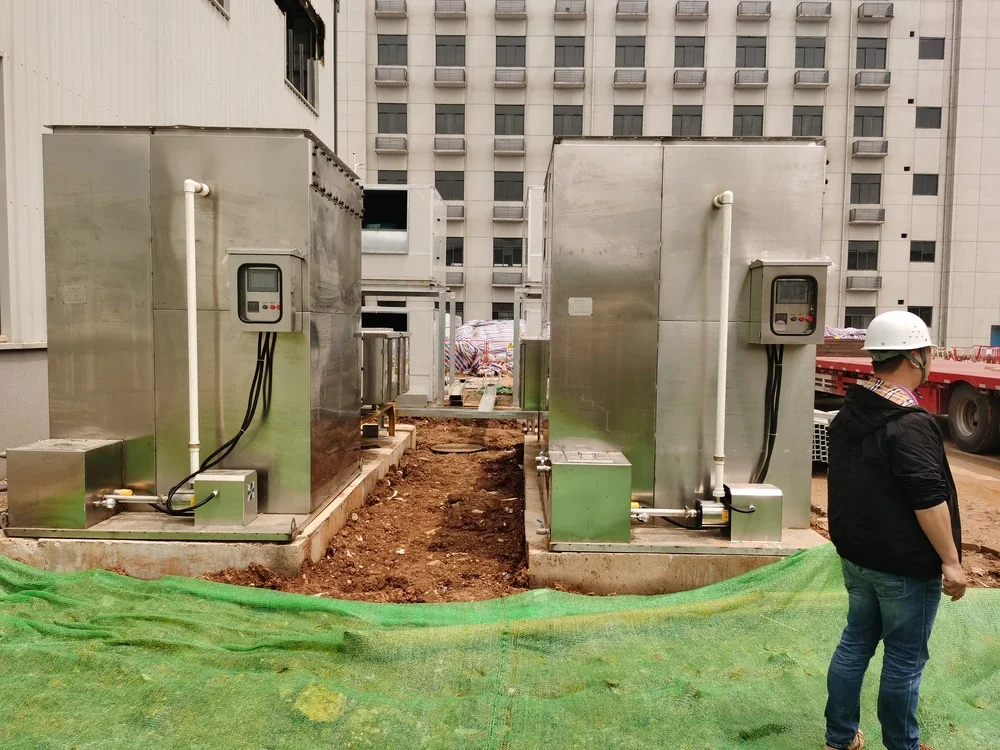
For broad, open, or semi-enclosed areas where exhaust capture hoods and ductwork are impractical, plant essential oil atomization offers an adaptable physical-chemical masking and neutralizing solution.
- Working Principle: Specialized high-pressure or ultrasonic nozzles atomize natural plant extract solutions into micro-droplets (1–10 microns). These droplets disperse through the air, colliding with odor molecules to encapsulate and neutralize them through contact and molecular attraction.
- Target Applications: Municipal solid waste tipping halls, open composting facilities, outdoor sludge drying beds, and waste transfer stations.
- Key Advantages: Rapid deployment, zero structural disruption to open working areas, and environmentally safe formulations that leave no hazardous residues.
Advanced Oxidation and Emerging Deodorization Technologies
When conventional biological or wet scrubbing systems hit their limits with complex, hard-to-degrade compounds, advanced oxidation methods provide the solution. We utilize these modern technologies to rapidly destroy persistent odors and volatile organic compounds (VOCs) with high reaction rates and a minimal physical footprint.
UV Photolysis and Photocatalytic Oxidation
This process breaks molecular bonds using high-energy ultraviolet radiation. When combined with a catalyst such as titanium dioxide (TiO2), UV light produces reactive hydroxyl radicals and ozone to break down complex sulfur compounds, aldehydes, and aromatic hydrocarbons into harmless carbon dioxide and water.
- Rapid Destruction: Eliminates odors in seconds of contact time without requiring long residence chambers.
- Compact Footprint: Fits easily into confined industrial spaces where massive biofilters cannot go. For localized emissions and pilot validation, our lab-scale small airflow UV photolysis unit design guide details proper sizing and lamp configurations.
- On-Demand Operation: Starts up and shuts down instantly without the delicate acclimation periods required by live bacteria.
Low-Temperature Non-Thermal Plasma Technology
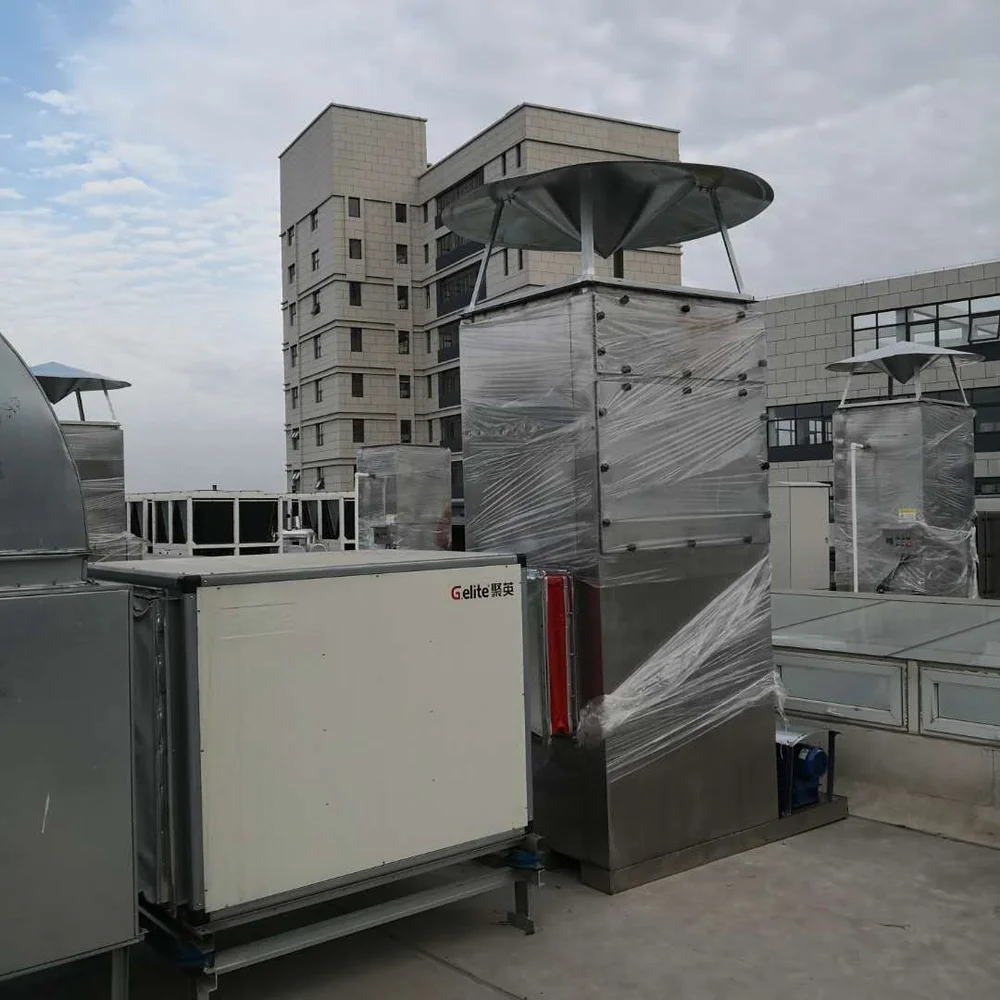
Low-temperature plasma uses high-voltage electrical fields to generate high-energy electrons without heating the surrounding gas. These electrons collide with gas molecules to produce active ions, free radicals, and ozone, cracking stubborn pollutant molecules at ambient room temperatures.
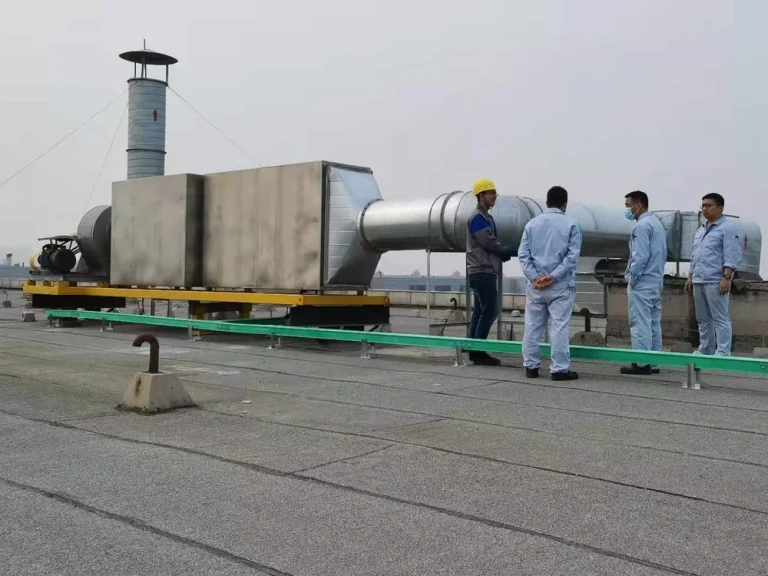
We deploy our low-temperature plasma waste gas system to handle complex industrial air streams that choke typical filtration setups. The core benefits include:
- Extremely low airflow resistance, minimizing fan power consumption.
- Reliable decomposition of complex, non-water-soluble VOCs.
- Continuous operation under fluctuating pollutant loads and variable relative humidity.
Hybrid and Multi-Stage Integrated Deodorization Systems
Real-world environmental protection facilities rarely deal with a single, uniform odor. High-load operations combine several common deodorization methods into a coherent multi-stage train to lower operating expenses and guarantee strict compliance:
- Acid/Alkaline Wash + Biological Polishing: A chemical scrubber knocks out corrosive, high-concentration ammonia or hydrogen sulfide first, preventing shock loads on the biofilter downstream.
- UV/Plasma Oxidation + Activated Carbon Adsorption: Plasma or photolysis breaks down the bulk hydrocarbon mass, leaving only trace remnants for the dry carbon bed to capture. This cuts spent carbon replacement costs substantially.
- Pre-Filtration + De-Dusting: Upstream mist eliminators and particulate filters protect advanced reaction zones from fouling, extending service life across all treatment modules.
Key Application Scenarios in Environmental Facilities
Every environmental facility faces a unique set of emissions challenges. Tailoring the right odor control methods to the specific operational footprint ensures strict regulatory compliance, protects surrounding communities, and keeps operational costs manageable.
Municipal Wastewater Treatment and Sludge Dewatering Plants
Managing wastewater treatment plant odors requires handling continuous emissions of hydrogen sulfide ($H_2S$), ammonia, and organic sulfur compounds. Primary odor hot spots include inlet screens, grit chambers, primary clarifiers, and mechanical sludge dewatering rooms.
- Headworks and Primary Treatment: High-volume air streams with moderate to high $H_2S$ levels perform best when treated using multi-stage chemical scrubbers or robust biological trickling filters.
- Sludge Dewatering and Handling: Dewatering halls generate sudden spikes of volatile organic compounds and reduced sulfur compounds. Enclosing these areas under negative air pressure and venting the exhaust through biofilters ensures reliable breakdown.
- Effluent Polishing: Facilities combining primary screening with advanced wastewater treatment systems frequently pair biofiltration beds with secondary activated carbon adsorption to capture residual trace odors before discharge.
Solid Waste Management and Landfill Operations
Waste management infrastructure—including transfer stations, composting yards, and active landfill cells—generates high concentrations of organic acids, amine compounds, and methane-associated sulfur gases.
- Enclosed Waste Transfer Stations: Rapid intake and sorting require high-volume air exchange. We install negative pressure ventilation tied to centralized biofilters or high-efficiency dry scrubbers.
- Composting Facilities: The initial decomposition phase generates substantial ammonia and heat. Counter-current acid scrubbers remove the bulk ammonia load before passing the air stream to biofiltration media for organic polishing.
- Landfill Working Faces and Leachate Basins: Open spaces rely on perimeter high-pressure atomization systems that disperse neutralizing plant agents to knock down fugitive emissions instantly.
Chemical, Petrochemical, and Processing Industries
Industrial processing facilities generate complex, concentrated odor profiles containing benzene, phenols, mercaptans, and heavy volatile organic compounds (VOCs).
- Petrochemical and Refining Units: Process vent streams carrying hazardous aromatics and sulfur blends depend on thermal oxidation (such as RTO systems) or specialized packed-bed wet scrubbing systems to neutralize corrosive compounds.
- Specialty Chemical Manufacturing: Batch processing produces fluctuating gas concentrations. Multi-stage treatment trains—combining wet absorption, deep UV photolysis, and catalytic carbon adsorption—provide the operational flexibility needed to handle sudden spikes.
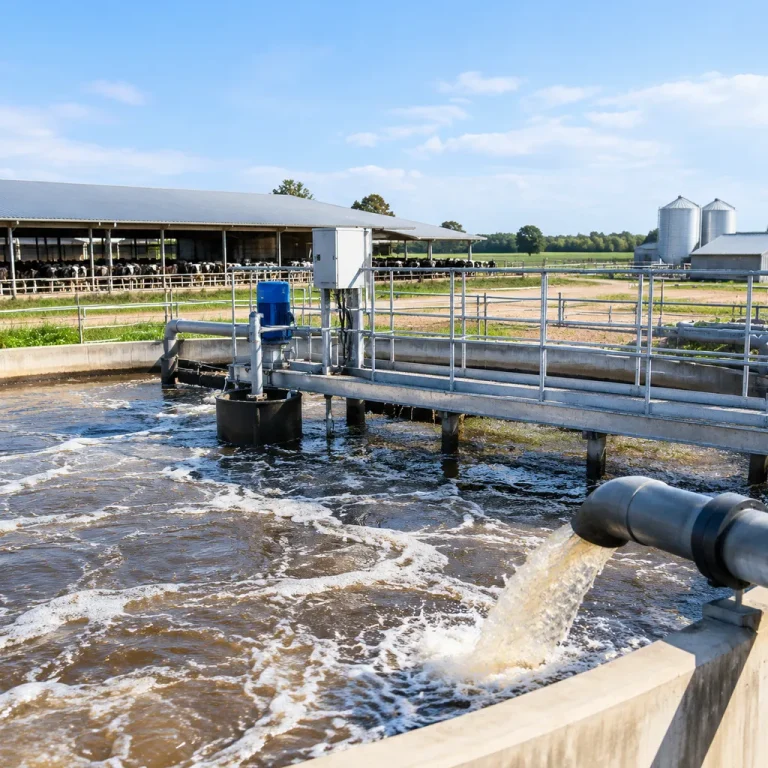
- Agricultural and Food Processing: Facilities managing animal by-products and protein rendering generate intense amine and fatty acid vapors. Pairing robust livestock wastewater treatment equipment with multi-stage oxidative scrubbers and bioscrubbers eliminates both liquid-phase and airborne odor vectors at the source.
How to Select the Right Deodorization Method
Choosing the correct odor control system is not a one-size-fits-all decision. When designing waste gas systems for environmental protection facilities, we assess the precise airstream parameters, spatial constraints, and discharge thresholds. Selecting the right setup prevents regulatory violations and avoids premature media depletion or wasted power.
Analyzing Gas Concentration, Flow Rate, and Composition
The core criteria for sizing any odor mitigation system begin with identifying what is in the air and how fast it moves.
- Contaminant Types: Acidic compounds (like hydrogen sulfide) and alkaline compounds (such as ammonia) react well with chemical scrubbers, whereas volatile organic compounds (VOCs) typically require activated carbon adsorption or advanced photo-oxidation.
- Gas Flow Rate: High-volume, continuous air streams favor biofiltration or biological scrubbers due to their scalable footprints and passive processing capability.
- Concentration Range: Ultra-high concentrations often demand a primary stage, such as a multi-stage counter-current scrubber or a specialized spray deodorization system, prior to downstream polishing.
- Humidity and Temperature: Elevated moisture levels (>80% RH) can blind dry carbon beds, while extreme temperatures can kill bacterial cultures in biofilters.
| Airstream Characteristic | Recommended Deodorization Technology |
|---|---|
| High Flow, Low Concentration (H2S, NH3) | Biological Filter / Biotrickling Bed |
| High Concentration, Acidic/Basic Gases | Wet Chemical Scrubbing Systems |
| Fluctuating Loads, Low-to-Mid VOCs | Impregnated Activated Carbon Adsorption |
| Complex Organic Odors, Enclosed Rooms | UV photolysis exhaust gas purifier Units |
Balancing Capital Costs (CAPEX) with Operating Expenses (OPEX)
A low purchase price often hides high recurring operating costs. We balance the upfront purchase price (CAPEX) against ongoing utility, media, and chemical consumption (OPEX):
- Activated Carbon: Low initial equipment cost (CAPEX), but media change-outs, disposal costs, and labor drive up OPEX under heavy loads.
- Wet Chemical Scrubbers: Moderate initial investment, with recurring costs tied directly to bulk chemical usage (NaOH, NaClO, H2SO4) and wastewater handling.
- Biofilters and Biotrickling Systems: Higher initial build and footprint costs, but exceptionally low OPEX because natural microbial degradation requires minimal energy and no chemical reagents.
Evaluating Maintenance Requirements and Long-Term Efficiency
Long-term reliability depends on the operating environment and staff capabilities. To guarantee stable emission compliance across years of continuous operation, we factor in routine upkeep:
- Operator Skill Requirements: Chemical scrubbers require continuous monitoring of dosing pumps, pH sensors, and ORP meters. In contrast, dry adsorption beds require minimal daily intervention beyond differential pressure tracking.
- Media Life Cycle and Replacement: Biological systems require bed moisture and nutrient management to prevent media compaction, while carbon units need planned replacement schedules to prevent sudden odor breakthrough.
- Secondary Waste Streams: Wet scrubbers generate spent chemical effluent that must route back into a wastewater treatment process. Dry media systems yield solid waste that requires proper spent-media disposal or thermal regeneration.