Environmental protection equipment supplier

How Is Hospital Wastewater Treated A Complete Guide
Understanding Hospital and Healthcare Wastewater
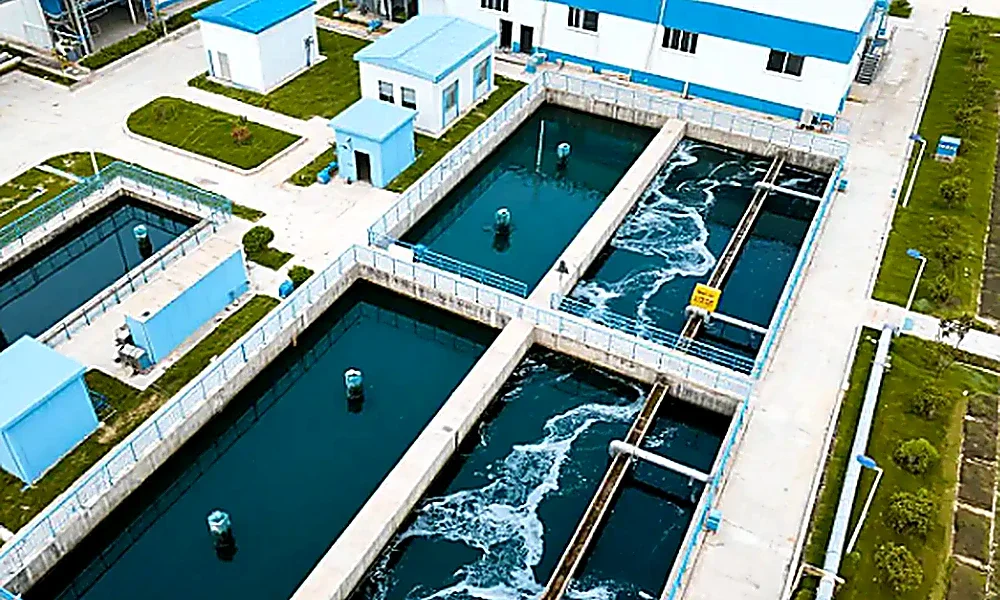
Wastewater from hospitals and medical institutions requires specialized management due to its complex and biohazardous composition. Unlike standard municipal wastewater, medical wastewater carries high concentrations of active biological agents, chemicals, and pharmaceutical residues that cannot be discharged directly into public sewer networks without targeted pre-treatment and dedicated treatment systems.
Sources and Characteristics of Medical Effluent
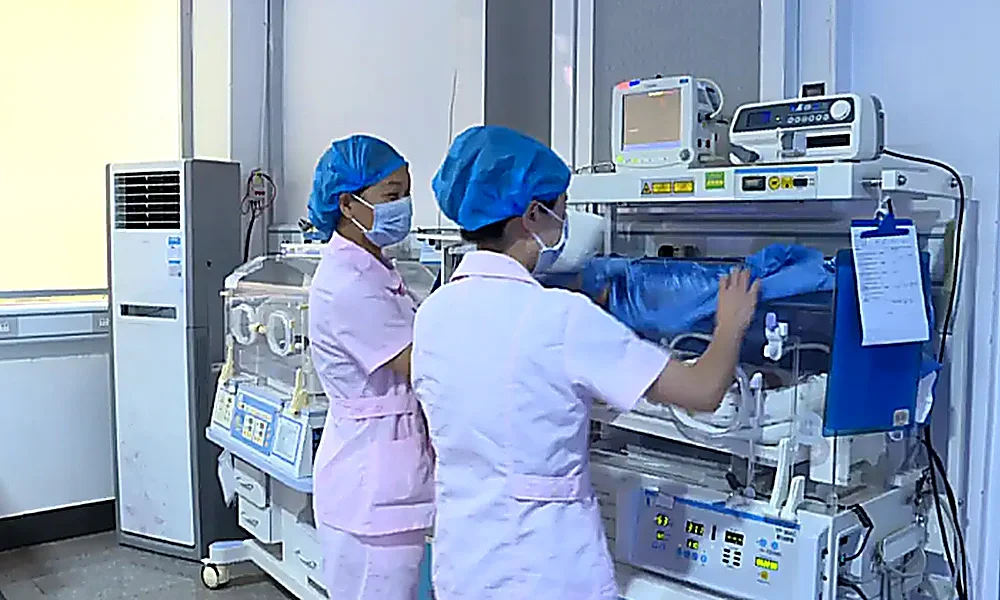
Medical wastewater is generated across diverse hospital departments, leading to significant fluctuations in hydraulic volume, organic concentration, and chemical load throughout daily operational cycles.
- Inpatient and Outpatient Wards: Generates high volumes of blackwater and greywater containing human excreta, bodily fluids, sanitizing agents, and suspended solids.
- Operating Rooms and Intensive Care Units (ICUs): Sources of blood, disinfectants, detergents, and infectious biological matter.
- Clinical and Diagnostic Laboratories: Effluent rich in chemical reagents, colorants, preservatives, and trace heavy metals.
- Radiology and Oncology Units: Wastewater containing diagnostic contrast media, radiopaque solutions, and cytostatic compounds.
- Hospital Laundries and Kitchens: High-volume discharges laden with surfactants, thermal energy, fats, oils, grease (FOG), and microfibers.
| Metric / Parameter | Typical Characterization | Operational Impact |
|---|---|---|
| Hydraulic Flow | High peak variations | Requires equalization to stabilize shock loads |
| Organic Load (COD/BOD) | Moderate to elevated | Demands stable biological oxidation processes |
| Suspended Solids (TSS) | Variable | Requires mechanical screening and solid-liquid separation |
| Microbial Content | High pathogen density | Mandates dedicated, multi-stage disinfection |
Hazardous Contaminants: Pharmaceuticals, Pathogens, and Chemicals
Hospital sewage serves as a primary vector for hazardous compounds that resist conventional municipal treatment:
- Infectious Pathogens: High loads of pathogenic bacteria, enteric viruses, helminth eggs, and fecal coliforms pose immediate biohazard risks.
- Pharmaceutical Residues: Unmetabolized antibiotics, antineoplastics, analgesics, anti-inflammatory compounds, and hormonal substances.
- Chemical Disinfectants and Reagents: Quaternary ammonium compounds, chlorine derivatives, glutaraldehyde, phenols, and diagnostic stains.
- Detergents and Surfactants: High chemical concentrations that can alter surface tension and disrupt downstream biological wastewater treatment processes.
Environmental and Public Health Risks
Improperly treated medical effluent creates severe environmental and epidemiological challenges:
- Proliferation of Antimicrobial Resistance (AMR): Sub-lethal antibiotic concentrations in untreated medical sewage accelerate horizontal gene transfer among bacteria, breeding multi-drug resistant “superbugs.”
- Surface and Groundwater Contamination: Persistent pharmaceuticals and organic recalcitrants leach into natural water bodies, threatening aquatic organisms and downstream drinking water supplies.
- Ecosystem Toxicity: Toxic chemical residues and heavy metals bioaccumulate in aquatic food chains, disrupting microbial balance and bio-systems.
- Regulatory Penalties: Direct discharge without specialized hospital sewage treatment methods violates strict environmental compliance standards, exposing healthcare institutions to legal liabilities and operational shutdowns.
Primary Treatment: Preliminary Screening and Sedimentation
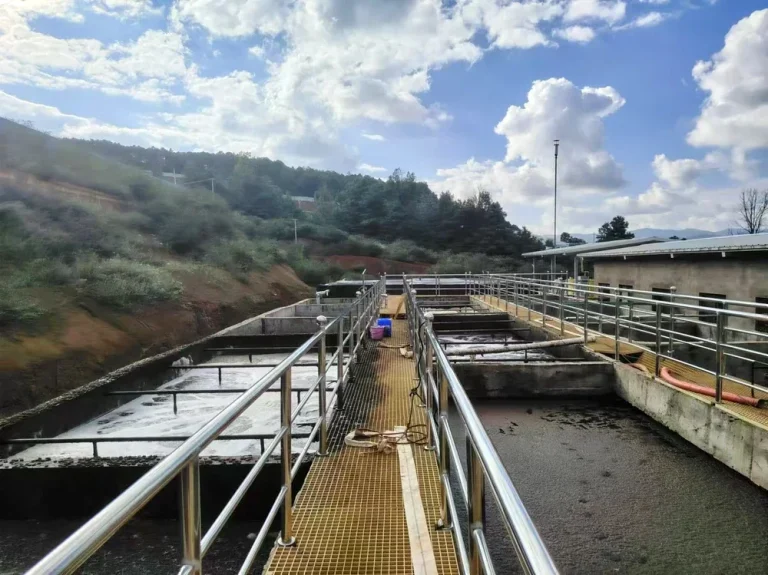
When evaluating how wastewater from hospitals and medical institutions treated at the initial stage performs, primary treatment serves as the first critical barrier. Raw hospital sewage contains large physical debris, fibers, and varying chemical loads that must be intercepted immediately to protect downstream biological systems and mechanical equipment.
Mechanical Screening and Grit Removal
Hospital effluents carry high volumes of distinct solid wastes, such as medical wipes, latex residues, plastics, packaging, and cotton fibers. Allowing these solids downstream causes severe pump clogging and pipe blockages.
- Mechanical Fine Screens & Rotary Drum Screens: We install automated fine screens constructed from corrosion-resistant SS304 or SS316 stainless steel to continuously remove suspended solids down to fine apertures.
- Grit Chambers: High-density inorganic particles (such as grit and glass fragments) are separated via gravity or vortex grit separation, protecting impellers and high-pressure pumps from premature abrasive wear.
- Closed Containment: To prevent bio-aerosol dispersion and odor emissions from infectious sewage, our preliminary screening modules operate within enclosed housings.
Flow Balancing and Equalization Tanks
Medical institutions generate highly irregular hydraulic discharges. Peak volumes surge during morning shifts, operating theater clean-downs, and central laundry cycles, while night flows drop drastically.
Equalization tanks solve this by providing essential hydraulic and chemical dampening:
| Parameter | Function in Equalization Tank |
|---|---|
| Hydraulic Buffering | Absorbs sharp discharge peaks, ensuring a steady volumetric flow to biological reactors. |
| Concentration Balancing | Blends high-strength disinfectant flushes (detergents, formalin) with domestic sewage to eliminate toxic shocks. |
| Mixing & Aeration | Integrated underwater aeration or submersible mixers prevent anaerobic septic decay and sludge deposition on the tank floor. |
Coagulation and Flocculation Systems
Fine colloidal matter, heavy organics, and microscopic particulates cannot be separated by simple gravity settling. We incorporate targeted physical-chemical coagulation and flocculation to destabilize these suspended elements.
- Automated Chemical Dosing Units: Fully automated PLC-controlled dosing systems inject Polyaluminum Chloride (PAC) to neutralize electrostatic surface charges on suspended colloids.
- Flocculant Aggregation: Polyacrylamide (PAM) is introduced as a polymer coagulant aid, bridging the destabilized colloids into large, easily settleable flocs.
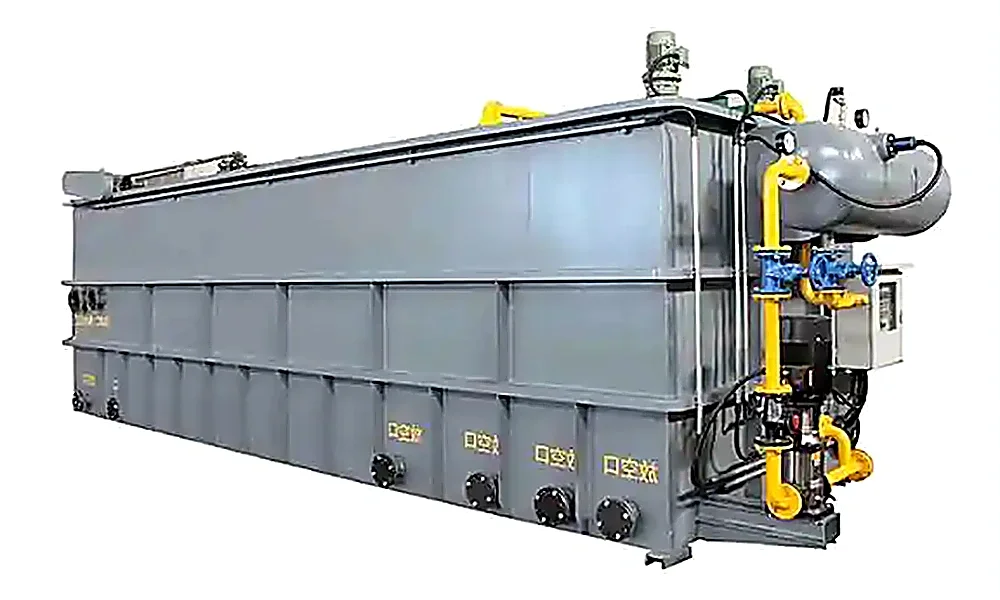
- Enhanced TSS & COD Reduction: Once flocculated, the aggregated solids settle rapidly in high-rate clarification basins or are lifted efficiently using integrated dissolved air flotation (DAF) systems, removing up to 50–70% of total suspended solids (TSS) before biological processing begins.
Secondary Treatment: Biological Degradation Processes
When evaluating how wastewater from hospitals and medical institutions is treated, secondary biological treatment serves as the core degradation stage. After primary screening buffers large solids, medical wastewater still carries high concentrations of dissolved organic pollutants, detergents, and biological contaminants. We utilize targeted biological processes to break down biochemical oxygen demand (BOD), chemical oxygen demand (COD), and ammonia nitrogen before the water moves to final disinfection.
Conventional Activated Sludge Systems
Traditional activated sludge systems rely on a dense suspension of aerobic microorganisms within an aeration basin.
- Aerobic digestion: Injected air sustains active microbial cultures that consume dissolved organic matter and nutrients.
- Secondary clarification: Gravity settling tanks separate the biological floc from the treated liquid effluent.
- Sludge recycling: A portion of settled sludge returns to the aeration tank to maintain stable microbial populations, while excess sludge moves to dewatering.
While effective for standard municipal loads, standard activated sludge setups require a large physical footprint and can struggle with the hydraulic fluctuations and chemical shocks typical of healthcare sewage.
Membrane Bioreactor (MBR) Technology
To overcome the footprint and separation limits of conventional systems, our integrated MBR membrane bioreactors combine biological contact oxidation with microfiltration. Operating with precise pore sizes between 0.04 and 0.1 microns, an advanced membrane filtration system replaces secondary sedimentation tanks entirely.
| Performance Metric | Conventional Activated Sludge | Integrated MBR Systems |
|---|---|---|
| Footprint Requirement | Large (requires clarifiers) | Compact / Skid-Mounted |
| Effluent Turbidity | Moderate | Ultra-low (< 1 NTU) |
| Pathogen Retention | Partial | High (filters out bacteria & suspended cysts) |
| Sludge Yield | High | Significantly reduced |
The membrane barrier keeps biomass concentrations high inside the reactor, accelerating organic degradation while delivering exceptionally clear effluent that maximizes the efficiency of downstream chemical or UV disinfection.
Moving Bed Biofilm Reactors (MBBR)
Moving Bed Biofilm Reactor (MBBR) units provide a resilient alternative by growing biomass on specialized plastic carriers that stay in continuous motion within the aeration tank.
- High shock-load resistance: Biofilm carriers remain stable during surges of disinfectants, antibiotics, or fluctuating hospital wastewater loads.
- Self-regulating biological film: The protected carrier surface area optimizes nitrification and denitrification without the risk of carrier clogging.
- Compact integration: Because biomass stays attached to the carriers, MBBR packages eliminate the need for continuous sludge recycling loops, simplifying routine system maintenance.
Tertiary and Advanced Treatment Technologies
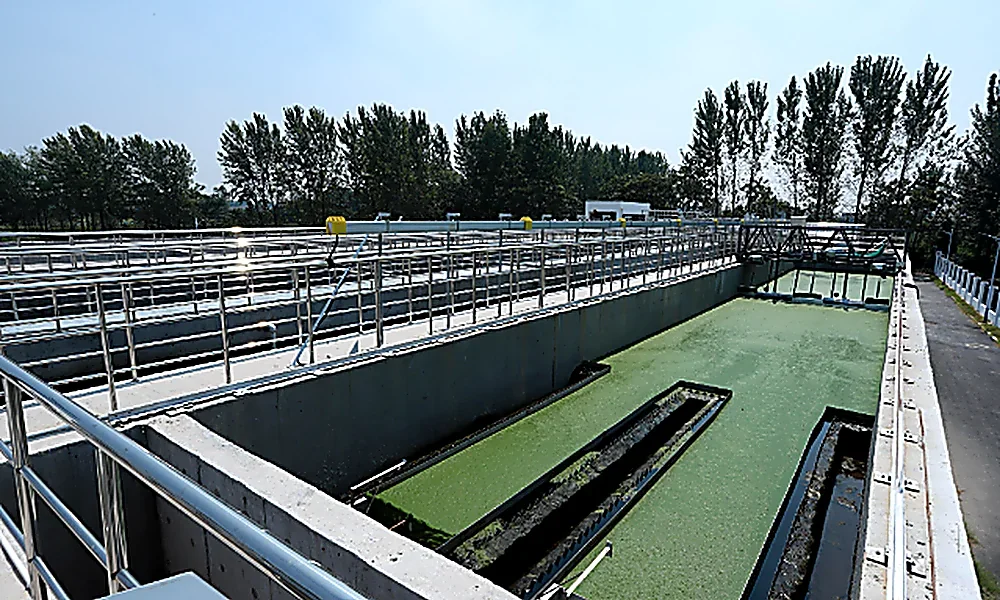
When dealing with medical wastewater, standard biological treatments often leave behind stubborn pharmaceutical residues, chemical reagents, and microscopic toxins. To ensure total compliance and protect receiving water bodies, we implement high-tier tertiary polishing stages. These advanced engineering solutions eliminate complex micro-pollutants that standard systems cannot degrade.
Advanced Oxidation Processes (AOP)
Advanced Oxidation Processes rely on the generation of highly reactive hydroxyl radicals to break down non-biodegradable organic compounds. In medical effluent treatment, AOP serves as a powerful barrier against complex molecular pollutants:
- Destruction of Active Pharmaceutical Ingredients (APIs): Rapidly oxidizes antibiotics, hormone disruptors, and cytostatic drugs that survive conventional treatment.
- Non-Selective Organic Degradation: Mineralizes toxic synthetic chemicals into harmless water, carbon dioxide, and inorganic salts.
- Enhanced Effluent Quality: Drastically reduces residual COD and eliminates color and odor before final discharge.
Specialized Electrocoagulation Systems
Electrocoagulation utilizes an electrical current to destabilize and aggregate suspended particles, heavy metals, and emulsified contaminants. By introducing electrical charges through sacrificial metal plates, we neutralize the surface charges of fine colloidal matter:
- Minimal Chemical Dosing: Destabilizes colloids directly via electrical current, significantly reducing overall chemical consumption and secondary chemical sludge generation.
- Heavy Metal and Dye Removal: Precipitates complex laboratory chemicals, diagnostic reagents, and trace heavy metals.
- High Efficiency: Works seamlessly alongside advanced wastewater treatment configurations to clarify difficult waste streams in a compact physical footprint.
Reverse Osmosis and Nanofiltration
For facilities aiming for effluent recycling or operating under ultra-strict local discharge regulations, high-pressure membrane separation represents the highest standard of physical filtration:
- Nanofiltration (NF): Targeted removal of multivalent ions, synthetic organics, and residual pharmaceutical molecules with low energy overhead.
- Reverse Osmosis (RO): Employs semi-permeable membranes under high pressure to reject dissolved solids, bacteria, viruses, and sub-nanometer contaminants.
- Water Recovery: Produces ultra-clean permeate that medical institutions can safely reuse in non-potable utility systems, such as boiler feeds and cooling towers.
Disinfection Methods for Pathogen Elimination
Medical wastewater carries severe biological risks, including antibiotic-resistant bacteria, enteric viruses, and infectious pathogens. In hospital sewage treatment methods, disinfection is the non-negotiable final barrier safeguarding public health and municipal water networks. We engineer automated disinfection units to neutralize these biological hazards effectively, ensuring treated effluent consistently surpasses strict discharge standards.
| Disinfection Technology | Primary Target | Chemical Residuals | Operational Strengths |
|---|---|---|---|
| Ultraviolet (UV) Irradiation | Bacteria, viruses, protozoa | None | Rapid contact time, no byproduct formation |
| Ozone (O3) Treatment | Complex pathogens, trace APIs | None | High oxidation potential, breaks down drug residues |
| Chlorination Systems | Broad-spectrum pathogens | Controlled residual | Reliable, cost-effective, prolonged antimicrobial action |
Ultraviolet (UV) Irradiation Systems
Our UV disinfection units utilize targeted C-band ultraviolet light (254 nm wavelength) to penetrate cellular walls and instantly disrupt microbial DNA and RNA. This physical inactivation stops pathogens from replicating without adding hazardous chemicals to the water.
- Chemical-Free Process: Generates zero toxic disinfection byproducts (DBPs) like trihalomethanes.
- Rapid Pathogen Inactivation: Achieves complete bacterial kill rates within seconds of exposure in high-efficiency quartz sleeve reactors.
- Optimized for Clarified Effluent: UV performance peaks following membrane bioreactor (MBR) filtration, where low turbidity allows maximum light penetration.
Ozone (O3) Treatment for Chemical Breakdown
Ozone serves a dual role in hospital sewage treatment by delivering both broad-spectrum disinfection and intense chemical oxidation. Generated on-site via silent electrical discharge, ozone breaks down complex molecular structures that bypass conventional biological treatments.
- Destruction of Resistant Pharmaceuticals: Effectively degrades active pharmaceutical ingredients (APIs), endocrine disruptors, and residual antibiotics.
- Microbial Cell Lysis: Rapidly ruptures bacterial and viral cell walls, proving highly effective against spore-forming organisms.
- Clean Decomposition: Decomposes back into dissolved oxygen naturally, leaving no chemical footprint in the downstream discharge.
Complementing this containment strategy, specialized research wings often pair targeted water treatment with proven methods for deodorizing exhaust air from animal facilities in medical laboratories to eliminate secondary airborne biohazards.
Chlorination and Dechlorination Protocols
Chemical dosing remains the global benchmark for dependable, large-scale medical wastewater disinfection. We equip our integrated treatment plants with automated sodium hypochlorite dosing skids and chlorine dioxide generators engineered for continuous biological control.
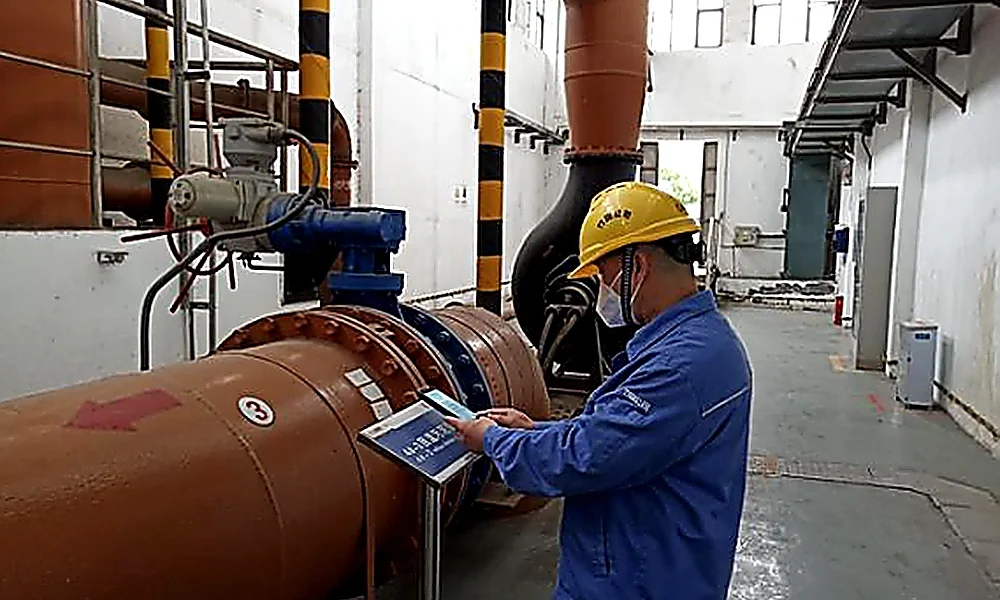
- Precise Chemical Dosing: Automated PLC controls meter disinfectant volume in real time based on incoming flow rates and oxidation-reduction potential (ORP).
- Controlled Contact Time: Baffled contact tanks guarantee the mandatory 30- to 60-minute hydraulic retention time required to destroy high concentrations of fecal coliforms and pathogens.
- Automated Dechlorination: Integrated downstream dechlorination systems neutralize excess free chlorine before environmental release, protecting aquatic ecosystems from chemical toxicity.
Management and Disposal of Medical Sewage Sludge
When determining how wastewater from hospitals and medical institutions is treated, managing the generated sludge is just as critical as purifying the liquid effluent. Medical sewage sludge concentrates high levels of pathogenic microorganisms, active pharmaceutical ingredients, and chemical residues. Because this byproduct poses direct biological and environmental hazards, we design multi-stage sludge management protocols to ensure safe containment, volume reduction, and complete pathogen elimination.
Sludge Thickening and Dewatering Techniques
The first phase of sludge handling focuses on removing free water to minimize volume and prepare solids for final disposal. Sludge generated from primary clarifiers and downstream biological processes requires reliable mechanical separation:
- Sludge Conditioning: Chemical dosing systems introduce automated streams of polyaluminum chloride (PAC) and polyacrylamide (PAM) to aggregate fine particles into dense flocs.
- Thickening: Settled solids collected from clarification units, such as an inclined tube sedimentation tank, undergo gravity thickening to increase solids concentration prior to pressing.
- Mechanical Dewatering: We utilize fully enclosed multi-plate screw presses and plate-and-frame filter presses. The enclosed design prevents hazardous aerosol dispersion, protects operators from exposure, and produces a dry, manageable filter cake.
| Equipment Type | Typical Cake Dryness | Key Advantage for Medical Facilities |
|---|---|---|
| Multi-Plate Screw Press | 20% – 25% DS | Low speed, continuous enclosed operation, low wash-water demand |
| Plate-and-Frame Press | 30% – 40% DS | High pressure separation, maximum volume reduction |
| Belt Filter Press | 18% – 22% DS | High throughput for large-scale municipal-medical complexes |
Thermal Treatment and Incineration
For high-risk hospital sewage sludge containing persistent pharmaceutical residues and antimicrobial-resistant pathogens, mechanical dewatering is followed by thermal treatment:
- High-Temperature Incineration: Subjecting dewatered cake to controlled combustion temperatures (typically exceeding 850°C) permanently neutralizes infectious agents and degrades complex chemical compounds into inert bottom ash.
- Thermal Drying: Industrial dryers reduce residual moisture content, cutting disposal volume by up to 80% while preparing the cake for specialized hazardous waste destruction.
Safe Transport and Regulated Hazardous Waste Disposal
Medical sludge cannot be used for agricultural land application or conventional composting due to strict biohazard classifications. Final handling mandates rigorous containment procedures:
- Chemical Stabilization: Lime stabilization is applied to raise the pH above 12, effectively inactivating residual viruses and controlling odors prior to handling.
- Hermetic Containment: Dewatered solids are sealed in leak-proof, puncture-resistant containers to eliminate intermediate contamination risks during site handling.
- Manifest-Tracked Disposal: Sludge batches are transported via certified hazardous waste logistics providers directly to authorized high-temperature incineration facilities or engineered hazardous landfills, ensuring full compliance with environmental standards.
Regulatory Standards and Environmental Compliance
Meeting environmental discharge regulations is not optional when evaluating how wastewater from hospitals and medical institutions is treated. Because medical wastewater carries persistent biohazards, local and international authorities enforce strict limits to prevent contamination of municipal networks, groundwater, and surrounding ecosystems. We design our integrated treatment plants to ensure medical facilities consistently satisfy these rigorous mandates without risking legal liability or public health violations.
WHO and Global Guidelines for Healthcare Effluent
International environmental benchmarks, including standards established by the World Health Organization (WHO), prioritize pathogen inactivation and organic pollutant reduction before hospital sewage enters water bodies or public sewers:
- Pathogen Elimination: Complete neutralization of fecal coliforms, enteric viruses, and infectious bacteria to zero or undetectable thresholds via multi-barrier disinfection.
- Standard Effluent Metrics: Strict discharge caps on Chemical Oxygen Demand (COD), Biochemical Oxygen Demand (BOD), and Total Suspended Solids (TSS) to minimize ecological depletion.
- Toxic Chemical Neutralization: Prevention of toxic reagent releases from clinical laboratories and diagnostic radiology departments.
Discharge Limits for Active Pharmaceutical Ingredients (APIs)
Modern regulatory frameworks increasingly address trace pharmaceuticals, chemotherapy agents, and antibiotic residues that drive antimicrobial resistance in aquatic environments. Standard municipal plants often fail to process these stable molecules, requiring advanced on-site separation.
We leverage high-performance membrane bioreactors and chemical dosing units derived from our specialized pharmaceutical wastewater treatment engineering to break down and filter out stubborn drug residues, helping healthcare centers meet tight regional discharge caps.
Continuous Monitoring and Quality Assurance Protocols
Reliable compliance requires automated oversight rather than occasional manual sampling. We equip our turnkey medical effluent systems with real-time telemetry and PLC-driven monitoring protocols to safeguard water quality around the clock:
- Online Sensor Arrays: Continuous tracking of pH levels, turbidity, dissolved oxygen, and residual chlorine to verify biological activity and disinfection performance.
- Automated Divert Loops: Smart control valves that automatically route non-compliant wastewater back into balancing tanks if target disinfection or filtration standards are not met.
- Data Logging: Integrated reporting systems that maintain immutable discharge logs for environmental inspections and facility auditing.
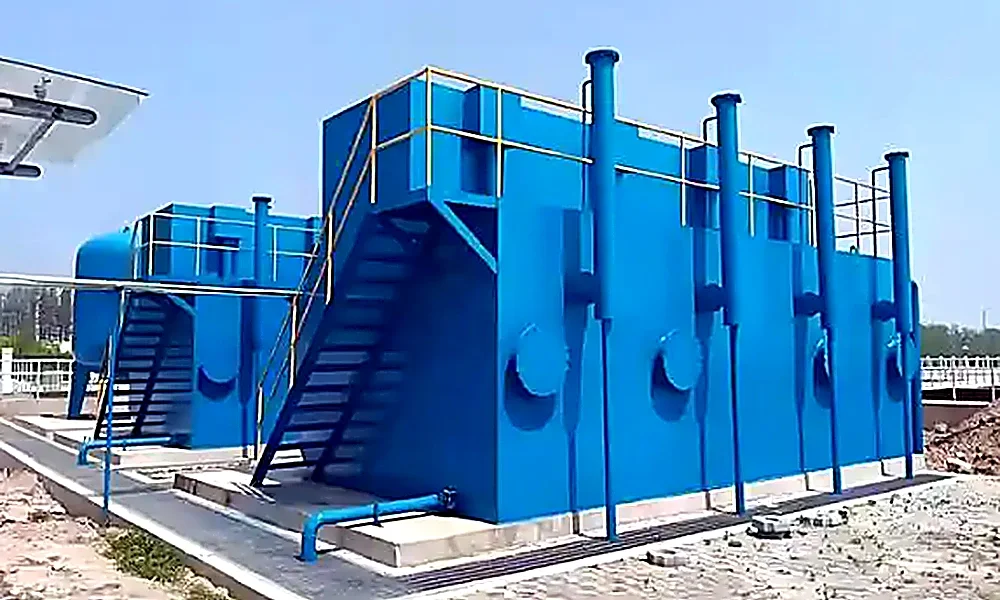
Selecting an On-Site Wastewater Treatment System for Medical Facilities
Choosing the right plant setup determines how reliably wastewater from hospitals and medical institutions is treated to meet environmental discharge standards. We design and manufacture turnkey, skid-mounted, and underground integrated systems tailored to handle biohazardous loads, fluctuating hydraulic surges, and strict disinfection protocols.
Evaluating Facility Size and Effluent Volume
Medical sewage generation varies significantly based on active bed counts, outpatient volume, surgical operations, and specialized services like diagnostics and laundry. Proper sizing ensures the treatment system operates steadily during peak discharge hours without biological overload or inadequate disinfection retention.
| Facility Type | Daily Bed Count / Capacity | Average Daily Effluent Volume | Recommended Treatment Configuration |
|---|---|---|---|
| Specialized Clinics & Outpatient Centers | 10 – 50 Beds | 2 – 15 m³/day | Compact skid-mounted MBR system + automated chemical dosing |
| Community & Regional Hospitals | 100 – 300 Beds | 50 – 150 m³/day | Integrated underground A/O contact oxidation + secondary disinfection |
| Large General & Tertiary Medical Centers | 500+ Beds | 250 – 500+ m³/day | Centralized multi-stage MBR plant + sludge screw press dewatering |
Centralized vs. Decentralized On-Site Treatment
Relying purely on off-site municipal networks carries high contamination risks because infectious pathogens and toxic chemical agents enter public infrastructure untreated. Implementing a decentralized on-site hospital sewage treatment plant guarantees immediate point-source containment and complete disinfection.
- Decentralized Integrated Plants: Packaged systems installed directly on hospital grounds capture hazardous medical wastewater at the source, preventing biological contamination in surrounding municipal pipelines.
- Modular Scalability: Compact, skid-mounted configurations allow healthcare facilities to expand treatment capacity seamlessly alongside facility expansions.
- Proven Reliability: Our field-tested engineering approach across multiple wastewater treatment projects shows that dedicated on-site treatment significantly lowers municipal regulatory compliance risks.
Operational Costs, Energy Efficiency, and Maintenance Requirements
Long-term cost efficiency depends on automated controls, heavy-duty build materials, and low-energy mechanical components:
- PLC-Controlled Automation: Fully automated systems adjust chemical dosing and aeration cycles automatically according to inlet flow rates, minimizing routine manual operator intervention and biohazard exposure.
- Corrosion-Resistant Fabrication: Heavy-duty carbon steel with multi-layer anti-corrosion coatings or SS304/SS316 stainless steel structures withstand aggressive medical disinfectants and prolong equipment lifespan.
- Low Energy Aeration & Dewatering: High-efficiency blowers combined with multi-plate screw presses cut electrical usage and deliver dry, manageable sludge cakes ready for safe hazardous waste disposal.