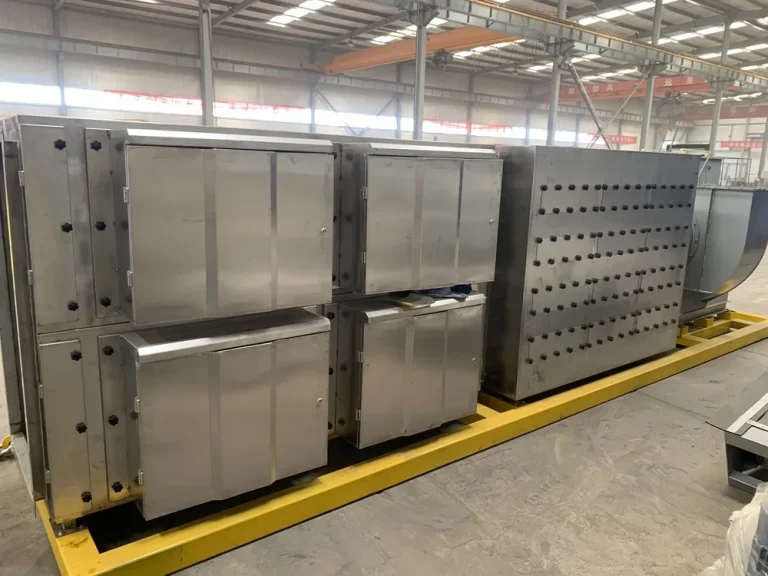
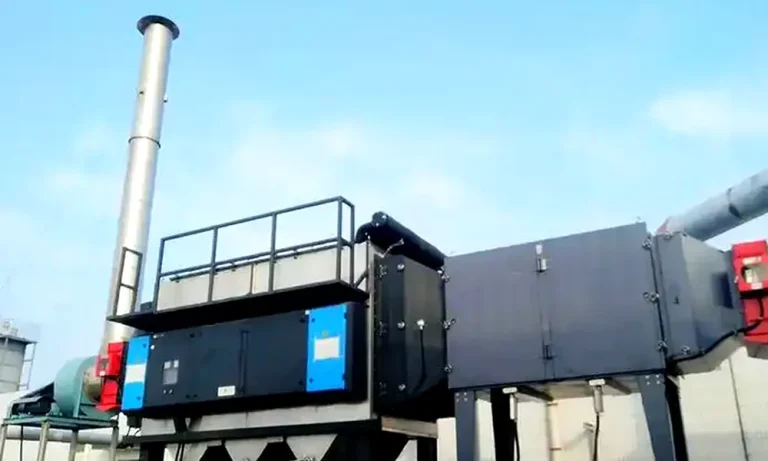
Environmental protection equipment supplier

Laboratory Environmental Protection and Odor Control Guide
Understanding Laboratory Odors and Environmental Impacts
Effective laboratory odor control and environmental protection begin with recognizing that laboratory smells are rarely just aesthetic nuisances. In modern scientific, clinical, and research facilities, persistent odors often signal airborne chemical emissions, biological off-gassing, or compromised containment protocols. Addressing how environmental protection and odor control should be handled in a laboratory requires a systematic approach to identifying emission points, adhering to international compliance frameworks, and mitigating downstream environmental hazards.
Common Sources of Laboratory Odors and Air Contaminants
Laboratory operations routinely generate complex mixtures of fugitive emissions, particulates, and volatile organic compounds (VOCs). Pinpointing the exact source is critical for deploying targeted engineering controls.
- Volatile Organic Compounds (VOCs): Routine use of solvents such as xylene, toluene, acetone, and alcohols generates fugitive vapors during open-bench mixing, pipetting, and surface cleaning.
- Off-Gassing Reagents: Formaldehyde, glutaraldehyde, and mercaptoethanol release pungent, toxic chemical vapors even at minimal exposure thresholds.
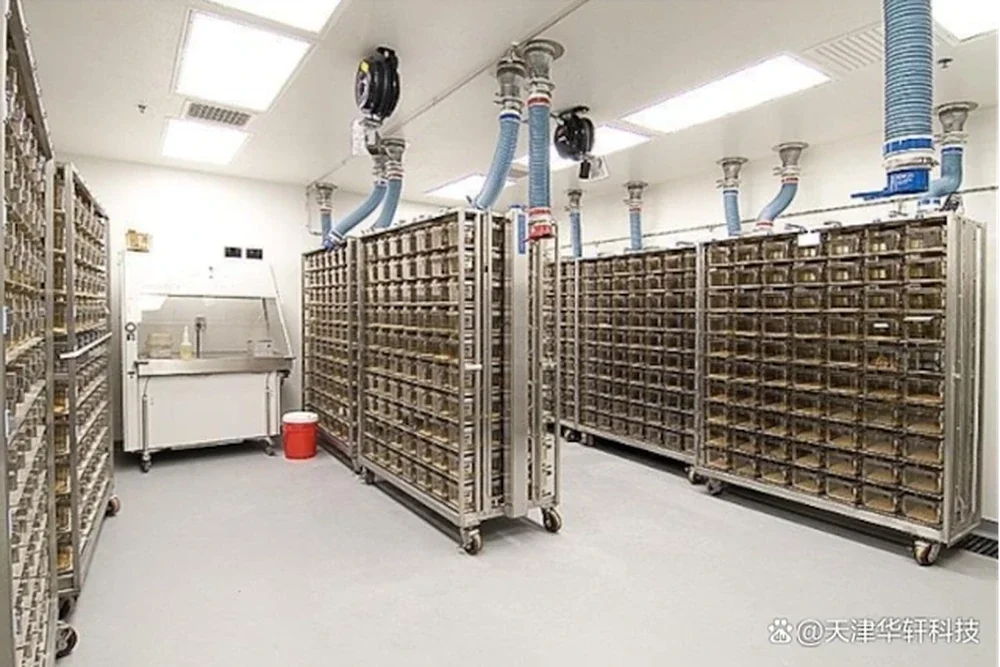
- Biological Decomposition: Histopathology grossing, microbiological culturing, and vivarium animal maintenance yield pungent bio-effluents, ammonia, and sulfur-based compounds.
- Chemical Reactions and Digestions: Acid digestion (using nitric, hydrochloric, or hydrofluoric acids) produces acidic mists, while thermal decomposition procedures vent heavy molecular byproducts.
- Improper Waste Storage: Open waste receptacles, poorly sealed solvent carboys, and unvented storage areas continuously leak nuisance odors into the working volume.
| Contaminant Category | Primary Laboratory Sources | Characteristic Marker / Odor | Primary Risk Profile |
|---|---|---|---|
| Aromatic Hydrocarbons | Histology, slide staining, extraction | Sweet, sharp solvent odor (Xylene, Toluene) | Neurotoxicity, respiratory tract irritation |
| Sulfur Compounds | Organic synthesis, biochemical assays | Rotten eggs, skunk-like (Mercaptans, H2S) | Olfactory fatigue, extreme nuisance |
| Aldehydes | Specimen preservation, tissue fixation | Pungent, suffocating (Formalin) | Carcinogenicity, strong sensitizer |
| Inorganic Acid Gases | Mineral acid digestion, wet chemistry | Choking, acrid fumes (HCl, Nitric acid) | Corrosive tissue damage, equipment degradation |
| Bio-aerosols & Ammonia | Animal housing facilities, cell cultures | Sharp, pungent, stale animal waste | Occupational asthma, biological sensitivity |
Regulatory Compliance and Health Safety Standards
Managing laboratory emissions requires rigorous adherence to local and international occupational health and environmental protection mandates. Regulatory frameworks dictate permissible exposure limits (PELs) to safeguard technicians, alongside boundary-line discharge limits to safeguard neighboring communities.
- OSHA (Occupational Safety and Health Administration): Establishes legally enforceable Permissible Exposure Limits (PELs) and short-term exposure limits (STELs) for airborne substances under 29 CFR 1910.1450 for laboratory environments.
- NIOSH & ACGIH Guidelines: Define Recommended Exposure Limits (RELs) and Threshold Limit Values (TLVs), which frequently dictate tighter standards than statutory baselines to prevent chronic occupational illness.
- EPA & Clean Air Act Standards: Govern atmospheric emissions from exhaust stacks. Facilities must monitor volatile emissions and Hazardous Air Pollutants (HAPs) to ensure emissions do not exceed National Ambient Air Quality Standards (NAAQS).
- ISO 14001 Certification: Demands structured environmental management systems (EMS) that actively track, control, and reduce gaseous effluents and operational chemical footprints.
Environmental Risks Associated with Chemical Emissions
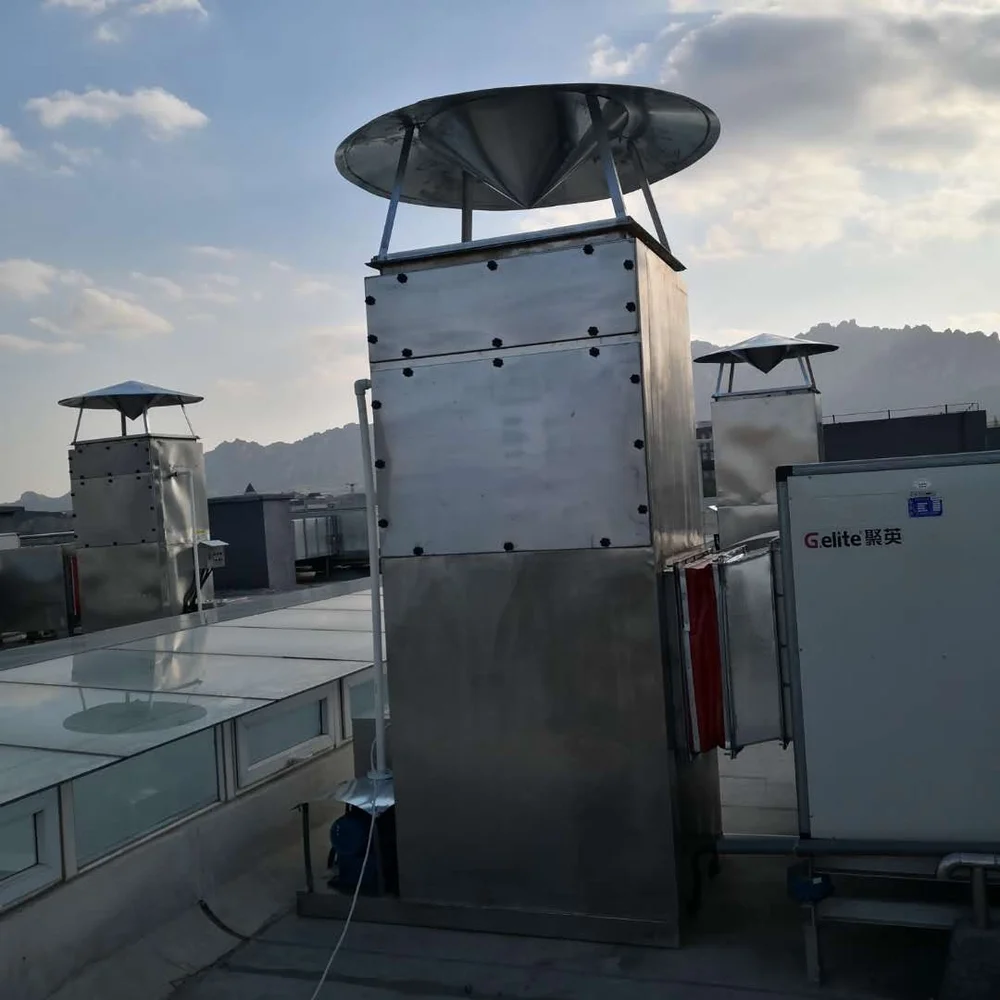
Uncontrolled laboratory exhaust directly compromises ambient air quality and strains ecological balances outside the facility perimeter. When exhaust ventilation discharge lacks adequate molecular air filtration systems, toxic chemical vapors vent straight into urban or suburban microenvironments.
[Laboratory Benchtop Emissions]
│
▼ (Unfiltered Exhaust)
[Atmospheric Point-Source Discharge]
│
┌─────┴────────────────────────┐
▼ ▼
[Secondary Photochemical Reactions] [Ground-Level Odor Nuisance]
│ (Tropospheric Ozone Creation) │ (Re-entrainment into HVAC)
▼ ▼
[Regional Smog Formation] [Occupational Re-exposure]
Unscrubbed VOCs act as precursor agents in tropospheric ozone formation and photochemical smog when reacting with nitrogen oxides under ambient sunlight. Concurrently, persistent laboratory odors generate acute nuisance complaints from nearby residential zones and adjacent commercial units. Without disciplined environmental odor control protocols, high-velocity exhaust can easily be pulled back into the building through fresh-air HVAC intakes, creating a dangerous re-entrainment cycle that re-exposes personnel and degrades indoor air quality. Responsible management mandates engineered capture systems at the source to mitigate ambient discharge and establish robust environmental stewardship.
Effective Ventilation and Air Filtration Systems
Managing laboratory air quality requires a layered defense. We tackle airborne pollutants at the point of origin before they disperse into the wider breathing zone, ensuring that environmental protection and odor control in the laboratory are handled with maximum efficiency.
Ductless Fume Hoods and Local Exhaust Ventilation
Local exhaust ventilation (LEV) serves as the primary barrier against volatile emissions. Where standard ducted setups are impractical or costly to route, ductless fume hoods provide a flexible, highly effective alternative.
- Source Capture: Snorkel exhausts and hoods capture toxic chemical vapors right at the benchtop, preventing migration into shared spaces.
- Recirculation Safety: Modern ductless systems pass contaminated air through multi-stage filters before recirculating clean air back into the room, reducing conditioned air loss.
- Targeted Containment: Local extraction handles high-emission tasks like solvent dispensing, chemical synthesis, and sample digestion without burdening the central HVAC.
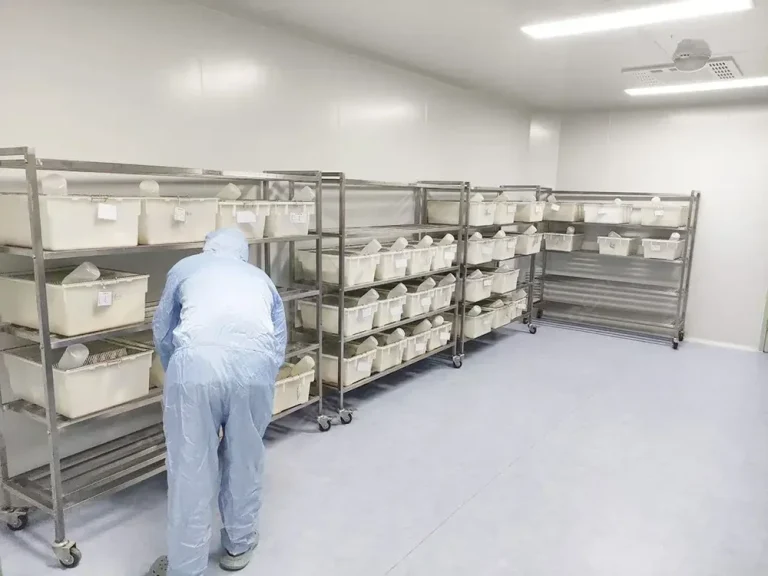
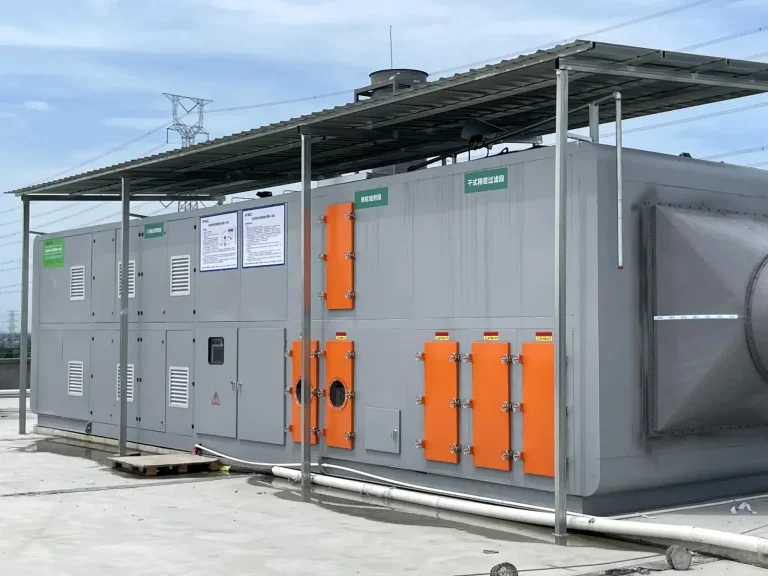
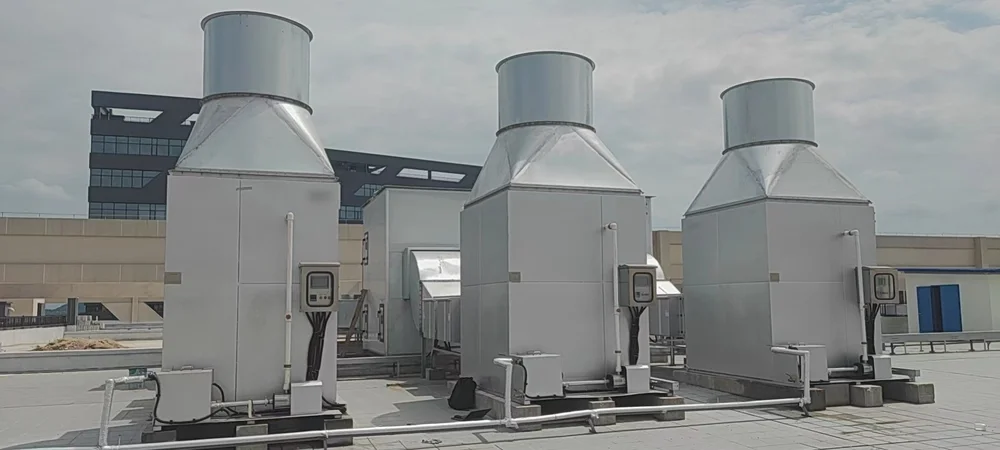
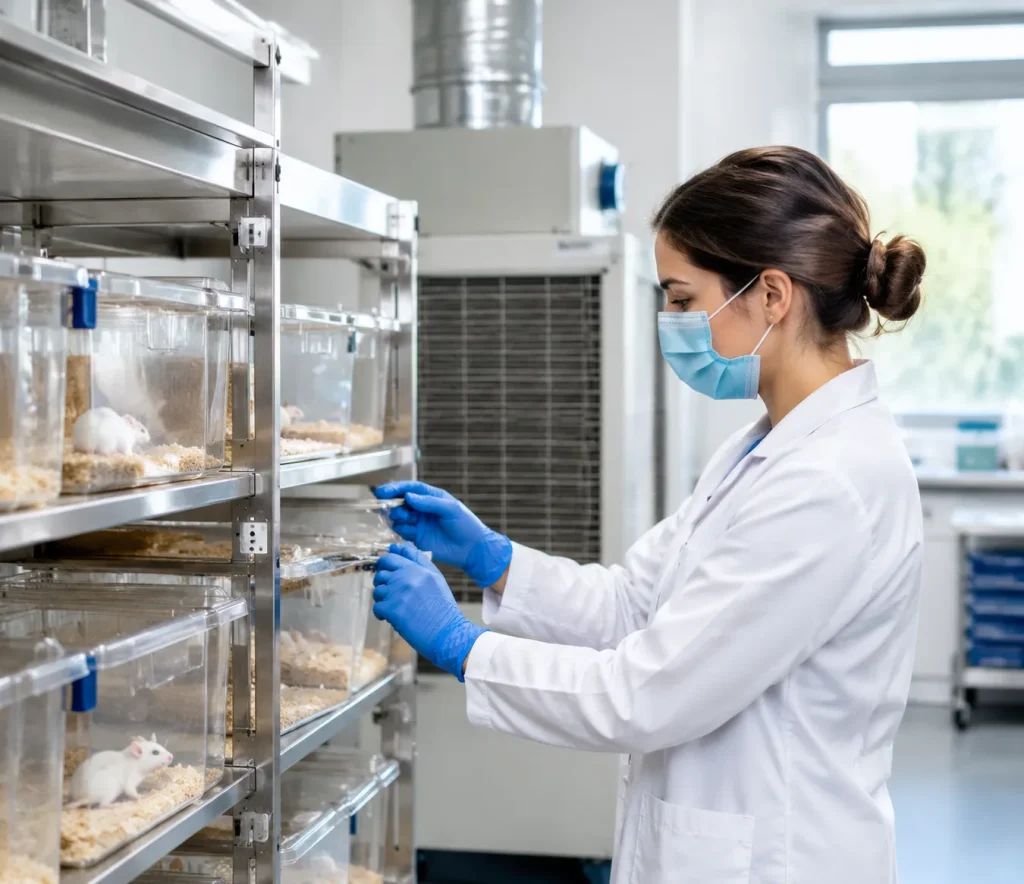
For specialized testing wings or animal holding units, dedicated exhaust capture remains essential. Implementing proven methods for deodorizing exhaust air from animal facilities ensures that biological and chemical smells are neutralized before air leaves the building.
| Ventilation Type | Best Used For | Primary Benefit |
|---|---|---|
| Ductless Fume Hoods | Mobile workstations, benchtop chemical handling | Zero ductwork needed, lowers energy consumption |
| Snorkel Arms / Local Exhaust | Soldering, micro-pipetting, spot emissions | Precise point-of-source capture |
| Ducted Exhaust Systems | High-volume acid digestions, heavy solvent boiling | Complete exterior discharge for extreme hazards |
Advanced Air Purifiers and Molecular Filtration
Standard particulate filtration is never enough for volatile organic compounds (VOCs) and nuisance smells. True laboratory odor control demands molecular-phase filtration.
- Activated Carbon Beds: We utilize virgin activated carbon treated with specific impregnations (acidic or alkaline) to chemically bond and neutralize vapors like formaldehyde, ammonia, and sulfur compounds.
- HEPA / ULPA Stages: High-efficiency particulate air filters sit upstream or downstream to catch aerosols, biological particulates, and fine carrier dusts.
- Continuous Air Scrubbing: Standalone molecular air filtration units operate around the clock, continuously polishing ambient air and eliminating residual odors that escape primary hoods.
HVAC Integration and Air Exchange Management
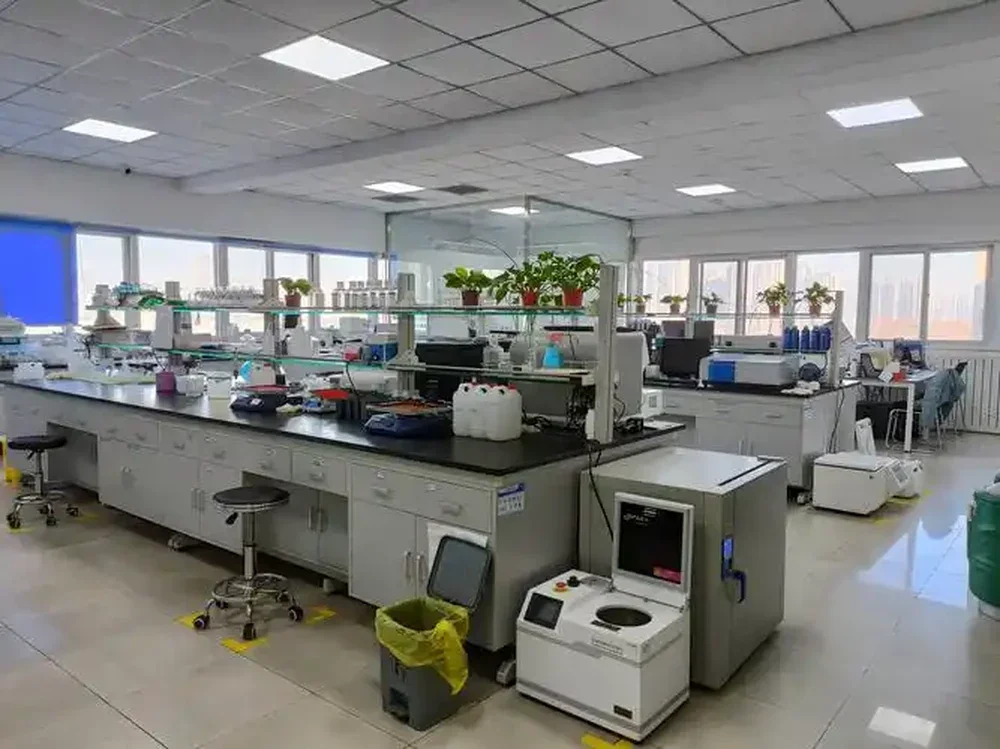
Central HVAC configurations must work hand-in-hand with localized odor control equipment. Balance, directional flow, and adequate air exchanges keep pollutants from lingering.
- Air Changes Per Hour (ACH): Active labs generally require 6 to 12 ACH depending on the hazard classification, ensuring rapid dilution and removal of contaminants.
- Negative Pressure Zones: Labs dealing with potent reagents or biological materials must maintain negative air pressure relative to corridors and offices, physically barring odors and vapors from drifting into non-lab spaces.
- Single-Pass Airflow: Whenever severe chemical loads are present, systems must operate on 100% outside air without recirculation through the general building ventilation.
Hazardous Chemical Storage and Containment
Controlling odors and mitigating environmental risks starts at the storage level. When volatile reagents and solvents sit on open shelves or in standard cabinets, vapors slowly escape, degrading indoor air quality and putting personnel at risk. We tackle this by implementing airtight containment systems and continuous filtration directly at the storage footprint.
Filtered Storage Cabinets for Volatile Compounds
Standard metal cabinets protect against fire, but they do not trap fugitive vapors. We use ductless filtered storage cabinets equipped with dedicated molecular carbon filtration to capture toxic chemical vapors 24/7.
- Continuous Vapor Extraction: Integrated blowers draw internal air through activated carbon beds, stripping out mercaptans, volatile organic compounds (VOCs), and acid gases before recirculating clean air into the room.
- Zero Ductwork Dependencies: These units operate independently of central HVAC, drastically cutting energy consumption while ensuring continuous laboratory odor control.
- Saturation Sensors: Onboard detection monitors carbon filter beds, signaling immediately when breakthrough occurs so filter media is swapped before odors leak.
Spill Prevention and Secondary Containment Protocols
A single cracked reagent bottle can contaminate an entire floor. We stop odors and chemical migration before they spread by enforcing strict containment measures:
| Hazard Class | Containment Requirement | Primary Material |
|---|---|---|
| Volatile Organics | Spark-proof sump trays with vapor-tight seals | High-Density Polyethylene (HDPE) / Steel |
| Corrosive Acids | Acid-resistant bermed shelving and drip trays | Polypropylene or Fluoropolymer |
| Oxidizers & Toxics | Isolated secondary bins with distinct air catchment | Chemically inert synthetic polymers |
Incompatible chemicals must stay physically segregated. Storing organic bases alongside volatile acids risks exothermic reactions that generate massive clouds of toxic vapor. Secondary containment bunds must hold at least 110% of the largest stored container’s volume to guarantee zero floor contact during an unexpected breach.
Safe Handling and Disposal of Hazardous Chemical Waste
Improper waste collection remains one of the largest contributors to lab odor spikes and environmental discharge violations. Open funnels and unsealed carboys allow continuous evaporation of volatile solvents into the breathing zone.
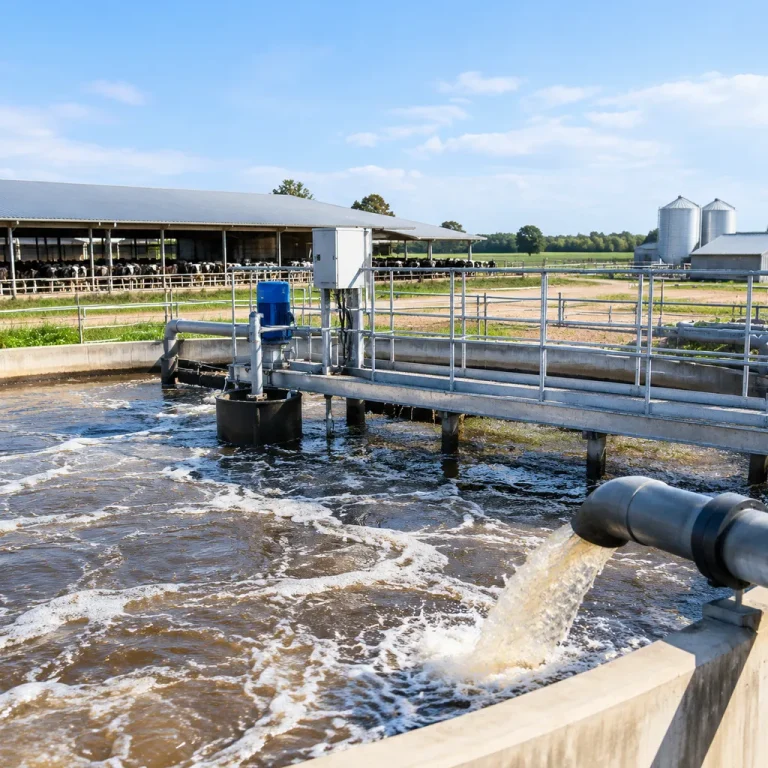
We resolve this by outfitting waste stations with specialized vapor-trapping exhaust funnels and automatic check valves that seal immediately after pouring. Liquid waste is segregated by compatibility: halogenated organics, non-halogenated solvents, and concentrated mineral acids are isolated into dedicated drums. Applying rigorous containment and neutralization standards mirrors the precision required in industrial settings, such as treating pickling and phosphating wastewater, ensuring zero hazardous chemicals migrate into public sewer lines or escape into the atmosphere.
Continuous Monitoring and Safety Sensing Technologies
Effective laboratory odor control and environmental protection require proactive surveillance. We cannot manage what we do not measure. By pairing active air filtration systems with continuous gas detection, facilities maintain strict safety margins and prevent fugitive emissions before odors migrate outside the workspace.
Real-Time Air Quality Sensors and Odor Monitors
Modern facilities rely on multi-gas sensor arrays placed strategically near fume hoods, chemical storage units, and breathing zones. These sensors instantly spot concentration spikes of volatile organic compounds (VOCs), hydrogen sulfide, ammonia, and other hazardous reagents.
- Photoionization Detectors (PID): Provide rapid, broadband detection of volatile organics down to parts-per-billion (ppb) levels.
- Electrochemical Sensors: Monitor specific inorganic compounds like formaldehyde, sulfur dioxide, and chlorine.
- Metal Oxide Semiconductor (MOS) Sensors: Deliver reliable tracking of nuisance odors and solvents across wide ambient temperature shifts.
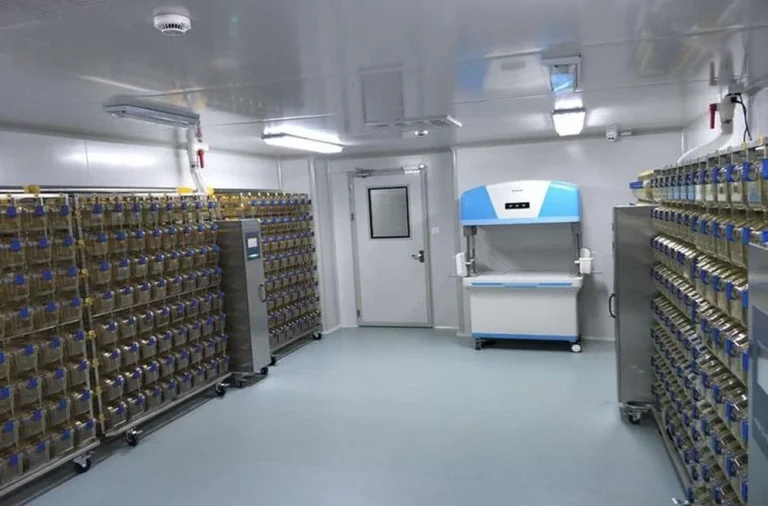
- Specialized Multi-Gas Trackers: Critical for vivariums and research spaces, as demonstrated in our pharmaceutical animal room deodorization installations where ammonia and organic amines require non-stop tracking.
| Sensor Type | Target Contaminant | Typical Placement | Detection Level |
|---|---|---|---|
| PID | Solvent vapors, aromatic hydrocarbons | Fume hood sash perimeter, solvent benches | Low ppb to ppm |
| Electrochemical | Acid gases, ammonia, formaldehyde | Chemical stockrooms, exhaust ducts | Sub-ppm |
| Differential Pressure | Filter saturation indicators | In-line exhaust ventilation manifolds | Static pressure drop (Pa/in. w.g.) |
Automated Alarm Systems and Emission Tracking
Sensors must trigger real-world actions. We integrate real-time detection hardware directly with central Building Management Systems (BMS) to create automated responses:
- Tiered Visual and Audible Alarms: Low-level alerts warn operators of minor leaks or declining ventilation, while critical alerts initiate evacuation sequences if toxic chemical vapors exceed safe exposure limits.
- Dynamic Fan Modulation: Detection of fugitive odors instantly signals variable-frequency exhaust ventilation drives to ramp up face velocity and contain escaping vapors.
- Continuous Emission Logging: Automated data recording creates an audit-ready trail for regulatory compliance, documenting ambient concentrations and exhaust stack levels 24/7.
Routine System Maintenance and Filter Replacement
A sensing system is only as good as the physical containment it watches over. Filter saturation poses a constant risk to indoor air quality, which is why structured maintenance intervals are essential:
- Sensor Calibration Cycles: Recalibrate electrochemical and PID sensors every six months using certified span gases to prevent baseline drift.
- Differential Pressure Tracking: Monitor manometer readings daily; rising static pressure drops indicate particulate pre-filter loading, while sudden drops signal filter bypass or duct compromise.
- Predictive Carbon Media Changeouts: Replace activated carbon beds based on breakthrough sensor readings or calculated chemical loading schedules rather than waiting for olfactory breakthrough.
- Seal and Gasket Inspections: Check housing seals, dampers, and blower drive belts during every filter turnover to ensure zero duct leakage into adjacent workspaces.
Best Practices for Odor Mitigation and Environmental Protection
Controlling emissions requires pairing reliable containment hardware with disciplined daily protocols. A proactive operational approach stops toxic chemical vapors right at the source, preventing nuisance smells from migrating into hallways or venting untreated into the surrounding atmosphere.
Standard Operating Procedures for Chemical Handling
Clear, repeatable operating procedures eliminate accidental vapor releases before they escalate into facility-wide issues.
- Seal containers immediately: Never leave open solvent bottles on benches. Use vapor-trapping caps on waste containers and secondary containers for transport.
- Work inside exhaust zones: Always perform mixing, heating, and transfers inside dedicated hoods with active exhaust ventilation.
- Isolate organic and bio-waste: When running research involving live subjects or biological decomposition, apply established methods for odor control in laboratory animal facilities to suppress high-load ammonia and sulfur compounds.
- Segregate incompatible chemicals: Keep oxidizers away from organics and acids isolated from bases to prevent unexpected reactions that generate volatile byproducts.
Personal Protective Equipment (PPE) and Worker Safety
While engineering controls provide primary containment, appropriate PPE protects personnel against unexpected odor bursts and fugitive emissions during direct handling:
| PPE Category | Selection Criteria | Operational Purpose |
|---|---|---|
| Respiratory Protection | NIOSH-approved half-mask or full-face respirators | Fitted with specific organic vapor/acid gas cartridges during high-emission operations. |
| Chemical Gloves | Nitrile, butyl, or fluoroelastomer materials | Matched to solvent breakthrough times to avoid dermal contact and accidental chemical transfer. |
| Eye & Face Defense | Indirectly vented splash goggles and polycarbonate shields | Shields against splashes and direct vapor exposure during pressurized transfers. |
Implementing Green Laboratory and Waste Reduction Strategies
True environmental odor control starts by reducing the volume of volatile agents entering the facility:
- Adopt microscale techniques: Scale down experimental volumes to run reactions with milligrams instead of grams, drastically cutting down total vapor output.
- Substitute benign solvents: Replace hazardous, high-odor carriers like benzene, toluene, and chlorinated solvents with green alternatives such as ethanol, water, or ethyl lactate whenever research allows.
- Fit closed-loop waste systems: Direct liquid chromatography waste and solvent drains into closed-loop collection vessels equipped with exhaust charcoal filters.
- Conserve exhaust energy: Utilize automated sash-closure systems and variable air volume controls to lower airflow when workspaces are unoccupied, keeping power consumption balanced with containment demands.
Selecting the Right Odor Control and Environmental Solutions
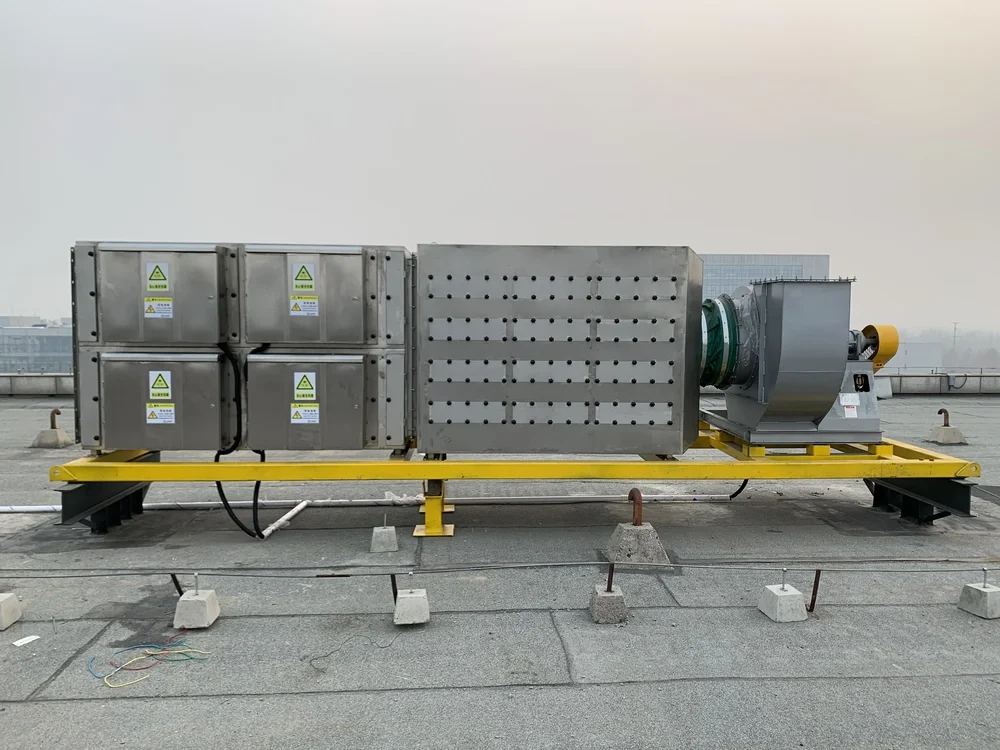
Finding the right balance between environmental protection and odor control in a laboratory comes down to matching your facility’s operational demands with the correct technology. We evaluate equipment not just on raw capture capacity, but on how cleanly it integrates into everyday lab workflows without sending energy costs through the roof.
Assessing Laboratory Size and Emission Types
Before buying hardware, we map out the specific chemical footprint and layout of the lab space. A trace-analytical workspace has vastly different filtration demands than an organic synthesis room or an animal holding suite.
- Chemical Volatility and Volume: Identify whether you are managing light solvent evaporation, acid gases, or heavy toxic chemical vapors. High-throughput reactions demand robust containment compared to intermittent bench work.
- Room Air Dynamics: We calculate room volume and existing air changes per hour (ACH). In enclosed spaces or specialized spaces handling bio-effluents, reviewing laboratory animal facility deodorization equipment functions provides a proven baseline for handling high-load biological and chemical aromas.
- Emission Capture Point: Source-level containment (capturing vapors directly at the beaker or bench) is far more efficient than allowing odors to dilute across the open laboratory before attempting room-wide filtration.
Comparing Ductless and Ducted Containment Systems
The choice between ducted exhaust setups and standalone ductless enclosures dictates your installation footprint, ongoing operating costs, and environmental profile.
| Feature | Ductless Containment Systems | Ducted Exhaust Systems |
|---|---|---|
| Installation | Rapid deployment, no wall penetrations | Requires rooftop blowers and complex ducting |
| Mobility | Portable; easy to reconfigure across benches | Permanently fixed in place |
| HVAC Impact | Recirculates tempered air back into the room | Continuously expels conditioned room air outdoors |
| Target Pollutants | Specific VOCs, nuisance odors, and particulates | Broad-spectrum acids, high-volume solvents, heat |
| Filtration Core | Activated carbon and HEPA modules | Stack dispersion or external wet scrubbers |
We specify ductless fume hoods for processes involving moderate solvent handling, routine pipetting, and localized odor suppression. For high-temperature acid digestions or uncontrolled chemical reactions, fully ducted infrastructure remains the mandatory standard.
Evaluating Cost, Energy Efficiency, and Long-Term Maintenance
A sustainable odor management program accounts for total lifecycle expenses rather than just initial purchase quotes. Standard ducted hoods pull vast amounts of tempered air out of the building every minute, driving up HVAC power draws.
To maximize operational efficiency and maintain compliance, we structure investments around three financial checkpoints:
- Thermal Energy Preservation: Using recirculating ductless units preserves conditioned air, dramatically lowering municipal power utility bills throughout summer and winter seasons.
- Filter Saturation Lifecycles: High-grade bonded carbon filters last significantly longer than loose-fill trays. Factoring in genuine replacement intervals protects downstream environmental discharge quality while keeping consumables on budget.
- Predictive Maintenance: Installing automated airflow monitors and gas breakthrough sensors eliminates guesswork. Routine maintenance shifts from arbitrary calendar dates to actual usage-based filter changes, ensuring absolute laboratory safety without prematurely discarding functional filtration media.