Environmental protection equipment supplier

Common Methods for Treating Domestic Sewage Explained
Understanding Domestic Sewage and Treatment Stages
To effectively evaluate what are the common methods for treating domestic sewage, facility managers and municipal engineers must first evaluate raw effluent makeup and the sequential purification phases. Domestic sewage treatment processes rely on a multi-stage approach engineered to remove contaminants, protect ecosystems, and produce effluent suitable for safe discharge or reuse.
Characteristics and Composition of Domestic Wastewater
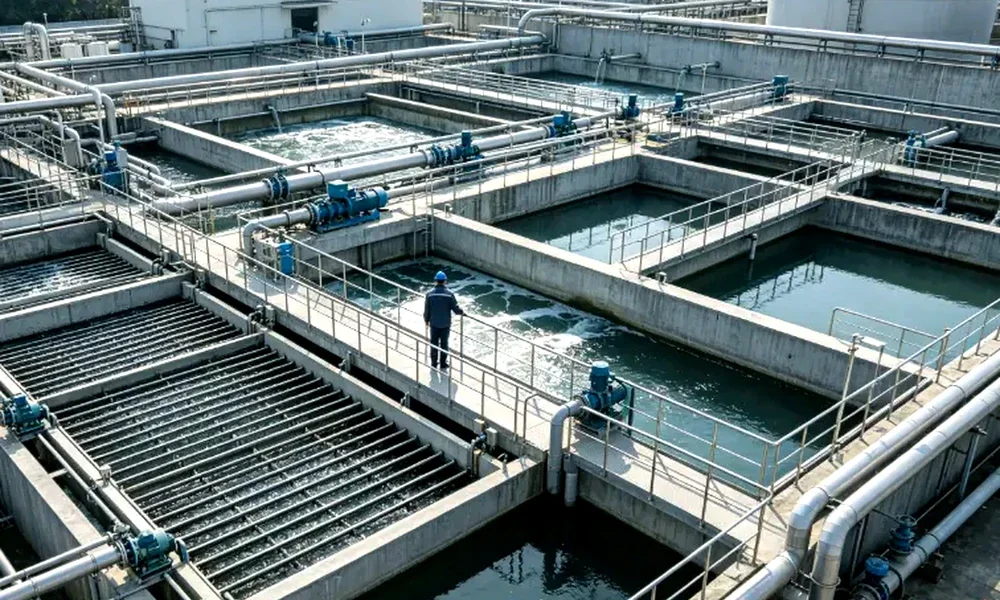
Domestic sewage consists of blackwater (toilet waste containing high organic loads and pathogens) and greywater (effluent from sinks, showers, and laundry containing surfactants and lower organic fractions).
Standard domestic sewage is characterized by specific biological and chemical parameters:
- Biochemical Oxygen Demand (BOD) & Chemical Oxygen Demand (COD): Quantify the amount of dissolved oxygen required to break down organic matter biologically and chemically.
- Total Suspended Solids (TSS): Organic and inorganic particles that stay suspended in the liquid stream.
- Nutrient Levels (Total Nitrogen & Total Phosphorus): Elements originating from human waste and synthetic detergents that fuel biological growth.
- Microbial Pathogens: Enteric bacteria, viruses, and parasites that present direct hazards to public health.
The Three Main Stages: Primary, Secondary, and Tertiary Treatment
Effective domestic sewage equipment operates across three distinct tiers to systematically stabilize wastewater:
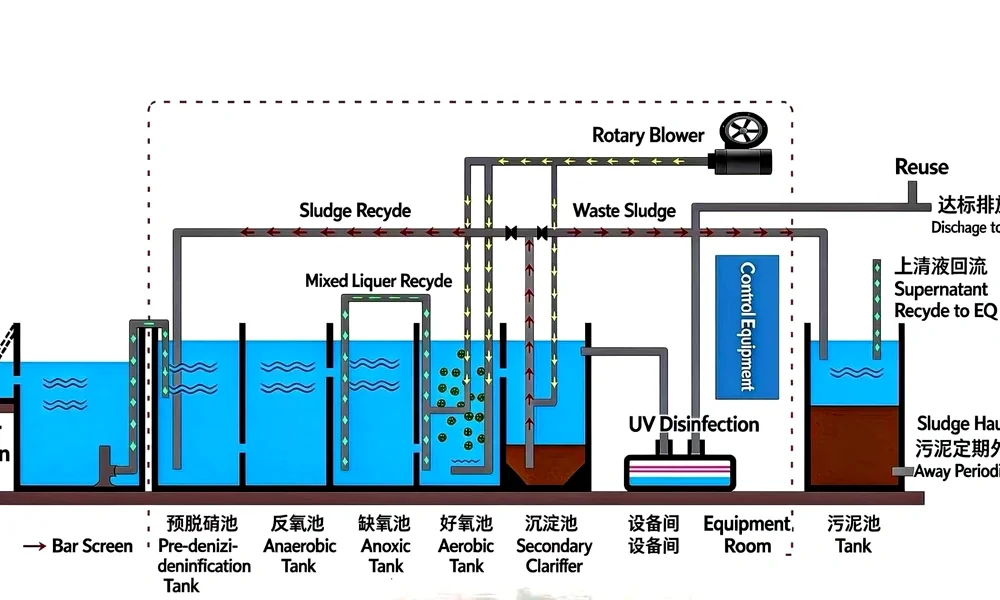
- Primary Treatment (Physical Removal): Focuses on physical separation techniques such as mechanical screening and gravity sedimentation to eliminate coarse solids, floating grit, and settleable debris.
- Secondary Treatment (Biological Degradation): Utilizes engineered biological treatment units—predominantly aerobic or anaerobic cultures—to metabolize dissolved organic pollutants and assimilate suspended nutrients.
- Tertiary Treatment (Advanced Polishing): Deploys membrane filtration, chemical precipitation, and disinfection systems (such as chlorination or UV disinfection) to polish effluent to potable, industrial, or irrigation-grade standards.
Environmental and Public Health Importance of Proper Treatment
Deploying modern domestic sewage equipment across decentralized or municipal sites serves essential technical and environmental functions:
- Pathogen Control: Eradicates waterborne pathogens, preventing outbreaks of enteric illnesses in surrounding communities.
- Eutrophication Prevention: Lowers nitrogen and phosphorus concentrations, preventing algal blooms and subsequent oxygen depletion in receiving waterways.
- Ecosystem Protection: Preserves natural dissolved oxygen balances, safeguarding aquatic life from untreated toxic ammonia and biodegradable loads.
- Water Resource Recovery: Supplies consistent, non-potable reclaimed water suitable for cooling, agricultural irrigation, and municipal reuse applications.
Physical Methods for Domestic Sewage Treatment
When assessing what are the common methods for treating domestic sewage, physical separation serves as the indispensable primary stage. We rely on physical mechanisms to intercept coarse debris, settle heavy solids, and capture suspended particles. This shields downstream biological systems from physical shock, blockages, and mechanical abrasion.
Mechanical Screening and Grit Removal
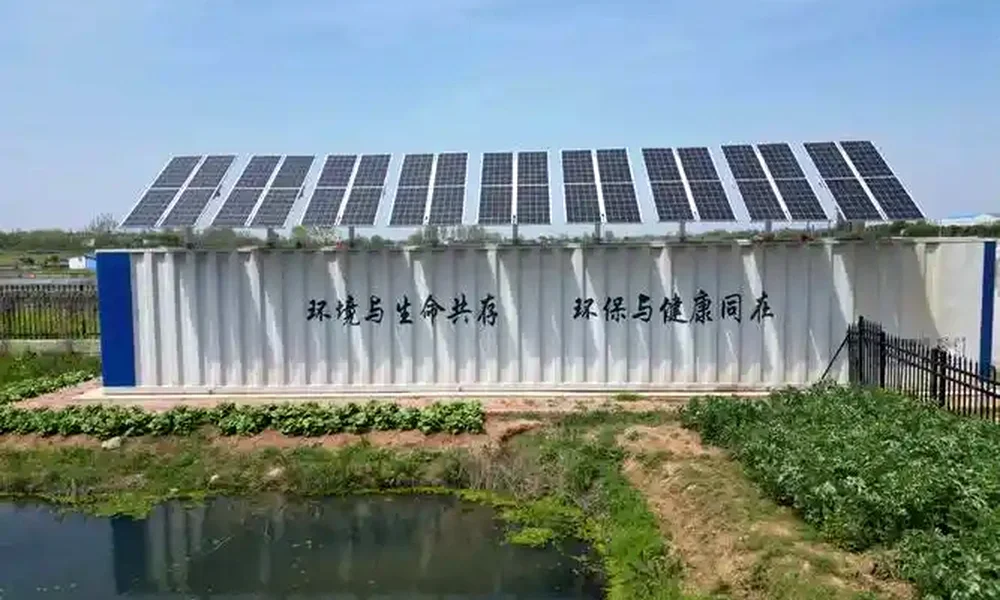
Mechanical screening intercepts larger debris entering the headworks, including plastics, rags, paper, and fibrous items. We arrange screens sequentially to stage the separation process:
- Coarse Bar Screens: Standard 10 mm to 50 mm gap openings capture bulky objects to protect raw sewage transfer pumps.
- Fine Screens: Rotary drum or step screens (1 mm to 6 mm) separate smaller floating debris and organic fibers.
- Grit Chambers: Gravity or vortex grit chambers target dense mineral particles such as sand, gravel, and eggshell fragments, keeping abrasive solids out of downstream pipes and aeration basins.
Similar to the primary separation techniques employed in cattle and pig farm wastewater treatment methods, robust screening in domestic sewage equipment ensures uninterrupted operation and extends pump lifespans.
Sedimentation and Primary Clarification
Sedimentation uses gravity to separate settleable organic solids from the water column under quiescent flow conditions. Primary clarifiers handle this duty through continuous sedimentation:
- Sludge Settling: Heavy organic solids sink to the tank floor, where bottom scrapers push the settled raw primary sludge into hoppers for periodic extraction.
- Scum Skimming: Low-density substances like cooking oils, fats, and grease float to the surface, where mechanical skimmers direct them to scum collection troughs.
A properly balanced primary sedimentation stage removes 50% to 70% of total suspended solids (TSS) and 25% to 40% of biochemical oxygen demand (BOD), easing the loading on subsequent biological aeration units.
Filtration Systems and Media Filters
Filtration removes fine particulate matter that bypasses gravity settling. We deploy physical filters to polish the stream and prepare it for advanced disinfection:
| Filter Type | Media Used | Typical Target Removal | Primary Application |
|---|---|---|---|
| Rapid Sand Filters | Graded silica sand | Residual suspended solids, turbidity | Effluent polishing after settling |
| Multi-Media Filters | Anthracite, sand, and garnet | Micro-flocs, colloidal particulates | Pre-treatment for membrane systems |
| Cloth-Media Disc Filters | Woven polyester or microfiber | Fine TSS, residual phosphorus flocs | Compact decentralized plants |
By screening, settling, and filtering in series, physical domestic sewage treatment processes build a dependable barrier that stabilizes wastewater quality before secondary degradation begins.
Biological Sewage Treatment Methods
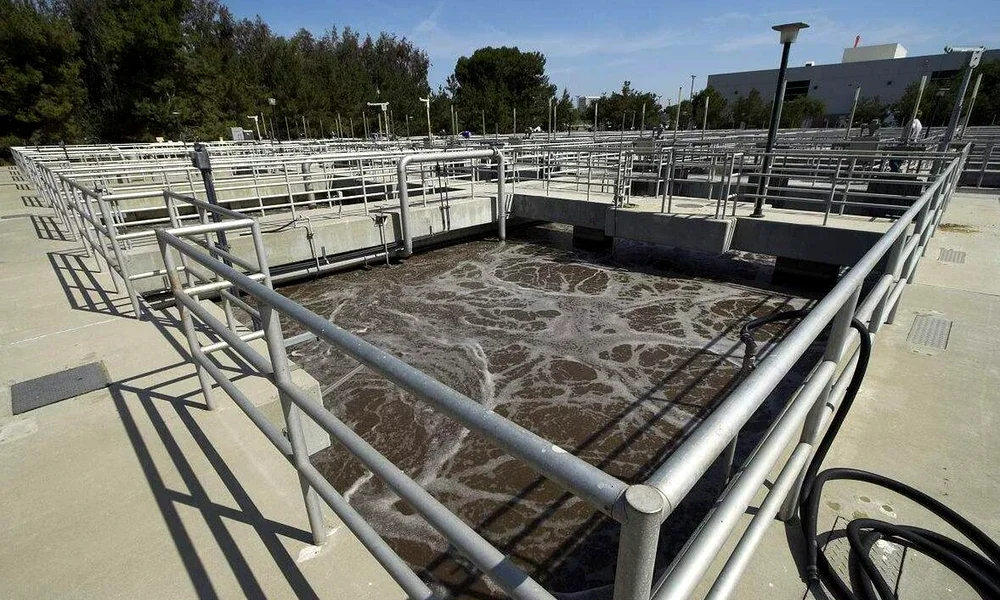
Biological treatment forms the core of modern domestic sewage treatment processes. When managing municipal or residential effluent, we rely on microorganisms to metabolize and break down dissolved biodegradable organics (BOD and COD), suspended nutrients, and pathogens. These biological systems transform raw waste into stable water, carbon dioxide, and settled biological solids.
Activated Sludge Process (ASP)
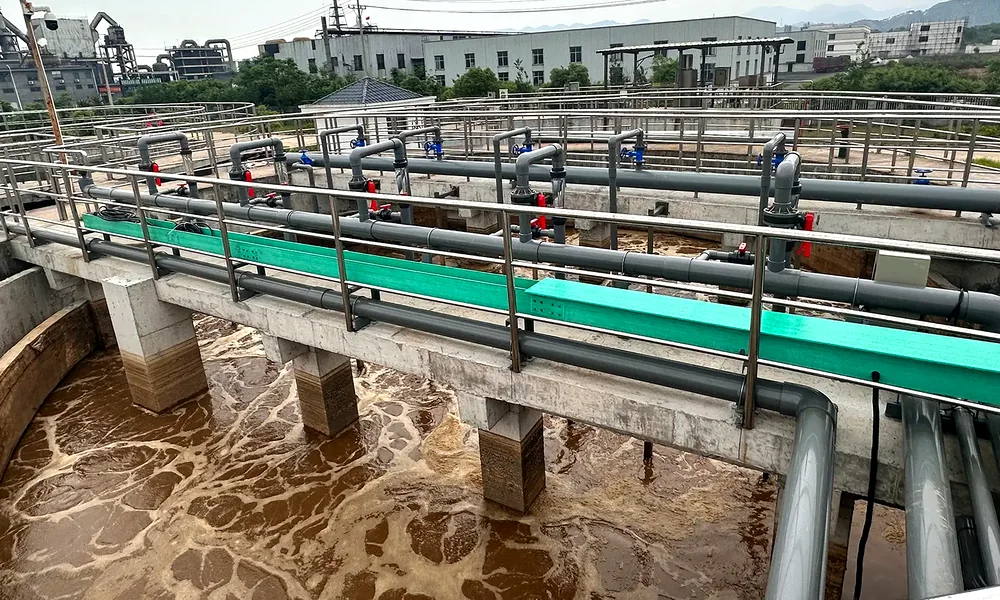
The activated sludge process remains the traditional benchmark for municipal sewage plants worldwide.
- Aeration Basin: Air is injected continuously into the wastewater to supply dissolved oxygen to suspended bacteria.
- Floc Formation: Active aerobic microbes consume organic matter, clumping together to form settleable flocs.
- Secondary Clarifier: The mixture flows to a clarifier where the sludge settles by gravity.
- Return Sludge (RAS): A portion of the settled active sludge returns to the aeration tank to maintain high microbial concentration, while excess sludge is purged for dewatering.
While reliable, ASP demands substantial land area and steady aeration energy. Biological aeration basins also release off-gases, making wastewater plant odor control equipment and processes essential when facilities operate close to residential zones.
Moving Bed Biofilm Reactor (MBBR) and SBR Systems
To address footprint limitations and flow fluctuations, modern installations favor compact, high-efficiency biological setups:
- Moving Bed Biofilm Reactor (MBBR): This setup utilizes high-surface-area plastic carriers suspended in an aerated tank. Biofilm grows on the media, allowing high treatment capacity without requiring sludge recirculation. It handles hydraulic shock loads effectively and retrofits easily into existing tanks.
- Sequencing Batch Reactor (SBR): An SBR performs equalization, biological aeration, and clarification in a single reactor tank via timed cycles (Fill, React, Settle, Decant). This eliminates separate secondary clarifiers, saving significant installation space.
- Membrane Integration: In projects with strict land limitations or high-purity discharge requirements, upgrading standard biological systems to an MBR membrane bioreactor delivers superior solid-liquid separation without secondary settling tanks.
Trickling Filters and Bio-Contact Oxidation
Fixed-film technologies offer energy-efficient organic removal through attached microbial growth:
- Trickling Filters: Wastewater is distributed over beds of crushed rock, gravel, or engineered plastic packing. As liquid trickles downward, a stationary biofilm absorbs and digests organic matter. Natural draft or low-pressure blowers supply ventilation, keeping power consumption minimal.
- Bio-Contact Oxidation: Submerged structured packing media is combined with bottom-diffused aeration. This method combines the stability of fixed biofilm with the robust digestion rate of activated sludge, preventing sludge bulking and providing stable effluent even under erratic influent conditions.
Constructed Wetlands and Natural Stabilization Ponds
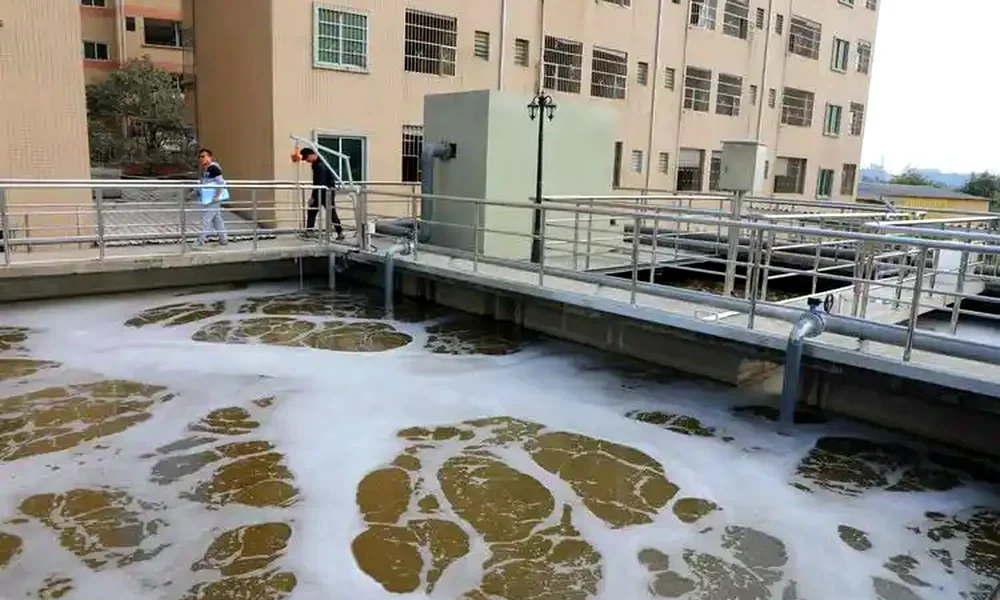
For rural communities, decentralized sites, and eco-sensitive developments, natural biological treatment offers low-maintenance, cost-effective options:
- Waste Stabilization Ponds: Series of anaerobic, facultative, and maturation lagoons use natural sunlight, algae, and bacterial communities to degrade organics over extended retention times.
- Constructed Wetlands: Subsurface and surface-flow reed beds utilize gravel beds and wetland vegetation (like cattails and reeds). Plant roots harbor microbes that absorb nitrogen, phosphorus, and trace pollutants while naturally filtering suspended solids without mechanical energy inputs.
Chemical and Advanced Treatment Technologies
When standard biological stages are not enough to meet strict environmental discharge limits, advanced chemical and physical-chemical technologies complete the process. These steps polish the effluent, strip out residual nutrients, and destroy harmful pathogens, making the treated water safe for discharge or direct reuse.
Coagulation, Flocculation, and Chemical Dosing
Fine suspended solids and colloidal matter often carry negative electrical charges that prevent them from settling naturally. We apply specific chemical dosing strategies to counter this:
- Coagulants: Adding metal salts such as alum, polyaluminum chloride (PAC), or ferric chloride neutralizes electrical charges, allowing microscopic particles to stick together.
- Flocculants: Dosing long-chain polymers bridges these micro-flocs into larger, heavier aggregations that settle rapidly in clarifiers.
- Phosphorus Removal: Chemical precipitation binds dissolved orthophosphates into insoluble compounds, directly curbing eutrophication risks in receiving water bodies.
Disinfection via Chlorination, UV, and Ozone
Eliminating pathogenic organisms—including bacteria, viruses, and parasites—is non-negotiable for public health protection. We rely on three primary disinfection pathways:
- Chlorination: The most traditional method, using sodium hypochlorite or chlorine gas to provide lasting residual disinfection throughout storage and piping networks.
- UV Disinfection: A chemical-free solution that targets pathogen DNA via ultraviolet light, instantly inactivating microbes without producing harmful chemical disinfection byproducts.
- Ozone (O3): A powerful oxidizing agent generated on-site that lyses cell walls, destroys viruses, and simultaneously eliminates residual colors and odors.
Membrane Bioreactors (MBR) and Reverse Osmosis (RO)
High-recovery domestic wastewater recycling depends on advanced membrane separation. Integrating an engineered membrane filtration system replaces standard secondary clarifiers, combining active biological digestion with microfiltration or ultrafiltration barriers down to 0.04 microns.
For projects requiring high-purity non-potable or boiler feed supplies, downstream Reverse Osmosis (RO) forces pressurized water across semi-permeable membranes. This strips out dissolved salts, trace organics, and heavy minerals, producing crystal-clear reclaimed water.
Advanced Oxidation Processes (AOP)
Advanced Oxidation Processes target refractory organic compounds, trace pharmaceuticals, and persistent micro-pollutants that bypass typical biological reactors. By generating highly reactive hydroxyl radicals (•OH) through combinations like UV/H2O2, ozone/UV, or Fenton’s reagent, AOP breaks complex chemical chains into inert carbon dioxide, water, and inorganic salts without generating secondary chemical sludge.
Sludge Handling and Dewatering Methods
Solid waste separation is a vital phase when answering what are the common methods for treating domestic sewage. As domestic sewage treatment processes clean the water, they generate a continuous stream of residual solids. We focus on stabilizing, compacting, and safely managing these residuals to keep operational costs low and ensure compliance with environmental discharge regulations.
Sludge Thickening and Dewatering Equipment
Untreated sludge contains over 95% water. Before disposal or reuse, this moisture volume must be mechanically reduced to cut transportation expenses and improve handling.
- Gravity Sludge Thickeners: Utilize natural sedimentation to concentrate settled solids from clarifiers, increasing the solids concentration before mechanical dewatering.
- Screw Press Dewatering Systems: Compact, low-speed mechanical presses designed for continuous, low-energy dewatering with minimal operator intervention.
- Belt Filter Presses: Use mechanical pressure through a series of rollers and porous belts to squeeze moisture from conditioned, flocculated sludge.
- Decanter Centrifuges: Rely on high-speed rotational force to rapidly separate dense solid cakes from liquid centrate in space-constrained facilities.
| Equipment Type | Energy Demand | Footprint | Primary Benefit |
|---|---|---|---|
| Screw Press | Low | Compact | Low maintenance and quiet, automated operation |
| Belt Filter Press | Medium | Moderate | High throughput for large municipal volumes |
| Decanter Centrifuge | High | Minimal | High cake dryness and fully enclosed odor containment |
Anaerobic Digestion and Biogas Recovery
Biological stabilization converts active, odor-producing organic waste into an inert, safe byproduct. In our treatment designs, anaerobic digestion serves a dual role: volume stabilization and resource recovery.
- Microbial Degradation: Anaerobic bacteria break down organic solids in sealed digesters without dissolved oxygen.
- Pathogen Reduction: The biochemical reaction generates temperatures that neutralize disease-causing organisms.
- Biogas Capture: The process releases a consistent stream of biomethane and carbon dioxide. Facilities capture this biogas to generate heat or electricity, offsetting the energy footprint of aeration equipment.
Sludge Drying and Eco-Friendly Disposal
Following dewatering, the remaining sludge cake undergoes drying and final conversion for sustainable disposal or reuse.
- Solar and Thermal Drying: Drying beds or heated drum dryers remove remaining capillary water, producing a stabilized, granular product.
- Agricultural Land Application: Pathogen-free, nutrient-rich biosolids serve as an organic soil conditioner and fertilizer for non-food agriculture and landscaping.
- Composting and Co-Processing: Mixing dried solids with organic bulking materials produces certified compost, eliminating the need for landfill disposal.
Reclamation and Reuse of Treated Domestic Sewage
We no longer view domestic sewage simply as waste to get rid of. With freshwater supplies tightening worldwide, reclaimed wastewater has become an essential secondary water resource. Once domestic wastewater passes through proper biological and tertiary purification, we can safely redirect it into non-potable applications, cutting municipal water bills and conserving regional aquifers.
Agricultural and Landscape Irrigation
Farm fields, public parks, highway greenbelts, and commercial landscaping consume massive volumes of water daily. Reclaimed domestic sewage serves as a dependable, year-round water supply for these green spaces:
- Nutrient Retention: Treated domestic effluent still contains trace amounts of nitrogen and phosphorus, acting as a natural mild fertilizer that supports plant growth.
- Reduced Groundwater Pumping: Diverting reclaimed water to crop fields and golf courses preserves clean underground reservoirs for drinking water.
- Pathogen Control: Reliable disinfection ensures the water is biologically safe for landscaping and crop irrigation without endangering farm workers or the public.
Urban Non-Potable Reuse and Flushing Systems
Modern cities and multi-story commercial facilities increasingly rely on dual-pipe distribution networks to channel reclaimed water straight back into daily operations. We frequently engineer systems that supply recycled water for:
- Toilet and urinal flushing in commercial complexes, schools, and residential towers.
- Municipal road washing and municipal dust suppression at construction sites.
- Fire protection reservoirs and urban decorative water features.
Because these applications place recycled water close to daily human activity, biological safety is critical. Just as strict pathogen reduction protocols govern how hospital wastewater is treated, urban reuse systems must use dependable multi-media filtration and disinfection to eliminate bacteria, viruses, and residual odors before the water enters any building network.
Industrial Cooling and Process Water Supply
Heavy industries and thermal facilities require enormous volumes of water to keep machinery running smoothly. Reclaimed domestic sewage delivers a steady, climate-independent feed source for several non-contact industrial duties:
- Cooling Towers: Serves as high-volume make-up water to absorb thermal loads in power generation and heavy manufacturing plants.
- Boiler Feed Pre-Treatment: Advanced tertiary effluent can be polished via membrane systems to feed steam-generation boilers without scaling risks.
- Washing and Aggregate Rinsing: Concrete batching plants and material recycling yards utilize reclaimed water for equipment clean-downs and raw material processing.
How to Select the Right Domestic Sewage Treatment Solution
Choosing the right system to handle domestic wastewater requires balancing treatment performance, budget, and long-term operating ease. We focus on evaluating specific site conditions and discharge requirements so you can deploy an efficient, reliable treatment process tailored to your facility.
Assessing Wastewater Flow Rate and Capacity
Determining your hydraulic capacity and organic load is the essential first step. An undersized system leads to discharge violations, while an oversized plant incurs unnecessary capital costs.
- Average Daily Flow: Calculate the total volume generated daily (measured in m³/day or gallons per day) across residential units or commercial facilities.
- Peak Flow Variations: Factor in morning and evening surge hours to size equalization basins accurately.
- Influent Strength: Test baseline levels of biochemical oxygen demand (BOD), chemical oxygen demand (COD), and total suspended solids (TSS) to ensure biological stages can process the incoming organic load.
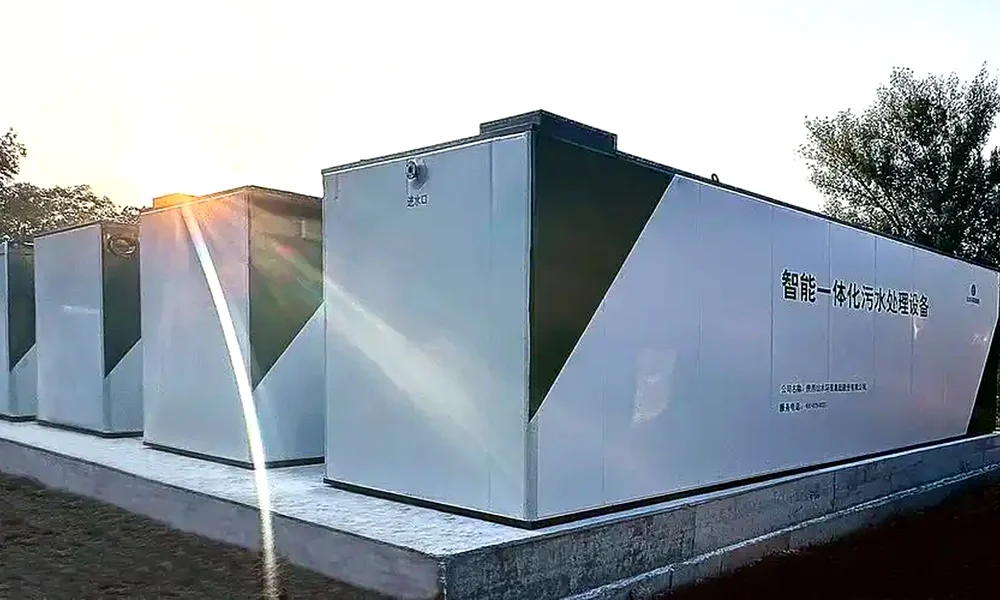
For residential developments, resorts, and remote facilities, deploying modular integrated sewage treatment equipment simplifies hydraulic handling by balancing variable loads within a pre-engineered footprint.
Site Space, Footprint, and Installation Constraints
Available land area directly impacts which domestic sewage treatment processes are viable.
- High-Density Footprints: When land is limited, high-rate biological solutions like Membrane Bioreactors (MBR) or Moving Bed Biofilm Reactors (MBBR) offer the smallest footprint.
- Underground vs. Aboveground: Buried or containerized systems maximize surface land for parking, green space, or building construction while controlling odor and noise.
- Topography and Soil Conditions: Gravity-fed installations minimize pumping needs, but rocky terrain or high water tables may require self-contained, skid-mounted steel tanks rather than poured concrete basins.
Operating Costs, Energy Consumption, and Maintenance
Sustainable operations depend on controlling life-cycle expenses (OPEX), not just initial equipment procurement (CAPEX).
| Cost Factor | Key Considerations | Optimization Strategy |
|---|---|---|
| Aeration Power | Blowers and aeration diffusers consume up to 60% of plant electricity. | Use high-efficiency blowers with dissolved oxygen (DO) sensors. |
| Chemical Dosing | Coagulants for phosphorus removal and disinfectants add recurring material costs. | Automated chemical dosing pumps linked to real-time flow meters. |
| Labor & Monitoring | Complex plants demand dedicated certified operators. | Programmable Logic Controllers (PLC) with remote telemetry for unmanned operation. |
| Sludge Handling | Dewatering and off-site disposal fees accumulate over time. | Integrate reliable dewatering presses to minimize wet sludge volume. |
Compliance with Municipal Discharge and Environmental Regulations
Every project must satisfy environmental protection standards set by local municipalities or regional environmental authorities.
- Surface Water Discharge: Requires robust secondary biological treatment and nutrient removal (Total Nitrogen and Total Phosphorus) to prevent eutrophication in receiving streams.
- Municipal Sewer Tie-In: Often enforces pretreatment guidelines to prevent sewer surcharge fees and pipe corrosion.
- Reclamation Standards: If you plan to reuse treated effluent for toilet flushing, landscape irrigation, or cooling towers, your system must incorporate tertiary filtration and complete UV or chemical disinfection to eliminate pathogens and minimize turbidity.