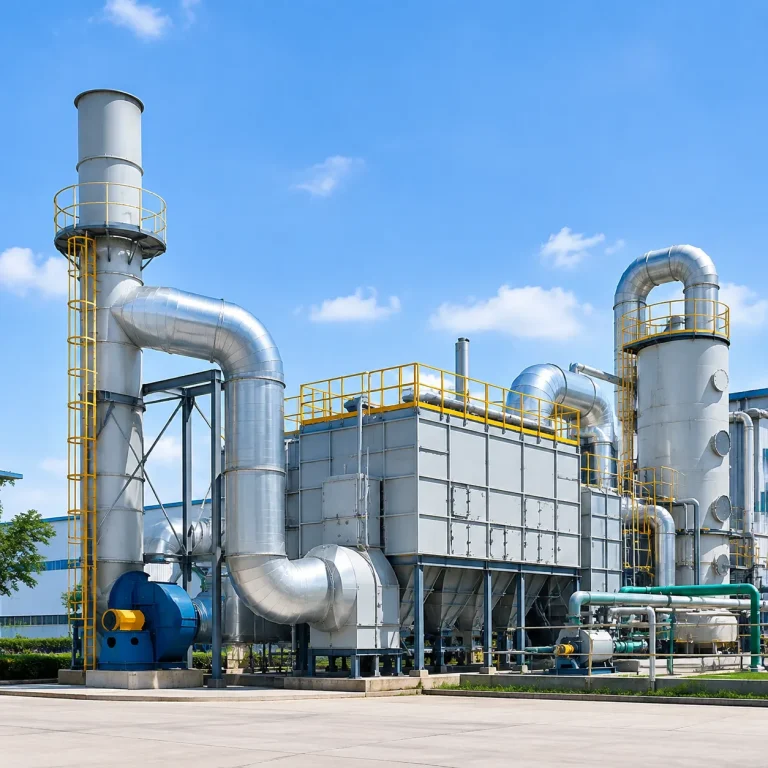
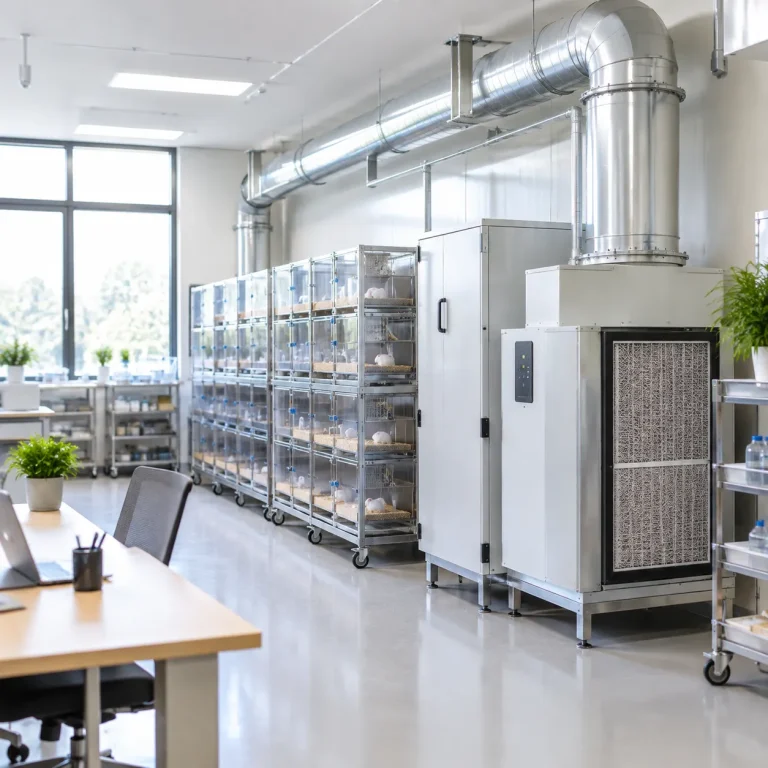
Environmental protection equipment supplier

Methods for Odor Control in Laboratory Animal Facilities
Understanding Laboratory Animal Facility Odor Sources
Maintaining strict environmental standards requires robust engineering and comprehensive methods for odor control in laboratory animal facilities. In high-density vivarium environments, gaseous emissions are continuous and dynamic. Identifying the origins and molecular makeup of these emissions is the first step toward implementing targeted air treatment and containment systems.
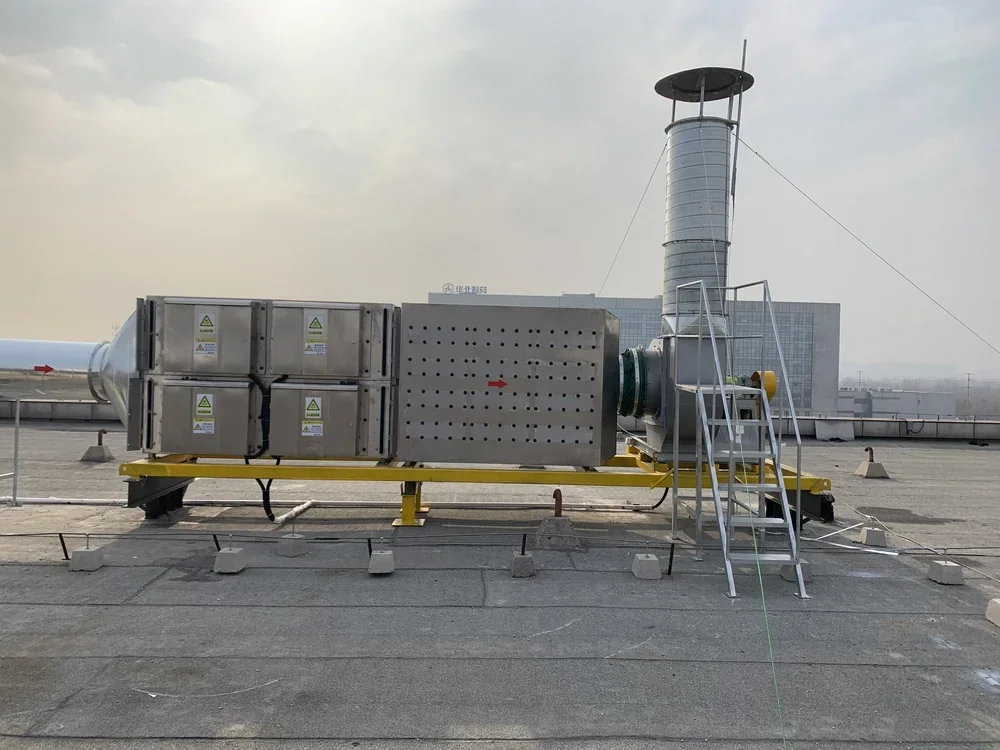
Primary Causes of Animal Facility Odor
Vivarium odors stem primarily from animal metabolic activity and the rapid microbial decomposition of organic matter:
- Excreta Decomposition: Urea and fecal matter mix directly with bedding, creating a biological breeding ground where bacteria break down proteins and uric acid into volatile compounds.
- Moisture and Relative Humidity: High relative humidity accelerates bacterial enzymatic activity, dramatically increasing gas production rates.
- High Housing Densities: Intensive holding systems, such as standard open racks or static cages, release significant volumes of biogenic pollutants directly into the room envelope.
- Secondary Operations: Dirty cage wash staging, bedding disposal stations, and temporary necropsy or waste storage areas act as concentrated odor generation hubs.
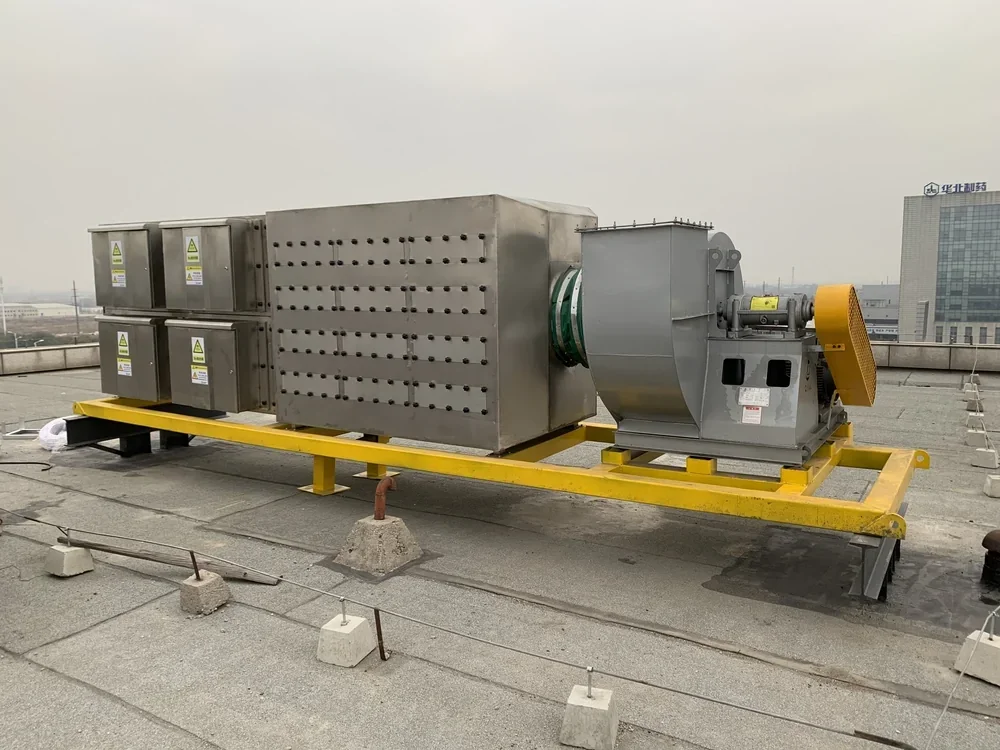
Key Odor Compounds and Chemical Profiles
Vivarium off-gassing consists of complex inorganic gases, volatile organic compounds (VOCs), and sulfur-based substances.
| Chemical Compound | Typical Source | Characteristics & Hazards |
|---|---|---|
| Ammonia (NH3) | Enzymatic breakdown of urea | Pungent, alkaline gas; high volatility; causes severe respiratory and ocular irritation. |
| Hydrogen Sulfide (H2S) | Anaerobic decomposition of fecal sulfur | “Rotten egg” odor; low olfactory threshold; corrosive to metals and HVAC components. |
| Volatile Fatty Acids (VFAs) | Fermentation of gut microbiota (Acetic, Butyric, Propionic acids) | Sharp, rancid, and penetrating odors; clings to porous surfaces. |
| Amines (e.g., Trimethylamine) | Microbial digestion of amino acids | Fishy, pungent odor; detectable at parts-per-billion (ppb) concentrations. |
| Indoles & Skatoles | Fecal matter degradation | Persistent, highly offensive fecal notes that permeate room exhaust streams. |
Impact of Odor Control on Animal Welfare and Research Data
Controlling gaseous contaminants is critical not only for human comfort, but for preserving research validity and animal biological baselines:
- Animal Health and Welfare: Prolonged exposure to elevated ammonia levels damages the mucociliary escalator in rodent respiratory tracts. This increases susceptibility to opportunistic pathogens (e.g., Mycoplasma pulmonis) and induces chronic physiological stress.
- Data Reproducibility: Inhalation of gaseous irritants induces subclinical inflammation, shifts baseline metabolic rates, and alters immune profiles. These confounding variables compromise the integrity of toxicology, immunology, and pharmacology studies.
- Occupational Health & Compliance: Uncontrolled gaseous emissions risk non-compliance with international vivarium standards (such as the Guide for the Care and Use of Laboratory Animals and AAALAC accreditation). Effective odor abatement protects laboratory personnel from sensory irritation, allergen exposure, and long-term respiratory strain.
HVAC and Mechanical Ventilation Solutions
Managing air quality in vivariums requires engineered mechanical ventilation to capture, dilute, and exhaust gaseous contaminants before they compromise the facility environment. We integrate dedicated ventilation architectures to handle the high heat, moisture, and metabolic byproduct loads characteristic of modern research environments. Implementing the right HVAC systems provides steady environmental stabilization while maintaining tight control over gaseous migration.
Air Change Rates and Directional Airflow Design
Effective dilution relies on maintaining calculated air changes per hour (ACH) paired with strict directional airflow. Animal holding rooms require continuous air exchange to remove volatile compounds and prevent toxic gas buildup.
Key airflow and pressure dynamics include:
- Differential Room Pressurization: We utilize negative pressure in holding, procedure, and quarantine rooms relative to clean access corridors. This keeps odors and airborne particulates contained within the source room.
- Targeted Air Change Rates: Supplying 10 to 15 ACH of conditioned air ensures rapid removal of airborne contaminants without generating drafts that stress research animals.
- Localized Source Capture: Pairing centralized room airflow with individually ventilated cages (IVC) routes exhaust air directly into dedicated exhaust drops, capturing metabolic gases directly at the cage level.
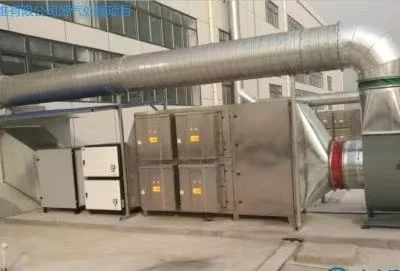
Integrating these dynamic airflow controls with our specialized animal facility odor control equipment ensures that exhaust streams are captured and routed efficiently into central treatment banks.
High-Efficiency Particulate Air (HEPA) Filtration Systems
Particulate matter—including bedding dust, animal dander, hair, and dried excretions—acts as a carrier for odor molecules and microbial agents. We employ multi-stage particulate filtration arrays to protect the mechanical equipment and remove physical carriers from the air stream:
- Pre-Filtration Stages: Coarse pre-filters (MERV 8 to MERV 13) capture large bedding debris and hair, extending the service life of downstream high-efficiency filters.
- Terminal HEPA Filtration: HEPA filters rated at 99.97% efficiency down to 0.3 microns trap micro-particulates, dried allergen proteins, and aerosolized bacteria before air enters molecular treatment stages or recirculation paths.
Carbon and Molecular Gas-Phase Filtration
Because HEPA filters only capture solid particulates, removing gaseous compounds like ammonia, hydrogen sulfide, and volatile fatty acids requires dry media adsorption. We utilize molecular filtration beds containing active carbon scrubbers and chemically impregnated media to neutralize target gases through physical adsorption and chemical chemisorption.
| Filter Media Type | Primary Target Compounds | Removal Mechanism |
|---|---|---|
| Virgin Activated Carbon | Volatile organic compounds (VOCs), mercaptans, indoles | Physical adsorption within micro-porous carbon matrix |
| Acid-Impregnated Carbon | Ammonia, aliphatic amines, organic bases | Chemisorption via acid-base neutralization |
| Caustic/Permanganate Media | Hydrogen sulfide, sulfur dioxide, light aldehydes | Chemical oxidation into stable inorganic salts |
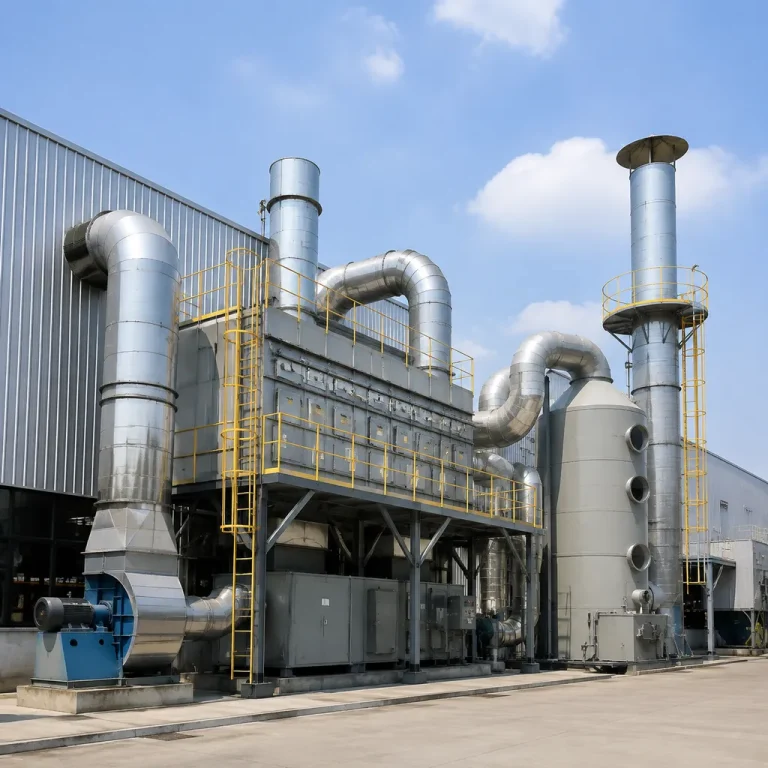
Deploying tailored multi-bed molecular filtration provides high single-pass removal efficiency. For facilities managing high-volume exhaust lines, integrating deep-bed carbon systems alongside broader waste gas treatment and air pollution control systems prevents gas breakthrough and keeps perimeter emissions strictly compliant.
Sanitation and Sanitation Protocols
Rigorous sanitation routines form the foundation of our methods for odor control in laboratory animal facilities. Even the most advanced ventilation cannot compensate for poor hygiene at the source. By controlling organic waste buildup before it breaks down into volatile gases, we stop ammonia and sulfur compounds from entering the general air stream.
Effective Cage Cleaning and Bedding Management
Effective odor mitigation starts at the cage level. The choice of bedding material directly impacts moisture retention and microbial activity. We prioritize highly absorbent, low-dust substrates that bind moisture quickly to suppress bacterial ammonia production.
- Bedding Selection: Autoclaved corncob, wood shavings, or cellulose pellets provide high absorbency and help maintain stable relative humidity control within individual enclosures.
- Rotation Schedules: We establish dynamic cage-change frequencies based on animal density, species, and metabolic rates rather than arbitrary timelines.
- Station Capture: During cage changes, dumping waste creates massive odor spikes. We route waste-dumping exhaust through dedicated laboratory animal room waste gas treatment systems to trap airborne ammonia and particulates instantly.
| Bedding Type | Moisture Absorption | Ammonia Suppression | Dust Generation |
|---|---|---|---|
| Corncob | High | High | Low |
| Hardwood Chips | Moderate | Moderate | Moderate |
| Cellulose Fiber | Very High | High | Very Low |
Disinfection Practices and Chemical Selection
Masking odors with scented products compromises animal welfare and experimental accuracy. We use targeted chemical disinfectants that neutralize odor-producing compounds and eliminate the bacteria responsible for breaking down urea.
- Oxidizing Agents: Chlorine dioxide and accelerated hydrogen peroxide actively break the chemical bonds of odor-causing molecules, converting volatile organics into odorless byproducts.
- Quaternary Ammonium Compounds: Ideal for surface cleaning and broad-spectrum microbial control on non-porous surfaces.
- Contact Time Protocols: We enforce strict wet-contact durations to ensure complete pathogen and bacterial destruction before rinsing or drying.
Waste Storage and Handling Procedures
Proper manure management and prompt waste removal prevent localized gaseous buildup from migrating into clean holding rooms.
- Hermetic Sealing: Used bedding and animal waste go directly into heavy-duty, vapor-sealed bags or airtight bins right at the changing station.
- Chilled Waste Rooms: We keep dedicated waste-staging areas under negative air pressure and maintain cool temperatures to slow bacterial decomposition.
- Dedicated Transfer Routes: Waste carts follow strict, one-way traffic patterns separated from clean supply paths to eliminate cross-contamination and fugitive odor leaks.
Environmental Control Technologies
We rely on advanced environmental control technologies to eliminate airborne pollutants before they escape the facility or impact animal holding rooms. Implementing specialized abatement equipment provides continuous gas capture and ensures compliance with strict environmental standards.
Odor Neutralizing Air Scrubbers and Biofilters
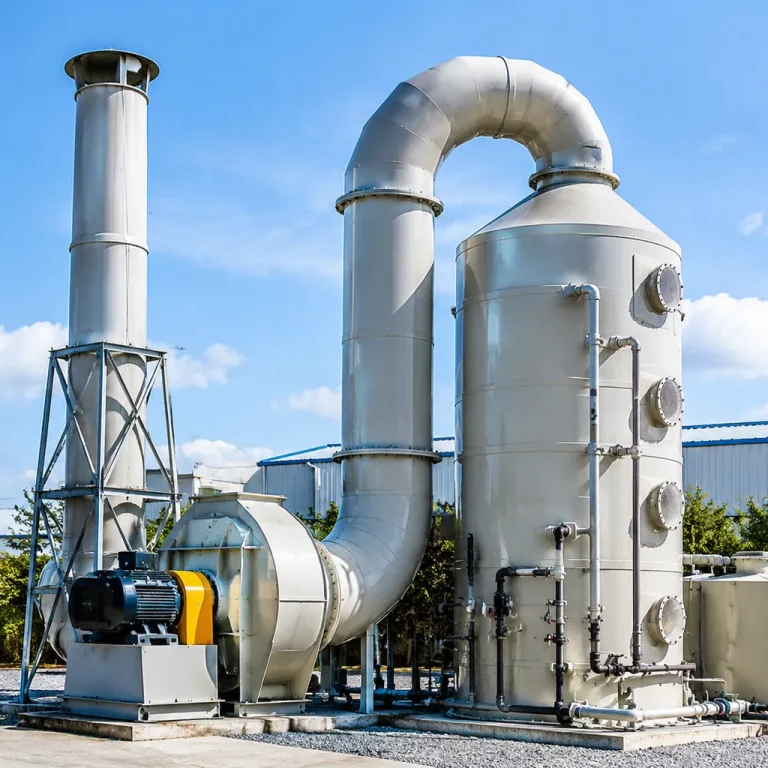
Wet chemical scrubbers and biological filters handle high-volume exhaust loads from holding rooms and cage-wash areas. These systems actively strip ammonia, amines, and sulfur compounds from the exhaust airstream.
- Wet Scrubbing Systems: Neutralize acidic and basic gases using targeted chemical washes or a specialized spray deodorization system that breaks down concentrated gaseous loads instantly.
- Biofiltration Units: Utilize specialized microbial colonies fixed on organic media to digest volatile organic compounds (VOCs), converting them into harmless carbon dioxide and water vapor.
- Continuous Operation: Provide stable, low-maintenance exhaust treatment with minimal pressure drop across central ventilation fans.
Ozone and Cold Plasma Treatment Systems
For recalcitrant odor compounds that bypass standard mechanical filters, non-thermal plasma and gas-phase oxidation offer rapid decomposition at the molecular level.
- Cold Plasma Injection: Generates highly reactive oxygen species and free radicals directly in the exhaust duct to crack complex odor molecules without requiring consumables.
- Controlled Ozone Treatment: Utilized exclusively in isolated exhaust ducts to oxidize gaseous organic contaminants prior to atmospheric release.
- Targeted Decomposition: Destroys mercaptans, hydrogen sulfide, and volatile fatty acids rapidly, making these units ideal for modern methods for deodorizing exhaust air from animal facilities.
Probiotic and Enzymatic Odor Degradation
Biochemical odor control targets waste streams directly at the source, preventing ammonia and volatile amines from volatilizing into the room atmosphere.
- Enzymatic Sprays: Catalyze the immediate breakdown of uric acid and organic waste proteins in waste collection pans and drainage troughs.
- Beneficial Microbial Inoculants: Establish competitive bacterial colonies that outcompete odor-producing bacteria in bedding and manure holding areas.
- Non-Corrosive and Safe: Provides an eco-friendly layer of odor suppression that protects equipment housing from acid vapor corrosion while remaining non-toxic to research animals.
Best Practices for Facility Design and Layout
Smart architectural layout and spatial separation serve as the first line of defense in managing gaseous emissions. Applying practical methods for odor control in laboratory animal facilities starts at the blueprint stage, where we isolate emission-heavy operations and direct airflow to keep clean research zones completely uncontaminated.
Zoning and Isolation of High-Odor Areas
Preventing cross-contamination requires strict boundary controls and clear directional airflow between distinct vivarium zones.
- Pressure Cascades: We maintain high-odor spaces—such as dirty cage wash areas, quarantine rooms, and waste storage—under strict negative room pressurization. This simple pressure gradient prevents ammonia and volatile organic compounds from migrating into clean corridors or animal holding rooms.
- Dual-Corridor Traffic Flow: Separating clean supply traffic from dirty return corridors minimizes the spread of airborne particulates and odors during daily cage handling and animal transfers.
- Source Containment via Equipment: Connecting individually ventilated cages directly to dedicated exhaust lines pulls contaminants straight from the micro-environment, capturing odors before they enter the room air.
Materials Selection for Non-Porous, Cleanable Surfaces
Porous surfaces absorb moisture, animal wastes, and chemical vapors, turning walls and floors into secondary odor sources over time. We prioritize seamless, heavy-duty materials designed for rigorous sanitation protocols:
- Seamless Resinous Flooring: Poured epoxy and polyurethane flooring systems with integrated coved wall bases eliminate joints, cracks, and floor seams where liquids can settle.
- Corrosion-Resistant Metals: High-grade 304 or 316 stainless steel fixtures withstand frequent chemical wipe-downs and resist ammonia pitting.
- Non-Absorbent Wall Cladding: Fiber-reinforced polymer (FRP) panels and high-build epoxy coatings provide water-tight barriers that simplify routine washdowns and stop bio-film formation.
Selecting the Right Odor Control Strategy for Your Facility
Finding the right setup depends on your animal biomass, room ventilation capacities, and specific air quality standards. We balance primary containment at the cage level with robust central HVAC systems and dedicated molecular filtration.
| Facility Requirement | Recommended Strategy | Primary Operational Benefit |
|---|---|---|
| High-Density Rodent Housing | IVC systems paired with exhaust air filtration | Removes ammonia directly at the cage boundary |
| High-Volume Exhaust Treatment | Multi-stage active carbon scrubbers | Captures VOCs and gaseous odors before exterior discharge |
| Sanitation & Waste Processing | Negative pressure isolation with localized exhaust hoods | Stops transient odor plumes during waste removal |
For complex institutional builds, reviewing established animal facility deodorization methods in medical schools offers clear insights into balancing air volume, filtration media, and energy efficiency. Similarly, specialized projects benefit from practical reference data, such as a plastic surgery hospital animal facility deodorization design, demonstrating how custom layout isolation reliably controls emissions in compact vivarium operations.