Environmental protection equipment supplier

What Industrial Exhaust Gases Can Scrubber Towers Treat
What is an Industrial Scrubber Tower and How Does It Work?
Industrial scrubber towers are dedicated air pollution control systems designed to eliminate hazardous contaminants, toxic vapors, and particulate matter from industrial process streams before discharge into the atmosphere. They serve as a primary defense for manufacturing facilities to meet strict environmental emission standards and maintain operational safety.
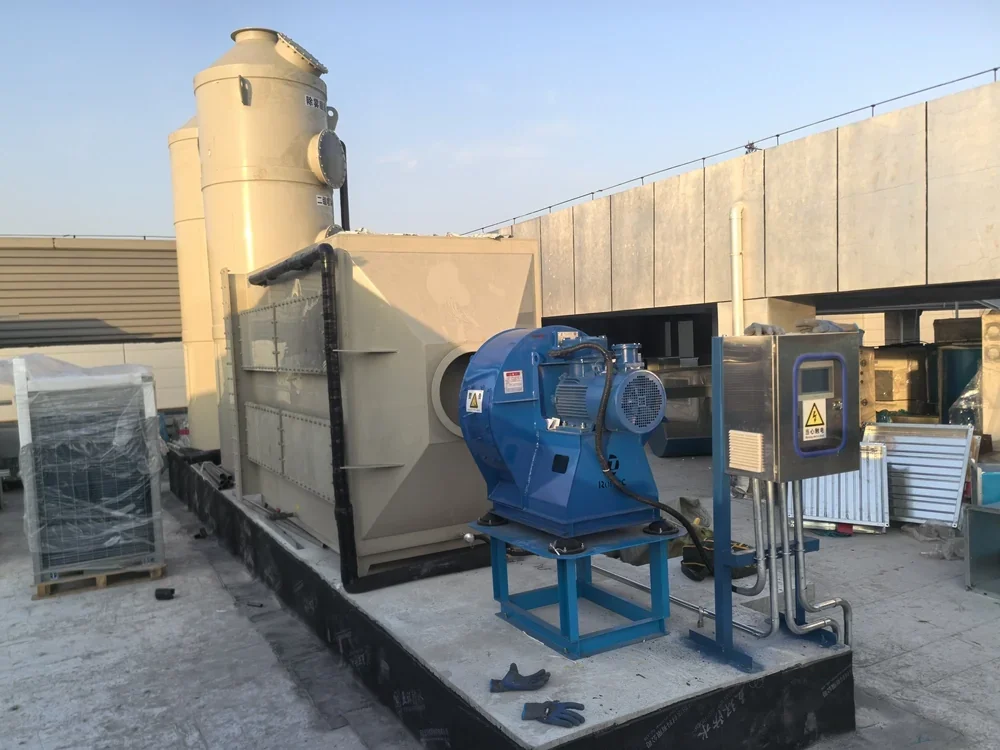
Definition and Working Principle of Gas Scrubbers
A gas scrubber operates by introducing a polluted exhaust stream into an enclosed vessel where it makes intimate contact with a scrubbing liquid or reagent.
- Counter-Current Flow: The gas stream enters near the bottom and travels upward, while the scrubbing liquid sprays downward from above.
- Cross-Flow Configuration: The exhaust passes horizontally through packed sections irrigated continuously by scrubbing liquid.
- Mass Transfer: Direct contact transfers targeted pollutants from the vapor phase into the liquid phase, allowing purified air to exit via the top outlet.
Key Removal Mechanisms: Absorption, Adsorption, and Neutralization
Industrial scrubbers utilize specific chemical and physical pathways to capture different exhaust components:
- Absorption: Soluble gaseous contaminants dissolve directly into the scrubbing liquid (such as water or an aqueous chemical mixture).
- Chemical Neutralization: Acidic or alkaline gases react with targeted chemical reagents—such as sodium hydroxide for acid mists or dilute acid solutions for alkaline vapors—to form neutral, non-volatile salts.
- Adsorption & Surface Capture: High-surface-area packing media facilitates mass transfer, while integrated activated carbon stages capture specific non-reactive or organic molecules.
- Particulate Impaction: Liquid droplets collide with and encapsulate airborne dust, aerosols, and fine mists, washing them down into the collection basin.
| Mechanism | Target Contaminants | Typical Reagent / Media |
|---|---|---|
| Neutralization | Acid mists (HCl, H2SO4, HF, SO2) | Sodium hydroxide (NaOH), alkaline solutions |
| Acidic Absorption | Alkaline gases (Ammonia, amines) | Dilute sulfuric acid (H2SO4), organic acids |
| Physical Impaction | Dust, sticky particles, aerosols | Water sprays, venturi throats, cyclonic flow |
| Adsorption | Solvents, residual odors, VOCs | Activated carbon beds, structured packing |
Core Components of a Scrubber Tower System
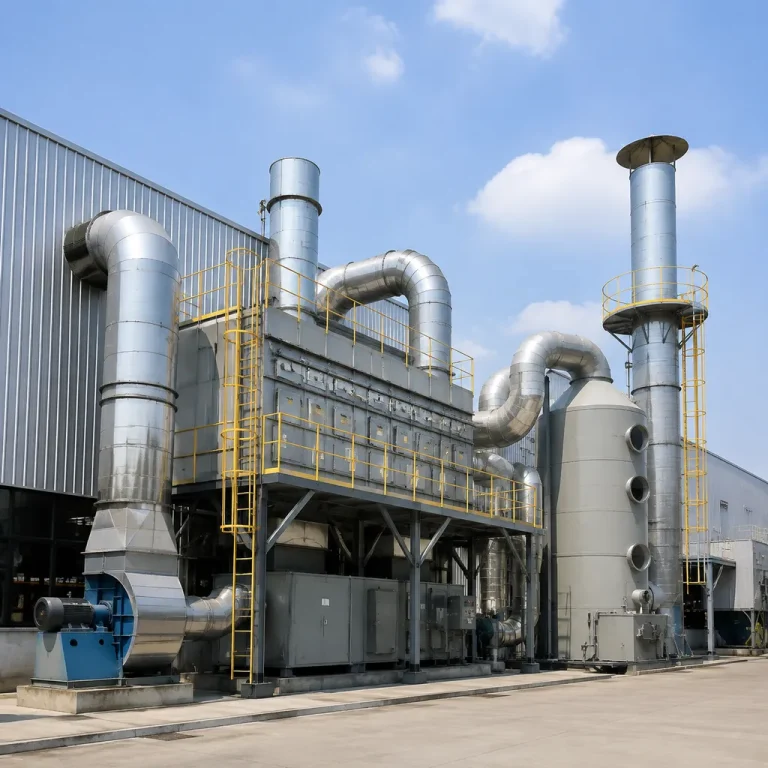
Every engineered scrubber system integrates heavy-duty components built from corrosion-resistant materials such as Polypropylene (PP), Fiberglass Reinforced Plastics (FRP), or Stainless Steel (SUS304/SUS316):
- Tower Body & Shell: Robust, corrosion-proof structural column engineered to handle chemical exposure and positive or negative system pressure.
- Packing Media Layer: High-efficiency random or structured packing (such as Pall rings or Tellerette rings) that maximizes gas-liquid contact area.
- Liquid Distribution & Spray Nozzles: Non-clogging spiral or hollow-cone nozzles ensuring uniform reagent coverage across the entire bed.
- Mist Eliminator (Demister Pad): High-efficiency droplet separator located before the exhaust outlet to prevent liquid carryover.
- Recirculation System & Instrumentation: Heavy-duty chemical pumps, integrated reagent storage tanks, and automated pH/ORP sensors for continuous process control.
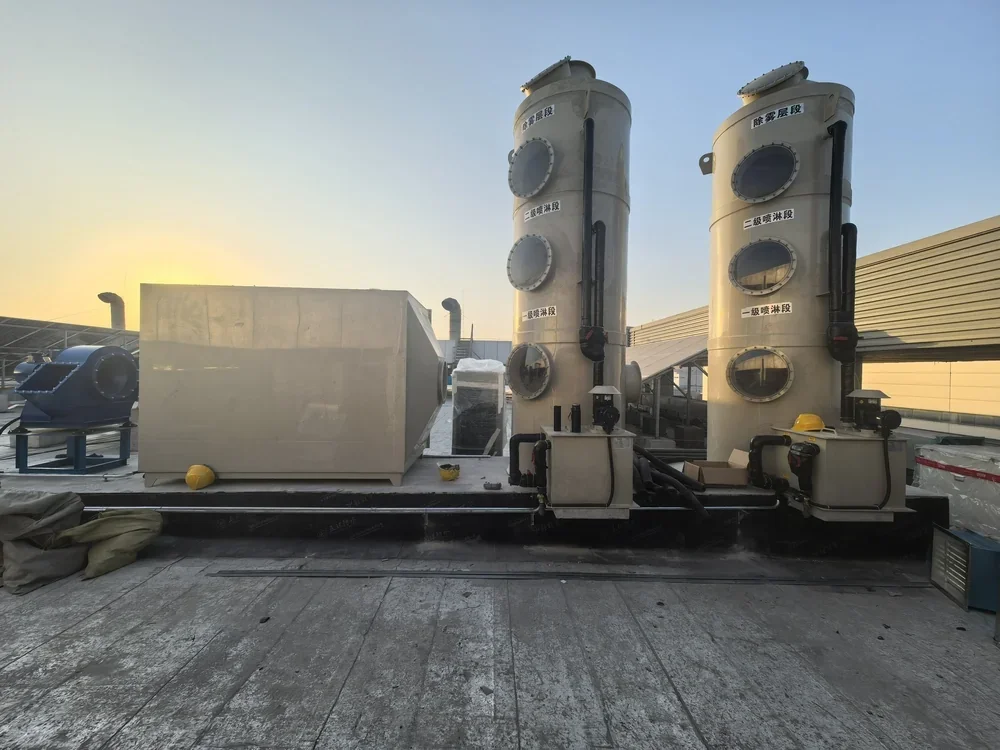
What Industrial Exhaust Gases Can Scrubber Towers Treat?
Industrial exhaust gas streams carry a wide range of corrosive, toxic, and particulate contaminants that require efficient removal before discharge. At Soto Machinery, we engineer industrial wet scrubber systems to target specific chemical compounds through direct gas-liquid absorption, chemical neutralization, and particulate impaction.
Acid Gases (Sulfur Dioxide, Hydrogen Chloride, and Nitrogen Oxides)
Corrosive acid fumes are among the most common industrial emissions treated by our packed bed and spray tower scrubbers. These acidic pollutants react readily with circulating alkaline scrubbing liquors such as sodium hydroxide (NaOH) to form harmless neutral salts.
- Hydrogen Chloride (HCl): Readily absorbed from metal pickling, chemical synthesis, and PCB manufacturing lines.
- Sulfur Dioxide (SO2): Captured effectively from fuel combustion, smelting, and sulfuric acid production.
- Nitrogen Oxides (NOx): Treated using multi-stage oxidation-reduction wet scrubber systems to break down nitric acid fumes.
- Sulfuric Acid Mist (H2SO4) and Hydrofluoric Acid (HF): Scrubbed via high-density packing layers designed with corrosion-resistant polypropylene (PP) or fiberglass-reinforced plastics (FRP).
Volatile Organic Compounds (VOCs) and Toxic Vapors
Wet scrubbers efficiently scrub water-soluble volatile organic compounds and hazardous chemical vapors from process air. For complex gas streams, we configure chemical oxidation stages using agents like sodium hypochlorite or hydrogen peroxide to decompose reactive vapors.
- Water-Soluble Solvents & Alcohols: Formaldehyde, methanol, ethanol, and acetone vapors absorbed directly into the liquid phase.
- Corrosive Toxic Vapors: Chlorinated vapors and reactive process off-gases.
- Hybrid System Pre-Treatment: For non-soluble or non-polar volatile organic compounds, our scrubbers serve as primary quenching and scrubbing stages prior to downstream activated carbon adsorption systems.
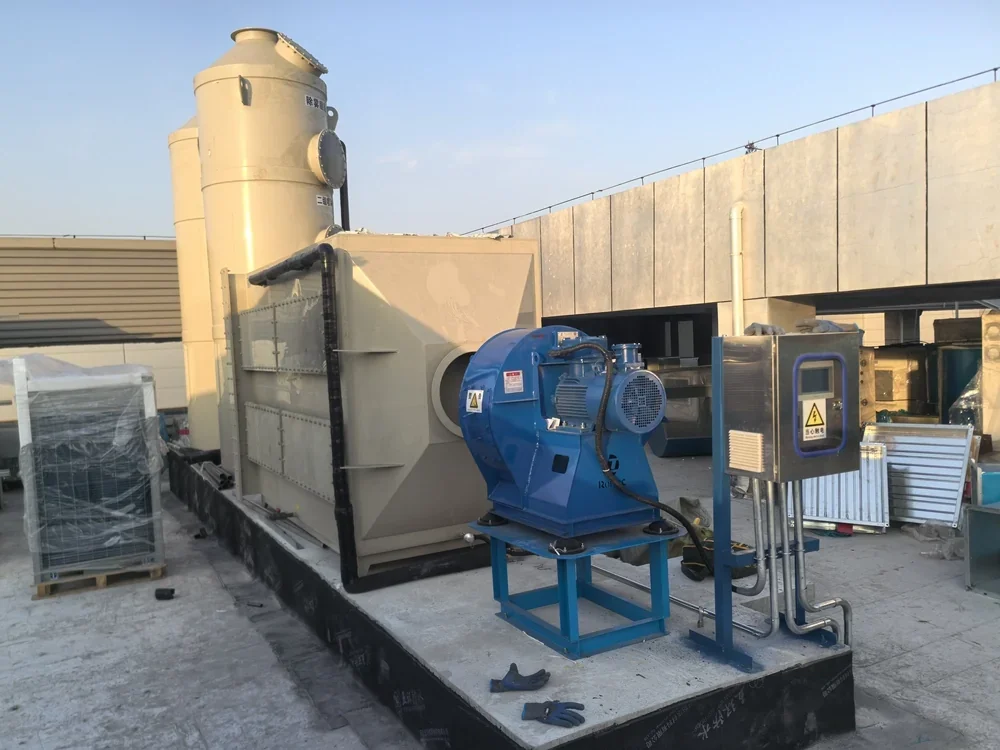
Particulate Matter, Dust, and Hazardous Mist
Exhaust streams laden with wet, sticky, or fine dust pose severe clogging risks to dry filtration systems. Our Venturi scrubbers and cyclonic spray towers utilize high-energy liquid contact to capture suspended solids and aerosols reliably.
- Acid Oil Aerosols & Chemical Mists: Liquid droplets coalesced and collected by high-efficiency mist eliminator pads.
- Sticky and Combustible Dusts: Particulate matter trapped within turbulent liquid streams, eliminating fire hazards associated with dry dust collectors.
- Boiler Flue Fly Ash: Coarse and fine solids removed simultaneously with gas neutralization.
Ammonia, Chlorine, and Odorous Gases
Alkaline vapors, halogen gases, and organic odors require tailored chemical scrubbing agents to achieve complete destruction and emission compliance.
- Ammonia Gas (NH3) & Amines: Neutralized rapidly using dilute sulfuric acid (H2SO4) or organic acid scrubbing solutions.
- Chlorine Gas (Cl2): Absorbed safely into caustic soda solutions within heavy-duty packed bed towers.
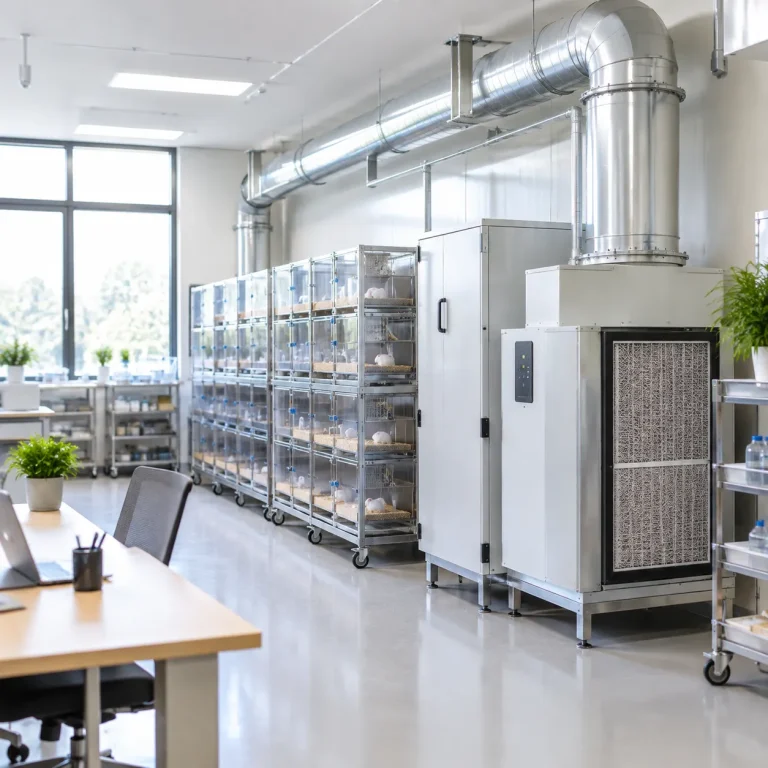
- Hydrogen Sulfide (H2S) & Mercaptans: Oxidized and neutralized to eliminate foul odors from wastewater handling, chemical processing, and agricultural operations. Our specialized animal facility odor control equipment integrates multi-stage scrubbing to neutralize high-concentration ammonia and sulfide compounds before atmospheric release.
Types of Scrubber Towers for Exhaust Gas Treatment
Selecting the right scrubber tower design depends on your plant’s specific gas chemistry, pollutant concentration, operating temperature, and particulate load. We engineer several standard and customized scrubber configurations to effectively capture corrosive fumes, toxic compounds, and industrial dust.
Wet Scrubber Towers (Packed Bed and Spray Towers)
Wet scrubbers are the most common and versatile solution for neutralizing water-soluble, reactive, and corrosive gases. In our designs, the exhaust gas enters the tower and travels upward in a counter-current flow or horizontally across liquid sprays.
- Packed Bed Scrubbers: Utilizing structured or random packing media (such as Tellerette or Pall rings), these towers maximize the liquid-gas contact area. They are ideal for high-efficiency absorption of acid fumes, hydrogen chloride, sulfur dioxide, chlorine gas, and ammonia gas.
- Spray Towers: These systems introduce scrubbing liquid through spiral or hollow cone nozzles without dense packing layers, making them suitable for streams with light particulate content or rapid chemical neutralization.
- Materials of Construction: Built using corrosion-resistant Polypropylene (PP), Fiberglass Reinforced Plastics (FRP), or Stainless Steel (SUS304/SUS316) to withstand harsh chemical environments.
For operations generating continuous chemical mists, an engineered wet scrubber tower delivers dependable, automated acid-base neutralization with integrated pH control and demister pads.
Dry and Semi-Dry Scrubber Systems
Dry and semi-dry scrubbing systems treat acid gases without generating liquid wastewater streams. These systems are commonly utilized in facilities with strict zero-liquid-discharge regulations or high-temperature exhaust streams.
- Reagent Injection: Dry alkaline sorbents, such as hydrated lime or sodium bicarbonate, are injected directly into the exhaust stream to react with acid gases like sulfur dioxide and hydrogen chloride.
- Integrated Filtration: The resulting dry salts and unreacted reagents are subsequently captured downstream via fabric filter baghouses or electrostatic systems.
- Hybrid Layouts: For complex emissions, dry systems are frequently integrated alongside activated carbon adsorption units to capture non-soluble volatile organic compounds alongside acidic pollutants.
Venturi Scrubbers for High-Particulate Waste Streams
Standard packed bed towers can clog when exposed to heavy dust, sticky aerosols, or high particulate loads. Venturi scrubbers solve this challenge by utilizing differential velocity to collect both particulate matter and soluble gases simultaneously.
- High-Velocity Throat: The exhaust gas enters a converging section where it accelerates to high speeds, shearing the scrubbing liquid into fine micro-droplets.
- Particle Encapsulation: Heavy shear forces cause submicron dust particles, sticky aerosols, and acidic droplets to impact and become trapped inside the scrubbing liquid.
- Cyclonic Separation: The gas-liquid mixture enters an entrainment separator where clean gas discharges overhead, while the slurry is purged from the sump, preventing system fouling.
Key Industrial Applications for Exhaust Gas Scrubbing
Industrial facilities generate complex exhaust streams requiring tailored abatement systems. When plant operators evaluate what industrial exhaust gases can scrubber tower treat, application-specific chemistry and equipment design determine overall system success. From high-acid pickling tanks to municipal sludge handling, properly configured wet scrubber and dry scrubber systems remove corrosive fumes, toxic compounds, and particulates before stack discharge. For comprehensive facility layout designs, see our waste gas treatment industrial air pollution control guide.
Chemical and Petrochemical Manufacturing
Chemical synthesis, refining, and bulk chemical storage generate diverse, aggressive waste streams. Scrubber towers serve as primary abatement systems to prevent uncontrolled releases:
- Primary Pollutants: Chlorine gas, hydrogen chloride, sulfur dioxide, acid fumes, and soluble volatile organic compounds.
- System Configuration: Multi-stage packed bed wet scrubber units constructed from corrosion-proof Polypropylene (PP) or Fiberglass Reinforced Plastics (FRP).
- Operating Mechanism: Chemical dosing with caustic solutions (NaOH) or specialized reagents to neutralize acidic vapor phases continuously.
Power Generation and Waste Incineration
Thermal processes, industrial boilers, and municipal or hazardous waste incinerators release high-temperature combustion gases loaded with acid precursors and fly ash:
- Primary Pollutants: Sulfur dioxide (SO2), nitrogen oxides (NOx), hydrogen chloride (HCl), and fine particulate aerosols.
- System Configuration: Quench chambers paired with counter-current alkaline spray towers and high-efficiency particulate scrubbers.
- Operating Mechanism: Rapid temperature reduction followed by reagent-assisted acid neutralization and particulate impingement.
Pharmaceutical Production and Wastewater Facilities
Biological breakdown, synthesis stages, and solvent extraction release high-odor and volatile compounds that must be neutralized to meet strict air quality standards:
- Primary Pollutants: Ammonia gas, hydrogen sulfide, amines, mercaptans, and water-soluble process solvents.
- System Configuration: Chemical oxidation scrubbers utilizing sodium hypochlorite (NaClO) or acid-wash stages, often integrated with secondary activated carbon polishers.
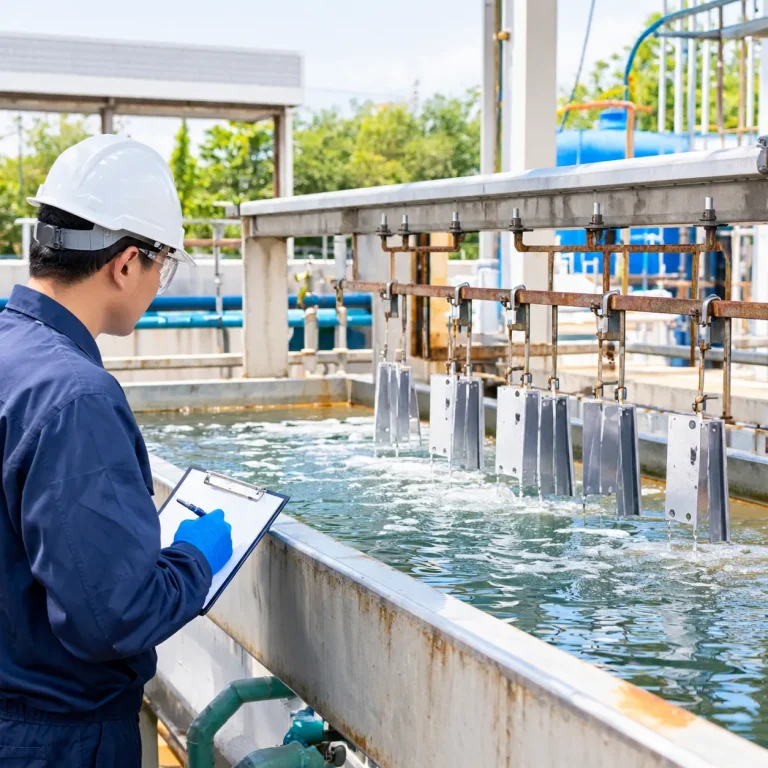
- Proven Results: Review our documented pharmaceutical exhaust and deodorization projects demonstrating continuous odor abatement and regulatory compliance.
Metal Finishing and Mining Operations
Surface finishing, electroplating lines, metal pickling, and smelting operations generate dense acid mists and heavy mineral vapors:
- Primary Pollutants: Sulfuric acid mist, nitric acid fumes, hydrofluoric acid, and entrained heavy metal particulates.
- System Configuration: Vertical counter-current wet scrubber towers equipped with high-efficiency mist eliminators and non-clogging spray nozzles.
- Operating Mechanism: Gas-liquid mass transfer across specialized packing media (Pall rings or Tellerettes) to absorb reactive acid aerosols into circulating liquid streams.
Key Benefits of Treating Exhaust Gases with Scrubber Towers
Implementing an industrial scrubber tower is an essential investment for manufacturing facilities dealing with hazardous, corrosive, or foul-smelling airstreams. We engineer our wet scrubber systems to deliver high gas-liquid mass transfer, helping plants maintain uninterrupted production while protecting surrounding ecosystems.
Compliance with Environmental and Emission Regulations
Air pollution control standards continue to tighten globally. Untreated industrial exhaust gases carrying sulfur dioxide, hydrogen chloride, nitrogen oxides, or acid fumes lead to severe legal liabilities and regulatory penalties.
- Reliable Gas Purification: Counter-current absorption captures water-soluble acid gases and chemical vapors before atmospheric release.
- Automated Monitoring: Built-in pH and ORP instrumentation automates chemical reagent dosing, ensuring steady emission compliance even during sudden gas volume surges.
Enhanced Workplace Safety and Air Quality
Corrosive acid mists and toxic vapors create serious occupational safety hazards and rapidly degrade facility infrastructure.
- Asset Protection: Neutralizing acidic exhaust prevents premature corrosion of downstream ducting, ventilation fans, and structural components.
- Safer Plant Air: Captures fugitive chemical mists and volatile organic compounds at the source, preventing toxic gas accumulation in operating zones.
Effective Odor Abatement and Resource Recovery
Industrial processes often generate pungent emissions like hydrogen sulfide, ammonia gas, and organic mercaptans that trigger community complaints. Implementing an integrated spoiler spray deodorization system maximizes gas-liquid contact to break down stubborn odors via oxidative neutralization.
| Benefit Category | Industrial Impact | Primary Technical Mechanism |
|---|---|---|
| Regulatory Compliance | Meets strict local emission limits | Continuous chemical neutralization in packed bed layers |
| Equipment Durability | Extends service life of exhaust ducting and fans | High-efficiency capture of corrosive acid fumes |
| Occupational Safety | Protects workers from hazardous vapors | Liquid absorption of toxic and water-soluble gases |
| Odor Control | Eliminates nuisance smells in surrounding areas | Chemical oxidation of ammonia, sulfides, and VOCs |
How to Select the Right Scrubber Tower for Your Industrial Gases
Selecting the ideal purification system begins with identifying the exact pollutants in your airstream. Understanding what industrial exhaust gases a scrubber tower can treat allows our engineering team to properly size the tower, configure gas-liquid contact ratios, and select the optimal construction materials for continuous operational compliance.
Analyzing Gas Stream Composition, Volume, and Temperature
A reliable scrubber design requires accurate exhaust characterization before fabrication:
- Gas Chemistry and Solubility: Identifying whether your exhaust carries water-soluble acid fumes (such as hydrogen chloride, sulfur dioxide, or nitrogen oxides), alkaline compounds like ammonia gas, or toxic vapors such as hydrogen sulfide.
- Airflow Capacity: Total volumetric flow rates (measured in CFM or m³/h) dictate tower diameter, packing bed depth, and fan sizing for vertical counter-current or horizontal cross-flow setups.
- Operating Temperature and Material Compatibility:
- Polypropylene (PP): Exceptional corrosion resistance for ambient-temperature acid and alkali exhaust streams.
- Fiberglass Reinforced Plastics (FRP): High structural strength and moderate temperature resistance for aggressive chemical fumes.
- Stainless Steel (SUS304/SUS316): Superior structural resilience for elevated-temperature gases and industrial solvent environments.
Evaluating Wet Scrubbers vs. Dry Scrubbers for Specific Pollutants
Different pollutant profiles require distinct abatement technologies or hybrid system configurations:
| Evaluation Metric | Wet Scrubber Tower | Dry / Adsorption System |
|---|---|---|
| Primary Target Pollutants | Soluble acid gases (HCl, SO₂, HF), alkaline mists (NH₃), and fine particulates | Non-soluble volatile organic compounds, trace heavy metals, and dry fumes |
| Purification Mechanism | Liquid absorption, chemical neutralization, and particulate impaction | Solid media chemical adsorption (e.g., activated carbon) |
| Moisture Tolerance | Ideal for high-humidity and saturated exhaust gas streams | Requires dry gas streams to prevent media blinding |
| Secondary Capture | Quenches high gas temperatures and captures sticky aerosols | Captures fine odors and low-concentration organic vapors |
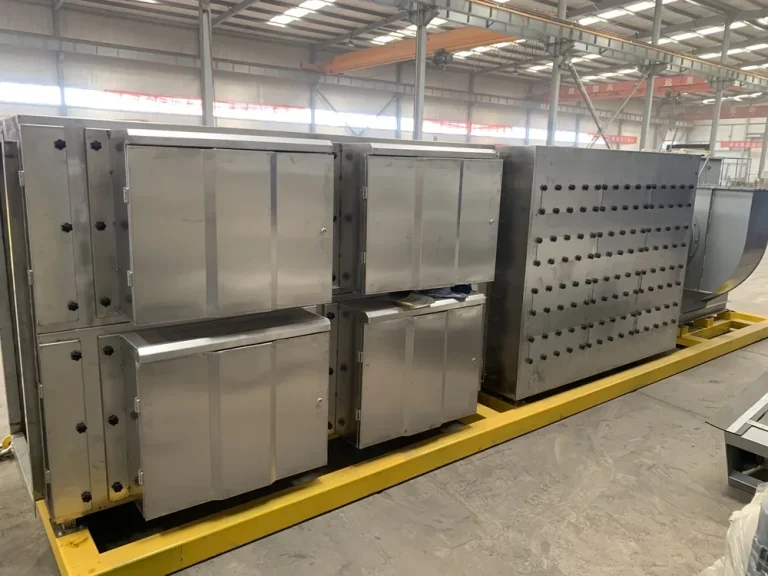
For complex industrial emissions containing both acid fumes and non-polar volatile organic compounds, we frequently integrate wet scrubbers with downstream adsorption units or a low-temperature plasma waste gas system for end-to-end purification.
Assessing Operating Costs and Maintenance Requirements
Long-term operating efficiency depends on keeping energy, chemical, and servicing demands predictable:
- Automated Chemical Dosing: Integrated pH and ORP sensors regulate the injection of neutralizing agents like sodium hydroxide or dilute acids, preventing chemical overuse.
- Low Pressure Drop Packing: Engineered packing layers, such as Pall rings or Tellerette media, maximize gas-liquid contact area while keeping fan energy consumption low.
- Component Accessibility: Non-clogging spiral spray nozzles, accessible circulation pumps, and modular demister pads ensure rapid inspection and easy cleaning during scheduled plant turnarounds.
As a dedicated manufacturer, Soto Machinery delivers custom-engineered wet scrubber towers and emission systems tailored directly to your facility’s operational parameters and compliance requirements.