Environmental protection equipment supplier

Common Methods for Treating Livestock and Poultry Wastewater
Struggling to manage daily farm runoff while keeping up with strict environmental discharge standards?
You’re not alone. Between staggering organic loads, high ammonia levels, and relentless solids, farm effluent can quickly turn into a costly operational headache.
The good news? The right treatment setup doesn’t just keep you compliant—it protects your bottom line and can even turn waste into reusable biogas and organic fertilizer.
In this guide, we break down the most practical, field-tested common methods for treating livestock and poultry wastewater, covering everything from essential solid-liquid separation to advanced anaerobic digestion and aerobic systems.
Let’s dive right in.
Understanding Livestock and Poultry Wastewater Characteristics
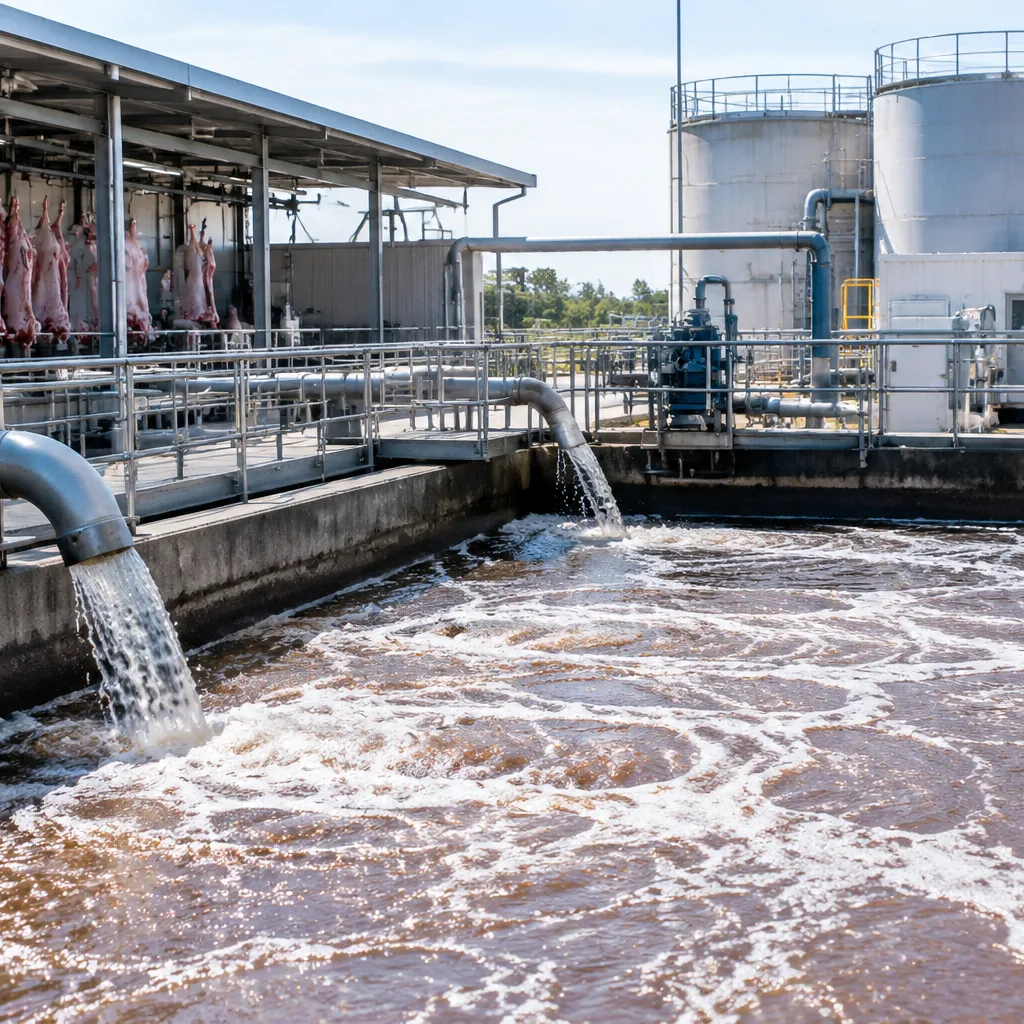
Livestock farming wastewater presents one of the most challenging high-strength organic streams in the industrial and agricultural sectors. Originating from swine sheds, dairy milking centers, and poultry wash operations, this wastewater exhibits high dynamic variation, heavy particulate loads, and intense biological demand. Treating these streams requires a precise assessment of the underlying biochemical constituents before selecting downstream separation and purification technologies.
Main Components and Pollution Indicators
Farm effluent combines animal feces, urine, bedding straw, residual feed, and washdown water. The pollution profile is defined by several primary chemical and physical indicators:
- Chemical Oxygen Demand (COD) & Biochemical Oxygen Demand (BOD5): Indicates intense organic concentration. Swine and cattle farming wastewater frequently exhibits COD levels between 5,000 mg/L and 30,000 mg/L, requiring extensive reduction.
- Total Suspended Solids (TSS): Undigested fiber, feed particulate, and manure solids generate high turbidity and settleable solids that rapidly clog unmanaged pipelines.
- Ammonia-Nitrogen (NH3-N) & Total Nitrogen (TN): Originating from the breakdown of urea and proteins, high nitrogen levels inhibit untreated discharge and create severe biological imbalances.
- Total Phosphorus (TP): Concentrated mineral phosphorus from feed supplements poses severe biological risks to receiving watersheds.
- Pathogens and Trace Additives: High densities of coliform bacteria, enteric viruses, veterinary pharmaceutical residues, and heavy metals (such as copper and zinc feed additives).
| Wastewater Source | Typical COD (mg/L) | Typical BOD5 (mg/L) | TSS (mg/L) | NH3-N (mg/L) |
|---|---|---|---|---|
| Swine Farming Slurry | 8,000 – 25,000 | 3,000 – 12,000 | 4,000 – 15,000 | 800 – 2,500 |
| Cattle Farming Wastewater | 4,000 – 18,000 | 1,500 – 6,000 | 5,000 – 20,000 | 300 – 1,200 |
| Poultry Processing/Washdown | 2,500 – 10,000 | 1,200 – 5,000 | 1,500 – 6,000 | 200 – 800 |
Environmental Hazards of Untreated Farm Effluent
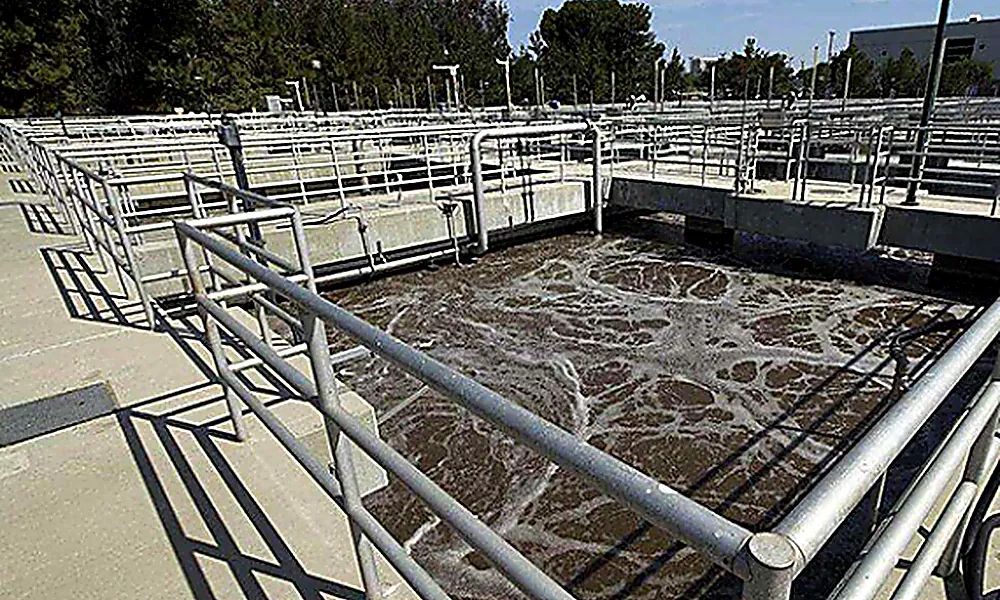
Direct release or uncontrolled storage of untreated livestock wastewater induces rapid ecological breakdown across multiple vectors:
- Surface Water Eutrophication: Dense nitrogen and phosphorus loadings trigger toxic cyanobacterial blooms, stripping water columns of dissolved oxygen and causing catastrophic fish kills.
- Aquifer Contamination: Nitrate leaching penetrates deep groundwater reserves, rendering regional drinking water unsafe and violating groundwater purity standards.
- Soil Salinization and Toxicity: Direct application of untreated manure runoff leads to sodium accumulation, anaerobic soil crusting, and heavy metal buildup that stunts crop germination.
- Volatile Emissions and Odor: Anaerobic decay in raw lagoons releases hydrogen sulfide, ammonia, and methane, driving regulatory complaints and air quality violations.
Regulatory Standards for Wastewater Discharge
Environmental authorities enforce strict standards governing agricultural discharges, dividing requirements into direct ecological discharge and controlled land application:
- Direct Discharge Limits: Facilities seeking off-site discharge into surface waterways or public networks must utilize primary, secondary, and tertiary treatment to slash COD, BOD5, and nutrient levels to municipal-grade thresholds (often COD < 100–200 mg/L; NH3-N < 15–25 mg/L).
- Land Application Compliance: Reusing effluent for agronomic irrigation requires controlled application rates matched to the nitrogen and phosphorus uptake capacity of the target crop, preventing field runoff and aquifer migration.
- Sanitary and Pathogen Controls: Disinfection mandates require the reduction of fecal coliforms to undetectable or legally specified colony-forming units (CFU) to prevent disease transmission across food supply chains.
Pretreatment Methods for Solid-Liquid Separation
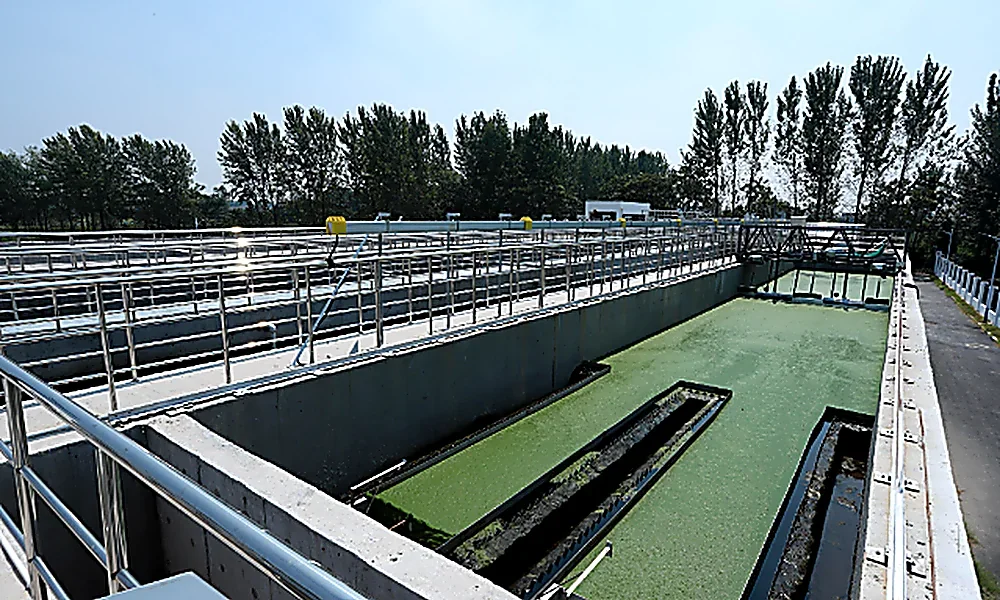
Raw slurry carries heavy loads of manure solids, discarded bedding, and feed waste. In our projects, we treat solid-liquid separation as the non-negotiable frontline defense. Capturing coarse organics early keeps pipes clear, prevents pump blockages, and strips away a massive fraction of organic solids before water ever reaches biological tanks. Applying robust mechanical separation forms the foundation of any reliable process flow for livestock and poultry wastewater treatment.
Mechanical Screening and Grit Removal
Before directing slurry into automated equipment, we strip out coarse debris and abrasive mineral grit:
- Static Wedge Wire Screens: Curved, non-clogging screen profiles let free liquid drop through instantly while solids slide down for collection.
- Rotary Drum Screens: Motorized cylinders continuously wash and separate fine fibers, preventing matting.
- Grit Chambers: Settling channels trap sand, soil, and gravel washed from pen floors, stopping abrasive particulates from scouring pumps and impeller blades downstream.
Screw Press and Centrifugal Separators
Extracting bound water from organic slurries requires continuous mechanical force. We rely heavily on screw press and decanter units when tailoring cattle and pig farm wastewater treatment methods to high-solids manure:
- Screw Press Separators: A continuous auger squeezes slurry against a cylindrical screen basket, driving liquid out while extruding solid cake with 60% to 70% moisture content. This dry manure fraction is stackable, odor-managed, and ready for immediate composting.
- Centrifugal Decanters: High-speed rotational forces separate microscopic suspended solids that pass straight through mechanical screens, yielding a clear liquid phase with drastically reduced suspended solids (TSS).
Sedimentation and Equalization Tanks
Discharge from livestock facilities is notoriously erratic, surging during scheduled barn washdowns. We balance these operational spikes using dedicated equalization and sedimentation units:
- Hydraulic Buffering: Equalization tanks mix fluctuating batch inflows to balance chemical oxygen demand (COD), ammonia concentrations, temperature, and pH.
- Gravity Clarification: Slower flow velocities in primary sedimentation basins let dense manure particles settle into bottom hoppers as raw sludge while grease and floating scum are skimmed off the top.
- Submerged Mixing: Mechanical mixers or bottom aeration loops prevent solids from turning septic and packing tightly at the bottom of holding tanks before downstream pumping.
Physical and Chemical Treatment Technologies
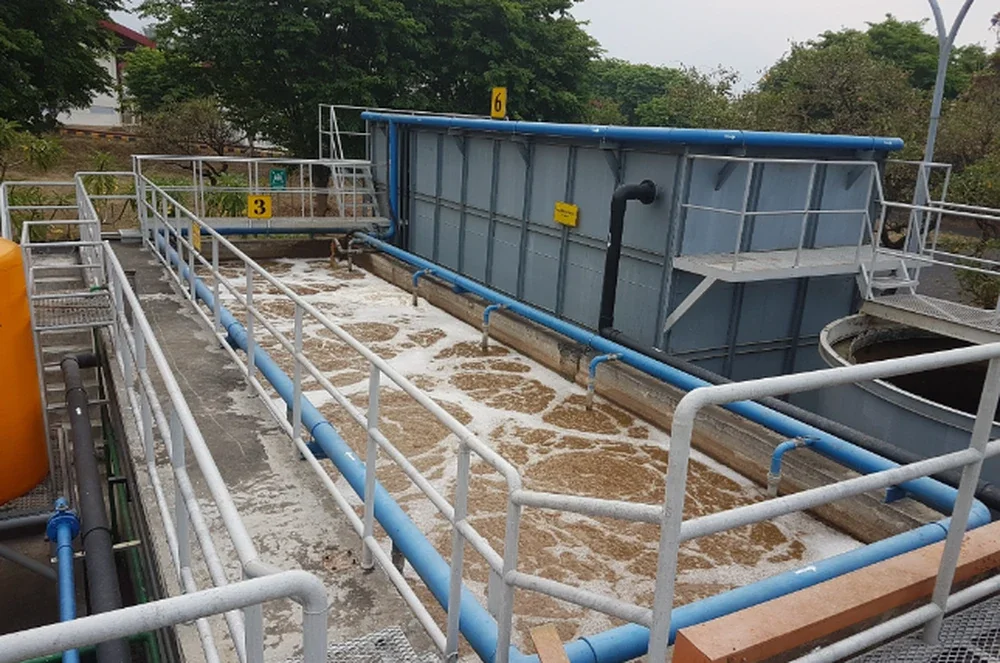
Physical and chemical treatments bridge the gap between primary mechanical screening and downstream biological stages. In livestock farming wastewater treatment, these processes target fine suspended particles, fats, oils, and colloidal organics that gravity alone cannot separate quickly.
Dissolved Air Flotation (DAF) Systems
We rely on flotation technology to remove low-density particles, grease, and non-settling organic loads. By dissolving air under pressure and releasing microbubbles into the wastewater stream, these bubbles attach to suspended solids and lift them to the surface.
- High Separation Efficiency: Rapidly separates fine manure solids, insoluble organic compounds, and residual grease.
- Continuous Surface Skimming: Integrated scrapers sweep sludge into collection hoppers without halting operations.
- Space-Saving Design: A modern dissolved air flotation machine requires a fraction of the footprint needed by conventional settling basins.
- Downstream Protection: Relieves biological reactors of severe organic shock loads.
Coagulation and Chemical Flocculation
Colloidal solids in livestock effluent carry negative electrical charges that keep them suspended. Chemical conditioning neutralizes these charges and aggregates microscopic solids into dense flocs suitable for rapid sedimentation or flotation.
- Coagulation: Dosing coagulants, such as polyaluminum chloride (PAC) or iron salts, neutralizes surface charges and breaks colloidal stability during rapid mixing.
- Flocculation: Slow mixing with specialized polyacrylamide (PAM) flocculants builds chemical bridges between micro-flocs, forming larger and tougher agglomerates.
- Phosphorus Precipitation: Converts dissolved orthophosphates into insoluble mineral flocs, delivering high rates of total phosphorus removal.
Advanced Oxidation and Disinfection Processes
Wastewater from livestock operations often carries pathogen loads, persistent odors, and trace pharmaceutical residues such as veterinary antibiotics. Advanced oxidation and targeted disinfection provide critical polishing.
- Pathogen Inactivation: Utilizes agents like sodium hypochlorite, ozone, or UV irradiation to eradicate enteric bacteria, parasites, and viral agents.
- Refractory Organic Degradation: Advanced oxidation processes (AOPs) generate reactive hydroxyl radicals that break down complex, biologically resistant organic molecules into simpler biodegradable forms.
- Odor and Color Neutralization: Destroys sulfide compounds and organic pigments, leaving a stable effluent ready for storage, discharge, or irrigation.
Anaerobic Biological Treatment Methods
In livestock farming wastewater treatment, anaerobic digestion serves as the core biological process for breaking down extreme organic loads. By digesting high-strength chemical oxygen demand (COD) and biochemical oxygen demand (BOD) in an oxygen-free environment, we eliminate the heavy power costs of continuous aeration while capturing usable methane energy. Selecting the right anaerobic system depends directly on solid concentrations, available site space, and daily flow rates.

Upflow Anaerobic Sludge Blanket (UASB) Reactors
The UASB reactor is our preferred high-rate biological solution for wastewater with moderate suspended solids, such as screened effluent in wastewater treatment processes for pig farming. Wastewater enters through the bottom and flows upward through a dense bed of self-immobilized anaerobic granular sludge.
- High Volumetric Efficiency: Operates at elevated organic loading rates with a short hydraulic retention time (HRT).
- Three-Phase Separation: Integrated gas-liquid-solid separators harvest biogas efficiently while keeping active biomass inside the tank.
- Upstream Protection: Because excessive settleable solids can bury or wash out the delicate sludge blanket, installing an inclined tube sedimentation tank for primary clarification preserves reactor stability and prevents bed fouling.
Continuous Stirred Tank Reactors (CSTR)
For raw slurries and dairy waste containing high total solids (TS), the CSTR system is the workhorse of cattle farming wastewater treatment. Inside the completely enclosed vessel, mechanical impellers or gas mixers keep the entire volume homogeneous.
- Handles High Solids: Tolerates slurries with 5% to 10% dry matter without the risk of pipe blockages or dead zones.
- Uniform Digestion: Continuous agitation ensures constant contact between anaerobic microorganisms and incoming manure, preventing scum layer formation on the liquid surface.
- Thermal Control: Integrated heating jackets maintain stable mesophilic (35°C–38°C) or thermophilic (50°C–55°C) conditions year-round, delivering reliable decomposition rates regardless of ambient weather.
Covered Anaerobic Lagoons and Biogas Recovery
Covered lagoons provide a cost-effective, high-capacity anaerobic digestion alternative for facilities with sufficient land area. We convert standard earthen storage basins into sealed anaerobic digesters by anchoring an impermeable high-density polyethylene (HDPE) geomembrane cover over the surface.
- Methane Capture: The floating cover captures biogas generated during long-term digestion, routing it directly into scrubbers for farm boiler heating or power generation.
- Odor and Emission Control: The airtight seal traps hydrogen sulfide and volatile organic compounds (VOCs), eliminating nuisance odors around neighboring areas.
- Buffer Capacity: Extended retention times (typically 30 to 90 days) absorb seasonal volume spikes and buffer against shock loading without requiring complex mechanical operation.
Aerobic Biological Treatment Methods
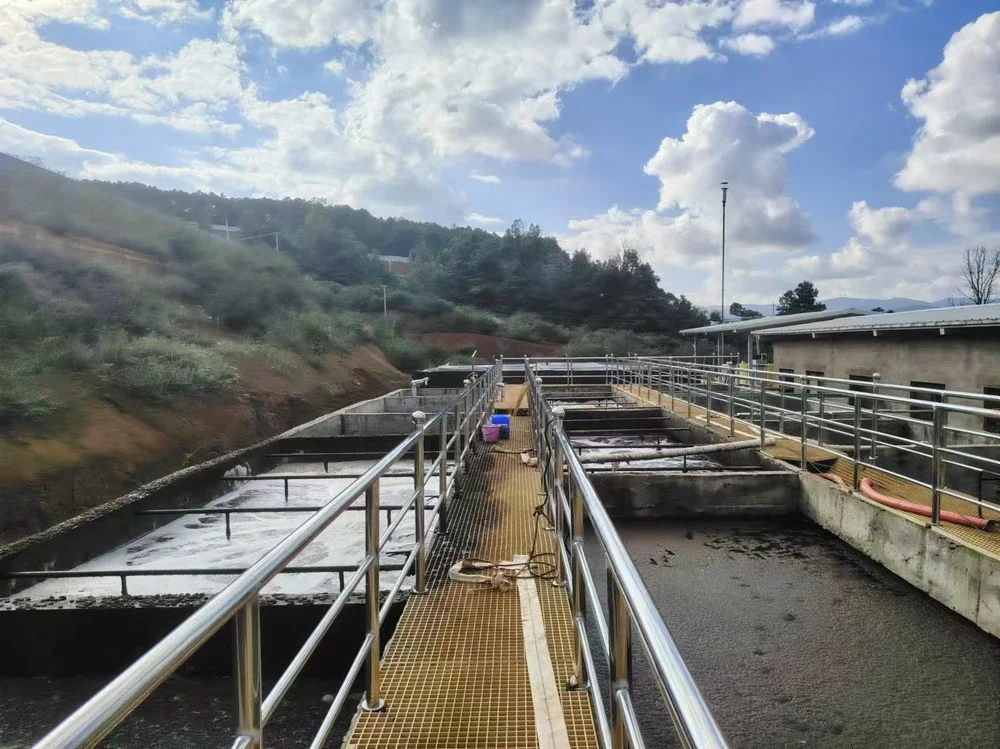
Aerobic biological treatment is an essential secondary stage in the common methods for treating livestock and poultry wastewater. After initial solids removal and anaerobic digestion, we use biological aeration to introduce oxygen into the effluent. This process fuels aerobic microbes that rapidly break down dissolved organic matter, oxidize ammonia into nitrates, and eliminate remaining farm odors before final discharge or reuse.
Membrane Bioreactors (MBR and SMBR)
We combine traditional activated sludge treatment with advanced membrane separation to create high-performance systems for modern farms. Our MBR membrane bioreactor systems replace secondary sedimentation tanks entirely, pulling water through microfiltration or ultrafiltration barriers.
- Effluent Quality: Delivers crystal-clear water free of suspended solids, coliform bacteria, and organic contaminants.
- Compact Footprint: Requires up to 50% less space than conventional clarifiers, making it ideal for land-constrained facilities.
- Submerged Options (SMBR): By immersing hollow-fiber or flat-sheet membranes directly into the aeration basin, we minimize energy use while optimizing flux rates.
Integrating a downstream membrane filtration system ensures the effluent meets the highest standards for barn washdown, flush systems, and crop irrigation.
Moving Bed Biofilm Reactors (MBBR)
For operations dealing with fluctuating waste streams, such as cattle farming wastewater treatment, moving bed biofilm reactors offer dependable stability. We introduce thousands of high-surface-area plastic carriers into an aerated tank, giving microorganisms a protected surface on which to build an active biofilm.
- Shock Load Resistance: Biofilm carriers absorb sudden spikes in organic loading without biomass washout.
- Low Maintenance: Carriers remain suspended via air diffusers, requiring no sludge return lines or backwashing.
- Continuous Nitrification: Provides simultaneous carbon degradation and nitrogen removal within a self-cleaning, compact structure.
Sequencing Batch Reactors (SBR)
The sequencing batch reactor is a time-managed activated sludge process that carries out equalization, biological aeration, and clarification inside a single basin. It operates across recurring automated cycles:
- Fill: Wastewater enters the reactor and mixes with existing biomass.
- React: Dedicated aeration drives biological oxidation, carbon removal, and nitrification.
- Settle: Aeration stops, allowing biological flocs to settle into a dense sludge blanket under tranquil conditions.
- Decant: Clarified supernatant is drawn from the top layer without disturbing settled solids.
- Idle: The system resets while excess sludge is removed.
SBR technology works exceptionally well within wastewater treatment processes for pig farming. It adapts easily to batch washing schedules, prevents sludge bulking, and delivers precise nutrient removal without requiring separate settling tanks.
Ecological and Natural Treatment Systems
In modern livestock farming wastewater treatment, natural treatment systems provide a low-energy, cost-effective way to polish effluent before reuse or discharge. We rely on these ecological approaches to handle secondary polishing, buffer flow variations, and reduce residual organic loads without driving up operating costs.
Constructed Wetlands for Nutrient Removal
A constructed wetland relies on gravel beds, emergent aquatic plants, and natural biofilms to filter pretreated runoff. As one of the most reliable passive stages among common methods for treating livestock and poultry wastewater, it targets nutrients that mechanical systems often miss.
- Nutrient Uptake: Wetland vegetation absorbs soluble nitrogen and phosphorus directly into plant biomass.
- Microbial Breakdown: Root zones harbor diverse microbial communities that break down refractory organics.
- Suspended Solids Trapping: The physical root matrix slows water movement, allowing fine particulates to settle naturally.
To prevent premature clogging of wetland gravel beds, we ensure that solid separation equipment runs upstream according to our livestock wastewater treatment equipment design guide.
Stabilization and Oxidation Ponds
A stabilization or oxidation pond uses natural sunlight, algae growth, and biological aeration to treat farm runoff over longer retention times. These ponds are particularly effective for wastewater treatment processes for pig farming and cattle operations with ample available acreage.
- Algae-Bacteria Symbiosis: Microscopic algae produce oxygen through photosynthesis, which aerobic bacteria consume to digest remaining organic impurities.
- Pathogen Reduction: Extended sun exposure and natural UV radiation drastically reduce harmful pathogen counts.
- Volume Buffering: Large surface ponds absorb shock loads during peak washing or seasonal rain events without upsetting downstream systems.
Land Treatment and Soil Infiltration Systems
Land treatment systems route polished water across vegetative plots or designated infiltration basins, using the soil profile as a living purification filter.
- Filtration and Adsorption: Soil minerals bind phosphorus while capturing remaining trace solids.
- Nutrient Recycling: Crops and pasture grasses take up nitrates, transforming waste into usable plant cover.
- Subsurface Protection: Regulating hydraulic loading rates prevents saturation, guarding regional groundwater supplies against excess nutrient leaching.
Sludge Management and Byproduct Utilization
Managing sludge effectively turns an operational burden into a stable resource. When implementing common methods for treating livestock and poultry wastewater, residual sludge from biological aeration and sedimentation basins requires rapid stabilization. We focus on recovering value from these waste streams while maintaining total compliance with environmental safety standards.
Sludge Dewatering and Drying Equipment
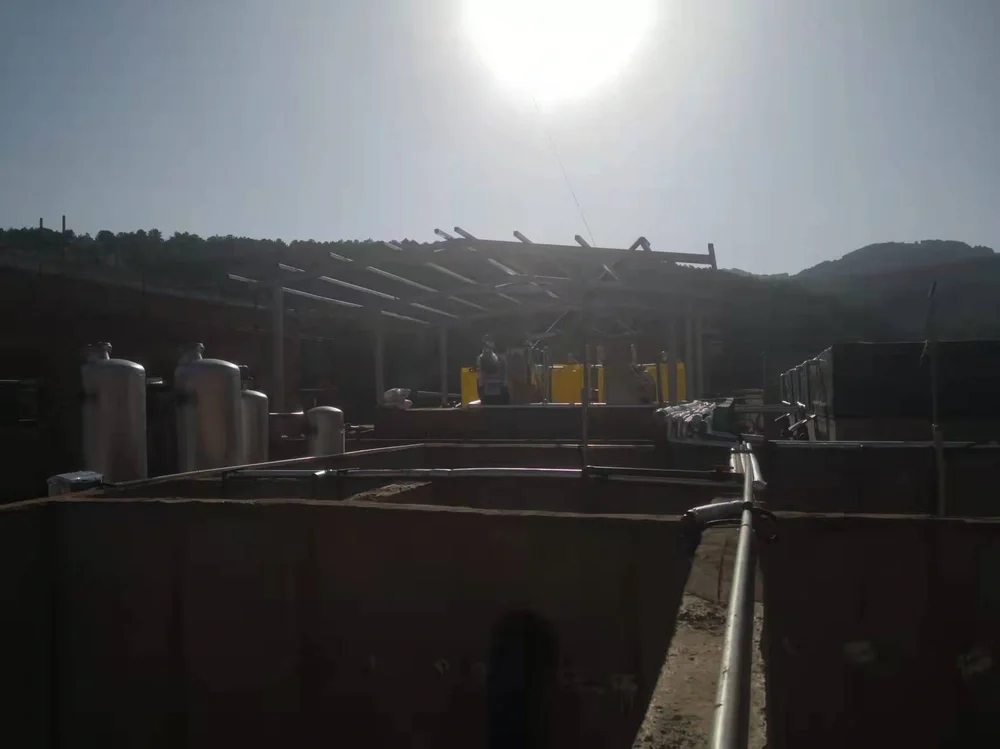
Solid-liquid separation is the first critical step in handling livestock farming wastewater sludge. High-moisture sludge directly out of settling units cannot be transported or repurposed efficiently without mechanical volume reduction.
- Multi-Disk Screw Presses: These units handle oily, sticky organic slurries with minimal wash water and low energy consumption, making them a staple in modern wastewater treatment processes for pig farming.
- Belt Filter Presses: Ideal for large operations needing continuous, high-volume throughput. They press conditioned sludge between porous belts to extract free water.
- Decanter Centrifuges: Provide rapid separation for heavy cattle farming wastewater slurries, producing a dense cake with low residual moisture.
- Thermal Drying Systems: Low-temperature paddle or belt dryers use waste heat to drop moisture levels below 20%, cutting transport weights and destroying pathogens.
Similar mechanical dewatering techniques play a pivotal role in how slaughterhouse wastewater is treated, where dense organic solids require immediate separation to prevent septic conditions.
Composting for Organic Fertilizer Production
Dewatered sludge contains significant concentrations of nitrogen, phosphorus, and organic matter. We convert this fraction into commercial-grade bio-fertilizer through controlled biological decomposition:
- Aerobic Windrow Composting: Sludge is blended with carbonaceous bulking agents like straw or wood chips, then mechanically turned to supply oxygen and regulate moisture.
- In-Vessel Composting: Enclosed bioreactors regulate temperature, moisture, and airflow. The process sustains thermophilic temperatures (above 55°C) for several days, neutralizing weed seeds and pathogens.
- Nutrient Stabilization: The final compost forms a pathogen-free, humic-rich organic amendment that restores soil structure and reduces reliance on synthetic chemical fertilizers.
Treated Effluent Recycling and Farmland Irrigation
After anaerobic digestion and secondary biological clarification, the reclaimed liquid phase becomes a valuable water asset rather than a disposal hazard.
| Application | Water Quality Focus | Practical Benefit |
|---|---|---|
| Barn Flushing | Low TSS, odor-controlled | Cuts freshwater consumption by up to 60% in livestock housing. |
| Agricultural Irrigation | Balanced N-P-K, low salinity | Delivers dissolved nutrients directly to forage crops through drip or sprinkler lines. |
| Equipment Washdown | Disinfected, low turbidity | Provides safe, utility-grade water for yard and pen wash routines. |
Integrating closed-loop water reuse safeguards local groundwater reserves and ensures cattle farming wastewater treatment facilities remain sustainable during dry seasons.
How to Select the Optimal Wastewater Treatment Process
Selecting the right system is not a one-size-fits-all decision. When we design and configure livestock farming wastewater treatment systems, we evaluate site-specific operational variables to match the most reliable common methods for treating livestock and poultry wastewater to your specific facility.
Assessing Farm Size and Daily Wastewater Volume
Farm capacity and livestock type directly determine total hydraulic load and waste composition. For example, wastewater treatment processes for pig farming must handle high-volume liquid flushes rich in soluble organic matter, whereas cattle farming wastewater typically contains higher fiber and coarse solids.
- Small to Mid-Sized Farms: Operations with limited space benefit from compact integrated sewage treatment equipment that manages everyday volumes reliably without demanding massive civil construction.
- Large-Scale Facilities: High-volume livestock operations require continuous multi-stage setups, combining robust physical separation, equalization tanks, and high-load biological stages to process significant daily effluent streams.
Balancing Capital Investment and Operational Costs
We evaluate the full financial picture by weighing upfront machinery purchases against recurring expenses such as electricity, chemical dosing, and routine equipment upkeep.
| Process Type | Initial CapEx | Ongoing OpEx | Typical Application |
|---|---|---|---|
| Physical-Chemical Separation | Moderate | Moderate (flocculants/power) | Fast removal of suspended solids and bound organics |
| Anaerobic Digestion | High | Low to Moderate | High-strength slurry treatment with biogas recovery |
| Aerobic Biological Systems | Moderate to High | Moderate (aeration energy) | Deep reduction of dissolved BOD and ammonia-nitrogen |
| Natural / Lagoon Systems | Low | Low | Facilities with abundant land and flexible discharge timelines |
Deploying reliable, energy-efficient wastewater treatment hardware helps lower operating costs over the life of the installation.
Meeting Local Discharge and Land Application Standards
Final environmental targets dictate how far effluent must be processed before leaving your property.
- Land Application and Irrigation: If the goal is returning treated water to farmland, treatment focuses on primary solid-liquid separation, stabilization, and pathogen reduction while conserving beneficial agronomic nutrients.
- Surface Water Discharge: Discharging into local waterways requires strict adherence to legal limits on COD, BOD, total nitrogen, and phosphorus, requiring secondary biological treatment and multi-barrier clarification to ensure full regulatory compliance.