Environmental protection equipment supplier

Meat Processing Wastewater Treatment Explained
Characteristics and Challenges of Meat Processing Wastewater
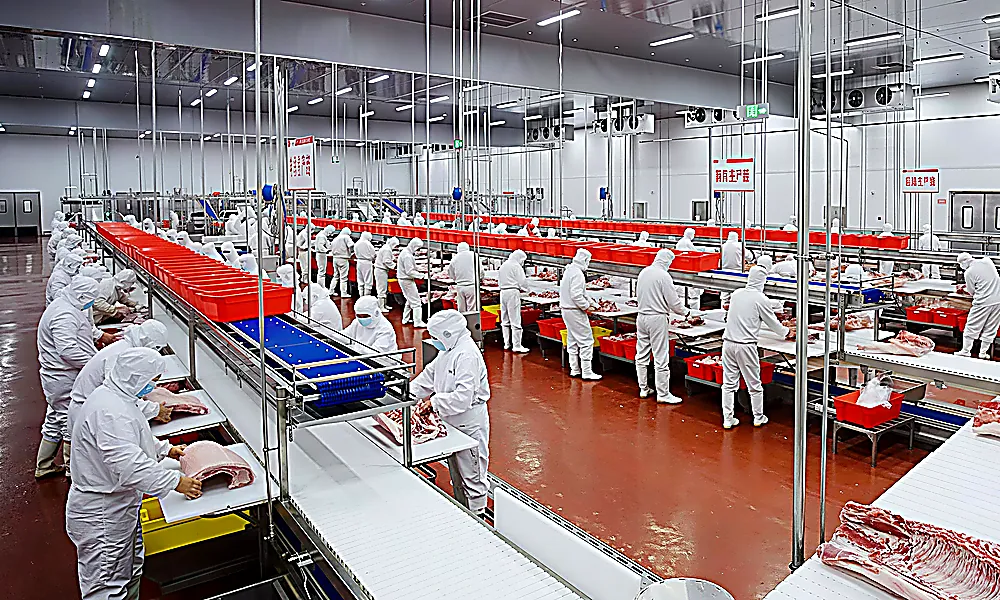
Meat processing wastewater represents one of the most demanding industrial effluent profiles to manage. Daily washdowns, livestock handling, slaughtering, and carcass processing generate complex waste streams characterized by high organic density, variable flow rates, and heavy particulate loads. Efficient treatment requires an immediate understanding of these specific waste constituents to prevent operational bottlenecks and ensure compliance with strict environmental discharge limits.
High Concentrations of BOD, COD, and TSS
Effluent generated across slaughter floors, cutting lines, and rendering operations contains large amounts of biodegradable organic matter.
- Biochemical Oxygen Demand (BOD) & Chemical Oxygen Demand (COD): High levels stem from dissolved animal proteins, blood, tissue, and cellular fluids, requiring robust oxidation processes to stabilize.
- Total Suspended Solids (TSS): Heavy solids loads comprise fine meat particles, gristle, skin fragments, bone meal, and animal hair.
- Impact: Discharging untreated high-BOD and high-TSS wastewater depletes dissolved oxygen in receiving water bodies, overwhelms municipal treatment plants, and results in severe non-compliance penalties.
| Parameter | Primary Sources | Treatment Challenge |
|---|---|---|
| BOD / COD | Blood, viscera washings, fat tissue | Requires extensive biological or chemical oxidation |
| TSS | Bone, hair, flesh particles, bedding | Causes line blockages and rapid sludge accumulation |
Fats, Oils, and Grease (FOG) Accumulation
High-temperature carcass scalding, cleaning procedures, and rendering lines melt and mobilize heavy loads of animal lipids into the wastewater stream.
- Cooling Solidification: As washwater cools downstream, fats, oils, and grease (FOG) rapidly solidify, sticking to pipes, pumps, and conveyance systems.
- Process Interference: Free-floating and emulsified oils blind mechanical screening equipment, suffocate biological aeration basins, and reduce oxygen transfer rates in secondary reactors.
- Treatment Priority: Efficient primary physical-chemical separation is essential to extract FOG prior to downstream biological polishing.
Nutrient Loads, Blood, and Pathogen Risks
Slaughterhouse wastewater contains extreme levels of nitrogen, phosphorus, and biological hazards that demand precise handling:
- Whole Blood Loading: Blood is among the most potent organic contributors in meat effluent, drastically raising both nitrogen content and organic shock loads.
- Nutrient Concentrations: Residual manure, urine, and intestinal contents contribute high levels of total Kjeldahl nitrogen (TKN), free ammonia, and phosphorus.
- Pathogenic Contamination: Effluent routinely contains enteric bacteria, coliforms, and active pathogens, necessitating strict biosafety control and advanced tertiary disinfection before final discharge or water reuse.
Preliminary Treatment: Solids and Grease Removal
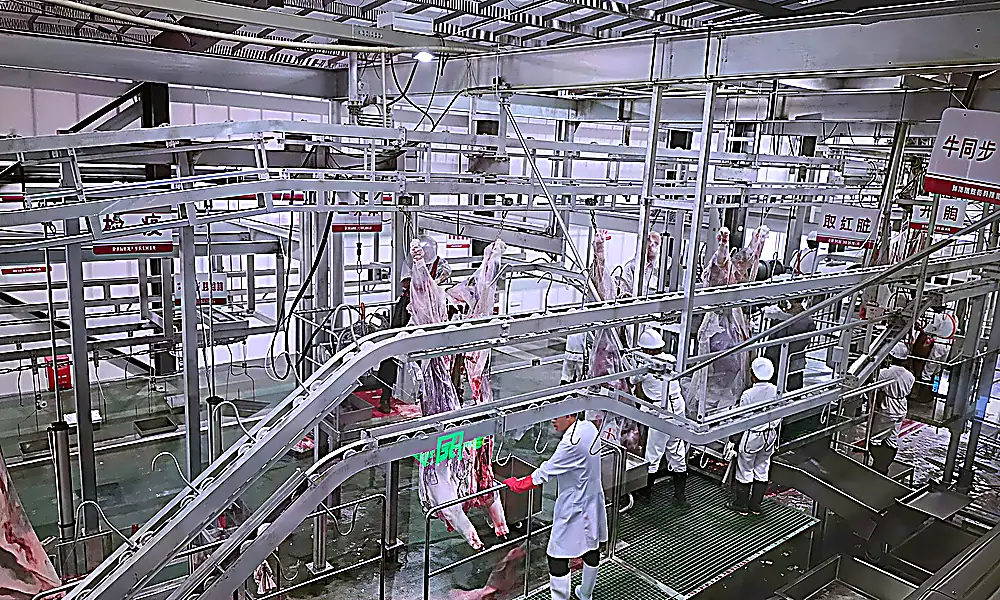
When addressing how meat processing wastewater is generally treated, the journey always begins with preliminary physical separation. Processing floors generate massive spikes in bulk solids and tallow that can quickly blind membranes and burn out transfer pumps. In our facility designs, establishing a rugged preliminary stage protects every downstream process, mirroring the frontline separation strategies used in a proven process flow for livestock and poultry wastewater treatment.
Coarse and Fine Mechanical Screening
Raw abattoir effluent carries an unpredictable mix of gross solids like bone fragments, tissue trimmings, bristles, and feathers. We tackle this debris immediately using a staged mechanical barrier:
- Static or Mechanical Bar Screens: Placed right at the wet well entry to capture materials larger than 10 to 25 mm.
- Rotary Drum and Wedge-Wire Screens: Continuous-cleaning fine screens operating between 0.5 and 2 mm that strip out fine flesh and fibers, achieving a rapid initial drop in total suspended solids (TSS).
Flow Equalization and pH Neutralization
Meat processing facilities rarely discharge steady streams; discharge volumes surge during slaughter shifts and shift cleaning cycles. We integrate equalization basins to balance these dynamic loads:
- Hydraulic Buffering: Large, continuously mixed equalization tanks blend high-volume washdowns, dampening peak hydraulic and thermal shocks.
- Chemical Balancing: Clean-in-place (CIP) sanitation cycles introduce harsh caustic and acidic detergents. Automated dosing systems inject neutralizers to stabilize the effluent at an optimal pH range of 6.5 to 7.5 before it reaches biological cultures.
Gravity Grease Traps and Interceptors
Warm wash water keeps fats, oils, and grease (FOG) liquid, but as the stream enters external plumbing, temperatures plummet and lipids solidify rapidly.
We install baffled gravity grease interceptors to control this flow:
Passive Flotation: Reducing flow velocity gives free fats sufficient retention time to naturally separate and float to the liquid surface.
Continuous Surface Skimming: Mechanical scraper blades pull the separated grease blanket into collection hoppers while bottom drag chains collect settled grit, preventing thick fatty crusts from choking downstream treatment units.
Primary Physical-Chemical Treatment: DAF Systems
Meat processing wastewater contains heavy concentrations of emulsified fats, blood, and suspended proteins that simple gravity separation cannot resolve alone. We implement primary physical-chemical treatment to knock out these stubborn organics before they can overload downstream biological units.
Dissolved Air Flotation (DAF) Clarification
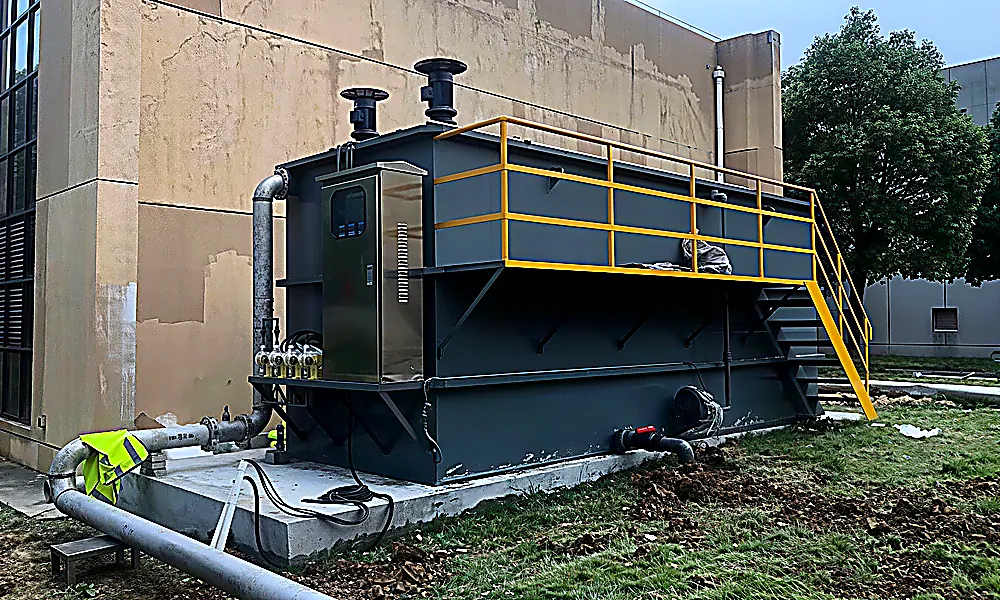
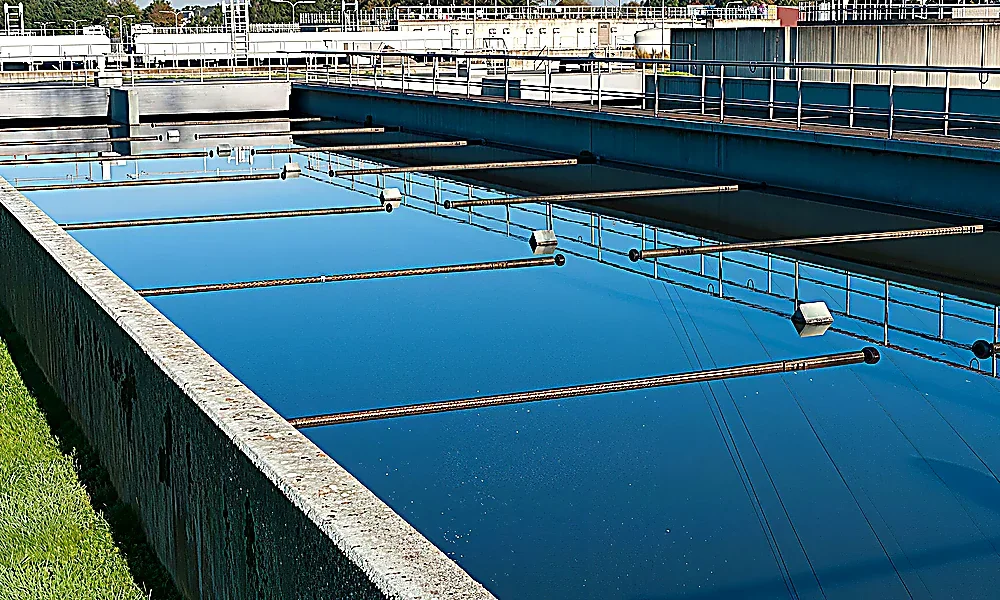
Dissolved air flotation is the core workhorse in our primary clarification train. We inject micro-fine air bubbles into the wastewater stream under pressure. As these microscopic bubbles rise, they attach to suspended solids and emulsified greases, floating them rapidly to the liquid surface.
Utilizing a reliable dissolved air flotation machine delivers measurable treatment gains:
FOG Removal: Cuts fats, oils, and grease concentrations by up to 90% to 99%.
TSS Capture: Flotes out fine meat tissues, insoluble organics, and heavy particulates.
Organic Load Relief: Drastically lowers particulate biochemical oxygen demand (BOD) and chemical oxygen demand (COD), protecting downstream biological stages from shock loads.
Chemical Coagulation and Flocculation
Fine colloidal particles and emulsified animal fats carry negative electrical charges that keep them dispersed in the water. We neutralize this suspension through direct, multi-stage chemical conditioning:
- Coagulation: We dose inorganic coagulants (such as polyaluminum chloride or iron salts) to neutralize surface electrical charges, allowing colloidal matter to destabilize and collide.
- Flocculation: We introduce organic polymers (such as polyacrylamide) into the flocculation tube or reaction tank. These long-chain polymers bind destabilized particles together into large, buoyant structural flocs.
- Bubble Adhesion: These engineered flocs provide ideal anchor points for dissolved micro-bubbles, ensuring rapid separation inside the flotation cell.
Primary Sludge and Scum Separation
Once floating flocs and fats reach the liquid surface of the DAF unit, automated continuous surface skimmers scrape the thickened scum layer into an integrated collection trough. Settleable solids like grit or bone fragments that do not float collect in the bottom V-shaped hopper for automatic bottom-sludge discharge.
This mechanical separation yields a dense primary scum with high dry-solids content, minimizing waste volume while delivering clarified, grease-free effluent ready for secondary biological treatment.
Secondary Biological Treatment Processes
When asking how is meat processing wastewater generally treated after primary separation, the core answer lies in biological degradation. Once physical solids and free grease are stripped away, the stream still carries extreme levels of dissolved organic matter, proteins, and soluble blood. We rely on targeted microbial systems to consume these dissolved pollutants, converting complex waste into stable, non-hazardous byproducts.
Anaerobic Digestion for High-Load Organics
For high-strength streams, anaerobic digestion serves as the frontline biological workhorse. Operating in sealed reactors without oxygen, anaerobic bacteria break down concentrated biochemical oxygen demand (BOD) and chemical oxygen demand (COD) loads. Systems such as Upflow Anaerobic Sludge Blanket (UASB) reactors or covered anaerobic lagoons handle massive organic spikes while consuming minimal electrical power. Implementing an engineered anaerobic stage within a complete wastewater treatment process for slaughterhouses reduces bulk organic loads by up to 80% to 90%, generating manageable biogas and producing substantially lower sludge volumes than purely aerobic setups.
Aerobic Treatment and Fine Bubble Aeration
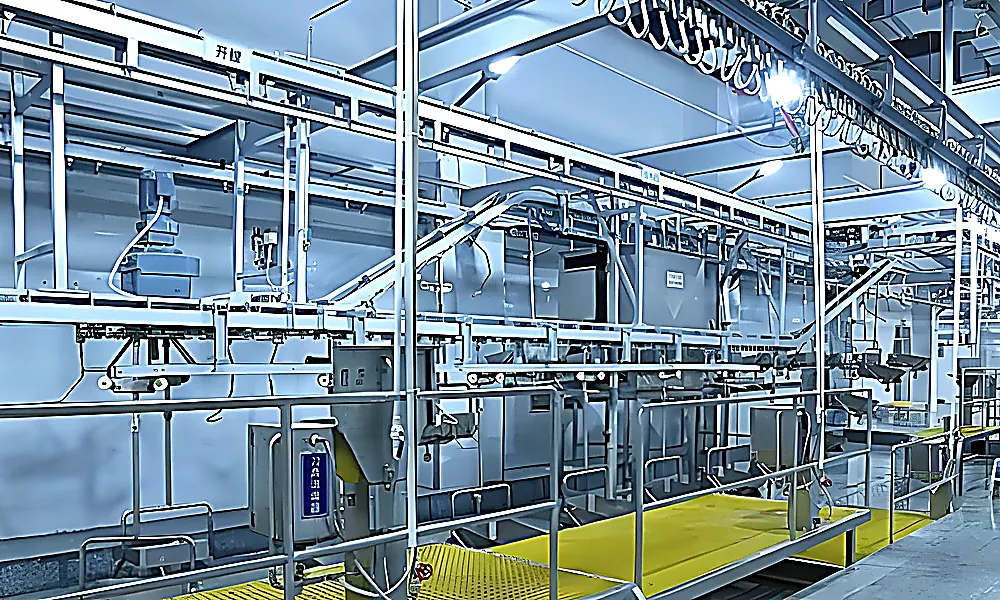
Following the bulk reduction in anaerobic units, aerobic treatment polishes the residual organics. In conventional activated sludge basins, sequencing batch reactors (SBR), or membrane bioreactors (MBR), aerobic microorganisms consume the remaining soluble impurities. We introduce high-efficiency fine bubble aeration systems at the tank bottom to provide continuous dissolved oxygen transfer with minimal energy expenditure. This intensive aeration environment ensures quick, complete decomposition of lingering fatty acids and dissolved proteins, preventing septic odors and ensuring clear effluent clarification.
Biological Nutrient Removal (Nitrogen and Phosphorus)
Meat processing waste is packed with elevated nitrogen and phosphorus levels originating from animal proteins, blood, and sanitation agents. Simple organic removal is not enough to satisfy strict effluent limits. We implement multi-stage biological nutrient removal (BNR) configurations—typically combining anoxic, anaerobic, and aerobic zones:
- Nitrification: Aerobic bacteria convert high ammonia-nitrogen levels into nitrites and nitrates.
- Denitrification: In an anoxic zone, heterotrophic bacteria reduce nitrates into harmless nitrogen gas, releasing it safely into the atmosphere.
- Enhanced Biological Phosphorus Removal (EBPR): Specialized polyphosphate-accumulating organisms (PAOs) take up dissolved phosphorus under alternating anaerobic-aerobic conditions, concentrating it into the waste sludge for simple extraction.
Tertiary Treatment for Water Reuse and Discharge
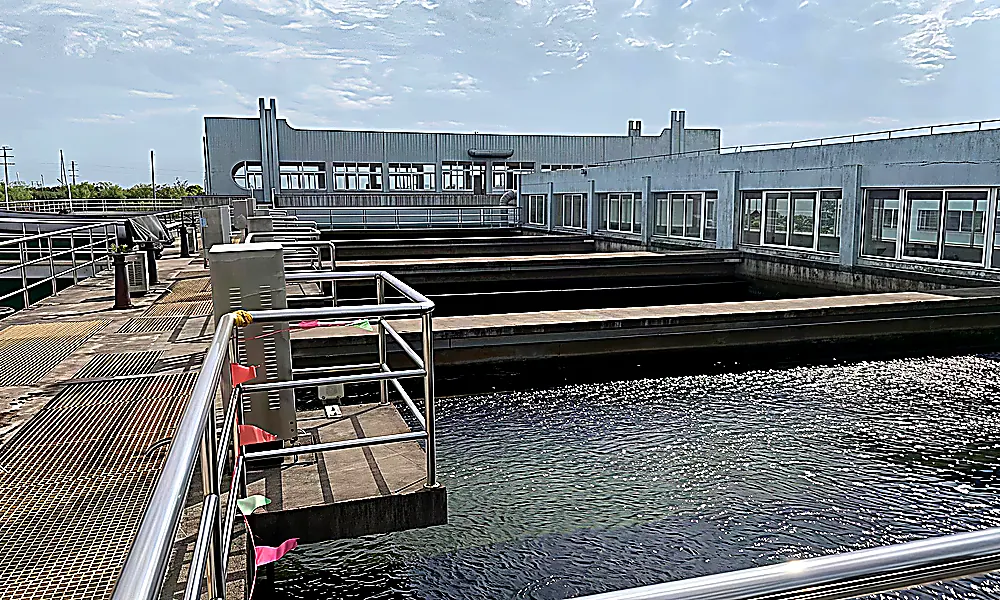
When determining how meat processing wastewater is generally treated to meet non-potable reuse standards or strict local environmental limits, tertiary treatment serves as the critical polishing stage. After biological breakdown, the stream still carries trace particulates, dissolved organics, and pathogens that require advanced separation before discharge.
Membrane Filtration and Clarification
To strip fine colloidal materials and remaining biological flocs from industrial effluent, we rely on high-efficiency physical barriers:
- Microfiltration and Ultrafiltration: Traps microscopic solids and macromolecules that slip past standard secondary clarifiers.
- Integrated Separation: Implementing a dedicated membrane filtration system ensures consistent effluent clarity regardless of seasonal load spikes.
- Bioreactor Integration: Facilities running an MBR membrane bioreactor combine aeration and filtration in a single footprint, eliminating the need for separate secondary settling tanks.
Disinfection via UV, Chlorine, or Ozone
Slaughterhouse and meat processing streams contain elevated pathogen risks. Disinfection neutralizes residual bacteria and biological contaminants without leaving toxic residues in the receiving waterways:
- Ultraviolet (UV) Systems: Inactivates bacteria and viruses without chemical storage or handling requirements.
- Chlorination: Delivers stable, residual disinfection for long discharge lines or holding lagoons.
- Ozone Oxidation: Breaks down recalcitrant color, deodorizes the treated water, and rapidly destroys microbial cell walls.
Final Effluent Polishing and Compliance
The final tertiary stage protects facilities against discharge penalties and opens pathways for closed-loop resource recovery:
- Regulatory Assurance: Consistently cuts trace biochemical oxygen demand (BOD) and total suspended solids (TSS) below strict regional municipal limits.
- Utility Reuse: Provides clean, clarified effluent suitable for non-contact applications such as cooling tower make-up, truck washdown, and plant wash-up operations.
- Nutrient Stabilization: Ensures residual phosphorus and nitrate levels comply with strict surface-water discharge consents.
Sludge Management and Byproduct Recovery
When answering how meat processing wastewater is generally treated, the solid byproduct stream demands equal attention. Every stage of treatment—from preliminary screening to biological clarification—pulls organics, blood, and grease out of the water. Handling these residuals efficiently prevents site contamination, slashes disposal surcharges, and opens avenues for energy recovery.
Sludge Thickening and Mechanical Dewatering
Meat processing facilities generate two distinct sludge types: fatty primary scum from flotation units and nutrient-rich secondary biological sludge. We combine and process these streams to minimize wet volume before transport:
- Chemical Conditioning: Polymers and coagulants are dosed directly into the sludge to destabilize particles, bind fine organics, and release trapped water.
- Mechanical Dewatering: High-torque equipment—such as multi-plate screw presses, belt presses, or decanter centrifuges—compresses the slurry into a manageable, stackable cake.
- Volume Reduction: Effective dewatering elevates dry solids content up to 20%–30%, drastically cutting off-site hauling expenses and gate fees.
Explore comprehensive equipment comparisons and operational strategies on our industrial wastewater treatment blog.
Biogas and Renewable Energy Production
The organic sludge pulled from slaughterhouse wastewater contains massive biochemical energy reserves. Instead of immediate disposal, facilities frequently divert thick, high-COD organic residues to anaerobic digestion:
- Methane Generation: Anaerobic bacteria break down fats, proteins, and volatile fatty acids, converting solid waste into methane-rich biogas.
- Facility Cogeneration: Capturing this biogas fuels plant boilers, thermal oxidizers, or combined heat and power (CHP) systems to offset factory energy costs.
- Carbon Footprint Mitigation: Utilizing biogas as an in-house thermal source reduces grid reliance and prevents uncontrolled fugitive methane emissions.
Safe Sludge Disposal and Land Application
The final phase of byproduct handling ensures that dewatered cake exits the plant in full regulatory compliance:
- Agricultural Land Application: Pathogen-stabilized sludge rich in nitrogen and phosphorus can serve as an effective soil conditioner and fertilizer for regulated crops.
- Composting and Thermal Drying: Facilities blend dewatered cake with carbon bulking agents for commercial compost or use thermal dryers to produce dry, shelf-stable fertilizer pellets.
- Landfill and Rendering: Non-stabilized or grease-heavy fractions undergo rendering for industrial tallow recovery or are routed to licensed disposal sites under strict environmental manifests.
Selecting the Optimal Treatment System for Meat Facilities
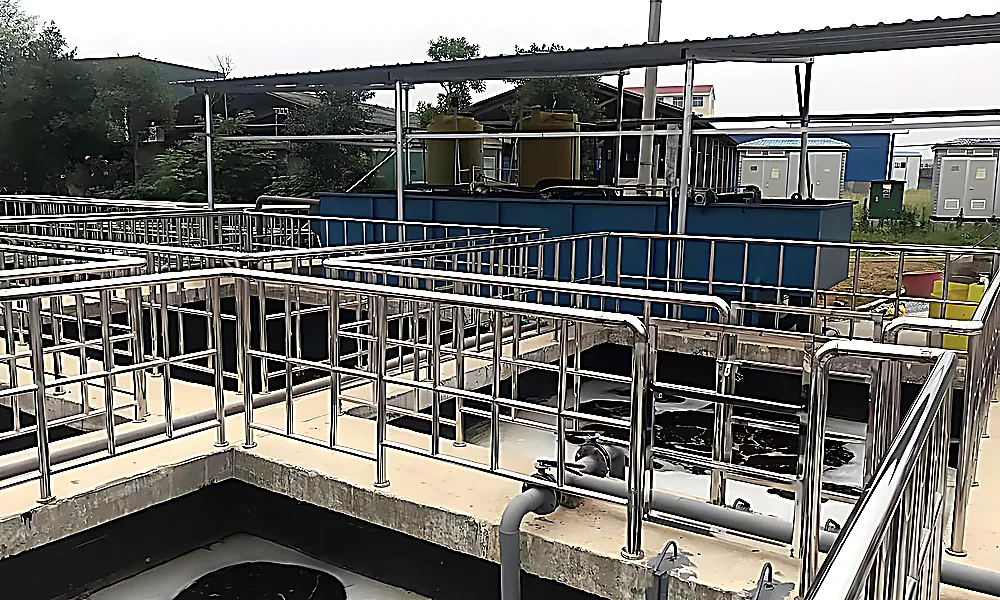
Choosing how meat processing wastewater is generally treated comes down to matching your production volume with the right mechanical and biological hardware. We evaluate plant operations based on raw effluent strength, physical site constraints, and the specific discharge goals of the facility. A tailored layout guarantees consistent compliance, manages high shock loads, and prevents expensive downtime.
Modular Package Plants vs. Custom-Engineered Solutions
Deciding between modular setups and built-in civil works depends on your facility scale, future expansion goals, and required throughput:
- Modular Package Plants: Skid-mounted or containerized systems integrate primary separation, dissolved air flotation (DAF), and compact biological steps. They provide fast setup times, require minimal civil infrastructure, and adapt easily if processing volumes grow.
- Custom-Engineered Systems: Large-scale meat processing operations benefit from site-built concrete basins and dedicated anaerobic digesters. These plants handle significant hydraulic surges, manage massive daily organic loads, and offer long service lifetimes for high-volume slaughterhouses.
Parallel facility considerations, such as managing emissions from animal holding areas and rendering lines, often align with dedicated exhaust solutions like established methods for odor control in laboratory animal facilities to keep the surrounding site compliant.
Discharge Limits and Environmental Regulations
Regulatory parameters dictate the required stages in your wastewater treatment train. Every jurisdiction enforces specific boundaries on industrial effluent before it enters municipal sewers or surface waters:
| Effluent Parameter | Municipal Sewer Discharge | Direct Surface Water Discharge |
|---|---|---|
| BOD & COD | Moderate reduction required (avoids surcharges) | Ultra-low levels via biological polishing |
| Fats, Oils & Grease (FOG) | Rigorous physical & chemical stripping | Complete removal via DAF clarification |
| Total Nitrogen & Phosphorus | Controlled to prevent biological upset downstream | Advanced biological nutrient removal required |
| Total Suspended Solids (TSS) | Coarse screening and primary solids separation | Multi-stage filtration and final polishing |
Operational Footprint and Lifecycle Costs
A functional wastewater setup balances initial equipment investment against ongoing running expenses:
- Footprint Efficiency: High-rate treatment equipment, such as dissolved air flotation and high-density biomass reactors, delivers intensive COD and solids reduction within a compact plant footprint.
- Chemical Consumption: Automated dosing systems for coagulants and flocculants maintain accurate chemical feed rates, controlling recurring operating costs during primary clarifying and sludge dewatering.
- Energy Consumption: Aeration blowers, dewatering presses, and transfer pumps demand substantial power. Selecting energy-efficient drives and fine-bubble diffusers reduces long-term operational overhead.
- Sludge Handling Expenses: Effective mechanical dewatering cuts down wet cake mass, lowering transport, disposal, and tipping fees across the operating lifecycle of the meat facility.