Environmental protection equipment supplier

Wastewater Treatment Process for Slaughterhouses Guide
Are you struggling to handle surging organic loads, heavy fats, and tightening discharge standards at your facility?
Treating abattoir effluent isn’t just about dodging compliance fines—it’s about running an efficient, sustainable operation without draining your bottom line.
Selecting the right wastewater treatment process for slaughterhouses can transform high-strength BOD, COD, and FOG from an operational nightmare into compliant effluent—or even reusable water and energy.
In this comprehensive guide, you’ll learn the exact mechanical, biological, and tertiary solutions industry experts use to build reliable, high-performance treatment systems.
Let’s dive right in.
Understanding Slaughterhouse Wastewater and Its Characteristics
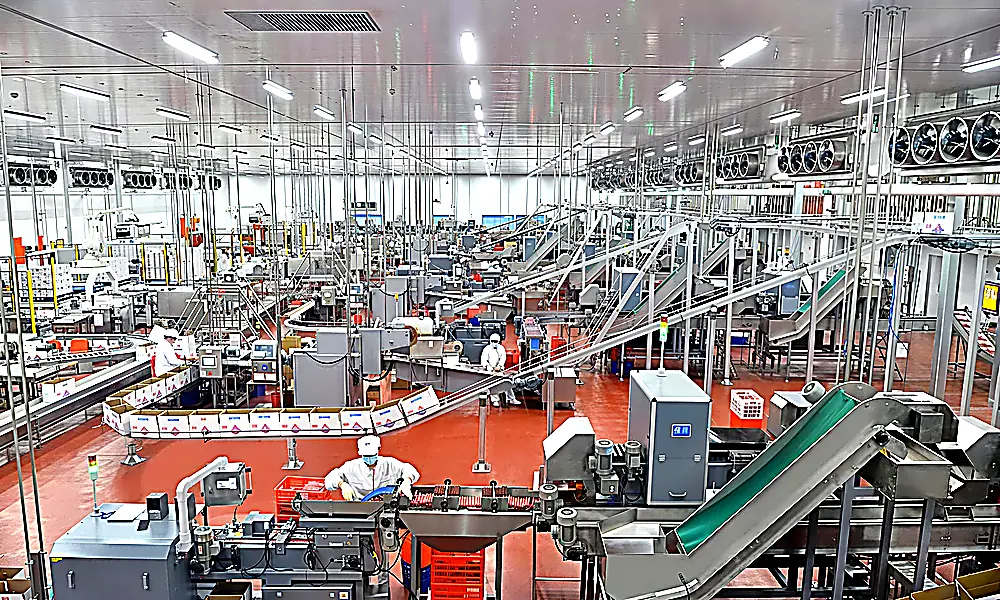
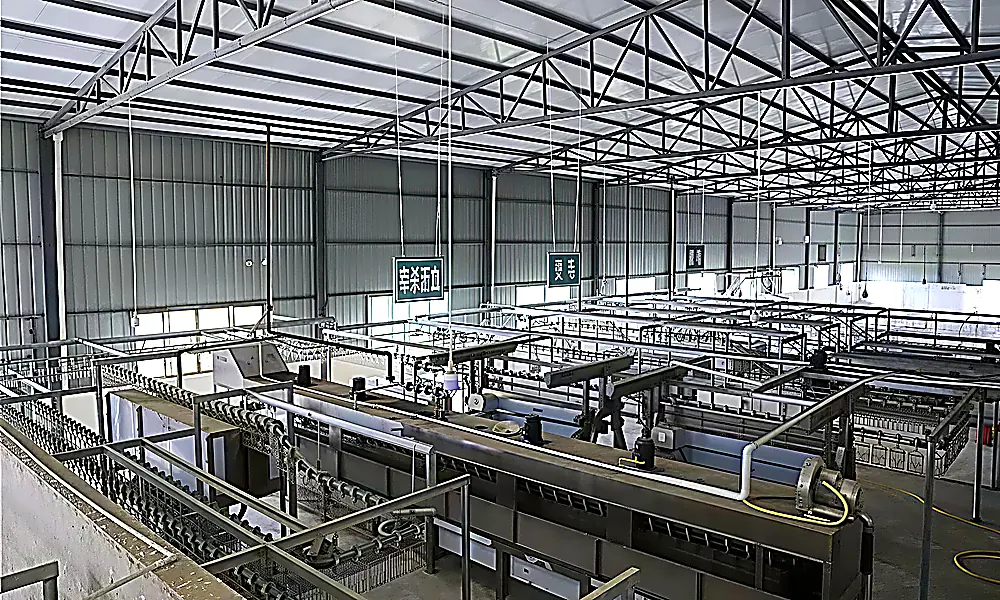
Slaughterhouse wastewater is among the most challenging industrial waste streams to treat. Generated during slaughtering, bleeding, evisceration, carcass washing, and plant sanitation, this effluent carries high loads of organic matter, suspended particles, and nutrients. Whether processing beef, pork, or poultry, meat processing wastewater requires a targeted treatment approach to prevent environmental damage and meet municipal discharge criteria.
Different livestock streams yield distinct effluent profiles:
Wastewater from cattle slaughterhouses: High blood concentrations, paunch manure, hair, and elevated nitrogen.
Wastewater from pig slaughterhouses: High levels of colloidal organics, fats, and dissolved proteins.
Wastewater from chicken slaughterhouses: Enriched with fine feathers, high concentrations of grease, and elevated phosphorus from rapid carcass processing.
Key Contaminants: BOD, COD, FOG, and TSS
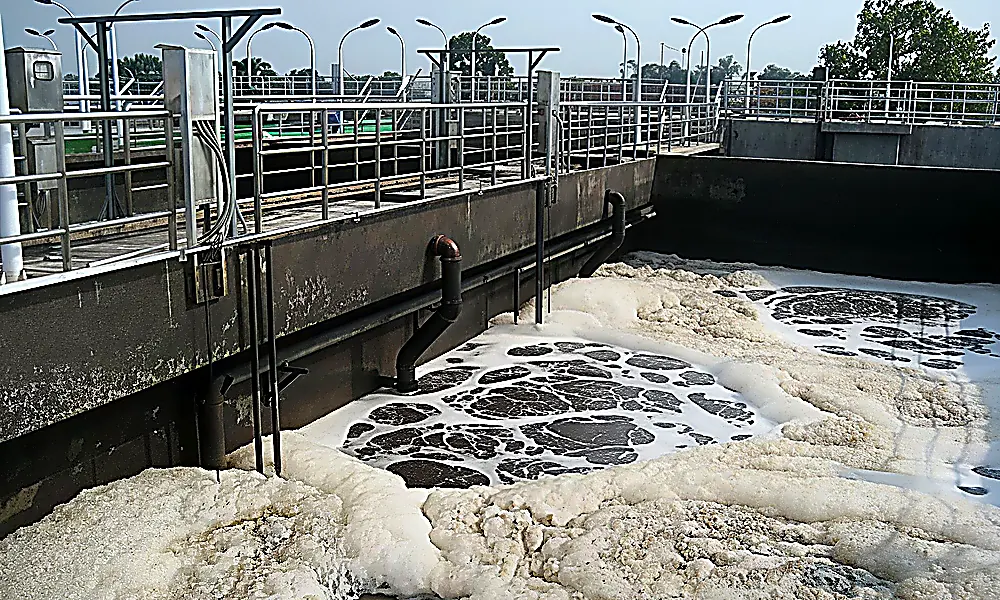
The complex composition of meat processing effluent results directly from the breakdown of animal tissue, blood, feces, and residual fat. Treating this stream requires addressing four critical pollution metrics:
- Biochemical Oxygen Demand (BOD): Blood and soluble proteins drive BOD to extreme levels, rapidly depleting dissolved oxygen in receiving water bodies if discharged untreated.
- Chemical Oxygen Demand (COD): High concentrations of refractory organics and biodegradable compounds create COD values that frequently exceed standard industrial limits by tenfold.
- Fat, Oil, and Grease (FOG): Adipose tissues and animal fats solidify at ambient temperatures, coating conveyance lines, blinding filter media, and suffocating standard biological processes.
- Total Suspended Solids (TSS): Composed of bone fragments, tissue, hair, feathers, and grit, TSS contributes to high turbidity and creates dense primary sludge loads.
| Parameter | Typical Raw Range (mg/L) | Primary Source in Processing |
|---|---|---|
| BOD₅ | 1,500 – 5,000 | Blood, soft tissues, gut contents |
| COD | 3,000 – 12,000 | Concentrated blood, marrow, sanitizing agents |
| FOG | 500 – 2,500 | Tallow, lard, skin rendering, processing washdown |
| TSS | 1,000 – 4,000 | Hair, manure, bone dust, coarse trimmings |
| Total Nitrogen (TN) | 150 – 400 | Blood breakdown, urine, protein hydrolysis |
| Total Phosphorus (TP) | 20 – 100 | Bone meal, detergents, biological tissue |
Fluctuations in Hydraulic and Organic Loadings
Meat processing facilities operate on shift-based production schedules, which creates severe hydraulic and organic surges. These peak flows challenge downstream treatment hardware:
- Intermittent Processing Cycles: Operational hours introduce massive volumes of blood-rich process water, followed by prolonged operational pauses overnight or over weekends.
- Intense Sanitation Surges: Shift-end cleaning protocols release high-temperature washdown water laden with caustic clean-in-place (CIP) chemicals, surfactants, and sanitizers within short time windows.
- Shock Organic Loads: Accidental blood releases or evisceration spills cause sudden spikes in organic loading that can upset downstream biological systems if not equalized.
Managing these wide swings requires correctly sized balancing and equalization tanks before secondary treatment stages to normalize chemical oxygen demand removal performance.
Environmental Regulations and Effluent Standards
Environmental protection agencies enforce strict regulatory frameworks for abattoir operations. Effluent release limits depend on the ultimate discharge destination:
- Direct Environmental Discharge (Surface Waters): Requires comprehensive removal of organics, total suspended solids, pathogens, and biological nutrients (nitrogen and phosphorus) to prevent aquatic toxicity and eutrophication.
- Indirect Discharge (Municipal Sewer Networks): Focuses on strict limits for FOG, temperature, pH, and TSS to avoid sewer pipe blockages, corrosion, and municipal surcharge penalties.
- Resource Recovery and Reuse Criteria: Closed-loop applications—such as non-potable plant washdown, cooling towers, and irrigation—mandate complete disinfection, low turbidity, and minimal organic persistence.
A compliant wastewater treatment process for slaughterhouses must handle high organic volatility while consistently meeting stringent regulatory parameters. Modern industrial treatment platforms balance these fluctuating raw streams into clean, fully compliant water.
Preliminary and Physicochemical Treatment Processes
Pre-treatment is the frontline defense in any wastewater treatment process for slaughterhouses. Raw abattoir streams carry heavy organic solids, blood, and fats that quickly overwhelm downstream biological tanks if not handled upfront. We use targeted physical separation and chemical conditioning to intercept these stubborn solids immediately. Adopting an optimized process flow for livestock and poultry wastewater treatment protects your critical mechanical assets and significantly cuts your chemical and energy footprint downstream.
Coarse and Fine Mechanical Screening
Physical filtration eliminates coarse and fine debris before it enters pumps, piping, or equalisation basins. Meat processing effluent contains heavy particulate loads like bone fragments, paunch manure, hair, and viscera that require sequential mechanical separation:
- Static and Rotary Drum Screens: Coarse bar screens capture large matter (10–25 mm), followed immediately by rotary wedge-wire drum screens (0.5–2 mm) to pull out smaller tissues, feathers, and coarse fibers.
- Pump and Valve Protection: Rapidly removing large solids eliminates line clogs, minimizes pipe abrasion, and protects delicate instrumentation.
- Organic Load Reduction: Efficient screening removes up to 20–30% of total suspended solids (TSS) and lowers initial chemical oxygen demand (COD) before chemical dosing begins.
Dissolved Air Flotation (DAF) Systems for Oil and Grease Removal
Fat, oil, and grease (FOG) create major barriers for downstream biological digestion. Our dissolved air flotation systems tackle free-floating and emulsified lipids efficiently.
| Parameter | Performance Standard | Operational Impact |
|---|---|---|
| Micro-Bubble Injection | 20–50 micron bubbles | Maximizes surface contact with suspended fat globules |
| FOG Removal Rate | 80% to 95% | Prevents greases from blinding aeration membranes |
| TSS Reduction | 70% to 90% | Significantly reduces the footprint needed for biological reactors |
| Float Sludge Scraper | Continuous mechanical sweep | Generates a high-solids skimmings layer ready for dewatering |
Microscopic air bubbles attach directly to oily particles, lifting them rapidly to the liquid surface for continuous skimming. This delivers clear, conditioned effluent ready for secondary biological treatment.
Coagulation and Chemical Flocculation
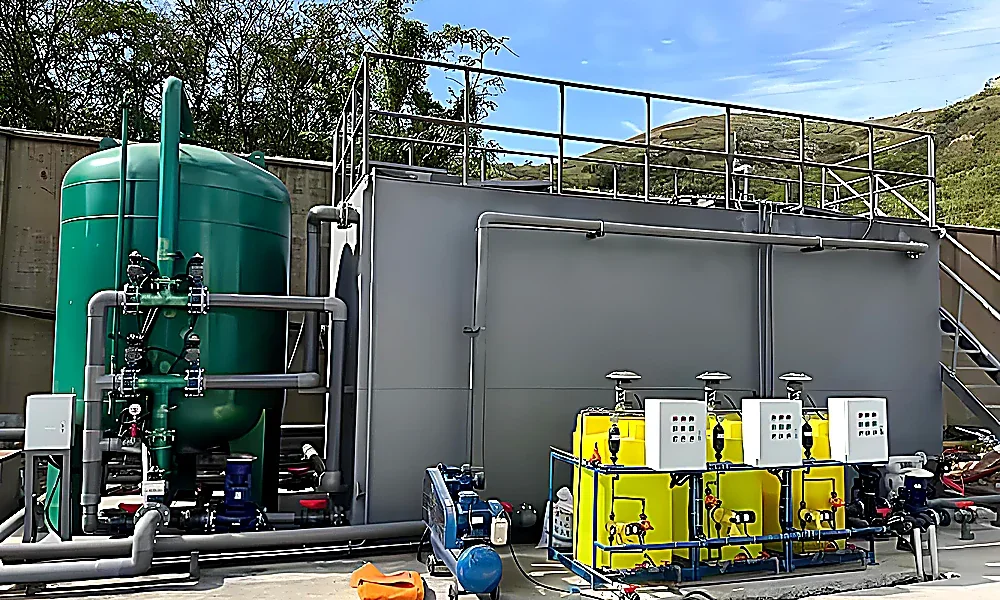
Non-soluble fats, fine colloids, and blood proteins resist standard physical flotation. We integrate multi-stage chemical conditioning ahead of our DAF units to shatter emulsified bonds and consolidate particles:
- Coagulation (Rapid Mixing): Inorganic coagulants such as polyaluminum chloride (PAC) or ferric chloride neutralize negative surface charges on suspended proteins and lipids, forming dense micro-flocs.
- Flocculation (Slow Agitation): High-molecular-weight cationic or anionic polymers (PAM) bridge these micro-flocs into larger, heavy flocs that release trapped water instantly.
- Optimized pH Balancing: Precise chemical dosing stabilizes the effluent matrix, driving complete fat oil and grease removal and producing a tight, easily separated sludge layer with minimal chemical waste.
Biological Treatment Solutions for Abattoir Effluent
Once physical processes remove the heavy grease and solids, biological treatment methods step in to eliminate the dissolved organics. In our facilities handling meat processing wastewater, biological breakdown provides the heavy lifting for bulk biochemical oxygen demand reduction. Much like the biological systems engineered for cattle and pig farm wastewater treatment methods, a properly tuned bacterial ecosystem cuts operational chemical expenses while delivering reliable discharge compliance.
Anaerobic Digestion for High Organic Load Reduction
Meat processing effluent carries excessive soluble organic loads that make direct aeration cost-prohibitive. We apply anaerobic digestion to strip out the bulk load without massive electricity bills.
- Upflow Anaerobic Sludge Blanket Reactor (UASB): Best suited for high-strength, warm abattoir streams. It maintains a dense granular sludge bed that achieves 75% to 85% chemical oxygen demand removal at low retention times.
- Covered Anaerobic Lagoons & CSTRs: Ideal for larger operations with variable solids, digesting heavier proteins and fats safely.
- Low Energy Footprint: Microorganisms digest pollutants in an oxygen-free environment, drastically slashing aeration power demands while generating usable biogas.
Aerobic Treatment and Activated Sludge Processes
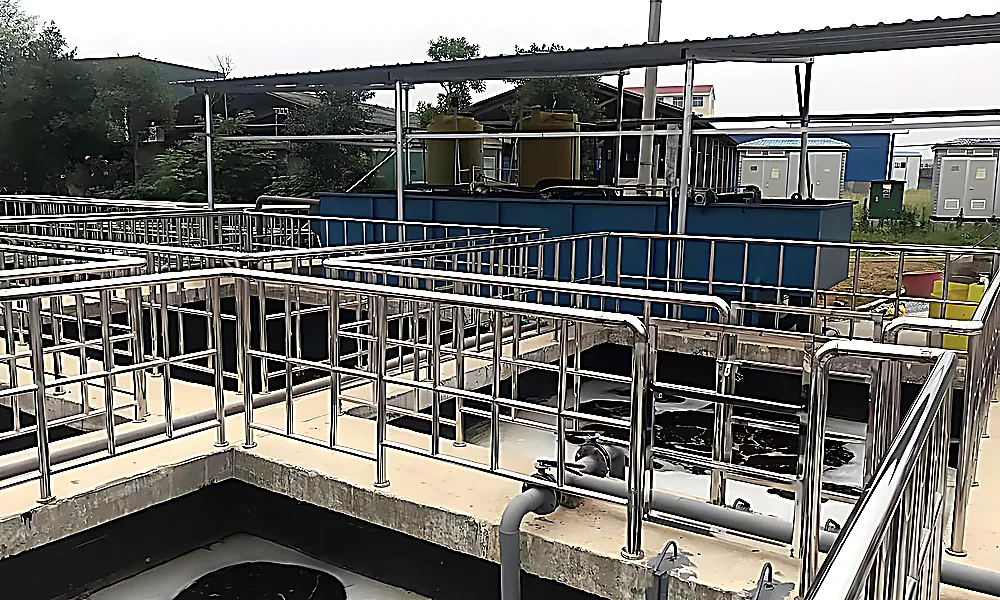
After the bulk organic load drops in the anaerobic stage, aerobic polishing stabilizes the wastewater to meet river discharge or municipal sewer standards. We select the aeration architecture based on operational scale and site footprint:
| Aerobic Technology | Best Fit | Core Operational Benefit |
|---|---|---|
| Sequencing Batch Reactor (SBR) | Batch operations, variable slaughter shifts | Combines equalization, aeration, and settling in one tank; handles shock loads effortlessly. |
| Conventional Activated Sludge (CAS) | High-capacity industrial facilities | Delivers proven, continuous-flow biochemical oxygen demand reduction with straightforward operator control. |
| Moving Bed Biofilm Reactor (MBBR) | Space-constrained upgrades | Uses suspended carrier media to double treatment capacity without expanding tank footprints. |
Biological Nutrient Removal (Nitrogen and Phosphorus)
Slaughterhouse wastewater contains high levels of total nitrogen and phosphorus from blood breakdown, manure residues, and sanitation agents. Meeting modern effluent standards requires integrated Biological Nutrient Removal (BNR):
- Two-Stage Nitrification and Denitrification: Aerobic tanks oxidize toxic ammonia into nitrates, followed by anoxic zones where bacteria convert nitrates into inert nitrogen gas.
- Enhanced Biological Phosphorus Removal (EBPR): Alternating anaerobic and aerobic conditions select for phosphate-accumulating organisms (PAOs), which store phosphorus within biomass for easy removal during sludge wasting.
- Supplemental Carbon Dosing: When influent carbon drops after anaerobic treatment, we integrate controlled carbon dosing to keep denitrifying bacteria active and ensure total nitrogen compliance.
Tertiary Treatment and Water Recycling Technologies
Tertiary treatment turns treated meat processing effluent into reusable industrial water or cleans it enough to meet strict environmental discharge limits. After primary solids removal and biological degradation, abattoir wastewater still carries micro-pollutants, fine suspended solids, bacteria, and dissolved salts. We apply advanced polishing stages to stabilize water quality, prevent regulatory fines, and cut fresh water intake.
Media Filtration and Membrane Bioreactors (MBR)
Standard biological clarification cannot always catch microscopic pin-floc and fine organics. We integrate physical barrier technologies to polish the stream before disinfection or reuse.
- Multimedia and Sand Filters: We utilize pressurized sand and anthracite filters to capture residual suspended solids (TSS), reducing turbidity down below 5 NTU.
- Membrane Filtration: For plants aiming for high-grade reuse, our advanced membrane filtration system strips out fine colloids, remaining fats, and large molecular weight organics.
- Integrated Systems: Replacing conventional secondary clarifiers with an MBR membrane bioreactor combines biological degradation and microfiltration in a single footprint. This setup produces high-clarity effluent virtually free of bacteria and suspended particles.
| Technology | Primary Target Contaminant | Typical Effluent TSS | Space Requirement |
|---|---|---|---|
| Multimedia Filtration | Suspended solids, coarse colloids | 5 – 10 mg/L | Moderate |
| MBR Technology | Bacteria, fine solids, residual COD | < 1 mg/L | Compact |
| Ultrafiltration (UF) | Macromolecules, pathogens, turbidity | < 1.5 mg/L | Minimal |
Disinfection via UV Radiation and Chlorination
Slaughterhouse wastewater contains high levels of pathogens, including E. coli, Salmonella, and fecal coliforms from animal processing lines. Effective disinfection is mandatory prior to discharge or recycling.
- UV Radiation: We rely on inline ultraviolet disinfection units for chemical-free pathogen destruction. UV light disrupts bacterial DNA within seconds, preventing replication without generating harmful disinfection byproducts (DBPs) or altering effluent pH.
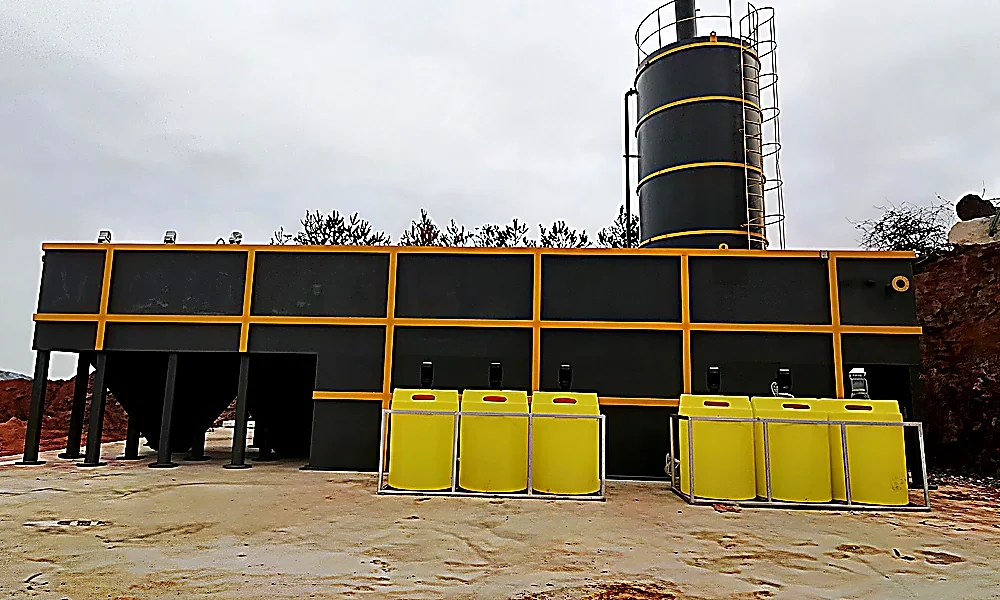
- Chlorination: Where treated effluent sits in storage tanks for utility washdown, we implement sodium hypochlorite dosing. This method provides the residual disinfection capacity necessary to prevent biological regrowth in downstream distribution pipes.
Reverse Osmosis (RO) and Zero Liquid Discharge (ZLD)
When abattoirs face municipal discharge restrictions or high fresh water costs, high-recovery membrane systems deliver circular water solutions:
- Reverse Osmosis (RO): Our multi-stage RO units eliminate dissolved solids (TDS), heavy salts, and trace minerals from meat processing effluent. The purified permeate regularly returns to utility services, including boiler feed, condenser loops, and stockyard washing trucks.
- Zero Liquid Discharge (ZLD): We couple high-pressure RO with mechanical vapor recompression (MVR) evaporators and crystallizers to eliminate liquid discharge entirely. The system concentrates reject brine into solid salt cakes for off-site disposal while recovering up to 95–98% of the initial water volume for plant operations.
Sludge Treatment and Solid Waste Management
Processing meat generates massive volumes of primary screenings, dissolved air flotation (DAF) float, and biological sludge. In any wastewater treatment process for slaughterhouses, handling these residual solids is just as critical as purifying the water. Proper dewatering, anaerobic stabilization, and by-product handling transform heavy disposal liabilities into manageable, value-generating resources.
Sludge Dewatering and Separation Equipment
Slaughterhouse sludge carries high concentrations of proteins, animal fats, and cellular biomass, making it notoriously slick and prone to blinding standard filter media. We match separation hardware directly to the specific sludge characteristics:
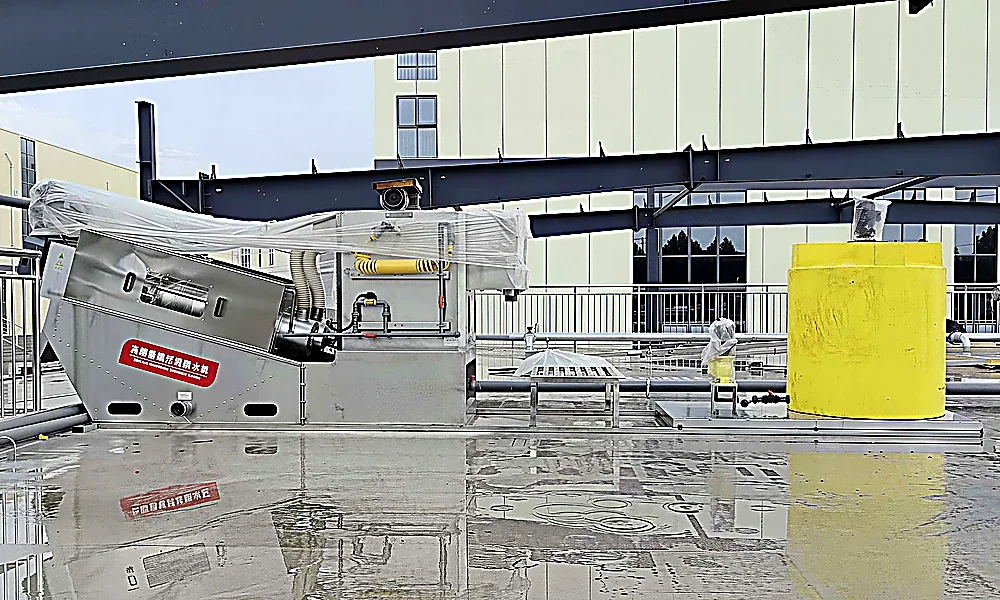
- Multi-Disk Screw Presses: Excellent for greasy biological and DAF sludge. The slow-turning screw and self-cleaning rings prevent clogging from coagulated fats, using up to 90% less energy than high-speed centrifuges.
- Decanter Centrifuges: Best for high-volume operations requiring continuous, high-cake-dryness output. They handle heavy grit and fibrous solids efficiently under high mechanical shear.
- Belt Filter Presses: Effective for blended secondary solids, relying on continuous chemical flocculation with polymer conditioning to achieve 18% to 25% dry solids cake.
When deploying our modular systems, integrating reliable dewatering into integrated sewage treatment equipment ensures immediate volume reduction, cutting haul-away and disposal fees by up to 70%.
| Equipment Type | Best Application | Solids Content (Cake) | Maintenance Profile |
|---|---|---|---|
| Screw Press | High-fat DAF & Bio-sludge | 18% – 24% | Low wear, automated wash |
| Decanter Centrifuge | High-capacity mixed solids | 22% – 30% | High wear, precision balance |
| Belt Filter Press | Primary & secondary mix | 15% – 22% | Medium wear, wash water needed |
Biogas Capture and Renewable Energy Generation
The high chemical oxygen demand (COD) of meat processing effluent makes the captured sludge an ideal substrate for anaerobic digestion:
- Anaerobic Digestion: Organic sludge and paunch waste are fed into heated digesters (such as CSTR or UASB systems), where methanogenic bacteria break down volatile solids.
- Biogas Production: The process generates a biogas stream containing 60% to 70% methane ($CH_4$), along with trace hydrogen sulfide ($H_2S$).
- Gas Conditioning: Scrubbers remove moisture and $H_2S$ to protect downstream hardware from acid corrosion.
- Energy Recovery: Cleaned biogas fuels plant boilers for facility sanitation wash-down or powers Combined Heat and Power (CHP) units to offset facility electricity demands.
Safe Disposal and Rendering of Solid By-Products
Sludge and coarse solid wastes must meet stringent veterinary, biosecurity, and environmental standards:
- Rendering Integration: Uncontaminated offal, fat skimmings, and bone fragments are routed to rendering lines to produce commercial tallow, industrial greases, and protein-rich animal feeds.
- Paunch Manure Management: Partially digested feed from stomach contents is mechanically dewatered and diverted to agricultural land injection or thermal composting, keeping heavy fiber out of biological digesters.
- Thermal Drying and Composting: Dewatered biological sludge with low chemical residues undergoes thermal drying or windrow composting, destroying pathogens to meet land application safety standards.
Selecting the Right Slaughterhouse Wastewater Treatment Plant
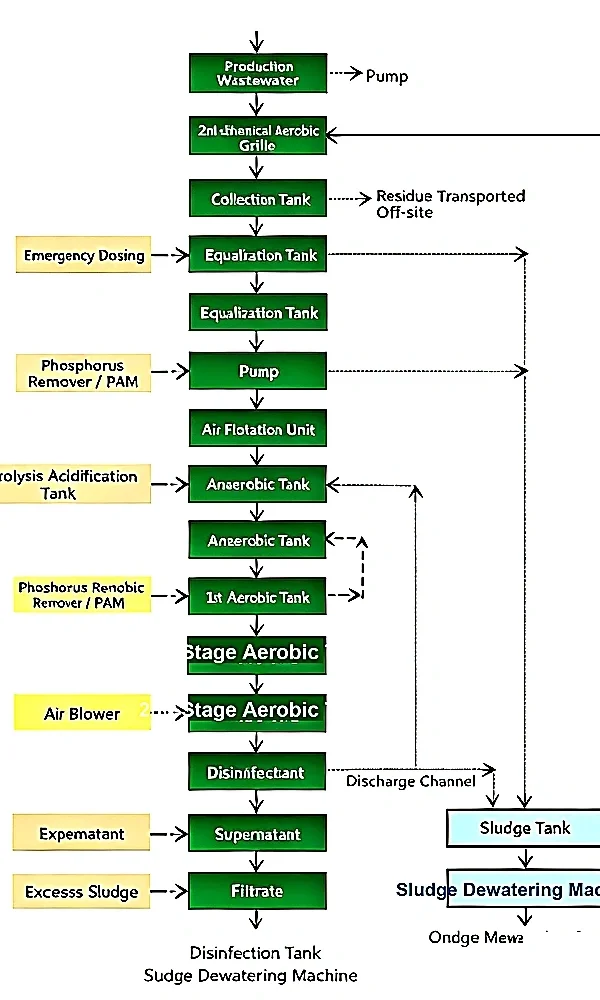
Choosing the correct equipment setup defines your plant’s compliance, operational uptime, and operating margins. Because meat processing effluent contains intense organic loads, selecting an optimized slaughterhouse wastewater treatment line requires balancing upfront capital expenditure with daily maintenance demands. We focus on matching robust physical separation with high-efficiency biological degradation to ensure full regulatory compliance across global discharge standards.
Custom Engineered vs. Packaged Modular Systems
Your plant footprint, daily production volume, and expansion plans dictate whether you need a centralized civil-construction setup or a skid-mounted system:
- Packaged Modular Systems: Ideal for small-to-medium slaughterhouses processing cattle, pigs, or poultry. These units are pre-plumbed, pre-wired, and containerized for rapid installation. They deliver plug-and-play operation, require minimal site engineering, and can be scaled up simply by adding parallel modules.
- Custom Engineered Plants: Necessary for large-scale industrial abattoirs processing thousands of head per day. These systems integrate concrete equalization basins, deep-tank biological reactors, and automated sludge handling infrastructure designed specifically for site-specific hydraulic profiles and severe blood spikes.
Key Design Factors: Capacity, Footprint, and Operational Costs
Designing an efficient industrial wastewater treatment facility requires looking at real-world operational constraints rather than just theoretical flow rates:
- Hydraulic and Organic Load Sizing: Systems must withstand drastic shift-based washdown surges, sudden pH swings, and concentrated organic shocks from blood and gut contents.
- Physical Footprint: When yard space is limited, compact configurations—such as high-rate dissolved air flotation (DAF) paired with membrane bioreactors (MBR)—replace massive conventional clarification ponds without sacrificing effluent quality.
- Lifecycle OPEX: The largest operational expenses stem from aeration blower energy, chemical consumption, and sludge hauling fees. Selecting energy-efficient diffused aeration and precision dosing controls keeps long-term operating costs predictable.
System Operation, Maintenance, and Chemical Management
Reliable daily operations depend on proactive preventative routines and automated chemical dosing:
- Screen and DAF Cleaning: Mechanical screens and surface skimmers require daily visual checks and automated spray cleaning to prevent blinding from fats, grease, and tissue.
- Precision Chemical Dosing: Overdosing coagulants (PAC) or flocculants (PAM) wastes money and generates excessive sludge volumes. Automated dosing units tied to inline turbidity and flow meters ensure exact chemical delivery during fluctuating fat and protein loads.
- Biological Monitoring: Tracking dissolved oxygen (DO), mixed liquor suspended solids (MLSS), and sludge volume index (SVI) protects microbial cultures from shock loads and prevents toxic pass-through to tertiary stages.