Environmental protection equipment supplier

How to Treat Hotel Laundry Wastewater Effectively
Understanding the Wastewater Challenges in Hotel Laundry
How should the wastewater generated from laundering hotel linens be treated? It’s actually quite simple! To address this effectively, hotel operators must first recognize the complex nature of the discharge produced by high-volume laundry facilities.
Characteristics of Hotel Laundry Wastewater
Hotel laundry wastewater is significantly different from standard municipal sewage. It is defined by:
High Chemical Concentrations: Frequent use of detergents, surfactants, bleaching agents, and fabric softeners.
Physical Contaminants: Large volumes of lint, fibers, and suspended solids shed from sheets and towels.
Fluctuating Loads: Rapid changes in water temperature and pH levels based on the specific laundry cycle being performed.
Environmental Impact of Improper Disposal
When laundry discharge is released into local ecosystems without proper filtration, it poses severe risks. Detergents and surfactants can disrupt aquatic life and lead to eutrophication. Furthermore, the high organic load from debris and chemicals stresses local water treatment facilities, leading to potential ground and surface water contamination. Modern environmental responsibility requires that these pollutants are neutralized at the source.
Regulatory Compliance for Hospitality Facilities
Environmental regulations regarding commercial water discharge are becoming increasingly stringent globally. Hotels are now expected to demonstrate sustainable water management to maintain their operational licenses and reputation. Implementing specialized onsite treatment systems ensures that the facility consistently meets discharge standards, mitigates the risk of environmental fines, and supports
corporate sustainability goals by recycling water for secondary uses.
Key Components of Hotel Laundry Wastewater
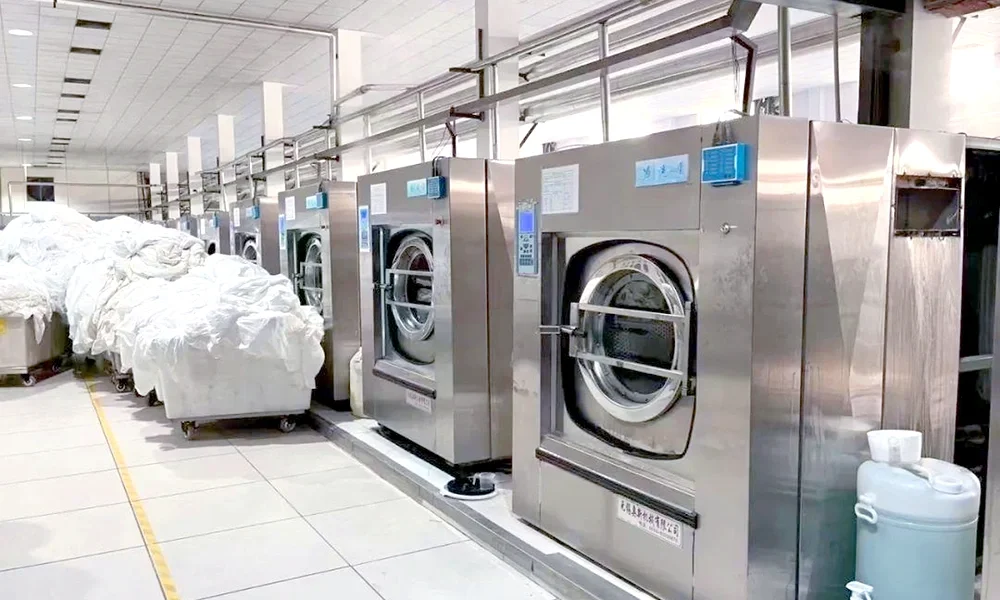
Hotel linen laundering generates a complex waste stream that requires specialized handling to ensure environmental safety and efficient recycling. Understanding these components is essential for effective treatment.
High Concentration of Detergents and Surfactants
Commercial laundry cycles rely on heavy doses of surfactants and industrial detergents. These chemicals lower the surface tension of water to remove stains but create significant challenges for biological treatment systems if not properly neutralized. Left untreated, these substances can cause excessive foaming and inhibit the performance of traditional filtration media.
Presence of Lint and Suspended Solids
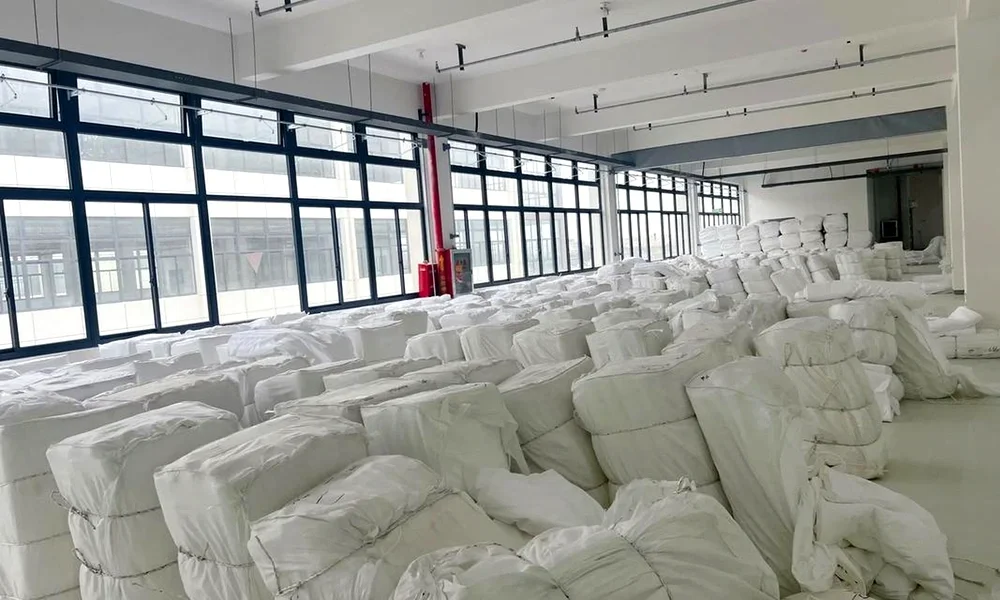
The daily laundering of hotel linens results in high volumes of loose fibers, lint, and particulate matter. If these suspended solids are not effectively removed during the initial stages of treatment, they can clog membranes and reduce the operational lifespan of machinery. Proper physical pre-filtration is critical to maintaining the flow efficiency of integrated water treatment systems.
Temperature Variations and Chemical Loads
Discharge from industrial laundry machines often fluctuates in temperature and pH levels throughout the day. This variability, combined with residual bleaching agents and fabric softeners, requires a robust system capable of handling dynamic chemical loads. Our approach focuses on stabilizing these variables through standardized, automated filtration processes, ensuring that the water is suitable for reuse or safe discharge, mirroring the reliability found in other industrial wastewater treatment solutions.
Essential Wastewater Treatment Technologies
Effective treatment of hotel linen laundering wastewater requires a multi-stage approach to ensure that the water can be safely discharged or repurposed. By combining physical and biochemical processes, operators can efficiently manage the complex chemical loads typical of commercial laundry operations.
Primary Treatment: Filtration and Sedimentation
The first phase focuses on removing bulk debris, such as lint, fibers, and heavy solids. This step is critical to protect downstream equipment from clogging and wear. Utilizing an inclined tube sedimentation tank allows for the efficient settling of suspended particles, providing a clearer effluent for further processing.
Secondary Treatment: Biological Processes
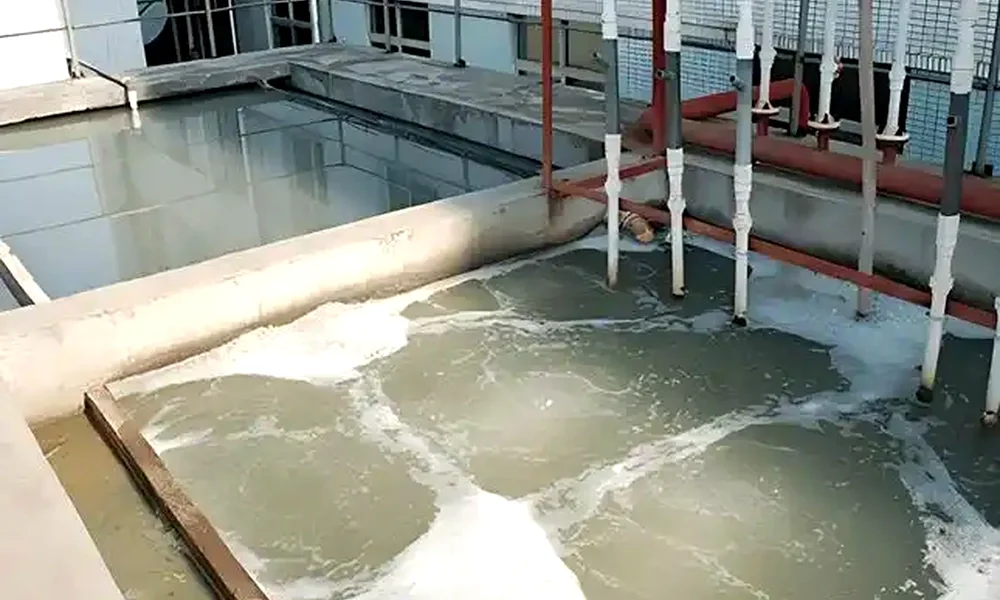
After physical filtration, the wastewater undergoes biochemical treatment to break down surfactants, detergents, and organic matter. This stage mimics natural decomposition processes but accelerates them within a controlled environment to ensure that chemical residues from cleaning agents are neutralized before they exit the facility.
Advanced Tertiary Treatment: Membrane Filtration
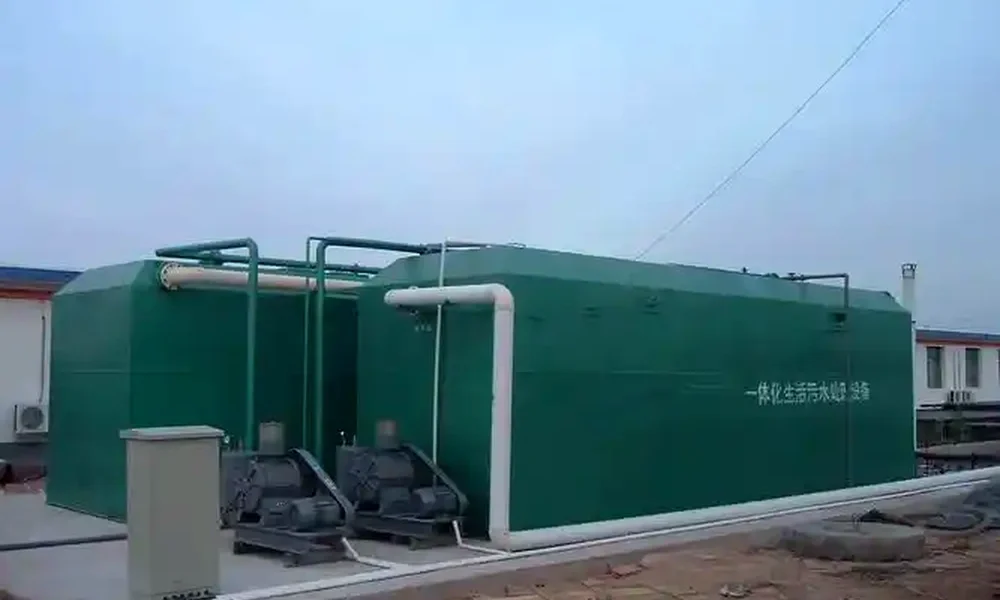
For hotels aiming for maximum sustainability, tertiary treatment is the gold standard. We utilize an MBR (Membrane Bioreactor) system to achieve high-quality water recovery. By integrating biological degradation with a membrane filtration system, this technology removes even the finest impurities and pathogens. The resulting treated water is often clean enough to be recycled directly back into the laundry wash cycle, significantly reducing overall water
consumption and utility costs.
Choosing a Wastewater Treatment System for Your Hotel
When evaluating solutions for hotel linen laundering wastewater, the focus must be on finding a system that fits your operational footprint while meeting environmental standards. Modern, integrated wastewater treatment plants provide a streamlined path to achieving both compliance and resource recovery.
Scalability and Decentralized Options
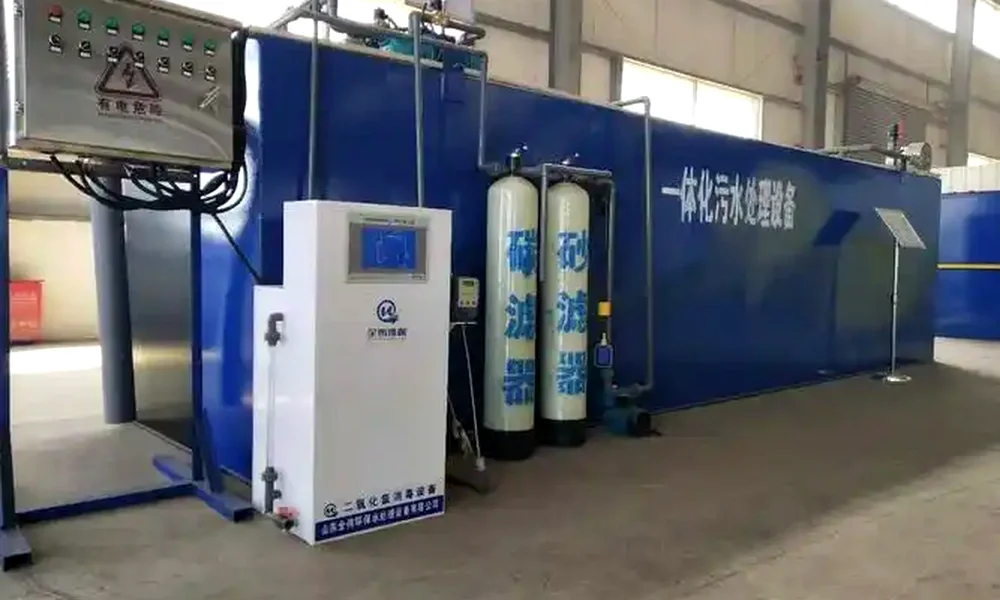
Hotels require systems that can scale alongside their occupancy rates. By utilizing modular, skid-mounted designs, you can implement a decentralized treatment strategy that fits into existing utility spaces. These “all-in-one” machines are designed for flexibility, ensuring that you are not investing in excessive civil infrastructure.
Assessing Operational Efficiency and Sustainability
Efficiency is measured by how effectively a system can recycle treated water back into your laundry cycles. Advanced hotel linen wastewater treatment process for water reuse allows facilities to significantly lower consumption costs. When assessing potential machinery, prioritize systems that offer:
| Feature | Operational Benefit |
|---|---|
| Automated Control | Reduces the need for constant manual oversight |
| MBR Technology | Ensures high-quality water suitable for recycling |
| Compact Design | Minimizes installation space requirements |
| Plug and Play | Enables faster setup and immediate functionality |
Balancing Costs with Compliance Requirements
Meeting discharge regulations is a non-negotiable aspect of responsible hospitality management. While the upfront investment in high-quality, durable equipment is a factor, the long-term savings generated by reduced water utility bills and lower discharge fees provide a clear return on investment. By focusing on systems that prioritize robust filtration and reliable
biochemical treatment, you ensure your hotel maintains its sustainability credentials while keeping operational costs in check.
Best Practices for Sustainable Linen Management
Achieving long-term sustainability in hospitality operations requires a shift toward smarter resource management. By implementing high-efficiency machinery and rigorous maintenance protocols, hotels can significantly lower their environmental footprint while managing costs.
Reducing Chemical Usage in Laundry Cycles
Optimizing the amount of detergents and softeners used during linen laundering is the first step toward better output quality. Excessive chemical use not only increases costs but also makes downstream treatment more complex. By selecting eco-friendly, highly concentrated formulas and precision-dosing systems, you reduce the burden on your wastewater treatment system and ensure that the discharge remains easier to process.
Water Recycling and Resource Recovery
The most effective way to manage hotel linen laundering wastewater is to recycle it directly back into the facility. SOTO EP Machinery provides integrated wastewater treatment plants that utilize MBR technology to filter out impurities and detergents, allowing the recovered water to be reused for various laundry operations. This strategy transforms wastewater from a disposal liability into a valuable operational asset, drastically reducing fresh water consumption.

Monitoring and Maintaining Treatment Systems
Consistency is key to effective environmental protection. Automated, skid-mounted systems allow for “plug and play” efficiency, but they still require periodic monitoring to ensure peak performance. Best practices include:
Regular Sensor Calibration: Ensuring automated systems accurately track water quality parameters.
Scheduled Membrane Maintenance: Cleaning or replacing filters to maintain high flux rates and water purity.
Flow Rate Oversight: Matching your treatment capacity with your daily hotel occupancy to avoid system overloading.
By adopting these streamlined practices, you ensure that your facility
remains compliant with discharge standards while demonstrating a clear commitment to sustainable hospitality.