Environmental protection equipment supplier

Electroplating Wastewater Treatment Methods and Technologies
Understanding Electroplating Wastewater Composition and Characteristics
Electroplating wastewater is among the most chemically diverse and hazardous industrial effluents generated worldwide. Surface finishing, electrodeposition, and metal stripping operations generate complex rinse waters and spent baths loaded with non-biodegradable toxins. Treating this effluent effectively begins with a precise understanding of its chemical profile, fluctuating pH ranges, and pollutant concentrations.
Common Contaminants: Heavy Metals, Cyanide, and Acids
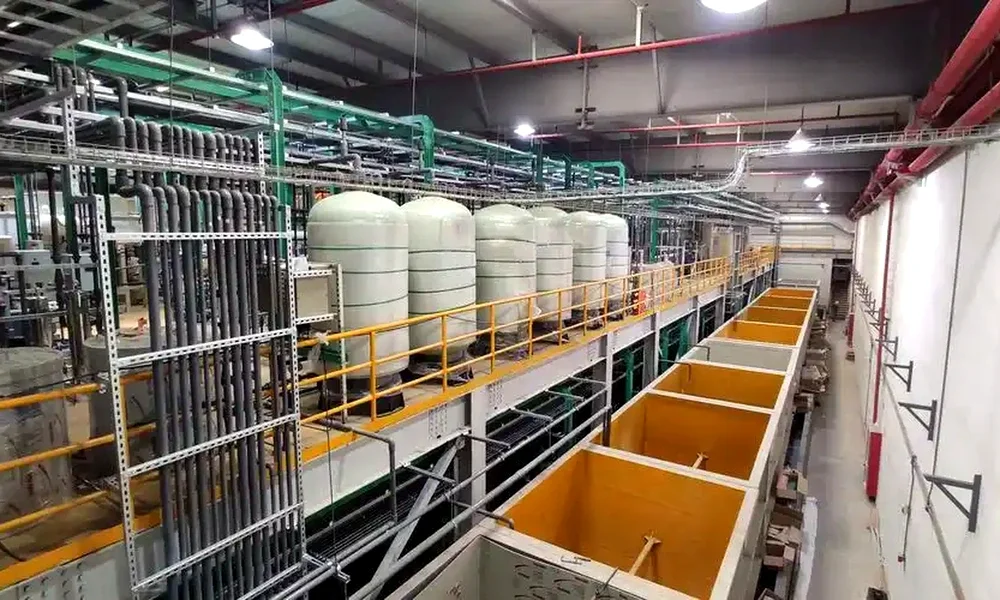
Industrial plating processes release a mix of inorganic and organic impurities into the process water. The most problematic constituents include:
- Toxic Heavy Metals: Dissolved ions including hexavalent chromium ($Cr^{6+}$), nickel ($Ni^{2+}$), copper ($Cu^{2+}$), zinc ($Zn^{2+}$), cadmium ($Cd^{2+}$), and lead ($Pb^{2+}$). These metals do not degrade naturally and require targeted heavy metal removal.
- Cyanide Compounds: Free cyanides and strong metal-cyanide complexes (such as copper cyanide and zinc cyanide) originating from alkaline electroplating baths.
- Strong Mineral Acids and Bases: Hydrochloric, sulfuric, nitric, and hydrofluoric acids from pickling processes, balanced against caustic alkaline cleaning agents.
- Organic Additives and Surfactants: Brighteners, leveling agents, complexing agents like EDTA, and oil residues generated from pickling and phosphating wastewater stages that disrupt phase separation.
| Contaminant Category | Primary Sources | Key Pollutants Present |
|---|---|---|
| Heavy Metals | Electroplating baths, drag-out rinses | $Cr^{6+}$, $Ni^{2+}$, $Cu^{2+}$, $Zn^{2+}$, $Cd^{2+}$ |
| Cyanides | Stripping solutions, plating tanks | Free $CN^-$, complexed ferrocyanides |
| Corrosive Solvents | Surface prep, pickling, etching | $H_2SO_4$, $HCl$, $HNO_3$, $NaOH$ |
| Organics & Suspended Solids | Degreasing, phosphating stages | Mineral oils, wetting agents, phosphates |
Environmental Hazards and Compliance Standards
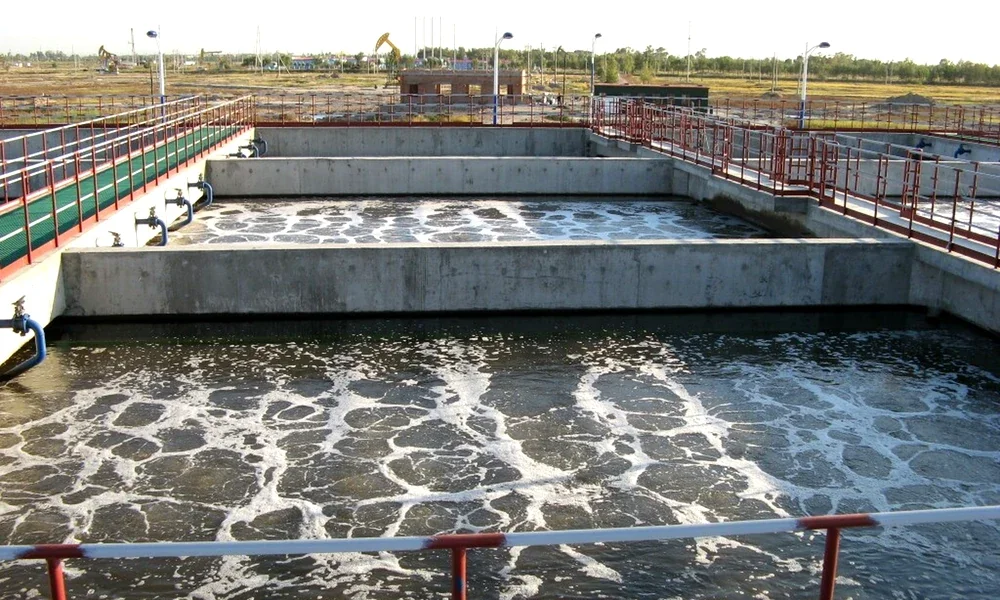
Uncontrolled discharge of plating effluent causes catastrophic ecological damage. Heavy metals bioaccumulate within aquatic food chains, leading to severe chronic toxicity, organ damage, and carcinogenic risks in humans. Hexavalent chromium and free cyanides present acute toxicity risks that rapidly destabilize municipal biological wastewater treatment plants.
Regulatory authorities worldwide enforce stringent discharge standards to protect municipal infrastructure and surface waters:
- Effluent Limitations: Regulatory bodies (such as the US EPA and EU Industrial Emissions Directives) mandate sub-ppm limits—often requiring heavy metal levels below 0.1 to 0.5 mg/L before discharge.
- Total Dissolved Solids (TDS) and pH Caps: Strict monitoring ensures final effluent pH stays between 6.0 and 9.0, preventing corrosion and chemical shocks downline.
- Zero-Discharge Mandates: Modern compliance increasingly demands comprehensive water recycling and Zero Liquid Discharge (ZLD) adoption to eliminate direct environmental release.
Segregation of Plating Wastewater Streams
The baseline rule of electroplating wastewater management is total source segregation. Combining all waste streams into a single equalizing tank causes dangerous chemical reactions, complicates treatment chemistry, and drastically inflates operating costs.
A standard industrial segregation strategy separates effluents into four dedicated channels:
- Cyanide Wastewater Stream: Kept strictly alkaline ($pH > 10$) to prevent the formation of lethal hydrogen cyanide ($HCN$) gas. This stream must be oxidized before joining general treatment lines.
- Chromium Wastewater Stream: Kept isolated under acidic conditions ($pH < 2.5$) to facilitate the chemical reduction of hexavalent chromium to its trivalent state ($Cr^{3+}$).
- General Acid-Base & Heavy Metal Stream: Contains common rinse waters with free metal ions (nickel, copper, zinc) ready for neutralization precipitation.
- Complexed and Concentrated Baths: Spent chemical baths, along with pickling and phosphating wastewater, require specialized pre-treatment—such as demulsification methods or advanced oxidation—to break chelated bonds before mainstream precipitation.
Chemical Treatment Methods for Electroplating Wastewater
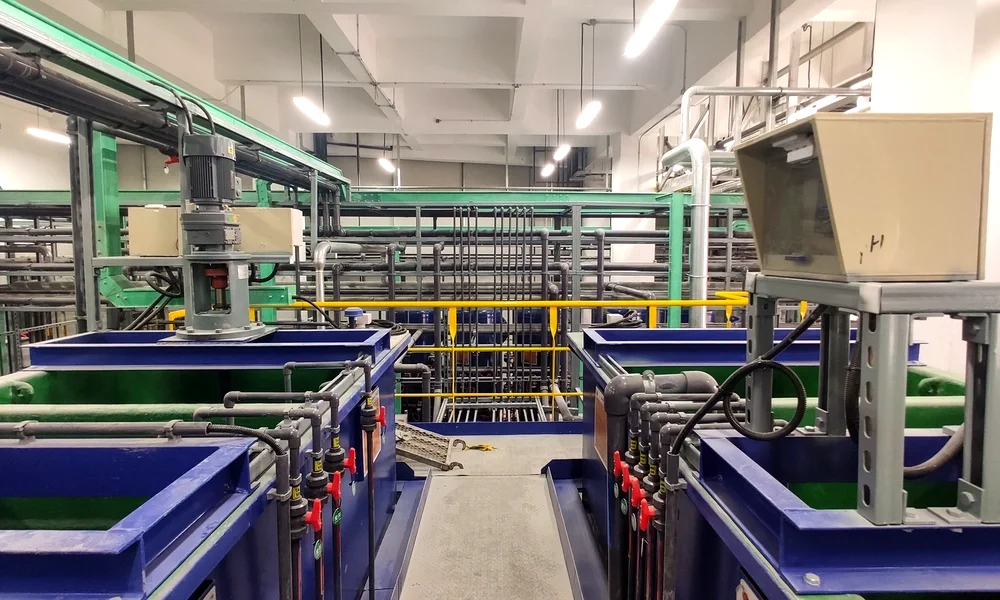
Chemical processing remains the primary line of defense in managing electroplating wastewater. We rely on targeted chemical reactions to break down toxic complexes, alter chemical valence states, and convert soluble heavy metals into stable, insoluble solids for rapid physical separation.
Chemical Precipitation for Heavy Metal Removal
Chemical precipitation is the industry benchmark for standard heavy metal removal. By shifting effluent conditions, dissolved metal cations react with precipitating agents to form insoluble compounds.
- Hydroxide Precipitation: Adding caustic soda (NaOH) or hydrated lime (Ca(OH)2) increases the pH to the minimum solubility point for specific metals (typically pH 8.0 to 10.5). Metals like copper (Cu2+), nickel (Ni2+), and zinc (Zn2+) settle out as metal hydroxides.
- Sulfide Precipitation: When dealing with chelated or complexed metals that resist hydroxide conversion, adding organosulfides or sodium sulfide drops residual metal concentrations to sub-parts-per-million levels.
- Neutralization Precipitation: Balancing acidic pickling rinses with alkaline cleaning baths reduces raw chemical consumption while driving spontaneous sedimentation.
Much like the proven engineering used in heavy metal-laden wastewater treatment and recovery systems, proper pH staging is non-negotiable to prevent amphoteric metals like zinc from re-dissolving at elevated alkaline levels.
Oxidation and Reduction for Cyanide and Hexavalent Chromium
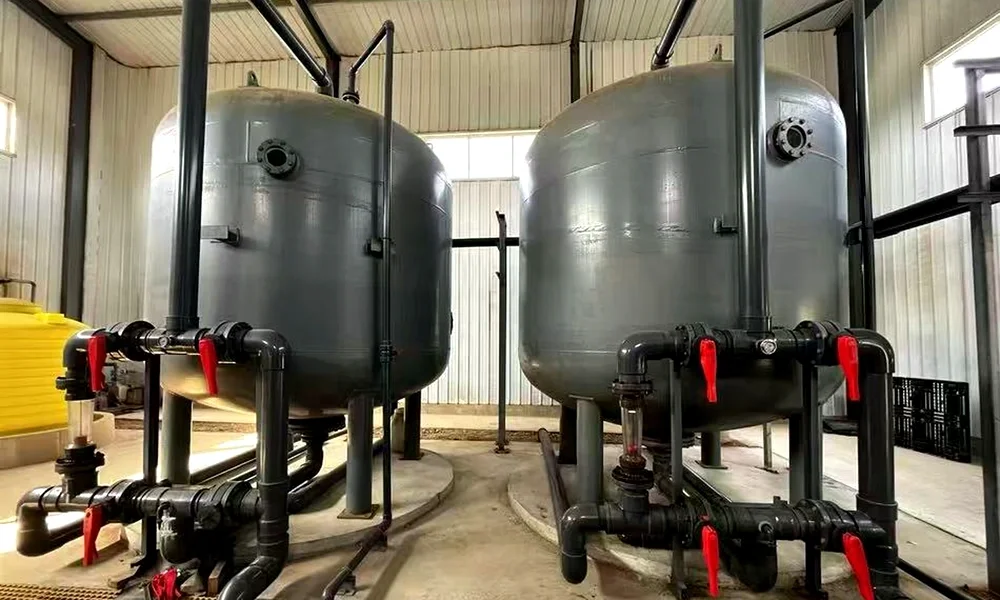
Certain electroplating contaminants cannot be precipitated directly without preliminary chemical transformation:
- Hexavalent Chromium Reduction: Highly toxic Cr6+ must be reduced to trivalent Cr3+ before precipitation. We lower the solution pH to 2.0–3.0 and inject reducing agents such as sodium metabisulfite (Na2S2O5) or ferrous sulfate (FeSO4). Once fully reduced, raising the pH to 8.5 precipitates chromium as Cr(OH)3.
- Alkaline Chlorination for Cyanide: Cyanide destruction requires a controlled two-stage oxidation process:
- Stage 1 (pH 10.0–11.0): Sodium hypochlorite (NaOCl) oxidizes highly toxic free cyanide (CN–) into cyanate (CNO–) within 15 to 30 minutes.
- Stage 2 (pH 8.0–8.5): Further oxidant addition breaks cyanate down completely into harmless carbon dioxide and nitrogen gas.
Coagulation and Flocculation Processes
After precipitation and oxidation-reduction reactions, metal precipitates often remain suspended as micro-colloidal particles that settle too slowly for gravity clarifiers. We bridge this gap using coagulation and flocculation:
- Coagulants: Inorganic salts such as polyaluminum chloride (PAC) or ferric chloride neutralize the electrostatic surface charges of suspended colloids, allowing fine particles to aggregate into micro-flocs.
- Flocculants: Long-chain polymers (typically polyacrylamide or PAM) bind micro-flocs into large, dense masses through molecular bridging.
This rapid agglomeration significantly improves settling velocities in lamella clarifiers and optimizes sludge cake dewatering during plate-and-frame filter press operations.
Physicochemical and Membrane Separation Technologies
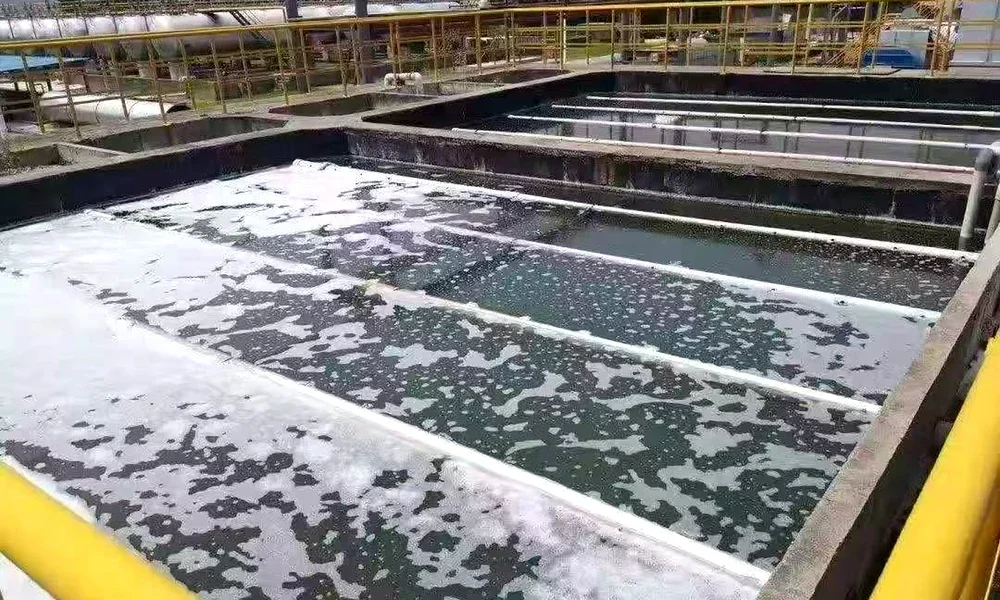
When traditional precipitation cannot meet strict discharge limits or when resource recovery is the goal, we turn to physicochemical and membrane separation technologies. These processes isolate dissolved contaminants without creating massive volumes of chemical sludge, allowing plating facilities to recover both process water and expensive plating chemicals.
Ion Exchange for Heavy Metal Recovery
We use ion exchange systems primarily to polish rinse waters and capture valuable metal cations, including nickel, copper, and gold. The process runs wastewater through synthetic resin beds that selectively swap target heavy metals for non-hazardous ions like sodium or hydrogen.
- Selective Resins: Chelating resins target specific heavy metals even in high-salinity rinse streams.
- Closed-Loop Operation: Once the resin saturates, an acid or base regenerant strips the metals into a concentrated solution ready for direct return to plating baths.
- Effluent Quality: Consistently delivers heavy metal removal down to sub-ppm levels, ensuring steady compliance.
Reverse Osmosis (RO) and Nanofiltration Systems
Membrane filtration forms the backbone of modern water reclamation in surface finishing plants. By combining nanofiltration (NF) and reverse osmosis (RO), we split electroplating wastewater into clean permeate and a dense concentrate:
| Membrane Stage | Operating Pressure | Target Contaminants | Typical Application |
|---|---|---|---|
| Nanofiltration (NF) | 70 – 200 psi | Divalent ions, large metal complexes, surfactants | Softening and selective metal separation |
| Reverse Osmosis (RO) | 200 – 600+ psi | Total dissolved solids (TDS), monovalent salts, trace metals | Rinse water demineralization and recycling |
The recovered permeate returns directly to manufacturing lines as deionized rinse water, cutting freshwater intake by up to 80%.
Activated Carbon Adsorption
Organic additives such as brighteners, levelers, wetting agents, and complexing surfactants foul expensive RO membranes if left untreated. We implement granular activated carbon (GAC) adsorption filters to pull these dissolved organics out of the stream through surface pore trapping.
Beyond organic removal, carbon beds strip trace oxidizers and free chlorine that would otherwise degrade downstream ion exchange resins. Plating shops dealing with complex exhaust and bath chemistries often pair these liquid-phase beds with an industrial activated carbon adsorption unit to simultaneously manage volatile process emissions, keeping the entire finishing line clean and compliant.
Electrochemical Wastewater Treatment Solutions
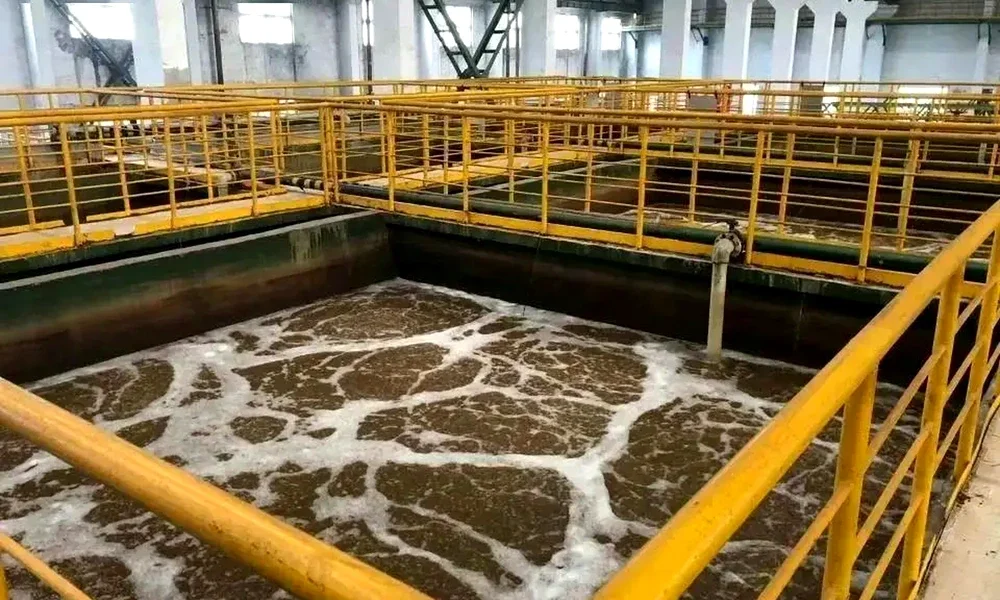
When dealing with tough industrial effluents, electrochemical systems offer a clean, chemical-free path to compliance. In our experience designing industrial treatment systems, electrochemical methods for treating electroplating wastewater solve two major headaches at once: they slash hazardous chemical deliveries and dramatically cut down sludge volumes. By passing electrical current through sacrificial or inert electrodes, these systems break down complexed toxins and pull heavy metals straight out of solution.
Electrocoagulation and Electroflocculation
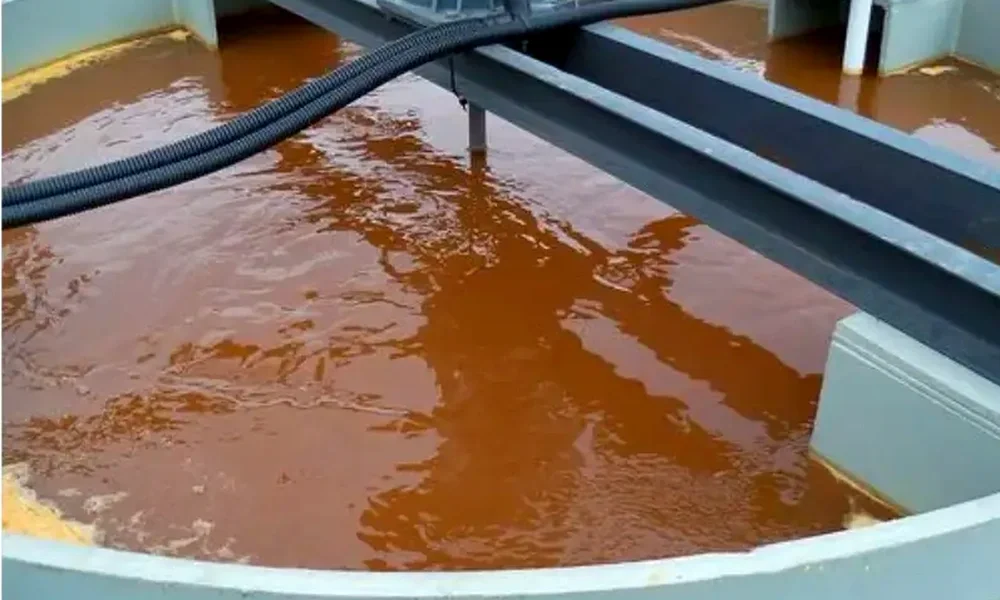
Electrocoagulation (EC) uses sacrificial aluminum or iron plates to release active coagulants in situ. Instead of hauling drums of metal salts to your plant, electricity dissolves the anode directly into the stream, neutralizing charges and sweeping suspended solids, oils, and metals into large flocs.
- Lower Sludge Production: Produces up to 50% less sludge than conventional lime precipitation because no counter-ions (like sulfates or chlorides) are added.
- Dual Action Removal: The tiny hydrogen and oxygen gas bubbles generated at the cathode lift suspended flocs to the surface via electroflocculation, combining settling and flotation in one chamber.
- Process Flexibility: Much like the pretreatment phases seen when managing pickling and phosphating wastewater, electrocoagulation handles high fluctuations in oil, grease, and metal ions without constant manual re-dosing.
| Parameter | Standard Chemical Coagulation | Electrocoagulation (EC) |
|---|---|---|
| Chemical Additions | High (coagulants, polymers, caustic) | Minimal (occasional pH adjustment) |
| Sludge Volume | High, hydrated chemical sludge | Compact, easily dewatered metal oxide cake |
| TDS Increase | High salinity added from salts | Low to negligible change in TDS |
| Maintenance | Chemical pumps and mixing tanks | Periodic electrode plate cleaning/replacement |
Electrolytic Recovery and Electrodialysis
Electrolytic recovery (electrowinning) turns dissolved scrap metals into valuable assets. By applying direct current across non-sacrificial anodes and stainless steel cathodes, metal ions deposit directly onto the cathode plate as pure, solid metal sheets.
- Target Metals: Excellent for high-concentration rinse baths containing copper, nickel, tin, gold, and silver.
- Resource Recovery: Plating shops can peel solid metal plates off the cathodes and sell them directly to recyclers or reuse them as plating anodes.
- Electrodialysis (ED): Uses ion-exchange membranes driven by an electrical field to separate ionic species from uncharged water. This concentrates heavy metal salts into a tight reject stream while producing clean, demineralized water ready for rinse tank recycling.
Advanced Oxidation Processes (AOPs)
Tightly bound metal complexes, such as nickel-EDTA or copper-cyanide, resist standard alkaline dropping methods. Electrochemical Advanced Oxidation Processes (EAOPs) destroy these strong chemical bonds by generating non-selective hydroxyl radicals directly at the electrode surface.
- Electrolytic Oxidation of Cyanide: Destroys free and complexed cyanide species, turning toxic cyanides directly into harmless nitrogen gas and carbonate ions without requiring high doses of chlorine gas or liquid bleach.
- Organometallic Complex Destruction: Hydroxyl radicals tear through chelating agents, liberating heavy metals so they can precipitate or plate out quickly.
- Boron-Doped Diamond (BDD) Electrodes: Our high-efficiency systems utilize inert BDD anodes to deliver the highest oxidation potentials available, ensuring complete mineralization of stubborn organic additives, brighteners, and levelers found in spent plating baths.
Biological Treatment and Sustainable Approaches
When searching for what are the methods for treating electroplating wastewater, conventional chemical plants often overlook nature-based solutions. While high heavy metal concentrations usually kill standard microbes, modern biological and biosorption technologies offer clean, low-sludge polishing stages for industrial effluent.
Microbial and Biosorption Techniques
I utilize biosorption systems as an eco-friendly finishing step to capture trace metal ions left behind after primary clarification. Living and non-living biomass selectively pull contaminants out of the solution without requiring heavy chemical dosages.
- Inactive Biomass Adsorption: We use dried agricultural residues, dead fungi, and specialized algal biomass. These feedstocks bind positively charged metal ions (like nickel, copper, and zinc) onto their cell wall functional groups.
- Metal-Tolerant Bacteria: Sulfate-reducing bacteria (SRB) convert aqueous sulfates into hydrogen sulfide. This reacts with dissolved heavy metals to form ultra-stable, insoluble metal sulfide precipitates.
- Key Benefits: Lower chemical expenditures, minimal secondary hazardous sludge production, and the ability to strip and reclaim valuable metals.
Constructed Wetlands and Biological Degradation
For low-toxicity polishing and stormwater control, engineered wetlands and bio-filters serve as sustainable final discharge barriers. While biological processes are standard in organic sectors—such as in a wastewater treatment process for slaughterhouses guide—adapting them for electroplating wastewater requires specialized, metal-accumulating vegetation and controlled flow rates.
| Biological Method | Primary Contaminants Targeted | Best Application Stage |
|---|---|---|
| Biosorption Beds | Copper, Nickel, Hexavalent Chromium | Tertiary metal polishing |
| Sulfate-Reducing Bioreactors | Heavy metals, dissolved sulfates | Secondary anaerobic treatment |
| Engineered Wetlands | Residual nitrates, trace organics, suspended solids | Final effluent compliance stage |
Plant roots in subsurface wetlands filter residual suspended solids while hyperaccumulating aquatic plants like reeds and cattails safely store remaining trace elements. This approach drastically cuts carbon footprints and simplifies regulatory compliance.
Process Monitoring and Quality Control Systems
In our operations, real-time tracking is non-negotiable. Electroplating wastewater changes rapidly in chemical volume and toxicity. Without responsive process instrumentation, even advanced chemical precipitation or membrane filtration trains fail to hit discharge benchmarks. We rely on closed-loop feedback systems to maintain steady chemical dosing, protect downstream separation hardware, and ensure steady effluent compliance.
pH and ORP Sensors for Chemical Reaction Monitoring
Continuous pH and Oxidation-Reduction Potential (ORP) tracking forms the backbone of chemical destruction and precipitation tanks:
- Hexavalent Chromium Reduction: We maintain pH strictly between 2.0 and 2.5 while the ORP controller doses sodium metabisulfite until the potential drops below +250 mV, confirming complete conversion to trivalent chromium.
- Cyanide Destruction: Alkaline chlorination requires two distinct stages. Stage one runs at pH 10.5+ with an ORP setpoint around +350 to +400 mV to oxidize cyanides to cyanates. Stage two lowers the pH to 8.5 with ORP pushed to +600 mV to complete total nitrogen gas conversion.
- Neutralization Precipitation: We target narrow pH bands (typically 8.2 to 9.5) to hit the minimum solubility point for nickel, copper, and zinc hydroxides, preventing resolubilization before the sludge clarifier.
| Target Parameter | Reaction Stage | Typical Setpoint | Sensor Action |
|---|---|---|---|
| Hexavalent Chromium | Reduction tank | pH 2.0–2.5 / ORP < +250 mV | Regulates acid and reducing agent dosing |
| Cyanide (Stage 1) | Oxidation reactor | pH 10.5–11.0 / ORP +350–400 mV | Triggers caustic soda and sodium hypochlorite |
| Cyanide (Stage 2) | Secondary reactor | pH 8.0–8.5 / ORP +600–650 mV | Controls final oxidant addition |
| Mixed Heavy Metals | Clarification tank | pH 8.8–9.2 | Feeds lime or sodium hydroxide for settling |
Conductivity and Heavy Metal Concentration Sensors
Conductivity meters deliver an instant readout of total dissolved solids (TDS) and ionic dragout across static rinses. We use toroidal, non-contact conductivity probes in heavy plating streams to eliminate electrode fouling from oily dragout and scale:
- Rinse Water Management: Conductivity measurements automate dragout rinse dump cycles, cutting rinse water usage while maintaining product quality.
- Demineralizer Protection: In-line probes signal ion exchange saturation and resin bed exhaustion before ionic leakage contaminates the recovery line.
- Colorimetric and Voltammetric Metal Analyzers: Automated, multi-channel analyzers deliver direct, ppm-level readings for free nickel, copper, and chromium ions directly upstream of final discharge, verifying that effluent meets environmental caps.
Automated Dosing and Treatment Controllers
We replace manual chemical adjustments with programmable logic controllers (PLCs) and digital PID dosing loops. Uncontrolled chemical additions create sludge bulking and spike chemical expenses.
- Proportional Chemical Metering: Our automated dosing skids adjust variable-speed diaphragm pumps based on real-time sensor signals, ensuring the exact stoichiometric delivery of flocculants, coagulants, and acids.
- System Protection Protocols: High/low interlocks immediately divert off-spec effluent back to raw surge equalization tanks, preventing unreacted toxins from fouling reverse osmosis membranes or triggering regulatory violations.
- Data Integration: Just as automated control stabilizes a high-volume wastewater treatment process for water reuse, integrating SCADA logging into metal finishing lines provides the operational traceability necessary for modern compliance audits and reclamation efficiency.
How to Select the Right Electroplating Wastewater Treatment Method
Choosing the correct treatment setup for your plating line is not a one-size-fits-all decision. At our facilities, we evaluate every system based on raw bath chemistry, discharge permits, and long-term operating overhead. Matching the technology to your real operating conditions keeps your plant compliant while protecting profit margins.
Assessing Effluent Volume and Contaminant Concentrations
Before selecting equipment, we break down the facility’s water balance into distinct streams. Trying to run continuous dilute rinse water through the same process as concentrated spent plating dumps guarantees system failure and inflated chemical costs.
Key operational metrics we evaluate include:
- Daily Flow Rates: High-volume, low-concentration rinse streams work best with continuous flow-through systems like ion exchange or membrane filtration. Low-volume, high-concentration dumps demand batch treatment.
- Contaminant Profiling: Identify the specific ionic charges, complexing agents (such as EDTA or ammonia), and metal species (hexavalent chromium vs. trivalent chromium).
- Segregation Needs: Cyanide rinses, chromium streams, and general acid-alkali waste must remain separated at the source to prevent toxic gas generation and inefficient neutralization precipitation.
While organic streams focus on biochemical reduction—much like how slaughterhouse wastewater is treated—metal finishing operations require strict inorganic chemical separation and physical separation protocols.
Cost-Benefit Analysis: Disposal vs. Resource Recovery
Every plant manager faces the choice between conventional “end-of-pipe” destruction and modern closed-loop recovery. Traditional chemical precipitation carries lower upfront capital costs, but the recurring operational expenses of chemical reagents and hazardous F006 sludge hauling quickly accumulate.
| Metric | Conventional Precipitation & Disposal | Resource Recovery (IX / RO / Electrowinning) |
|---|---|---|
| Capital Cost (CAPEX) | Lower initial equipment spend | Moderate to high initial investment |
| Operating Cost (OPEX) | High chemical dosing & hazardous disposal fees | Lower ongoing chemical use; electrical consumption |
| Sludge Production | Massive volumes of metal hydroxide cake | Minimal to zero toxic sludge generation |
| Return on Investment | Pure cost center with ongoing liability | Pays back via reclaimed metals and recycled rinse water |
| Regulatory Risk | Vulnerable to tighter municipal discharge limits | Drastically lowers discharge volume and non-compliance fines |
When metal values are high—such as in nickel, gold, or copper plating—recovering those metals via electrolytic recovery or ion exchange delivers a rapid return on investment.
Implementing Zero Liquid Discharge (ZLD) Strategies
For facilities facing strict local discharge restrictions or high municipal water tariffs, Zero Liquid Discharge (ZLD) is the benchmark standard. We engineer ZLD systems to eliminate liquid waste entirely, recycling up to 95–98% of treated water straight back into production lines.
A standard, reliable ZLD configuration follows three primary steps:
- Pre-treatment & Softening: Removing hardness, suspended solids, and heavy metals to prevent downstream scaling.
- Membrane Concentration: High-recovery reverse osmosis (RO) concentrates the clean permeate for rinse bath reuse while isolating dissolved solids into a low-volume reject brine.
- Thermal Evaporation & Crystallization: Falling-film evaporators or vacuum crystallizers reduce the concentrated brine into solid, dry salt cakes for simple disposal or commercial reuse.
Adopting ZLD protects your business against tightening environmental regulations, insulates your operation from clean water supply limits, and secures long-term sustainability.